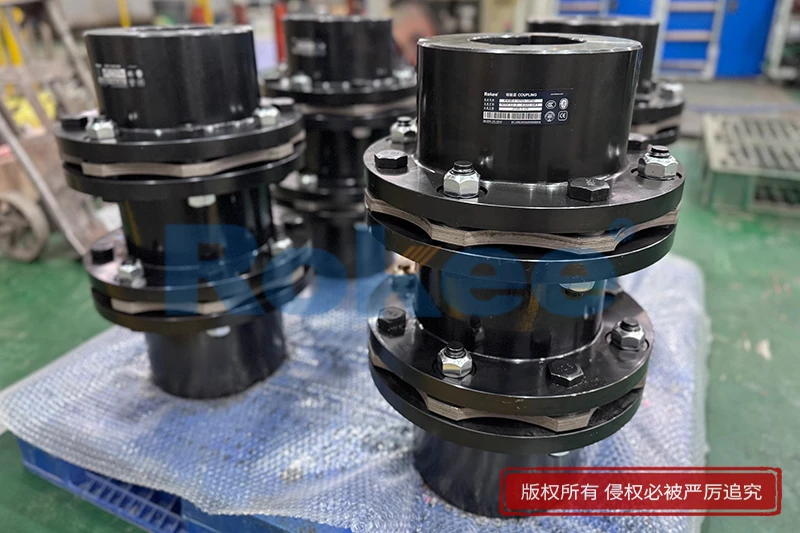
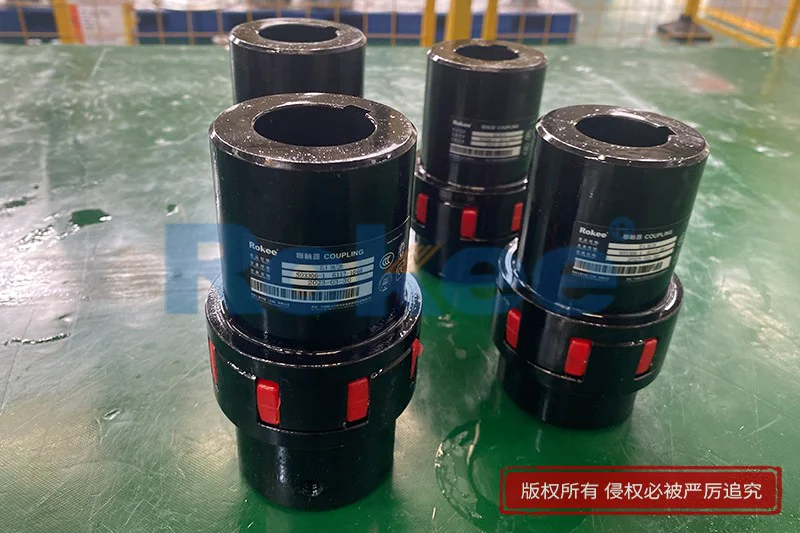
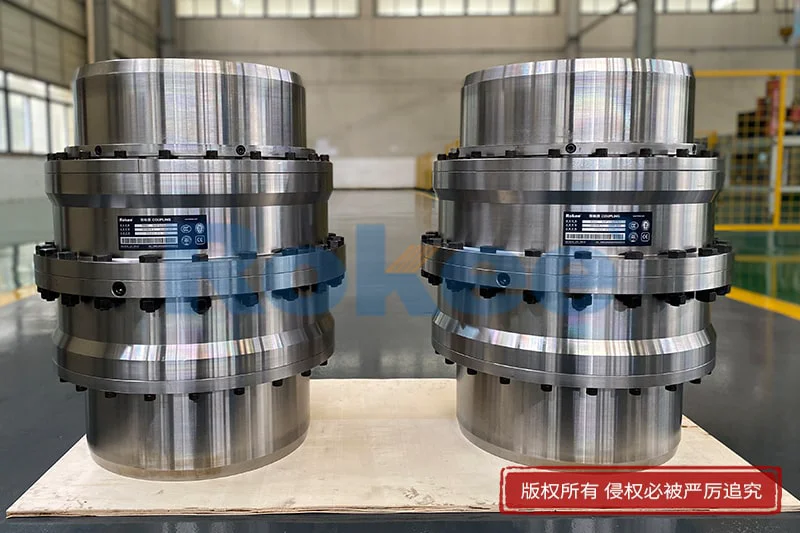
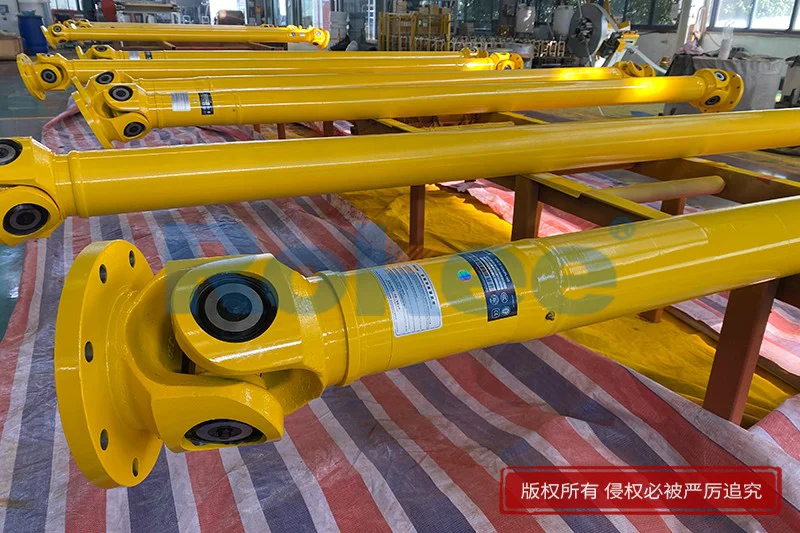
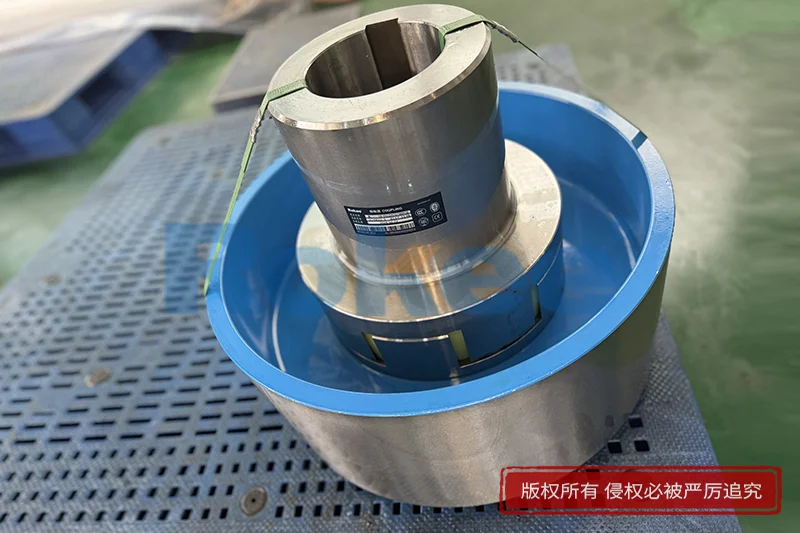
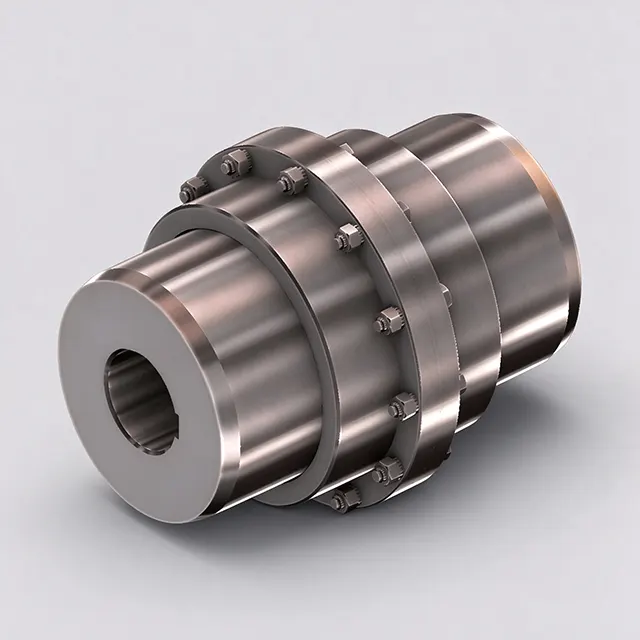
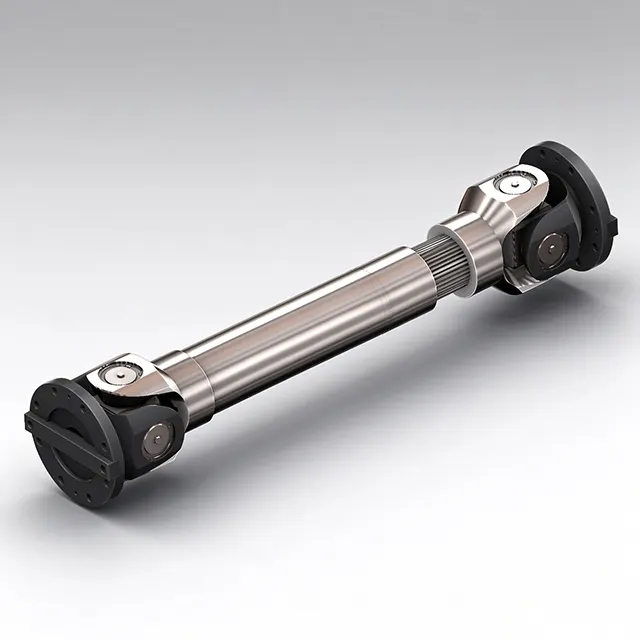
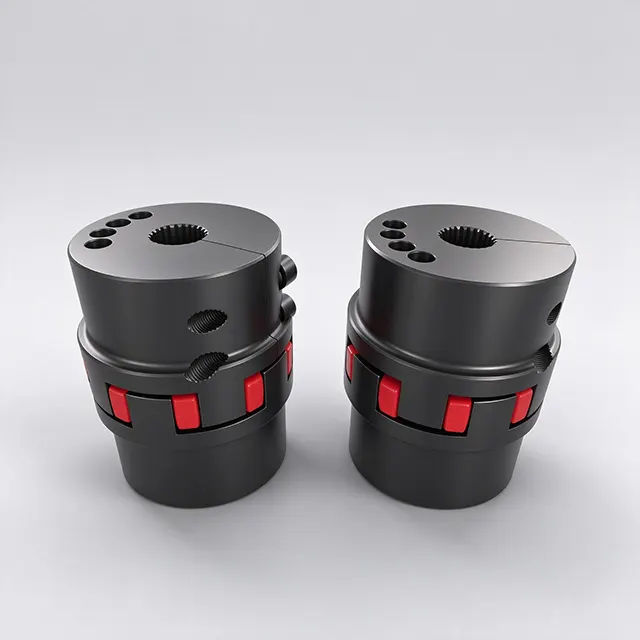
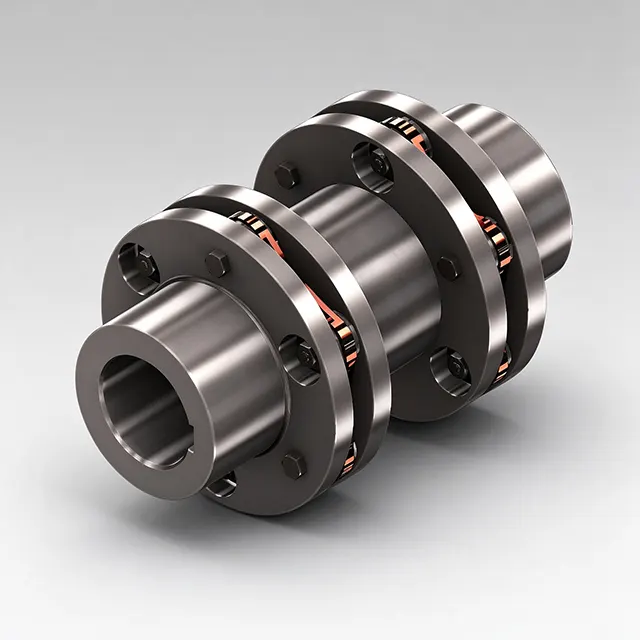
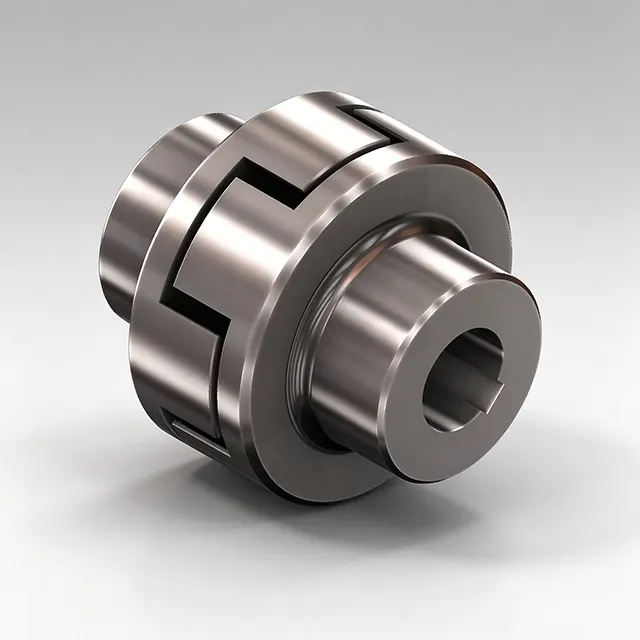
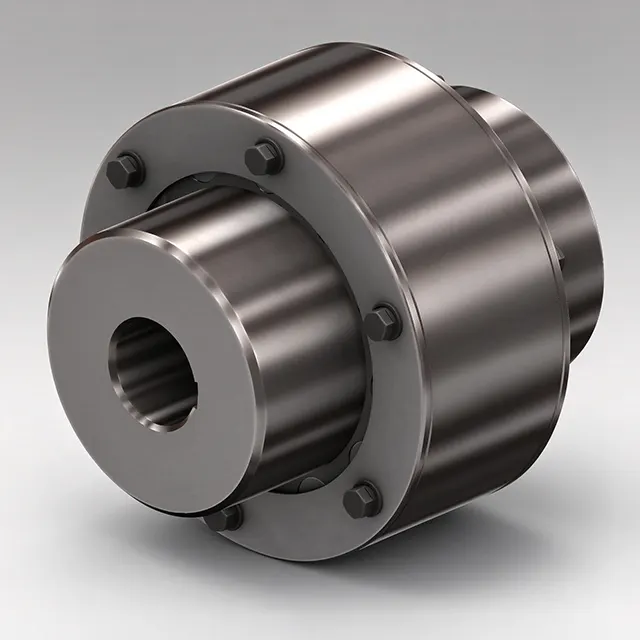
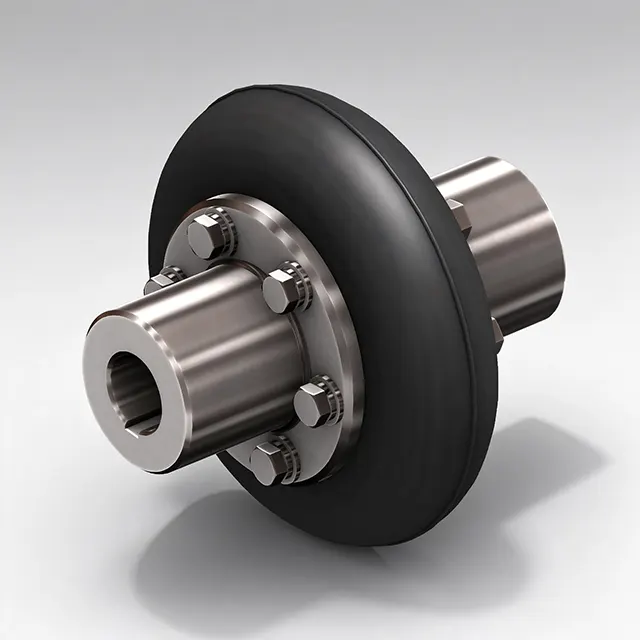
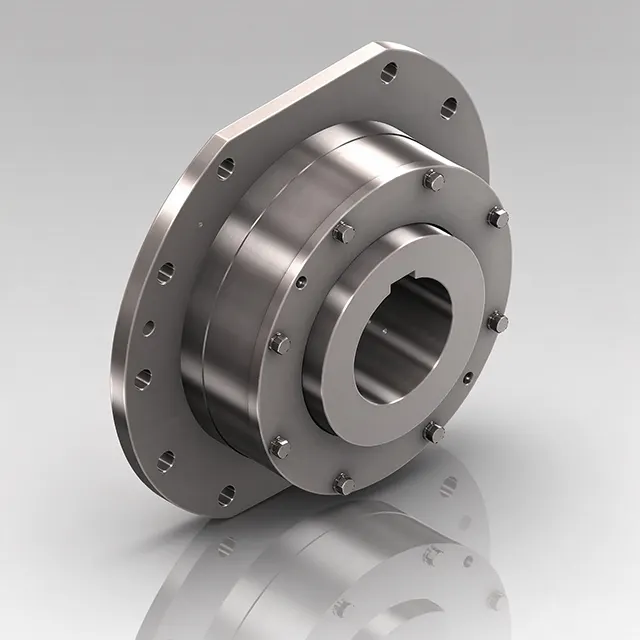
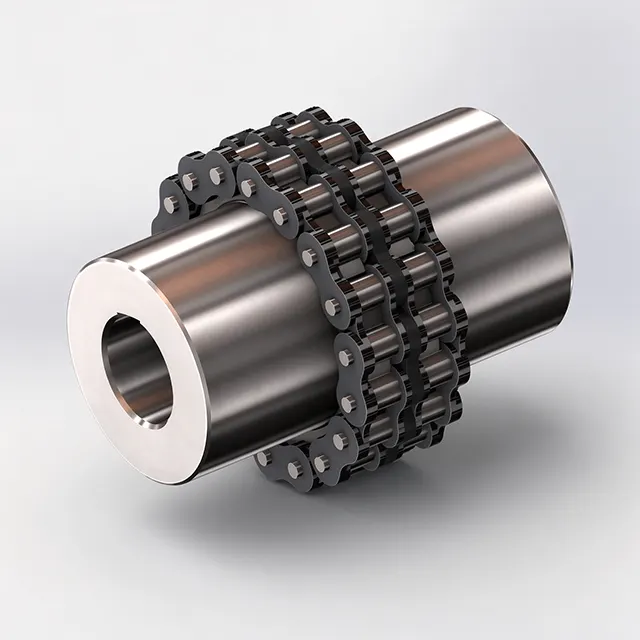
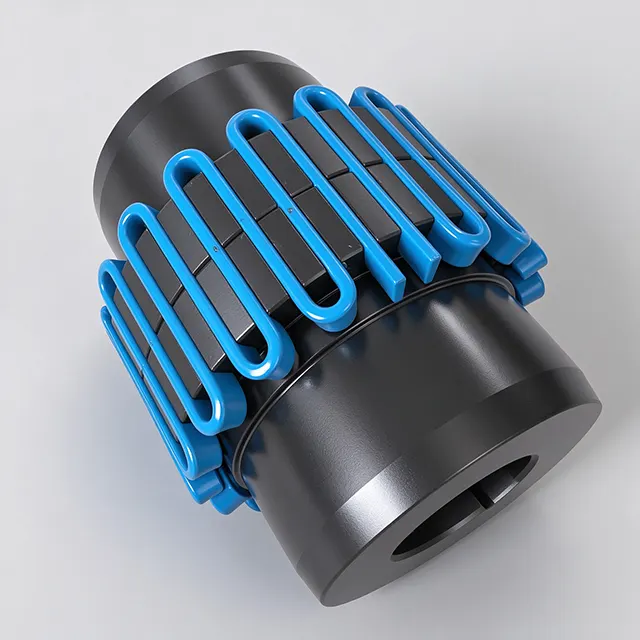
Pump couplings serve as critical connecting components that bridge a pump and its driving unit, most commonly an electric motor. They transmit rotational torque while accommodating minor positional deviations between the two connected shafts. As a flexible intermediate part in rotating machinery, they prevent direct rigid contact between the pump end and the drive end, buffer dynamic loads generated during startup, operation and shutdown. Without properly matched couplings, vibration, shaft wear and unexpected component failure are highly likely to occur, which can interrupt the continuous operation of the whole fluid delivery system.
Structural Composition and Materials
A typical pump coupling assembly consists of two hub bodies mounted separately on the pump shaft and drive shaft, plus an intermediate transmission element fitted between the hubs. Some designs include protective covers and fastening accessories for assembly.
Hubs are usually made of high-strength carbon steel or alloy steel, processed to guarantee concentricity and surface hardness for stable torque transfer. The intermediate transmission elements can be made of elastic polymer materials, composite fabrics or metal disc structures. Elastic materials feature good shock absorption performance, while metal intermediate parts offer stable performance under high temperature and heavy load conditions. Fastening parts adopt wear-resistant metal materials to keep clamping force consistent during long-term cyclic rotation.
Working Principle
When the driving shaft rotates, torque is transferred through one hub to the intermediate transmission element, and then passed to the other hub to drive the pump shaft to rotate synchronously. During operation, slight radial, axial and angular misalignment inevitably exists between the two shafts. The intermediate component deforms elastically or allows limited relative displacement to absorb such misalignment, so that extra bending stress will not accumulate on the pump shaft and motor shaft. It also absorbs part of the impact force produced by torque fluctuation, limiting the transmission of vibration from one side of the equipment to the other side. In extreme overload situations, certain structural designs can slip or deform excessively to cut off torque transmission and protect the main pump and drive equipment from severe damage.
Features and Advantages
Well-designed pump couplings deliver reliable torque transmission with strong tolerance for shaft misalignment. Elastic-type versions show outstanding vibration damping and noise reduction effects, improving the running smoothness of the pump set. Metal-structured couplings maintain stable mechanical performance under harsh thermal conditions and sustain high transmitted torque.
Most coupling structures have a compact layout and occupy limited installation space. Disassembly and replacement of the wearing intermediate element can be completed without moving the pump or motor, cutting down equipment downtime. They effectively isolate vibration transfer and reduce fatigue damage to bearings and shaft seals of the pump. Compared with rigid connection schemes, they lower the risk of shaft breakage and seal leakage caused by installation deviation or thermal expansion displacement.
Applicable Conditions and Application Industries
These couplings adapt to a wide range of rotational speed and load conditions. Elastic couplings are suitable for medium and low torque scenarios with frequent startup and obvious torque impact, while metal couplings fit continuous high-speed and high-load working environments. They can work in environments with normal humidity, and specially selected materials can cope with ambient temperature changes and weak corrosive surrounding media.
They are widely used in fluid transportation systems across multiple industries. In water treatment, they support clean water and wastewater pumping processes. In chemical production, they match pumps for conveying neutral and weakly corrosive fluids. They also apply to heating and cooling circulation systems, food fluid delivery lines, and general industrial circulating water pump sets. They are not recommended for scenarios with extremely strong corrosive media that will erode coupling materials directly, or ultra-high misalignment far beyond the allowable compensation range.
Installation and Commissioning Key Points
Before installation, the inner hole of hubs and the surface of matched shafts should be cleaned thoroughly to remove burrs, rust and impurities. The two hubs are fixed on the pump shaft and drive shaft respectively, and the intermediate transmission element is installed after preliminary alignment.
Alignment adjustment is the core step. Operators need to check radial runout and end face gap of the two hubs and adjust the position of the pump or motor to control misalignment within the allowable range. After all components are assembled, rotate the coupling manually to confirm there is no jamming or abnormal friction.
During commissioning, start the equipment for a short trial run first. Observe the overall vibration level and check for abnormal noise or local overheating. Stop the machine and recheck alignment if obvious vibration appears, and adjust the fastening tightness of connecting parts as required. A protective cover should be installed in place before formal continuous operation to avoid safety risks from rotating parts.
Selection and Customization
Selection starts with confirming basic operating parameters, including rated transmission torque, working rotating speed, shaft diameter of the pump and drive end, and allowable misalignment demand. Ambient temperature, surrounding medium characteristics and vibration level should also be taken into account to decide the proper structural type and material combination.
For conventional working conditions, standard structural types can meet requirements directly. For special working conditions, customized schemes are available. Customization can cover hub size matching, special material selection for intermediate parts, adjustment of compensation capacity for misalignment, and structural modification to adapt to limited installation space. The final scheme should balance transmission capacity, compensation performance and service life according to the actual operation demands of the pump system.
Operation and Maintenance
Routine maintenance focuses on regular visual inspection. Operators should check whether the intermediate transmission element has cracking, aging, deformation or detachment, and confirm that hubs and fasteners remain tightly fixed without loosening.
For elastic intermediate parts, service life will decline under long-term alternating load, high temperature or frequent impact, so periodic replacement is needed before failure occurs. Keep the coupling area clean and avoid accumulation of dust, oil sludge or splashed corrosive liquid that may accelerate material aging and wear.
Regular vibration and temperature monitoring helps find abnormal changes at an early stage. If abnormal vibration, noise or local high temperature is detected during operation, shut down the equipment in time for inspection. Do not run the coupling for a long time under excessive misalignment, which will accelerate component wear and lead to premature failure of the whole pump set. After maintenance or equipment relocation, realignment must be carried out before restarting.
https://www.rokeecoupling.net/shaft-couplings/pump-couplings.html