![Purpose of Cardan Drive Shafts]()
Purpose of Cardan Drive Shafts
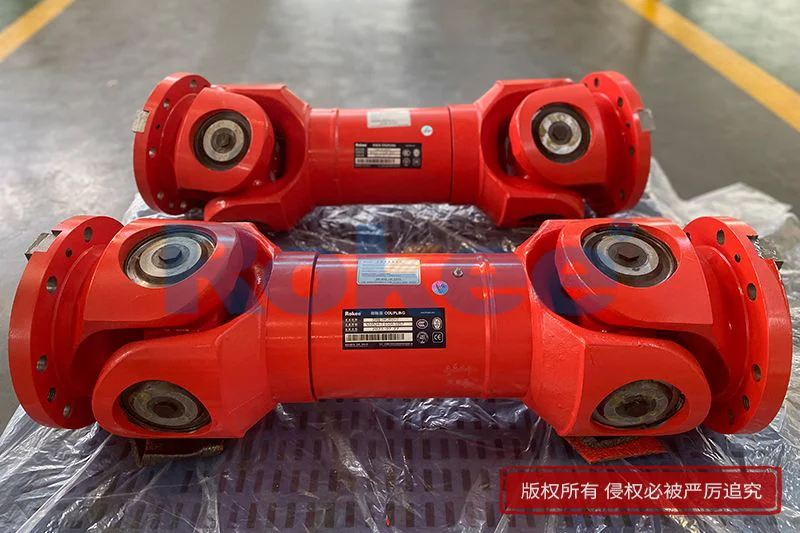
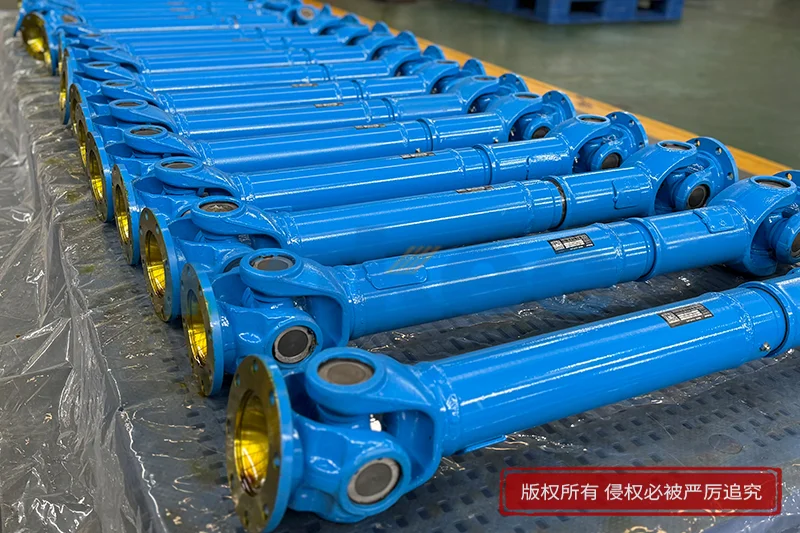
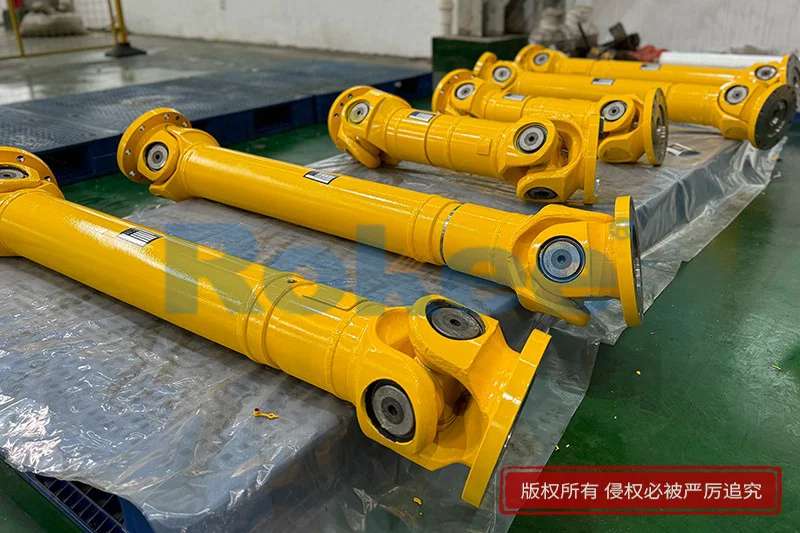
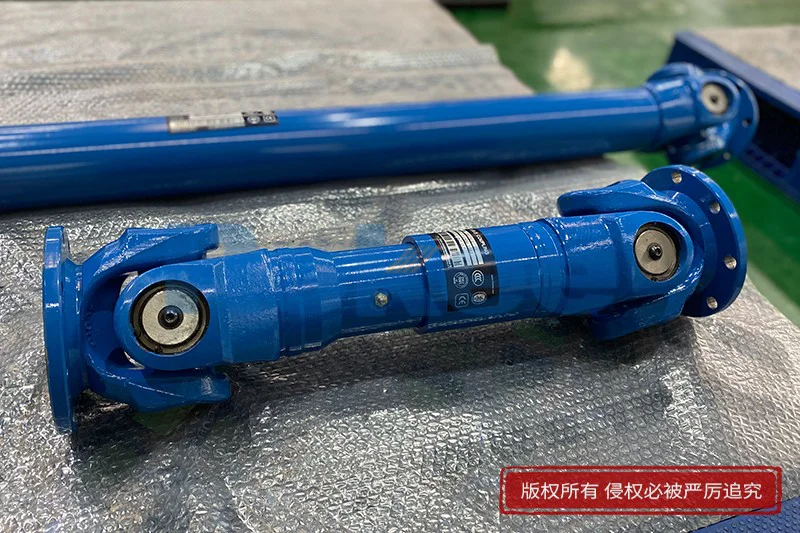
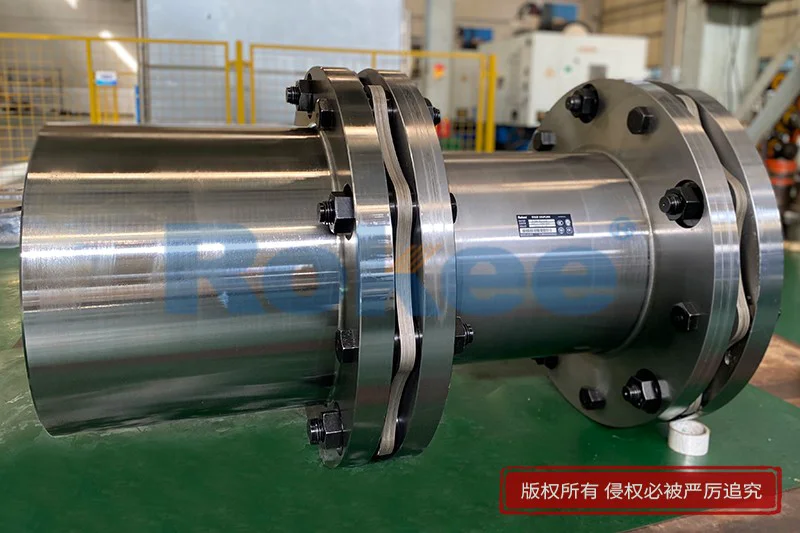
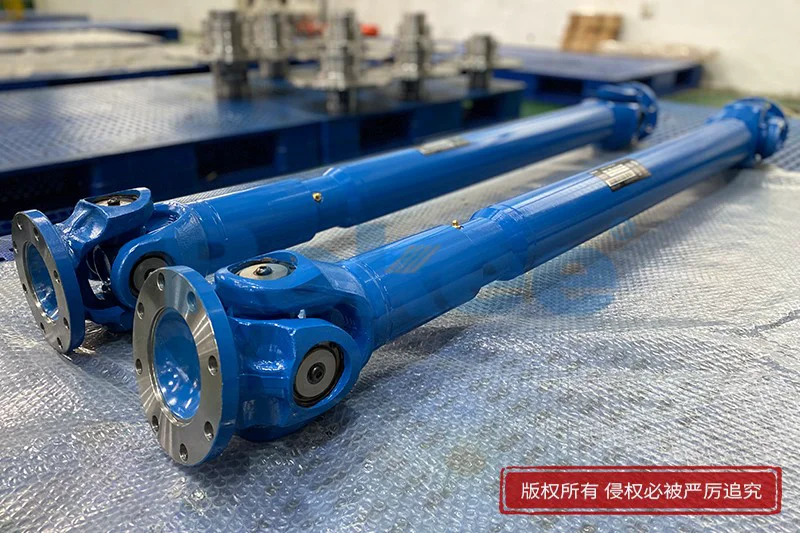
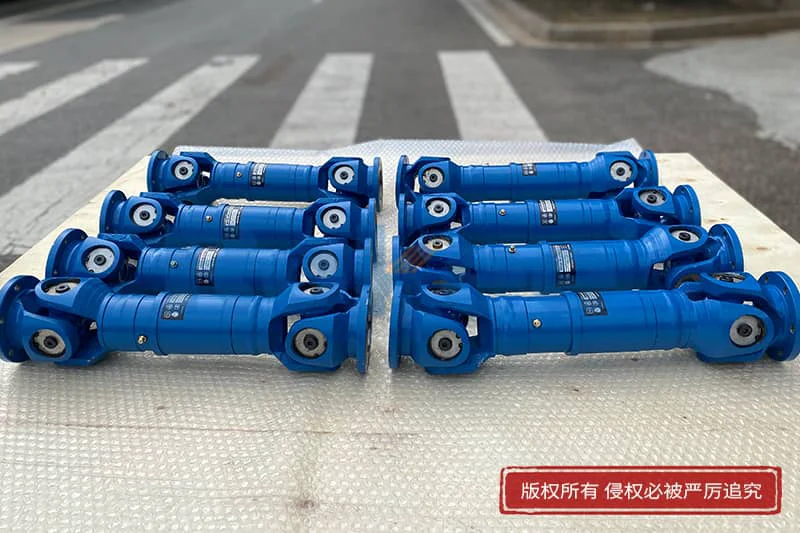
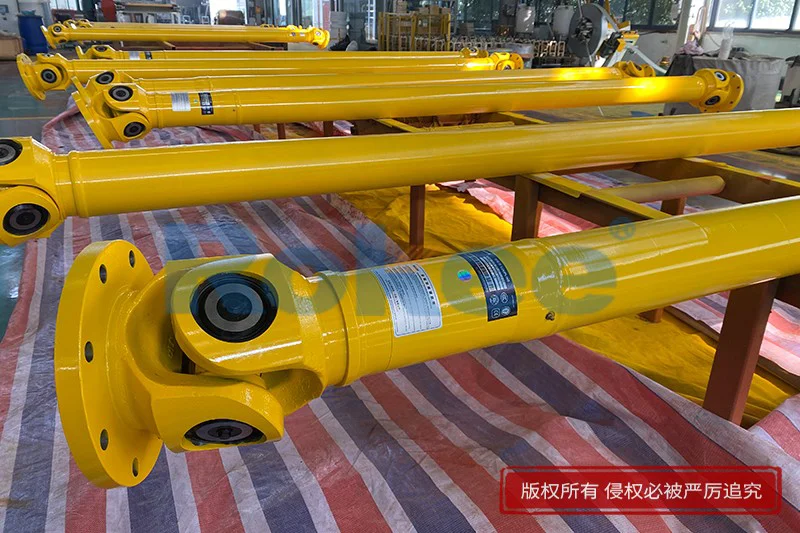
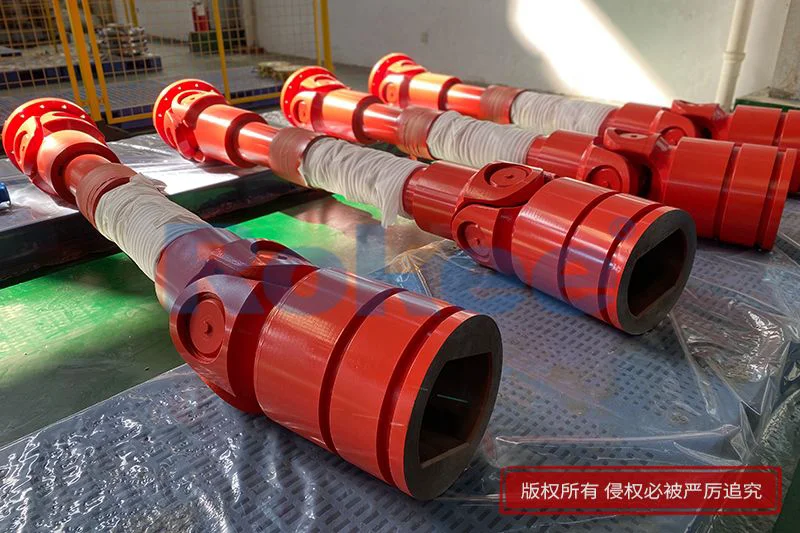
Jul 10, 2026In the complex and interconnected mechanical systems that power modern industry, transportation, and heavy engineering, the seamless transmission of rotational force and torque stands as one of the most fundamental requirements for stable and efficient operation. Among the critical mechanical components dedicated to this core function, cardan drive shafts emerge as an indispensable and highly versatile solution, uniquely engineered to address the inherent challenges of power transfer between misaligned, dynamically moving, and spatially separated mechanical parts. Unlike rigid drive components that demand precise static alignment between driving and driven units, cardan drive shafts are designed to deliver consistent, reliable power transmission while accommodating continuous variations in angular position, axial distance, and radial offset, making them a foundational element across countless mechanical applications. Their core purpose extends far beyond simple torque conveyance; they serve as adaptive mechanical bridges that preserve system functionality, reduce operational stress, extend equipment service life, and enable the flexible mechanical layouts that define modern machinery design.![Procurement of Universal Joint Couplings]()
Procurement of Universal Joint Couplings
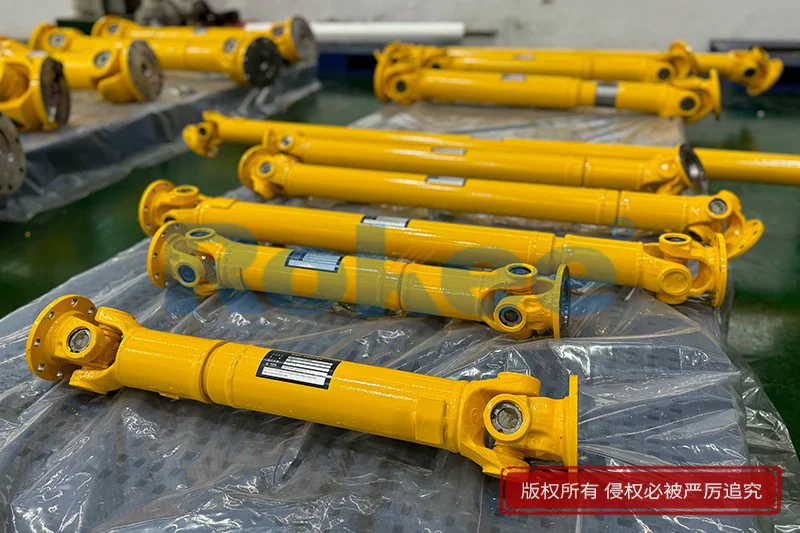
Jul 10, 2026Universal joint couplings serve as indispensable mechanical transmission components in modern industrial systems, widely applied in mechanical transmission structures that require angular deflection, axial displacement, and intersecting shaft connection. Their core function lies in stably transmitting torque and rotational power between two shafts with non-coaxial alignment, effectively compensating for installation deviations, operational vibration displacement, and structural position changes generated during equipment operation. In industrial production, mechanical transmission stability directly affects the overall operating efficiency, operational safety, and service life of complete equipment. Therefore, standardized, targeted, and rigorous procurement of universal joint couplings is a key link to ensure the long-term stable operation of mechanical systems, avoid frequent equipment failures, and reduce subsequent operational and maintenance costs. The procurement process of universal joint couplings is not a simple component purchasing behavior but a systematic work integrating application scenario analysis, parameter matching verification, structural performance evaluation, and follow-up applicability assessment, which requires comprehensive consideration of multiple industrial factors to realize the optimal matching between components and equipment operating conditions.![Plum Blossom Couplings Manufacturer]()
Plum Blossom Couplings Manufacturer
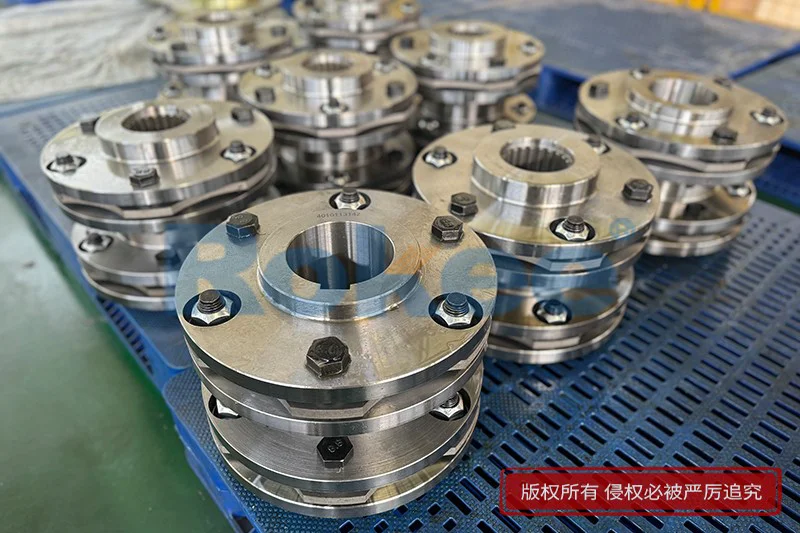
Jul 10, 2026As a core flexible transmission component in modern mechanical systems, plum blossom couplings have become an indispensable connecting part for various industrial equipment due to their unique structural design, excellent vibration damping performance and reliable torque transmission capacity. Rooted in the continuous upgrading of mechanical transmission technology, this type of coupling integrates flexibility and stability, perfectly adapting to complex and changeable industrial operating conditions, and has been widely applied in precision machinery, automated production, industrial power equipment and many other fields. The production and research of plum blossom couplings focus on the balance of structural optimization, material performance and process precision, aiming to provide long-term stable transmission solutions for mechanical shaft connection scenarios, and continuously promote the efficient and safe operation of industrial mechanical equipment.![Brake Drum Gear Couplings Company]()
Brake Drum Gear Couplings Company
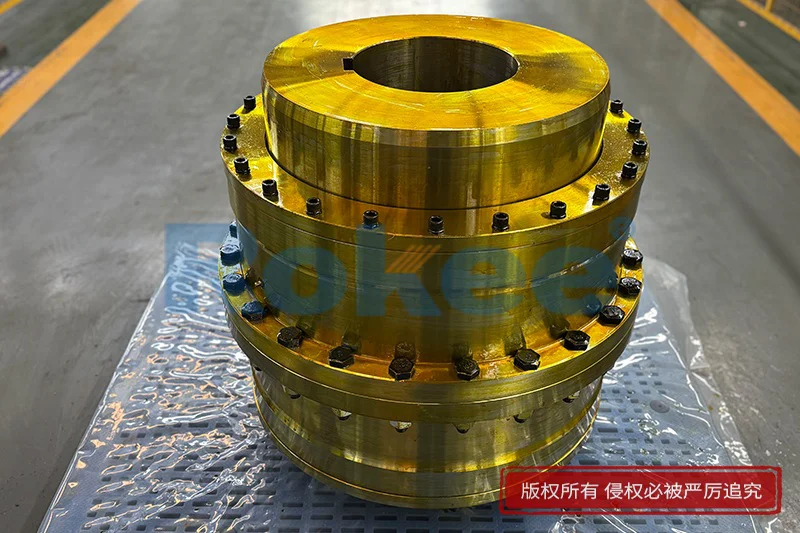
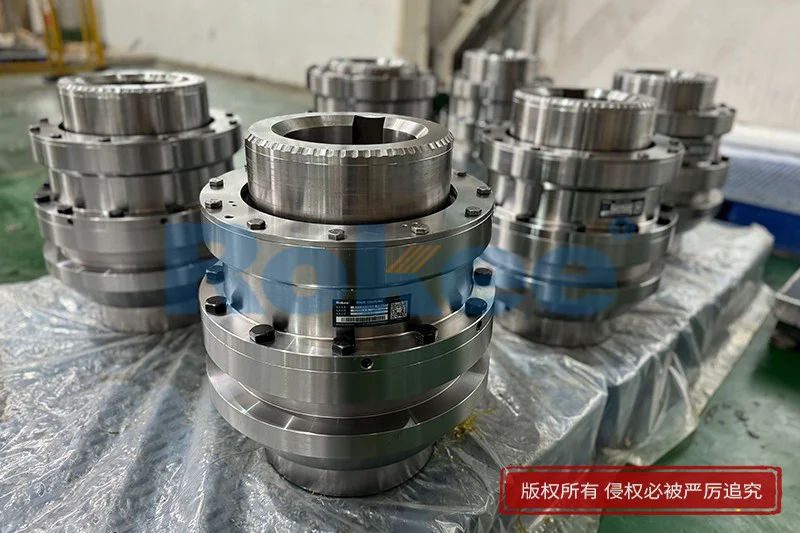
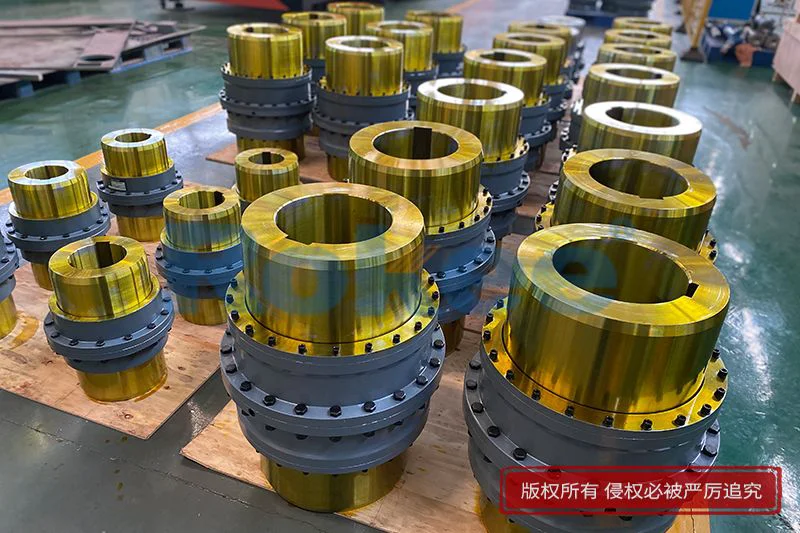
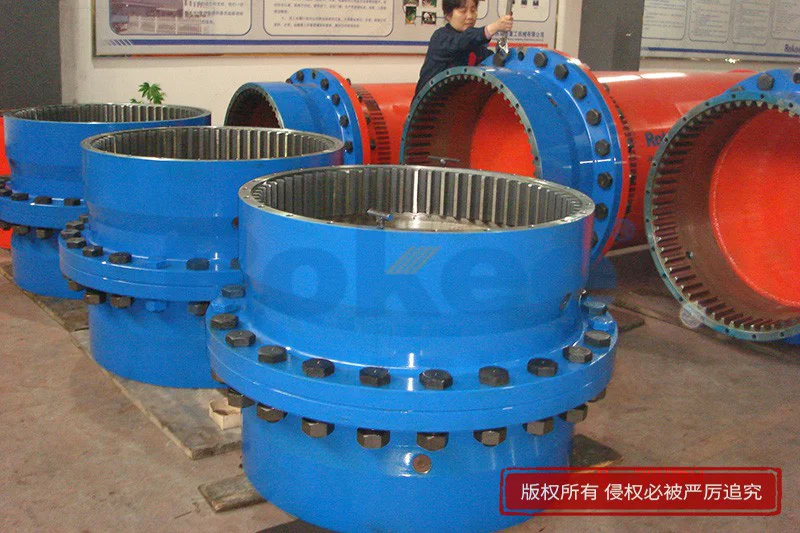
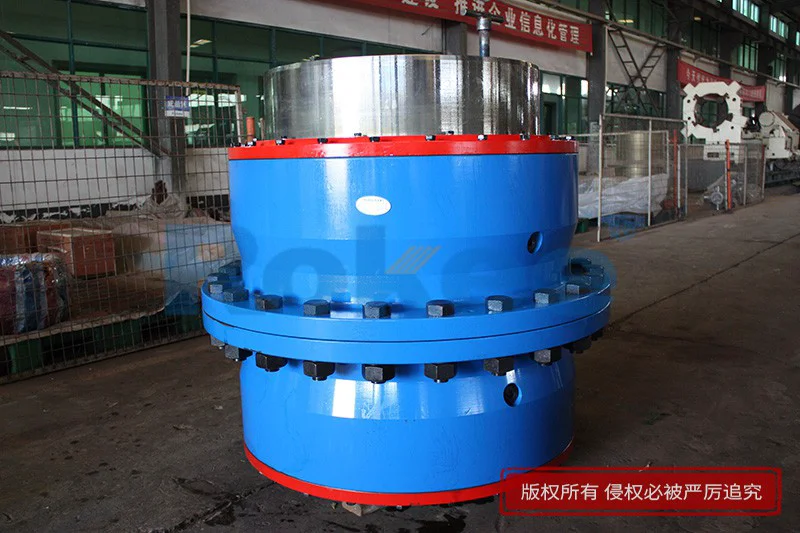
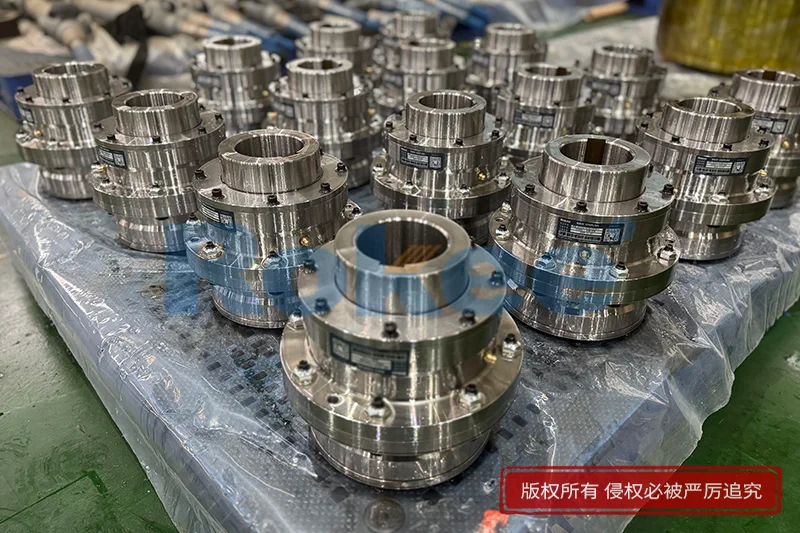
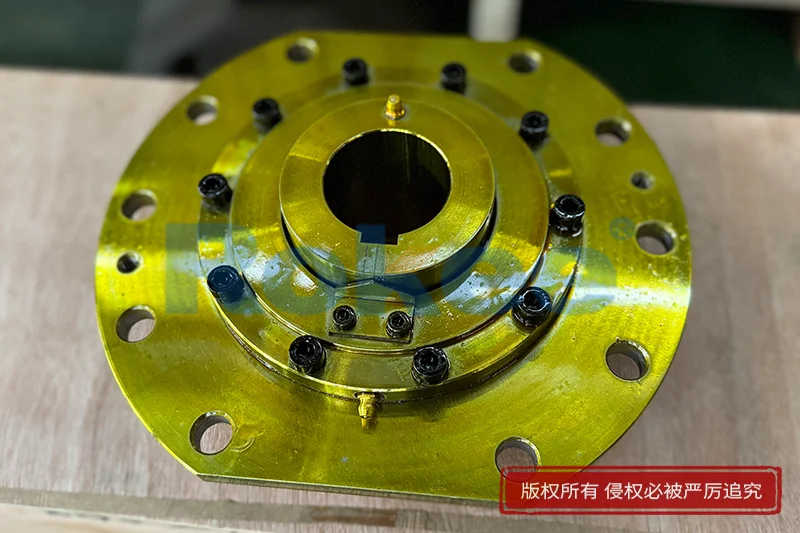
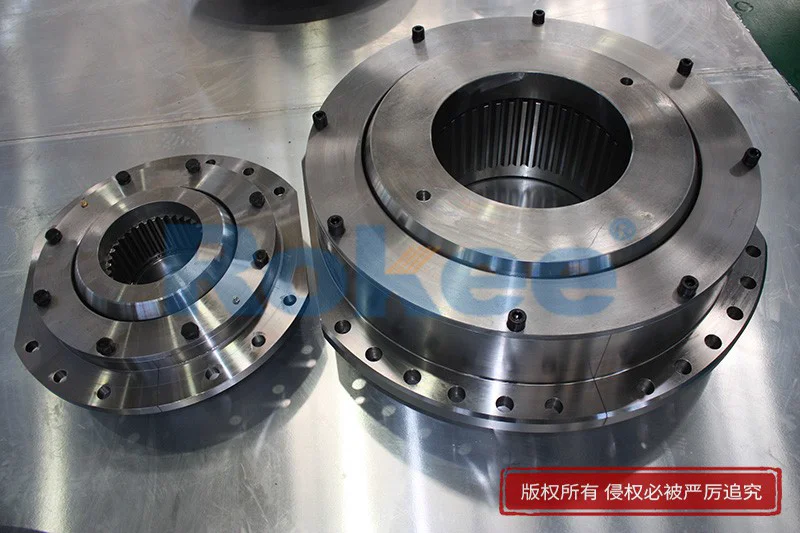
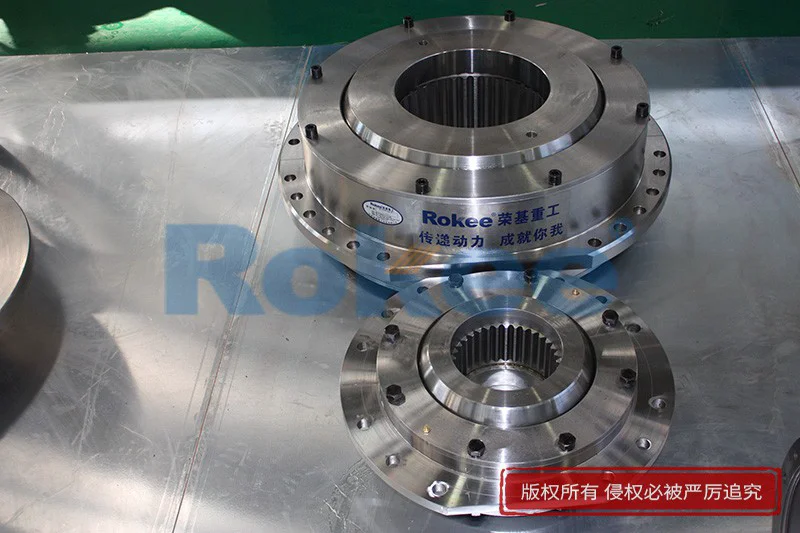
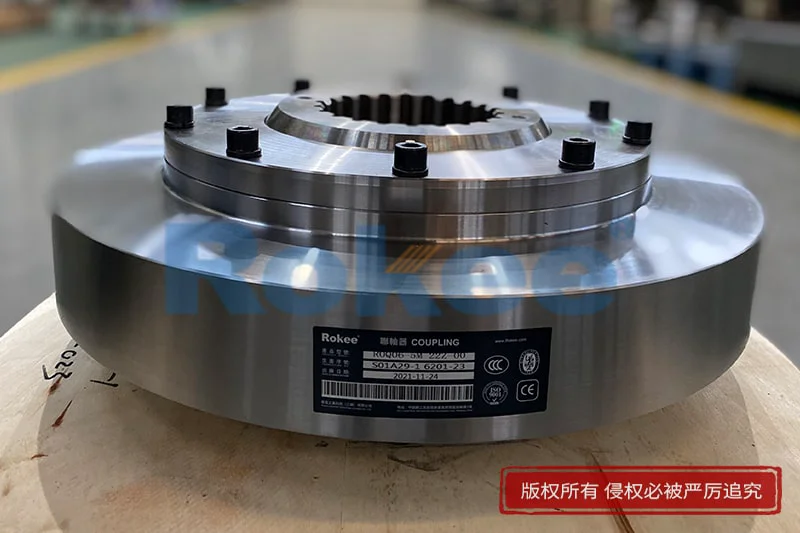
Jul 10, 2026Brake drum gear couplings stand as a pivotal dual-functional mechanical component widely adopted in modern heavy-duty industrial transmission systems, uniquely integrating efficient torque transmission and reliable braking performance into a single compact structure. Unlike traditional independent transmission and braking assemblies that occupy excessive installation space and involve complex assembly procedures, this integrated mechanical structure optimizes the overall mechanical layout, streamlines power transmission paths, and synchronizes motion control and power cut-off functions for industrial equipment. Its ingenious structural integration design perfectly addresses the core operational demands of heavy machinery for stable power output, flexible speed regulation, and rapid safe stop, making it an indispensable core component in bulk material handling, metallurgical processing, mining operation, port logistics, and heavy manufacturing industries. With the continuous upgrading of industrial machinery towards high load, high efficiency, and high stability, the technical advantages and application value of brake drum gear couplings have become increasingly prominent, gradually replacing ordinary gear couplings and separate braking structures in more heavy-duty working scenarios.![Application of Industrial Cardan Shafts]()
Application of Industrial Cardan Shafts
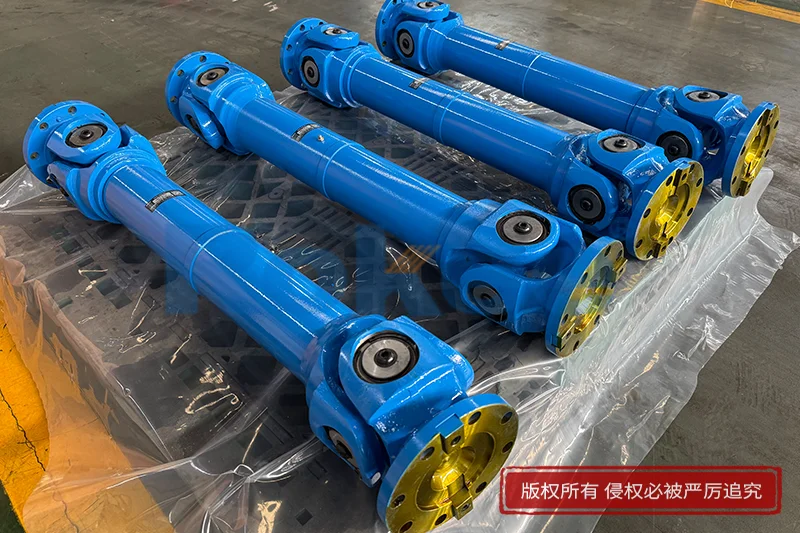
Jul 10, 2026In the complex and interconnected system of modern industrial mechanical transmission, the industrial cardan shaft stands as a fundamental and irreplaceable mechanical component, serving as a critical bridge for torque and rotational motion transfer between disjointed mechanical structures. Unlike rigid transmission parts that rely on precise coaxial alignment, the industrial cardan shaft features a flexible hinge structure based on spatial linkage mechanism theory, which enables stable and continuous power transmission even when there are angular deviations, axial displacements and radial offsets between driving and driven shafts. This unique adaptive capability makes it widely deployed in heavy-duty machinery, continuous production lines and mobile industrial equipment, becoming a core guarantee for the stable operation of various industrial transmission systems. With the continuous upgrading of industrial manufacturing towards high load, high efficiency and high dynamic operation, the application value and scenario coverage of industrial cardan shafts have been further expanded, penetrating almost all fields involving mechanical power transmission.![Angle of Drum Coupling]()
Angle of Drum Coupling
Jul 10, 2026The angular compensation capability stands as one of the most essential and distinctive functional characteristics of drum couplings, fundamentally distinguishing this type of mechanical transmission component from conventional straight-tooth gear couplings and flexible coupling structures. In all mechanical transmission systems that rely on shaft connection and torque transmission, the perfect coaxial alignment between the driving shaft and the driven shaft is merely an ideal theoretical state. In actual equipment assembly, long-term operation, and complex industrial working environments, various unavoidable factors will cause angular deflection between interconnected shaft bodies, which poses continuous challenges to the stability, safety, and service life of the entire transmission system. The unique structural design of drum couplings enables them to effectively adapt to such angular displacement, absorb deviation stress, and maintain efficient and stable power transmission, making them indispensable core components in heavy-duty, high-load, and high-stability industrial transmission scenarios.![Alignment of Crown Gear Coupling]()
Alignment of Crown Gear Coupling
Jul 10, 2026The stable operation of mechanical transmission systems relies heavily on the precise coordination of core components, among which crown gear couplings serve as indispensable connecting parts for torque transmission and shaft connection in various industrial mechanical equipment. As a flexible gear coupling structure with strong load-bearing capacity and certain displacement compensation performance, crown gear couplings can adapt to slight axial, radial and angular deviations in the operation process of mechanical shafts, but this adaptive tolerance is limited. Accurate alignment is the fundamental prerequisite to give full play to the structural advantages of crown gear couplings, avoid abnormal mechanical loss, and ensure the long-term stable and efficient operation of the entire transmission system. Improper alignment is one of the most common causes of premature failure of crown gear couplings and even supporting mechanical equipment, which will trigger a series of adverse chain reactions such as increased equipment vibration, intensified component friction, and reduced transmission efficiency in actual industrial operation.![Advantages of Cardan Shaft Coupling]()
Advantages of Cardan Shaft Coupling
Jul 10, 2026In the field of mechanical power transmission, the stability, flexibility, and reliability of connecting components directly determine the overall operating performance of mechanical systems. Among various transmission coupling structures, the cardan shaft coupling, also widely known as the universal shaft coupling, stands out as a highly practical and versatile transmission component favored in industrial manufacturing, transportation machinery, and heavy-duty mechanical equipment. Its unique mechanical structure derived from hinge transmission principles endows it with incomparable functional advantages over traditional rigid couplings and ordinary elastic couplings, making it an indispensable core part in complex and harsh transmission working conditions. Through long-term engineering practice and mechanical performance verification, the comprehensive superiority of cardan shaft couplings in shaft connection, torque transmission, and adaptive operation has been fully demonstrated, providing solid technical support for the stable and efficient operation of various mechanical power systems.![3D Model of Flexible Diaphragm Couplings]()
3D Model of Flexible Diaphragm Couplings
Jul 10, 2026The 3D modeling of flexible diaphragm coupling serves as a core technical carrier for visualizing structural composition, analyzing mechanical performance, and optimizing industrial transmission system design. As a high-performance metal flexible transmission component widely applied in precision mechanical transmission scenarios, flexible diaphragm couplings rely on the elastic deformation of thin metal diaphragm components to complete torque transmission and shaft misalignment compensation. The establishment of a refined 3D model enables engineers to break through the limitations of two-dimensional plane drawings, accurately restore the spatial assembly relationship, microscopic deformation characteristics and dynamic operation state of each component, and provide reliable digital support for structural optimization, performance verification and practical engineering application. Different from rigid transmission couplings and other flexible coupling types, the structural design of flexible diaphragm couplings features high integration and deformation controllability, and the 3D digital model can fully present the unique mechanical logic and structural advantages of this component in a visualized and quantifiable manner.![Cardan Shaft Couplings Supply]()
Cardan Shaft Couplings Supply
Jun 18, 2026Cardan shaft couplings stand as one of the most versatile and functionally reliable mechanical transmission components in modern industrial machinery, serving as a critical bridge for power and torque transfer between disjointed or misaligned rotating shafts. Also widely recognized as universal joint couplings, these mechanical assemblies are engineered to address the core limitations of rigid transmission structures, delivering stable rotational power output even when connected shafts suffer from angular deviation, axial displacement, and radial offset. Their unique articulated structural design enables adaptive operation under complex dynamic working conditions, making them indispensable in heavy machinery, transportation systems, industrial processing equipment, and numerous mechanical scenarios that demand continuous and efficient power transmission. As industrial equipment continues to evolve toward high load, high speed, and high stability operation, the rational selection and reliable supply of cardan shaft couplings have become key factors in ensuring the long-term stable performance of mechanical systems.![Cardan Drive Shaft Types]()
Cardan Drive Shaft Types
Jun 18, 2026Cardan drive shafts, also widely known as universal drive shafts, serve as indispensable power transmission components in mechanical and automotive transmission systems, designed to transfer rotational torque between two shafts with non-coaxial, angularly offset, or dynamically changing positional relationships. Unlike rigid transmission shafts that only work under strictly aligned axis conditions, cardan drive shafts rely on flexible articulated structures to compensate for angular, axial, and radial deviations generated during equipment operation or installation, ensuring continuous and stable power output in complex motion states. The diverse structural designs and functional classifications of cardan drive shafts stem from varying operating conditions, load intensities, angular deflection requirements, and transmission stability standards, making different types of drive shafts applicable to distinct mechanical scenarios. A comprehensive understanding of the classification, structural characteristics, working principles, and application boundaries of various cardan drive shaft types is essential for optimizing mechanical transmission design and improving equipment operational reliability.![Cardan Drive Shafts Company]()
Cardan Drive Shafts Company
Jun 18, 2026In the intricate ecosystem of mechanical engineering, power transmission stands as one of the most fundamental and indispensable disciplines, serving as the bridge that converts raw mechanical energy into functional motion for countless types of equipment. Among the diverse array of transmission components developed over centuries of technological advancement, cardan drive shafts have emerged as a uniquely versatile and reliable solution, distinguishing themselves from rigid transmission structures through their exceptional adaptive capabilities and robust operational stability. Unlike fixed linear shafts that only function effectively under perfectly coaxial and aligned operating conditions, cardan drive shafts integrate flexible universal joint structures that can seamlessly compensate for angular deviation, axial displacement, and minor radial misalignment between driving and driven components during continuous mechanical operation. This inherent flexibility allows power to be transmitted consistently and efficiently even in dynamic working environments where equipment components shift positions, vibrate, or undergo minor structural deformation, making these shafts a core foundational component across automotive systems, industrial machinery, agricultural equipment, construction devices, and marine mechanical systems. The widespread adoption of cardan drive shafts stems not from simple structural design, but from their unparalleled ability to balance transmission efficiency, mechanical durability, and environmental adaptability, addressing the most common pain points in traditional power transmission systems and supporting the stable operation of modern mechanical equipment in complex and variable working scenarios.![Cardan Couplings For Sale]()
Cardan Couplings For Sale
Jun 18, 2026In the intricate ecosystem of mechanical power transmission, reliable shaft connection components serve as the foundational backbone of all rotating equipment, and cardan couplings stand out as one of the most versatile and time-tested solutions for modern industrial and mechanical systems. Engineered to address the inherent challenges of misaligned shaft power transmission, these mechanical components have become essential for countless applications where rigid connection structures fail to adapt to dynamic operating conditions. For machinery operators, maintenance teams, and industrial procurement professionals seeking robust, adaptable, and long-lasting power transmission parts, cardan couplings represent a practical and high-performance option that balances structural simplicity, operational stability, and wide environmental adaptability.![Cardan Couplings Wholesale]()
Cardan Couplings Wholesale
Jun 18, 2026Cardan couplings, also widely recognized as universal joint couplings, stand as one of the most fundamental and versatile power transmission components in modern mechanical engineering, serving as a critical connecting element for countless industrial and commercial mechanical systems. Designed to solve the common challenge of non-coaxial shaft connection, these mechanical devices excel at transmitting continuous torque and rotational motion between two intersecting or misaligned shafts, making them a staple component for machinery operation across diverse sectors. For bulk buyers, industrial distributors, mechanical equipment manufacturers, and engineering project contractors, wholesale procurement of cardan couplings delivers stable supply support, standardized product quality, and optimized overall operational costs, laying a solid foundation for the long-term and efficient operation of mechanical systems in various fields.![3D Model of Cardan Drive Shafts]()
3D Model of Cardan Drive Shafts
Jun 12, 2026As a core mechanical transmission component widely adopted in mobile machinery, industrial transmission systems and general power transmission equipment, cardan drive shafts solve the technical bottleneck of torque and rotational motion transmission between non-collinear intersecting shafts. Conventional two-dimensional engineering drawings can only reflect planar contour dimensions and assembly relations of cardan drive shafts, which fail to intuitively present spatial motion trajectories, internal component matching states and hidden structural stress distribution characteristics during actual operation. With the continuous upgrading of digital mechanical design technology, three-dimensional modeling has become an indispensable technical means for the whole life cycle research of cardan drive shafts, covering structural design verification, kinematic performance simulation, mechanical strength prediction, assembly error detection and pre-production process optimization. The construction and multi-scene application of high-precision 3D models effectively make up for the defects of traditional planar design methods, reduce repeated modification links in physical prototype trial production, and improve the overall design rationality and operational reliability of cardan drive shaft assemblies under complex working conditions.![Cardan Shaft Types]()
Cardan Shaft Types
Jun 12, 2026As a fundamental flexible transmission component widely adopted in mechanical engineering, automotive transmission systems, agricultural machinery and heavy industrial equipment, the cardan shaft serves as a critical connecting part to transmit torque and rotational motion between two misaligned shafts. Unlike rigid drive shafts that can only work efficiently under complete coaxial conditions, cardan shafts are designed to accommodate angular deflection, axial displacement and minor radial offset between driving and driven ends during continuous operation. This adaptive flexibility enables smooth power transmission even when the relative position of connected mechanical components changes dynamically due to vibration, road surface fluctuation or structural deformation. Derived from the classic universal joint mechanism first studied by medieval mechanical researchers, cardan shafts have undergone continuous structural upgrading and dimensional optimization over hundreds of years. Diversified structural variants have been developed to match varying working speeds, load levels, deflection angles and installation space constraints. A comprehensive understanding of different cardan shaft classifications, structural characteristics, functional advantages and applicable working conditions is essential for mechanical design optimization, reasonable component selection and long-term operational stability of overall transmission systems. This article elaborates on mainstream cardan shaft types classified from multiple dimensional perspectives, explains their inherent working characteristics, compares their functional pros and cons, and illustrates their targeted application ranges in modern mechanical industries.![Cardan Shafts Factory]()
Cardan Shafts Factory
Jun 12, 2026Behind the stable and continuous operation of almost all heavy-duty mechanical equipment across construction, mining, agriculture, railway and general industrial manufacturing fields lies a subtle yet irreplaceable mechanical component: the cardan shaft. As a professional production base focusing on the research, manufacturing and iterative upgrading of universal transmission components, a professional cardan shafts factory undertakes the core mission of bridging power output terminals and execution terminals of mechanical systems. In actual industrial operating environments, it is almost impossible to keep two sets of rotating mechanical parts in absolute fixed alignment all the time. Mechanical vibration during long-term operation, slight chassis deformation caused by alternating heavy loads, thermal expansion and cold contraction of metal parts after long-time high-speed operation, and position offset generated by equipment walking actions will all lead to parallel, angular and axial misalignment between driving shafts and driven shafts. Ordinary rigid transmission shafts cannot adapt to such complex displacement changes, which will cause concentrated mechanical stress, accelerated component wear, increased equipment operating noise, and even sudden fracture of transmission parts and forced shutdown of the whole machine in severe working conditions. Cardan shafts, equipped with matched universal joint structures, perfectly solve this industry pain point by transmitting stable torque and rotating power efficiently under multi-dimensional misalignment states, becoming an indispensable core link in modern mechanical power transmission systems. A standardized and mature cardan shafts factory focuses not only on finished component production, but also on integrating mechanical structure optimization, precise metal processing, material performance improvement, whole-process performance testing and user working condition matching, to produce transmission parts that can adapt to extreme working environments and long-cycle continuous operation.![Working Principle of Shim Pack Couplings]()
Working Principle of Shim Pack Couplings
Jun 3, 2026Shim pack couplings represent a pivotal category of metal flexible transmission components widely applied in modern mechanical shaft systems, serving as a critical connecting medium between driving and driven shafts to realize efficient torque transmission while accommodating inevitable shaft misalignments in mechanical operation. Unlike traditional rigid couplings that rely on fully fixed connection structures and elastic couplings that adopt polymer elastic components, shim pack couplings utilize stacked thin metal shim groups as the core flexible force-bearing elements, achieving a perfect balance between torsional rigidity and flexible compensation through the micro elastic deformation of metal shims and coordinated displacement between stacked structures. This unique structural design and working mechanism enable the coupling to maintain stable and efficient power transmission under high-speed, high-load, and harsh environmental conditions, making it an indispensable basic component in precision mechanical transmission systems.![Working Principle of Tire Couplings]()
Working Principle of Tire Couplings
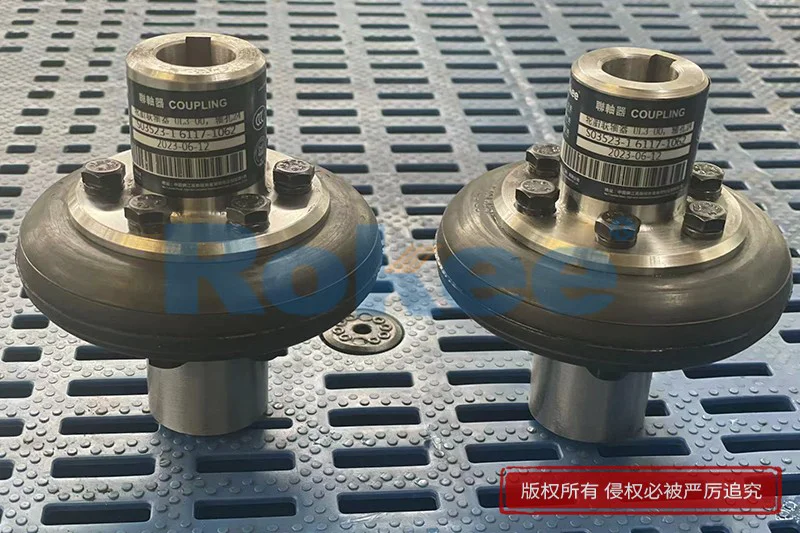
Jun 3, 2026Tire couplings are essential flexible transmission components widely applied in modern mechanical transmission systems, serving the core function of connecting two independent rotating shafts to realize stable torque transmission while buffering mechanical vibration, absorbing impact loads, and compensating for shaft misalignment. As a type of elastic coupling with superior comprehensive performance, its entire working process relies on the elastic characteristics of the rubber tire elastic element and the mechanical coordination of metal structural parts, achieving efficient and stable power transmission under complex operating conditions. Unlike rigid couplings that rely on hard contact for torque transmission, tire couplings introduce elastic deformation as the core transmission medium, which fundamentally optimizes the stress state of the transmission system and greatly improves the adaptability and service life of mechanical equipment.![Function of Plum Blossom Couplings]()
Function of Plum Blossom Couplings
Jun 3, 2026In the complex and interconnected mechanical transmission systems that underpin modern industrial operations, the stability and efficiency of power transmission directly determine the overall performance and service life of mechanical equipment. Among various flexible transmission components, the plum coupling, also widely known as the curved jaw flexible coupling, stands out as a fundamental and versatile mechanical element with unique structural design and comprehensive functional advantages. It serves as a critical connecting component between driving shafts and driven shafts, undertaking the core task of torque transmission while solving multiple operational problems inherent in mechanical shaft connection. Its rational structural design and excellent adaptive performance make it applicable to a wide range of medium-speed, medium-torque, and frequent start-stop mechanical scenarios, becoming an indispensable part of general industrial mechanical transmission systems.![Working Principle of Teeth Couplings]()
Working Principle of Teeth Couplings
Jun 3, 2026Teeth coupling, also widely known as gear coupling, is a crucial mechanical transmission component applied in various rotating machinery systems, serving as a key connecting unit between driving shafts and driven shafts in mechanical equipment. Its core function is to transmit torque and rotational motion stably while accommodating multiple types of shaft misalignment generated during equipment operation, ensuring the continuous and efficient operation of mechanical transmission systems. Compared with other traditional coupling types, teeth coupling stands out for its compact structural design, high torque transmission efficiency, strong load-bearing capacity and excellent adaptability to complex working conditions, making it extensively used in industrial fields such as metallurgy, mining, chemical engineering, power generation and heavy machinery manufacturing. To fully understand its application value and operational advantages, it is essential to conduct an in-depth analysis of its internal structure composition and complete working mechanism under different operating states.![Working Principle of Flexible Diaphragm Couplings]()
Working Principle of Flexible Diaphragm Couplings
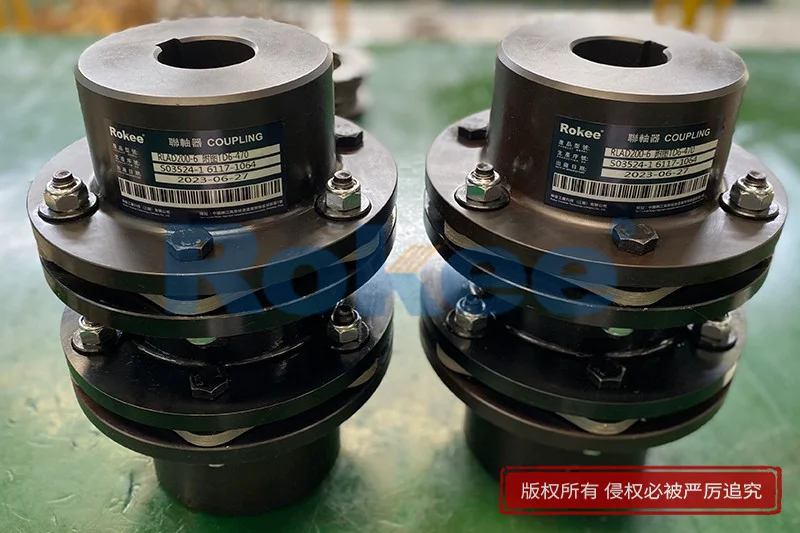
Jun 3, 2026Flexible diaphragm couplings are essential mechanical transmission components widely applied in high-speed, high-precision, and stable mechanical transmission systems, serving as critical connecting parts between driving and driven shafts in various industrial equipment. Unlike rigid couplings that rely on rigid structural locking for torque transmission and elastic couplings that use non-metallic flexible materials for deformation buffering, flexible diaphragm couplings adopt all-metal elastic deformation structures, integrating efficient torque transmission, multi-dimensional displacement compensation, and stable vibration absorption performance. Its unique working mechanism enables it to solve the common misalignment problems of shaft systems in mechanical operation, while maintaining continuous and stable power transmission, which makes it irreplaceable in precision transmission scenarios. The overall operational logic of flexible diaphragm couplings is based on the elastic deformation theory of metal thin plates, completing torque and power transmission through the orderly elastic deflection of diaphragm components, and absorbing and compensating various shaft displacement deviations generated during equipment operation through controllable structural deformation.![Working Principle of Curved Tooth Couplings]()
Working Principle of Curved Tooth Couplings
Jun 3, 2026Curved tooth coupling, as a high-efficiency and high-reliability mechanical transmission component, is widely applied in various industrial mechanical transmission systems that require stable torque transmission and shaft misalignment compensation. Different from traditional straight tooth couplings with rigid contact and poor adaptability, this type of coupling adopts a unique curved tooth profile design, which fundamentally optimizes the meshing state of gear pairs during operation. It not only realizes continuous and stable torque and power transmission between rotating shafts but also effectively adapts to various minor installation deviations and operational deformations of equipment, making it suitable for heavy-load, high-speed and long-cycle working conditions. The overall working logic of curved tooth coupling is based on precision gear meshing, flexible contact adaptation and mechanical stress balance, and its internal operating mechanism can be systematically analyzed from structural composition, torque transmission process, misalignment compensation principle and dynamic operation characteristics.![Uses of Barrel Coupling]()
Uses of Barrel Coupling
Jun 3, 2026Barrel couplings stand as indispensable mechanical transmission components in modern industrial systems, serving as critical connecting parts between rotating shafts in diverse mechanical equipment. Distinguished from traditional rigid and ordinary flexible couplings, they feature a unique barrel-shaped contact structure that integrates high torque transmission capacity, excellent misalignment adaptability, and outstanding load resistance, enabling them to deliver stable and efficient power transmission in complex and harsh working conditions. Their distinctive structural design endows them with unparalleled applicability in heavy-duty operation, dynamic load buffering, and long-cycle continuous operation, making them widely adopted across mining, metallurgy, material handling, power equipment, industrial processing, and transportation machinery. Exploring the diverse uses of barrel couplings helps clarify their core value in optimizing mechanical transmission efficiency, reducing equipment wear, and extending the service life of industrial machinery.![Cardan Shaft Couplings Wholesale]()
Cardan Shaft Couplings Wholesale
Jun 3, 2026Cardan shaft couplings stand as indispensable mechanical transmission components in modern industrial manufacturing and mechanical equipment operation, serving as a core connecting part that ensures stable torque and motion transmission between misaligned shafts. As the demand for efficient and durable transmission solutions continues to grow across global industrial sectors, wholesale supply of cardan shaft couplings has become a crucial link supporting the stable operation of downstream machinery industries, covering diverse application scenarios from light-duty automated equipment to heavy-duty engineering machinery. Unlike rigid coupling products that require precise shaft alignment, cardan shaft couplings rely on their unique articulated structure to adapt to complex installation and operating conditions, making them a preferred transmission accessory for mass procurement by machinery manufacturers, equipment maintenance enterprises, and engineering project contractors worldwide.![Cardan Shafts For Sale]()
Cardan Shafts For Sale
Jun 3, 2026Cardan shafts stand as one of the most essential and versatile power transmission components in modern mechanical engineering, serving as a critical link in countless industrial and mobile equipment systems. Designed to transmit rotational torque and motion between two non-collinear shafts, these mechanical assemblies excel at compensating for angular misalignment, axial displacement, and positional deviations that inevitably occur during the operation of machinery and vehicles. Unlike rigid shaft connections that rely on perfect alignment for stable performance, cardan shafts integrate flexible joint structures that adapt to dynamic working conditions, ensuring continuous and efficient power transfer even when connected components shift, vibrate, or move relative to one another. This unique adaptability has made them indispensable across a vast spectrum of industries, from automotive and agricultural machinery to construction equipment, industrial manufacturing, marine systems, and aerospace auxiliary mechanisms.![Catalogue of Brake Drum Gear Couplings]()
Catalogue of Brake Drum Gear Couplings
Jun 3, 2026Brake drum gear coupling stands as a multifunctional and high-performance mechanical transmission component widely applied in heavy-duty industrial transmission systems, integrating efficient torque transmission, misalignment compensation and reliable braking auxiliary functions into a single integrated structure. Unlike conventional transmission couplings that only undertake power transmission tasks, this specialized coupling innovatively combines drum gear transmission structure with brake drum functional design, realizing the organic integration of continuous power delivery and controllable deceleration and stop functions on the same shaft system. This integrated structural design effectively simplifies the overall layout of mechanical transmission systems, reduces the number of independent components required for equipment operation, and optimizes the spatial structure and operational stability of industrial machinery, making it an indispensable core component in medium and heavy-load mechanical transmission scenarios.![Catalogue of Cardan Drive Shafts]()
Catalogue of Cardan Drive Shafts
Jun 3, 2026As an indispensable core transmission component in modern mechanical systems, the cardan drive shaft serves as a critical connecting medium for torque and rotational motion transmission between misaligned mechanical components. Widely applied in mobile machinery, industrial transmission equipment and various power transmission systems, this mechanical structure solves the core technical problem of stable power output under angular offset and spatial position deviation, providing reliable operational guarantees for diversified mechanical power transmission scenarios. Its unique structural design and flexible transmission characteristics make it irreplaceable in many working environments where fixed-axis transmission structures cannot adapt, laying a solid foundation for the stable operation of complex mechanical equipment.![Catalogue of Diaphragm Couplings]()
Catalogue of Diaphragm Couplings
Jun 3, 2026Diaphragm couplings stand as a pivotal category of metal flexible transmission components widely applied in modern mechanical power transmission systems, serving as a core connecting unit between driving and driven shafts to achieve stable torque transmission while accommodating various shaft misalignments generated during equipment operation. Unlike traditional rigid couplings that lack deformation adaptability and elastomeric flexible couplings that rely on non-metallic buffer materials, diaphragm couplings adopt all-metal elastic structural design, which perfectly balances high transmission rigidity and flexible deformation performance, making them indispensable foundational components in high-precision, high-speed, and long-cycle mechanical operation scenarios. The overall structural composition of diaphragm couplings is concise and scientific, mainly composed of metal diaphragm groups, shaft hubs, connecting bolt sets and auxiliary positioning components, with no redundant transmission structures or easily worn movable parts, laying a solid foundation for their stable and durable operation in complex industrial environments.![Catalogue of Flexible Gear Couplings]()
Catalogue of Flexible Gear Couplings
Jun 3, 2026Flexible gear coupling stands as a core mechanical transmission component widely adopted in modern industrial mechanical systems, serving the fundamental purpose of connecting two independent rotating shafts to achieve stable torque and power transmission while accommodating various minor shaft misalignments generated during equipment operation. Unlike rigid coupling structures that pursue absolute rigidity and precise alignment, this type of coupling integrates structural flexibility and mechanical rigidity in a balanced manner, making it adaptable to complex and variable working conditions in diverse industrial scenarios. Its unique tooth meshing structure and flexible compensation design enable it to overcome the operational limitations of traditional transmission components, delivering reliable power transmission performance in high-load, high-speed, and vibration-prone mechanical environments, which is why it has become an indispensable key part in heavy machinery, power equipment, and industrial transmission systems.![Catalogue of Industrial Cardan Shafts]()
Catalogue of Industrial Cardan Shafts
Jun 3, 2026Industrial cardan shafts stand as indispensable mechanical transmission components in modern industrial systems, serving as critical connecting structures that transmit rotational torque and motion between non-coaxial mechanical parts. Unlike rigid transmission shafts that rely on strictly aligned axis positions for power transfer, cardan shafts adopt a flexible articulated structural design, which enables stable and continuous power transmission while compensating for angular, axial and radial deviations between driving and driven shafts. This unique adaptive capability makes them widely applicable in complex industrial operating environments where equipment installation deviations, dynamic displacement and angular position changes inevitably occur during long-term operation. As a core part of mechanical transmission systems, cardan shafts cover almost all heavy-duty and high-precision mechanical operation scenarios, providing reliable power connection guarantees for the stable operation of industrial equipment.![Catalogue of Metal Membrane Couplings]()
Catalogue of Metal Membrane Couplings
Jun 3, 2026As an essential flexible transmission component in modern mechanical systems, metal membrane couplings have gradually become a core choice for high-precision and high-stability shaft connection scenarios in industrial manufacturing. Different from traditional rigid couplings and ordinary flexible couplings that rely on rubber or spring deformation for displacement compensation, this type of coupling adopts all-metal elastic structure design, relying on the controllable elastic deformation of metal thin plates to complete torque transmission and multi-dimensional displacement compensation, achieving an optimal balance between transmission rigidity and vibration damping performance. Its unique structural characteristics and mechanical properties enable it to adapt to complex and harsh industrial operating conditions, supporting stable operation of mechanical equipment in high-speed, high-load, high-temperature and variable working environments, and it has been widely applied in various fields of mechanical transmission worldwide.![Catalogue of Telescoping Driveshafts]()
Catalogue of Telescoping Driveshafts
Jun 3, 2026As a core component of mechanical power transmission systems, the telescoping driveshaft stands out for its unique adaptive structural design, serving as a critical connecting medium between power sources and execution mechanisms across diverse mechanical equipment. Unlike rigid fixed-length driveshafts that feature single structural functions and limited adaptive capabilities, the telescoping driveshaft integrates flexible axial displacement compensation and stable torque transmission performance, effectively addressing the dimensional variation and positional offset problems that inevitably occur during the operation of mechanical transmission systems. Its innovative structural design enables continuous and efficient power output even under dynamic working conditions, making it widely applicable in mobile machinery, transportation equipment, and industrial transmission systems that require frequent attitude adjustment and spatial position changes. The core value of the telescoping driveshaft lies in its perfect balance of structural rigidity and mechanical flexibility, ensuring the stability of torque transmission while adapting to complex and variable operating environments, which fundamentally compensates for the functional defects of traditional rigid transmission components in dynamic operation scenarios.![Catalogue of Universal Couplings]()
Catalogue of Universal Couplings
Jun 3, 2026As an indispensable foundational mechanical component in modern mechanical transmission systems, universal coupling serves as a core connecting device for power transmission between spatially offset shafts. Also widely recognized as Cardan coupling in the mechanical field, it derives its core value from the unique ability to stably transmit rotational motion and torque between two shafts with intersecting or dynamically changing axes, breaking the limitation of rigid transmission structures that rely on precise shaft alignment. Unlike ordinary rigid couplings that require absolute coaxiality of connected shafts and elastic couplings that only adapt to tiny displacement deviations, universal coupling features outstanding angular compensation performance, enabling normal power transmission under variable working conditions with shaft axis deflection. This unique mechanical property makes it widely applicable in complex mechanical equipment where shaft positions change dynamically and installation space is limited, covering industrial manufacturing, agricultural machinery, transportation equipment, engineering machinery and numerous other fields, becoming a key guarantee for stable operation of various power transmission systems.![Catalogue of Universal Shaft Couplings]()
Catalogue of Universal Shaft Couplings
Jun 3, 2026Universal shaft couplings stand as indispensable mechanical transmission components in modern industrial and mechanical systems, serving as pivotal connecting devices that bridge two separate rotating shafts to deliver continuous torque and rotational motion. Unlike rigid coupling structures that demand precise coaxial alignment of connected shafts, this type of flexible coupling boasts unique spatial displacement compensation capabilities, enabling stable power transmission even when there are angular deviations, axial offsets, or radial misalignments between the driving shaft and driven shaft. This core functional advantage makes it widely applicable in complex mechanical operating environments where shaft position deviation is inevitable due to installation errors, mechanical vibration, equipment deformation, or structural motion changes. As a key part of mechanical transmission systems, the operational stability, transmission efficiency, and service life of universal shaft couplings directly determine the overall operating performance and reliability of the entire mechanical equipment, laying a solid foundation for the normal operation of various rotating mechanical structures.![Application of Crown Gear Couplings]()
Application of Crown Gear Couplings
May 21, 2026In the intricate ecosystem of modern mechanical transmission systems, the rational selection of connecting components directly determines the operational stability, service life, and comprehensive efficiency of mechanical equipment. As a vital type of flexible transmission component, crown gear couplings have emerged as an indispensable core part in heavy-duty and high-precision mechanical industries by virtue of their unique curved tooth profile design, excellent torque transmission capacity, and reliable misalignment compensation performance. Unlike traditional straight gear couplings and elastic couplings, crown gear couplings adopt an arc-shaped crown tooth structure on external gear sleeves, which enables the tooth surface to achieve uniform contact under complex operating conditions. This distinctive structural feature endows the component with unparalleled adaptability in harsh industrial environments, making it widely applied in numerous fields such as metallurgy, mining, chemical engineering, power generation, and heavy transportation. This paper comprehensively elaborates on the structural characteristics, working mechanisms, core performance advantages, diverse industrial applications, operational maintenance essentials, and future development potential of crown gear couplings, aiming to provide in-depth insights into the practical application value of this mechanical transmission component.![Angle of Cardan Drive Shaft]()
Angle of Cardan Drive Shaft
May 21, 2026The cardan drive shaft stands as one of the most fundamental and widely applied mechanical transmission components in modern mechanical systems, undertaking the critical task of transmitting rotational power between two shafts with non-coaxial spatial positions. The operating angle of the cardan drive shaft serves as a core parameter that determines its transmission performance, mechanical stability, and service life. This angle refers to the included angle formed between the central axes of the driving shaft and the driven shaft connected by the universal joint, and it inevitably appears during the assembly and operation of mechanical equipment due to structural layout limitations and dynamic displacement changes. Even minor variations in this angular value can trigger noticeable changes in transmission efficiency, vibration amplitude, and stress distribution of the entire transmission system, making an in-depth exploration of the cardan drive shaft angle essential for optimizing mechanical design, improving operating conditions, and reducing component wear. Throughout various mechanical application scenarios, the reasonable control of the shaft angle has become a key technical indicator to ensure the reliable operation of power transmission structures.![Alignment of Barrel Coupling]()
Alignment of Barrel Coupling
May 21, 2026Barrel couplings stand as one of the most versatile mechanical connection components widely applied in industrial transmission systems, serving to link two rotating shafts and transmit torque while accommodating minor mechanical displacements generated during equipment operation. The alignment of barrel couplings constitutes a core procedure in mechanical installation and commissioning, which directly determines the operational stability, service life and mechanical efficiency of the entire transmission system. Improper alignment is one of the primary triggers for mechanical failures of rotating equipment, often leading to abnormal vibration, excessive component wear, shaft deformation and even unexpected shutdown of mechanical systems. In industrial production scenarios involving continuous operation, subtle misalignment errors of barrel couplings can gradually amplify mechanical stress during long-term rotation, resulting in irreversible damage to shafts, bearings and coupling structures. Therefore, an in-depth understanding of alignment principles, standard operating procedures, error control methods and maintenance strategies for barrel couplings is essential to ensure the reliable and durable operation of mechanical transmission equipment.![Advantages of Diaphragm Coupling]()
Advantages of Diaphragm Coupling
May 21, 2026In the complex mechanical transmission industry, couplings serve as indispensable connecting components that link two rotating shafts to transmit torque, ensuring the coordinated operation of various mechanical equipment. Among numerous coupling types, diaphragm coupling has gradually become a preferred component in modern mechanical transmission systems due to its unique structural design and superior comprehensive performance. It adopts thin metal diaphragms as the flexible transmission element, relying on the elastic deformation of diaphragms to complete torque transmission and shaft displacement compensation. Compared with traditional coupling structures such as gear couplings and sleeve couplings, diaphragm coupling exhibits prominent advantages in transmission stability, environmental adaptability, service life and maintenance difficulty, which makes it widely applied in high-speed, high-precision and harsh working condition mechanical scenarios. Exploring the inherent advantages of diaphragm coupling can help mechanical practitioners deeply understand its application value and provide reasonable references for equipment component selection and mechanical system optimization.![3D Model of Teeth Couplings]()
3D Model of Teeth Couplings
May 21, 2026The continuous advancement of modern mechanical engineering has placed higher demands on the precision, stability and service life of transmission components, and teeth couplings have emerged as one of the most indispensable core parts in heavy-duty mechanical transmission systems. A refined 3D model of teeth couplings serves as a fundamental digital carrier for structural analysis, performance optimization, processing simulation and assembly verification, presenting the intricate mechanical structure, meshing logic and motion characteristics of such couplings in an intuitive and visualized three-dimensional form. Unlike two-dimensional engineering drawings that are limited by planar expression, the 3D model restores the spatial positional relationship between all components of teeth couplings, enabling engineering researchers and technical personnel to deeply explore the mechanical principles, structural advantages and potential optimization directions of this typical rigid movable coupling. With the widespread application of digital modeling technology in the mechanical manufacturing industry, the high-precision 3D model of teeth couplings has gradually become an essential technical tool covering product design, production processing, equipment debugging and post-maintenance, effectively bridging the gap between theoretical mechanical design and practical industrial application.![Cardan Shafts Wholesale]()
Cardan Shafts Wholesale
May 21, 2026Cardan shafts stand as indispensable mechanical components in modern power transmission systems, serving as vital connecting parts that transfer torque and rotational motion between misaligned shafts across diverse industrial and automotive scenarios. Engineered to accommodate angular deviations, axial displacements, and positional fluctuations between connected mechanical units, these mechanical structures deliver consistent power transmission even under complex operating conditions, making them fundamental assemblies for machinery operation. In the wholesale industry, cardan shafts have evolved into a core bulk commodity for mechanical supporting facilities, catering to the continuous procurement demands of processing factories, machinery maintenance enterprises, automotive component distributors, and engineering construction teams. The wholesale circulation of cardan shafts not only streamlines the material supply chain for the downstream industrial sector but also optimizes resource allocation within the mechanical component industry, creating stable operational foundations for numerous production and engineering projects.![3D Model of Cardan Couplings]()
3D Model of Cardan Couplings
May 21, 2026In the modern mechanical transmission industry, mechanical components that realize power transmission under offset and angular deflection conditions occupy an indispensable core position in mechanical system design. As a typical universal transmission component, cardan couplings have been widely adopted in various mechanical equipment due to their unique structural adaptability and reliable power transmission performance. A three-dimensional digital model of cardan couplings serves as a fundamental technical carrier for mechanical analysis, structural optimization, production simulation and teaching demonstration, which can intuitively display the internal composition, motion logic and mechanical characteristics of the coupling. Compared with traditional two-dimensional engineering drawings, the 3D model breaks through the limitations of planar expression, realizes stereoscopic visualization of complex mechanical structures, and provides accurate data support for subsequent finite element analysis, motion simulation and structural improvement. With the continuous upgrading of digital manufacturing technology, the application value of cardan coupling 3D models in mechanical research, equipment manufacturing and engineering maintenance has become increasingly prominent, gradually becoming an essential technical tool in the whole life cycle management of coupling products.![Cardan Shaft Couplings Supplier]()
Cardan Shaft Couplings Supplier
May 21, 2026In the complex ecosystem of modern mechanical transmission systems, cardan shaft couplings stand out as indispensable mechanical components that ensure stable power transmission between disjointed and misaligned rotating shafts. As core connecting parts in industrial machinery, these coupling structures are widely adopted across diverse heavy-duty and mobile mechanical scenarios, relying on their unique structural flexibility and excellent torque transmission performance. Professional cardan shaft couplings suppliers play a pivotal role in the industrial supply chain, focusing on structural optimization, precision manufacturing, performance customization and stable product supply to meet the differentiated transmission demands of various industrial equipment. The inherent mechanical characteristics of cardan shaft couplings enable them to break the limitations of traditional rigid transmission parts, achieving continuous and reliable power output even when there are significant angular deviations between connected shafts, which makes them irreplaceable in heavy industry, mobile machinery and special transmission equipment.![Cardan Shaft Coupling Types]()
Cardan Shaft Coupling Types
May 21, 2026In the intricate framework of mechanical power transmission, cardan shaft couplings stand out as indispensable mechanical components designed to transmit torque between misaligned rotating shafts. Also commonly recognized as universal joints in mechanical engineering terminology, these mechanical structures excel at transferring rotational motion across intersecting, offset, or angularly displaced shafts, making them prevalent in diverse mechanical systems ranging from mobile engineering machinery to stationary industrial transmission equipment. The fundamental value of cardan shaft couplings lies in their unique structural adaptability, which enables continuous torque delivery even when the connected shafts maintain a persistent angular deviation, a functional advantage that distinguishes them from conventional rigid coupling structures. With the continuous advancement of mechanical manufacturing technology and the diversification of industrial operating conditions, multiple differentiated types of cardan shaft couplings have been derived through structural optimization and mechanical mechanism improvement. Each category possesses distinct structural compositions, motion characteristics, load-bearing capacities, and environmental adaptability, rendering them suitable for specific operating scenarios and mechanical transmission requirements. An in-depth comprehension of the classification and inherent characteristics of various cardan shaft coupling types serves as the foundational premise for rational type selection, mechanical system optimization, and prolonged equipment service life extension.![Structural Diagram of Teeth Couplings]()
Structural Diagram of Teeth Couplings
May 14, 2026Teeth couplings stand as one of the most indispensable rigid movable transmission components in modern mechanical transmission systems, and their structural diagrams intuitively present the exquisite mechanical layout and collaborative assembly relationship of internal components. The structural composition displayed in the diagram is carefully optimized to adapt to complex industrial operating conditions, realizing stable torque transmission, reasonable axis deviation compensation and durable mechanical operation. Observing the complete structural diagram of teeth couplings, people can clearly distinguish multiple core components and auxiliary structures, each of which has a unique mechanical function and interacts with each other to form a complete power transmission unit. Different from other common coupling types, the structural design of teeth couplings focuses on meshing transmission between gear structures, and the dimensional matching and assembly tolerance of each part in the diagram are strictly controlled to ensure high-efficiency and low-loss power transmission in mechanical operation.![Working Principle of Toothed Couplings]()
Working Principle of Toothed Couplings
May 14, 2026Toothed couplings stand as one of the most robust and widely applied mechanical transmission components in modern industrial machinery, serving the fundamental purpose of connecting two rotating shafts to transmit torque and rotational motion between adjacent mechanical units. Unlike flexible couplings that rely on elastic polymer components or rigid couplings with fully fixed connection structures, toothed couplings achieve power transmission through precise meshing of internal and external gear teeth, striking a unique balance between structural rigidity and moderate deformation adaptability. This distinctive mechanical property enables the component to withstand heavy load conditions while tolerating certain degrees of shaft misalignment, making it indispensable in heavy-duty transmission systems such as industrial rotating machinery, power transmission equipment, and large-scale conveying devices. The inherent mechanical logic behind its stable operation, efficient power transmission, and misalignment compensation originates from its elaborate structural design and scientific force transmission mechanism, which requires systematic analysis from structural composition, torque transmission process, misalignment compensation principle, friction and wear mechanism, as well as auxiliary working conditions.![Telescopic Drive Shafts Factory]()
Telescopic Drive Shafts Factory
May 9, 2026Within the modern mechanical manufacturing sector, telescopic drive shafts stand out as indispensable transmission components that facilitate flexible power conveyance across diverse mechanical equipment. A professional telescopic drive shafts factory focuses on the systematic production, structural optimization, and performance iteration of such mechanical parts, dedicating itself to crafting durable, adaptable, and high-efficiency transmission components to meet the complex operational demands of industrial machinery, engineering vehicles, and mobile mechanical devices. The core operational logic of this type of manufacturing plant revolves around integrating precise mechanical processing principles with mature production procedures, ensuring every finished drive shaft can maintain stable power output under variable working conditions such as distance changes, position deviations, and mechanical vibration. Unlike fixed-size drive shafts, telescopic structures possess unique structural flexibility, enabling axial length adjustment during equipment operation, which effectively compensates for installation errors and mechanical displacement generated during the movement of mechanical components. This inherent functional advantage makes telescopic drive shafts widely applicable in numerous transmission scenarios requiring dynamic spatial adaptation, and professional factories continuously refine production technologies to amplify this structural superiority.![Flexible Diaphragm Couplings Manufacturer]()
Flexible Diaphragm Couplings Manufacturer
May 9, 2026In the intricate ecosystem of industrial power transmission, flexible diaphragm couplings stand out as indispensable mechanical components that ensure stable torque transmission between rotating shafts. Specialized manufacturers of flexible diaphragm couplings focus on the research, development, production, and refinement of these metal elastic transmission parts, dedicating themselves to crafting components that adapt to complex operating conditions across diverse industrial sectors. Unlike conventional coupling structures that rely on rubber or polymer elastic media, flexible diaphragm couplings adopt all-metal diaphragm structures, which endow them with unique mechanical properties that cater to high-precision, high-speed, and high-stability industrial transmission demands. The core pursuit of every professional flexible diaphragm coupling manufacturer lies in balancing structural durability, transmission efficiency, and environmental adaptability, while continuously optimizing production processes to meet the evolving technical requirements of modern mechanical systems.![Flexible Diaphragm Couplings Supplier]()
Flexible Diaphragm Couplings Supplier
May 9, 2026In the intricate ecosystem of modern industrial transmission systems, mechanical components that ensure stable torque transmission and precise axis connection play an irreplaceable foundational role, and flexible diaphragm couplings stand out among numerous transmission parts for their unique mechanical properties and adaptive structural design. As critical intermediary components for connecting driving and driven shafts in mechanical equipment, these couplings rely on the elastic deformation of metal diaphragm structures to complete torque transmission while effectively mitigating various axis misalignment issues generated during equipment operation. Professional flexible diaphragm couplings suppliers act as vital bridges connecting manufacturing resources and terminal industrial applications, continuously optimizing product design, production processes and service systems to meet the increasingly stringent operational requirements of diverse industrial scenarios. The development level of suppliers directly determines the operating stability, service life and comprehensive application value of diaphragm couplings in complex mechanical systems, making in-depth exploration of supplier operation logic, product advantages and industry development significance essential for understanding the industrial transmission component sector.![Catalogue of Diaphram Couplings]()
Catalogue of Diaphram Couplings
May 9, 2026Diaphragm couplings stand as one of the most indispensable mechanical transmission components in modern industrial machinery, serving as a critical connecting medium between driving shafts and driven shafts across diverse mechanical systems. Designed to transmit torque steadily while accommodating minor shaft misalignments, this type of coupling relies on the elastic deformation of thin metal diaphragms to realize power transmission, distinguishing itself from traditional flexible couplings with unique structural rationality and superior mechanical performance. In industrial catalog compilation and mechanical selection documents, diaphragm couplings always occupy an important position, reflecting their irreplaceable application value in precision manufacturing, high-speed operation and long-cycle mechanical transmission scenarios. This catalogue elaborates on the structural composition, working mechanisms, core classifications, material characteristics, performance attributes, application boundaries, assembly logic and maintenance principles of diaphragm couplings, providing comprehensive and systematic reference content for mechanical researchers, equipment operators and industrial design practitioners.![Catalogue of Drum Couplings]()
Catalogue of Drum Couplings
May 9, 2026In the intricate framework of modern mechanical transmission systems, coupling components serve as indispensable connecting units that link adjacent rotating shafts to transmit torque while accommodating inevitable operational deviations. Drum couplings, as a sophisticated type of toothed coupling, stand out among numerous transmission components due to their robust load-bearing capacity, excellent displacement compensation performance and stable mechanical transmission efficiency. This catalogue elaborates on the structural composition, working principles, classification characteristics, application scenarios, selection criteria and maintenance norms of drum couplings, aiming to present a comprehensive and in-depth introduction to this vital mechanical part for industrial transmission practitioners and mechanical design enthusiasts. With the continuous upgrading of industrial manufacturing technology, the operational environment of mechanical equipment has become increasingly complex, putting forward higher requirements for the adaptability, durability and transmission stability of connecting components. Traditional connecting parts often fail to cope with composite displacement deviations generated during long-term operation of heavy-duty equipment, resulting in excessive shaft wear, intense mechanical vibration and shortened service life of transmission structures. Drum couplings are optimized and upgraded on the basis of straight-toothed couplings, with specially modified drum-shaped tooth profiles that effectively overcome the inherent defects of traditional transmission connectors, making them widely applicable in heavy-load, low-speed and continuous operating industrial scenarios.![Catalogue of Gear Couplings]()
Catalogue of Gear Couplings
May 9, 2026Gear couplings stand as one of the most robust and widely adopted mechanical transmission components in modern industrial mechanical systems, serving the critical function of connecting two rotating shafts to transmit torque while accommodating inevitable shaft misalignments during equipment operation. As an indispensable part of power transmission assemblies, these mechanical parts have gained extensive application across heavy industrial sectors due to their exceptional load-bearing capacity, stable transmission performance and excellent environmental adaptability. This catalogue elaborates on the structural composition, working mechanisms, core classifications, performance characteristics, application scopes, processing standards and daily maintenance guidelines of gear couplings, aiming to provide comprehensive and systematic reference information for mechanical selection, equipment assembly and industrial application optimization. Different from flexible couplings that rely on elastic deformation of non-metallic components and rigid couplings with highly precise coaxiality requirements, gear couplings balance mechanical rigidity and adaptive flexibility, making them uniquely suitable for harsh working conditions with heavy loads, frequent startup shocks and continuous long-term operation.![Catalogue of Barrel Couplings]()
Catalogue of Barrel Couplings
May 9, 2026Barrel couplings stand as one of the most versatile and reliable mechanical connection components widely adopted in modern industrial transmission systems, serving as critical intermediate structures to connect two rotating shafts within mechanical equipment. Designed with a unique cylindrical outer contour and ingenious internal assembly structure, these coupling components excel at adapting to complex operating conditions, mitigating mechanical vibration, and compensating for shaft displacement, making them indispensable basic parts in mechanical transmission engineering. This catalogue elaborates on the structural characteristics, working mechanisms, material configurations, performance attributes, application scopes, installation specifications, maintenance guidelines and industrial application value of barrel couplings, aiming to provide comprehensive and systematic reference content for industrial practitioners engaged in mechanical design, equipment maintenance and system optimization.![Cardan Shafts Manufacturer]()
Cardan Shafts Manufacturer
May 9, 2026In the intricate ecosystem of mechanical power transmission, cardan shafts stand as one of the most indispensable mechanical components, serving as a critical connecting medium that bridges disjointed power units and enables stable torque transfer under complex motion conditions. As core industrial suppliers, cardan shafts manufacturers dedicate themselves to the research, development, and production of high-performance transmission parts that adapt to diverse operating environments, catering to the ever-evolving demands of heavy machinery, transportation, industrial processing, and engineering equipment sectors. The inherent value of cardan shafts lies in their unique structural adaptability, which allows them to transmit rotational power between two shafts with misaligned axes, whether the deviation manifests as angular displacement, parallel offset, or composite spatial displacement. This irreplaceable functional advantage makes these shafts a fundamental component in countless mechanical systems, and professional manufacturing practices determine the service life, operational stability, and comprehensive performance of each finished cardan shaft in practical application scenarios.![Cardan Shafts Supplier]()
Cardan Shafts Supplier
May 9, 2026In the complex and interconnected system of modern mechanical transmission, cardan shafts stand out as one of the most fundamental and reliable mechanical components, undertaking the critical task of transmitting torque and rotational motion between disjointed mechanical parts. These mechanical components are ingeniously designed to adapt to varying spatial angles and positional deviations between connected shafts, ensuring continuous and stable power transmission even under harsh operating conditions. As industrial production and mechanical manufacturing continue to evolve across diverse sectors, the demand for well-crafted cardan shafts has maintained a steady upward trend, making professional suppliers an essential link in the entire industrial supply chain. Every structural detail and production process of cardan shafts is tailored to meet the diversified operational requirements of different mechanical equipment, reflecting profound mechanical principles and mature manufacturing technologies.![Cardan Shaft Couplings Manufacturer]()
Cardan Shaft Couplings Manufacturer
May 9, 2026In the intricate ecosystem of modern mechanical transmission systems, cardan shaft couplings stand out as indispensable mechanical components that ensure stable power transmission across complex operating conditions. As a professional cardan shaft couplings manufacturer, we focus on the refined production, structural optimization, and performance iteration of such transmission parts, committing to delivering robust and adaptable coupling solutions for diverse industrial mechanical equipment. Unlike rigid transmission components that require precise shaft alignment, cardan shaft couplings feature unique hinged structures that enable effective power transfer between intersecting, offset, or angularly displaced shafts, a core mechanical advantage that makes them widely applicable in heavy-duty machinery, transportation equipment, and industrial production lines. The manufacturing of cardan shaft couplings demands rigorous control over material selection, structural processing, and assembly precision, as every production link directly determines the load capacity, operational stability, and service life of the final products.![Cardan Drive Shafts Supplier]()
Cardan Drive Shafts Supplier
May 9, 2026Cardan drive shafts stand as one of the most indispensable mechanical components in modern power transmission systems, serving as a vital connecting medium that ensures stable torque and rotational motion transfer between disjointed mechanical parts. Designed to accommodate angular deviations, axial displacements, and spatial misalignments between driving and driven shafts, these mechanical structures have laid a solid foundation for the reliable operation of diverse mechanical equipment across countless industrial and commercial sectors. Unlike rigid transmission shafts that can only work under strict coaxial conditions, cardan drive shafts feature flexible structural characteristics, enabling them to adapt to complex working postures and dynamic position changes during equipment operation. This unique adaptability makes them widely applicable in scenarios where fixed-axis transmission cannot meet operational requirements, gradually becoming an essential core component in the mechanical manufacturing industry.![Cardan Drive Shafts Manufacturer]()
Cardan Drive Shafts Manufacturer
May 9, 2026In the intricate ecosystem of mechanical power transmission, cardan drive shafts stand as one of the most indispensable mechanical components, serving as a vital connecting medium for power output and transmission across diverse industrial and mobile mechanical systems. Designed to transmit rotational torque between two shafts that are not aligned in a perfectly straight axis, these mechanical parts accommodate angular displacement, axial deviation and spatial offset during equipment operation, ensuring continuous and stable power conveyance under complex motion conditions. As core producers in the mechanical manufacturing sector, professional cardan drive shafts manufacturers focus on optimizing structural design, refining production craftsmanship, and improving material applicability to produce high-performance drive shafts that adapt to harsh working environments and long-duration operating requirements. The inherent versatility of cardan drive shafts makes them widely applicable in heavy machinery, transportation equipment, agricultural machinery, industrial transmission systems and numerous other fields, laying a solid foundation for the efficient operation of various mechanical devices.![Cardan Couplings Supplier]()
Cardan Couplings Supplier
May 9, 2026In the complex operating system of modern industrial transmission machinery, mechanical components that ensure stable power transmission often determine the overall operational efficiency and service life of equipment. Cardan couplings stand out among numerous transmission connecting parts due to their unique structural flexibility and excellent displacement compensation capability, becoming an indispensable core component in heavy-duty machinery, transportation equipment and automated production lines. Professional cardan couplings suppliers undertake the important task of product research and development, customized production and stable supply, and their comprehensive strength directly affects the operating status of downstream industrial equipment. With the continuous upgrading of industrial manufacturing standards and the diversification of mechanical operating conditions, the market demand for high-performance cardan couplings is gradually expanding, which also puts forward higher requirements for the production technology, structural optimization and service system of relevant suppliers.![Barrel Couplings Wholesale]()
Barrel Couplings Wholesale
May 9, 2026Wholesale of barrel couplings has become an integral part of numerous industries, serving as a critical link in ensuring the smooth and efficient operation of mechanical systems. These components, though often overlooked, play a vital role in transmitting power between shafts, compensating for misalignments, and reducing vibrations that can lead to premature wear and tear of machinery. As the demand for reliable and durable mechanical parts continues to grow across various sectors, the wholesale market for barrel couplings has evolved to meet the diverse needs of businesses, from small workshops to large-scale manufacturing facilities. Understanding the key aspects of barrel couplings, their applications, and the benefits of wholesale purchasing is essential for anyone involved in the procurement of mechanical components, as it can lead to cost savings, improved operational efficiency, and long-term reliability.![Barrel Couplings Supply]()
Barrel Couplings Supply
May 9, 2026In the complex landscape of industrial power transmission and mechanical connectivity, barrel couplings stand as indispensable components that bridge rotating shafts, enabling the seamless transfer of torque while accommodating misalignments and ensuring operational stability across a wide range of applications. The supply of barrel couplings is a critical link in the global industrial supply chain, supporting industries from heavy machinery and manufacturing to aerospace and infrastructure development. As industrial processes become more sophisticated and demand for reliable, efficient equipment grows, the role of barrel couplings supply becomes increasingly vital, encompassing not just the delivery of components but also the assurance of quality, adaptability, and compatibility with diverse operational requirements.![Barrel Couplings Supplier]()
Barrel Couplings Supplier
May 9, 2026In the complex landscape of industrial power transmission and mechanical connections, barrel couplings stand as essential components that ensure the smooth and efficient operation of countless machines and systems across diverse industries. As a dedicated barrel couplings supplier, the focus is on delivering high-performance, reliable products that meet the evolving needs of modern industrial applications, while providing comprehensive support to clients navigating the selection, application, and maintenance of these critical components. Barrel couplings, known for their robust design and ability to accommodate misalignments, transmit torque effectively, and withstand harsh operating conditions, have become indispensable in sectors ranging from heavy manufacturing to precision engineering, and a trusted supplier plays a pivotal role in ensuring that these components integrate seamlessly into various mechanical systems.![Barrel Couplings Picture]()
Barrel Couplings Picture
May 9, 2026Barrel couplings are essential components in power transmission systems, designed to connect two shafts while accommodating misalignments, transmitting torque efficiently, and protecting the connected machinery from excessive stress. These mechanical devices play a crucial role in a wide range of industrial applications, from heavy-duty lifting equipment to precision manufacturing machinery, where reliable and consistent power transfer is vital. Unlike some other types of couplings, barrel couplings are engineered with a unique structure that allows them to handle both high torque loads and various forms of shaft misalignment, making them a versatile choice for many industrial settings.![Barrel Couplings Manufacturer]()
Barrel Couplings Manufacturer
May 9, 2026In the complex ecosystem of industrial machinery, the role of barrel couplings is often understated yet indispensable. These precision-engineered components serve as the critical link between rotating shafts, enabling seamless torque transmission while accommodating misalignments, dampening vibrations, and ensuring the longevity of interconnected equipment. For manufacturers specializing in barrel couplings, the commitment to quality, precision, and adaptability is not just a business priority but a fundamental requirement to meet the diverse needs of industries spanning from heavy machinery to automation and beyond. Every aspect of the manufacturing process, from material selection to final inspection, is meticulously crafted to produce couplings that deliver consistent performance in even the most demanding operational environments.![Barrel Couplings For Sale]()
Barrel Couplings For Sale
May 9, 2026Barrel couplings are essential mechanical components designed to connect two shafts in power transmission systems, enabling the efficient transfer of torque while accommodating minor misalignments and reducing stress on connected equipment. These versatile couplings are widely used across various industries, from heavy machinery and manufacturing to transportation and energy, making them a critical part of many operational setups. When searching for barrel couplings for sale, it is important to understand their design, functionality, applications, and key considerations to ensure you select the right product for your specific needs.![Barrel Couplings Factory]()
Barrel Couplings Factory
May 9, 2026In the complex ecosystem of industrial machinery, where precision and reliability are the cornerstones of efficient operation, barrel couplings stand out as indispensable components that bridge the gap between rotating shafts, ensuring seamless torque transmission and alignment. A dedicated barrel couplings factory serves as the backbone of this critical supply chain, combining advanced manufacturing techniques, rigorous quality control, and a deep understanding of industrial needs to produce components that meet the diverse demands of sectors ranging from heavy machinery to precision engineering. These factories are not merely production facilities but hubs of innovation and expertise, where every step of the manufacturing process is fine-tuned to deliver products that excel in durability, performance, and adaptability.![Barrel Couplings Drawing]()
Barrel Couplings Drawing
May 9, 2026Barrel couplings drawing is a fundamental and precise technical process that serves as the bridge between design concept and practical manufacturing of barrel couplings, which are specialized mechanical components widely used for torque transmission and shaft alignment in various rotational systems. These drawings are not merely simple sketches but detailed, standardized documents that encapsulate all critical information required to produce, assemble, and inspect barrel couplings, ensuring their compatibility, performance, and durability in diverse industrial applications. The accuracy and completeness of barrel couplings drawing directly determine the functionality of the final product, as even minor discrepancies in dimensions, tolerances, or structural details can lead to assembly failures, reduced efficiency, or even safety hazards in high-load operating environments. As such, mastering the principles, techniques, and best practices of barrel couplings drawing is essential for engineers, designers, and manufacturing professionals involved in the production and application of these vital mechanical components.![Barrel Couplings Company]()
Barrel Couplings Company
May 9, 2026In the complex ecosystem of mechanical power transmission, certain components play a silent yet indispensable role in ensuring the smooth, efficient, and safe operation of countless industrial systems. These components, though often overlooked amid more prominent machinery, are the backbone of rotational motion transfer, bridging gaps between shafts, compensating for misalignments, and withstanding the rigors of heavy-duty operations. Among these critical elements, barrel couplings stand out as a specialized solution designed to address unique challenges in torque transmission, offering a combination of durability, adaptability, and reliability that makes them essential across a wide range of industries. From the towering cranes that lift heavy loads in construction yards to the precision machinery used in aerospace manufacturing, from the robust equipment in power generation plants to the intricate systems in marine vessels, barrel couplings quietly facilitate the seamless transfer of power, ensuring that every component works in harmony to deliver optimal performance.![Barrel Coupling Standard Sizes]()
Barrel Coupling Standard Sizes
May 9, 2026Barrel couplings are essential components in mechanical systems, designed to connect two shafts together to transmit torque and rotational motion while accommodating minor misalignments, vibrations, and axial movements. Their functionality relies heavily on precise sizing, as the correct standard size ensures compatibility with the shafts they connect, optimal performance, and long-term reliability. Without standardized sizes, the interchangeability of barrel couplings would be compromised, leading to inefficiencies in manufacturing, maintenance, and system operation.![Barrel Coupling Price]()
Barrel Coupling Price
May 9, 2026Barrel couplings are essential mechanical components that play a critical role in power transmission systems across various industries, serving as a vital connection between rotating shafts to ensure smooth and efficient torque transfer. While the focus of this discussion centers on the factors that influence their pricing, it is important to note that specific numerical values are not included here; instead, the emphasis is on understanding the underlying elements that shape the cost structure of these components. The price of barrel couplings is not a fixed figure but a dynamic result of multiple interconnected factors, ranging from material selection and manufacturing processes to market demand, application requirements, and global industry trends. By exploring these factors in detail, one can gain a comprehensive understanding of why barrel coupling prices vary and how different considerations impact the overall cost, which is valuable for businesses, engineers, and procurement professionals seeking to make informed decisions when selecting and sourcing these components.![Barrel Coupling On Sales]()
Barrel Coupling On Sales
May 9, 2026Barrel coupling is an essential component in modern industrial power transmission and pipeline connection systems, playing a pivotal role in ensuring the smooth, efficient, and safe operation of various mechanical and plumbing equipment. As the global industrial sector continues to evolve, with increasing demands for precision, durability, and adaptability, the market for barrel couplings has witnessed steady growth, catering to a wide range of industries and applications. These couplings are designed to connect two shafts or pipe sections, transmitting torque, accommodating misalignments, and maintaining the integrity of fluid or power transfer, making them indispensable in both heavy-duty industrial settings and everyday mechanical systems. Whether in manufacturing plants, construction sites, or residential and commercial plumbing, barrel couplings stand out for their reliability, versatility, and ease of use, making them a sought-after product for businesses and professionals seeking high-performance connection solutions.![Barrel Coupling Models]()
Barrel Coupling Models
May 9, 2026Barrel coupling models are essential mechanical components designed to connect two rotating shafts, facilitating the efficient transmission of torque while accommodating various forms of misalignment and absorbing operational stresses. These couplings play a critical role in numerous industrial applications, where reliable power transfer is paramount to the smooth functioning of machinery. Unlike other coupling types, barrel couplings are distinguished by their unique design, which incorporates cylindrical barrels or rollers as the primary torque-transmitting elements, ensuring robustness, durability, and adaptability to diverse operating conditions.![Barrel Coupling Manufacturing]()
Barrel Coupling Manufacturing
May 9, 2026Barrel coupling manufacturing is a sophisticated and precise process that combines advanced engineering principles, meticulous material selection, and rigorous quality control to produce components that play a critical role in connecting rotating parts across various industrial applications. These couplings are designed to transmit torque efficiently while accommodating minor misalignments, absorbing vibrations, and withstanding the harsh conditions of industrial environments, making their manufacturing process a blend of technical expertise and practical precision. Every step from material sourcing to final assembly requires careful attention to detail, as even the smallest deviation can affect the performance, durability, and safety of the final product. As industrial machinery becomes more complex and demands higher efficiency, the manufacturing of barrel couplings has evolved to incorporate advanced technologies and processes, ensuring that each component meets the exacting requirements of modern industrial operations.![Barrel Coupling For Water Pump]()
Barrel Coupling For Water Pump
May 9, 2026Barrel couplings are integral components in water pump systems, serving as the critical link between the pump’s drive mechanism and the piping network that transports water. These couplings, also sometimes referred to as barrel unions or union couplings, are designed to facilitate a secure, leak-tight connection while enabling efficient assembly and disassembly for maintenance or replacement. Unlike other types of couplings, barrel couplings are specifically engineered to meet the unique demands of water transfer applications, where reliability, durability, and resistance to water-related wear and corrosion are paramount. Whether used in residential water supply systems, industrial cooling loops, agricultural irrigation, or municipal water treatment plants, barrel couplings play a vital role in ensuring the smooth and efficient operation of water pump systems, minimizing downtime and maximizing performance.![Barrel Coupling For Traveling Crane]()
Barrel Coupling For Traveling Crane
May 9, 2026Traveling cranes are indispensable equipment in modern industrial production, widely used in factories, ports, warehouses, and construction sites to lift, move, and position heavy loads. These cranes rely on a complex transmission system to convert the power of the motor into the mechanical motion required for lifting and traveling, and among the numerous components in this system, the barrel coupling plays a crucial and irreplaceable role. As a key connecting part, it serves as the bridge between the reducer’s power output shaft and the crane’s drum, ensuring the stable transmission of torque, compensating for shaft misalignment, and protecting the entire transmission system from damage. Without a high-performance barrel coupling, the traveling crane’s operation would be unstable, inefficient, and even prone to serious safety accidents, highlighting the vital significance of this component in ensuring the crane’s normal and safe operation.![Barrel Coupling For Shop Traveller]()
Barrel Coupling For Shop Traveller
May 9, 2026In the realm of material handling and workshop operations, the smooth and efficient movement of heavy loads is a cornerstone of productivity and safety. Shop travellers, essential equipment in workshops, factories, and industrial settings, rely on a range of components to function seamlessly, and among these, the barrel coupling plays a pivotal role. A barrel coupling designed for shop travellers is a specialized mechanical component engineered to connect rotating shafts, transmit torque, and accommodate minor misalignments, ensuring that the shop traveller operates with precision, reliability, and longevity. Unlike generic couplings, those tailored for shop travellers are crafted to meet the unique demands of material handling applications, where consistent performance under varying loads and operating conditions is non-negotiable. Whether used in small workshops or large industrial facilities, the barrel coupling serves as a critical link between the motor, reducer, and the moving parts of the shop traveller, enabling the efficient transfer of power while minimizing wear and tear on the entire system.![Barrel Coupling For Pump]()
Barrel Coupling For Pump
May 9, 2026Barrel couplings are specialized mechanical components engineered to facilitate efficient torque transmission and precise shaft alignment in pump systems, playing an indispensable role in ensuring the smooth and reliable operation of various pumping equipment across industries. Unlike general-purpose couplings, barrel couplings are uniquely designed to adapt to the specific working conditions of pumps, which often involve continuous rotation, varying load demands, and potential misalignments between the pump shaft and the driving motor shaft. Their cylindrical structure, combined with carefully optimized design features, allows them to withstand the mechanical stresses, vibrations, and operational pressures that are inherent to pump operations, making them a critical component in maintaining the overall performance and longevity of pump systems. Whether in industrial process pumps, water supply and drainage pumps, or specialized pumps used in harsh environments, barrel couplings serve as the vital link between the driving source and the pump, ensuring that power is transferred efficiently without excessive energy loss or component wear.![Barrel Coupling For Overhead Traveling Crane]()
Barrel Coupling For Overhead Traveling Crane
May 9, 2026In the realm of industrial material handling, overhead traveling cranes stand as indispensable equipment, facilitating the movement of heavy loads across factories, warehouses, ports, and construction sites. These cranes rely on a complex interplay of mechanical components to ensure smooth, safe, and efficient operation, with each part playing a critical role in the overall performance of the system. Among these components, the barrel coupling emerges as a vital link in the power transmission chain, connecting the reducer shaft to the crane’s drum and enabling the seamless transfer of torque while accommodating inevitable misalignments and loads. Unlike other types of couplings, the barrel coupling is specifically engineered to meet the unique demands of overhead traveling cranes, which often operate under varying loads, frequent start-stop cycles, and harsh industrial environments. Its design and functionality are tailored to address the challenges of transmitting high torque, absorbing radial forces, and compensating for positional deviations, making it an essential component that directly impacts the crane’s reliability, safety, and service life.![Barrel Coupling For Crane]()
Barrel Coupling For Crane
May 9, 2026In the complex system of crane operations, every component plays a vital role in ensuring safety, efficiency, and reliability. Among these components, the barrel coupling stands out as a critical mechanical element that connects key parts of the crane’s transmission system, enabling the seamless transfer of torque while accommodating misalignments and mitigating operational stresses. Cranes are indispensable in a wide range of industries, from construction and manufacturing to ports and logistics, where they handle heavy loads with precision and stability. The performance of a crane is directly dependent on the quality and functionality of its individual parts, and the barrel coupling is no exception—it acts as a bridge between the gearbox output shaft and the cable drum, two components that are essential for the crane’s lifting and hoisting capabilities. Without a properly functioning barrel coupling, the crane’s ability to transmit power efficiently would be compromised, leading to potential downtime, reduced productivity, and even safety hazards.![Barrel Coupling For Bridge Crane]()
Barrel Coupling For Bridge Crane
May 9, 2026In the complex ecosystem of industrial lifting equipment, bridge cranes stand out as indispensable workhorses, facilitating the movement of heavy loads across warehouses, manufacturing plants, construction sites, and ports. These cranes rely on a series of interconnected components to operate efficiently and safely, with each part playing a critical role in ensuring the seamless transmission of power and the stable handling of loads. Among these components, the barrel coupling holds a position of particular importance, serving as a vital link in the crane’s transmission system that connects the reducer’s power output shaft to the drum. Without a reliable barrel coupling, the bridge crane’s ability to transmit torque, compensate for misalignments, and withstand operational stresses would be severely compromised, leading to reduced efficiency, increased downtime, and potential safety hazards.![Barrel Coupling Design]()
Barrel Coupling Design
May 9, 2026Barrel coupling design is a critical aspect of mechanical engineering that focuses on creating reliable, efficient connections between rotating shafts in various industrial applications. These couplings serve as essential components in transmitting torque while accommodating misalignments, absorbing shocks, and ensuring smooth operation of machinery. Unlike other types of couplings, barrel couplings are specifically engineered to handle high radial loads and significant torque transmission, making them indispensable in heavy-duty equipment such as cranes, hoists, conveyor systems, and industrial machinery. The design process of barrel couplings involves a comprehensive understanding of mechanical principles, material properties, and application requirements, as each component and dimension must be carefully calibrated to meet the demands of the specific operating environment.![Barrel Coupling Calculation]()
Barrel Coupling Calculation
May 9, 2026A barrel coupling is a critical mechanical component designed to transmit torque between rotating shafts, particularly in applications where misalignment compensation, axial displacement absorption, and high load-bearing capacity are essential. Unlike rigid couplings that require precise alignment between shafts, barrel couplings offer flexibility to accommodate angular, parallel, and axial misalignments, which are common in industrial machinery due to thermal expansion, structural deformation, or installation inaccuracies. The calculation of barrel couplings is a systematic process that involves evaluating multiple factors, including torque transmission requirements, load conditions, material properties, and geometric parameters, to ensure the component operates safely, efficiently, and reliably throughout its service life. This process is not merely a matter of selecting a standard size but requires a detailed analysis of the application’s specific demands to avoid premature failure, reduce maintenance costs, and optimize overall system performance.![Barrel Coupling Brands]()
Barrel Coupling Brands
May 9, 2026Barrel couplings are essential mechanical components designed to connect two rotating shafts in various industrial applications, enabling efficient torque transmission while accommodating a certain degree of misalignment between the shafts. These components play a critical role in ensuring the smooth and reliable operation of machinery across a wide range of sectors, from heavy manufacturing to renewable energy. Unlike some other types of couplings, barrel couplings are specifically engineered to handle high radial loads and large torque capacities, making them indispensable in applications where robust power transmission is required. Their unique design, which typically includes a sleeve with internal semicircular toothing, a hub with external toothing, and cylindrical steel barrels inserted between the toothing, allows them to transmit torque through the contact between the barrels and the toothing surfaces, while also compensating for angular and axial misalignments that may occur during operation.![Barrel Coupling Assembly Drawing]()
Barrel Coupling Assembly Drawing
May 9, 2026A barrel coupling assembly drawing is a detailed technical document that serves as a critical guide for the manufacturing, assembly, inspection, and maintenance of barrel couplings, which are essential mechanical components used to connect two shafts in various industrial applications. These drawings translate abstract design concepts into precise, visual instructions that ensure every component of the barrel coupling fits together correctly, functions as intended, and meets the required performance standards. Unlike simple part drawings, an assembly drawing focuses on the relationships between individual components, showing how they interact, align, and work together to form a complete, functional barrel coupling. The accuracy and clarity of such drawings are paramount, as even minor discrepancies can lead to assembly errors, reduced performance, premature wear, or even catastrophic failure in the machinery where the coupling is installed.![Ball Hinge Barrel Coupling]()
Ball Hinge Barrel Coupling
May 9, 2026In the complex ecosystem of mechanical transmission systems, the ball hinge barrel coupling stands out as a critical component designed to bridge the gap between rotating shafts, ensuring efficient power transfer while accommodating the inevitable misalignments that occur in real-world operations. Unlike conventional couplings that prioritize either rigidity or flexibility, this specialized device balances both attributes, making it indispensable in a wide range of industrial applications where precision, durability, and adaptability are non-negotiable. Its unique design, which combines the structural advantages of ball hinge mechanisms with the robust torque-transmitting capabilities of barrel couplings, allows it to handle radial loads, compensate for angular and axial misalignments, and maintain stable performance even under harsh operating conditions.![Ball Dumpling Barrel Coupling]()
Ball Dumpling Barrel Coupling
May 9, 2026In the realm of mechanical power transmission, couplings serve as the critical link between rotating shafts, enabling the seamless transfer of torque while accommodating misalignments, reducing vibration, and protecting machinery from excessive stress. Among the diverse range of coupling types available, the ball dumpling barrel coupling stands out as a specialized and reliable option, designed to meet the demands of various industrial applications where precision, durability, and adaptability are paramount. This coupling type derives its name from its unique structural components, which include barrel-shaped elements and ball dumpling-like connectors that work in tandem to deliver efficient power transmission and exceptional performance under challenging operating conditions. Unlike generic couplings, the ball dumpling barrel coupling is engineered to address specific challenges such as angular, radial, and axial misalignments, making it a preferred choice for industries that rely on heavy-duty machinery and continuous operation.![Application of Barrel Couplings]()
Application of Barrel Couplings
May 9, 2026Barrel couplings are specialized mechanical components designed to connect two rotating shafts in industrial systems, facilitating the efficient transmission of torque while accommodating minor misalignments and absorbing vibrations. Unlike other types of couplings, their unique cylindrical structure—often featuring a sleeve-like barrel shape with integrated teeth or roller elements—makes them particularly suitable for applications that require high torque capacity, robustness, and reliable performance under demanding operating conditions. These couplings play an indispensable role in various industries, from heavy machinery and material handling to manufacturing and energy production, where the seamless transfer of rotational power is critical to operational efficiency and safety.- Cardan Shaft Coupling For Edge Bonding Machine
- Universal Shaft Joint For Metallurgical Machinery
- Cross Type Universal Joint For Blender
- Universal Cross Joint For CNC Machine
- Universal Joint For Veneer Reeling Machine
- Universal Shaft For Electric Motor
- Universal Joint Shaft For Steel Mill
- Universal Joint Coupling For Steering Gear Box
- Universal Cross Joint Coupling For Vibrating Screen
- Universal Joint Shaft Coupling For Bridge Crane
- Universal Shaft Coupling For Roll Squeezer
- Telescopic Universal Joint For Water Pump
- Universal Coupling For Rotavator