![Rubber Flexible Shaft Couplings]()
Rubber Flexible Shaft Couplings
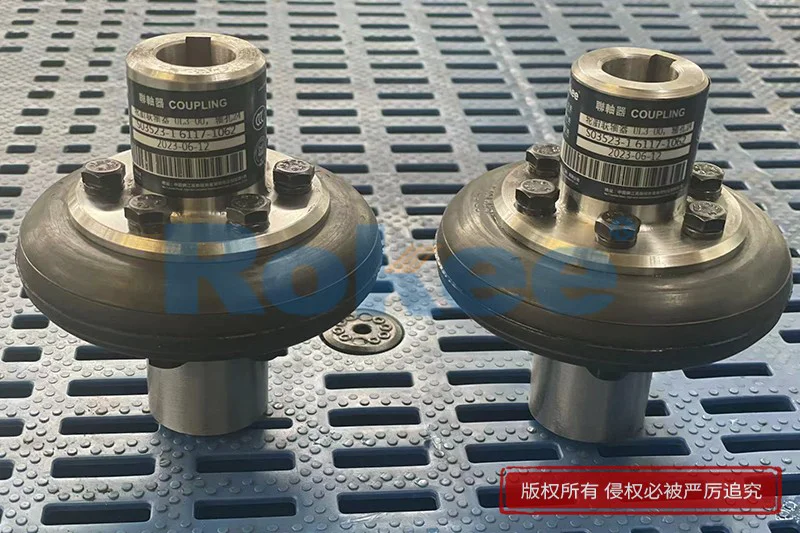
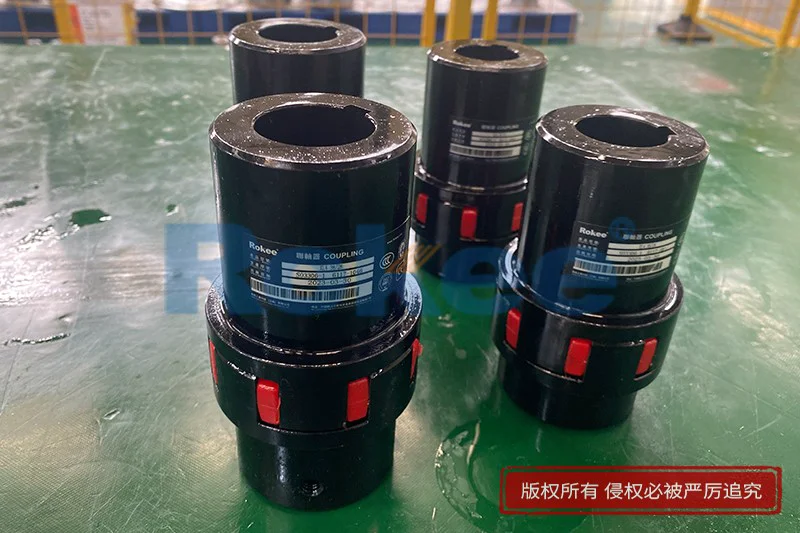
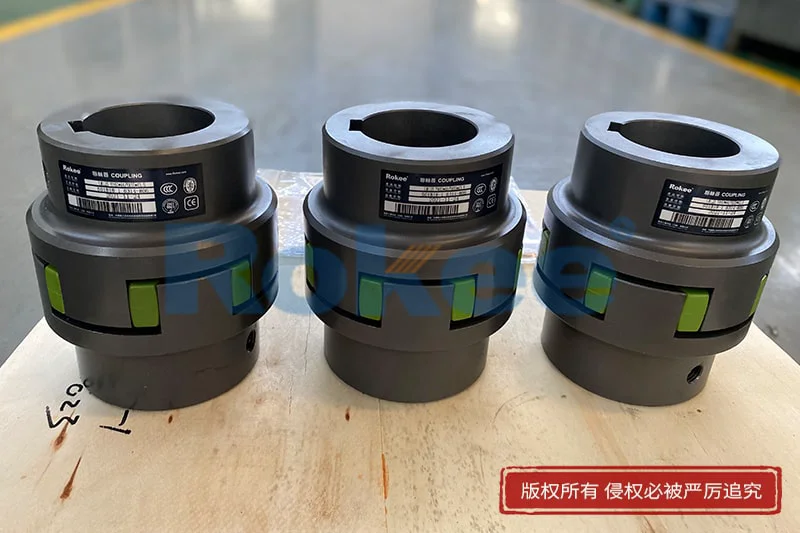
Jun 18, 2026Rubber flexible shaft couplings are essential mechanical components designed to connect two rotating shafts while transmitting torque efficiently across diverse mechanical systems. Unlike rigid coupling structures that prioritize absolute shaft alignment and rigid power transmission, these elastomeric coupling units rely on the unique elastic deformation properties of rubber materials to balance stable power transfer with adaptive mechanical buffering, making them a foundational element for protecting rotating machinery in general industrial and precision mechanical scenarios. The core functional logic of these couplings lies in utilizing the shear and compression deformation characteristics of rubber materials to resolve the inherent defects of rigid transmission, including unavoidable shaft misalignment, operational vibration, and instantaneous impact loads that occur during equipment start-up, operation, and shutdown processes.![Spherical Couplings]()
Spherical Couplings
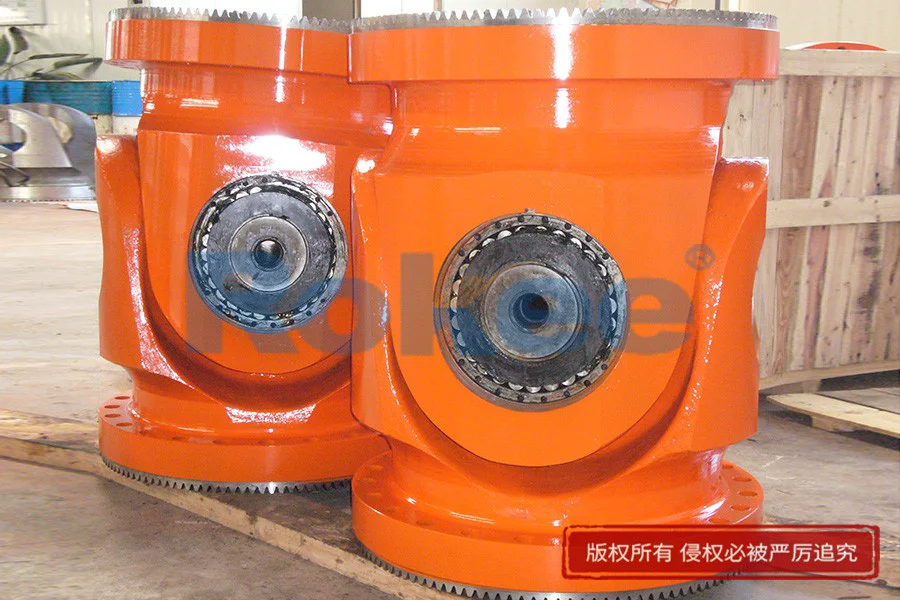
Jun 18, 2026In modern mechanical transmission systems, the stability and efficiency of power delivery depend heavily on the connecting components that link rotating shafts and mechanical actuators. Among various transmission connection parts, spherical couplings stand out as a highly adaptable and reliable mechanical component, uniquely designed to resolve common operational challenges in shaft transmission, including shaft misalignment, mechanical vibration, and positional deviation during equipment operation. Unlike rigid coupling structures that pursue absolute fixation and zero displacement, spherical couplings adopt a flexible spherical contact structure, which enables multi-dimensional adaptive adjustment while maintaining stable torque transmission. This distinctive mechanical property makes them indispensable core components in a wide range of industrial machinery, precision equipment, and mobile mechanical systems, delivering consistent and durable transmission performance under complex and variable working conditions.![Stainless Steel Jaw Couplings]()
Stainless Steel Jaw Couplings
Jun 18, 2026Stainless steel jaw couplings stand as a fundamental and highly reliable component in modern mechanical power transmission systems, serving as a critical connecting element between rotating shafts in diverse industrial machinery and automated equipment. As a type of flexible elastomer coupling, they integrate rigid metal structural stability with flexible elastic buffering performance, effectively solving common operational problems in shaft connection systems such as minor shaft misalignment, mechanical vibration, and instantaneous impact loads. Unlike ordinary cast iron or aluminum alloy jaw couplings, the adoption of high-quality stainless steel as the main hub material endows this series of couplings with unique adaptability to harsh working environments, making them indispensable in precision manufacturing, chemical processing, food production, marine equipment, and other fields that demand strict material stability and corrosion resistance. The overall structure of stainless steel jaw couplings follows a classic and mature design logic, consisting of two symmetrical metal jaw hubs and a central elastomer spider insert, with no complex auxiliary structures or redundant parts, which lays a solid foundation for their long-term stable operation and convenient daily application.![Telescopic Universal Joints]()
Telescopic Universal Joints
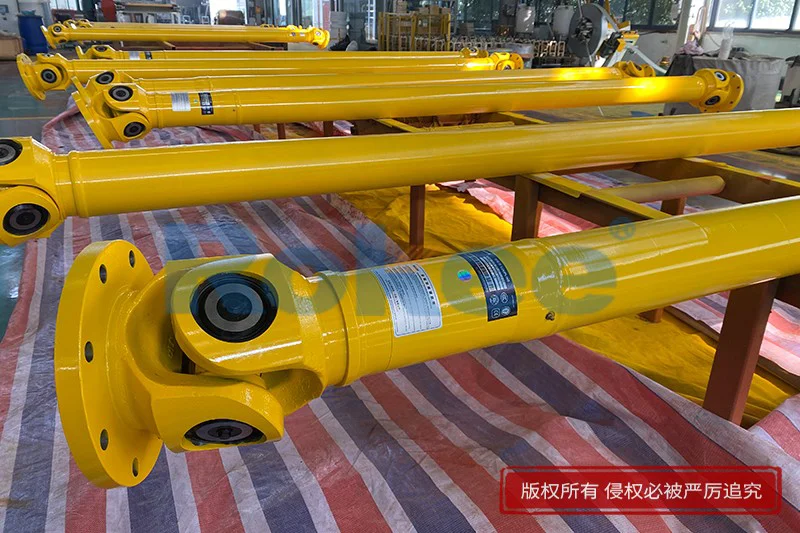
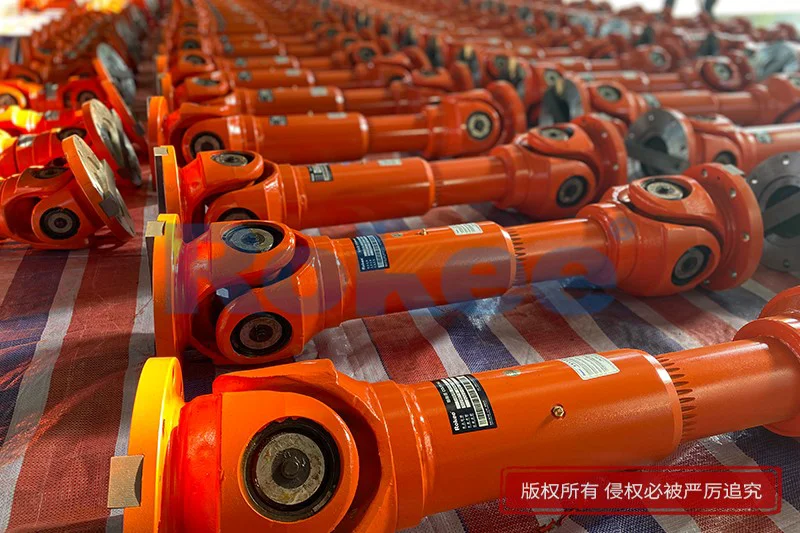
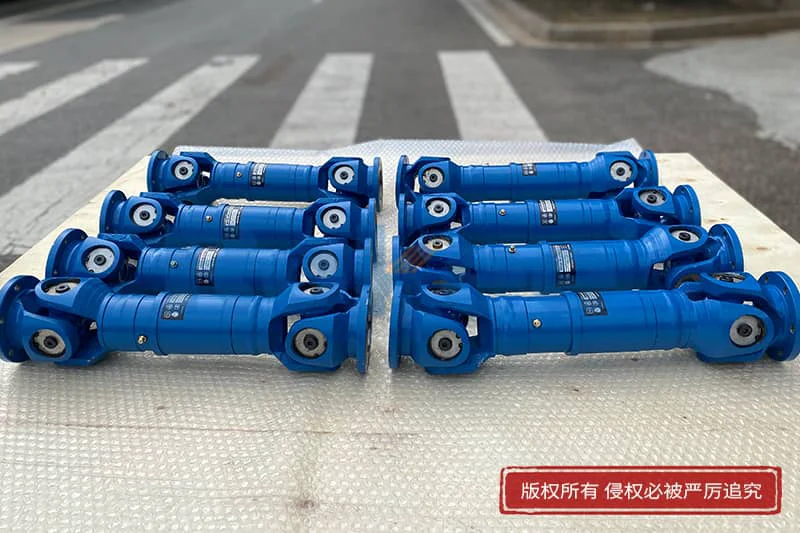
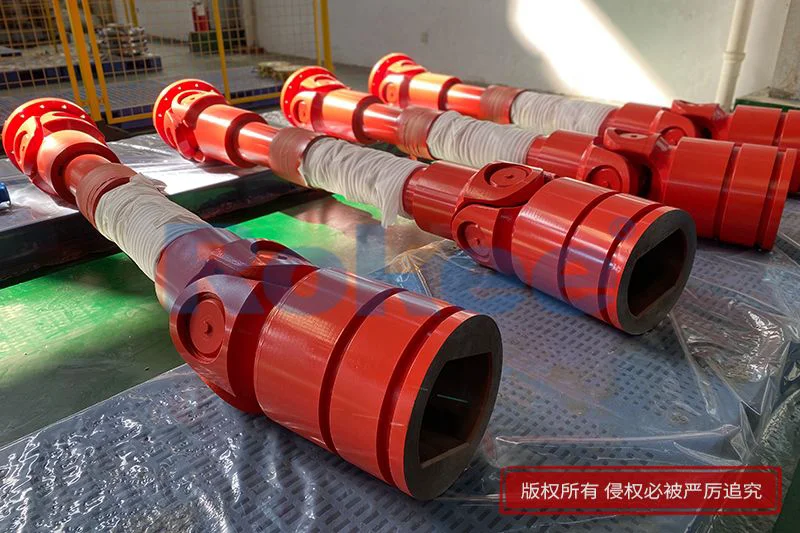
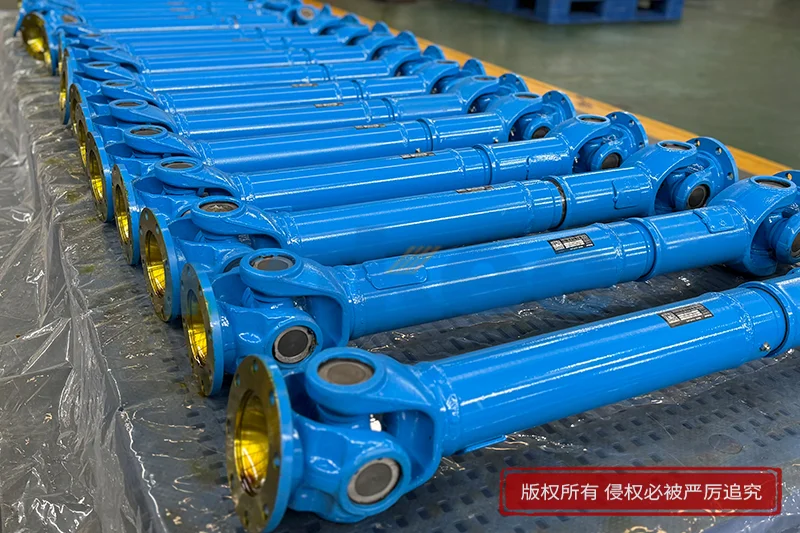
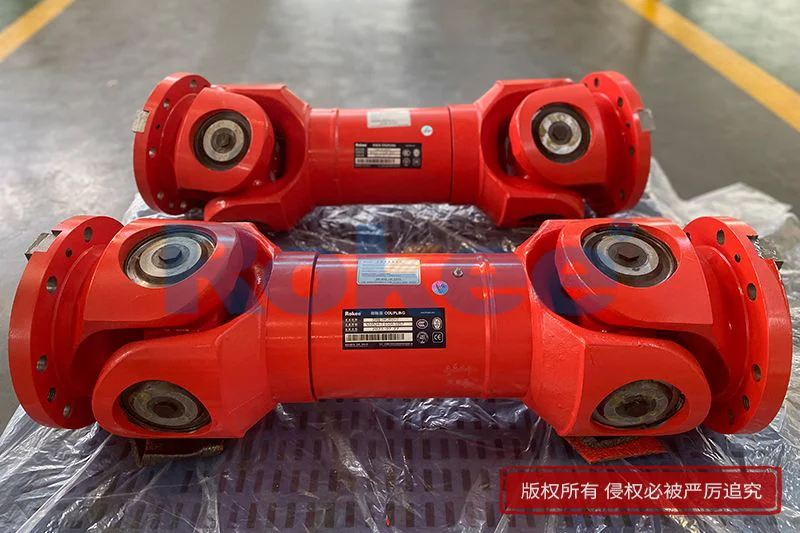
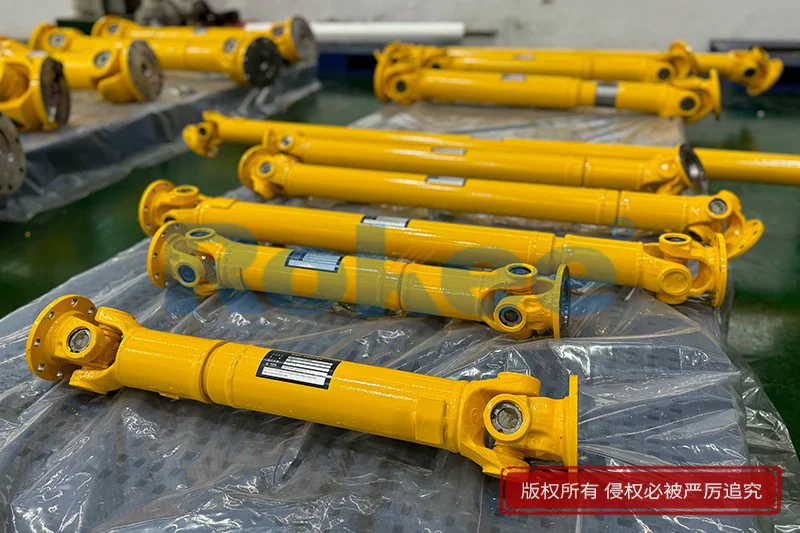
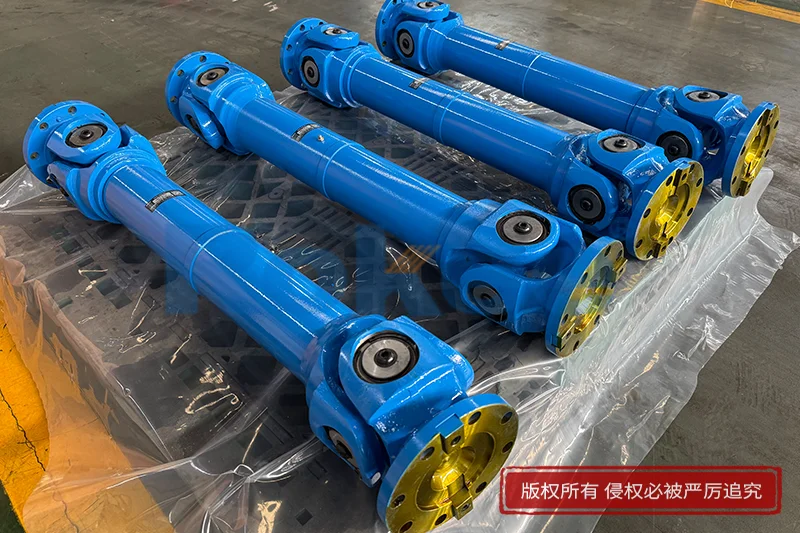
Jun 18, 2026Telescopic universal joints stand as essential mechanical transmission components widely integrated into modern industrial and mobile mechanical systems, serving as a specialized evolution of traditional universal joint structures. Unlike rigid transmission connectors that only support fixed-axis power transmission and ordinary universal joints that merely adapt to angular misalignment, these innovative mechanical parts integrate angular deflection adaptation and axial length compensation functions into a single integrated structure, enabling stable torque transmission between two shafts with dynamic position changes during equipment operation. Their unique dual adaptive capability makes them irreplaceable in mechanical scenarios where shaft alignment conditions constantly fluctuate due to mechanical vibration, structural deformation, thermal expansion and contraction, and dynamic working strokes, effectively solving the transmission failure problems caused by multi-dimensional shaft displacement in complex operating environments.![Tire Shaft Couplings]()
Tire Shaft Couplings
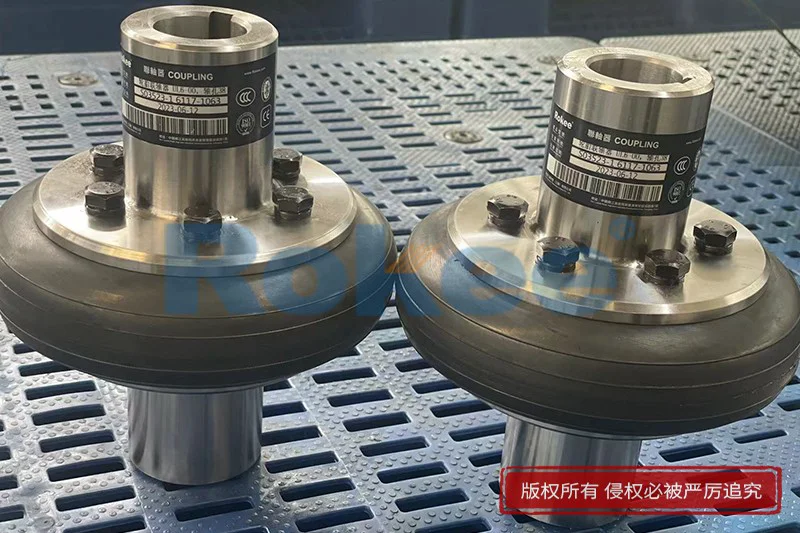
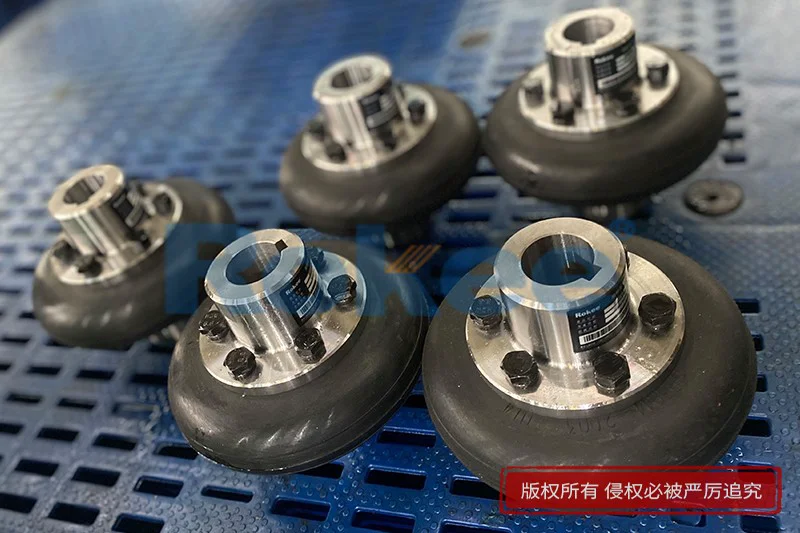
Jun 18, 2026In the field of mechanical power transmission, the demand for couplings that can balance torque transmission efficiency with vibration damping and misalignment compensation has driven the development of various flexible coupling designs. Among these, the tire shaft coupling—also referred to as a rubber tire coupling or elastic tire coupling—has emerged as a reliable and versatile solution, leveraging the elastic properties of a tire-like element to achieve smooth power transfer while protecting connected machinery. Distinguished by its unique tire-shaped elastomeric component, this type of coupling excels in absorbing shocks, dampening vibrations, and accommodating multiple types of shaft misalignments, making it widely applicable in industries ranging from automotive and manufacturing to marine and renewable energy. This article provides a comprehensive overview of tire shaft couplings, exploring their structural composition, operating mechanisms, key advantages, typical applications, and essential maintenance practices, to shed light on their critical role in enhancing the reliability and efficiency of modern mechanical systems.![Tyre Type Couplings]()
Tyre Type Couplings
Jun 18, 2026In the intricate ecosystem of mechanical power transmission, flexible coupling components serve as indispensable connecting links between driving and driven equipment, ensuring continuous, stable, and efficient torque transfer while mitigating various operational stresses. Among the diverse range of flexible coupling solutions available in modern industrial systems, tyre type couplings stand out as a highly adaptable and reliable option, renowned for their exceptional elasticity, superior misalignment compensation, and outstanding vibration damping capabilities. Designed with a unique tyre-shaped elastic structure, these couplings bridge the performance gap between rigid transmission components and highly flexible connecting parts, catering to the complex and variable operating conditions of contemporary industrial machinery. Their ingenious structural design and excellent comprehensive performance make them widely applied in general machinery manufacturing, fluid transportation, material handling, and various heavy-duty industrial scenarios, becoming a core component that guarantees the long-term stable operation of mechanical transmission systems.![Universal Cross Joint Couplings]()
Universal Cross Joint Couplings
Jun 18, 2026Universal cross joint couplings, also commonly referred to as cardan joints, stand as one of the most fundamental and versatile mechanical transmission components in modern industrial and mechanical engineering systems. Designed to bridge the gap between misaligned rotating shafts, these ingenious mechanical structures enable the stable transmission of torque and rotational motion while accommodating angular, axial, and radial deviations that are inevitable in mechanical assembly and operational processes. Unlike rigid shaft couplings that demand precise coaxial alignment and elastic couplings limited by low torque tolerance, cross joint universal couplings deliver a unique combination of high load-bearing capacity, flexible misalignment compensation, and reliable long-term operation, making them an irreplaceable part of power transmission in countless mechanical devices and engineering equipment. Their simple yet sophisticated structural design, adaptable working characteristics, and strong environmental compatibility have secured their widespread application across automotive systems, construction machinery, mining equipment, industrial production lines, marine machinery, and precision transmission devices.![Universal Cross Joints]()
Universal Cross Joints
Jun 18, 2026Universal cross joints stand as one of the most ingenious and enduring mechanical transmission components in the history of engineering, serving as a flexible connection core that bridges rotational power between misaligned shafts across countless mechanical systems. Rooted in early mechanical exploration and refined through centuries of technological iteration, this compact yet robust structure has evolved from primitive mechanical hinge designs into a standardized, high-reliability component indispensable to modern machinery, transportation, and industrial equipment. Unlike rigid shaft couplings that demand precise coaxial alignment and tolerate almost no positional deviation, universal cross joints excel at transmitting continuous rotational torque and motion between two shafts with angular offset, parallel displacement, or dynamic positional changes, making them a foundational element of flexible power transmission in mechanical engineering.![Universal Joints]()
Universal Joints
Jun 18, 2026In the intricate ecosystem of mechanical power transmission, universal joints stand out as one of the most fundamental yet indispensable components, serving as a flexible mechanical hinge that bridges misaligned rotating shafts across countless industrial and mobile mechanical systems. Often referred to as U-joints in practical engineering contexts, these mechanical elements address a core challenge in power transmission: the inability to maintain perfect linear alignment between driving and driven shafts during equipment operation. Unlike rigid shaft couplings that rely on precise coaxial alignment to deliver consistent torque, universal joints accommodate angular deflection, axial displacement, and minor lateral misalignments while sustaining continuous rotational power transfer, making them a cornerstone design solution for machinery operating under dynamic, variable-position working conditions. Their ingenious mechanical structure, proven reliability, and exceptional adaptability have secured their widespread application spanning over a century of mechanical engineering development, from traditional industrial machinery to modern mobile equipment and precision agricultural devices.![Universal Shaft Joints]()
Universal Shaft Joints
Jun 18, 2026Universal shaft joints, also widely known as universal couplings or cardan joints, stand as one of the most fundamental and versatile mechanical transmission components in modern engineering machinery and power transmission systems. Serving as a flexible connecting medium between two rotating shafts, these ingenious mechanical structures are specifically designed to transmit continuous torque and rotational motion while accommodating unavoidable misalignment, angular deflection, and relative displacement between connected shafts. In ideal mechanical design scenarios, power transmission shafts are arranged in perfect coaxial alignment to ensure stable and efficient energy transfer, yet practical operating environments are far from ideal. Equipment installation deviations, structural deformation under load, mechanical vibration, and dynamic positional changes of moving components all lead to persistent angular and positional offsets between driving and driven shafts. It is in these complex and variable working conditions that universal shaft joints exert their irreplaceable functional advantages, enabling reliable power transmission for a vast array of mechanical equipment across civilian, industrial, and engineering fields.![Plum-shaped Couplings]()
Plum-shaped Couplings
Jun 3, 2026In the domain of mechanical power transmission, couplings play a pivotal role in establishing a secure and efficient connection between rotating shafts, facilitating torque transfer while addressing challenges such as misalignment, vibration, and shock loads. Among the diverse array of flexible couplings, the plum-shaped coupling—also known as the jaw coupling with a plum rubber element—stands out for its compact structure, reliable performance, and excellent damping capabilities. Leveraging a unique plum-shaped elastic component to bridge two jaw-shaped hubs, this coupling type has become a preferred choice in numerous industrial, automotive, and agricultural applications. This article provides a comprehensive exploration of plum-shaped couplings, covering their structural design, working mechanism, material selection criteria, diverse application scenarios, key advantages, maintenance protocols, and future development trends. By delving into these aspects, we aim to offer a thorough understanding of this essential mechanical component and its significance in ensuring the smooth and reliable operation of rotating machinery.![Rubber Tire Couplings]()
Rubber Tire Couplings
Jun 3, 2026In the complex landscape of mechanical power transmission, couplings serve as the critical interface between rotating shafts, enabling torque transfer while addressing the inherent challenges of shaft misalignment, vibration, and shock loads. Among the diverse array of flexible couplings, the rubber tire coupling stands out as a robust and versatile solution, widely adopted across heavy-duty industrial sectors for its exceptional ability to absorb vibrations, compensate for significant misalignments, and withstand harsh operating conditions. Unlike rigid couplings that require precise shaft alignment and offer no flexibility, or other flexible couplings with limited misalignment capacity, the rubber tire coupling leverages a rubber tire element as its core flexible component, providing superior damping properties and adaptability. This article comprehensively explores the design characteristics, working principles, material selections, key performance advantages, application scenarios, maintenance practices, and selection criteria of rubber tire couplings, offering a detailed insight into their role and value in modern industrial power transmission systems.![Rubber Tyre Couplings]()
Rubber Tyre Couplings
Jun 3, 2026In the realm of mechanical transmission systems, coupling devices serve as critical components that connect two rotating shafts, enabling the transfer of torque while accommodating various forms of misalignment. Among the diverse range of couplings available, the rubber tyre coupling has emerged as a widely adopted solution across numerous industrial sectors. Characterized by its flexibility, vibration damping capabilities, and simple structural design, this type of coupling plays an indispensable role in ensuring the smooth and efficient operation of machinery. This article aims to provide a comprehensive overview of rubber tyre couplings, exploring their working principles, key structural features, material properties, applications, installation and maintenance practices, as well as recent technological advancements.![Lamina Couplings]()
Lamina Couplings
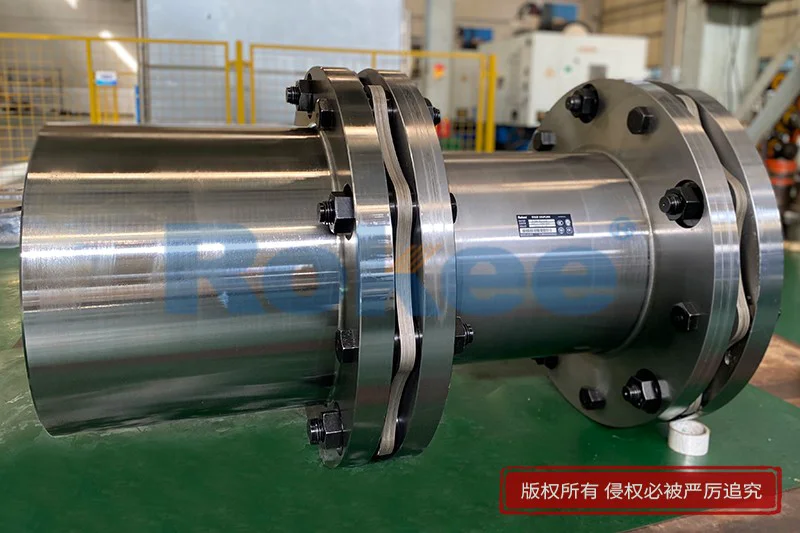
May 9, 2026Lamina coupling serves as a vital mechanical transmission component widely applied in modern industrial transmission systems, relying on stacked thin metal laminas to realize stable torque transmission between rotating shafts. Featuring a compact and streamlined structural design, this mechanical part assembles multiple thin metal sheets into integrated lamina groups, which connect adjacent shaft segments through fasteners to ensure synchronous rotation during equipment operation. The subtle elastic deformation of metal laminas enables the coupling to effectively compensate for minor axial, radial and angular misalignment generated during shaft installation and mechanical movement, avoiding extra friction and mechanical stress on connected equipment. Boasting high torsional rigidity, it maintains precise transmission accuracy even under continuous high-speed rotation, eliminating transmission clearance and ensuring consistent rotational efficiency in long-term operation. Besides, the all-metal structure requires no lubrication or frequent maintenance, lowering daily operational costs and simplifying mechanical upkeep. It can withstand alternating mechanical stress and harsh working environments including temperature fluctuations and slight vibration, delivering excellent fatigue resistance and structural stability. Thanks to these superior mechanical properties, lamina coupling adapts to diverse high-precision transmission scenarios, steadily optimizing mechanical operation efficiency and prolonging the overall service life of industrial transmission systems.![Universal Joint Shaft Couplings]()
Universal Joint Shaft Couplings
May 9, 2026In the complex and interconnected mechanical transmission systems that underpin modern industrial production and mobile mechanical equipment, the universal joint shaft coupling stands out as an indispensable mechanical component with unique transmission adaptability. As a core connecting part between rotating shafts, it undertakes the critical task of transmitting torque and rotational motion while accommodating various positional deviations between connected shafts. Unlike rigid connecting components that require precise coaxial alignment, this type of coupling can maintain stable power transmission under angular deflection, axial displacement and radial misalignment conditions, making it widely applicable in diverse working scenarios with harsh operating conditions and complex shaft arrangement layouts. Its inherent mechanical flexibility and structural durability have secured its irreplaceable position in the field of mechanical transmission, continuously supporting the stable operation of various mechanical equipment.![Universal Joint Shafts]()
Universal Joint Shafts
May 9, 2026A universal joint shaft serves as an essential mechanical transmission component designed to transfer rotational torque between two misaligned shafts in diverse mechanical systems. Constructed with flexible joint structures and sturdy shaft bodies, this mechanical part effectively accommodates angular deviations, axial displacements and minor radial offsets during equipment operation. Its core working mechanism relies on movable internal connecting structures that maintain steady power transmission even when the connected shafts change angles dynamically. In practical application scenarios, the universal joint shaft is widely applied in transportation machinery, industrial transmission equipment and general mechanical transmission systems to resolve the transmission limitations of rigid shafts. Made of high-strength metallic materials, it possesses excellent mechanical toughness and wear resistance to withstand continuous rotational friction and variable mechanical loads in long-term operation. Reasonable structural design reduces vibration and mechanical noise during power delivery, ensuring stable and efficient torque transmission under complex working conditions. Regular maintenance such as surface cleaning and lubrication can slow down component wear, extend service life and keep the transmission precision at a stable level. With its simple structure, strong adaptability and reliable transmission performance, the universal joint shaft remains an indispensable basic component in modern mechanical transmission technology, continuously supporting the normal operation of various mechanical devices with stable and flexible power transmission capabilities.![Metal Membrane Couplings]()
Metal Membrane Couplings
May 9, 2026Metal membrane coupling is a sophisticated mechanical transmission component designed to connect rotating shafts and transmit torque steadily within mechanical systems. It mainly consists of metal membrane packs and shaft connecting structures, relying on the subtle elastic deformation of stacked metal membranes to realize power transmission between driving and driven ends. Unlike traditional flexible transmission parts, this mechanical component features zero backlash during operation, delivering consistent and precise torque transmission without intermittent mechanical clearance. The excellent material toughness and structural rigidity enable it to effectively compensate for minor axial, radial and angular misalignments between connected shafts, which commonly occur in daily mechanical operation due to installation deviations and mechanical vibration. Furthermore, it requires no lubrication throughout its service cycle, eliminating the need for frequent maintenance and reducing external interference to mechanical operation. Its outstanding dynamic performance allows it to suppress mechanical resonance and absorb subtle vibration generated during high-speed rotation, stabilizing the overall operation of transmission systems. Made of high-strength metal materials, the coupling boasts remarkable fatigue resistance and structural durability, adapting to long-term continuous operation under alternating stress. It is widely applied in high-precision industrial equipment including digital control machinery, rotating power facilities and automated production devices. With the growing demand for high-efficiency and low-maintenance transmission components, metal membrane coupling has become an indispensable part of modern mechanical transmission systems by virtue of its reliable stability, compact structure and superior environmental adaptability in complex working conditions.![Cross Joint Couplings]()
Cross Joint Couplings
May 9, 2026In the intricate ecosystem of mechanical transmission systems, the rational connection between rotating shafts determines the operational stability, power transmission efficiency and service life of the entire mechanical equipment. As a classic and reliable transmission connecting component, cross joint coupling has become an indispensable core part in various mechanical structures by virtue of its unique spatial motion adaptation capability and stable torque transmission performance. This mechanical component breaks through the transmission limitations of traditional rigid connecting structures, and can maintain continuous and effective power transmission under the conditions of shaft angle deviation, spatial staggered arrangement and relative displacement, providing a solid guarantee for the flexible operation of complex mechanical equipment. With the continuous upgrading of industrial manufacturing technology and the diversification of mechanical operation scenarios, the structural design and application scope of cross joint coupling have been continuously optimized, and its inherent mechanical advantages make it widely used in heavy industry machinery, transportation equipment, automated production lines and many other industrial fields.![Bushed Couplings]()
Bushed Couplings
May 9, 2026A bushed coupling is a fundamental mechanical component widely utilized in power transmission systems to connect two rotating shafts and ensure smooth torque transmission during mechanical operation. Featuring a simple and compact structural design, this coupling mainly consists of basic mechanical fittings and flexible bushing parts, which endow it with unique functional advantages in daily industrial operation. The embedded bushing serves as a flexible buffer medium, effectively absorbing mechanical vibration and mitigating instantaneous impact generated during equipment rotation. It can also moderately compensate for minor axial, radial and angular misalignment between connected shafts, avoiding extra friction and abrasion on shaft components caused by installation deviations. Made of durable raw materials, the bushing maintains stable elasticity and mechanical toughness under continuous rotation, resisting mild temperature changes and conventional mechanical friction in working environments. This coupling requires minimal maintenance due to its uncomplicated structure, with no intricate assembly procedures or tedious upkeep steps, making it suitable for long-term continuous operation of general mechanical equipment. It adapts well to medium and low-load working conditions, commonly applied in conventional transmission facilities of manufacturing, transportation and mechanical processing industries. During operation, it delivers steady power output and reduces operating noise generated by mechanical friction. By easing the rigid collision between shaft parts, it lowers wear of core mechanical components and extends the overall service life of mechanical systems. With reliable practical performance and convenient installation attributes, the bushed coupling remains an indispensable basic part in common industrial transmission mechanisms.![Bush Pin Flexible Couplings]()
Bush Pin Flexible Couplings
May 9, 2026Bush pin flexible coupling serves as a vital mechanical transmission component widely applied in general industrial transmission systems, featuring a simple and compact structural layout that facilitates effortless installation and daily upkeep. This coupling mainly consists of two symmetrical hub bodies and elastic pin sleeve assemblies, which work together to transmit rotational torque between adjacent drive shafts. During operational processes, the elastic sleeves fitted on cylindrical pins undergo mild elastic deformation to buffer mechanical vibration and instantaneous impact generated by frequent startup and variable load operation. It can effectively compensate for minor axial, radial and angular misalignment between connected shafts, avoiding extra mechanical friction and component abrasion caused by shaft position deviation. Boasting stable transmission efficiency and reliable mechanical performance, this coupling adapts to moderate rotating speed and medium load working conditions. Its elastic intermediate parts effectively isolate vibration and reduce operational noise, optimizing the overall running stability of mechanical equipment. Moreover, the plain structural design eliminates complex auxiliary parts, enabling convenient component replacement without dismantling large mechanical structures, which cuts down maintenance difficulty and equipment downtime. Due to these practical merits, it is commonly utilized in conveying machinery, general processing equipment and conventional power transmission devices. With reasonable structural mechanics design and durable material properties, it maintains steady working performance in long-term continuous operation, striking a balanced combination of usability, durability and operational stability for diverse common industrial transmission scenarios.![Bush Pin Couplings]()
Bush Pin Couplings
May 9, 2026Bush pin coupling is a common mechanical transmission component widely adopted in general industrial transmission systems for its simple structure and stable operating performance. This coupling mainly consists of two symmetrical flange halves, cylindrical pins and elastic rubber bushes, with straightforward assembly structures that require no complex auxiliary parts. During operation, torque is transmitted through the pins fixed on one flange, which press against the elastic bushes embedded in the opposite flange. The elastic bushes serve as vital buffer components, effectively mitigating mechanical vibration and reducing friction noise generated during shaft rotation. One prominent feature of this coupling is its excellent tolerance for minor axial, radial and angular misalignment between two connected shafts, which compensates for installation deviations and slight mechanical deformation caused by long-term operation. Made of durable metal and high-elasticity polymer materials, it maintains stable mechanical properties under continuous rotation and moderate load conditions, resisting abrasion and aging to extend service life. Its easy disassembly structure facilitates daily maintenance and component replacement without cumbersome operational steps. It is commonly applied in medium and low-speed transmission equipment such as water pumps, fans and light-duty processing machinery. Despite not being suitable for extreme high-speed or heavy-impact working environments, it delivers reliable transmission efficiency with low operation failure rates. With compact overall dimensions and convenient installation procedures, this economical mechanical coupling remains a practical choice for conventional industrial transmission scenarios, balancing basic transmission demands and long-term operational stability for general mechanical equipment.![Bush Couplings]()
Bush Couplings
May 9, 2026Bush coupling stands as a fundamental mechanical transmission component widely applied in general industrial machinery to connect two rotating shafts for stable torque transmission. Featuring a simple and compact structural design, it mainly consists of rigid metal shells and flexible inner bushings, which are crafted from durable elastic materials to deliver reliable buffering performance during continuous operation. This coupling works by fastening two shaft ends to its internal structure, and the embedded bushing can effectively offset minor axial, radial and angular misalignments generated during mechanical operation. Such compensation capability helps reduce friction and mechanical abrasion between connected shafts, avoiding excessive shaft deflection that may cause premature wear of adjacent mechanical parts. During the power transmission process, the elastic bushing can efficiently absorb vibration and weaken mechanical impact generated by fluctuating loads, thus smoothing the overall operation of transmission systems. Its straightforward assembly and disassembly procedures lower daily maintenance difficulty, while the robust structural adaptability enables it to fit various moderate-speed and medium-load working conditions. Compared with intricate transmission connectors, this coupling boasts lower structural complexity and stable operating performance, requiring minimal routine upkeep to maintain long-term working efficiency. Thanks to these practical merits, it has become a prevalent choice for conventional mechanical equipment, supporting steady power output and extending the overall service life of mechanical transmission systems in diverse industrial scenarios.![Diaphram Couplings]()
Diaphram Couplings
May 9, 2026Diaphragm coupling is a high-performance mechanical transmission component designed to connect two rotating shafts and transmit torque steadily in various mechanical systems. It mainly consists of durable metal diaphragm assemblies and fastening connectors, adopting a compact and simplified structural layout without complex movable friction parts. Its working principle relies on the subtle elastic deformation of metal diaphragms to compensate for axial, radial and angular misalignments between connected shafts, which effectively offsets positional deviations generated during equipment operation. Featuring zero backlash and excellent torsional rigidity, this coupling maintains stable torque transmission even under high-speed operating conditions, ensuring precise power output and positioning accuracy for mechanical equipment. Different from flexible couplings with elastic polymer components, it boasts outstanding resistance to high temperature and corrosion, adapting to harsh working environments with fluctuating temperatures and corrosive media. Additionally, the integrated metal structure requires no lubrication or frequent maintenance, cutting down daily operation obstacles and extending its service life under cyclic mechanical stress. It also possesses reliable electrical insulation performance, which can isolate current between connected shafts and avoid electrical corrosion to internal mechanical parts. Widely applied in diverse industrial scenarios, it serves precision automated equipment, high-speed power machinery and heavy-duty transmission devices. Whether for high-precision positioning tasks or continuous high-load operation, the diaphragm coupling delivers consistent transmission efficiency and operational stability, making it an indispensable connecting part in modern mechanical transmission systems.![Diaphragm Type Couplings]()
Diaphragm Type Couplings
May 9, 2026In the modern mechanical transmission industry, coupling components serve as indispensable connecting units that link two rotating shafts to transmit torque and rotational motion within mechanical systems. Among various coupling categories, diaphragm type coupling stands out prominently due to its unique metallic elastic structure and superior comprehensive mechanical properties. It has gradually become a core transmission component widely adopted in high-speed, high-precision, and high-stability mechanical equipment. Unlike traditional flexible couplings that rely on elastic polymer materials for deformation compensation, diaphragm type couplings utilize thin metal diaphragm sheets as the elastic deformation carrier, realizing shaft displacement compensation while maintaining high torsional rigidity, which perfectly balances transmission accuracy and structural flexibility. With the continuous upgrading of industrial manufacturing standards and the increasing demand for mechanical operation stability, the application scope of diaphragm type couplings keeps expanding, covering precision intelligent manufacturing equipment, large-scale industrial power machinery, and high-speed fluid conveying equipment, occupying an irreplaceable position in the field of mechanical transmission.![Curved Jaw Couplings]()
Curved Jaw Couplings
May 9, 2026In the intricate ecosystem of industrial mechanical transmission systems, the rational selection of connecting components directly determines the operational stability, service life, and comprehensive efficiency of entire mechanical equipment. Among various flexible coupling types, curved jaw coupling stands out as a reliable and versatile transmission component, widely applied in general industrial machinery, automated production lines, and medium-duty power transmission scenarios. Its unique curved tooth profile design distinguishes it from conventional straight jaw couplings, endowing it with superior deformation coordination capacity and load-bearing stability during long-term mechanical operation.![Claw Couplings]()
Claw Couplings
May 9, 2026Claw coupling is a common mechanical transmission component widely adopted in various industrial power transmission systems for its simple structure and reliable performance. It mainly consists of two symmetrical claw-shaped hubs and an elastic buffer element installed between the interlocking claw structures. The basic working principle lies in the meshing of protruding claws on two hubs, which can steadily transmit torque between adjacent rotating shafts while the elastic middle part plays a vital buffering role. This structural design effectively mitigates mechanical vibration and impact generated during equipment operation, easing the abrasion of connected mechanical parts and extending the overall service life of transmission devices. Compared with other types of couplings, this coupling features a compact layout and easy installation, requiring no complex assembly steps or auxiliary fixing parts during equipment matching. It can properly compensate for minor axial, radial and angular deviations between shafts caused by installation errors or long-term mechanical operation, ensuring smooth and stable power transmission. Its excellent flexibility and shock absorption capacity make it highly adaptable to working conditions with frequent starting, stopping and positive rotation switching. It is commonly applied in light and medium-duty mechanical equipment such as conveying machinery, small processing devices and general industrial transmission equipment. Moreover, the replaceable elastic component lowers daily maintenance difficulty and operational costs, enabling the coupling to maintain stable working performance even in dusty and mildly harsh working environments, which further consolidates its practical value in modern mechanical transmission fields.![Telescoping Driveshafts]()
Telescoping Driveshafts
May 9, 2026In modern mechanical transmission systems, the efficient transfer of rotational torque and linear displacement compensation stands as one of the core requirements for stable equipment operation, and telescoping driveshafts have emerged as an indispensable mechanical component to meet such comprehensive functional demands. A telescoping driveshaft refers to a specialized transmission shaft structure with an extensible and retractable mechanical design, which can freely adjust its overall axial length within a preset range while continuously and stably transmitting rotational power. Unlike conventional fixed-length driveshafts that maintain a constant structural dimension during operation, this adjustable shaft structure effectively adapts to the dynamic spatial changes between power output components and load-bearing components, resolving the transmission obstacles caused by relative displacement, angle deviation and spatial vibration in mechanical motion systems. Its unique structural characteristics and mechanical performance make it widely applicable in mobile mechanical equipment, industrial transmission devices and special engineering machinery, delivering reliable power transmission guarantees for various complex operating working conditions.![Universal Joint Couplings]()
Universal Joint Couplings
May 9, 2026A universal joint coupling serves as a fundamental mechanical component designed to transmit rotational torque between two intersecting shafts with misaligned angular positions. Constructed with simple yet sophisticated mechanical structures, it generally consists of pivot joints and connecting yokes that enable flexible movement during power transmission. This mechanical device effectively accommodates angular deviations between driving and driven shafts, making it indispensable in various mechanical transmission systems where precise axial alignment cannot be consistently maintained. During operation, the interconnected movable parts rotate synchronously to transfer steady torque, while its adaptive structural design buffers mechanical stress generated by shaft deflection and positional changes. Such characteristics reduce excessive friction and mechanical wear on adjacent transmission parts, extending the overall service life of mechanical assemblies. The versatile adaptability allows this coupling to function reliably under diverse operating conditions, including fluctuating movement angles and moderate mechanical loads. It is widely applied in mechanical transmission systems of transportation equipment, industrial machinery and general mechanical devices, where stable power conveyance under complex motion states is required. With inherent structural simplicity, it facilitates convenient installation and routine maintenance, while its rational mechanical distribution effectively disperses operational pressure. Even in continuous long-term working cycles, it maintains stable transmission efficiency and minimizes mechanical failures caused by shaft misalignment, establishing its irreplaceable status in basic mechanical transmission engineering.![Universal Shaft Couplings]()
Universal Shaft Couplings
May 9, 2026Universal shaft coupling is a fundamental mechanical component designed to transmit rotational torque between two misaligned shafts in various mechanical transmission systems. Featuring a flexible hinged structure mainly composed of cross-shaped shaft and joint forks, this mechanical part effectively accommodates angular, radial and axial deviations between connected shafts, which solves the transmission limitations of rigid coupling structures that cannot adapt to shaft position offsets. A single universal coupling can bear a certain shaft angle during operation, while the combined structure with two connected joints further optimizes transmission stability and eliminates periodic speed fluctuation of single-joint operation. With no vulnerable elastic components inside, it maintains stable working performance under harsh working conditions including high temperature, greasy dirt and mechanical vibration, achieving high transmission efficiency with minimal power loss. The structural rigidity enables it to withstand heavy torque and intermittent impact loads, avoiding component deformation and energy loss in the power transmission process. Widely applied in mechanical manufacturing, transportation equipment and industrial transmission devices, it suits complex working scenarios where shaft position changes frequently and installation alignment errors are inevitable. During continuous operation, it relieves concentrated mechanical stress on shafts and bearings, reduces component wear and extends the overall service life of transmission systems. Its simple and compact structure also facilitates easy assembly and daily maintenance, making it a reliable and versatile connecting part for general industrial mechanical transmission to balance practicality and operational stability.![Universal Shafts]()
Universal Shafts
May 9, 2026As an indispensable mechanical transmission component in modern mechanical systems, the universal shaft serves as a critical connecting medium for power transmission between spatially offset rotating shafts. It effectively solves the transmission limitations of rigid connecting structures, enabling stable torque transmission even when there are angular deviations, axial displacements and radial misalignments between connected shafts. With the continuous advancement of mechanical manufacturing technology and the diversification of industrial application scenarios, universal shafts have evolved into multiple structural types with distinct performance characteristics, adapting to complex working conditions such as variable load, alternating rotation angle and harsh operating environments. The rational design of internal structures and the optimization of material properties endow universal shafts with reliable mechanical stability, fatigue resistance and vibration absorption capacity, making them widely applied in transportation machinery, industrial processing equipment, agricultural machinery and engineering construction facilities. Exploring the structural composition, core performance indicators, classification characteristics and practical application values of universal shafts can provide clear theoretical references for mechanical selection, structural optimization and equipment maintenance in industrial production.![Universal Couplings]()
Universal Couplings
May 9, 2026A universal coupling stands as an indispensable mechanical component widely applied in power transmission systems, designed to efficiently transfer rotational torque between disjointed and misaligned shafts. Featuring a concise and ingenious mechanical structure, it mainly relies on hinged connecting parts to realize flexible transmission, effectively resolving the limitations of rigid connecting parts that struggle to adapt to angular and spatial shaft deviations. This mechanical part can steadily convey power even when the connected shafts present certain deflection angles or positional offsets, adapting to complex operating postures that conventional transmission structures cannot accommodate. In practical operation, its internal movable joints buffer the mechanical stress generated by shaft misalignment, preventing excessive friction and concentrated pressure on mechanical parts during rotation. Such buffering performance effectively reduces mechanical wear and vibration, stabilizing the overall operation of transmission equipment. Many optimized structural designs further enhance its motion stability; paired with reasonable structural collocation, it can weaken periodic speed fluctuations during operation and achieve smoother power output. With excellent environmental adaptability, it works reliably under varying temperature conditions and complex working environments, maintaining stable transmission efficiency for a long time. It serves diverse mechanical equipment ranging from general industrial machinery to special transportation devices, constantly optimizing the rationality of power transmission paths. Its simple assembly logic and durable structural properties lower daily maintenance difficulty, prolonging the service life of interconnected mechanical systems. Undoubtedly, the universal coupling remains a core basic transmission component in modern mechanical engineering, offering reliable and flexible connection solutions for countless mechanical transmission systems.![Tyre Couplings]()
Tyre Couplings
May 9, 2026As a crucial type of flexible coupling widely adopted in mechanical transmission systems, tyre couplings serve as an indispensable connecting component between driving shafts and driven shafts in general mechanical equipment. Relying on the unique elastic deformation capacity of rubber tyre bodies, this mechanical part realizes torque transmission while mitigating various adverse mechanical effects generated during equipment operation. In modern industrial transmission designs, the connection between rotating shafts inevitably faces challenges such as installation deviation, operational vibration, instantaneous impact load and axial position displacement. Tyre couplings stand out among numerous flexible coupling products due to their simple structural logic, excellent elastic damping performance and remarkable displacement compensation capability. They effectively coordinate the operating state of transmission components, reduce mechanical wear between interconnected equipment, and extend the overall service life of mechanical systems. Different from rigid couplings with low deformation tolerance and other flexible couplings with complex internal structures, tyre couplings balance economic practicability and functional diversity, making them adaptable to complicated working conditions with frequent load fluctuations and unstable operating environments. An in-depth exploration of the internal structure, core performance attributes, mainstream classification standards and diversified application scenarios of tyre couplings can provide clear theoretical references for reasonable type selection and standardized application in industrial mechanical design.![Toothed Couplings]()
Toothed Couplings
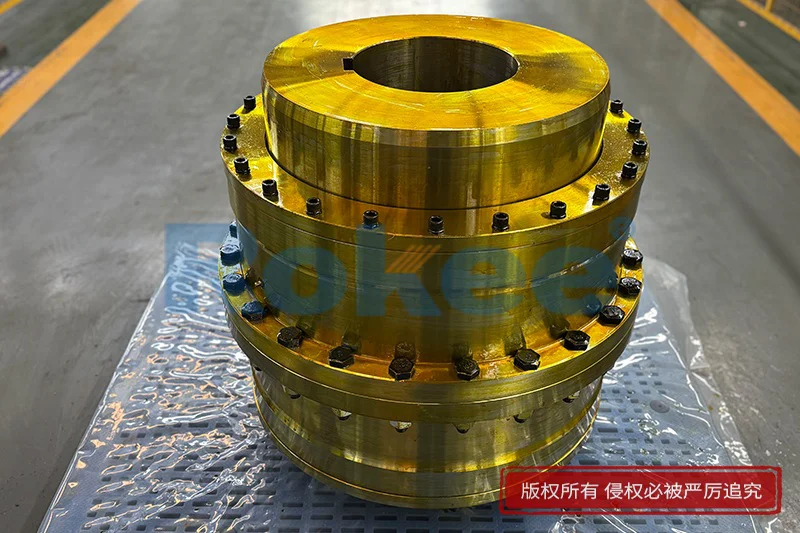
May 9, 2026Toothed couplings stand as one of the most reliable and robust mechanical transmission components widely utilized in modern industrial mechanical systems, serving as critical connecting units that link two rotating shafts to transmit torque while accommodating various mechanical displacements during operational processes. Distinguished from other common coupling types such as elastic couplings and sleeve couplings, toothed couplings adopt an intricate meshing structure composed of internal and external teeth, which endows them with superior load-bearing capacity and excellent displacement compensation performance. Their unique structural design enables seamless power transmission under harsh working conditions, making them indispensable core components in heavy-duty mechanical transmission scenarios. The inherent mechanical properties of toothed couplings, combined with diversified structural improvements derived from industrial iteration, allow these components to adapt to complex operating environments including high torque, variable speed, and frequent load fluctuations.![Tooth Gear Couplings]()
Tooth Gear Couplings
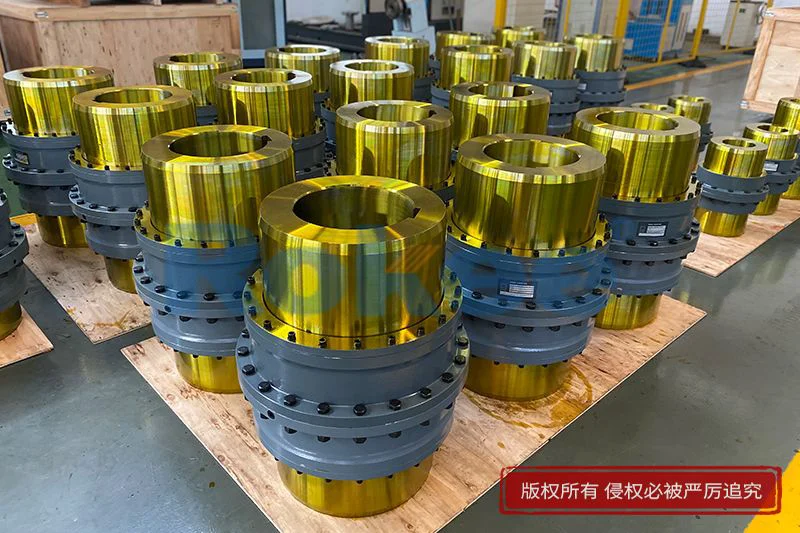
May 9, 2026Tooth gear coupling is a robust mechanical transmission component widely utilized in heavy industrial mechanical systems to connect two rotating shafts and realize stable power transmission. It mainly consists of external geared sleeves and internal geared hubs, and the meshing structure between inner and outer teeth lays a solid foundation for its reliable mechanical performance. The optimized curved tooth profile effectively reduces stress concentration on tooth surfaces, which enables the coupling to bear heavy loads and withstand intermittent impact forces during continuous operation. One of its prominent advantages is the excellent deviation compensation capability, as it can moderately accommodate axial, radial and angular shaft misalignment caused by installation errors or mechanical operation vibration, thus avoiding extra mechanical friction and component wear. With high transmission efficiency, this coupling minimizes power loss during torque transmission and maintains stable working performance even under prolonged high-speed and heavy-duty operating conditions. Reasonable sealing structures are usually equipped to block dust, moisture and other impurities in harsh working environments, protecting the meshing teeth from corrosion and abrasion. Regular lubrication further lowers friction between tooth surfaces and extends the overall service life of the equipment. Owing to its superior structural stability and environmental adaptability, tooth gear coupling is commonly applied in metallurgical equipment, mining machinery, transportation facilities and large industrial pumping systems. It simplifies shaft connection structures for heavy machinery, cuts down frequent maintenance demands, and ensures the continuous and secure operation of industrial transmission systems, making it an indispensable connecting part in modern heavy-duty mechanical transmission fields.![Tooth Couplings]()
Tooth Couplings
May 9, 2026Tooth couplings stand as one of the most prevalent flexible transmission components in modern mechanical transmission systems, uniquely designed to realize torque transmission between adjacent rotating shafts through meshing tooth structures. Distinguished from other coupling types such as jaw couplings and sleeve couplings, this mechanical component integrates high load-bearing capacity, excellent compensation capability and compact structural layout, making it adaptable to complex and harsh operating environments across diverse industrial scenarios. Its ingenious mechanical structure endows the equipment with stable transmission efficiency during continuous rotation, while reasonable material selection and machining craftsmanship further consolidate its reliability in long-cycle industrial operation. As a core connecting part in mechanical transmission chains, tooth couplings undertake the critical task of linking driving and driven equipment, and their comprehensive performance directly affects the operational stability, service life and maintenance cost of the entire mechanical system.![Tire Couplings]()
Tire Couplings
May 9, 2026As one of the essential flexible transmission components in mechanical transmission systems, tire couplings have gained extensive popularity in modern industrial machinery due to their unique elastic structural characteristics and excellent comprehensive mechanical properties. This type of coupling relies on elastic tire-shaped components to connect adjacent transmission shafts, realizing torque transmission while adapting to complex operating conditions that include vibration, impact and shaft misalignment. Compared with rigid couplings and other types of flexible couplings, tire couplings balance elasticity, displacement compensation capacity and operational stability, making them applicable to a wide range of mechanical equipment with fluctuating loads and harsh working environments. The inherent structural design endows tire couplings with distinctive performance advantages, and different structural classifications further expand their adaptability to diverse industrial scenarios, forming an irreplaceable position in the field of mechanical transmission.![Telescopic Shafts]()
Telescopic Shafts
May 9, 2026A telescopic shaft is a sophisticated mechanical component designed with a nested multi-section structure that enables linear extension and retraction while maintaining stable power transmission during operation. Composed of matched inner and outer shaft tubes with smooth collaborative structures, this mechanical part relies on precise internal fitting to limit lateral deviation, ensuring synchronized movement during stretching and shrinking processes. Its core structural advantage lies in flexible length adjustment, which effectively solves the space occupation problem of traditional fixed-length shafts in limited working environments. The optimized internal transmission structure reduces friction between connecting parts, delivering smooth and consistent motion output even during continuous reciprocating movement. Made of durable raw materials, the shaft boasts excellent rigidity and wear resistance, adapting to complex working conditions with varying temperatures and dusty surroundings to maintain long-term operational stability. It is widely applied in multiple mechanical scenarios, including automated conveying equipment, mobile mechanical brackets and industrial transmission devices. In confined operating spaces, it adjusts its length freely to meet the motion stroke requirements of mechanical components without extra space for structural movement. Besides basic stretching functions, the well-polished connecting structure enhances overall structural stability, resisting torsion and impact during high-intensity operation. Simple in internal composition and convenient for daily maintenance, it requires minimal upkeep while retaining reliable mechanical performance. With flexible adjustability, sturdy structural performance and strong environmental adaptability, the telescopic shaft has become an indispensable key component in modern mechanical transmission systems, continuously optimizing mechanical operation efficiency and simplifying structural layout for various industrial equipment.![Teeth Couplings]()
Teeth Couplings
May 9, 2026Teeth coupling is a common mechanical transmission component designed to connect two rotating shafts for steady torque transmission in mechanical systems. Its basic structure consists of two hub sleeves with internal and external teeth, which mesh tightly with one another to form a compact integrated connection. The meshed tooth structure serves as the core functional part, enabling efficient power transfer while adapting to complex operating conditions in various mechanical equipment. This coupling boasts outstanding structural advantages and mechanical performance. The dense tooth distribution enlarges the contact area during operation, allowing it to bear stable and continuous torque without easy deformation under heavy load. It can also compensate for minor axial, radial and angular deviations between connected shafts, effectively reducing mechanical vibration generated by shaft misalignment. This buffering effect lowers friction between internal parts and cuts down unnecessary mechanical wear during long-term operation. Made of high-strength metal materials, teeth coupling features excellent hardness and durability to withstand frequent rotation and intermittent impact loads. Its simple and compact structure saves installation space and facilitates easy assembly and maintenance without complicated operation steps. Widely applied in industrial transmission equipment, it adapts well to harsh working environments with fluctuating temperature and stable operating frequency. With reliable transmission efficiency and long service life, it remains an indispensable connecting part in modern mechanical transmission systems.![Telescopic Drive Shafts]()
Telescopic Drive Shafts
May 9, 2026A telescopic drive shaft serves as an essential mechanical component designed to transmit rotational power between separate mechanical assemblies while adapting to dynamic positional changes. Unlike rigid drive shafts, this specialized structure features a collapsible segment that enables axial length adjustment during equipment operation. Its internal meshing structures allow smooth sliding movement, effectively compensating for distance variations caused by vibration, terrain fluctuation or mechanical displacement. The core design focuses on balancing stable power transmission and flexible dimensional adaptability to fit complex working conditions. During operation, the component consistently transfers torque without disrupting mechanical synchronization, even when connected parts shift relatively in linear directions. Reasonable structural optimization endows the shaft with excellent resistance to mechanical friction and axial pressure. It mitigates mechanical abrasion by reducing rigid collision between interconnected parts, extending the overall service life of mechanical systems. Manufactured with durable raw materials, it maintains stable mechanical performance under fluctuating load conditions and varying ambient temperatures. Widely applied in mobile mechanical equipment and transmission systems, it adapts to diverse operational environments with uneven stress distribution. Simple internal composition brings convenience for daily maintenance, while streamlined exterior structure saves installation space. With reliable operational stability and adaptive flexibility, the telescopic drive shaft remains an irreplaceable part of modern mechanical transmission systems, continuously optimizing power transmission efficiency and improving the rationality of overall mechanical structural design.![Spring Couplings]()
Spring Couplings
May 9, 2026Spring coupling serves as an essential mechanical transmission component widely applied in various mechanical transmission systems. It features a simple and delicate structural composition, mainly consisting of two symmetrical hub bodies and flexible spring components embedded inside the tooth grooves. The core function of this mechanical part is to connect two rotating shafts and transmit torque steadily during the operation of mechanical equipment. Unlike rigid connecting parts, it relies on the elastic deformation of internal springs to achieve flexible transmission, which brings unique advantages to mechanical operation. During the working process, mechanical systems inevitably generate minor shaft misalignment, vibration and impact loads due to assembly errors or operational friction. The built-in springs can undergo compression and shear deformation to absorb instantaneous impact energy and compensate for tiny axial and radial displacements between shafts. This buffering effect effectively reduces rigid friction and mechanical abrasion between components. Additionally, the elastic structure optimizes the operating stability of transmission systems, lowering harsh vibration and noise generated during high-speed rotation. Made of durable metal materials, this coupling boasts excellent structural toughness and fatigue resistance, enabling it to maintain stable working performance under continuous and heavy operating conditions. It adapts to diverse industrial scenarios ranging from general mechanical transmission to complex operational environments with frequent load changes. With its reliable flexibility, simple maintenance and outstanding shock absorption capacity, spring coupling has become an indispensable part of modern mechanical transmission systems, continuously ensuring the efficient and smooth operation of various mechanical devices.![Spherical Gear Couplings]()
Spherical Gear Couplings
May 9, 2026Spherical gear coupling is a crucial mechanical transmission component widely applied in modern industrial transmission systems, designed to connect two rotating shafts for stable torque transmission. Different from conventional straight gear couplings, its external gear teeth adopt a spherical arc structure, which endows the component with excellent deformation compensation capability during operation. This unique structural design enables the coupling to effectively accommodate angular, radial and axial shaft deviations generated by mechanical vibration and installation errors. Such adaptability avoids excessive friction and mechanical stress between connected shafts, reducing the risk of component abrasion and structural damage in complex working conditions. The internal meshing structure of spherical gear coupling ensures compact mechanical cooperation, achieving high torque transmission efficiency with minimal power loss during operation. Equipped with reliable sealing structures, it can isolate internal gear parts from external dust, moisture and corrosive substances. This protective performance stabilizes the internal lubrication environment, lowers tooth surface wear, and extends the continuous service life of mechanical parts. Made of high-strength metal materials, the coupling boasts outstanding mechanical rigidity and fatigue resistance, enabling it to maintain stable operating performance under heavy-load and high-speed working circumstances. It requires simple daily maintenance with no complicated debugging procedures, bringing convenience to industrial equipment management. Commonly used in metallurgy, mining, transportation and general mechanical manufacturing industries, it adapts to diverse harsh working environments. With reliable transmission performance and durable structural characteristics, spherical gear coupling has become an indispensable connecting part for high-stability mechanical transmission systems, continuously optimizing the operational efficiency of industrial mechanical equipment.![Single Diaphragm Couplings]()
Single Diaphragm Couplings
May 9, 2026A single diaphragm coupling is a vital mechanical transmission component designed to connect two rotating shafts for stable power transmission in mechanical systems. It mainly consists of a single elastic metal diaphragm and two shaft hubs, featuring a compact and simplified structural design that distinguishes it from other flexible couplings. Manufactured from high-strength metal materials, the diaphragm boasts excellent toughness and rigidity, enabling it to withstand continuous alternating stress during long-term operational processes. This coupling achieves torque transmission through the elastic deformation of the thin diaphragm, realizing seamless power transfer between driving and driven equipment. It possesses reliable displacement compensation capabilities, effectively accommodating minor axial, radial and angular shaft misalignments generated by mechanical operation and installation deviations. Such compensation performance helps reduce extra friction and mechanical pressure on connected shafts and bearings, lowering equipment wear. Characterized by zero backlash, it delivers precise torque transmission without transmission hysteresis, making it suitable for high-precision motion control scenarios. Additionally, the integrated metal structure requires no lubrication throughout its service life, eliminating regular maintenance procedures and cutting operational difficulties. It also maintains stable performance under high rotating speeds with low vibration and noise, adapting well to various harsh working environments with extreme temperatures and mild corrosion. Widely applied in servo transmission equipment, industrial pumps and automated processing machinery, it balances structural simplicity and operational stability. With dependable transmission efficiency and extended service life, this coupling has become an indispensable basic component in modern mechanical transmission systems.![Shim Pack Couplings]()
Shim Pack Couplings
May 9, 2026Shim pack couplings represent a crucial category of flexible mechanical transmission components widely adopted in modern industrial mechanical systems, serving as a key connecting medium between two rotating shafts within power transmission assemblies. Designed to transmit rotational torque while accommodating unavoidable mechanical deviations during equipment operation, these coupling structures rely on laminated thin metal shim groups as the core deformation component, achieving flexible connection through the elastic deformation of stacked metal shims. Compared with conventional rigid couplings and elastomeric flexible couplings, shim pack couplings balance structural simplicity, transmission stability and environmental adaptability, making them indispensable in high-precision, high-speed and high-stability mechanical transmission scenarios. Their unique laminated structure endows the couplings with distinctive mechanical properties, diverse classification forms and extensive application coverage across multiple industrial sectors.![Shim Couplings]()
Shim Couplings
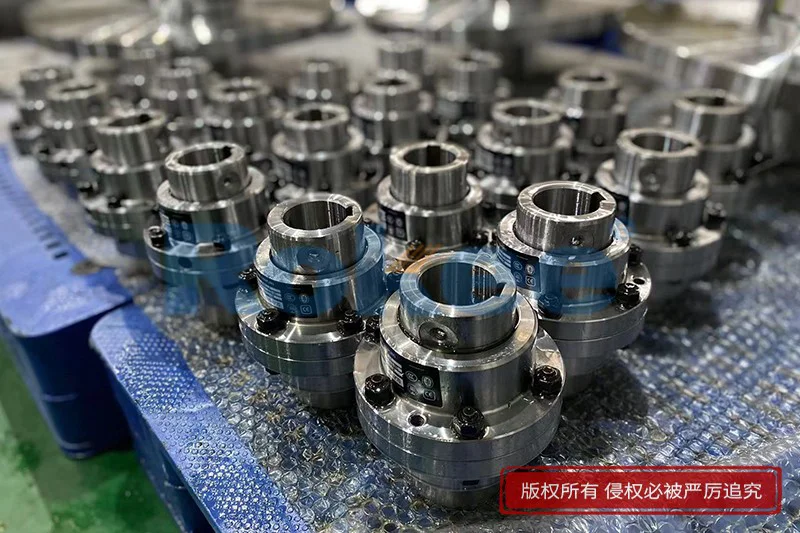
May 9, 2026Shim coupling is a high-performance mechanical transmission component widely adopted in precision mechanical transmission systems. It mainly utilizes stacked thin metal shims as the core deformation elements to realize torque transmission between adjacent rotating shafts. Featuring a compact and simple structural layout, this coupling assembles multiple layers of high-strength metal shims together, which can generate mild elastic deformation during operation to adapt to subtle misalignment between connected shafts. Such misalignment includes axial, radial and angular deviations inevitably produced during equipment installation and operation. The metal shims maintain excellent torsional rigidity while retaining moderate flexibility, enabling steady and gap-free power conveyance with minimal energy loss during rotation. Compared with other common transmission connectors, shim coupling stands out for its outstanding vibration damping capability. It can effectively absorb mechanical vibration and running impact generated by high-speed operation, lowering vibration transmission to auxiliary mechanical parts and reducing wear on bearings and other key components. Moreover, the all-metal structure eliminates the need for lubrication and frequent maintenance, cutting down daily operation costs and extending continuous service time. Its stable mechanical properties remain unaffected by ordinary temperature changes and minor environmental fluctuations, making it adaptable to various working conditions. This coupling is extensively applied in automated production equipment, precision processing machinery and high-speed transmission devices. In modern mechanical design, it serves as a reliable connecting part, optimizing transmission efficiency, improving operational stability and prolonging the overall service life of mechanical systems.![Plum Couplings]()
Plum Couplings
May 9, 2026Plum coupling embodies a gentle and subtle bond rooted in natural simplicity and quiet tenderness. It refers to the harmonious connection between two souls, just like plum blossoms leaning against each other on frosty branches, standing calmly amid mild cold and quiet surroundings. This kind of connection never relies on noisy displays or deliberate decorations, but grows steadily from sincere mutual understanding and silent companionship. In ordinary daily moments, the two individuals share trivial joys and mild troubles, walking side by side through changing seasons and plain life scenes. They tolerate each other’s tiny flaws and appreciate each other’s unique traits, building a soft and stable emotional bond. Just as plum blossoms bloom quietly in cold weather without craving extravagant admiration, this coupling keeps a low-key and pure state, away from impetuous worldly distractions. Every subtle interaction carries warm tenderness, from silent glances to gentle companionship in peaceful nights. Time polishes this connection softly, making it firmer and more mellow. There is no intense passion or grand spectacle, only lasting warmth that settles in daily trivialities. It teaches people the true meaning of intimate connection: genuine affinity lies in mutual accommodation, persistent company and sincere resonance. In the quiet flow of time, plum coupling remains an elegant and touching existence, recording the most simple and precious emotional warmth between living beings.![Plate Couplings]()
Plate Couplings
May 9, 2026Plate coupling is a vital mechanical transmission component widely applied in modern industrial transmission systems. It mainly consists of metal plates, shaft hubs and fasteners, featuring a compact and streamlined integral structure. With no redundant elastic accessories, this mechanical part maintains a neat appearance and stable structural rigidity during continuous operation. Its basic working principle relies on the subtle elastic deformation of thin metal plates to transmit torque between two adjacent rotating shafts. This unique transmission mode enables the device to achieve efficient power conveyance without mechanical friction gaps. One prominent advantage of plate coupling lies in its excellent displacement compensation capability. It can effectively offset minor axial, radial and angular deviations generated during shaft operation, which commonly stem from installation errors or mechanical operational vibration. Such compensation reduces extra stress on connected equipment and avoids excessive wear on shaft components. Additionally, the metal plate structure delivers outstanding vibration damping performance, weakening mechanical vibration and isolating noise in high-speed running equipment. Made of high-strength metal materials, this coupling boasts durable service life and stable mechanical properties under continuous load. It adapts well to various harsh working environments with subtle temperature changes and slight dust accumulation. Simple assembly and disassembly further lower daily maintenance difficulty. Due to these merits, plate coupling is extensively used in pumping equipment, transmission machinery and automated production lines. It consistently ensures precise and steady power transmission, laying a solid foundation for the long-term stable operation of diverse mechanical systems.![Plum Blossom Couplings]()
Plum Blossom Couplings
May 9, 2026Plum Blossom Coupling carries subtle and tender poetic charm rooted in quiet oriental aesthetics. Born from the admiration for plum blossoms, this exquisite pairing embodies the harmonious beauty of natural simplicity and gentle interdependence. Plum blossoms always bloom bravely in chilly weather, standing firm against cold winds and faint frost, and this resilient temperament becomes the core spiritual symbol of the coupling. Every subtle detail of the design draws inspiration from the graceful posture of blooming plum blossoms, with delicate petal outlines and slim branch textures that restore the elegant charm of flowers swaying in the breeze. The two matched parts echo each other in shape and implication, just like mutually dependent companions that keep each other company through quiet days. It is not merely a simple combination of decorations, but a subtle carrier of sincere emotions. People tend to endow this coupling with soft wishes, hoping for everlasting companionship and steady mutual growth, just as plum blossoms persist in blooming tenaciously. The plain and refined tone avoids gorgeous embellishments, retaining the pure and tranquil texture of natural plants. It blends seamlessly into daily life, bringing a touch of serene elegance to ordinary moments. With implicit aesthetic language, Plum Blossom Coupling interprets the unique oriental romance, recording gentle affections and persistent vitality in the most understated way, and letting the timeless charm of plum blossoms settle in every subtle moment of life.![Jaw Couplings]()
Jaw Couplings
May 9, 2026In the intricate mechanical transmission systems that underpin modern industrial operation, various coupling components serve as indispensable connecting units for adjacent rotating shafts, enabling the stable transmission of torque between driving and driven equipment. Among numerous coupling types, jaw couplings stand out as one of the most widely adopted flexible transmission components due to their ingenious structural design, balanced mechanical properties, and remarkable environmental adaptability. Composed of simple mechanical parts without complex transmission structures, jaw couplings can effectively connect two coaxial rotating shafts while mitigating the adverse effects generated during mechanical operation. Their unique combination of metal rigid components and elastic intermediate parts endows them with dual characteristics of rigid torque transmission and flexible vibration absorption, making them applicable to diverse industrial scenarios ranging from light-duty precision transmission to medium-load mechanical operation.![Flexible Gear Couplings]()
Flexible Gear Couplings
May 9, 2026In modern mechanical transmission systems, coupling components serve as indispensable connecting units that link two rotating shafts to transmit torque and rotational motion. Among various coupling types, flexible gear couplings stand out for their exceptional load-bearing capacity, reliable misalignment compensation, and stable dynamic transmission performance. These mechanical components are widely deployed in heavy-duty industrial scenarios where continuous operation and high torque transmission are required, functioning as critical connecting parts between driving equipment and driven machinery. Unlike rigid couplings that lack deformation tolerance and elastic couplings with limited load capacity, flexible gear couplings achieve an optimal balance between structural rigidity and flexible adaptability, making them adaptable to complex working conditions involving shaft displacement, temperature variation, and mechanical vibration. A comprehensive understanding of the structural composition, inherent performance characteristics, mainstream classifications, and practical application ranges of flexible gear couplings is essential for mechanical design optimization, equipment maintenance, and industrial transmission system upgrading.![Crown Gear Couplings]()
Crown Gear Couplings
May 9, 2026In the complex mechanical transmission systems of modern industrial production, coupling components undertake the critical task of connecting two rotating shafts to transmit torque and rotational motion. Among numerous coupling types, crown gear coupling stands out as a reliable rigid-flexible transmission component with unique tooth profile design and compact mechanical structure. It has become an indispensable core part in heavy-duty mechanical equipment due to its excellent torque transmission capacity, outstanding misalignment compensation performance and stable operational reliability. Different from ordinary straight gear couplings and elastic couplings, the crown gear coupling adopts a special crowned outer gear structure, which effectively optimizes the stress distribution of meshing teeth while retaining the advantages of high rigidity and high transmission efficiency of gear couplings. This mechanical part can adapt to harsh working conditions such as heavy load, frequent start-stop and complex shaft position deviation, achieving balanced coordination between structural stability and motion flexibility. With the continuous upgrading of industrial manufacturing technology, crown gear coupling has been continuously optimized in structural design and material configuration, and its application scope has gradually expanded from traditional heavy industry to light industry, energy and transportation fields, providing stable guarantee for the long-term efficient operation of various mechanical transmission systems.![Crown Pin Couplings]()
Crown Pin Couplings
May 9, 2026In the complex mechanical transmission system, coupling components serve as fundamental connecting units that link adjacent rotating shafts to transmit torque, maintain rotational synchronization, and buffer mechanical stress during equipment operation. Among various coupling types, crown pin coupling stands out as a versatile and reliable transmission component with a uniquely optimized structural combination of crown-shaped elastic components and cylindrical pin parts. This mechanical part has gained extensive application in general industrial machinery due to its simple assembly logic, excellent deformation adaptability and stable load-bearing capacity. Different from rigid couplings that lack elastic buffering structures and ordinary elastic couplings with single deformation modes, crown pin coupling integrates mechanical advantages of flexible contact and constrained transmission, achieving a balanced performance between torque transmission efficiency and vibration suppression. Its internal structural composition follows mature mechanical design principles, and each component undertakes independent functional responsibilities while cooperating closely to adapt to diverse operating environments and mechanical load conditions. With the continuous upgrading of industrial manufacturing standards, crown pin coupling has been structurally optimized to meet the transmission demands of low-speed heavy-load equipment and medium-speed continuous operating machinery, gradually becoming an indispensable connecting part in modern mechanical transmission systems.![Disc Membrane Couplings]()
Disc Membrane Couplings
May 9, 2026In the modern mechanical transmission industry, coupling components serve as indispensable connecting units that link two rotating shafts to transmit mechanical torque, and they play a vital role in stabilizing transmission systems, mitigating mechanical vibration, and compensating for shaft misalignment. Among various coupling types, disc membrane coupling has gradually become one of the most widely used transmission components in high-precision and high-speed mechanical equipment due to its unique elastic deformation mechanism, compact structural layout and excellent comprehensive mechanical properties. Different from traditional gear couplings and jaw couplings that rely on rigid contact or rubber elastic deformation for power transmission, disc membrane couplings adopt thin metal disc groups as the elastic deformation core, realizing flexible torque transmission through the micro elastic deformation of metal membranes. This special working principle endows the coupling with irreplaceable application advantages in complex working conditions such as high-speed rotation, harsh temperature environment and high-precision transmission requirements, making it widely applied in industrial production fields including mechanical manufacturing, energy power, aerospace and fluid transportation.![Double Diaphragm Couplings]()
Double Diaphragm Couplings
May 9, 2026In the modern mechanical transmission industry, coupling components serve as critical connecting units that link driving and driven shafts to realize torque transmission, rotational motion transfer, and mechanical vibration buffering. Among various coupling types, double diaphragm coupling stands out as a high-performance flexible transmission component with unique structural design and excellent comprehensive mechanical properties. It has gradually become an indispensable core part in high-precision, high-speed and high-stability mechanical systems. Different from single diaphragm coupling with limited displacement compensation capability and traditional rigid coupling lacking elastic buffering performance, double diaphragm coupling adopts a dual-diaphragm combined structure, which balances torsional rigidity, displacement compensation and operational stability. It adapts to complex and changeable working conditions while maintaining efficient and stable power transmission. With the continuous upgrading of industrial manufacturing standards, the market demand for double diaphragm coupling keeps growing steadily, and it is widely recognized in multiple industrial fields for its simple maintenance, fatigue resistance and pollution-free operation characteristics.![Cross Cardan Shafts]()
Cross Cardan Shafts
May 9, 2026As a fundamental mechanical transmission component, the cross cardan shaft occupies an irreplaceable position in modern mechanical transmission systems. It is specially designed to transmit rotational power between two shafts with spatial offset, angular deflection and axial displacement, breaking through the transmission limitations of rigid shaft parts. With unique hinged connection structure and excellent adaptive transmission characteristics, this mechanical part can maintain stable power output under complex working conditions such as variable transmission angles and irregular spatial layouts. It has gradually become a core connecting component widely used in transportation, industrial manufacturing, agricultural machinery and heavy engineering equipment. The inherent mechanical advantages of cross cardan shafts stem from their exquisite structural design, reasonable material matching and flexible assembly mode, which enable them to adapt to diverse working environments ranging from low-speed heavy-load operation to high-speed stable rotation. In the long-term application and iteration process, different structural variants have been derived to meet differentiated transmission demands, and the continuous optimization of production processes further enhances its comprehensive mechanical performance and service stability. An in-depth exploration of the structural composition, core performance characteristics, common classification forms and diverse application scenarios of cross cardan shafts can help clarify its operating mechanism and application value in mechanical transmission systems, providing effective reference for reasonable selection and standardized application in mechanical design and equipment manufacturing.![Brake Drum Geared Couplings]()
Brake Drum Geared Couplings
May 9, 2026In the complex mechanical transmission systems of modern heavy industries, various coupling components undertake the critical task of connecting rotating shafts and transmitting torque, among which brake drum geared couplings stand out as a versatile and high-performance transmission component. This type of coupling integrates the structural characteristics of toothed transmission and brake auxiliary components, combining powerful torque transmission capacity with reliable braking coordination functions. It has become an indispensable core part of heavy-duty mechanical equipment that requires frequent start-stop movements, stable torque output and safe braking control. Unlike ordinary geared couplings that only focus on power transmission, brake drum geared couplings add an integrated brake drum structure on the basis of traditional curved tooth meshing, which can cooperate with external braking components to realize rapid deceleration and static locking of mechanical equipment.![Brake Drum Gear Couplings]()
Brake Drum Gear Couplings
May 9, 2026Brake drum gear coupling stands as a vital mechanical transmission component widely applied in heavy-duty industrial transmission systems, which integrates the gear transmission structure and brake drum functional design into a single integrated mechanical unit. Unlike ordinary gear couplings that only undertake torque transmission tasks, this type of coupling ingeniously combines power transmission, axis deviation compensation and mechanical braking functions, effectively simplifying the overall structural layout of mechanical equipment and optimizing the operational stability of shaft transmission systems. In modern industrial production scenarios characterized by heavy load, frequent start-stop motion and strict braking requirements, brake drum gear coupling has become an indispensable connecting part for rotating shafts due to its outstanding mechanical adaptability and durable structural characteristics. Its unique composite design breaks the functional limitation of single transmission components, realizing the organic integration of power delivery and motion control, and providing reliable technical support for the safe and efficient operation of various heavy machinery.![Brake Drum Couplings]()
Brake Drum Couplings
May 9, 2026Brake drum coupling stands as an indispensable mechanical transmission component widely deployed in industrial shaft connection systems, which integrates torque transmission, displacement compensation and braking auxiliary functions into an integrated mechanical structure. This type of coupling organically combines the basic transmission unit with an independent brake drum structure, realizing seamless coordination between power transmission and mechanical braking during the operation of mechanical equipment. Unlike ordinary couplings that only undertake simple shaft connection tasks, brake drum coupling takes into account the special braking demands of heavy-duty mechanical systems, enabling mechanical equipment to achieve stable deceleration, rapid stop and static locking under complex working conditions. With the continuous upgrading of industrial manufacturing technology, brake drum coupling has evolved into multiple structural forms with differentiated performance characteristics, gradually becoming a core connecting part for heavy machinery, transportation equipment and industrial production lines that require frequent braking and stable torque transmission. Its unique structural design endows it with excellent mechanical adaptability, allowing it to maintain reliable operating performance in harsh working environments such as high load, strong vibration and variable temperature, which is why it is extensively adopted in various industrial fields.![Metal Diaphragm Couplings]()
Metal Diaphragm Couplings
May 9, 2026In the modern mechanical transmission industry, coupling components serve as essential connecting units that link driving and driven shafts to realize torque transmission, motion transfer, and mechanical system coordination. Among various coupling types, metal diaphragm couplings have gained widespread recognition and continuous optimization in industrial manufacturing by virtue of their unique all-metal structural design, excellent elastic compensation capability, and stable high-speed operation performance. Different from traditional flexible couplings that rely on rubber or polymer elastic elements, metal diaphragm couplings adopt thin metal sheets as the core deformation components, which fundamentally avoids the aging, deformation and failure defects of non-metallic materials under extreme working conditions. This distinctive structural characteristic enables the coupling to maintain reliable working performance in complex environments such as high temperature, low temperature, vacuum and chemical corrosion, making it a key transmission component in high-precision and high-end mechanical equipment. The inherent advantages of metal diaphragm couplings are closely related to their structural composition, material selection and morphological classification, and differentiated structural designs also endow products with diversified performance characteristics to adapt to variable industrial application scenarios.![Laminated Membrane Couplings]()
Laminated Membrane Couplings
May 9, 2026In the modern mechanical transmission industry, the stable connection between rotating shafts serves as the fundamental guarantee for the continuous operation of mechanical equipment. As a high-precision and high-reliability transmission component, laminated membrane coupling has gradually become an indispensable core part of various mechanical systems relying on its unique layered composite structure and excellent comprehensive mechanical properties. Different from traditional rigid couplings and elastic couplings with simple structures, laminated membrane coupling adopts a multi-layer stacked membrane structure, which organically combines the mechanical advantages of different materials through precise processing and assembly technologies. This structural design not only optimizes the torque transmission efficiency of the coupling but also endows the component with outstanding displacement compensation capability and vibration damping performance. With the continuous upgrading of industrial manufacturing standards and the increasing demand for high-speed and high-precision mechanical transmission, laminated membrane coupling has been widely applied in many industrial fields such as aerospace, precision manufacturing, petrochemical industry and automated production lines. Exploring the internal structure, core performance, classification types and practical application scenarios of laminated membrane coupling can provide a clear theoretical reference for the reasonable selection and optimized application of this component in industrial mechanical design.![Industrial Cardan Shafts]()
Industrial Cardan Shafts
May 9, 2026Industrial cardan shafts stand as indispensable mechanical transmission components in modern industrial systems, serving as critical connecting structures that transmit rotational torque and motion between two independently arranged rotating shafts. Designed to resolve the transmission limitations of rigid connection structures, these mechanical parts can maintain stable power output under complex working conditions involving axial displacement, angular deflection and radial misalignment. With the continuous upgrading of industrial manufacturing technology and the diversification of mechanical operation scenarios, cardan shafts have gradually evolved into diversified structural forms with distinct performance characteristics, adapting to various load intensities, operating speeds and environmental conditions in different industrial fields. Their reliable mechanical properties and flexible structural adaptability make them widely applied in heavy industry manufacturing, transportation machinery, automated production lines and other core industrial sectors, becoming an essential guarantee for the continuous and efficient operation of mechanical equipment.![Geared Couplings]()
Geared Couplings
May 9, 2026In modern mechanical transmission systems, the connection between rotating shafts serves as a fundamental guarantee for stable power transmission, and various coupling devices have been developed to adapt to diverse operating conditions. As a rigid flexible coupling with outstanding load-bearing capacity and displacement compensation capability, geared coupling has become an indispensable core component in heavy-duty mechanical equipment. It relies on the meshing engagement between internal and external gear teeth to transmit torque, combining the high rigidity of rigid couplings and the adaptive adjustment performance of flexible couplings. Compared with other common coupling types such as diaphragm couplings and pin bush couplings, geared couplings exhibit superior performance in heavy-load operation, axial deviation adaptation and long-term continuous service. This paper conducts an in-depth analysis of the structural composition, intrinsic performance characteristics, mainstream classification forms and broad application scenarios of geared couplings, aiming to elaborate on the mechanical logic and application value of this transmission component in industrial mechanical systems.![Gear Type Couplings]()
Gear Type Couplings
May 9, 2026Gear type coupling stands as one of the most reliable and widely adopted mechanical transmission components in modern industrial machinery, serving the fundamental function of connecting two rotating shafts to transmit torque while accommodating various mechanical deviations during operational processes. As a rigid flexible coupling with exceptional load-bearing capacity, it has gained extensive application in heavy-duty mechanical systems owing to its compact mechanical layout, outstanding torque transmission efficiency and strong environmental adaptability. Unlike elastic couplings that rely on elastic deformation of flexible components for buffering, gear type couplings realize power transmission through meshing contact between internal and external gear teeth, combining the structural stability of rigid couplings with the deflection compensation capability of flexible couplings, which makes it uniquely advantageous in complex and harsh industrial working conditions. In-depth exploration of its internal structure, inherent performance characteristics, diversified classification forms and practical application scenarios can provide clear mechanical references for rational selection and standardized application in mechanical design and industrial production.![Full Gear Couplings]()
Full Gear Couplings
May 9, 2026In the field of mechanical transmission systems, the rational connection between rotating shafts is essential to ensure stable power transmission and long-term operational reliability of mechanical equipment. Full gear coupling stands out among numerous shaft connection components by virtue of its robust structural design, excellent torque transmission capacity and reliable displacement compensation performance. As a rigid flexible coupling with meshing gear pairs as the core transmission structure, it has become an indispensable key component in heavy-duty mechanical equipment, high-speed transmission systems and industrial production lines with complex operating conditions.![Face Gear Couplings]()
Face Gear Couplings
May 9, 2026Face gear coupling stands as one of the most reliable and robust mechanical transmission components widely adopted in modern industrial transmission systems, serving the fundamental function of connecting two rotating shafts to transmit torque and rotational motion between driving and driven mechanical equipment. Distinguished from conventional gear coupling structures with cylindrical gear meshing layouts, this type of coupling utilizes a unique face-to-face gear meshing mechanism, which effectively optimizes force distribution during operation and enhances the overall stability of shaft system transmission. With its distinctive structural design, excellent load-bearing capacity and superior displacement compensation performance, face gear coupling has become an indispensable connecting part in heavy-duty mechanical equipment, rotating power devices and long-distance transmission shaft systems. This paper comprehensively elaborates on the structural composition, core working principles, key performance characteristics, mainstream classification types and diverse industrial applications of face gear coupling, aiming to provide systematic and in-depth technical reference for mechanical transmission design and industrial equipment configuration.![Curved Tooth Gear Couplings]()
Curved Tooth Gear Couplings
May 9, 2026In the modern mechanical transmission industry, coupling components serve as indispensable connecting units for transmitting torque between adjacent rotating shafts, ensuring the coordinated operation of diverse mechanical equipment. Among numerous coupling types, curved tooth gear coupling stands out prominently due to its superior mechanical adaptability, exceptional load-bearing capacity and reliable operational stability. As an upgraded derivative of straight tooth gear coupling, it abandons the traditional linear tooth profile and adopts an optimized curved tooth structure, which effectively compensates for the inherent defects of excessive local stress and poor displacement adaptability in conventional gear couplings. This type of coupling has gradually become a core connecting component in heavy-duty, high-speed and complex working condition mechanical systems, widely covering industrial production fields such as metallurgy, mining, energy and transportation. The unique structural design endows it with incomparable comprehensive performance advantages over ordinary couplings, and different structural classifications further expand its application boundaries to meet the differentiated connection demands of various mechanical equipment.![Curved Tooth Couplings]()
Curved Tooth Couplings
May 9, 2026As one of the most indispensable mechanical transmission components in modern industrial systems, curved tooth coupling serves as a critical connecting unit between adjacent rotating shafts, undertaking the core task of torque transmission while mitigating mechanical vibration and compensating for shaft misalignment during equipment operation. Distinguished from conventional straight tooth couplings, the uniquely optimized curved tooth profile endows this coupling with superior mechanical adaptability and load-bearing capacity, making it widely applicable in heavy-duty mechanical scenarios that demand stable power transmission and durable structural performance. This paper elaborates on the inherent structural composition, core mechanical properties, reasonable classification standards and diverse industrial application scenarios of curved tooth couplings, conducting an in-depth analysis of its structural advantages and operational characteristics under complex working conditions to reveal its application value in modern mechanical transmission systems.![Pin Couplings]()
Pin Couplings
May 8, 2026In the complex and interconnected mechanical transmission systems, coupling components serve as the critical medium for power transmission between adjacent rotating shafts, and they undertake the core tasks of torque transfer, motion coordination and mechanical vibration buffering. Among numerous coupling types, pin couplings stand out for their simple structural composition, reliable mechanical stability and excellent environmental adaptability, becoming one of the most widely used connecting parts in general mechanical equipment and industrial transmission devices. A pin coupling is a basic rigid-flexible integrated transmission component that relies on cylindrical or special-shaped pin bodies to realize the circumferential fixation and torque conduction between two coupling halves. Its unique structural design endows it with distinctive mechanical performance characteristics, and different structural optimization forms derive multiple performance classifications, which can meet the diversified connection demands of various industrial working conditions. This paper comprehensively analyzes the internal structural composition, core mechanical performance, detailed classification standards and practical application scenarios of pin couplings, and explores the correlation between structural changes and performance differences, so as to provide clear mechanical reference for the rational selection and standardized application of pin couplings in industrial production.![Membrane Couplings]()
Membrane Couplings
May 8, 2026In modern mechanical transmission systems, the connection between rotating shafts serves as a fundamental guarantee for stable power transmission, and couplings are indispensable core components that link driving and driven mechanical parts. Among various coupling types, membrane couplings have gradually become one of the most widely used transmission components in high-precision and high-stability mechanical equipment by virtue of their unique metal elastic deformation mechanism, compact structural design and excellent comprehensive mechanical properties. Different from traditional flexible couplings that rely on rubber or polymer elastic elements for deformation and energy absorption, membrane couplings adopt thin metal sheets as the elastic deformation carrier. This structural difference endows membrane couplings with outstanding advantages in temperature resistance, corrosion resistance and transmission accuracy, making them adaptable to complex and harsh working environments that many ordinary couplings cannot withstand. The continuous optimization of structural design and the upgrading of metal processing technology further expand the application boundary of membrane couplings, covering light-duty precision transmission equipment and heavy-duty industrial mechanical systems, and playing a vital role in ensuring the efficient and reliable operation of mechanical shaft systems.![Gear Couplings]()
Gear Couplings
May 8, 2026As an indispensable mechanical transmission component in modern industrial machinery, gear couplings play a vital role in connecting two rotating shafts to transmit torque while accommodating various axial, radial and angular misalignments between coupled shafts. Unlike flexible couplings that rely on elastic deformation of non-metallic materials and rigid couplings with zero deviation compensation capability, gear couplings balance high torque transmission efficiency and moderate misalignment adaptability, making them widely applicable in heavy-duty, high-load and continuous operating mechanical systems. With compact mechanical configuration, robust bearing capacity and excellent operational stability, this type of coupling has become a core connecting part in metallurgy, mining, transportation, energy and heavy manufacturing industries, adapting to complex working conditions such as frequent load fluctuations, instantaneous impact pressure and long-term continuous rotation. In-depth exploration of the structural composition, inherent performance characteristics, mainstream classification forms and practical application scenarios of gear couplings can provide clear mechanical reference for rational selection and standardized application in industrial mechanical design.![Flexible Membrane Couplings]()
Flexible Membrane Couplings
May 8, 2026In the modern mechanical transmission system, the connection components between rotating shafts determine the stability, transmission accuracy and service life of the entire mechanical equipment. As a high-performance transmission connecting part, flexible membrane coupling relies on the elastic deformation of thin membrane components to complete torque transmission and shaft displacement compensation. It has gradually become an indispensable core component in high-speed, high-precision and harsh working condition mechanical systems. Different from traditional flexible couplings that rely on rubber or spring elastic elements, flexible membrane coupling mostly uses metal thin plates as the deformation carrier, which realizes flexible connection while maintaining high torsional rigidity, and balances the contradictory performance requirements of transmission efficiency and displacement compensation in mechanical operation. This paper comprehensively analyzes the structural composition, performance mechanism, main classification types and diverse application scenarios of flexible membrane coupling, and explores the inherent correlation between its structural design characteristics and engineering application value, so as to provide theoretical reference for the reasonable selection and optimized application of such couplings in industrial mechanical design.![Flexible Diaphragm Couplings]()
Flexible Diaphragm Couplings
May 8, 2026In modern mechanical transmission systems, the rational connection between rotating shafts serves as a fundamental guarantee for stable power transmission and efficient equipment operation. As a crucial type of all-metal flexible transmission component, flexible diaphragm coupling has gradually become an indispensable core part in high-precision and high-speed mechanical equipment by virtue of its unique mechanical structure and excellent comprehensive performance. Unlike traditional flexible couplings that rely on polymer elastic materials for deformation compensation, this coupling adopts metal diaphragm groups as the elastic deformation element, realizing torque transmission and displacement compensation through the elastic deformation of metal components. With the continuous upgrading of industrial manufacturing technology, the operating conditions of mechanical equipment are becoming increasingly complex, featuring high rotating speed, alternating load, extreme temperature and strict installation accuracy requirements. Traditional coupling products are gradually unable to adapt to such harsh working conditions due to material aging, poor high-temperature resistance and low transmission accuracy. In contrast, flexible diaphragm coupling shows outstanding environmental adaptability and structural stability, which makes it widely applied in numerous industrial fields such as precision machining, energy power, chemical engineering and transportation machinery. This paper comprehensively elaborates on the structural composition, working mechanism, core performance characteristics, common classification forms and diverse industrial uses of flexible diaphragm coupling, conducting an in-depth analysis on the internal correlation between its structural design, performance advantages and application scenarios, so as to provide clear theoretical reference for reasonable type selection and practical application of this coupling in mechanical transmission systems.![Flexible Couplings]()
Flexible Couplings
May 8, 2026In modern mechanical transmission systems, the connection between rotating shafts serves as one of the most fundamental and indispensable structural links, and flexible couplings have emerged as a core transmission component owing to their unique adaptive mechanical properties. Unlike rigid coupling structures that pursue absolute shaft alignment and rigid torque transmission, flexible couplings rely on internal deformable structures to realize torque transfer while tolerating various minor deviations between connected shafts. These mechanical deviations commonly include axial displacement, radial offset and angular deflection generated during equipment installation, long-term operation and mechanical vibration. Throughout the entire mechanical operation cycle, flexible couplings continuously buffer vibration, reduce mechanical impact and compensate for shaft position errors, which effectively protects transmission equipment and extends the service life of mechanical assemblies. With the continuous upgrading of industrial manufacturing technology, flexible couplings have been optimized in structural design and material selection, deriving multiple types with differentiated performance characteristics to adapt to diverse working conditions in various industrial scenarios.![Elastic Pin Couplings]()
Elastic Pin Couplings
May 8, 2026In the modern mechanical transmission industry, coupling components serve as indispensable connecting units that link two rotating shafts to realize the transmission of torque and rotational motion. Among various coupling types, elastic pin couplings stand out owing to their ingenious structural design, excellent comprehensive mechanical properties and strong environmental adaptability. These mechanical components rely on elastic pins as the core force-transmitting and buffering elements, combining the advantages of simple assembly logic and flexible deformation characteristics. They can effectively coordinate the operating deviation between connected shafts while ensuring stable power transmission, which makes them widely applied in general machinery manufacturing, industrial transmission systems and various mechanical automation equipment. Different from rigid couplings that lack deformation tolerance and flexible couplings with complex accessory structures, elastic pin couplings maintain a balanced relationship between structural simplicity and functional diversity, adapting to diverse working conditions with varying load intensities and motion frequencies. An in-depth exploration of the structural composition, intrinsic performance, classification standards and practical application scenarios of elastic pin couplings can provide clear theoretical references for mechanical selection, equipment optimization and daily maintenance of transmission systems.![Drum Gear Couplings]()
Drum Gear Couplings
May 8, 2026Drum gear coupling stands out as one of the most reliable and widely adopted mechanical transmission components in modern industrial transmission systems, serving as a critical connecting part that transmits torque between two rotating shafts while accommodating various mechanical deviations during equipment operation. Differing from conventional straight gear couplings and elastic couplings, this type of coupling features a unique drum-shaped tooth profile on external gear sleeves, which fundamentally optimizes meshing conditions and mechanical performance during power transmission. Its rational mechanical structure, excellent load-bearing capacity and superior displacement compensation capability enable it to adapt to complex and harsh working environments, making it an indispensable component in heavy-duty industrial mechanical equipment. With the continuous upgrading of industrial manufacturing technology, the structural design of drum gear couplings has been further optimized, and differentiated classification types have been derived to meet the diverse transmission demands of different industrial scenarios, covering low-speed heavy-load, medium-speed stable operation and long-distance shaft connection working conditions.![Drum Couplings]()
Drum Couplings
May 8, 2026In the complex operating logic of modern mechanical transmission systems, shaft connection components serve as indispensable basic units that determine the operational stability, power transmission efficiency and service life of complete mechanical equipment. Among various types of coupling structures, drum couplings have gradually become a core connecting component widely used in heavy-duty industrial scenarios by virtue of their unique mechanical structure, excellent displacement compensation capability and outstanding load-bearing performance. Different from ordinary flexible couplings with simple structures and rigid couplings with limited deformation tolerance, drum couplings balance structural rigidity and mechanical flexibility perfectly, adapting to harsh working environments such as heavy load, frequent startup, mechanical vibration and axial offset, which makes them irreplaceable in heavy machinery transmission fields.![Diaphragm Couplings]()
Diaphragm Couplings
May 8, 2026In the modern mechanical transmission industry, coupling components serve as essential connecting units that link two rotating shafts to transmit torque and rotational motion, ensuring the synchronized operation of diverse mechanical equipment. Among various coupling types, diaphragm couplings have gained extensive popularity in high-precision and high-efficiency transmission systems by virtue of their unique elastic deformation mechanism, excellent mechanical stability and reliable environmental adaptability. As a kind of all-metal flexible coupling, diaphragm couplings rely on the elastic deformation of metal diaphragms to compensate for shaft misalignment, achieving torque transmission without mechanical clearance. Compared with traditional elastic couplings that adopt non-metal elastic elements, diaphragm couplings eliminate the aging and fatigue defects of polymer materials, and maintain stable working performance under extreme working conditions such as high temperature, low temperature and chemical corrosion. This article elaborates on the structural composition, core performance characteristics, mainstream classification forms and diverse application scenarios of diaphragm couplings, providing an in-depth interpretation of the intrinsic value and application advantages of this mechanical transmission component in industrial production.![Cardan Shafts]()
Cardan Shafts
May 8, 2026As an indispensable mechanical transmission component in modern industrial machinery and transportation equipment, the cardan shaft has laid a solid foundation for flexible power transmission between spatially offset mechanical parts with its unique mechanical structure and adaptable working properties. Also known as a universal joint shaft, this mechanical component is designed to transmit rotational torque and motion between two shafts that are not collinear, with variable angular deflection and axial displacement during continuous operation. Its ingenious mechanical configuration enables power transmission under complex working conditions such as angle deviation, spatial dislocation and relative displacement, making it widely applied in diverse industrial fields ranging from traditional mechanical manufacturing to heavy-duty transportation engineering. Unlike rigid transmission shafts that require strict coaxial alignment, the cardan shaft breaks through the spatial limitation of linear transmission, realizing efficient and stable power conveyance in non-linear transmission paths, which endows numerous mechanical devices with higher operational flexibility and environmental adaptability. The comprehensive understanding of its internal structure, core performance indicators, reasonable classification standards and practical application scenarios is essential for optimizing mechanical transmission systems, improving equipment operating efficiency and extending the overall service life of mechanical facilities.![Cardan Drive Shafts]()
Cardan Drive Shafts
May 8, 2026As a fundamental power transmission component in mechanical engineering, the cardan drive shaft serves as an indispensable connecting medium for transmitting rotational torque between two mechanical components with non-coaxial, angularly offset, and spatially displaced axes. Its unique mechanical structure enables stable power delivery under complex motion conditions, making it widely applied in mobile machinery, industrial transmission systems, and transportation equipment. Different from rigid transmission shafts that require strict coaxial alignment, the cardan drive shaft adopts a flexible connection structure composed of universal joints and intermediate shaft bodies, which can adapt to dynamic changes in installation angles and spacing between driving and driven parts. This article comprehensively elaborates on the internal structural composition, core mechanical performance, mainstream classification standards, and diverse application scenarios of the cardan drive shaft, revealing its inherent mechanical logic and engineering application value in modern mechanical systems.![Cardan Shaft Couplings]()
Cardan Shaft Couplings
May 8, 2026In the complex mechanical transmission systems that underpin modern industrial operations, cardan shaft couplings stand out as indispensable mechanical components designed to facilitate stable torque transmission between disjointed rotating shafts. Also commonly referred to as universal joints, these mechanical connectors address the inherent limitations of rigid transmission structures by accommodating spatial misalignment between connected shafts, making them prevalent in diverse mechanical equipment ranging from light-duty industrial machinery to heavy engineering devices. Unlike rigid coupling structures that demand precise shaft alignment and lack adaptive deformation capacity, cardan shaft couplings rely on articulated mechanical structures to realize continuous rotation and torque transfer under angular, axial and radial displacement conditions. Their unique structural characteristics endow them with exceptional environmental adaptability, enabling stable operation in harsh working scenarios involving vibration, position deviation and thermal deformation. A comprehensive understanding of the structural composition, core performance attributes, classification criteria and practical application scenarios of cardan shaft couplings is essential for optimizing mechanical transmission schemes, prolonging equipment service life and improving overall operational stability of mechanical systems.![Cardan Couplings]()
Cardan Couplings
May 8, 2026As one of the most fundamental and versatile mechanical transmission components, cardan coupling occupies an irreplaceable position in modern mechanical transmission systems. It is specially designed to transmit rotational torque between two shafts that are not collinear, effectively solving the transmission difficulties caused by angular displacement, axial deviation and spatial staggered arrangement between driving shafts and driven shafts. With the continuous upgrading of mechanical manufacturing technology and the diversification of industrial working conditions, cardan coupling has been continuously optimized in structural design and performance parameters, gradually adapting to complex working environments such as high load, variable speed and harsh external conditions. Its simple mechanical principle, reliable structural stability and strong displacement compensation capability make it widely used in various industrial machinery, transportation equipment and engineering mechanical devices. This paper comprehensively elaborates on the internal composition and working mechanism of cardan coupling, analyzes its core performance characteristics and influencing factors, sorts out common classification forms based on structural differences, and discusses its application scenarios in different industrial fields, so as to systematically present the comprehensive mechanical attributes and application value of cardan coupling.![Barrel Couplings]()
Barrel Couplings
May 8, 2026In the complex mechanical transmission systems of modern industrial production, couplings serve as fundamental connecting components that bond two rotating shafts to transmit torque and rotational motion. Among various types of couplings, barrel couplings stand out for their unique mechanical structures and excellent comprehensive performance, becoming indispensable core parts in heavy-duty transmission equipment. A barrel coupling is a rigid flexible coupling that relies on the meshing of internal and external drum-shaped teeth to realize power transmission, and it has been widely recognized in the industrial field for its outstanding displacement compensation capability, high torque bearing capacity and stable operating reliability. Unlike traditional straight-tooth couplings with rigid structural limitations, the drum-shaped tooth profile of barrel couplings optimizes the stress distribution of meshing parts, effectively overcoming the defects of easy tooth edge wear and poor deflection adaptability of conventional transmission couplings. With the continuous upgrading of industrial manufacturing technology, barrel couplings have derived multiple structural forms to adapt to diverse working conditions, covering low-speed heavy-load, medium-speed stable operation and long-distance shaft connection scenarios, providing reliable guarantee for the efficient and safe operation of mechanical equipment in various industries.![Flexible Pin Bush Couplings]()
Flexible Pin Bush Couplings
May 8, 2026![Pin And Bush Type Couplings]()
Pin And Bush Type Couplings
May 8, 2026![Pin And Bushing Couplings]()
Pin And Bushing Couplings
May 8, 2026![Jaw Flex Couplings]()
Jaw Flex Couplings
May 8, 2026![Pin Bush Couplings]()
Pin Bush Couplings
May 8, 2026![Metal Disc Couplings]()
Metal Disc Couplings
May 8, 2026![Pin Bush Type Couplings]()
Pin Bush Type Couplings
May 8, 2026![Jaw Flexible Couplings]()
Jaw Flexible Couplings
May 8, 2026![Metallic Disc Couplings]()
Metallic Disc Couplings
May 8, 2026![Membrane Disc Couplings]()
Membrane Disc Couplings
May 8, 2026![Pin Bush Type Flexible Couplings]()
Pin Bush Type Flexible Couplings
May 8, 2026![Bush Pin Type Flexible Couplings]()
Bush Pin Type Flexible Couplings
May 8, 2026![Pin Type Couplings]()
Pin Type Couplings
May 8, 2026![Pin Type Flexible Couplings]()
Pin Type Flexible Couplings
May 8, 2026![Bushed Pin Flexible Couplings]()
Bushed Pin Flexible Couplings
May 8, 2026![Bushed Pin Type Couplings]()
Bushed Pin Type Couplings
May 8, 2026![Bush Pin Type Couplings]()
Bush Pin Type Couplings
May 8, 2026![Disc Couplings]()
Disc Couplings
May 8, 2026![Bush Type Flexible Couplings]()
Bush Type Flexible Couplings
May 8, 2026![Flexible Jaw Couplings]()
Flexible Jaw Couplings
May 8, 2026![Jaw Type Flexible Couplings]()
Jaw Type Flexible Couplings
May 8, 2026![Pump Tyre Couplings]()
Pump Tyre Couplings
May 8, 2026![Multi Jaw Couplings]()
Multi Jaw Couplings
May 8, 2026![Bushed Pin Type Flexible Couplings]()
Bushed Pin Type Flexible Couplings
May 8, 2026![Cross Joint Shafts]()
Cross Joint Shafts
May 8, 2026![Bush Type Couplings]()
Bush Type Couplings
May 8, 2026![Flexible Tyre Couplings]()
Flexible Tyre Couplings
May 8, 2026![Bushed Pin Couplings]()
Bushed Pin Couplings
May 8, 2026![Pin And Bush Couplings]()
Pin And Bush Couplings
May 8, 2026![Flexible Disc Couplings]()
Flexible Disc Couplings
May 8, 2026![Flexible Drive Gear Couplings]()
Flexible Drive Gear Couplings
May 8, 2026![Flexible Bush Couplings]()
Flexible Bush Couplings
May 8, 2026![Elastic Couplings]()
Elastic Couplings
May 8, 2026In modern mechanical transmission systems, the connection between rotating shafts serves as a fundamental guarantee for stable power transmission and coordinated operation of mechanical components. As an indispensable connecting component in transmission machinery, elastic couplings have gradually become a core part of industrial transmission structures by virtue of their unique deformation characteristics and adaptive working performance. Unlike rigid coupling structures that pursue absolute connection rigidity, elastic couplings rely on the elastic deformation of internal flexible components to complete torque transmission, which can effectively buffer the mechanical vibration generated during equipment operation and compensate for various installation deviations between connected shafts. This unique working mechanism enables elastic couplings to adapt to complex and changeable industrial operating environments, covering low-speed heavy-load transmission scenarios and high-precision high-speed mechanical operation conditions. With the continuous upgrading of industrial manufacturing technology, the structural design of elastic couplings has been continuously optimized, and the performance differentiation among various types has become increasingly obvious, forming a complete product system that meets diverse industrial transmission demands.![Cross Type Universal Joints]()
Cross Type Universal Joints
May 8, 2026![Cardan Universal Joints]()
Cardan Universal Joints
May 8, 2026![Cardan Joints]()
Cardan Joints
May 8, 2026![Rubber Flexible Couplings]()
Rubber Flexible Couplings
Dec 24, 2025![Intermediate Shaft Couplings]()
Intermediate Shaft Couplings
Dec 23, 2025- Crane Couplings
- Conical Shaft Couplings
- Conical Couplings
- Cone Flex Couplings
- Cone Couplings