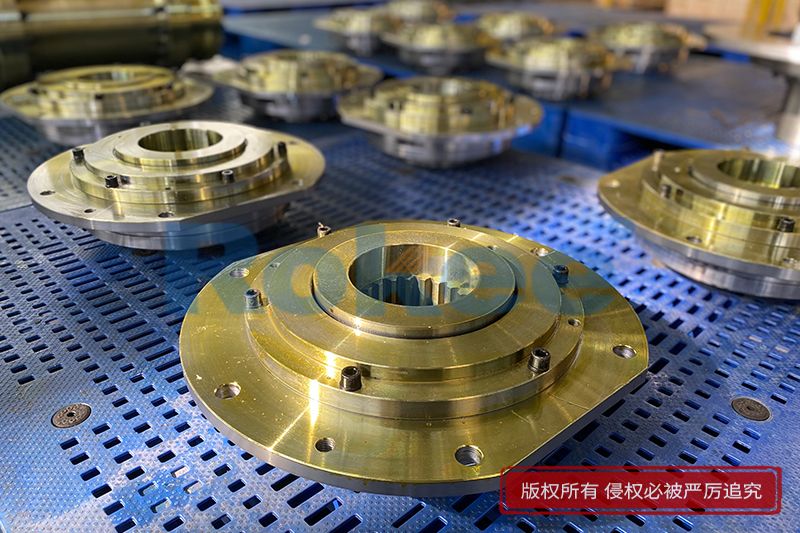
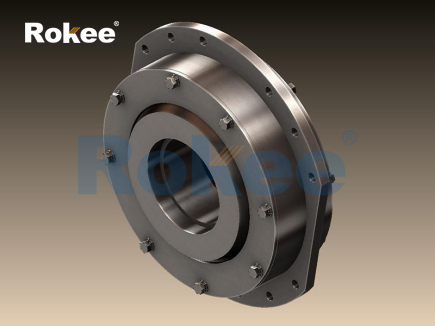
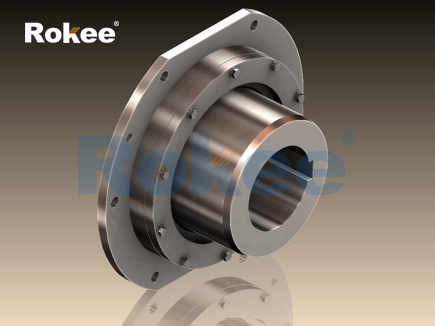
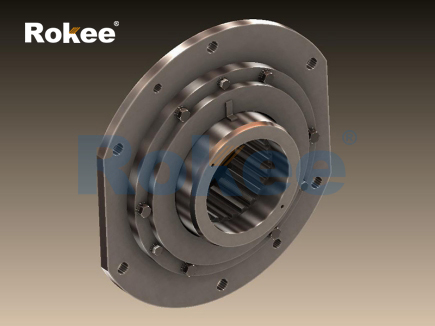
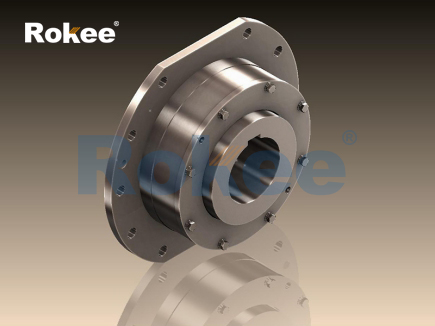
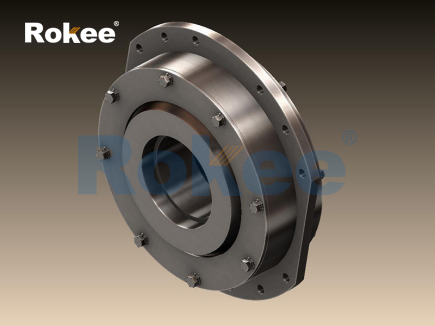
Barrel couplings are essential components in power transmission systems, designed to connect two shafts while accommodating misalignments, transmitting torque efficiently, and protecting the connected machinery from excessive stress. These mechanical devices play a crucial role in a wide range of industrial applications, from heavy-duty lifting equipment to precision manufacturing machinery, where reliable and consistent power transfer is vital. Unlike some other types of couplings, barrel couplings are engineered with a unique structure that allows them to handle both high torque loads and various forms of shaft misalignment, making them a versatile choice for many industrial settings.

The basic structure of a barrel coupling consists of several key components that work together to facilitate power transmission and misalignment compensation. At the core of the coupling are a sleeve and a hub, each fitted with semi-circular cogs that create a series of housing spaces. These spaces are filled with cylindrical hardened steel barrels, which serve as the primary torque-transmitting elements. The barrels are positioned between the cogs of the sleeve and hub, allowing for smooth contact and efficient transfer of rotational force. The hardened steel construction of the barrels ensures that they can withstand the high pressures and stresses generated during torque transmission, reducing wear and extending the overall life of the coupling. Additionally, the coupling is equipped with covers, special retainers, and spring lock washers, which work together to maintain airtight integrity inside the coupling. This sealing system prevents foreign bodies such as dust, dirt, or moisture from entering the internal components, which could otherwise cause friction, wear, or corrosion. The spring lock washers also play a role in axially guiding the barrels within the coupling, ensuring that they remain properly positioned during operation.
One of the key functional characteristics of barrel couplings is their ability to compensate for different types of shaft misalignment, which is common in many industrial setups due to factors such as installation errors, thermal expansion, or structural deformation. These couplings feature a crown design that allows the hub to oscillate with respect to the sleeve, effectively compensating for angular misalignments of up to ±1 degree, depending on the specific model. In addition to angular misalignment, barrel couplings can also absorb axial displacements, with the range varying based on the size of the coupling. Typically, axial displacements of ±3 mm up to ±8 mm can be accommodated, ensuring that the coupling remains functional even when the shafts move along their axial axis during operation. It is important to note, however, that barrel couplings are not designed to absorb or transmit axial forces, so they must be used in applications where such forces are minimal or properly managed by other components in the system.
Torque transmission in a barrel coupling occurs through a specific mechanism that ensures efficient and reliable power transfer. The torque moment is transmitted through the two drag faces of the sleeve, which are housed in the drum, and a series of bolts that also serve to fix the coupling to the drum. The bolts used for this purpose should be of high wear resistance to ensure that they can withstand the stresses associated with torque transmission. The barrels themselves play a critical role in this process, as their large supporting area allows them to absorb the stresses caused by the torque moment and radial load. This design not only ensures efficient torque transfer but also reduces the risk of component failure, such as tooth breakage caused by bending stresses, which can occur in other types of couplings with different designs. The curved shape of the barrels also contributes to the smooth operation of the coupling, minimizing friction and wear between the moving parts.
The materials used in the construction of barrel couplings are carefully selected to ensure durability, strength, and resistance to wear and corrosion. The sleeve and hub are typically made from high-strength materials, which provide the necessary rigidity to withstand high torque loads and maintain the structural integrity of the coupling. The cylindrical barrels are made from hardened steel, which offers excellent wear resistance and the ability to handle high pressures. In some cases, the materials may be treated with special coatings or finishes to enhance their corrosion resistance, particularly in applications where the coupling is exposed to harsh environments, such as marine or chemical processing facilities. The choice of materials also takes into account factors such as weight, cost, and the specific requirements of the application, ensuring that the coupling is both effective and efficient for its intended use.
Barrel couplings are widely used in various industrial applications, with a particular focus on lifting and hoisting equipment. One of the most common applications is in the hoisting gear of cranes, where the coupling is used to join the wire drum and the output shaft of the gearbox. In such applications, the coupling plays a critical role in ensuring that power is transmitted smoothly from the gearbox to the wire drum, allowing for precise control of the lifting operation. When the output shaft of the gearbox is rigidly fixed to the cable drum, a statically indeterminate situation can occur, making it difficult to achieve perfect alignment during assembly. Barrel couplings address this issue by accommodating misalignments, reducing the need for major adjustments and ensuring that the transmission elements function properly. This not only improves the efficiency of the lifting equipment but also reduces the risk of component failure and downtime.
In addition to crane hoisting gear, barrel couplings are also used in other industrial sectors, including ferrous metallurgy, nuclear power, gas turbine, wind power, ropeway construction, lifting transportation, and general equipment. In each of these applications, the coupling is chosen for its ability to handle high torque loads, compensate for misalignments, and operate reliably in harsh conditions. For example, in wind power applications, barrel couplings may be used to connect the turbine shaft to the gearbox, ensuring that the rotational energy generated by the turbine is efficiently transmitted to the gearbox for power generation. In ropeway construction, the couplings are used to connect the drive shafts of the ropeway system, ensuring smooth and consistent movement of the cables.
Proper installation and maintenance are essential to ensure the optimal performance and longevity of barrel couplings. During installation, it is important to ensure that the coupling is properly aligned with the shafts, as excessive misalignment beyond the coupling’s compensation capacity can lead to increased wear, noise, and premature failure. The coupling is typically delivered fully assembled, with the holes and keyways completely machined, to simplify the installation process. However, it is still important to follow the recommended installation procedures, including proper tightening of the bolts and ensuring that the sealing elements are correctly positioned. The coupling is supplied without grease, but it is important to apply the appropriate lubricant during installation to ensure smooth operation and reduce wear. The re-greasing process can be carried out without removing the sealing elements, making maintenance more convenient.
Another important aspect of maintenance is the regular inspection of the coupling to monitor wear and ensure that all components are functioning properly. Many barrel couplings are equipped with an indicator on the outer cover, which allows for the regulation of the wear and axial positioning of the sleeve with respect to the hub without disassembling the coupling. This indicator provides a quick and easy way to check the condition of the coupling, allowing for timely maintenance or replacement of worn components. Regular inspections should also include checking for leaks in the sealing system, loose bolts, or any signs of damage to the sleeve, hub, or barrels. Any issues identified during inspection should be addressed promptly to prevent further damage to the coupling or the connected machinery.
The performance advantages of barrel couplings make them a preferred choice over other types of couplings in many industrial applications. Their torsionally stiff design ensures that torque is transmitted efficiently without excessive deflection, making them suitable for applications where precise power transfer is required. The ability to compensate for angular and axial misalignments reduces the stress on the shafts and other connected components, extending their service life. The use of hardened steel barrels and high-strength materials ensures that the coupling can handle high torque loads and withstand harsh operating conditions. Additionally, the compact design of many barrel couplings makes them suitable for applications where space is limited, while the ease of maintenance ensures that downtime is minimized.
When selecting a barrel coupling for a specific application, several factors should be considered to ensure that the coupling meets the requirements of the system. These factors include the maximum torque that the coupling needs to transmit, the amount of misalignment that the coupling must compensate for, the operating temperature and environment, and the size and dimensions of the shafts. It is also important to consider the radial load capacity of the coupling, as some applications may involve significant radial loads that must be supported by the coupling. By carefully evaluating these factors, it is possible to select a barrel coupling that provides optimal performance and reliability for the intended application.
In conclusion, barrel couplings are essential components in power transmission systems, offering a unique combination of torque transmission efficiency, misalignment compensation, and durability. Their design, which includes a sleeve, hub, hardened steel barrels, and a sealing system, ensures that they can handle the demands of various industrial applications, from heavy-duty lifting equipment to precision machinery. Proper installation and maintenance are key to ensuring the long service life of barrel couplings, and regular inspections can help to identify potential issues before they lead to component failure. With their versatile applications and performance advantages, barrel couplings continue to play a critical role in modern industrial operations, contributing to the efficiency, reliability, and safety of power transmission systems around the world.
- Tags:
- Barrel Couplings ,
- sandwich panel line ,
- sandwich panel machine
- pu sandwich panel machine
« Barrel Couplings Picture » Latest Update Date: May 9, 2026
https://www.rokeecoupling.net/blog/barrel-couplings-picture.html