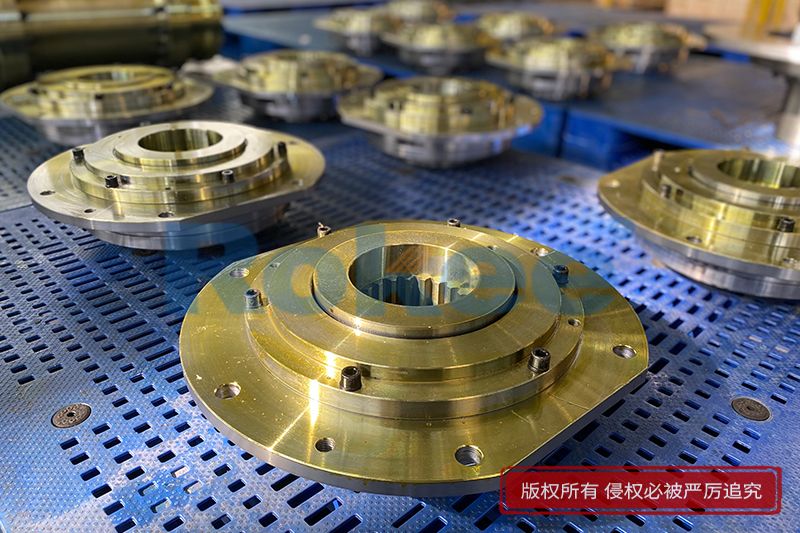
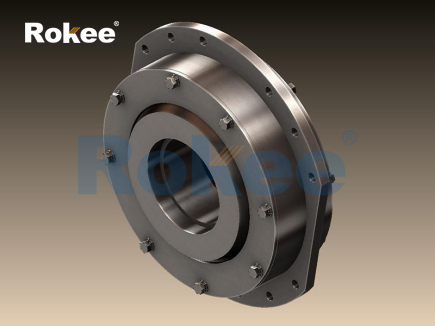
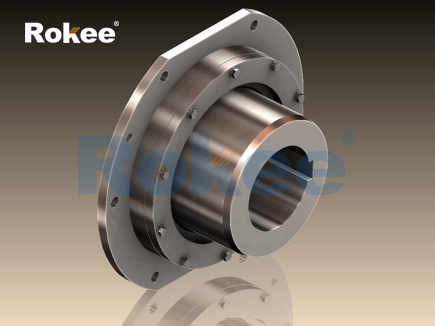
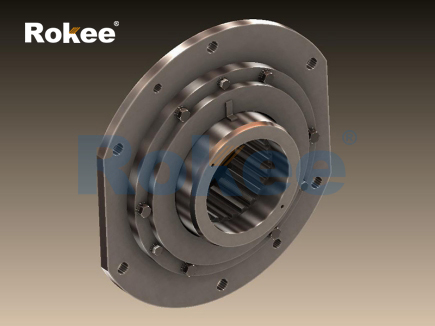
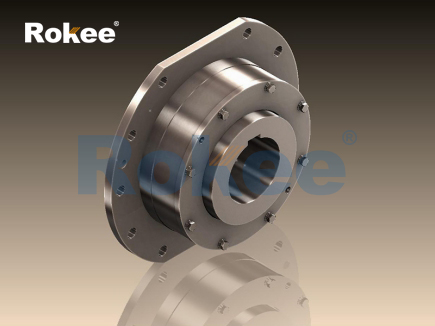
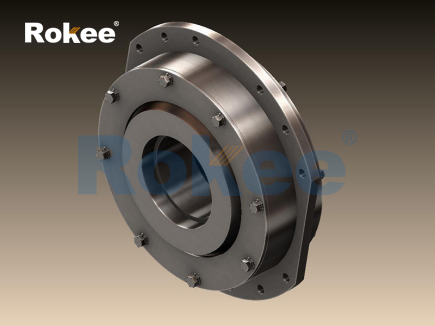
In the complex ecosystem of industrial machinery, the role of barrel couplings is often understated yet indispensable. These precision-engineered components serve as the critical link between rotating shafts, enabling seamless torque transmission while accommodating misalignments, dampening vibrations, and ensuring the longevity of interconnected equipment. For manufacturers specializing in barrel couplings, the commitment to quality, precision, and adaptability is not just a business priority but a fundamental requirement to meet the diverse needs of industries spanning from heavy machinery to automation and beyond. Every aspect of the manufacturing process, from material selection to final inspection, is meticulously crafted to produce couplings that deliver consistent performance in even the most demanding operational environments.
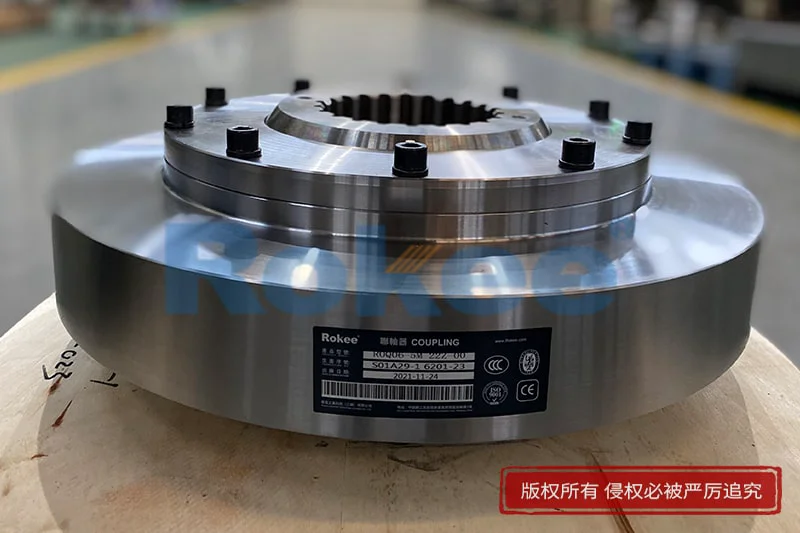
Barrel couplings are distinct from other types of couplings due to their unique cylindrical design, which optimizes stress distribution and enhances load-bearing capacity. Unlike rigid couplings that offer little to no flexibility, barrel couplings are engineered to balance rigidity with adaptability, making them suitable for applications where shaft misalignment is inevitable. This design feature is particularly valuable in industrial settings where equipment undergoes constant wear, thermal expansion, or structural movement, as it reduces the strain on shafts and bearings, minimizing the risk of premature failure. The cylindrical body, often referred to as the “barrel,” is typically formed from a single material unit, ensuring structural integrity and eliminating weak points that could compromise performance under high torque loads.
The manufacturing of barrel couplings begins with the careful selection of raw materials, a process that directly impacts the final product’s durability, strength, and performance. High-quality metals are the primary choice, with variations selected based on the specific application requirements. For instance, couplings intended for heavy-duty applications such as mining or steel production may be crafted from alloy steels, which offer exceptional tensile strength and resistance to wear and corrosion. For applications in food processing or pharmaceutical industries, where hygiene and corrosion resistance are paramount, stainless steel is often preferred. The selection process also involves evaluating the material’s machinability, as precise shaping and finishing are essential to ensure the coupling’s components fit together seamlessly and function as intended.
Once the raw materials are selected, the manufacturing process progresses to precision machining, a critical stage that demands advanced equipment and skilled craftsmanship. Computer Numerical Control (CNC) machines are used to shape the barrel, hub, and other components with unparalleled accuracy, ensuring that every dimension adheres to strict tolerances. The machining process includes turning, milling, and drilling operations, each performed with meticulous attention to detail to create the semicircular toothing, cavities, and mounting features that define barrel couplings. The internal and external surfaces are finished to reduce friction, enhance lubrication, and prevent the accumulation of debris, which can lead to premature wear and performance degradation.
After machining, the components undergo a series of treatments to enhance their mechanical properties and resistance to environmental factors. Heat treatment is a common practice, involving processes such as quenching and tempering to harden the metal and improve its fatigue resistance. This step is crucial for couplings that will be subjected to high torque loads and frequent cycles of stress, as it ensures the components can withstand prolonged use without deformation or failure. Surface treatments, such as galvanization or coating, may also be applied to protect against corrosion, especially for couplings used in outdoor or harsh industrial environments where exposure to moisture, chemicals, or extreme temperatures is common.
Assembly is another critical phase in the manufacturing process, where individual components are brought together to form a functional barrel coupling. The assembly process requires precision alignment to ensure that the hub, sleeve, and barrels (the cylindrical elements that facilitate torque transmission) fit together perfectly. The barrels, which are typically made of hardened steel, are inserted into the semicircular toothing of the sleeve and hub, creating a connection that allows for angular misalignment and axial displacement while transmitting torque efficiently. Sealing elements are also added during assembly to prevent the ingress of dust, dirt, and moisture, which can damage the internal components and reduce the coupling’s service life. These seals are designed to maintain a tight fit without compromising the coupling’s flexibility, ensuring reliable performance in even the most contaminated environments.
Quality control is integrated throughout every stage of the manufacturing process, ensuring that each barrel coupling meets the highest standards of performance and reliability. Inspections begin with the raw materials, where samples are tested for chemical composition and mechanical properties to ensure they meet the required specifications. During machining, dimensional checks are performed using advanced measuring tools such as coordinate measuring machines (CMMs) to verify that every component adheres to the precise tolerances. After assembly, each coupling undergoes rigorous testing, including torque testing, misalignment testing, and durability testing, to simulate real-world operating conditions and ensure it can perform as intended. Any coupling that fails to meet the quality standards is rejected, ensuring that only the highest-quality products reach the customer.
The versatility of barrel couplings makes them suitable for a wide range of industrial applications, each with unique requirements that manufacturers must address. In the lifting and material handling industry, barrel couplings are commonly used to connect the cable drum of cranes and winches to the gearbox output shaft. In this application, the coupling acts as an articulated joint, accommodating misalignments and preventing the buildup of excessive bending moments that could damage the gearbox or drum shaft. This is particularly important in crane systems, where precision and safety are paramount, and any failure could result in costly damage or serious injury.
Another key application area is the power generation industry, where barrel couplings are used in wind turbines, gas turbines, and nuclear power plants. In wind turbines, for example, couplings must withstand high torque loads, extreme temperature variations, and constant vibration, while accommodating the misalignments that occur as the turbine blades rotate. Barrel couplings are ideal for this application due to their durability, flexibility, and ability to dampen vibrations, which helps to extend the service life of the turbine components. In nuclear power plants, where reliability is critical, couplings are designed to operate in harsh environments with high levels of radiation, requiring specialized materials and manufacturing processes to ensure long-term performance.
The manufacturing industry also relies heavily on barrel couplings, particularly in automation and robotics. As industrial automation continues to grow, the demand for precise, reliable torque transmission components has increased. Barrel couplings are used in robotic arms, conveyor systems, and other automated equipment, where they enable smooth, accurate movement while accommodating the misalignments that can occur due to the equipment’s dynamic operation. The flexibility of barrel couplings also makes them suitable for use in modular automation systems, where components may need to be reconfigured or replaced quickly.
In addition to these industries, barrel couplings are used in marine applications, where they must withstand the corrosive effects of saltwater and the harsh conditions of marine environments. They are used in ship propulsion systems, winches, and other marine equipment, providing reliable torque transmission while resisting corrosion and wear. The automotive industry also uses barrel couplings in various applications, including powertrain systems and manufacturing equipment, where their durability and flexibility contribute to the overall efficiency and reliability of the vehicles and production processes.
As the industrial landscape evolves, manufacturers of barrel couplings are constantly adapting to meet new challenges and opportunities. One of the key trends driving innovation in barrel coupling manufacturing is the growing demand for more durable, maintenance-free components. Industrial operators are increasingly seeking couplings that can operate for longer periods without requiring lubrication or replacement, reducing downtime and maintenance costs. To address this demand, manufacturers are developing new materials and designs that enhance the coupling’s service life, such as self-lubricating materials and improved sealing technologies.
Another trend is the integration of advanced materials into the manufacturing process. Composite materials, for example, are being used to create lighter, stronger couplings that offer improved performance in terms of torque transmission and vibration dampening. These materials are particularly valuable in applications where weight is a concern, such as aerospace and automotive, where reducing weight can improve efficiency and performance. Additionally, the use of additive manufacturing (3D printing) is emerging as a viable option for producing complex barrel coupling components, allowing for greater design flexibility and faster prototyping.
The rise of industrial automation and the Internet of Things (IoT) is also influencing the design and manufacturing of barrel couplings. Manufacturers are incorporating sensors into couplings to monitor performance metrics such as torque, temperature, and vibration, providing real-time data that can be used to predict maintenance needs and prevent failures. This predictive maintenance capability helps industrial operators reduce downtime and improve the overall efficiency of their equipment, making barrel couplings an integral part of smart manufacturing systems.
Despite the many advancements in barrel coupling manufacturing, there are still challenges that manufacturers must overcome. One of the primary challenges is the need to balance performance with cost. High-quality materials and precision machining processes can be expensive, and manufacturers must find ways to produce couplings that meet the required performance standards while remaining competitive in the market. This often involves optimizing the manufacturing process, investing in advanced equipment, and improving efficiency to reduce production costs.
Another challenge is the increasing complexity of industrial applications, which requires couplings to meet ever-more stringent performance requirements. For example, couplings used in renewable energy applications must withstand extreme environmental conditions and high torque loads, while those used in medical equipment must meet strict hygiene and precision standards. Manufacturers must continuously invest in research and development to develop new designs and materials that can meet these evolving needs.
In response to these challenges, manufacturers of barrel couplings are focusing on continuous improvement, investing in research and development, and fostering partnerships with customers to better understand their needs. By working closely with industrial operators, manufacturers can develop customized solutions that address specific application requirements, ensuring that the couplings deliver optimal performance in every scenario. This customer-centric approach not only helps to build trust and loyalty but also drives innovation, as manufacturers gain valuable insights into the challenges and opportunities facing their customers.
The commitment to sustainability is also becoming an increasingly important focus for barrel coupling manufacturers. As industries around the world strive to reduce their environmental impact, manufacturers are looking for ways to make their production processes more sustainable. This includes using recycled materials, reducing energy consumption during manufacturing, and developing products that are more energy-efficient. For example, the use of lightweight materials can reduce the energy required to operate the equipment, while improved sealing technologies can reduce the need for lubricants, which can be harmful to the environment.
In conclusion, the role of barrel couplings in industrial machinery cannot be overstated, and the manufacturers who produce these components play a critical role in supporting the efficiency, reliability, and safety of industrial operations worldwide. From the careful selection of raw materials to the precision machining and assembly processes, every step of the manufacturing journey is designed to produce couplings that meet the highest standards of performance and durability. As the industrial landscape continues to evolve, barrel coupling manufacturers will remain at the forefront of innovation, adapting to new technologies, materials, and applications to meet the changing needs of their customers. Whether in heavy machinery, automation, power generation, or marine applications, barrel couplings will continue to be an essential component, enabling the seamless transmission of torque and ensuring the smooth operation of industrial equipment for years to come.
- Tags:
- Barrel Couplings ,
- sandwich panel line ,
- sandwich panel machine
- pu sandwich panel machine
« Barrel Couplings Manufacturer » Latest Update Date: May 9, 2026
https://www.rokeecoupling.net/blog/barrel-couplings-manufacturer.html