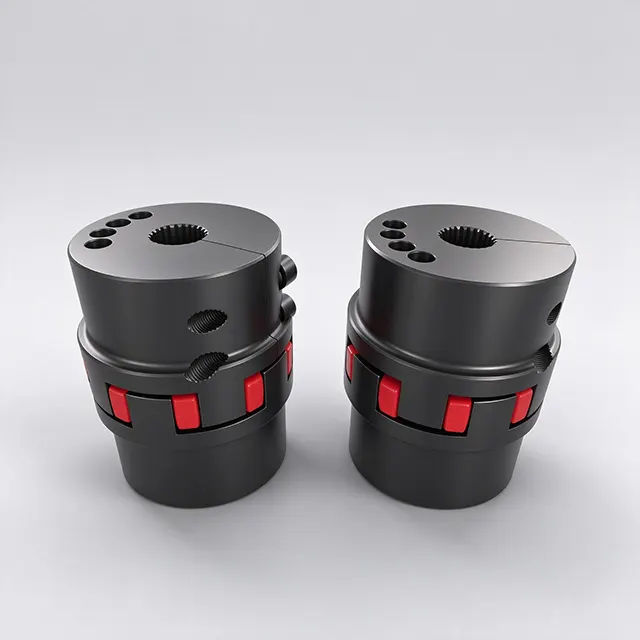
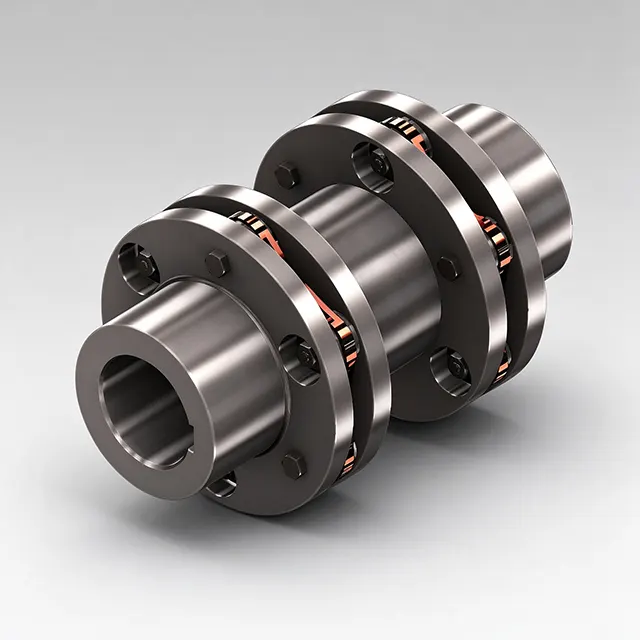
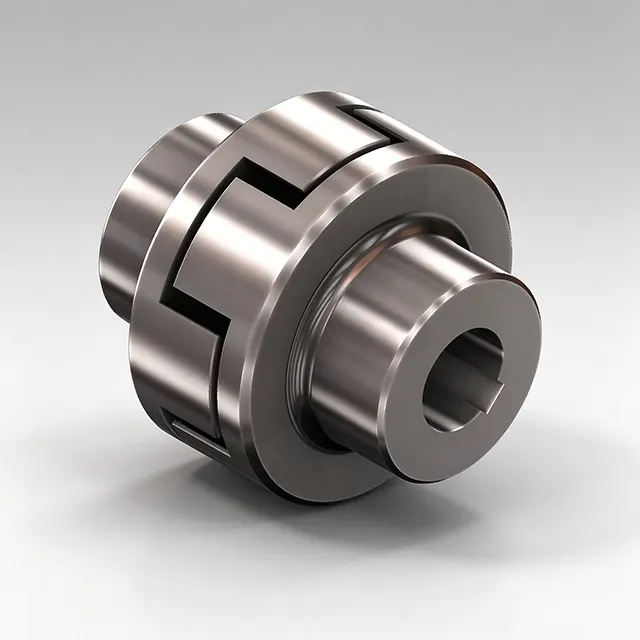
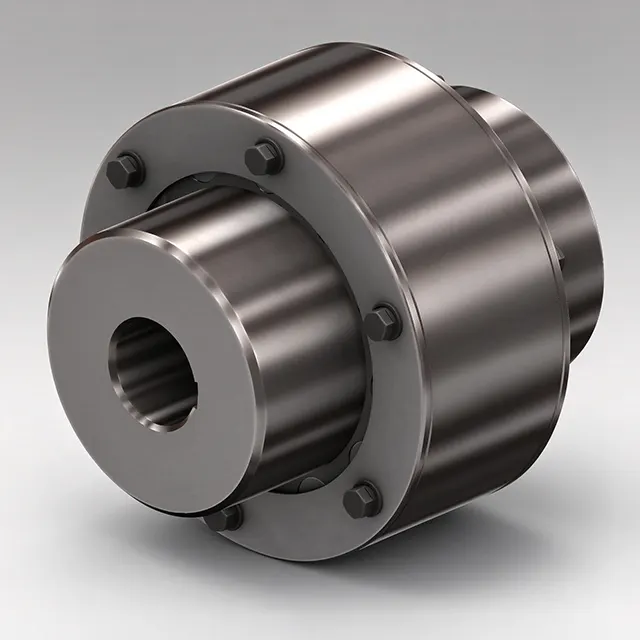
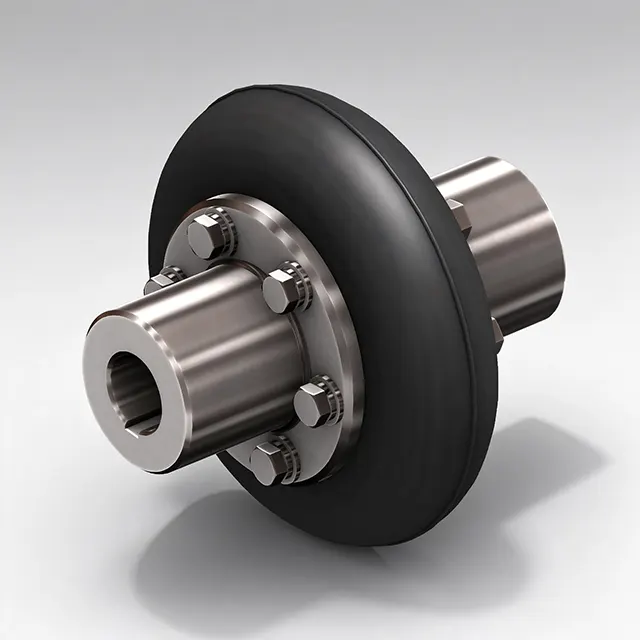
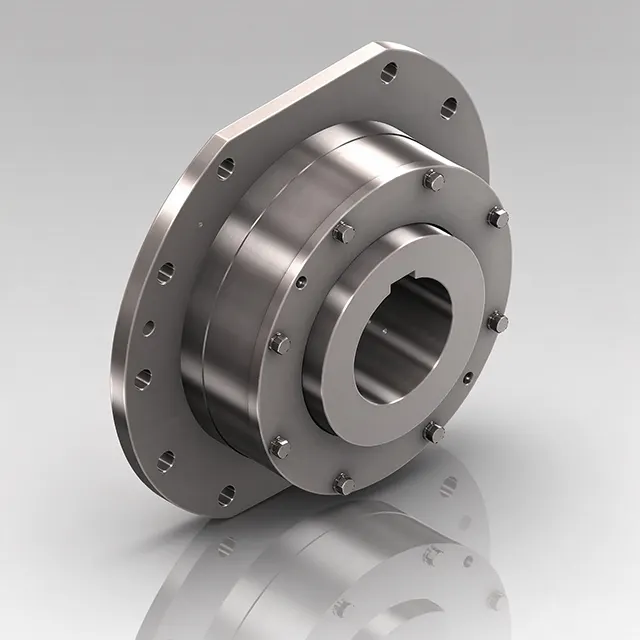
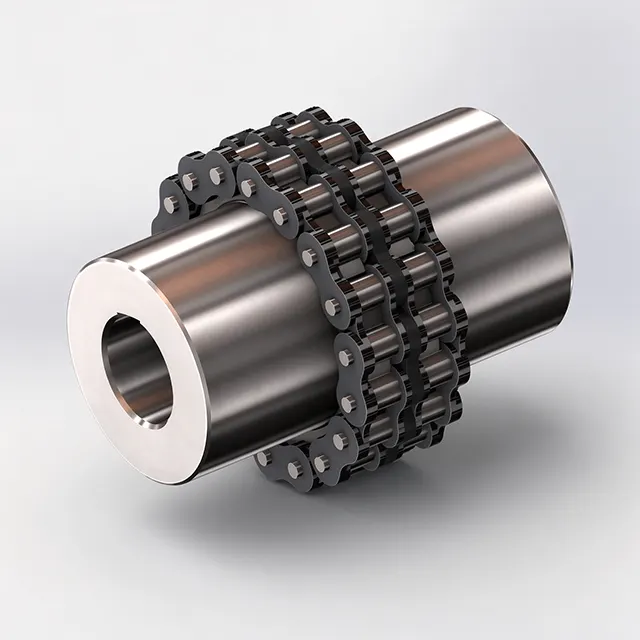
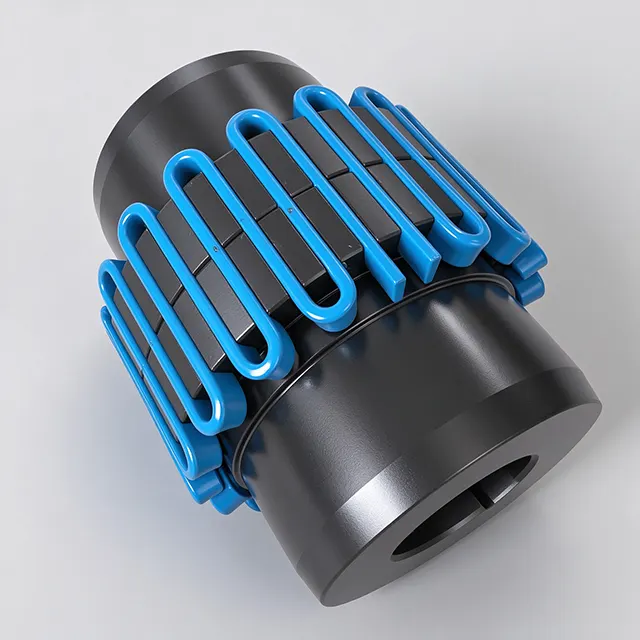
Motor couplings serve as essential connecting components that bridge a driving motor and its driven equipment within power transmission systems. They transfer rotational torque while accommodating minor deviations between the connected shafts, and they protect machinery from excessive shock loads and vibration. Without properly configured couplings, shaft misalignment, sudden impact and cyclic oscillation can directly accelerate wear of bearings, seals and other precision parts, shortening the overall service life of transmission assemblies. A well-selected coupling balances reliable power transfer and flexible buffering, forming a stable intermediate link for rotating equipment.
Structural Composition and Materials
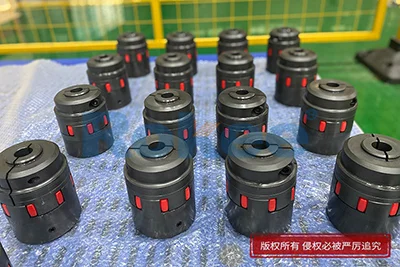
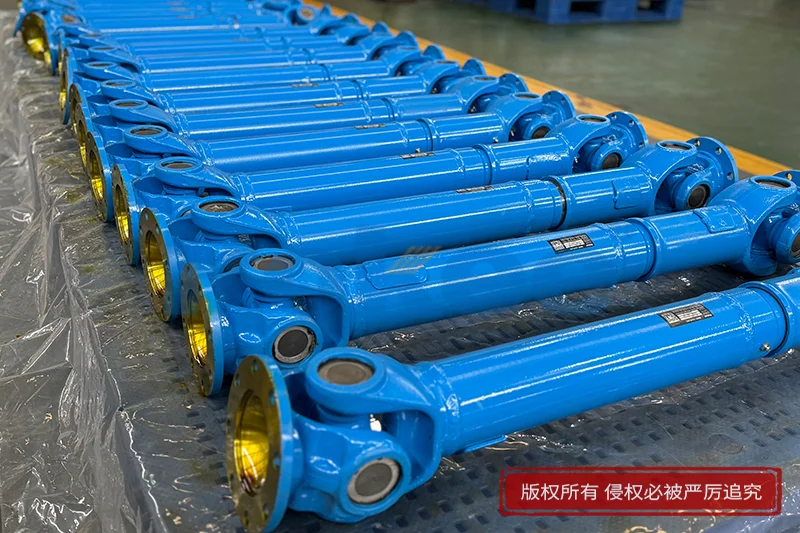
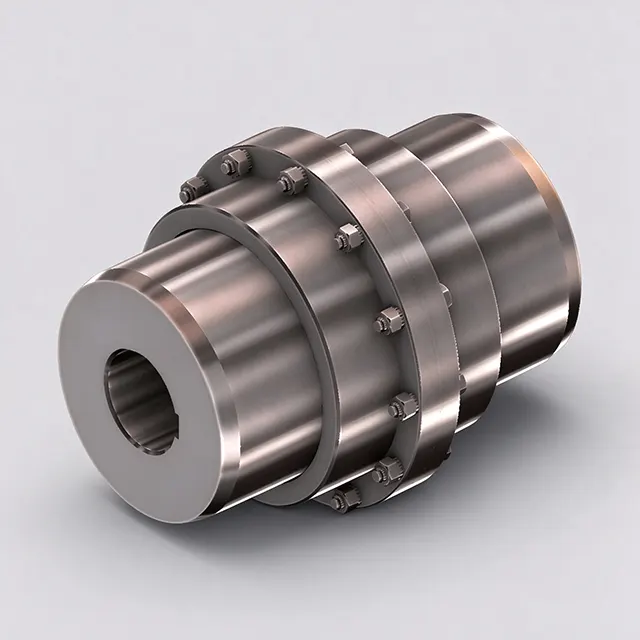
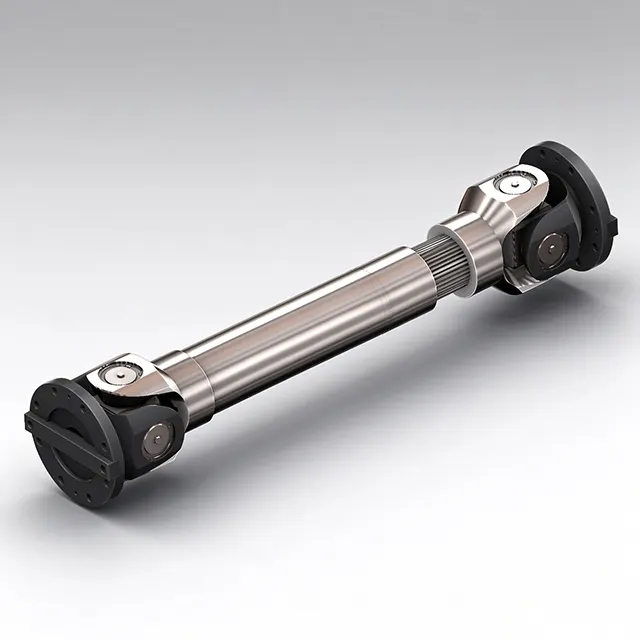
The basic structure of a motor coupling generally consists of two hub bodies that attach to the respective shafts of the motor and driven machine, together with an intermediate connecting element. Some types include additional fasteners, spacer sleeves or buffer inserts to expand functional performance. Hubs are commonly fabricated from high-strength metal with good machinability and rigidity, providing stable clamping force for shaft fitting. Intermediate flexible components can be made of elastic polymer materials with high damping capacity, fiber composite materials or metallic disc structures. Rigid couplings mostly adopt integrated solid metal structures without deformable inserts. Material selection follows the requirements of load type, ambient temperature and chemical exposure, prioritizing toughness, fatigue resistance and anti-ageing performance.
Working Principle
When the motor starts and rotates, torque is transmitted from the motor shaft to the coupling hub on the driving side, then passed through the intermediate connecting part to the driven hub and finally delivered to the load equipment. For flexible couplings, the intermediate element allows limited angular, radial and axial displacement between the two shafts through slight elastic deformation. This deformation does not interrupt torque transmission but absorbs part of vibration and impact energy generated during startup, load fluctuation or unstable operation. Rigid couplings transmit torque through rigid contact, keeping two shafts synchronized with nearly no relative displacement, which demands precise alignment during assembly.
Features and Advantages
Different coupling designs bring differentiated performance merits. Flexible coupling versions possess prominent vibration damping capability and tolerance for moderate shaft misalignment, reducing the transmission of shock between the motor and load. They help lower noise levels in operation and reduce the frequency of damage to adjacent bearing components. Some structures allow convenient disassembly without moving the motor or driven device, simplifying inspection and replacement work. Rigid couplings deliver high torque transmission efficiency with minimal backlash, suitable for scenarios requiring strict rotational synchronization. Most coupling structures are compact and occupy limited installation space, and they can maintain stable performance under continuous long-time operation when matched with correct operating conditions.
Applicable Conditions and Application Sectors
Flexible couplings are widely used for equipment with frequent startup, variable load or obvious vibration, including conveying equipment, mixing devices, fans and pump sets. Rigid couplings fit steady, low-vibration transmission systems that maintain precise shaft alignment. For environments with high ambient temperature, oil mist or corrosive airborne substances, couplings with special corrosion-resistant and heat-resistant materials are preferred. They are commonly adopted in general industrial production, water treatment systems, material handling facilities, food processing lines and light manufacturing equipment. They are also deployed in auxiliary transmission systems of large processing machinery where smooth torque transfer is required.
Key Points for Installation and Commissioning
Before installation, the surface of shaft journals and coupling bores should be cleaned thoroughly to remove debris, rust and residual lubricant. Shaft alignment is the core step: radial offset and angular deviation between the two shafts must be controlled within the allowable range of the coupling type. Excessive misalignment will create extra bending stress and lead to premature fatigue failure of connecting elements. After the hubs are mounted and fastened, check the clamping condition to avoid loose fit that causes slipping during rotation. Once assembly finishes, perform a no-load trial run first to observe abnormal vibration, noise or temperature rise. Adjust alignment parameters again if irregular operating signals appear before putting the assembly under formal load.
Selection and Customization
Core factors for coupling selection include the magnitude and fluctuation pattern of transmitted torque, rotating speed, the type and degree of shaft misalignment, and surrounding environmental conditions. The peak torque during startup or sudden load change should be taken into account rather than only using the rated steady torque as the basis. Customization can be carried out according to special spatial constraints, non-standard shaft sizes and unique anti-vibration requirements. Custom options cover modified hub dimensions, alternative elastic insert materials and lengthened spacer sections for separated shaft arrangements. The final design scheme needs to match the dynamic characteristics of the whole transmission chain to avoid resonance or overload risks.
Operation and Maintenance
Regular visual inspection is required during service to check for cracks, permanent deformation, aging or detachment of the intermediate connecting parts. Fasteners should be examined periodically to confirm tightness. If obvious vibration, abnormal knocking sound or local overheating emerges during operation, stop the equipment in time for inspection. Worn or damaged elastic components need timely replacement, and aged parts should not continue to bear transmission loads. Lubrication is necessary for certain coupling styles with sliding contact structures, and lubricant type and replenishment cycle follow the structural requirements. Keep the coupling exterior free from accumulated dust and corrosive contaminants to extend its usable cycle.
https://www.rokeecoupling.net/shaft-couplings/motor-couplings.html