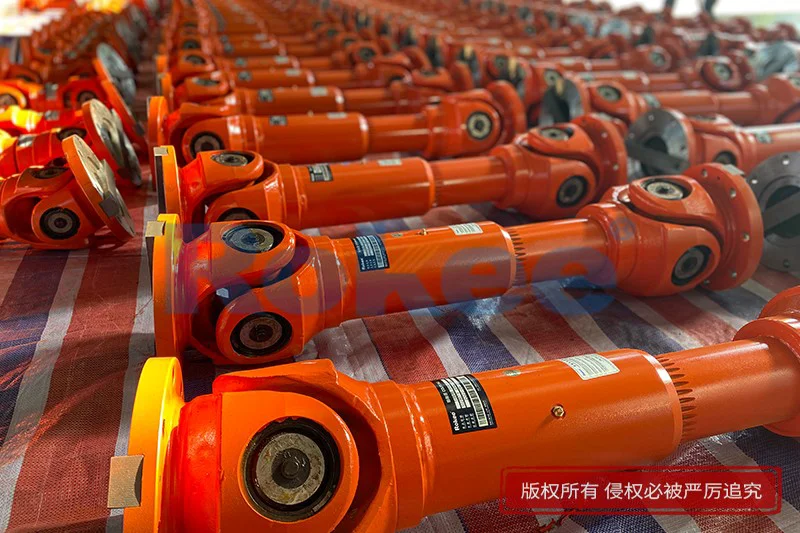
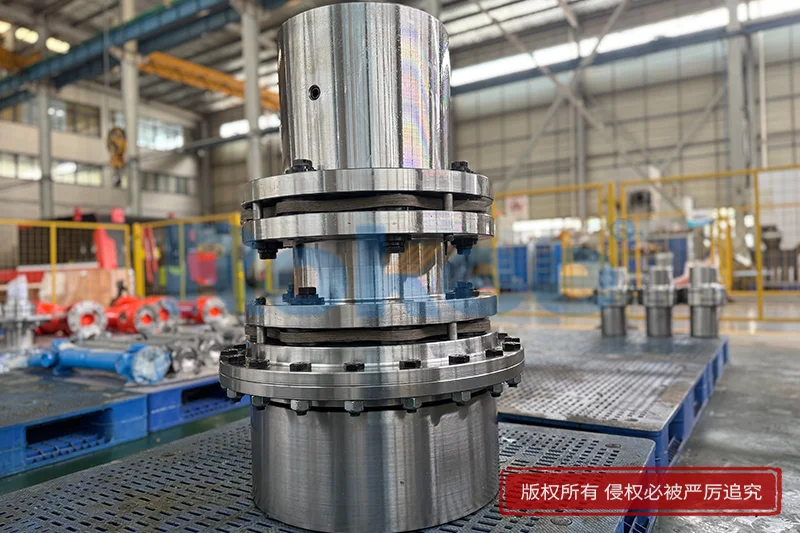
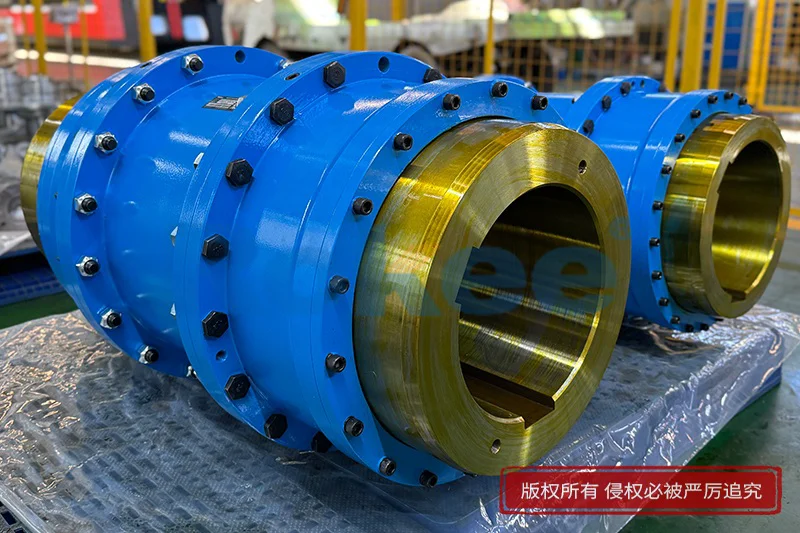
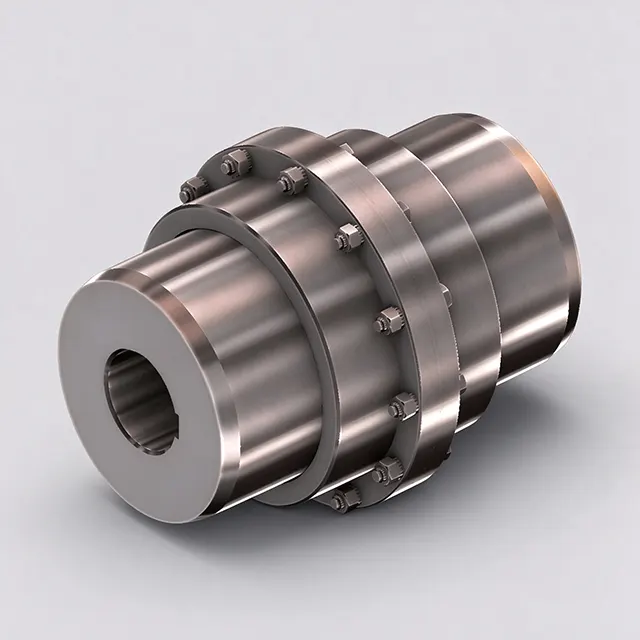
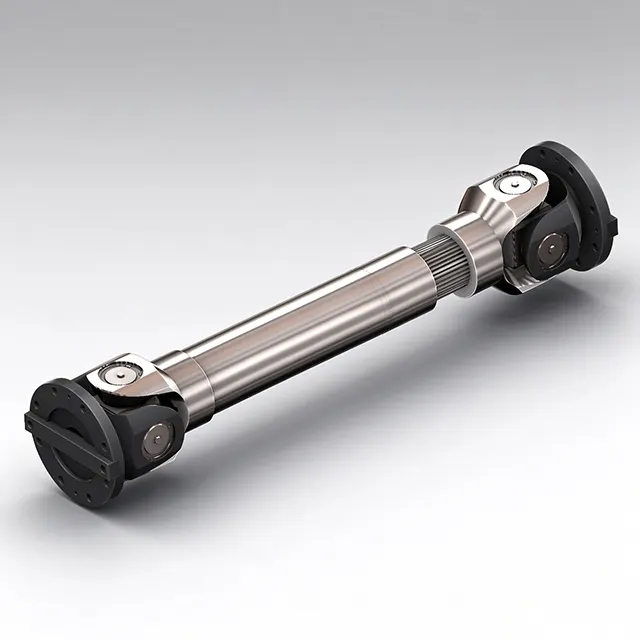
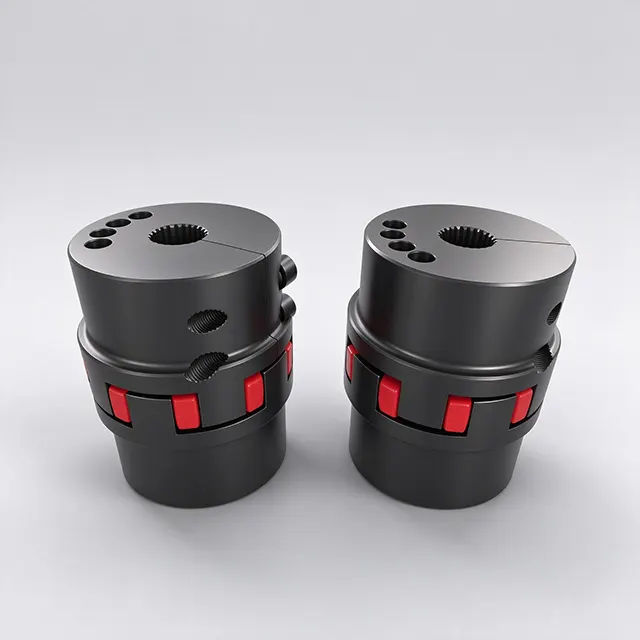
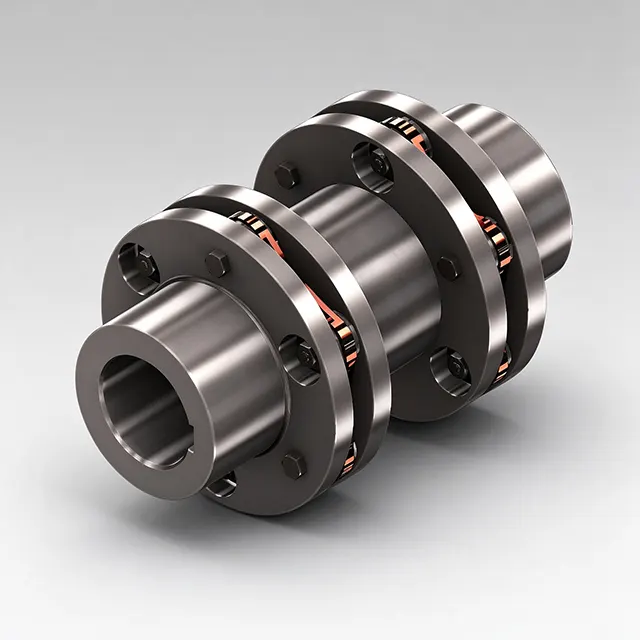
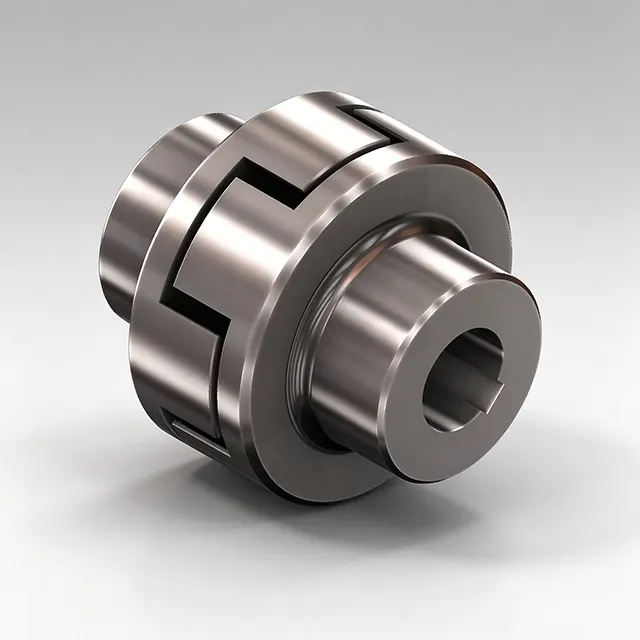
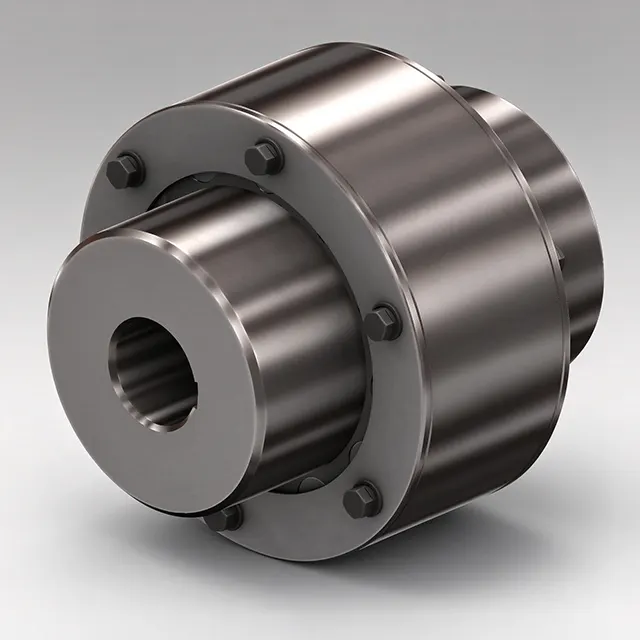
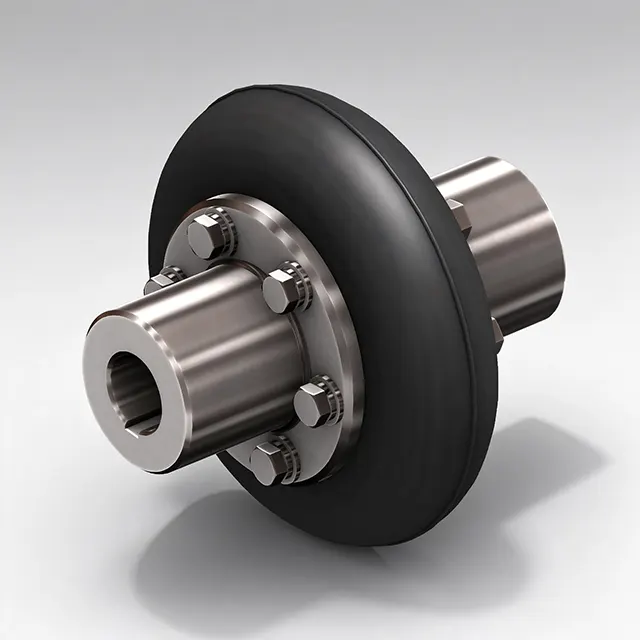
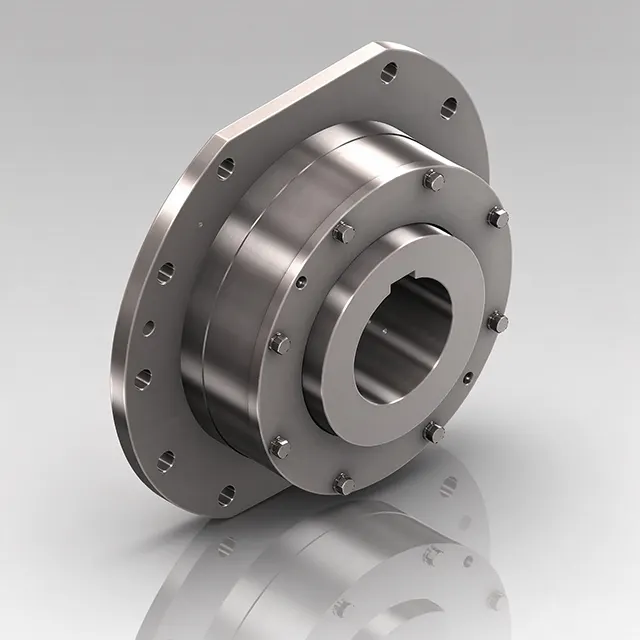
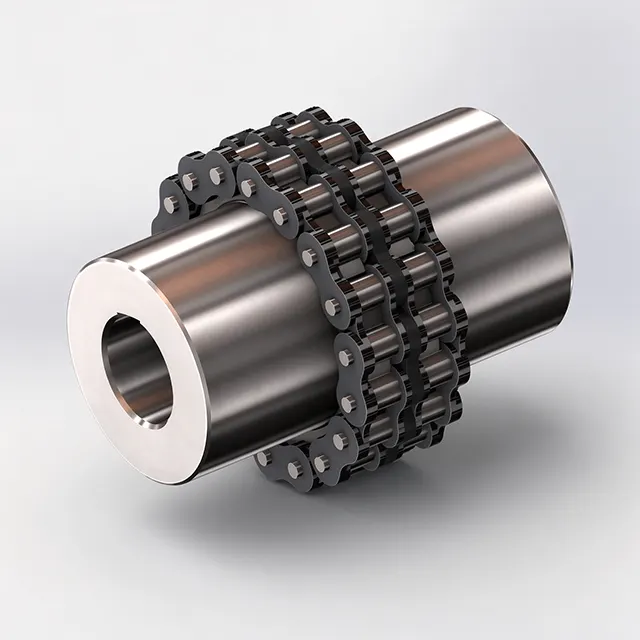
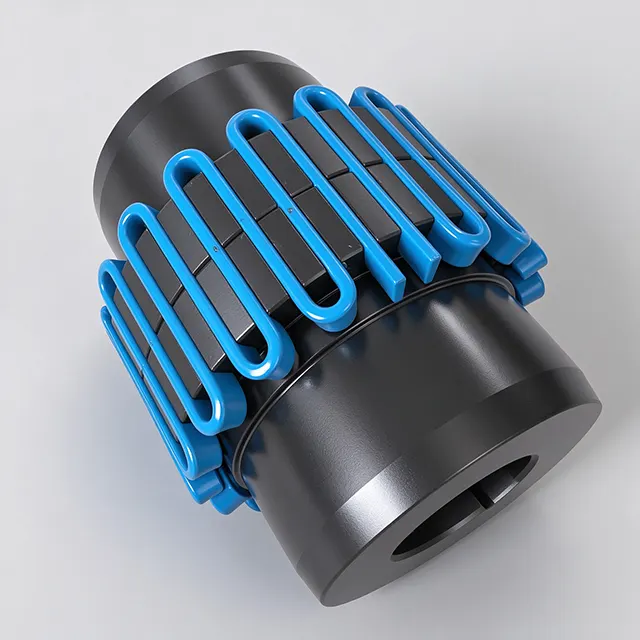
Steel mill couplings are specialised power transmission components engineered to connect rotating shafts within heavy-duty steel production facilities. They serve as the intermediate link between driving equipment and driven machinery, transferring torque while accommodating unavoidable deviations that arise during continuous industrial operation. Unlike general-purpose couplings, this category is purpose-built to withstand the harsh operating environment unique to steel manufacturing processes, where stable torque delivery directly affects production continuity and equipment safety. Properly selected couplings can mitigate the impact of dynamic loads on adjacent equipment and reduce the risk of unplanned downtime in steel production lines.
Structural Composition and Materials
The basic assembly of a steel mill coupling normally includes hub sections, elastic or rigid intermediate elements, fastener sets, and locking assemblies. Hubs are the core connecting parts that mount tightly onto shaft ends. Intermediate elements act as the buffer and torque-transferring medium, and fasteners keep all components aligned and fastened together under cyclic loading.
Material selection prioritises mechanical strength, wear resistance and resistance to thermal deformation. High-strength alloy materials are widely adopted for hub components to resist fatigue cracking under repeated impact loads. Intermediate flexible parts may use high-performance polymer or composite materials with good damping properties for shock absorption. For locations exposed to sustained high temperatures, heat-resistant metallic materials are used to maintain stable structural performance and avoid softening or rapid ageing. All raw materials are processed to minimise internal defects that could expand under long-term alternating loads.
Working Principle
The fundamental function of the coupling is to transmit rotational torque from the driving shaft to the driven shaft. During operation, it permits controlled degrees of axial, radial and angular misalignment between the two connected shafts, which commonly develops from installation tolerance, thermal expansion of equipment frames and foundation settlement.
Rigid-style variants transfer torque directly with limited allowance for misalignment and rely on precise shaft alignment. Flexible types absorb impact and vibration through the deformation of their intermediate components when sudden load spikes occur. As rotational motion passes through the coupling, part of the shock energy is dissipated instead of being fully passed to bearings, gearboxes and motors. The coupling maintains synchronised rotation of the connected shafts as long as misalignment stays within the design allowance range.
Features and Advantages
Steel mill couplings feature outstanding load-carrying capacity to handle frequent peak torque shocks from rolling, conveying and material handling processes. Excellent vibration damping capability helps cut down the transfer of impact vibration to upstream and downstream equipment, extending the service life of bearings and sealing parts.
They show strong adaptability to fluctuating operating temperatures and dusty surroundings typical of steel workshops. Compact structural layouts are available for installation spaces with tight dimensional limits, while modular designs simplify component replacement. Many versions can operate reliably under frequent start-stop and forward-reverse rotation cycles. Compared with ordinary transmission connectors, they deliver stable torque transmission even under heavy intermittent loads and lower the frequency of related component failures.
Applicable Conditions and Target Industries
These couplings are suitable for heavy-load, low-to-medium speed transmission scenarios with recurring shock loads. They can work steadily in environments with high ambient temperature, airborne dust and occasional splashing of cooling media. They accommodate equipment running with frequent load changes and cyclic impact forces, and can endure continuous long-hour operation schedules.
The primary application field is the steel manufacturing sector. They are widely matched with rolling mill units, steel slab conveyors, cooling bed drives, shearing equipment, straightening machines and auxiliary material transport systems inside steel plants. Related heavy processing industries with similar harsh load conditions also adopt this type of coupling for power transmission on large rotating machinery.
Installation and Commissioning Points
Before installation, all mating surfaces must be cleaned to remove debris, rust and residual processing contaminants. Shaft diameter and bore size should be checked to ensure matching fit conditions. Shaft alignment is the most critical step: radial runout and angular offset between the two shafts need to be adjusted to fall within the design permitted range. Excessive misalignment will trigger abnormal heating, noise and premature component damage.
After all components are positioned and fasteners are tightened evenly, a manual rotation check is carried out to confirm smooth rotation without jamming or abnormal friction. Initial commissioning runs start at low speed for observation, checking for unusual vibration, noise or temperature rise. Operating parameters are then gradually brought up to normal working levels. Rechecking fastener tension after the first period of running helps prevent loosening caused by shock vibration.
Selection and Customisation
Selection begins with collecting core operating parameters, including rated torque, maximum impact torque, rotational speed, shaft dimensions, misalignment requirement and ambient operating conditions. The torque value used for selection should reserve a proper margin above normal working torque to cater for sudden load surges. Space constraints at the installation location also determine the overall outer dimension and structural form of the coupling.
Customised solutions can be developed for special operating requirements. Adjustments cover material configuration for extreme temperature or abrasive environments, modified structural forms to fit non-standard shaft sizes, and altered damping characteristics for applications with severe shock. Custom designs follow the actual layout and load characteristics of the target machine to achieve a better match than standard stock models.
Operation and Maintenance
Routine maintenance includes regular visual inspection to check for cracks, wear, deformation and loosening of fasteners. Flexible intermediate elements are key inspection items; any obvious tearing, hardening or permanent deformation means replacement is required. Temperature and vibration of the coupling area should be monitored during routine patrols, as abnormal readings often indicate excessive misalignment or internal component deterioration.
Lubrication is necessary for certain coupling types following the recommended cycle. Dust accumulation on the assembly should be cleared periodically to avoid abrasive wear entering the mating gaps. When equipment undergoes overhaul, shaft alignment is re-verified and adjusted if foundations or equipment positions have shifted. Worn components are replaced in a timely manner instead of being kept in service, which prevents secondary damage to adjacent expensive transmission equipment and maintains safe, continuous production.
https://www.rokeecoupling.net/shaft-couplings/steel-mill-couplings.html