Crown Gear Coupling Types
Publication Date: Nov 27, 2026
Compare crown gear coupling types: single, double & spacer designs. High torque, misalignment compensation, heavy-duty for pumps, conveyors & mining.
Crown gear couplings are widely adopted mechanical connecting components designed to transmit torque between two rotating shafts while accommodating misalignment, vibration and minor axial movement. The core feature of this coupling category lies in the special curved tooth profile on the gear sleeve, which allows flexible contact between meshing teeth under offset or angular deviation. Different structural variations of crown gear couplings are developed to fit diverse working conditions, rotation speeds and load characteristics. Each type retains the basic gear meshing principle but adjusts layout, sealing structure and assembly form to deliver targeted performance for different transmission scenarios.
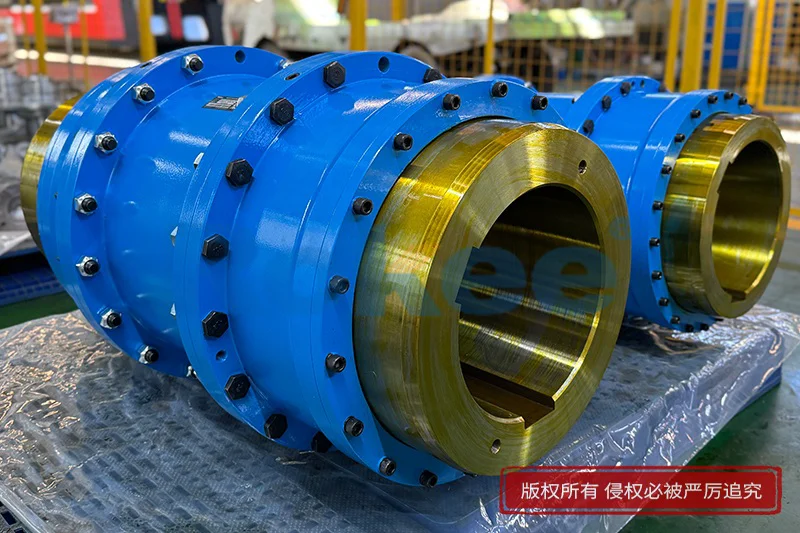
Basic Single Crown Gear Coupling
The single crown gear coupling is the most common form in this family. It consists of one hub with external straight teeth and one sleeve with internal crown-shaped teeth. The curved tooth surface of the sleeve creates room for angular misalignment between the connected shafts. This type has a relatively compact structure and simple assembly requirements. It mainly bears steady and moderate torque loads and works well in equipment with limited radial space. Its misalignment compensation capacity is moderate, so it is suitable for systems where shaft offset stays within a small range. Regular lubrication of the meshing tooth surface is required to reduce friction and slow down tooth surface wear during continuous rotation.
Double Crown Gear Coupling
The double crown gear coupling applies crown tooth profiles on both the inner surface of the sleeve and the outer surface of two separate hubs. Compared with the single type, it provides a larger allowable range of angular and parallel misalignment. The double-sided curved tooth contact disperses contact pressure on the tooth surface when shafts deviate from the coaxial line. It can transmit heavy torque and adapt to dynamic load fluctuations that frequently occur during operation. This version is often chosen for transmission systems where foundation settlement or installation deviation is hard to eliminate completely. Its overall size is slightly larger than the single type, and attention should be paid to keeping the lubrication cavity sealed to avoid contamination of the meshing zone.
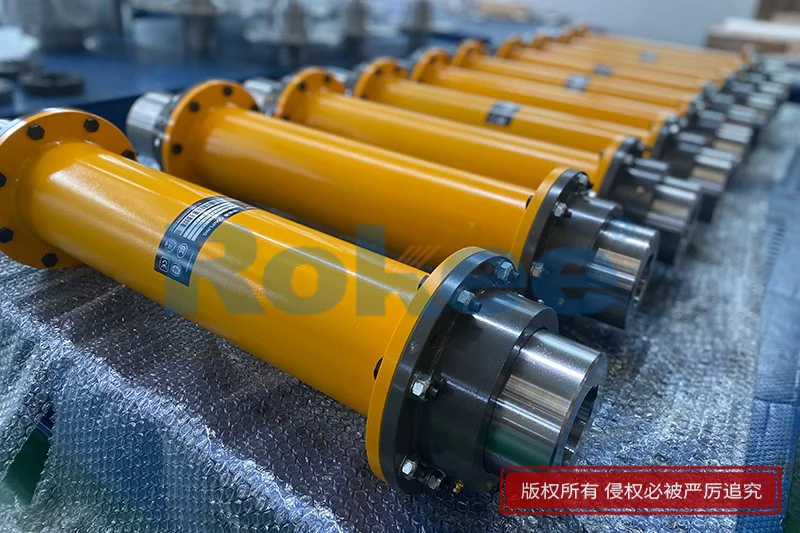
Floating Crown Gear Coupling
Floating crown gear couplings adopt a special floating sleeve design. The sleeve is not fixed tightly to either hub and can float freely within a certain axial range. This structural design effectively releases extra axial force generated by thermal expansion of shafts during long-time running. It can compensate for combined axial displacement together with angular and radial misalignment. This type performs steadily under frequent start-stop and impact load conditions. The floating structure puts higher demands on lubrication state, and improper grease filling will increase the risk of abnormal tooth wear and noise.
Sleeve-Split Crown Gear Coupling
The sleeve-split crown gear coupling features a two-piece split sleeve instead of an integrated sleeve. The split structure enables on-site installation and disassembly without moving the connected driving and driven equipment. It greatly lowers maintenance difficulty for equipment that is hard to detach. The two halves of the sleeve lock together after alignment to form a complete crown tooth meshing pair. Its load carrying capacity is close to the integrated sleeve type, but the split joint needs reliable fastening to prevent loosening under cyclic torque. This variant is preferred for equipment that requires periodic inspection and replacement of coupling parts.

High-Speed Crown Gear Coupling
High-speed crown gear couplings are optimized for working scenarios with high rotational velocity. The crown tooth profile is finely processed to reduce contact impact and running noise. The whole structure is balanced carefully to cut down centrifugal force and vibration at high revolutions. The sealing system is upgraded to prevent lubricant leakage caused by strong centrifugal effect. It generally works with smoother and more stable load, and excessive misalignment must be avoided, because deviation will amplify vibration and accelerate fatigue damage of tooth surfaces under high speed.
Selection Notes for Crown Gear Coupling Types
When selecting among these crown gear coupling types, the main factors include the magnitude and fluctuation pattern of transmitted torque, shaft misalignment form, rotation speed, available installation space and maintenance conditions. No single type can fit all operating environments. If only small angular deviation exists and space is limited, the single crown type is a practical option. Where large misalignment and heavy load exist, the double crown structure is more appropriate. If axial expansion displacement is prominent, the floating design brings obvious advantages. The split sleeve version saves much maintenance labor for hard-to-move equipment, while high-speed transmission needs the specially optimized high-speed crown gear coupling. Proper matching between coupling type and working condition extends service life and keeps the whole transmission system running reliably.
https://www.rokeecoupling.net/blog/crown-gear-coupling-types.html
Crown Gear Coupling Products
-
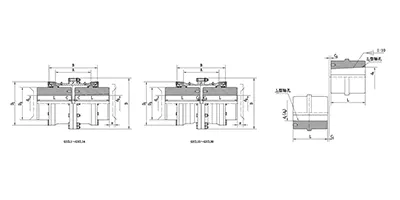
GICL Crown Gear Coupling
Wide type
-
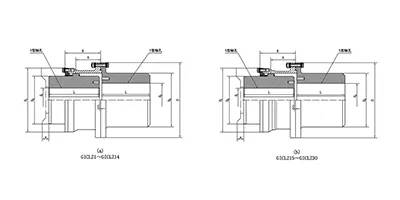
GICLZ Crown Gear Coupling
with intermediate shaft
-
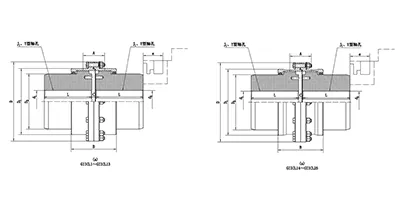
GIICL Crown Gear Coupling
Narrow type
-
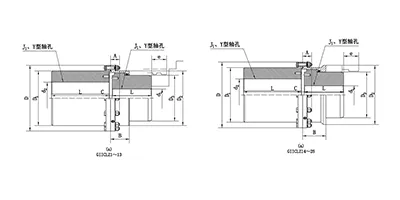
GIICLZ Crown Gear Coupling
with intermediate shaft
-
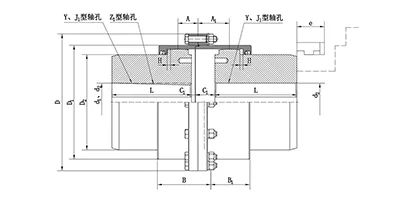
GCLD Crown Gear Coupling
for motor shaft extension
-
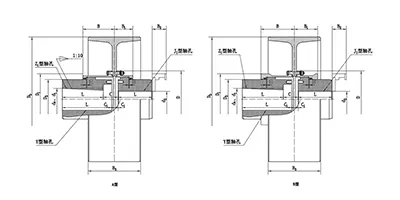
NGCL Crown Gear Coupling
with brake wheel
-
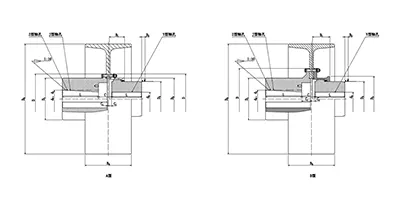
NGCLZ Crown Gear Coupling
with brake wheel
-
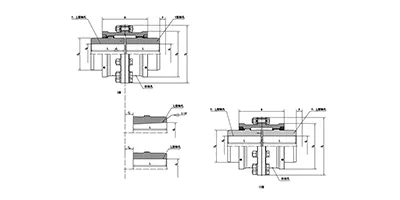
WG Crown Gear Coupling
General purpose
-
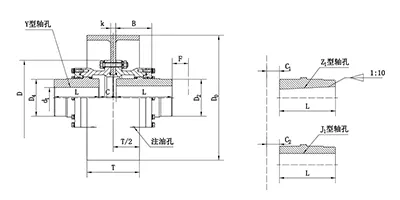
WGZ Crown Gear Coupling
with brake wheel
-
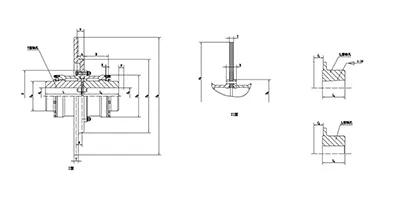
WGP Crown Gear Coupling
with brake disc
-
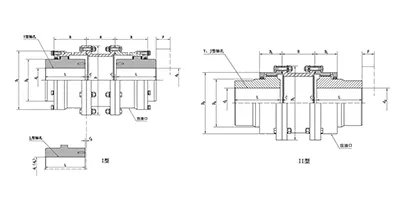
WGT Crown Gear Coupling
with intermediate sleeve
-
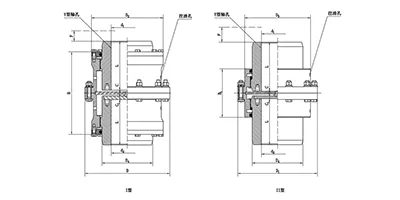
WGC Crown Gear Coupling
for vertical mounting
-
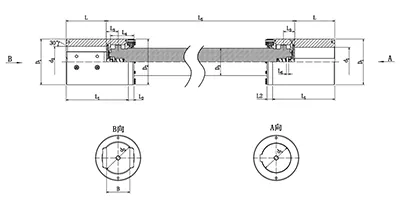
WGJ Crown Gear Coupling
with intermediate shaft
-
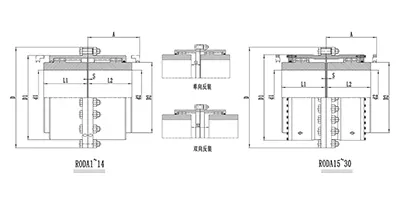
RODA Curved Tooth Coupling
Basic type
-
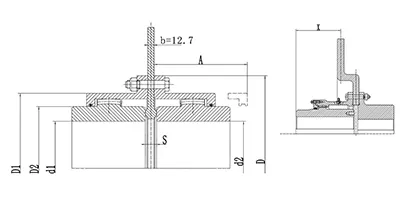
RODP Curved Tooth Coupling
with brake disc
-
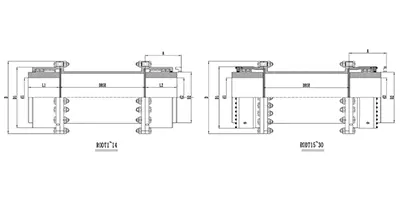
RODT Curved Tooth Coupling
with spacer sleeve
-
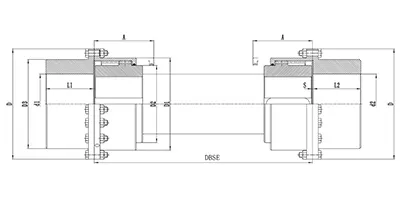
RODX Curved Tooth Coupling
with intermediate shaft
-
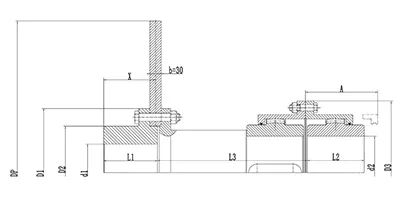
RODF Curved Tooth Coupling
with split brake disc
-
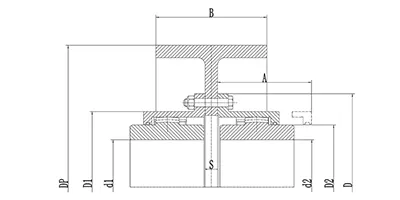
RODW Curved Tooth Coupling
with brake hub
-
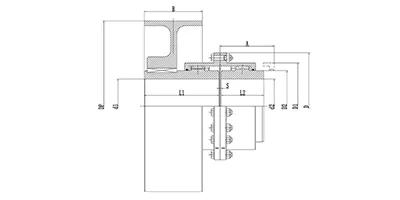
RODU Curved Tooth Coupling
with brake hub
-
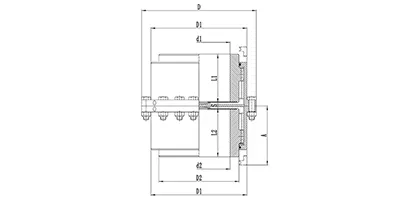
RODV Curved Tooth Coupling
vertical mounting type
-
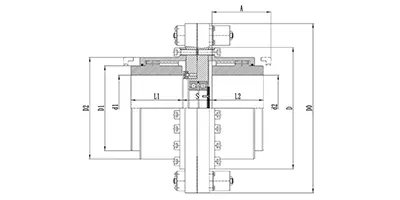
RODM Curved Tooth Coupling
torque limiting type