As one of the most indispensable mechanical transmission components in modern industrial systems, curved tooth coupling serves as a critical connecting unit between adjacent rotating shafts, undertaking the core task of torque transmission while mitigating mechanical vibration and compensating for shaft misalignment during equipment operation. Distinguished from conventional straight tooth couplings, the uniquely optimized curved tooth profile endows this coupling with superior mechanical adaptability and load-bearing capacity, making it widely applicable in heavy-duty mechanical scenarios that demand stable power transmission and durable structural performance. This paper elaborates on the inherent structural composition, core mechanical properties, reasonable classification standards and diverse industrial application scenarios of curved tooth couplings, conducting an in-depth analysis of its structural advantages and operational characteristics under complex working conditions to reveal its application value in modern mechanical transmission systems.

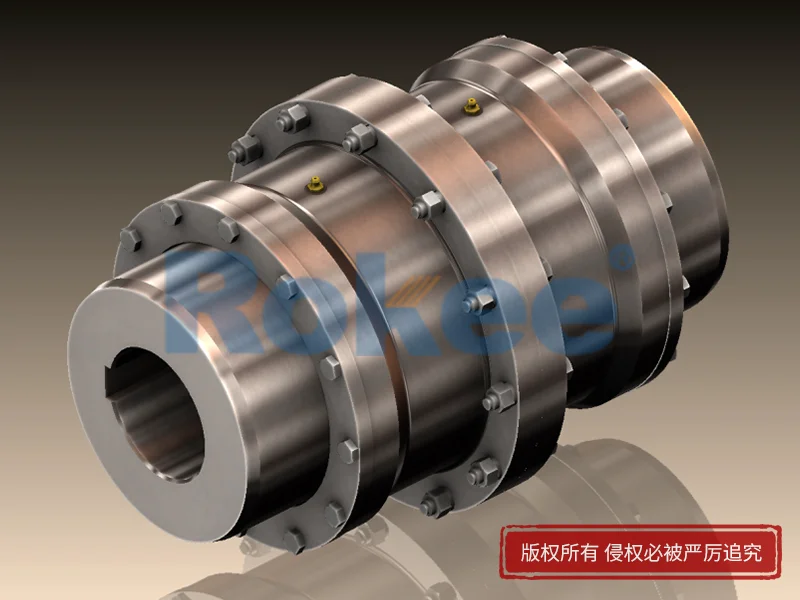
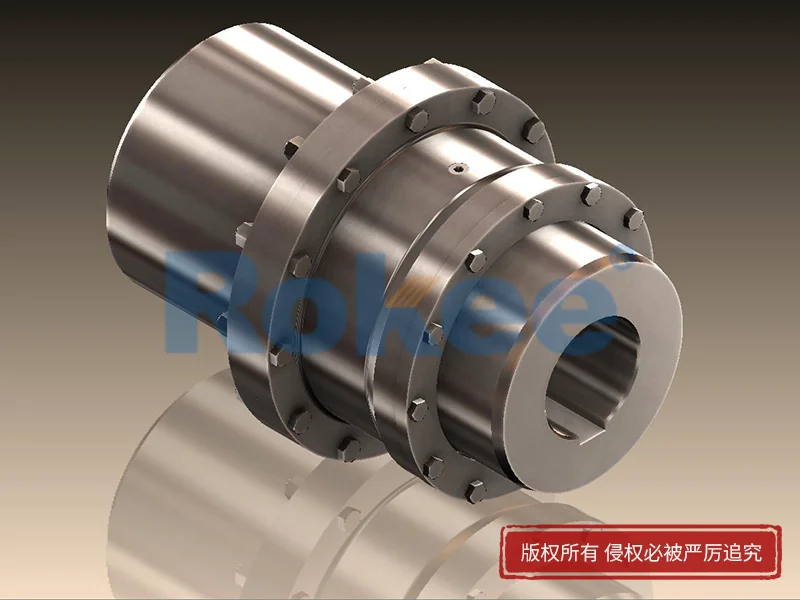
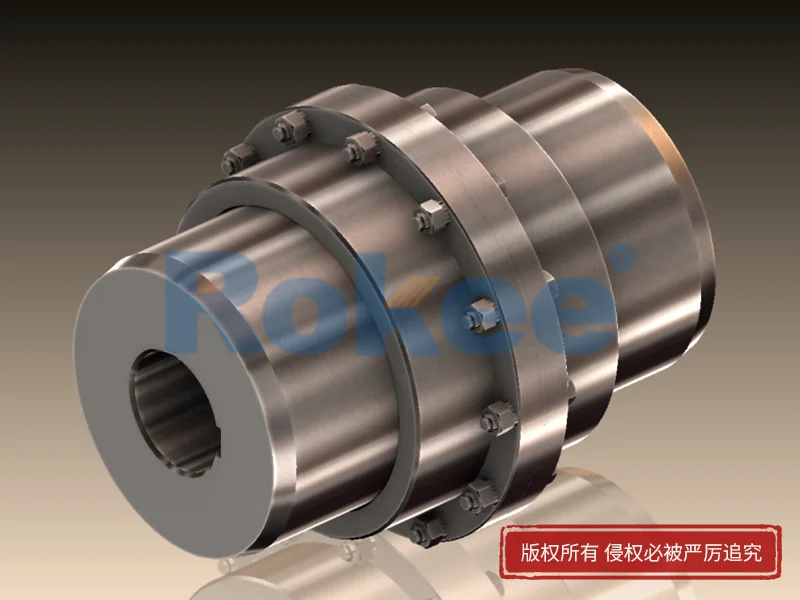
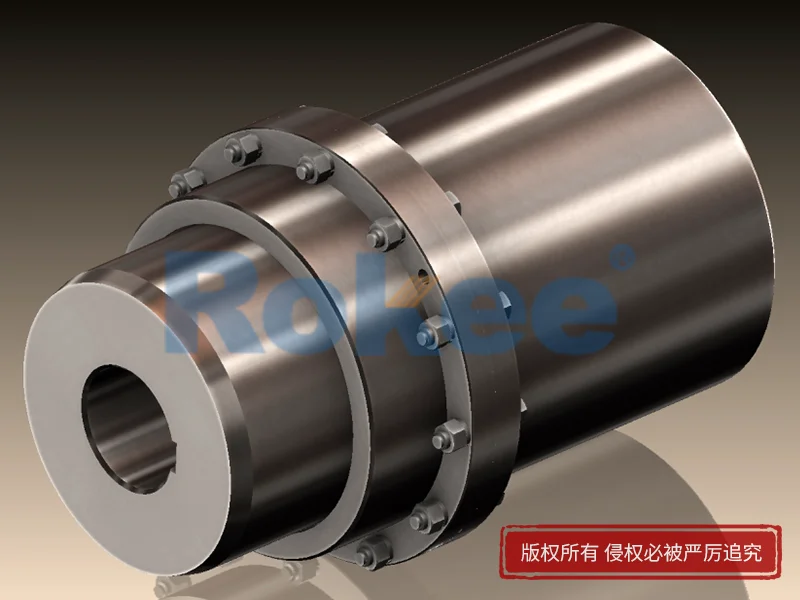
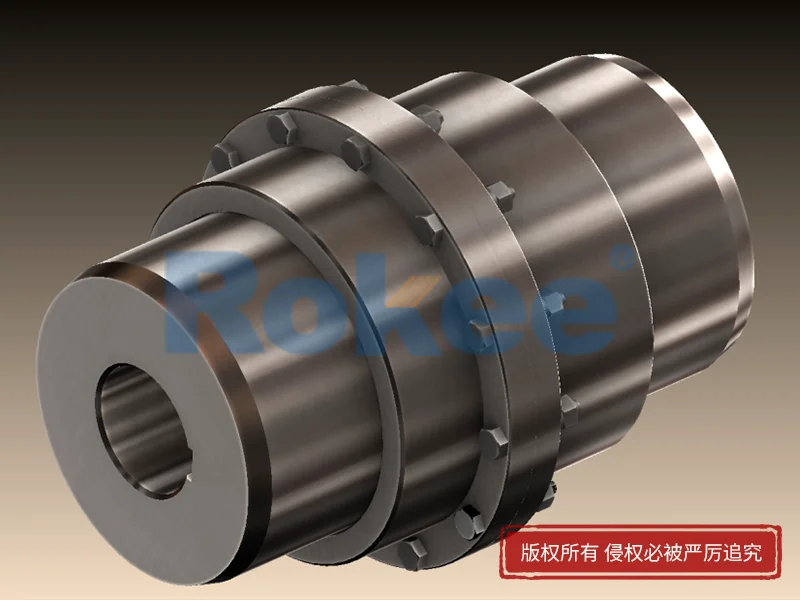
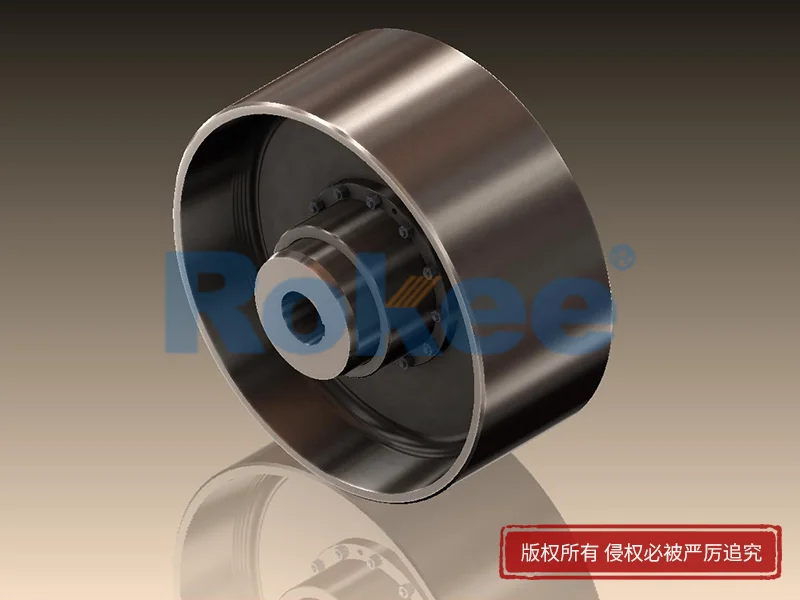
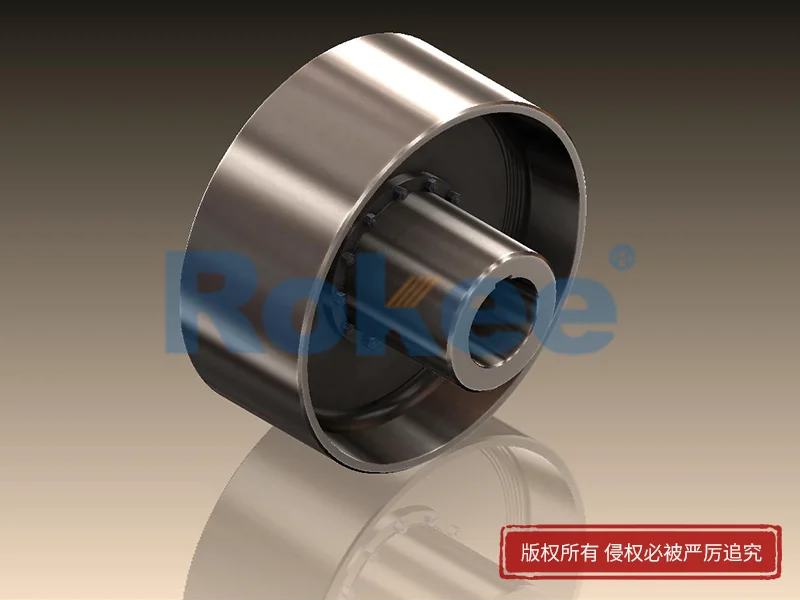
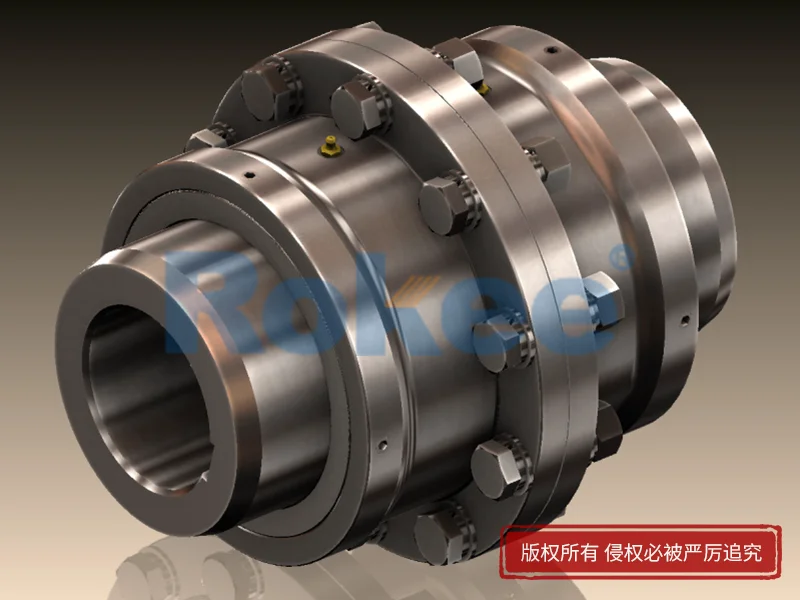
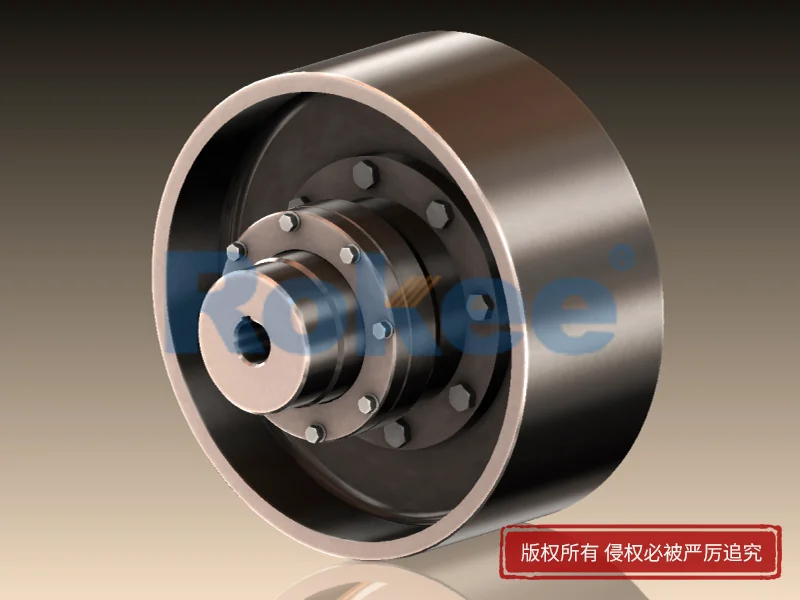
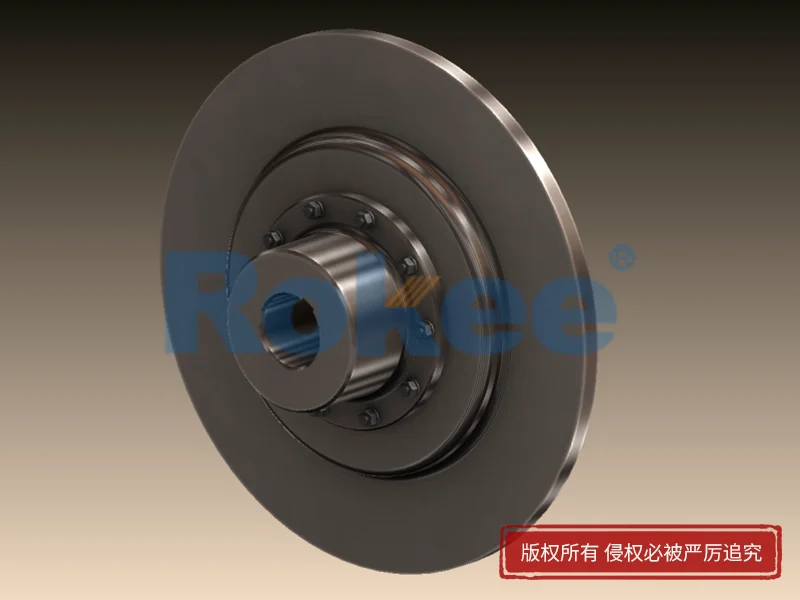
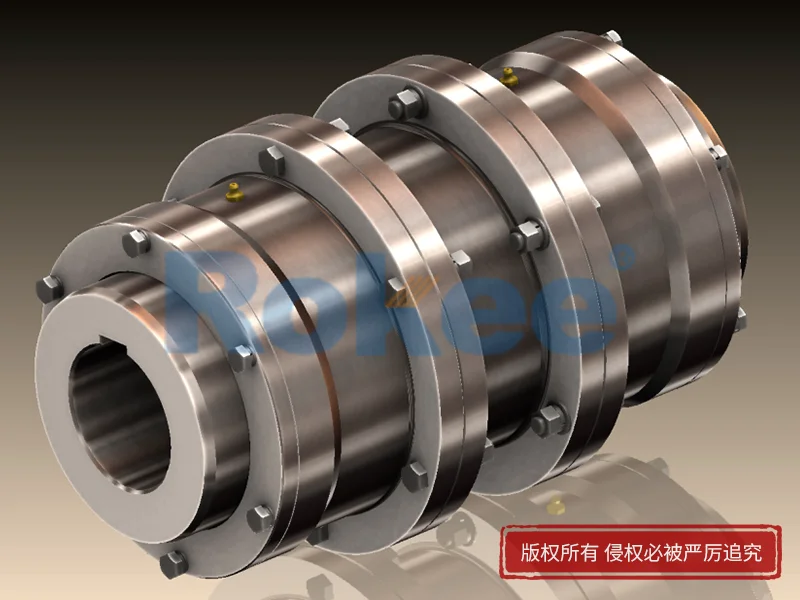
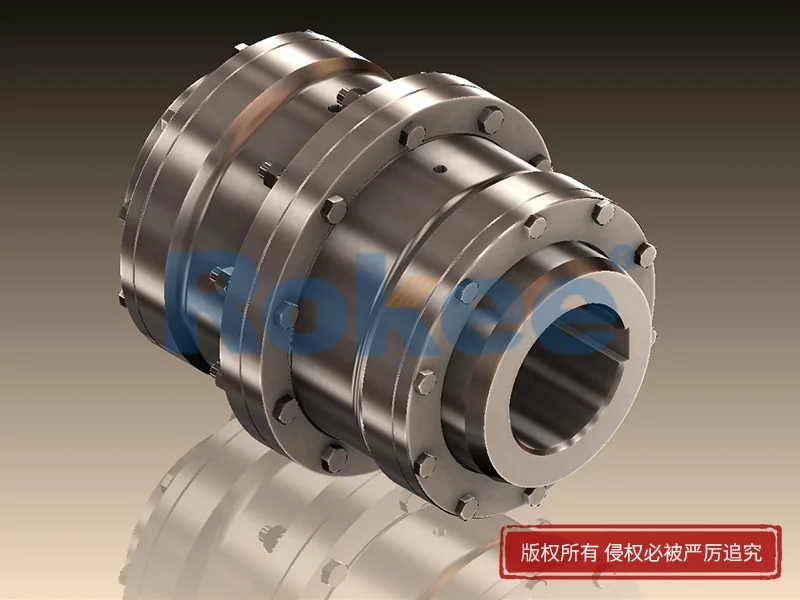
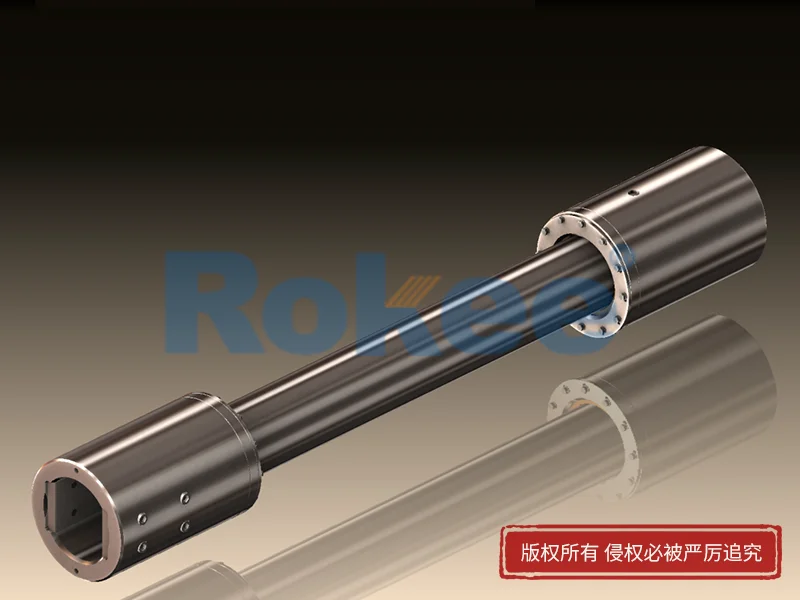
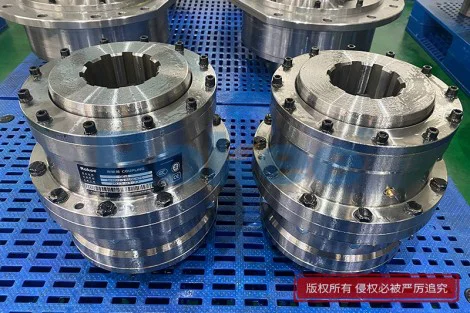
The basic structural composition of curved tooth coupling follows a compact and rigorous mechanical design logic, mainly consisting of outer gear halves, inner gear sleeves, fastening components and sealing lubrication auxiliary structures. The outer gear components are processed with specially polished curved tooth profiles, and the spherical curved design on the tooth surface enables flexible meshing contact with the inner gear ring. Different from the linear contact mode of straight tooth structures, the curved tooth surface forms a uniform arc contact area during meshing, which effectively disperses local mechanical pressure and avoids stress concentration caused by concentrated force points. The inner gear sleeve adopts an integrated annular structure, matching the curvature parameters of outer teeth to ensure tight meshing clearance and stable transmission fit. Fastening components including bolts and positioning rings fix the gear components on the rotating shaft, limiting axial and radial displacement of structural parts during high-speed operation and maintaining the overall assembly stability of the coupling. In terms of auxiliary structures, most curved tooth couplings are equipped with combined sealing structures composed of skeleton oil seals and labyrinth rings. This structural design can effectively isolate external dust, moisture and corrosive impurities, while locking internal lubricating grease or hydraulic oil to ensure long-term stable lubrication of meshing tooth surfaces. For large-sized curved tooth couplings used in heavy-load equipment, additional intermediate shaft structures are added between two sets of gear assemblies, which extends the transmission distance between shafts and maintains the torsional rigidity of the overall structure to adapt to long-distance power transmission requirements of large mechanical equipment. The internal structure of the coupling does not contain complex elastic elements, and the metal integral forging molding ensures structural integrity, laying a solid foundation for its excellent mechanical durability.
The unique structural design brings diversified and outstanding mechanical performance to curved tooth couplings, which can meet the rigorous operating requirements of various complex industrial working conditions. First of all, this coupling has remarkable misalignment compensation capability. The curved tooth profile allows angular displacement, radial displacement and axial displacement between connected rotating shafts. The arc tooth surface can adapt to the tiny deflection and offset of the shaft body generated by equipment vibration and mechanical deformation, avoiding rigid friction and mechanical jamming between teeth caused by shaft misalignment. Compared with ordinary straight tooth couplings, its allowable angular compensation range is significantly expanded, which effectively reduces the additional shear force borne by the tooth surface during operation. Secondly, curved tooth couplings exhibit excellent heavy-load torque transmission performance. The uniform arc contact structure increases the contact area between meshing teeth, disperses transmission torque on multiple tooth surfaces, reduces single-tooth bearing pressure, and can stably bear continuous heavy torque and instantaneous impact load. High-strength alloy steel materials are commonly used for integral processing, and the surface is subjected to carburizing and quenching heat treatment to improve surface hardness and structural toughness, effectively resisting extrusion wear and fatigue damage under long-term high-load operation. In terms of operational stability, the smooth curved tooth profile reduces meshing friction resistance and mechanical collision noise during tooth engagement. The optimized tooth clearance design ensures sufficient lubricating oil film coverage on the tooth surface, lowering friction loss and operational noise. Meanwhile, the metal rigid structure maintains stable torsional rigidity during high-speed rotation, without obvious torsional deformation, thus guaranteeing high-precision power transmission efficiency. In addition, the coupling has reliable environmental adaptability. The closed sealing structure prevents internal lubricant leakage and external corrosive medium invasion, enabling normal operation in dusty, humid and low-temperature industrial environments. The high-temperature resistance of metal materials also ensures that the structural performance will not deteriorate sharply under long-term high-temperature working conditions, extending the service cycle of mechanical components.
Based on structural forms, connection modes and functional characteristics, curved tooth couplings can be divided into multiple reasonable categories, and each type has targeted structural improvements and applicable working conditions. According to the presence or absence of intermediate transmission components, they can be classified into short-coupled type and intermediate shaft type curved tooth couplings. The short-coupled type features a compact overall structure with no redundant intermediate parts, small axial occupation space, simple assembly and disassembly process, and is suitable for mechanical equipment with short shaft spacing and limited installation space. The intermediate shaft type is equipped with an independent intermediate transmission shaft between two gear assemblies, which not only extends the transmission distance but also enhances the flexibility of shaft position arrangement, making it commonly used in large mechanical systems requiring long-distance power transmission. In accordance with different sealing and lubrication forms, curved tooth couplings are divided into dry lubrication type and forced oil lubrication type. The dry lubrication type relies on pre-filled solid lubricating grease for tooth surface protection, with simple sealing structure and convenient daily maintenance, suitable for medium and low-speed operating environments with low heat generation. The forced oil lubrication type is equipped with an internal circulating oil circuit structure. The flowing lubricating oil continuously cools and cleans the meshing tooth surface, which can rapidly export friction heat generated by high-speed operation, reduce tooth surface abrasion, and is applicable to high-speed and heavy-load continuous working conditions. Classified by integral assembly structure, there are split sleeve type and integral sleeve type curved tooth couplings. The split sleeve type adopts a separable inner gear sleeve structure, which is convenient for on-site disassembly, inspection and replacement of worn parts without disassembling the connected rotating shaft, reducing equipment maintenance time. The integral sleeve type has an integrated inner gear sleeve with higher overall structural rigidity and better impact resistance, suitable for mechanical equipment with severe instantaneous load fluctuation. In addition, according to processing precision and tooth surface optimization degree, it can be divided into ordinary curved tooth type and precision modified curved tooth type. The precision modified type optimizes the tooth curvature and meshing clearance through advanced grinding technology, further reducing transmission backlash and improving motion synchronization, meeting the high-precision transmission needs of sophisticated industrial equipment.
Curved tooth couplings have been widely applied in multiple heavy industrial fields by virtue of their comprehensive structural advantages and stable mechanical performance, becoming an essential core connecting component in industrial transmission systems. In the metallurgical industry, this coupling is installed on the main transmission shaft of rolling mills. It can adapt to frequent start-stop actions and instantaneous impact load changes during steel rolling production. The misalignment compensation function offsets the shaft deformation caused by high-temperature thermal expansion of rolling mill equipment, ensuring continuous and stable power transmission of rolling production lines and reducing equipment failure rates caused by transmission jitter. In the mining industry, curved tooth couplings are applied to lifting machinery and crushing equipment. The excellent heavy-load bearing capacity can cope with the heavy-load operation demand of mining raw material transportation, and the good sealing performance prevents mineral dust from invading the meshing gap, avoiding tooth surface abrasion and transmission failure caused by dust accumulation. In the heavy machinery manufacturing industry, hoisting and transportation equipment such as cranes and conveyors adopt this coupling structure. Its stable torsional rigidity ensures accurate torque output during material hoisting, and the vibration damping effect buffers the mechanical jitter generated by load lifting, improving the operational safety of hoisting equipment. In the petrochemical industry, various rotating equipment such as pumps and compressors use curved tooth couplings. The corrosion-resistant and airtight structural design adapts to harsh chemical production environments, effectively isolating corrosive gases and liquids, and maintaining long-term stable operation of fluid transmission equipment. Moreover, in the power industry, large-scale power generation equipment including fans and steam turbines is equipped with this coupling. The low-noise and low-loss transmission characteristics reduce energy consumption during power conversion, and the high structural durability meets the long-term uninterrupted operation requirements of power equipment.
In actual industrial application practice, curved tooth couplings also show outstanding economic and maintenance advantages. The integrated metal structure avoids the aging and failure problems of elastic polymer components, so there is no need for frequent replacement of vulnerable parts, effectively reducing the daily maintenance cost of mechanical equipment. The simple assembly structure lowers the technical threshold for installation and debugging, and workers can complete assembly and calibration through conventional mechanical tools. The optimized tooth surface processing technology minimizes internal friction loss during transmission, improving the overall mechanical transmission efficiency and reducing energy consumption in industrial production. Although curved tooth couplings have prominent performance advantages, their application still has certain limitations. The rigid metal structure results in poor vibration damping capacity for ultra-high-frequency tiny vibration, so they are not suitable for ultra-precision electronic mechanical equipment that requires extreme vibration isolation. Meanwhile, the high-precision tooth surface processing leads to higher manufacturing difficulty, making it less applicable in low-demand simple mechanical transmission scenarios.
With the continuous upgrading of modern industrial manufacturing technology, the processing precision and structural optimization technology of curved tooth couplings are also constantly improving. Advanced heat treatment processes and precision grinding technologies further enhance the surface hardness and meshing accuracy of curved teeth. The optimized sealing and lubrication structures adapt to more extreme working environments such as low temperature, high temperature and strong corrosion. In the future industrial development process, curved tooth couplings will continue to rely on their heavy-load resistance, misalignment compensation and high stability characteristics to expand application boundaries in the fields of engineering machinery, marine equipment and new energy power generation. Through continuous material innovation and structural iteration, this type of coupling will achieve lower friction loss and longer service life, providing more reliable basic component support for the efficient and stable operation of modern industrial mechanical systems. As a mature and excellent transmission component, curved tooth coupling will always occupy an irreplaceable important position in the heavy machinery manufacturing industry, continuously promoting the stable development of industrial transmission technology.
pu sandwich panel line,pu sandwich panel machine,sandwich panel machine
« Curved Tooth Couplings » Latest Update Date: May 9, 2026
https://www.rokeecoupling.net/tags/curved-tooth-couplings.html