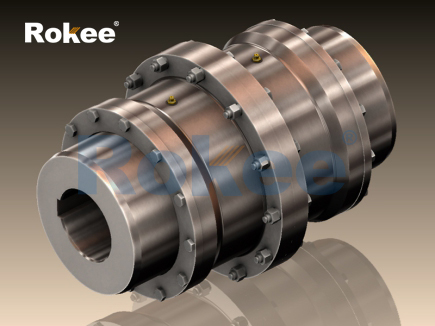
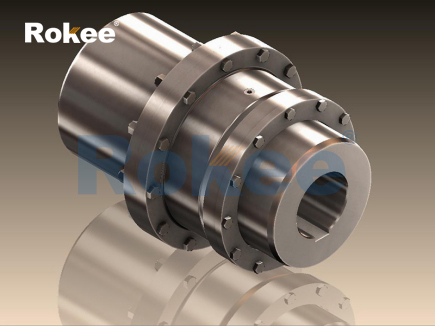
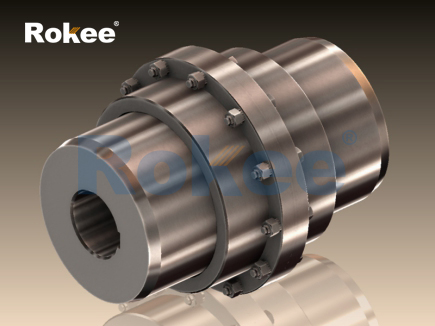
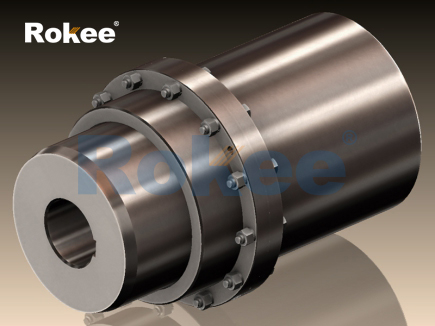
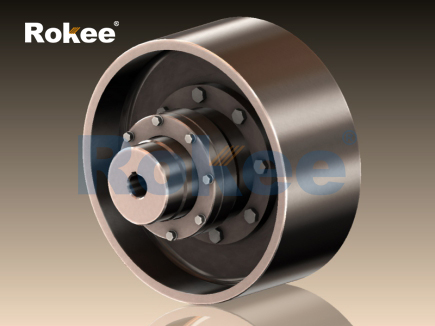
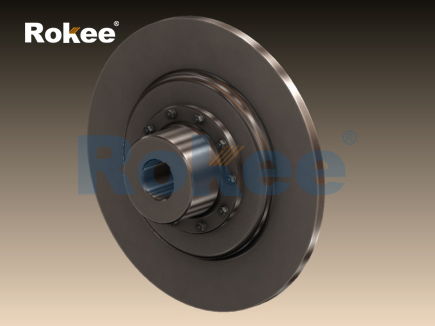
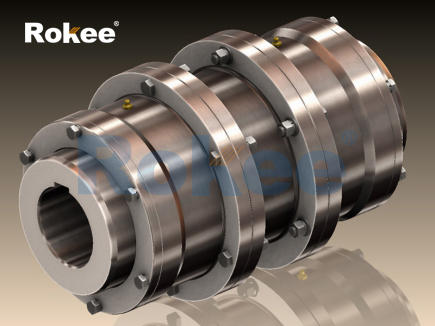
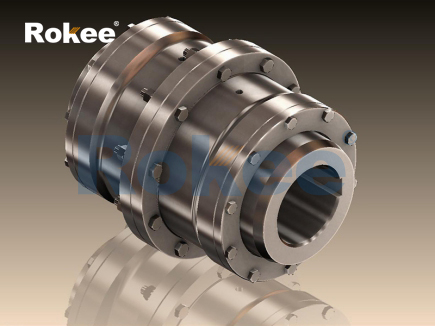
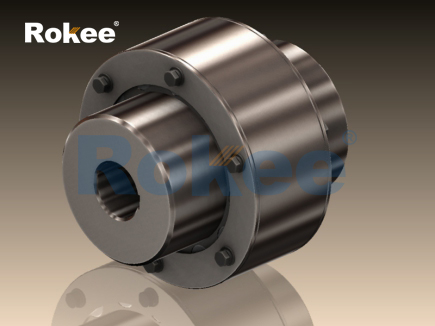
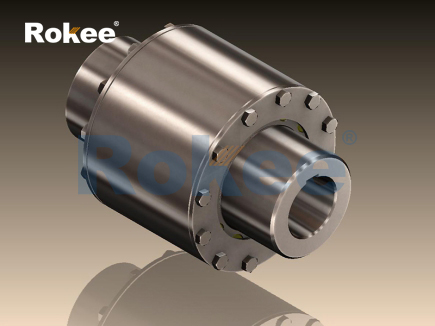
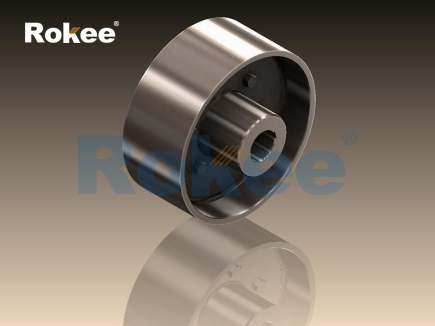
Tooth couplings stand as one of the most prevalent flexible transmission components in modern mechanical transmission systems, uniquely designed to realize torque transmission between adjacent rotating shafts through meshing tooth structures. Distinguished from other coupling types such as jaw couplings and sleeve couplings, this mechanical component integrates high load-bearing capacity, excellent compensation capability and compact structural layout, making it adaptable to complex and harsh operating environments across diverse industrial scenarios. Its ingenious mechanical structure endows the equipment with stable transmission efficiency during continuous rotation, while reasonable material selection and machining craftsmanship further consolidate its reliability in long-cycle industrial operation. As a core connecting part in mechanical transmission chains, tooth couplings undertake the critical task of linking driving and driven equipment, and their comprehensive performance directly affects the operational stability, service life and maintenance cost of the entire mechanical system.
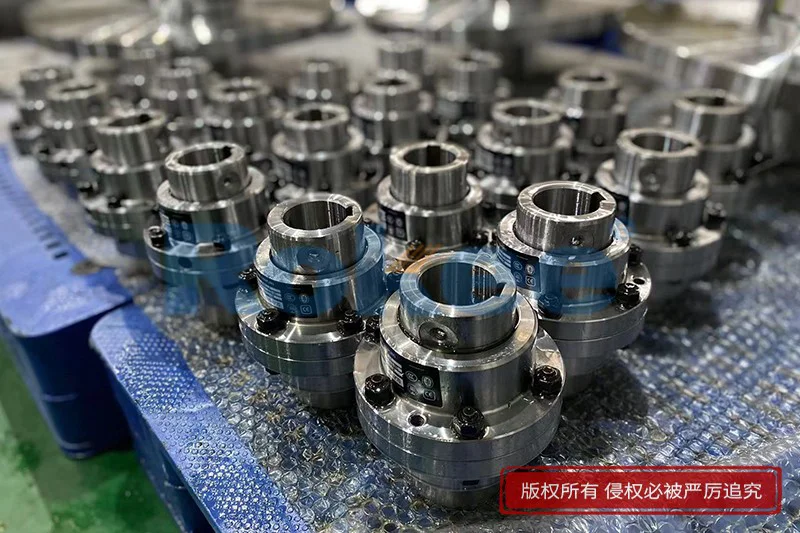
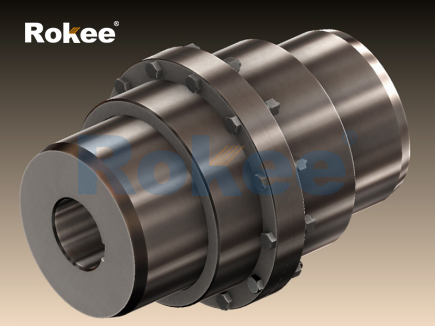
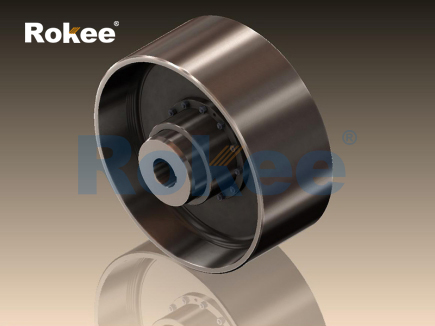
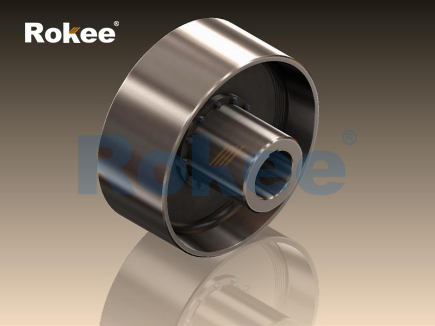
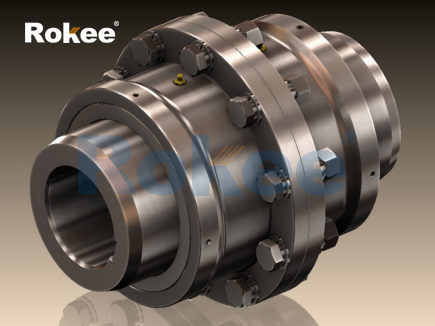
The fundamental structure of a tooth coupling consists of two primary hub components and an outer sleeve, forming a compact and integrated assembly structure. The two independent hubs are processed with external involute teeth on the outer circular surface, and the inner wall of the outer sleeve is machined with matching internal teeth that engage closely with the external teeth of the hubs. In the actual assembly process, the two hubs are respectively fixed on the end sections of the driving shaft and the driven shaft, and the outer sleeve covers the outer side of the meshing teeth to lock the two hubs into a unified rotating body. A certain gap is intentionally reserved between the tooth surfaces during precision machining, and this tiny spatial margin lays a structural foundation for the coupling to compensate for various shaft misalignments in operation. Moreover, sealed grooves are set at both ends of the outer sleeve, which can be fitted with elastic sealing components to form a closed internal space. This enclosed structure is conducive to storing lubricating grease inside the coupling, effectively reducing the friction coefficient between meshing tooth surfaces and avoiding direct contact between the metal tooth structures and external air, thereby slowing down oxidative wear and metal corrosion. No redundant protruding structures exist on the outer contour of the entire tooth coupling, and the smooth cylindrical outline effectively saves installation space, which is particularly suitable for mechanical equipment with compact structural layout and limited assembly space.
The inherent mechanical properties of tooth couplings are derived from their unique structural design and mechanical principles, covering load-bearing performance, deformation compensation, vibration damping and transmission efficiency. In terms of load-bearing capacity, the meshing mode of multiple pairs of internal and external teeth enables the torque to be evenly distributed on different tooth surfaces during transmission. Compared with couplings that rely on single-point or line contact for force transmission, this multi-tooth meshing structure disperses local mechanical stress, effectively avoiding structural deformation and fatigue damage caused by stress concentration. Even under continuous heavy-load operation and instantaneous impact load conditions, the tooth coupling can maintain stable torque output without obvious transmission lag or structural failure. For misalignment compensation, the reserved gap between meshing teeth allows subtle relative displacement between the two hubs. This structural feature can effectively adapt to axial displacement, radial deviation and angular deflection generated by shaft installation errors and equipment operational vibration. The flexible compensation capability eliminates additional alternating stress between the shafts, protecting the shaft body, bearings and other precision components from abnormal mechanical damage. In terms of vibration reduction and noise reduction, the lubricant filled in the tooth gap forms a uniform oil film during high-speed rotation. The oil film can buffer the rigid collision between metal teeth, weaken mechanical vibration generated by meshing friction, and lower the operating noise of the transmission system. In addition, the smooth involute tooth profile ensures continuous and stable meshing motion, which minimizes power loss during torque transmission and maintains high transmission efficiency under both low-speed heavy-load and high-speed stable operating conditions.
The classification of tooth couplings is formulated based on structural differences, motion characteristics and adaptive working conditions, and each category possesses exclusive structural improvements and performance advantages to meet differentiated industrial demands. According to the structural form of the outer sleeve, tooth couplings can be divided into split-sleeve type and integral-sleeve type. The split-sleeve tooth coupling adopts a two-piece symmetric outer sleeve structure, which is locked and fixed by fasteners during assembly. This structural design simplifies the installation and disassembly process, facilitating daily lubricant replacement and internal component inspection without the need to disassemble the connected shafts. It is highly applicable to mechanical equipment requiring regular maintenance. The integral-sleeve tooth coupling features an integrated seamless outer sleeve, which enhances the overall structural rigidity and sealing performance. The integrated structure effectively prevents lubricant leakage and external dust from invading the meshing area, making it suitable for fully enclosed and long-term uninterrupted operating equipment.
Based on the allowable rotation speed and dynamic balance performance, tooth couplings can be categorized into conventional type and high-precision dynamic balance type. Conventional tooth couplings adopt standard dimensional tolerance design and common tooth surface processing technology, with stable performance under medium and low speed operating conditions. They are widely used in general industrial transmission equipment with low requirements for vibration amplitude. High-precision dynamic balance tooth couplings undergo strict dimensional calibration and surface finishing treatment in the production process. The tooth surface smoothness and assembly symmetry are optimized to reduce centrifugal force and rotational vibration during high-speed operation. This type of coupling can maintain excellent dynamic stability under ultra-high-speed rotating conditions, avoiding resonance phenomenon that may damage the mechanical structure. In accordance with the adaptation of working environments, tooth couplings are also classified into ordinary temperature type and extreme environment resistant type. The ordinary temperature type is made of conventional carbon alloy steel, applicable to indoor and dry working environments with mild temperature changes. The extreme environment resistant type undergoes special thermal treatment and surface modification processing, with improved resistance to high-temperature oxidation, low-temperature brittleness and chemical corrosion. It can operate stably in harsh environments such as high-temperature flue gas, low-temperature cold storage and weak corrosive gas atmosphere.
Tooth couplings have been extensively applied in multiple industrial fields by virtue of their comprehensive performance advantages, becoming an indispensable core connecting component in mechanical transmission systems. In the heavy machinery manufacturing industry, tooth couplings are commonly installed on large-scale transmission equipment such as belt conveyors, crushers and rolling mills. These devices often bear heavy starting torque and intermittent impact loads, and the high load-bearing performance of tooth couplings ensures continuous and stable power transmission, reducing equipment failure rates caused by overload. In the metallurgical industry, high-temperature dust and vibration interference exist in the production environment. The good sealing performance and vibration resistance of tooth couplings can isolate internal meshing structures from external dust and high-temperature airflow, maintaining transmission stability in harsh metallurgical production conditions.
In the petrochemical industry, various corrosive media such as chemical gas and mixed liquid are prevalent in the production process. The corrosion-resistant optimized tooth couplings can resist the erosion of weak corrosive substances, avoiding structural aging and performance degradation caused by chemical corrosion. They are widely used in power transmission parts of oil transfer pumps, chemical mixing reactors and pipeline conveying equipment. In the power generation industry, whether it is thermal power generation equipment or wind power generation units, high requirements are put forward for transmission stability and service life. Tooth couplings applied in power generation equipment adopt high-rigidity materials and precision processing technology, which can adapt to long-term uninterrupted operation, reduce equipment shutdown maintenance frequency, and improve the continuous operation efficiency of power generation systems. In addition, in municipal engineering, water conservancy transportation and other civil infrastructure fields, tooth couplings are used in water pumps, ventilation equipment and power transmission devices of conveying machinery. Their compact structure and convenient installation characteristics simplify the equipment assembly process, and excellent wear resistance extends the overall service life of municipal mechanical equipment.
In the actual application process, the service performance and service life of tooth couplings are closely related to processing technology, assembly accuracy and daily maintenance. In terms of production and processing, the precision of tooth profile machining directly determines the meshing tightness between internal and external teeth. Smooth and flat tooth surfaces can reduce friction loss and avoid local stress concentration. Moderate surface hardening treatment on the tooth structure can improve wear resistance and surface hardness, delaying the fatigue aging of tooth surfaces. During assembly, it is necessary to strictly control the coaxiality of the driving shaft and the driven shaft to avoid excessive initial deviation. Excessive assembly deviation will increase the friction loss of meshing teeth and generate additional vibration during operation, which will accelerate component wear. In daily maintenance, regular inspection of the sealing performance of the coupling is required to prevent lubricant leakage. Timely replacement of deteriorated lubricant can ensure the formation of a complete oil film between meshing teeth, reducing metal friction and wear. Meanwhile, surface dust and corrosive attachments should be cleaned regularly to avoid long-term adhesion of impurities causing local corrosion of the metal structure.
Compared with other common flexible couplings, tooth couplings have prominent comprehensive advantages despite certain limitations. In terms of load-bearing capacity, they are superior to elastic sleeve couplings and diaphragm couplings, and can withstand greater torque and impact load under the same volume condition. In terms of misalignment compensation capability, their multi-directional compensation effect is better than that of rigid sleeve couplings, which can effectively adapt to installation errors and operational deformation. In terms of structural compactness, the cylindrical integrated structure occupies smaller installation space, making it more suitable for compact mechanical layouts. However, tooth couplings also have inherent defects. The complex tooth surface processing technology leads to higher manufacturing difficulty than simple structural couplings. In high-precision ultra-low vibration working scenarios, the vibration damping performance is slightly inferior to that of elastic couplings with elastic buffer components. With the continuous progress of industrial manufacturing technology, the production process of tooth couplings is constantly optimized. The application of new alloy materials and precision machining technology is gradually reducing production costs, while structural optimization designs are further improving vibration damping performance and extreme environment adaptability.
As an important mechanical transmission connecting component, tooth couplings rely on their unique meshing structure, excellent mechanical properties and diverse classification forms to meet the transmission demands of different industries and working conditions. Their stable load-bearing capacity, reliable misalignment compensation performance and long service life make them occupy an irreplaceable position in heavy industry, energy production, chemical manufacturing and infrastructure construction. In the future, with the continuous upgrading of industrial automation and intelligent manufacturing technology, the performance optimization of tooth couplings will focus on lightweight structure, intelligent wear monitoring and extreme environment adaptation. Through material innovation, structural improvement and maintenance technology upgrading, tooth couplings will further expand their application boundaries in high-end mechanical equipment, providing more stable and efficient basic guarantee for the safe operation of modern mechanical transmission systems.
pu sandwich panel line,pu sandwich panel machine,sandwich panel machine
« Tooth Couplings » Latest Update Date: May 9, 2026
https://www.rokeecoupling.net/tags/tooth-couplings.html