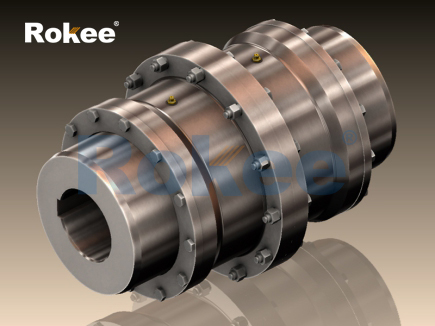
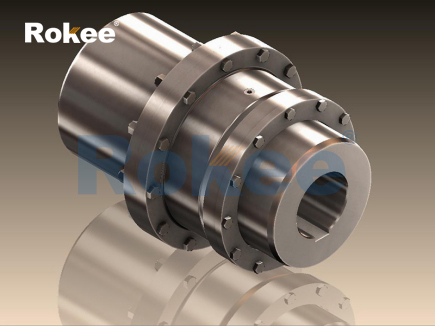
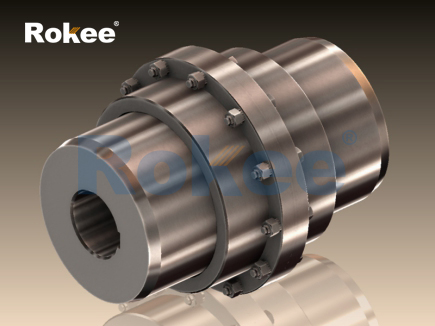
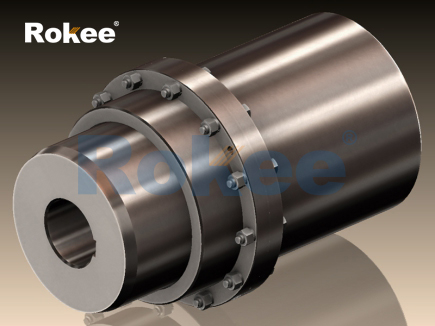
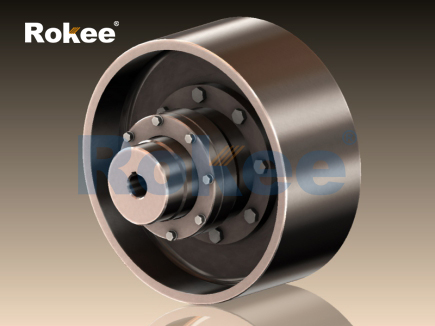
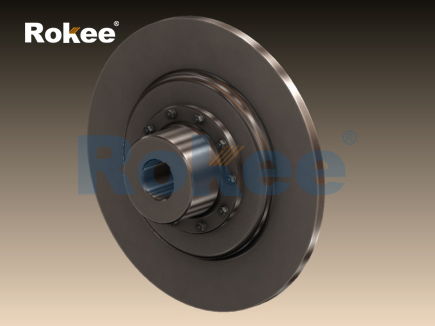
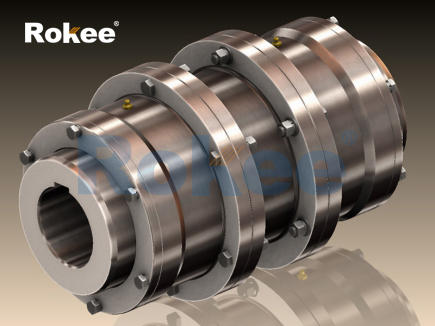
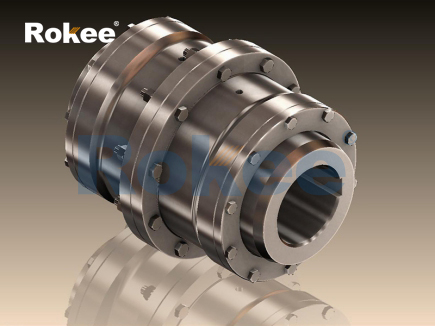
Drum gear coupling stands out as one of the most reliable and widely adopted mechanical transmission components in modern industrial transmission systems, serving as a critical connecting part that transmits torque between two rotating shafts while accommodating various mechanical deviations during equipment operation. Differing from conventional straight gear couplings and elastic couplings, this type of coupling features a unique drum-shaped tooth profile on external gear sleeves, which fundamentally optimizes meshing conditions and mechanical performance during power transmission. Its rational mechanical structure, excellent load-bearing capacity and superior displacement compensation capability enable it to adapt to complex and harsh working environments, making it an indispensable component in heavy-duty industrial mechanical equipment. With the continuous upgrading of industrial manufacturing technology, the structural design of drum gear couplings has been further optimized, and differentiated classification types have been derived to meet the diverse transmission demands of different industrial scenarios, covering low-speed heavy-load, medium-speed stable operation and long-distance shaft connection working conditions.
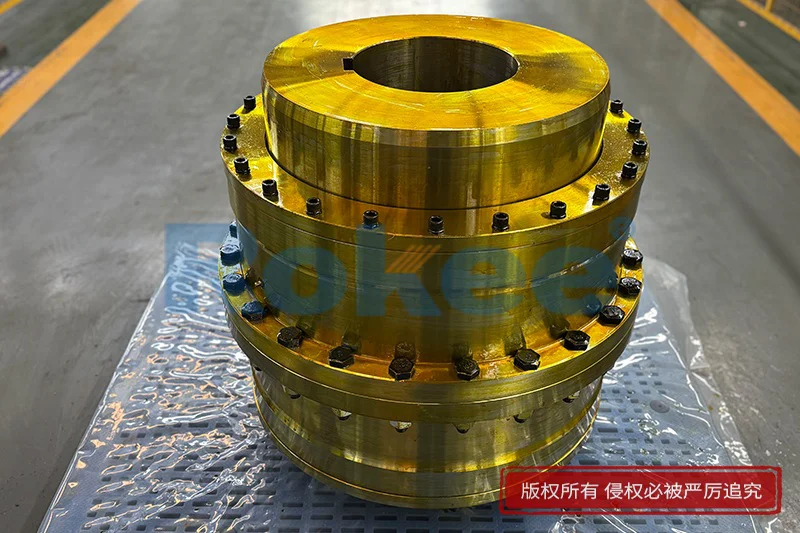
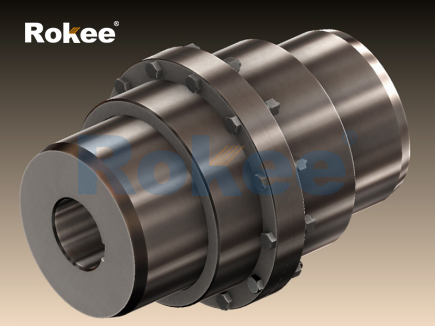
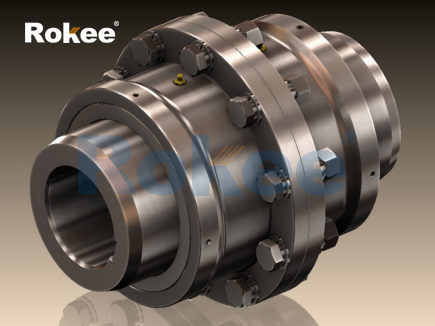
The basic structure of drum gear coupling follows a compact and rigorous mechanical design logic, mainly composed of external gear sleeves, internal gear hubs, connecting fasteners and sealing lubrication components. The core structural feature lies in the specially polished drum-shaped contour of the external gear teeth. Unlike flat straight teeth, the curved tooth surface of drum-shaped teeth can realize uniform contact stress distribution during meshing. Each external gear sleeve is installed on the transmission shaft through an interference fit or key connection structure, while the internal gear hub adopts an integrated annular structure to wrap the external gear teeth, forming a closed meshing transmission pair. In terms of assembly structure, most drum gear couplings adopt a split assembly mode without complex integral casting structures, which simplifies the installation and disassembly process. The internal gap between meshing teeth is reserved reasonably to provide space for displacement compensation during equipment operation. Auxiliary structural components include high-strength locking parts that fix the relative position of gears and shafts, as well as composite sealing structures composed of sealing rings and labyrinth structures. These auxiliary components work together to isolate external dust, moisture and corrosive substances from the internal meshing area, ensuring the stable operation of the tooth surface for a long time. The overall structure does not contain fragile elastic materials, and all main load-bearing parts are made of high-strength alloy metal materials processed by heat treatment, which endows the coupling with excellent structural rigidity and mechanical stability.
The unique structural design endows drum gear coupling with comprehensive and superior mechanical performances that distinguish it from other common coupling products. In terms of torque transmission performance, the curved meshing surface expands the effective contact area between gear teeth, enabling the coupling to bear large instantaneous impact torque and continuous stable torque. The uniform stress distribution avoids local stress concentration on the tooth surface, effectively reducing tooth surface wear and plastic deformation under heavy-load working conditions. Its transmission efficiency remains at an extremely high level during long-term operation, with minimal power loss in the torque transmission process, which conforms to the energy-saving operation requirements of modern industrial equipment. In terms of displacement compensation performance, the drum-shaped tooth profile can effectively adapt to axial displacement, radial displacement and angular displacement generated by installation errors and equipment operation vibration. When the connected two shafts have coaxial deviation, the flexible meshing state of drum-shaped teeth can buffer the eccentric force, avoiding rigid collision and additional mechanical stress between transmission components. Compared with straight gear couplings, the allowable inclination angle of drum gear couplings is significantly increased, which greatly reduces the assembly precision requirements of transmission shafts. In terms of operational stability, the smooth curved meshing mode lowers meshing friction and operation noise, and the optimized tooth gap design suppresses vibration resonance during high-speed rotation. In addition, the matched circulating lubrication system can form a stable oil film on the tooth surface, reducing dry friction loss and further extending the service life of gear teeth. The metal matrix heat treatment process improves the surface hardness and toughness of the gear structure, giving the coupling good corrosion resistance and fatigue resistance to adapt to harsh working conditions such as high dust and humid environment.
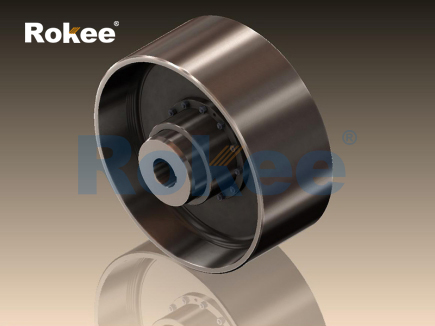
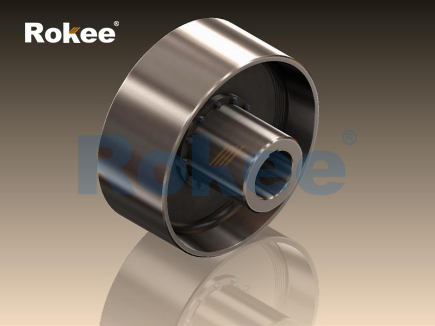
According to structural differences, connection forms and applicable working conditions, drum gear couplings can be divided into multiple mature classification types, each with targeted structural optimization and performance adjustment to match differentiated industrial application scenarios. The basic closed-type drum gear coupling is the most conventional type, featuring an integrated closed outer cover structure. This type has excellent sealing performance, which can completely isolate internal meshing parts from the external environment. It is simple in structure and low in maintenance difficulty, suitable for conventional heavy-load transmission scenarios with ordinary environmental conditions, and mostly applied to short-distance rigid shaft connection. The intermediate shaft type drum gear coupling is improved on the basis of the basic structure, adding an intermediate transmission shaft between two sets of meshing gear pairs. The extended structural design realizes long-distance torque transmission between spaced shafts, and the intermediate shaft can buffer the vibration generated by a single transmission end to avoid vibration mutual interference between the front and rear equipment. This type is commonly used in long-axis transmission systems of large-scale continuous operation equipment. The flanged connection type drum gear coupling optimizes the end connection structure, adopting a thickened integrated flange to replace the traditional key connection mode. The flange structure increases the connection strength and axial stability, which can resist large axial thrust generated during equipment start-up and braking, and is suitable for transmission occasions with frequent start-stop and alternating load changes. In addition, there is a compact thin-wall type drum gear coupling. By reducing the wall thickness of the gear hub and optimizing the tooth body structure, it realizes miniaturization and lightweight design on the premise of retaining basic torque transmission capacity. This type occupies a small installation space and is convenient for layout in compact mechanical structures, mostly used for medium-torque transmission of precision industrial equipment. Each classification type retains the core advantages of drum-shaped tooth meshing, and realizes scenario-based differentiation through structural improvement, forming a complete product system covering multiple working conditions from light load to heavy load, short distance to long distance.
Drum gear couplings are widely used in various heavy industrial fields relying on their outstanding comprehensive performance, covering metallurgy, mining, building materials, chemical industry, transportation and other industrial sectors. In the metallurgical industry, this coupling is applied to the main transmission system of rolling mills. The rolling production process requires continuous heavy-load operation, and the frequent rotation speed changes and impact loads put forward high requirements on the torque bearing capacity and structural stability of transmission components. The drum gear coupling can stably transmit large torque and buffer the instantaneous impact force generated during rolling, ensuring the continuous operation of the rolling mill production line. In the mining industry, it is installed on mine hoists, crushing equipment and conveyor transmission devices. Most mining operation sites have harsh environmental conditions with dense dust and severe vibration. The good sealing performance and vibration resistance of the coupling can adapt to the complex underground working environment, reducing the failure rate of transmission components and lowering equipment maintenance frequency. In the building materials industry, large-scale rotary kilns and ball mills have the characteristics of low rotation speed and long-term continuous operation. The displacement compensation capability of drum gear couplings can offset the axis deviation caused by equipment thermal expansion and mechanical wear, maintaining the long-term operation stability of large rotary equipment.
In the chemical industry, many production equipment need to operate in humid and corrosive gas environments. The high-strength alloy material and closed sealing structure of drum gear couplings can resist chemical corrosion and moisture erosion, ensuring the transmission reliability of chemical pumps, mixing equipment and reaction kettle transmission shafts. In the field of transportation and lifting machinery, the coupling is used for the power connection of large cranes and port handling equipment. The equipment will generate large axial and radial displacement during lifting and walking, and the flexible meshing structure of drum-shaped teeth can effectively release mechanical stress to avoid component damage caused by rigid extrusion. In addition, it is also applied to large-scale water pump units and wind power transmission mechanisms. For water pump equipment operating for a long time, the low wear characteristic of the coupling reduces the maintenance cost of water pump sets; in wind power generation systems, it can buffer the irregular vibration generated by wind speed changes and protect the stable transmission of wind power torque. With the development of intelligent heavy industry, drum gear couplings are gradually applied to automated production lines and large engineering machinery, becoming an important guarantee for the efficient and safe operation of modern industrial mechanical systems.
In the actual industrial application process, the service performance and service life of drum gear couplings are affected by multiple usage factors. The selection of lubrication mode directly determines the wear degree of the tooth surface. Circulating thin oil lubrication can form a uniform protective oil film on the meshing surface, which is far better than grease lubrication in reducing friction and heat dissipation. The installation accuracy also has a direct impact on the operation state. Excessive coaxial deviation will increase the meshing friction of gear teeth and generate additional vibration stress, even if the coupling has excellent displacement compensation ability. Regular maintenance work including sealing element inspection and lubricating oil replacement can effectively avoid dust accumulation and oil deterioration inside the coupling, preventing tooth surface corrosion and abrasive wear. Compared with elastic couplings, drum gear couplings have no aging failure risk of elastic materials, and their main failure forms are limited to gear tooth wear and surface fatigue damage, which means they have longer service life in high-strength continuous operation scenarios. Compared with rigid couplings, their active displacement compensation capability makes them more adaptable to installation errors and equipment operation deformation, with lower requirements for assembly precision and better comprehensive applicability.
Looking at the current industrial development trend, the optimization and upgrading of drum gear coupling technology is still in progress. The application of new alloy smelting and precision machining technology further improves the surface finish and mechanical strength of gear teeth, reducing meshing friction loss. The optimized sealing and lubrication structure design adapts to more extreme working environments such as high temperature and low temperature. The modular structural design simplifies the replacement and maintenance of vulnerable parts, and reduces the overall operation cost of industrial equipment. As a basic universal mechanical component, drum gear coupling will continue to rely on its advantages of high torque resistance, strong compensation ability, stable operation and convenient maintenance to maintain an irreplaceable position in the field of heavy-duty mechanical transmission. With the continuous expansion of large-scale industrial equipment and intelligent manufacturing industry, the market demand for high-performance drum gear couplings will continue to grow, and the structural design and performance parameters of such couplings will also be continuously optimized to meet the higher standard transmission requirements of modern industrial mechanical systems.
pu sandwich panel line,pu sandwich panel machine,sandwich panel machine
« Drum Gear Couplings » Latest Update Date: May 8, 2026
https://www.rokeecoupling.net/tags/drum-gear-couplings.html