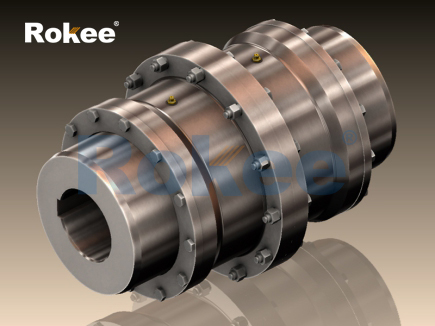
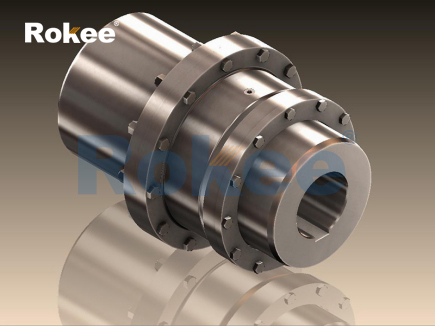
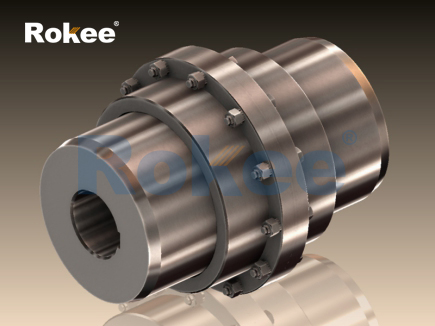
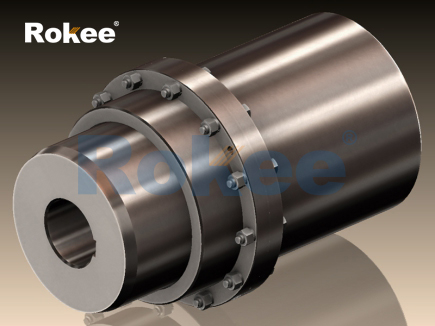
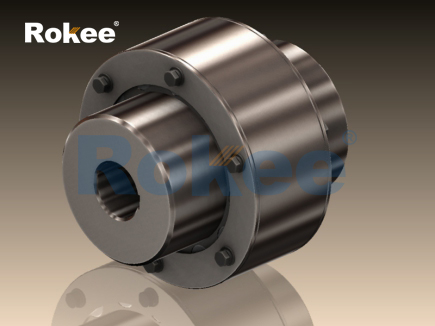
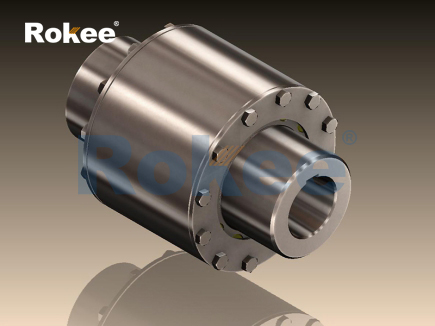
In modern mechanical transmission systems, coupling components serve as indispensable connecting units that link two rotating shafts to transmit torque and rotational motion. Among various coupling types, flexible gear couplings stand out for their exceptional load-bearing capacity, reliable misalignment compensation, and stable dynamic transmission performance. These mechanical components are widely deployed in heavy-duty industrial scenarios where continuous operation and high torque transmission are required, functioning as critical connecting parts between driving equipment and driven machinery. Unlike rigid couplings that lack deformation tolerance and elastic couplings with limited load capacity, flexible gear couplings achieve an optimal balance between structural rigidity and flexible adaptability, making them adaptable to complex working conditions involving shaft displacement, temperature variation, and mechanical vibration. A comprehensive understanding of the structural composition, inherent performance characteristics, mainstream classifications, and practical application ranges of flexible gear couplings is essential for mechanical design optimization, equipment maintenance, and industrial transmission system upgrading.

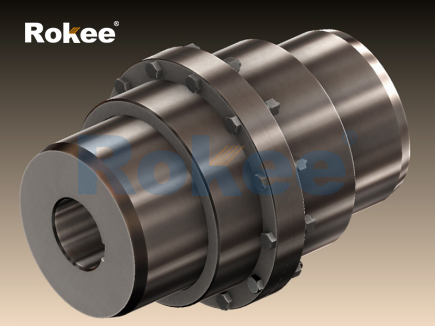
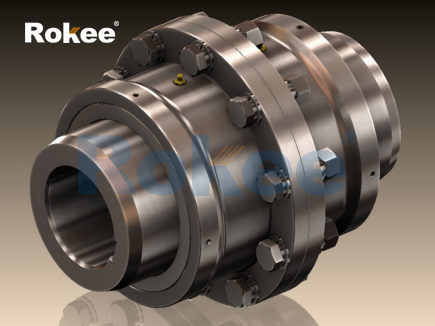
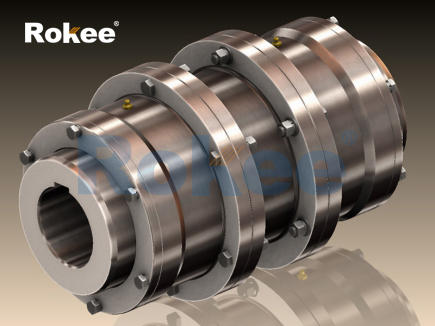
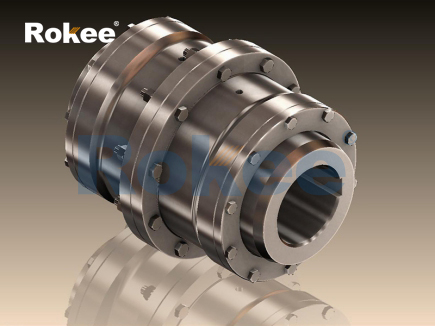
The basic structural composition of flexible gear couplings follows a compact and symmetrical mechanical design logic, mainly consisting of two flanged half-couplings with external gear teeth and an integral inner gear ring. The external gear teeth processed on the outer circumference of the half-couplings mesh tightly with the internal gear teeth inside the gear ring, forming the core torque transmission structure of the entire component. To enhance the flexible adaptability of the meshing part, the external gear teeth are usually processed into a crowned spherical shape through fine machining technology. This special tooth profile design eliminates the rigid contact limitation of straight gear teeth, allowing the tooth surface to produce slight elastic deformation and angle displacement during operation. In addition to the main meshing structure, flexible gear couplings are equipped with auxiliary sealing assemblies and lubrication storage structures. Sealing components made of wear-resistant elastic materials are installed at the connection gaps of the gear ring and half-couplings, which can effectively isolate external dust, moisture, and corrosive impurities from entering the internal meshing area. The closed inner cavity formed by the sealing structure can store lubricating media for a long time, ensuring continuous lubrication between meshing gear teeth. Some improved structural designs add limit buffer structures at the flange connection position to reduce axial impact force during frequent start-stop operations of equipment. All structural parts are made of high-strength alloy steel after forging and heat treatment, which optimizes the internal metal texture of the materials and improves the overall structural toughness and surface wear resistance of the coupling.
The unique structural endowment grants flexible gear couplings superior comprehensive performance that distinguishes them from other common coupling products. First of all, these couplings possess outstanding misalignment compensation capability, covering axial displacement, radial deviation, and angular deflection generated between two connected shafts. The crowned tooth profile enables the meshing gear pair to maintain stable contact under a deflection angle, and the tiny gaps reserved between gear teeth provide space for radial and axial displacement. This compensation performance effectively solves the shaft alignment deviation caused by installation errors, equipment operation vibration, and thermal expansion of metal parts during long-term mechanical operation, avoiding additional shear stress and bending stress concentrated on the shaft body. Secondly, flexible gear couplings exhibit excellent torque transmission efficiency and high load adaptability. The large-area meshing contact between internal and external gears reduces unit contact pressure, enabling the components to bear continuous heavy torque and instantaneous impact load without structural deformation. The reasonable gear tooth distribution design ensures uniform stress distribution during torque transmission, minimizing power loss in the transmission process and maintaining stable mechanical transmission efficiency. In terms of vibration reduction and noise suppression, the elastic deformation of gear teeth and the damping effect of internal lubricants can absorb part of the torsional vibration generated by mechanical operation, weaken high-frequency vibration transmission between equipment, and reduce meshing friction noise. Moreover, the integrated closed structure brings good environmental adaptability; the reliable sealing design enables the coupling to operate stably in dusty, humid, and low-temperature harsh working environments, with low wear rate of internal parts and long service cycle. Despite multiple performance advantages, flexible gear couplings have minor limitations, such as relatively larger axial dimension and higher manufacturing precision requirements compared with simple elastic couplings, which means they are more suitable for heavy-duty transmission scenarios rather than miniature high-precision motion equipment.
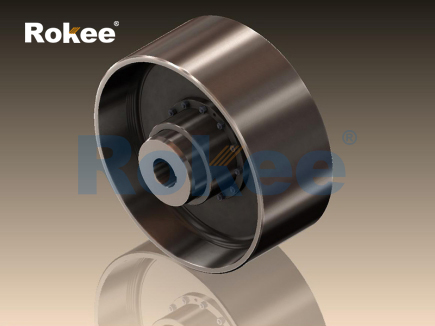
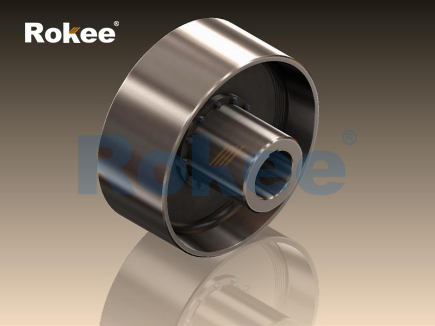
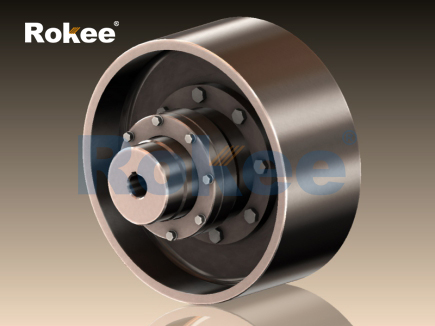
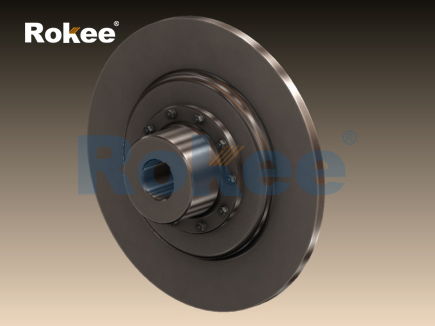
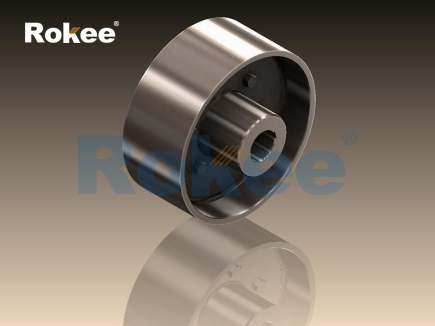
Based on structural differences, processing technologies, and functional characteristics, flexible gear couplings can be divided into several mainstream classification types to meet differentiated industrial usage demands. The most widely used type is the basic straight-flange flexible gear coupling, featuring a simple integral flange structure at the end of the half-coupling. This type has a compact overall structure, convenient assembly and disassembly processes, and stable basic transmission performance, making it suitable for conventional heavy-load transmission scenarios with low vibration intensity and small shaft displacement range. Another common category is the brake-type flexible gear coupling, which integrates a brake disc structure on the outer side of the half-coupling. This optimized structure combines torque transmission and braking functions into one component, eliminating the need for additional independent braking parts. It is mainly applied to lifting and handling machinery that requires frequent braking and position locking. The third type is the floating-shaft flexible gear coupling, which adds an intermediate floating shaft between two groups of meshing gear structures. This extended structural design greatly enhances the compensation ability for large radial deviation and long-distance shaft connection, adapting to mechanical equipment with large installation spacing between driving and driven shafts. In addition, there are high-speed optimized flexible gear couplings; these products adopt polished tooth surfaces and symmetric weight-reducing structures to reduce rotational inertia and running vibration, effectively suppressing centrifugal force generated during high-speed rotation and ensuring dynamic balance of the component. Different types of flexible gear couplings follow the same meshing transmission principle, and their classification differences are mainly reflected in auxiliary structures and adaptive performance parameters, realizing targeted matching with diverse working conditions.
The diverse structural types and excellent comprehensive performance enable flexible gear couplings to be applied in numerous industrial fields, covering heavy industry manufacturing, resource exploitation, public infrastructure, and material transportation. In the metallurgical industry, these couplings are installed on rolling mills, smelting mixing equipment, and metal forging machinery. The heavy-load resistance and vibration damping performance help the equipment maintain stable operation under high-temperature and strong-impact working conditions, reducing mechanical failure rates caused by torque fluctuation. In the mining industry, flexible gear couplings serve as connecting components for crushing machinery, screening equipment, and mining conveyor systems. Their good sealing performance and displacement compensation ability adapt to the harsh working environment with dense dust and uneven ground foundation, ensuring continuous transmission of mining power. In the field of hoisting and transportation machinery, brake-type and floating-shaft flexible gear couplings are widely used in cranes, stackers, and large belt conveyors. The reliable braking coordination and long-distance connection capability meet the operation requirements of heavy cargo handling and long-distance material transportation. Building material manufacturing industries such as cement and ceramic production also rely heavily on flexible gear couplings; rotary kilns, grinding mills, and mixing equipment need to bear continuous cyclic load, and the wear-resistant and fatigue-resistant characteristics of gear couplings effectively extend the service life of transmission components. Besides heavy industrial equipment, flexible gear couplings are also applied in large-scale water pump units, fan systems, and compressor equipment in petrochemical and urban infrastructure fields. These mechanical devices require long-term uninterrupted operation, and the low maintenance cost and stable transmission performance of flexible gear couplings reduce the downtime loss of industrial production.
In actual industrial application practices, the service life and operation stability of flexible gear couplings are closely related to installation accuracy and daily maintenance standards. During the installation process, it is necessary to control the coaxiality of the two connected shafts within a reasonable deviation range to avoid excessive initial displacement that increases meshing wear of gear teeth. The internal lubricating medium should be replaced regularly according to the operating frequency and ambient temperature; deteriorated lubricants will increase friction resistance between gear teeth, leading to tooth surface abrasion and transmission efficiency decline. Staff should regularly check the tightness of sealing parts and connecting fasteners to prevent lubricant leakage and external impurity infiltration. For equipment operating under high load and frequent variable speed conditions, regular vibration detection and torque parameter monitoring are required to judge the fatigue degree of internal gear structures and replace aging components in a timely manner. Standardized installation and scientific maintenance can give full play to the performance advantages of flexible gear couplings, reduce the comprehensive use cost of equipment, and improve the overall operation efficiency of mechanical transmission systems.
With the continuous upgrading of modern industrial manufacturing technology, the production process and structural design of flexible gear couplings are also undergoing iterative optimization. Advanced precision forging and numerical control machining technologies further improve the machining accuracy of gear tooth profiles, enhancing the meshing fit degree and displacement compensation flexibility. The application of new wear-resistant alloy materials increases the surface hardness and corrosion resistance of gear teeth, enabling couplings to adapt to more extreme working environments such as low temperature and chemical corrosion. At the same time, lightweight structural optimization design gradually reduces the self-weight of components while ensuring load-bearing performance, lowering the energy consumption of mechanical operation. As a core basic component in the transmission industry, flexible gear couplings will continue to be optimized in the direction of higher durability, lower energy consumption, and stronger environmental adaptability, providing more reliable technical support for the stable operation of various industrial mechanical equipment. In the future industrial system construction, flexible gear couplings will still occupy an irreplaceable position in the heavy-load transmission field, continuously releasing application value in diversified industrial scenarios.
pu sandwich panel line,pu sandwich panel machine,sandwich panel machine
« Flexible Gear Couplings » Latest Update Date: May 9, 2026
https://www.rokeecoupling.net/tags/flexible-gear-couplings.html