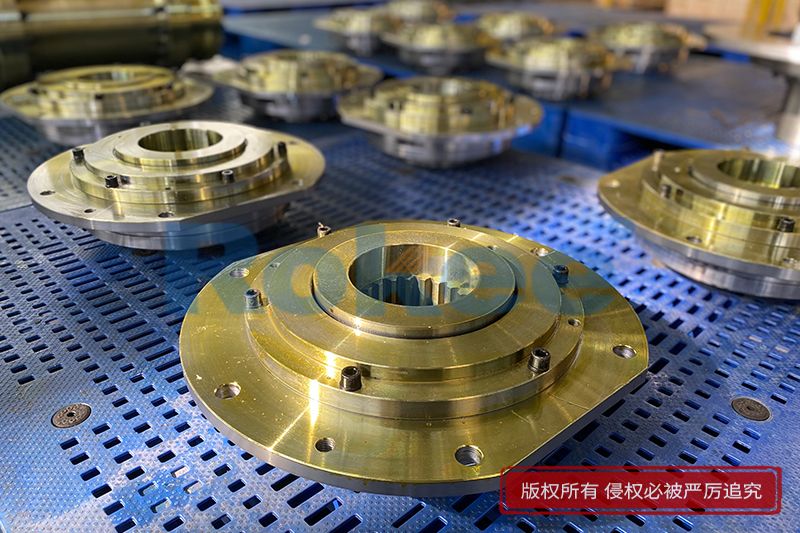
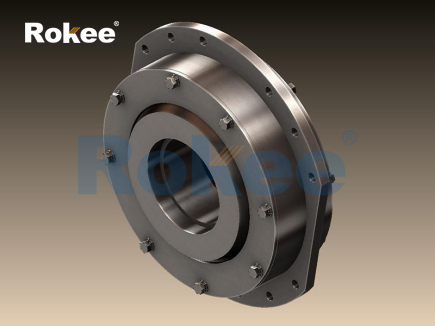
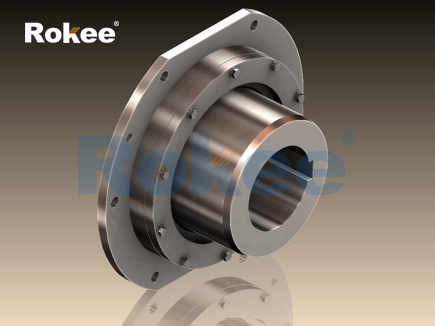
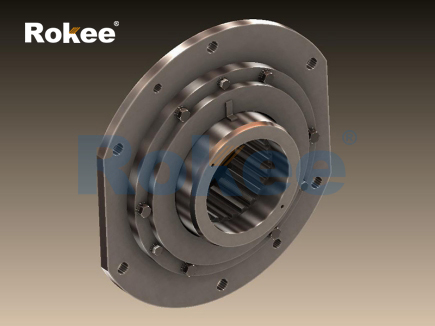
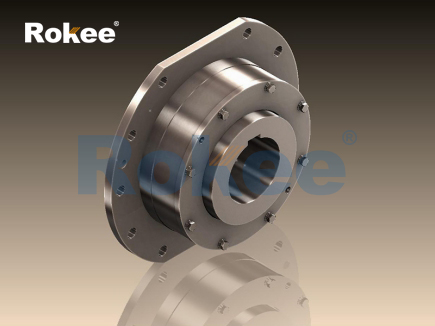
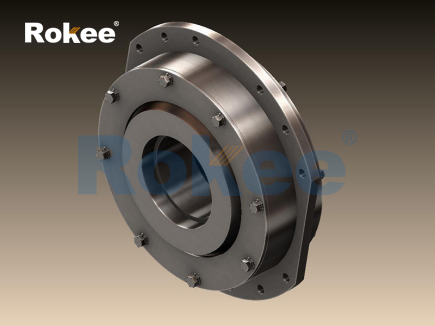
Barrel couplings are specialized mechanical components designed to connect two rotating shafts in industrial systems, facilitating the efficient transmission of torque while accommodating minor misalignments and absorbing vibrations. Unlike other types of couplings, their unique cylindrical structure—often featuring a sleeve-like barrel shape with integrated teeth or roller elements—makes them particularly suitable for applications that require high torque capacity, robustness, and reliable performance under demanding operating conditions. These couplings play an indispensable role in various industries, from heavy machinery and material handling to manufacturing and energy production, where the seamless transfer of rotational power is critical to operational efficiency and safety.
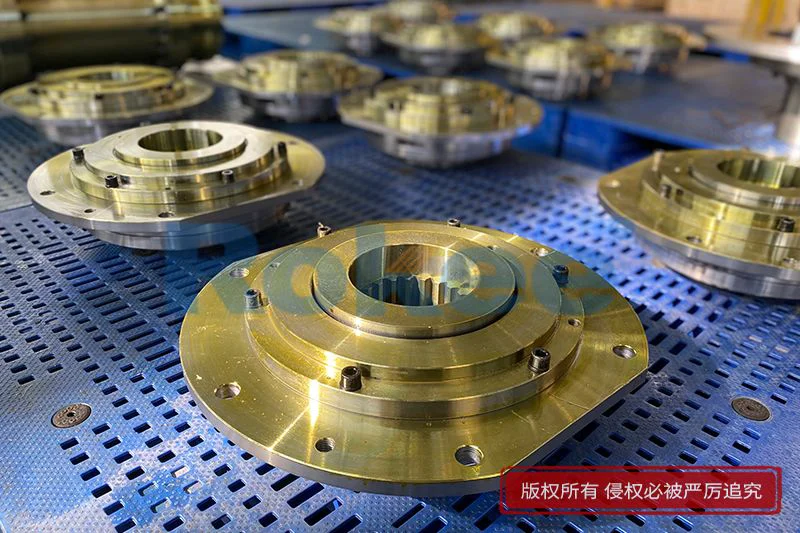
The fundamental design of a barrel coupling typically consists of two main components: a cylindrical sleeve (the “barrel”) and a hub, each with matching semi-circular toothing or cavities that house cylindrical roller elements. These rollers, usually made of hardened steel for enhanced durability and wear resistance, act as the primary torque-transmitting elements, transferring rotational force from one shaft to another through their contact with the toothed surfaces of the sleeve and hub. The curved profile of the rollers and the corresponding tooth design allow for a certain degree of angular and axial misalignment between the connected shafts, which is a common challenge in industrial installations due to structural deformation, thermal expansion, or mounting inaccuracies. This misalignment compensation capability is crucial because it reduces the stress on shafts, bearings, and other connected components, preventing premature wear and potential failure. Additionally, the enclosed structure of many barrel couplings protects the internal components from dust, debris, and environmental contaminants, ensuring consistent performance even in harsh working environments.
One of the key functional advantages of barrel couplings is their ability to transmit large amounts of torque while withstanding significant radial loads. This makes them ideal for heavy-duty applications where high power transfer is required, such as in crane lifting mechanisms, winches, and conveyor systems. In crane hoists, for example, barrel couplings are commonly used to connect the output shaft of the gearbox to the rope drum, a critical connection that must handle the substantial torque generated during lifting and lowering operations. Without a reliable coupling, the torque transfer would be inefficient, leading to slippage, component wear, or even catastrophic failure, which could result in damage to equipment or injury to personnel. The robust construction of barrel couplings, often using high-strength materials like alloy steel, enables them to withstand these extreme loads over extended periods, ensuring the safety and reliability of the entire system. Furthermore, their torsionally stiff design minimizes power loss during transmission, maximizing the efficiency of the equipment and reducing energy consumption.
Another important feature of barrel couplings is their ability to dampen vibrations and reduce noise, which is beneficial for both equipment performance and workplace safety. In rotating machinery, vibrations are often generated by imbalances, misalignments, or the operation of nearby equipment, and these vibrations can cause excessive wear on bearings, gears, and other components, as well as create a noisy working environment. Barrel couplings, particularly those with flexible elements or specialized roller designs, absorb and dissipate these vibrations, reducing their transmission to other parts of the system. This not only extends the service life of the equipment but also improves the comfort and safety of workers by minimizing noise levels. In precision manufacturing applications, where vibration control is critical to ensuring product quality, this feature is especially valuable, as it helps maintain the accuracy of machining operations and prevents defects in the final product.
The application of barrel couplings spans a wide range of industries, each with unique requirements that the couplings are well-suited to meet. In the material handling industry, which includes cranes, hoists, conveyors, and stackers, barrel couplings are essential components that enable the efficient movement of heavy loads. Cranes, in particular, rely heavily on barrel couplings to connect the gearbox to the rope drum, as this connection must handle the dynamic loads associated with lifting and moving large objects. The ability of barrel couplings to compensate for angular and axial misalignments is particularly important in crane systems, where the drum and gearbox may not be perfectly aligned due to structural flexing or thermal expansion during operation. Without this compensation, the shafts and bearings would be subjected to excessive stress, leading to premature failure and costly downtime. Similarly, in conveyor systems, barrel couplings are used to connect the drive motor to the conveyor belt, ensuring a smooth and consistent transfer of power that keeps the belt moving at a constant speed, even under varying load conditions.
The steel industry is another major user of barrel couplings, where they are employed in various heavy-duty applications such as rolling mills, continuous casters, and steel processing equipment. In rolling mills, for example, barrel couplings connect the drive motors to the rolls, transmitting the high torque required to shape and form steel into various products, such as sheets, bars, and pipes. The harsh operating environment of steel mills—characterized by high temperatures, dust, and heavy loads—demands couplings that are durable, heat-resistant, and capable of withstanding extreme conditions. Barrel couplings, with their robust construction and enclosed design, are well-equipped to meet these requirements, ensuring reliable performance even in the most challenging environments. Additionally, their ability to compensate for misalignments is crucial in rolling mills, where thermal expansion of the rolls and shafts can cause significant shifts in alignment during operation.
In the energy sector, barrel couplings play a vital role in both traditional and renewable energy applications. In conventional power plants, they are used in steam turbines, generators, and pumps, where they connect the rotating components and transmit high torque efficiently. The reliability of these couplings is critical to the continuous operation of power plants, as any downtime can result in significant energy loss and financial damage. Barrel couplings are also used in renewable energy systems, such as wind turbines and hydropower plants. In wind turbines, for example, they connect the gearbox to the generator, transmitting the torque generated by the turbine blades to the generator, where it is converted into electrical energy. The ability of barrel couplings to handle variable loads and compensate for misalignments is essential in wind turbines, which are often subjected to fluctuating wind speeds and environmental conditions. Similarly, in hydropower plants, barrel couplings are used to connect the water turbine to the generator, ensuring efficient power transmission even in wet and corrosive environments.
The marine industry also relies on barrel couplings for a variety of applications, including ship propulsion systems, winches, and deck machinery. Ship propulsion systems, in particular, require couplings that can transmit large amounts of torque while withstanding the harsh marine environment, which includes saltwater corrosion, high humidity, and extreme temperature variations. Barrel couplings, when constructed with corrosion-resistant materials and proper sealing, are able to withstand these conditions, ensuring reliable performance and long service life. They are used to connect the ship’s engine to the propeller shaft, transmitting the torque required to propel the ship through the water. Additionally, barrel couplings are used in shipboard winches and cranes, where they enable the efficient lifting and moving of heavy equipment and cargo.
In the manufacturing industry, barrel couplings are used in a wide range of equipment, including machine tools, pumps, compressors, and automated production lines. Machine tools, such as lathes, milling machines, and grinders, rely on barrel couplings to connect the drive motor to the spindle, ensuring precise and consistent rotation that is essential for achieving high-quality machining results. The ability of barrel couplings to dampen vibrations is particularly important in machine tools, as even minor vibrations can affect the accuracy of the machining process and lead to defects in the final product. Pumps and compressors, which are used in almost every manufacturing facility, also use barrel couplings to connect the motor to the impeller or rotor, ensuring efficient power transmission and reliable operation. In automated production lines, barrel couplings are used to connect various components, such as conveyors, robots, and processing machines, ensuring the smooth and coordinated operation of the entire system.
The performance and service life of barrel couplings are significantly influenced by proper installation, maintenance, and lubrication. During installation, it is essential to ensure that the shafts are aligned as accurately as possible, as excessive misalignment can place unnecessary stress on the coupling and connected components. While barrel couplings can compensate for minor misalignments, severe misalignment can lead to premature wear of the rollers and toothed surfaces, reducing the coupling’s torque capacity and service life. Proper lubrication is also critical, as it reduces friction between the rollers and the toothed surfaces, preventing wear and overheating. Most barrel couplings require regular lubrication with high-quality lubricants that are suitable for the operating conditions, such as high temperatures or heavy loads. Additionally, regular inspection of the coupling for signs of wear, such as worn rollers, damaged teeth, or leakage of lubricant, is essential to identify potential issues before they lead to failure. Many barrel couplings are equipped with wear indicators that allow for easy monitoring of the coupling’s condition without the need for disassembly, making maintenance more efficient and cost-effective.
Advancements in materials and manufacturing technologies have led to the development of improved barrel couplings that offer enhanced performance and durability. The use of high-strength alloy steels and advanced heat treatment processes has increased the torque capacity and wear resistance of barrel couplings, allowing them to handle even more demanding applications. Additionally, the integration of advanced sealing technologies has improved the protection of internal components from environmental contaminants, extending the service life of the couplings in harsh environments. The development of computer-aided design (CAD) and finite element analysis (FEA) tools has also enabled engineers to optimize the design of barrel couplings, ensuring that they are lightweight, compact, and efficient while maintaining their strength and reliability. These advancements have expanded the range of applications for barrel couplings, making them suitable for use in even more industries and operating conditions.
When selecting a barrel coupling for a specific application, several factors must be considered to ensure optimal performance. The torque capacity of the coupling must be sufficient to handle the maximum torque generated by the system, with a safety margin to account for unexpected load spikes. The misalignment compensation capability of the coupling should match the expected misalignment between the shafts, taking into account factors such as thermal expansion, structural flexing, and mounting inaccuracies. The operating environment is also an important consideration, as couplings used in harsh environments may require corrosion-resistant materials, specialized sealing, or heat-resistant designs. Additionally, the size and weight of the coupling should be compatible with the equipment, ensuring that it fits within the available space and does not add excessive weight to the system. By carefully considering these factors, industries can select the right barrel coupling for their application, ensuring reliable performance and long service life.
In conclusion, barrel couplings are essential mechanical components that play a critical role in the efficient and reliable operation of industrial systems across a wide range of industries. Their unique design, which combines high torque capacity, misalignment compensation, and vibration damping, makes them well-suited for heavy-duty applications where reliability and performance are paramount. From cranes and rolling mills to wind turbines and ship propulsion systems, barrel couplings enable the seamless transfer of rotational power, reducing downtime, improving efficiency, and ensuring safety. As manufacturing technologies continue to advance, barrel couplings are likely to become even more efficient, durable, and versatile, further expanding their applications and contributing to the advancement of industrial operations worldwide. By understanding the design principles, functional advantages, and maintenance requirements of barrel couplings, industries can maximize their performance and achieve long-term operational success.
- Tags:
- Barrel Couplings ,
- sandwich panel line ,
- sandwich panel machine
- pu sandwich panel machine
« Application of Barrel Couplings » Latest Update Date: May 9, 2026
https://www.rokeecoupling.net/blog/application-of-barrel-couplings.html