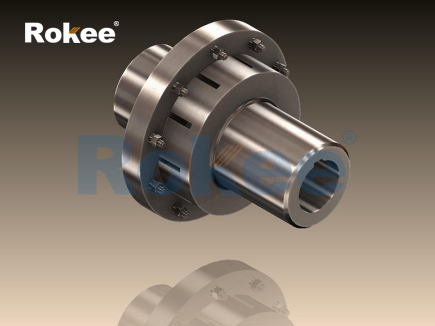
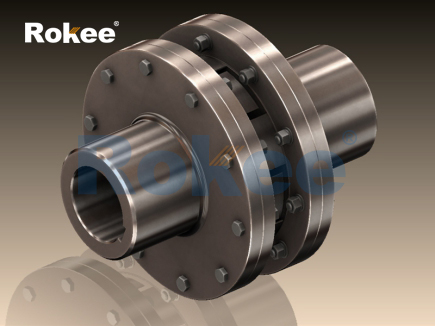
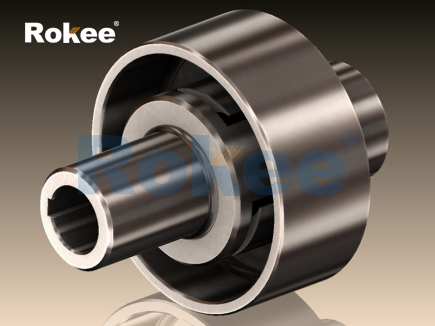
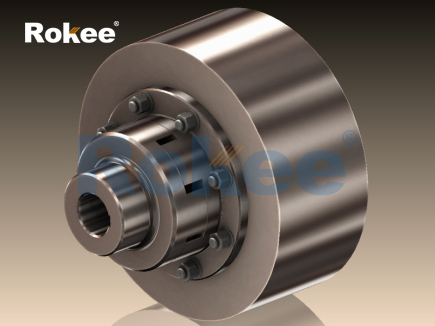
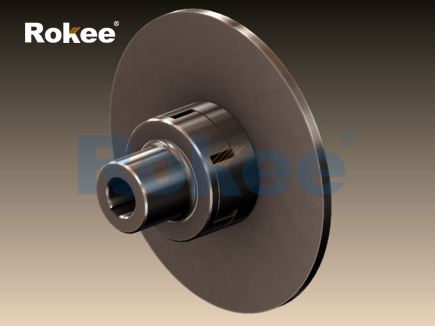
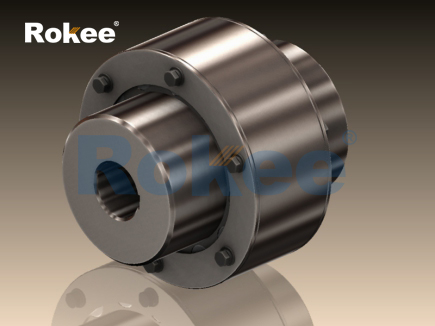
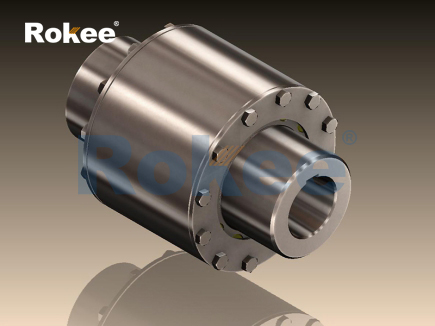
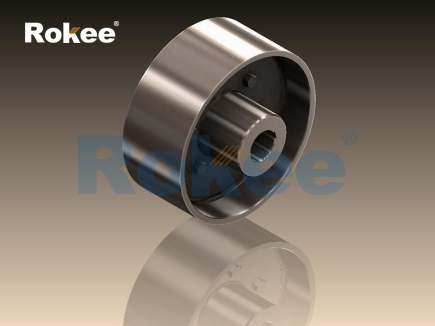
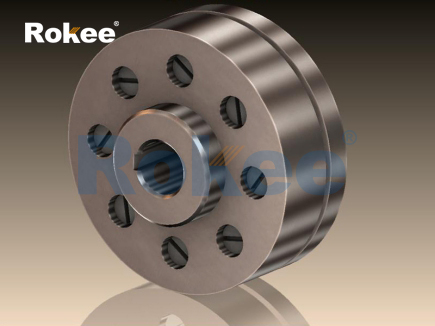
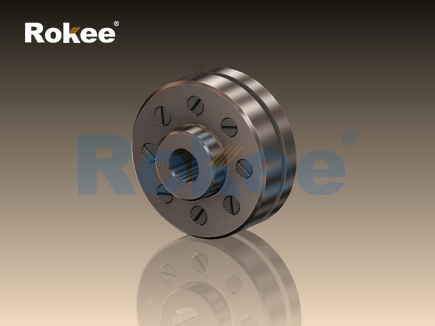
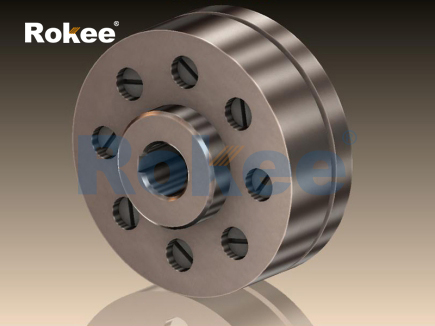
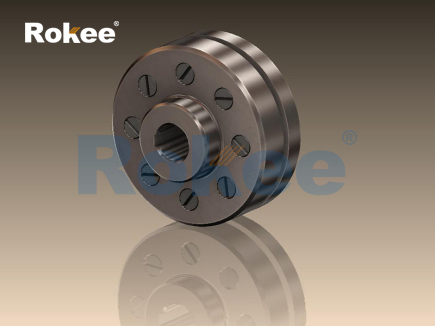
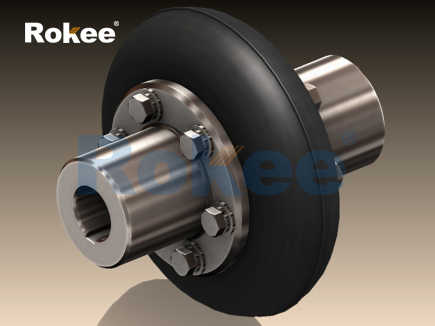
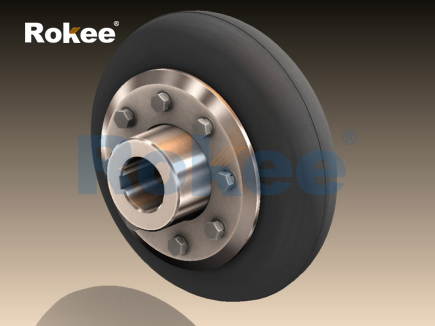
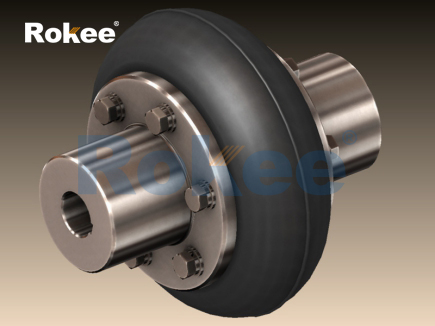
In modern mechanical transmission systems, the connection between rotating shafts serves as one of the most fundamental and indispensable structural links, and flexible couplings have emerged as a core transmission component owing to their unique adaptive mechanical properties. Unlike rigid coupling structures that pursue absolute shaft alignment and rigid torque transmission, flexible couplings rely on internal deformable structures to realize torque transfer while tolerating various minor deviations between connected shafts. These mechanical deviations commonly include axial displacement, radial offset and angular deflection generated during equipment installation, long-term operation and mechanical vibration. Throughout the entire mechanical operation cycle, flexible couplings continuously buffer vibration, reduce mechanical impact and compensate for shaft position errors, which effectively protects transmission equipment and extends the service life of mechanical assemblies. With the continuous upgrading of industrial manufacturing technology, flexible couplings have been optimized in structural design and material selection, deriving multiple types with differentiated performance characteristics to adapt to diverse working conditions in various industrial scenarios.

The basic structural composition of flexible couplings follows a standardized mechanical design logic, consisting of two primary shaft connecting hubs and intermediate flexible transmission components. The two hubs are firmly fixed on the driving shaft and driven shaft respectively through fastening structures, ensuring synchronous rotation of the coupling and the shafts. The intermediate flexible components are the core functional part of the coupling, undertaking torque transmission and deformation buffering tasks. Different from rigid connecting parts, these flexible components can produce controllable elastic or mechanical displacement deformation under external force, which is the key to realizing the compensation and vibration reduction functions of flexible couplings. Auxiliary structures such as limit fasteners and protective sleeves are added to partial coupling designs. The limit fasteners prevent structural separation under high-speed rotation and heavy load conditions, while the protective sleeves isolate external dust, moisture and corrosive substances to reduce the wear and aging rate of internal flexible components. The overall structural design abides by the principle of mechanical balance, and the symmetrical layout of internal parts effectively avoids additional centrifugal force during high-speed operation, maintaining the rotational stability of the transmission system.
The inherent performance advantages of flexible couplings determine their irreplaceable status in mechanical transmission systems, and their core performance indicators cover displacement compensation capability, vibration damping performance, torque transmission efficiency and environmental adaptability. Displacement compensation is the most intuitive basic performance of flexible couplings. Mechanical installation inevitably produces tiny alignment errors between two shafts, and thermal expansion and mechanical wear during equipment operation will further expand shaft displacement deviations. Flexible couplings absorb these deviations through the deformation of internal components, avoiding additional shear stress and friction stress on shafts, bearings and other precision parts. Vibration damping performance is another critical functional attribute. In intermittent operation, frequent start-stop and variable load working environments, mechanical impact and torsional vibration are inevitably generated. The flexible structures inside the coupling can consume vibration energy through elastic deformation, reduce vibration amplitude and isolate vibration transmission between adjacent mechanical structures, so as to stabilize the operating state of the equipment. In terms of torque transmission, qualified flexible couplings maintain high transmission efficiency within the rated load range, with negligible power loss during torque transfer. Additionally, excellent environmental adaptability enables flexible couplings to operate stably in variable temperature, humid and dusty industrial environments. Reasonable structural sealing and material selection reduce the impact of external environmental factors on transmission performance, ensuring continuous and reliable mechanical operation.
According to structural forms and deformation principles, flexible couplings can be scientifically classified into two major categories: flexible couplings with elastic elements and flexible couplings without elastic elements, and each category contains multiple refined types with distinct structural characteristics. Flexible couplings without elastic elements mainly rely on the relative mechanical displacement of rigid movable parts to realize displacement compensation, and their internal structures are composed of metal rigid moving parts without any elastic deformation materials. Gear couplings are a typical representative of this type, adopting an internal meshing tooth structure composed of outer tooth rings and inner tooth sleeves. The tooth surface adopts a special curved design to allow relative sliding and angular deflection between meshing teeth during operation, thereby compensating for shaft displacement. This structural design endows gear couplings with extremely high load-bearing capacity, enabling them to stably transmit large torque under heavy-load and low-speed working conditions. Another common non-elastic element flexible coupling is the universal joint coupling, which uses hinged connecting structures to realize angular displacement compensation within a large deflection range. The mutually hinged joint parts can flexibly adjust the transmission angle, adapting to the spatial staggered layout of two shafts, and this unique angular adaptability makes it widely used in transmission occasions with complex shaft arrangement.
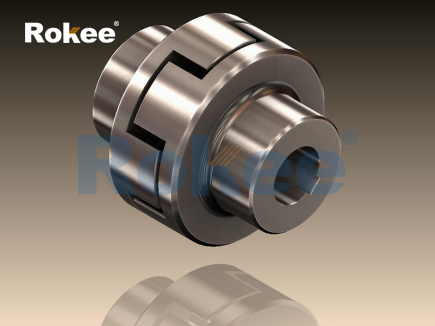
Flexible couplings with elastic elements are more widely applied in the industrial field, and their performance differences mainly depend on the material characteristics and structural forms of internal elastic components. According to elastic materials, this type of coupling can be subdivided into metal elastic element couplings and non-metal elastic element couplings. Non-metal elastic element couplings usually use polymer materials such as rubber and polyurethane as deformation components, featuring simple structure and good vibration absorption effect. Sleeve pin couplings belong to this subtype, which connects two shaft hubs through flexible rubber sleeves and metal pins. The rubber sleeves produce elastic deformation to buffer vibration and compensate for minor displacement, with low manufacturing cost and convenient assembly and disassembly. They are suitable for medium and light load transmission scenarios with frequent start-stop operation. Star-shaped elastic couplings also adopt non-metal elastic structures, and the star-shaped elastic pads clamped between two hubs achieve uniform force distribution through special geometric shapes. This structure has excellent shock absorption performance and low noise during operation, which is applicable to precision transmission equipment requiring stable operation.
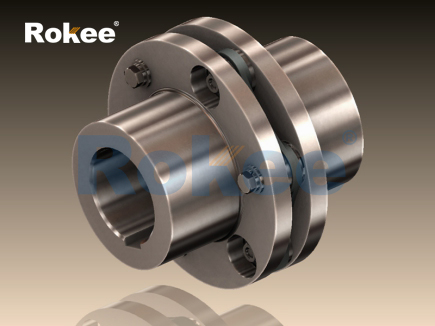
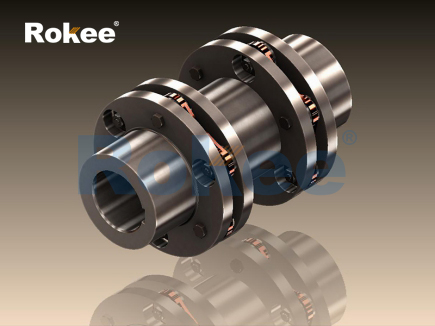
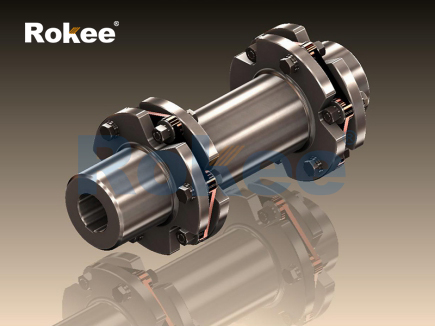
Metal elastic element couplings take metal elastic parts such as metal springs and thin-walled metal tubes as the deformation medium, possessing higher structural strength and temperature resistance compared with non-metal couplings. Diaphragm couplings are a high-performance metal elastic coupling, which uses stacked metal diaphragms to realize elastic deformation. The thin metal diaphragms can generate tiny bending deformation to compensate for axial, radial and angular displacements. With compact structure and high transmission accuracy, diaphragm couplings will not produce material aging and deformation failure caused by temperature changes, so they are suitable for high-speed and high-precision mechanical transmission systems. Spring couplings belong to another typical metal elastic coupling, relying on spiral metal springs to connect rotating parts. The spring structure has strong deformation recovery capability, which can withstand severe mechanical impact and cyclic load, maintaining stable transmission performance in harsh working conditions with large load fluctuation.
Different types of flexible couplings have differentiated application scenarios due to their unique structural performance, covering multiple industrial fields such as mechanical manufacturing, transportation, energy production and automated production. In heavy industrial equipment such as metallurgical machinery, mining machinery and large conveying equipment, gear couplings are the preferred connecting components. These devices usually operate under heavy load and low speed conditions, and the high-strength meshing tooth structure of gear couplings can bear huge instantaneous torque and mechanical impact. Their excellent displacement compensation capability also adapts to the shaft position deviation caused by long-term heavy-load operation of large equipment, reducing the failure rate of transmission structures. Universal joint couplings are extensively used in special transmission occasions with variable shaft angles, such as engineering machinery and vehicle transmission systems. The flexible hinged structure can adapt to the angle change generated by mechanical vibration and position movement, ensuring continuous torque transmission even when the relative position of driving and driven shafts changes dynamically.
In precision processing equipment, automated production lines and light industrial machinery, non-metal elastic element couplings occupy a dominant position. The low hardness elastic materials can effectively absorb high-frequency vibration generated by high-speed operation of precision equipment, avoiding vibration interference with processing accuracy. Their smooth and stable operation characteristics reduce mechanical noise, meeting the environmental requirements of automated production workshops. For small and medium-sized transmission equipment such as fans, water pumps and general reducers, sleeve pin couplings are widely used by virtue of their simple structure and low maintenance difficulty. These common industrial equipment often works continuously for a long time, and the easy disassembly and replacement of elastic accessories greatly reduce the daily maintenance cost of the equipment. In high-end precision transmission fields such as aerospace equipment and precision instrument manufacturing, diaphragm couplings become the core choice. The metal diaphragm structure has no material creep and aging problems, with high motion synchronization accuracy, which can maintain accurate torque transmission and angle control under high-speed and ultra-low temperature working conditions.
In addition to industrial application classification, the service performance of flexible couplings in actual operation is also affected by external working conditions and installation techniques. The installation coaxiality directly determines the initial stress state of the coupling. Excessive installation deviation will increase the deformation amplitude of elastic components, accelerating material fatigue and shortening service life. Operating temperature also has an obvious impact on performance: non-metal elastic couplings are prone to aging and hardening in high-temperature environments, while low temperature will reduce their elasticity; metal elastic couplings have a wider temperature adaptation range, suitable for extreme temperature working environments. The cleanliness of the operating environment cannot be ignored either. Long-term erosion of corrosive substances such as chemical gases and liquids will damage the surface structure of couplings, so sealed protective structures need to be equipped in corrosive working environments to isolate external pollutants.
With the continuous progress of industrial intelligence and high-precision manufacturing technology, the optimization direction of flexible couplings is gradually leaning towards lightweight structure, intelligent wear resistance and extreme environmental adaptability. On the premise of ensuring mechanical strength, modern optimized couplings reduce unnecessary structural accessories to realize lightweight design, which effectively lowers the centrifugal force generated during high-speed rotation and improves transmission stability. In terms of material innovation, new composite elastic materials and high-strength alloy materials are continuously applied to coupling manufacturing, balancing the advantages of vibration damping performance and structural durability. Meanwhile, with the expansion of industrial application boundaries, flexible couplings used in deep sea, high altitude and extreme temperature environments are being further optimized in sealing performance and corrosion resistance to adapt to harsher working conditions.
As an indispensable connecting component in mechanical transmission systems, flexible couplings connect separated rotating shafts into an integrated transmission structure. Their diverse structural types and differentiated performance characteristics meet the transmission demands of different loads, speeds and working environments. From heavy industrial heavy-load transmission to precision equipment micro-torque transmission, flexible couplings always play the roles of displacement compensation, vibration damping and impact resistance. In the future, driven by material science and mechanical optimization design technology, flexible couplings will achieve further breakthroughs in transmission accuracy, service life and environmental adaptability, providing more reliable basic component support for the upgrading and iteration of modern mechanical engineering systems.
pu sandwich panel line,pu sandwich panel machine,sandwich panel machine
« Flexible Couplings » Latest Update Date: May 8, 2026
https://www.rokeecoupling.net/tags/flexible-couplings.html