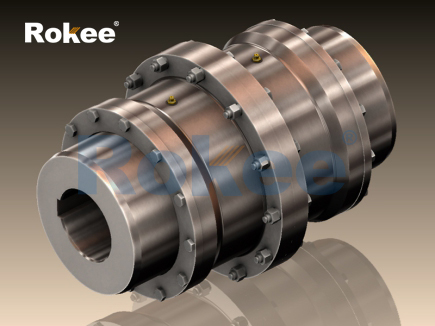
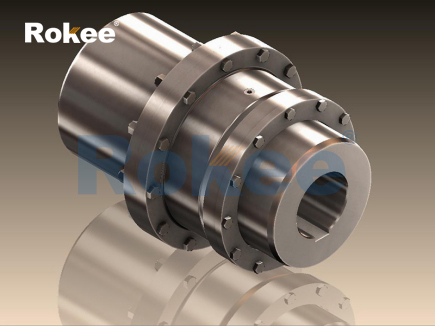
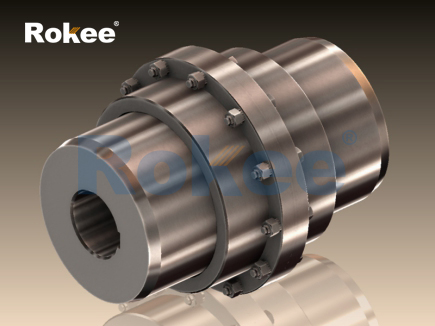
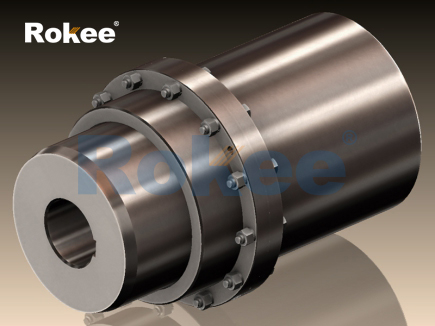
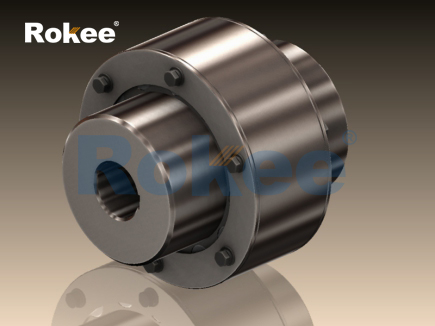
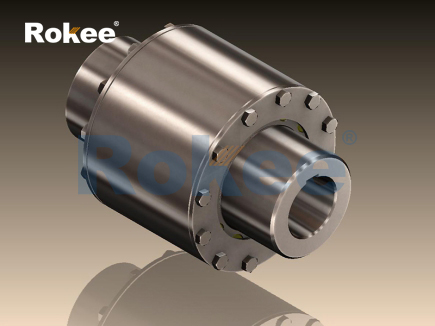
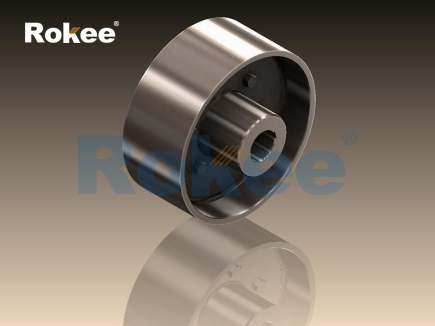
In modern mechanical transmission systems, the connection between rotating shafts serves as a fundamental guarantee for stable power transmission, and various coupling devices have been developed to adapt to diverse operating conditions. As a rigid flexible coupling with outstanding load-bearing capacity and displacement compensation capability, geared coupling has become an indispensable core component in heavy-duty mechanical equipment. It relies on the meshing engagement between internal and external gear teeth to transmit torque, combining the high rigidity of rigid couplings and the adaptive adjustment performance of flexible couplings. Compared with other common coupling types such as diaphragm couplings and pin bush couplings, geared couplings exhibit superior performance in heavy-load operation, axial deviation adaptation and long-term continuous service. This paper conducts an in-depth analysis of the structural composition, intrinsic performance characteristics, mainstream classification forms and broad application scenarios of geared couplings, aiming to elaborate on the mechanical logic and application value of this transmission component in industrial mechanical systems.
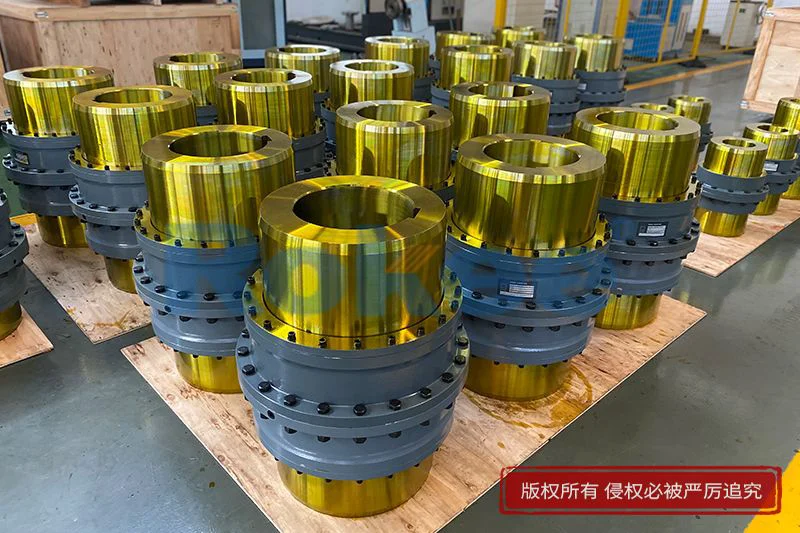
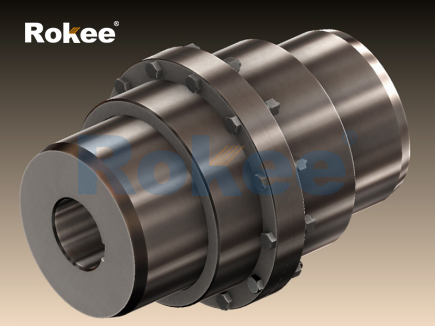
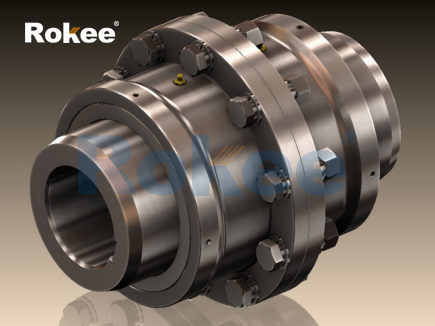
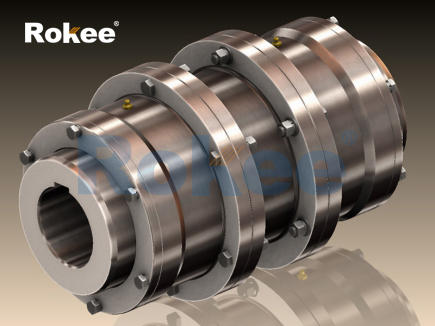
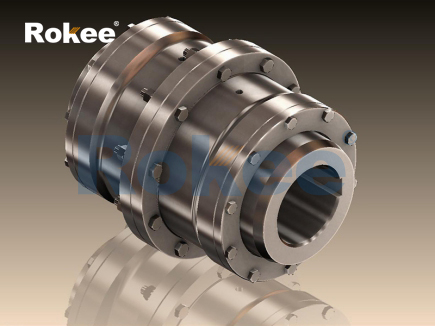
The basic structural composition of geared couplings follows a mature and concise mechanical design logic, and the overall structure is mainly composed of outer gear halves, inner gear sleeves and fastening connecting components. The outer gear halves are the core force-bearing parts connected with the transmission shaft, and the outer circumference of each half coupling is processed with precision external gear teeth. The inner gear sleeve is equipped with complete internal gear teeth on the inner wall, which forms a meshing pair with the external gear teeth of the two outer gear halves. In the assembly state, the two outer gear halves are respectively fixed on the driving shaft and the driven shaft, and the intermediate inner gear sleeve wraps the meshing part of the gear teeth to realize synchronous rotation and torque transmission between the shafts. Most gear teeth of conventional geared couplings adopt a modified tooth profile, and the crowned tooth structure is widely applied in optimized designs. The curved tooth surface can disperse local contact pressure during meshing, effectively avoiding stress concentration at the tooth edge caused by shaft misalignment. In terms of auxiliary structures, sealing elements are installed at the joints of gear sleeves and half couplings to isolate external dust, moisture and corrosive media, while the internal cavity is filled with lubricating grease to reduce friction and wear between meshing tooth surfaces. Fastening bolts and positioning rings are used to fix the relative positions of all components, ensuring no radial or axial displacement during high-speed rotation. The overall structural design abides by the principle of mechanical integration, with compact spatial layout and high structural rigidity, which lays a solid physical foundation for stable torque transmission.
The unique structural design endows geared couplings with distinct and excellent performance attributes, covering mechanical transmission efficiency, displacement compensation, load resistance and environmental adaptability. First of all, this type of coupling has extremely high transmission efficiency. The gear meshing mode realizes surface contact force transmission, with small relative sliding friction between tooth surfaces and low mechanical energy loss. Under rated operating conditions, the power transmission efficiency can remain at an extremely high level, and the efficient transmission state is still maintained even under long-term continuous operation. Secondly, the displacement compensation capability is one of the core advantages of geared couplings. Limited by processing accuracy, installation errors and mechanical operation vibration, parallel deviation, angular deviation and axial displacement are inevitable between two connected transmission shafts. The reasonable tooth side clearance and flexible meshing space of gear teeth allow the coupling to adapt to multiple forms of shaft misalignment. The crowned tooth profile further expands the range of angular deviation compensation, avoiding additional bending stress on the shaft caused by rigid connection. In terms of load resistance, geared couplings are made of high-strength alloy steel materials after carburizing, quenching and precision grinding. The hardened tooth surface has high hardness and compressive strength, which can withstand continuous heavy load and instantaneous impact load. Even under fluctuating torque conditions, the gear meshing structure can maintain stable force transmission without tooth skipping or separation. In addition, the overall structure has good vibration damping and noise reduction effects. The lubricating medium inside the coupling can absorb part of the vibration energy generated by shaft operation, and the smooth meshing of modified gear teeth reduces meshing noise. Its durable metal structure also has excellent temperature resistance and corrosion resistance, enabling normal operation in high-temperature, dusty and moderately corrosive working environments. Despite the prominent advantages, geared couplings also have inherent performance limitations. The complex tooth processing technology leads to higher manufacturing precision requirements, and the rigid meshing structure cannot absorb excessive violent impact vibration. Meanwhile, regular lubricant replacement and sealing component inspection are required in daily maintenance to prevent gear abrasion and lubricant deterioration.
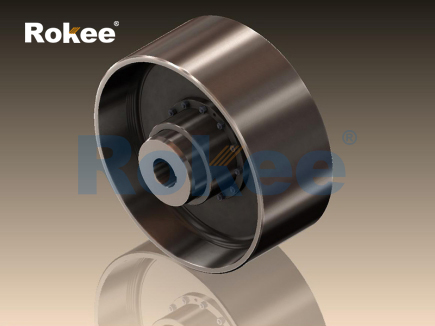
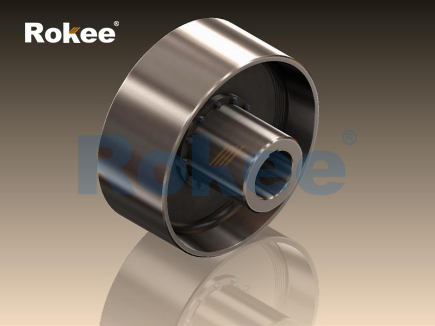
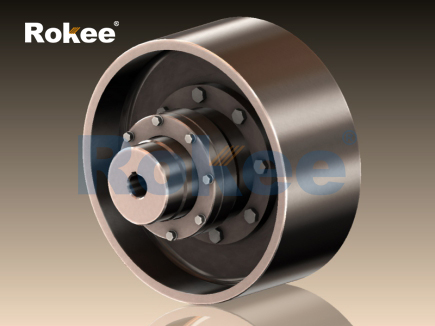
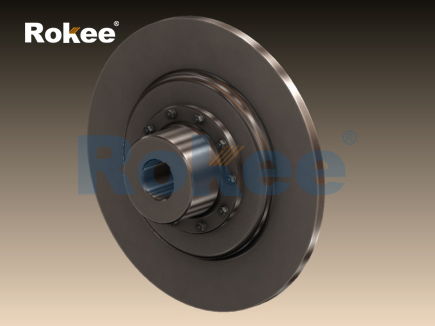
According to structural differences, connection forms and functional characteristics, geared couplings can be divided into multiple mainstream categories, each with unique structural improvements and applicable working condition ranges. The most common classification is straight tooth geared coupling and crowned tooth geared coupling based on tooth profile shape. Straight tooth geared couplings adopt standard straight tooth processing, with simple manufacturing process and low processing difficulty. The tooth surface contact area is concentrated in the middle part, which is suitable for low-speed and medium-load transmission occasions with small shaft deviation. Crowned tooth geared couplings optimize the external gear teeth into a spherical curved structure, which increases the contact area during meshing. This structure can evenly distribute contact stress, effectively reduce tooth surface wear, and greatly improve the allowable range of angular deviation, making it suitable for high-speed and heavy-load mechanical systems. Classified by external connection structure, flange type geared couplings and intermediate shaft type geared couplings are widely used in industry. Flange type geared couplings integrate the flange structure with the outer gear half coupling, and the bolt fastening method is adopted for assembly. The positioning accuracy is high, the disassembly and assembly process is convenient, and the structural stability is strong during operation. Intermediate shaft type geared couplings add an intermediate transmission shaft between the two half couplings, which is suitable for long-distance shaft connection. The extended structural design can adapt to larger axial spacing and offset deviation between shafts, and is commonly used in long-distance transmission equipment such as conveyor machinery. In addition, special functional geared couplings include brake wheel type and clamping type. Brake wheel type geared couplings integrate the brake wheel structure on the outer side of the half coupling, which can cooperate with the braking system to realize rapid equipment braking. This composite structure saves installation space and is mostly applied in lifting and metallurgical machinery that require frequent start-stop and braking actions. Clamping geared couplings abandon the traditional key connection mode and adopt an integral clamping structure to fix the shaft body. The uniform shrinkage force ensures no gap between the coupling and the shaft, achieving high-precision coaxial transmission without rotation backlash, which meets the precision transmission requirements of high-precision mechanical equipment.
With the combination of diverse structural types and superior comprehensive performance, geared couplings have been widely applied in numerous industrial fields, covering heavy industry manufacturing, transportation machinery, energy power and other core industrial sectors. In the metallurgical industry, rolling mills, smelting mixers and other equipment need to operate continuously under high temperature and heavy load. The strong torque resistance and temperature adaptability of geared couplings can cope with the harsh working environment of metallurgical production, maintaining stable power transmission between driving motors and rolling rollers. In the mining industry, mining crushers, ore conveyors and tunneling machinery often bear irregular impact loads during operation. The impact resistance and displacement compensation performance of geared couplings can buffer the vibration generated by mineral crushing and transportation, protecting the transmission shaft and bearing components from fatigue damage. The lifting and transportation industry is also a major application scenario of geared couplings. Crane equipment needs to complete heavy object lifting and displacement actions, and the stable meshing structure of geared couplings can avoid torque interruption during lifting. Intermediate shaft type geared couplings are commonly used in long-distance belt conveyors to realize synchronous transmission of multi-section transmission shafts and improve the overall transportation efficiency. In the field of energy and power, large-scale fans, water pumps and generator sets have high requirements for transmission stability. High-precision crowned tooth geared couplings can reduce shaft vibration and transmission noise, ensuring the long-term stable operation of power equipment. In addition, geared couplings are also applied in heavy-duty machine tools, chemical mixing equipment and marine transmission machinery. For mechanical equipment that runs continuously for a long time and bears complex loads, geared couplings can effectively reduce the failure rate of transmission components and extend the overall service life of mechanical equipment.
In the actual industrial application process, the reasonable selection and standardized maintenance of geared couplings are crucial to give full play to their structural performance advantages. When selecting a coupling type, it is necessary to comprehensively judge according to the actual operating parameters of the equipment, including transmission torque magnitude, rotating speed range, shaft offset degree and environmental conditions. Heavy-load and low-speed equipment can prioritize straight tooth structures with simple and durable performance, while high-speed and high-precision transmission equipment needs to adopt crowned tooth optimized structures. For mechanical equipment requiring braking functions, composite brake wheel type geared couplings should be selected to simplify the mechanical layout. In terms of daily maintenance, the sealing state of the coupling must be checked regularly to prevent external impurities from entering the meshing gap and causing tooth surface abrasion. The internal lubricating grease should be replaced periodically according to the operating frequency to ensure the lubrication effect of the meshing pair. During equipment shutdown maintenance, the meshing wear degree of gear teeth should be inspected, and worn parts should be replaced in a timely manner to avoid transmission failure caused by excessive tooth surface loss. At the same time, the fastening bolts should be regularly tightened to prevent component loosening caused by long-term vibration, ensuring the structural integrity and operation stability of the coupling.
As a mature and efficient mechanical transmission component, geared couplings perfectly balance structural simplicity, mechanical performance and application diversity. Its compact tooth meshing structure realizes high-efficiency torque transmission, the modified tooth profile design endows it with excellent multi-directional displacement compensation capability, and diversified classification types meet the differentiated usage needs of different industrial equipment. From heavy metallurgical and mining machinery to conventional energy transportation equipment, geared couplings always maintain stable working performance in complex and harsh industrial environments. With the continuous progress of mechanical processing technology, the tooth profile optimization, material upgrading and structural composite design of geared couplings are still being improved. In the future, geared couplings will develop towards higher precision, stronger wear resistance and more compact composite structure, continuously adapting to the upgrading needs of modern industrial mechanical transmission systems. In the field of mechanical transmission research and industrial production, in-depth understanding of the structural characteristics, performance advantages and application scope of geared couplings is conducive to optimizing the selection scheme of transmission components, reducing equipment operation failure rate, and providing reliable technical support for the stable and efficient operation of industrial mechanical systems.
pu sandwich panel line,pu sandwich panel machine,sandwich panel machine
« Geared Couplings » Latest Update Date: May 9, 2026
https://www.rokeecoupling.net/tags/geared-couplings.html