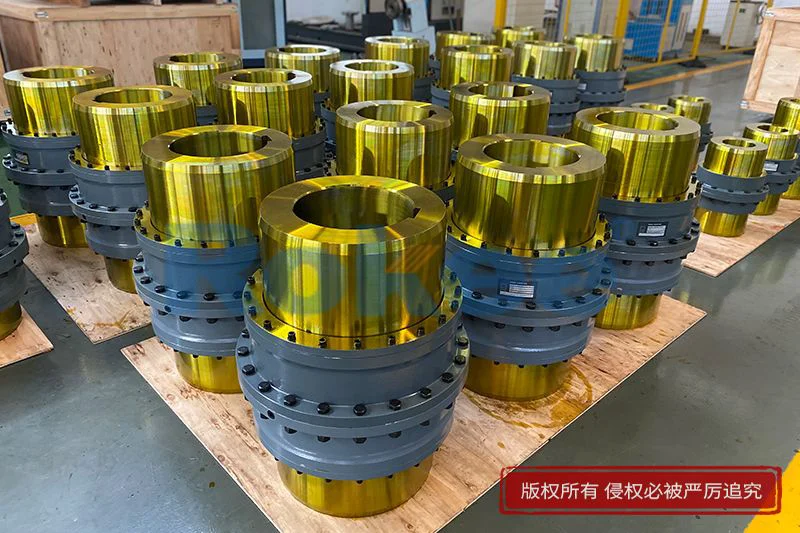
JS Grid Flex Coupling
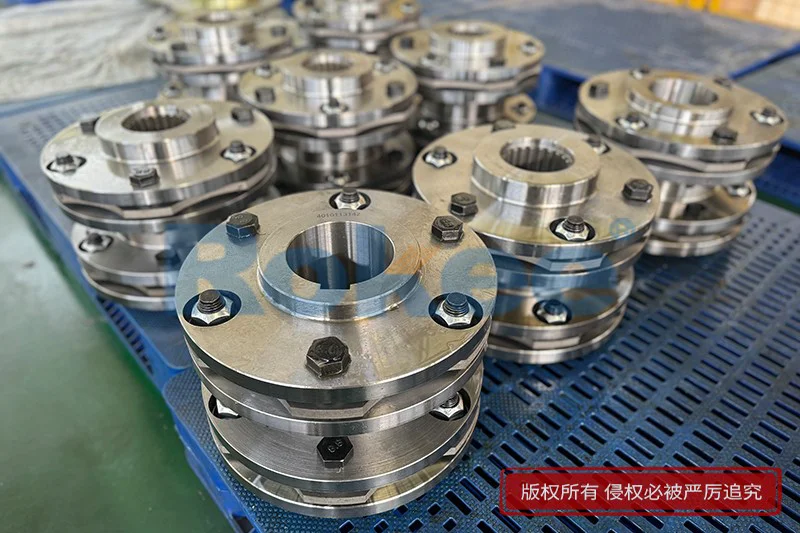
Rokee is a well-known JS Grid Flex Coupling supplier from china, the page show cases of JS Grid Flex Coupling, provide customized services based on user's drawings, and supporting exports.
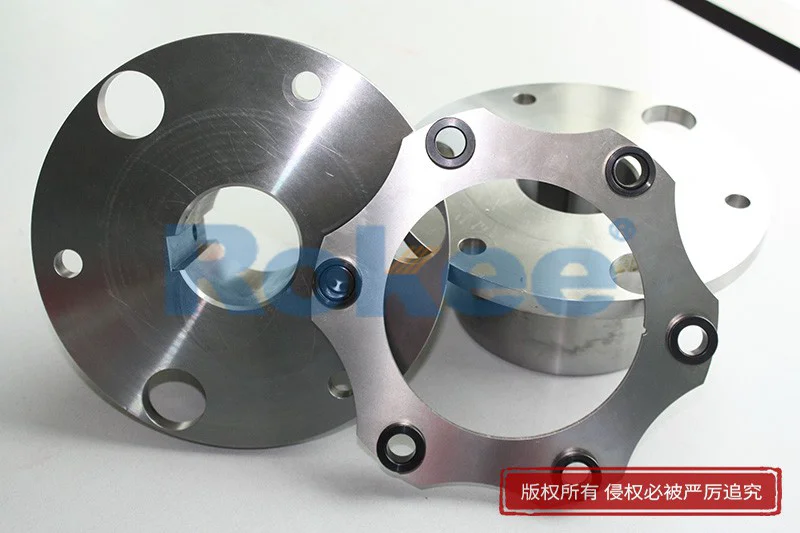
JS Grid Flex Coupling stands as a pivotal mechanical transmission component in modern industrial power transmission systems, distinguished by its unique structural configuration that merges rigid torque transmission capabilities with flexible compensatory properties, filling the gap between fully rigid couplings and highly flexible elastomeric couplings. At its core, this coupling relies on a precision-engineered serpentine grid spring as the central flexible element, paired with two robust hubs that feature specially machined radial grooves to securely house and engage with the grid spring, along with a protective outer cover that seals the internal assembly to safeguard against environmental contaminants and retain lubrication.

Unlike conventional flexible couplings that rely on rubber, polyurethane, or other non-metallic flexible components, the JS Grid Flex Coupling utilizes high-strength alloy steel for its grid spring, forged and heat-treated to optimize tensile strength, fatigue resistance, and elastic recovery, creating a durable load-bearing interface that transfers torque evenly across the entire contact surface between the grid and hub grooves. This fundamental structural design eliminates the common failure points associated with non-metallic flexible elements, such as rapid wear, temperature-induced degradation, and premature cracking under cyclic loading, while still delivering the flexibility needed to accommodate minor shaft misalignments that are unavoidable in real-world industrial installations due to manufacturing tolerances, foundation settling, thermal expansion and contraction, and dynamic operational shifts. The structural mechanics of the JS Grid Flex Coupling operate on a principle of distributed elastic deformation: when torque is applied from the driving shaft to the driving hub, the rotational force is transferred to the serpentine grid spring, which flexes incrementally along its length to distribute stress uniformly across multiple contact points with the hub grooves, rather than concentrating force on a single area. This even stress distribution not only maximizes torque transmission efficiency but also absorbs sudden shock loads and dampens torsional vibrations that would otherwise propagate through the drivetrain, damaging connected equipment such as motors, gearboxes, pumps, and driven machinery. The hub components are typically constructed from high-grade cast iron or forged alloy steel, selected for their high rigidity, wear resistance, and ability to maintain dimensional stability under heavy loads and prolonged operation; the inner bore of each hub is precision machined to match the diameter of the connected shafts, ensuring a tight, secure fit that prevents slippage during torque transfer, while the outer groove profile is engineered to match the curvature of the grid spring for optimal engagement and minimal friction during flexing. The protective cover, often a lightweight yet durable metal or rigid polymer enclosure, serves dual purposes: it prevents dust, moisture, debris, and corrosive substances from infiltrating the grid spring and hub interface, which would accelerate wear and compromise performance, and it contains the lubricant required to reduce friction between the grid and grooves, extending the service life of the entire assembly and maintaining consistent operational performance over time. This integrated structural setup results in a coupling that balances strength, flexibility, and durability, making it suitable for a wide spectrum of industrial applications where reliable power transmission and equipment protection are non-negotiable.
In terms of performance characteristics, the JS Grid Flex Coupling exhibits a unique set of traits that set it apart from other coupling types, with performance variations driven primarily by structural modifications, material specifications, and dimensional proportions, allowing it to adapt to diverse operational demands. One of the defining performance features is its exceptional torque transmission capacity, with the ability to handle both steady continuous torque and intermittent peak overloads without permanent deformation or failure, thanks to the high tensile strength of the alloy steel grid spring and the robust hub construction. Unlike flexible couplings with non-metallic elements that have limited overload tolerance, the JS Grid Flex Coupling can withstand short-term torque surges that exceed rated levels, a critical advantage in applications with frequent start-stop cycles, sudden load changes, or high-inertia drivetrains. Equally important is its misalignment compensation capability, which encompasses angular, radial, and axial misalignment simultaneously; standard configurations can accommodate moderate angular deflection, small radial offset, and limited axial movement without imposing excessive stress on shaft bearings or seals, reducing the need for ultra-precise alignment during installation and minimizing wear caused by dynamic misalignment during operation. This compensatory flexibility is not achieved at the cost of transmission efficiency, as the metal-on-metal contact between the grid spring and hub grooves results in extremely high mechanical efficiency, with minimal energy loss due to friction or flexure, making it an energy-efficient choice for continuous-duty industrial systems. Vibration damping and shock absorption represent another core performance strength: the serpentine grid spring acts as a natural vibration isolator, absorbing torsional vibrations generated by reciprocating machinery, pulsating loads, or unbalanced rotating components, reducing noise levels and preventing vibration-related damage to sensitive drivetrain parts. Additionally, the coupling demonstrates strong environmental adaptability, maintaining stable performance across a wide range of operating temperatures, resisting corrosion in mildly harsh environments (with enhanced material options for more severe conditions), and withstanding the wear and tear of heavy industrial operation. Longevity and low maintenance requirements further enhance its performance value; the durable alloy steel grid spring has a significantly longer service life than non-metallic flexible elements, and maintenance tasks are limited to periodic lubrication checks and visual inspections for wear or loose fasteners, with no need for frequent replacement of core components. It is important to note that performance can be tailored through design adjustments: for example, increasing the thickness and density of the grid spring boosts torque capacity and rigidity, while modifying the groove profile and grid curvature enhances misalignment tolerance and flexibility, allowing manufacturers to fine-tune the coupling to meet specific application needs without altering the core structural concept.
The JS Grid Flex Coupling is categorized into distinct types based on structural variations, mounting configurations, and functional specializations, each engineered to address specific operational constraints, space limitations, and performance requirements, ensuring compatibility with a vast array of industrial drivetrain setups. The most common classification is based on hub design and assembly style, starting with the standard integrated hub type, which features solid, one-piece hubs designed for direct, permanent mounting on smooth shafts; this type offers maximum rigidity and torque transmission capacity, ideal for heavy-duty, continuous-operation applications where space is sufficient and frequent disassembly is not required. Next is the split hub type, which features hubs that are divided into two separable halves along the radial axis, allowing for easy installation and removal without disturbing the connected shafts, motors, or machinery; this design significantly reduces maintenance downtime, as the grid spring can be replaced or inspected without disassembling the entire drivetrain, making it perfect for applications with limited access or where quick maintenance is critical. Another key variant is the flanged mounting type, equipped with integrated flanges on the hubs for direct bolt-on connection to flanged shafts or equipment interfaces, eliminating the need for additional mounting hardware and ensuring a secure, stable connection in high-torque, high-vibration applications. There is also the compact, short-overhang type, designed with a reduced axial length to fit into confined installation spaces where standard couplings cannot be accommodated, sacrificing minimal torque capacity for space efficiency, making it suitable for compact machinery, small-scale industrial equipment, and retrofitting existing systems with limited clearance. For vertical shaft installations, a specialized anti-displacement type is available, featuring additional retaining mechanisms to prevent the grid spring from shifting or dislodging due to gravitational force during vertical operation, ensuring consistent engagement and reliable performance in vertical drivetrains such as vertical pumps, elevators, and overhead conveyor systems. Additionally, variants are differentiated by grid spring specifications: standard grid springs for general-purpose use, heavy-duty reinforced grid springs for extreme torque and shock load applications, and corrosion-resistant grid springs with protective coatings or specialized alloy compositions for use in humid, chemical-exposed, or marine environments. Each type retains the core serpentine grid spring and grooved hub structure but modifies specific components to optimize performance for its intended use case, ensuring that there is a JS Grid Flex Coupling variant suitable for nearly every industrial power transmission scenario, from light-duty precision equipment to heavy-duty mining and manufacturing machinery.
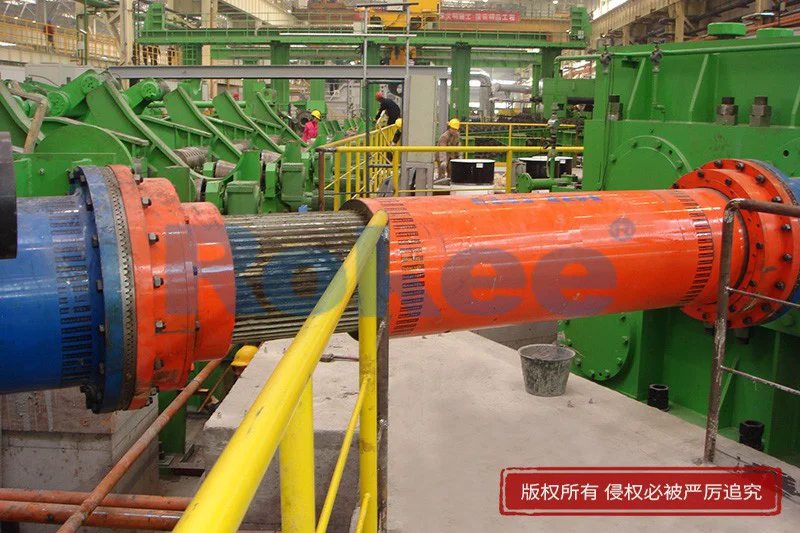
The versatility of the JS Grid Flex Coupling, combined with its balanced performance and durable construction, makes it a widely adopted component across countless industrial sectors, with applications spanning heavy industry, manufacturing, energy production, marine engineering, mining, and general mechanical equipment. In heavy industrial manufacturing, particularly in steel production, metalworking, and rolling mill operations, it is extensively used to connect motors, gearboxes, and rolling equipment, where it transmits high torque reliably, absorbs the extreme shock loads generated by metal forming processes, and compensates for misalignment caused by the heavy structural movement of large machinery. In the mining and quarrying industry, it is a staple in crushers, grinders, conveyor systems, and material handling equipment, enduring the harsh operating conditions of dust, vibration, and continuous heavy loads, while protecting drivetrain components from the impact of abrasive material processing. The energy sector relies heavily on this coupling for both conventional and renewable power generation equipment, including generators, turbines, water pumps, fans, and compressors in thermal power plants, hydroelectric facilities, and wind energy systems; its high efficiency and vibration damping properties ensure stable power output, reduce maintenance needs in remote or hard-to-access power generation sites, and withstand the cyclic loads associated with power generation equipment. In marine and offshore engineering, the corrosion-resistant variants of the JS Grid Flex Coupling are used in ship propulsion systems, offshore drilling equipment, and marine pumping systems, where they resist saltwater corrosion, absorb the dynamic loads caused by wave motion and hull flexing, and maintain reliable performance in the harsh marine environment. For fluid handling applications, including centrifugal pumps, positive displacement pumps, blowers, and compressors in water treatment, chemical processing, and oil and gas facilities, the coupling provides a smooth, vibration-free connection between motors and pump shafts, reducing wear on pump seals and bearings, minimizing noise, and ensuring consistent fluid flow even under variable load conditions. In general manufacturing and assembly lines, it is used in conveyor systems, mixers, agitators, printing machinery, and textile equipment, where its flexibility accommodates minor misalignment in long assembly lines, its low maintenance design supports continuous production, and its shock absorption capabilities protect delicate manufacturing components from damage during start-stop operation. It also finds widespread use in transportation and material handling equipment, such as cranes, hoists, and winches, where it handles frequent reversing, high-inertia loads, and sudden torque changes without failure, ensuring safe and reliable operation of lifting and moving equipment. Beyond these core sectors, the JS Grid Flex Coupling is utilized in agricultural machinery, construction equipment, and various specialized industrial machines, highlighting its universal adaptability. The key reason for its broad industrial adoption is its ability to deliver a unique balance of performance attributes: it offers the rigidity and torque capacity needed for heavy-duty operations, the flexibility to compensate for real-world misalignment, the durability to withstand harsh conditions, and the practicality of low maintenance, making it a cost-effective and reliable solution for power transmission challenges across diverse industrial landscapes.
As industrial technology continues to evolve and operational demands become more stringent, the JS Grid Flex Coupling remains a relevant and essential component, with ongoing design refinements focused on enhancing material performance, optimizing structural geometry, and expanding its application potential. Advances in alloy steel metallurgy and heat treatment processes have led to grid springs with even higher fatigue resistance and load-bearing capacity, allowing the coupling to handle more extreme torque and vibration levels without increasing size or weight. Precision machining improvements have refined the hub groove and grid spring profiles, reducing friction further, boosting transmission efficiency, and enhancing misalignment compensation capabilities. Additionally, customized design options have become more prevalent, allowing for tailored couplings that meet specific dimensional, performance, and environmental requirements for unique industrial applications. Unlike specialized couplings that are limited to narrow use cases, the JS Grid Flex Coupling’s core structural design remains adaptable, ensuring that it can evolve alongside industrial advancements while retaining its core advantages of reliability, durability, and versatility. Its enduring popularity stems from its ability to solve common power transmission problems—misalignment, vibration, shock loads, and equipment wear—without compromising on performance or longevity, making it an indispensable part of modern industrial drivetrains. Whether used in heavy industrial machinery, precision manufacturing equipment, or critical power generation systems, the JS Grid Flex Coupling continues to deliver consistent, efficient performance, protecting valuable industrial equipment, reducing downtime and maintenance costs, and supporting the smooth and reliable operation of industrial processes worldwide.
With excellent quality, we have been continuously providing many coupling products of various categories and uses complying with multiple standards and a full range of services, from the product selection to final installation and operation, for the industry fields of ferrous metallurgy, nuclear power, gas turbine, wind power, ropeway construction, lifting transportation, general equipment, etc.
pu sandwich panel line,pu sandwich panel machine,sandwich panel machine
« JS Grid Flex Coupling » Update Date: 2026/3/25
https://www.rokeecoupling.net/cases/js-grid-flex-coupling.html
Other Cases
![Stainless Steel Laminated Coupling]() Stainless Steel Laminated Coupling
Stainless Steel Laminated Coupling![Precision Servo Steel Plate Coupling]() Precision Servo Steel Plate Coupling
Precision Servo Steel Plate Coupling![Large Non-standard Drum Gear Coupling]() Large Non-standard Drum Gear Coupling
Large Non-standard Drum Gear Coupling![Large Drum Tooth Shaft For Steel Reeling Machine]() Large Drum Tooth Shaft For Steel Reeling Machine
Large Drum Tooth Shaft For Steel Reeling Machine![Gear Type Coupling With Brake Disc]() Gear Type Coupling With Brake Disc
Gear Type Coupling With Brake Disc![LX Pin Flexible Coupling]() LX Pin Flexible Coupling
LX Pin Flexible Coupling![RODA Curved Tooth Gear Coupling]() RODA Curved Tooth Gear Coupling
RODA Curved Tooth Gear Coupling![Ship Side-thrust Spindle]() Ship Side-thrust Spindle
Ship Side-thrust Spindle![RLARD Shim Pack Coupling With Double Axis Sleeve]() RLARD Shim Pack Coupling With Double Axis Sleeve
RLARD Shim Pack Coupling With Double Axis Sleeve![GIICL Curved Tooth Gear Coupling]() GIICL Curved Tooth Gear Coupling
GIICL Curved Tooth Gear Coupling