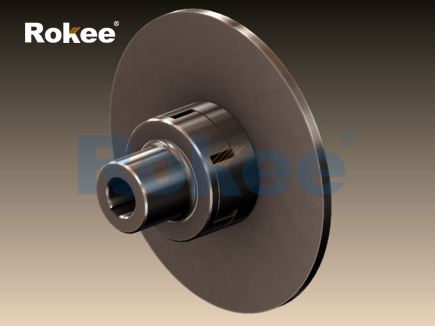
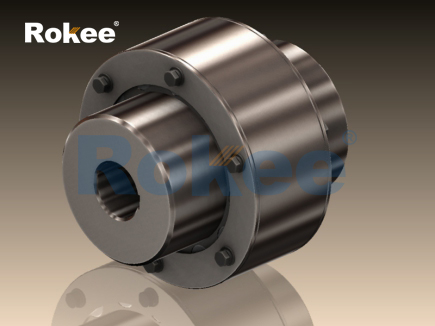
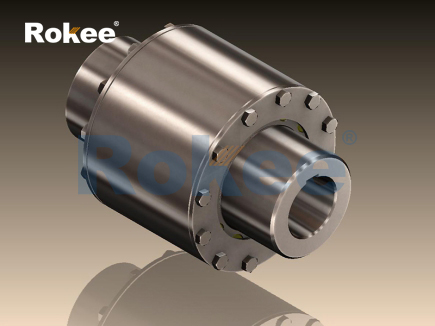
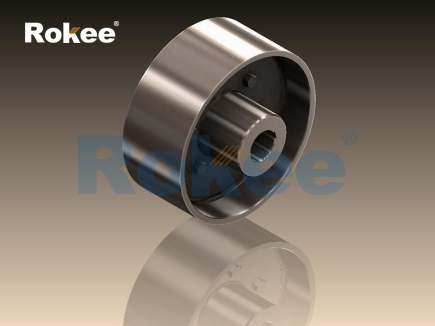
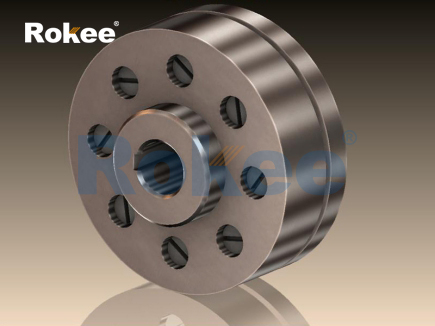
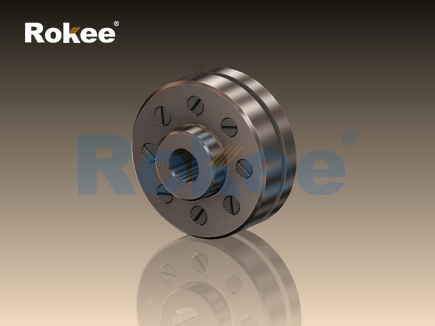
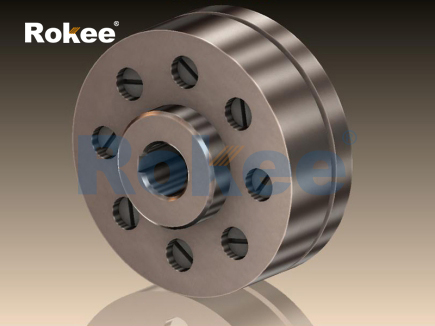
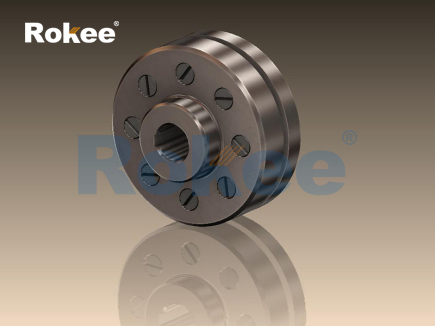
In modern mechanical transmission systems, the connection between rotating shafts serves as a fundamental guarantee for stable power transmission and coordinated operation of mechanical components. As an indispensable connecting component in transmission machinery, elastic couplings have gradually become a core part of industrial transmission structures by virtue of their unique deformation characteristics and adaptive working performance. Unlike rigid coupling structures that pursue absolute connection rigidity, elastic couplings rely on the elastic deformation of internal flexible components to complete torque transmission, which can effectively buffer the mechanical vibration generated during equipment operation and compensate for various installation deviations between connected shafts. This unique working mechanism enables elastic couplings to adapt to complex and changeable industrial operating environments, covering low-speed heavy-load transmission scenarios and high-precision high-speed mechanical operation conditions. With the continuous upgrading of industrial manufacturing technology, the structural design of elastic couplings has been continuously optimized, and the performance differentiation among various types has become increasingly obvious, forming a complete product system that meets diverse industrial transmission demands.
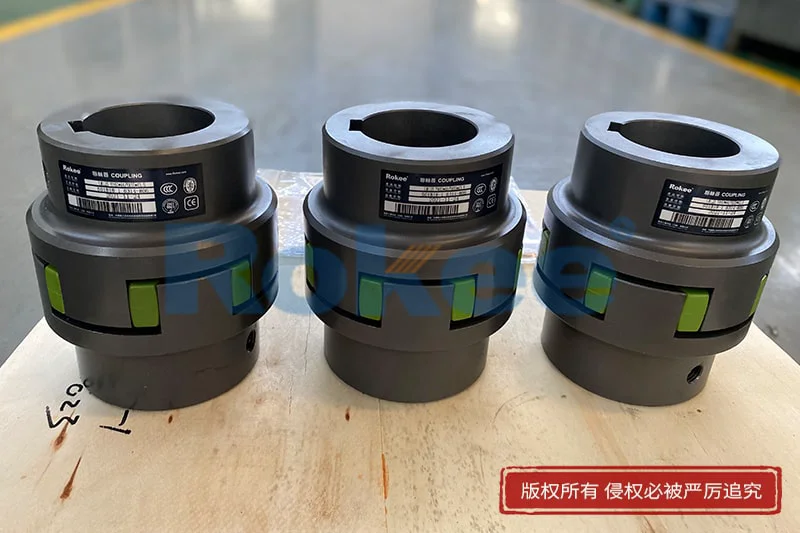
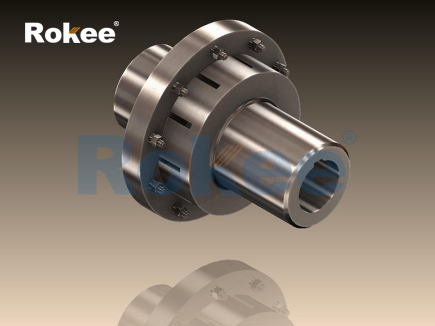
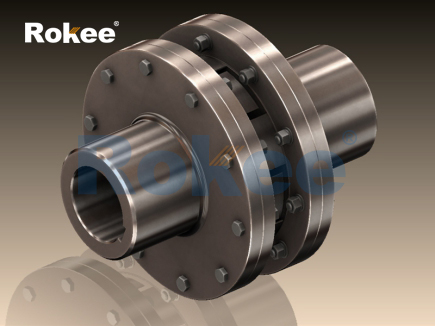
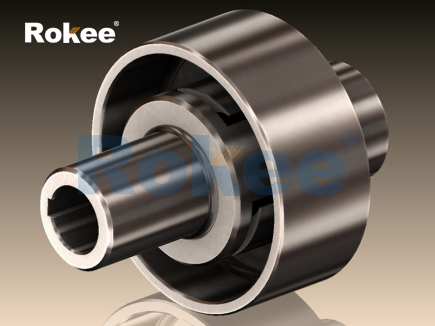
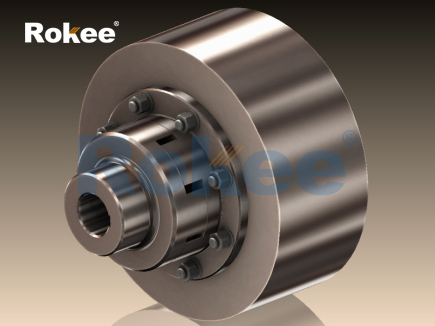
The basic structural composition of elastic couplings follows a standardized mechanical design logic, mainly including two rigid shaft sleeves and intermediate elastic connecting components. The two shaft sleeves are respectively fixed on the driving shaft and the driven shaft to realize the physical connection between the coupling and the transmission shaft. The intermediate elastic components are clamped and fixed between the two shaft sleeves, which are the core functional units to realize elastic deformation and energy absorption. In the overall structure, the rigid shaft sleeves are usually made of high-strength metal materials with excellent rigidity and wear resistance, which can bear the torque load generated during long-term mechanical operation and avoid structural deformation under conventional working pressure. The elastic components are made of diverse materials, including polymer elastic materials such as rubber and polyurethane, as well as metal elastic parts such as metal springs and thin elastic sheets. Different material selections directly determine the deformation limit, fatigue resistance and environmental adaptability of the coupling. There is no rigid fixed connection between the internal components of the elastic coupling, and a reasonable assembly gap is reserved according to the mechanical operation requirements. This structural design provides a deformation space for the elastic components, so that the coupling can produce tiny displacement changes when encountering axial, radial and angular deviations of the transmission shaft, thereby realizing flexible connection transmission.
From the perspective of mechanical working performance, elastic couplings have four core performance characteristics that distinguish them from other transmission coupling components. The first is vibration damping and noise reduction performance. In the continuous rotating operation of mechanical equipment, the friction and collision between internal moving parts will generate periodic vibration, and the instantaneous start and stop of the equipment will also produce obvious impact force. The elastic components inside the coupling can convert the mechanical vibration energy and impact energy into elastic potential energy through self-deformation, and gradually consume the energy in the deformation recovery process, so as to weaken the vibration amplitude of the transmission shaft and reduce the mechanical noise generated by rigid friction between components. The second is deviation compensation performance. Affected by installation accuracy, equipment aging and thermal expansion during operation, the connected transmission shafts often have tiny misalignment deviations, including axial spacing deviation, radial dislocation deviation and angular inclination deviation. The flexible structure of elastic couplings can adapt to these deviations within a certain range, avoid additional shear stress and torsional stress caused by shaft body misalignment, and protect the shaft body and bearing parts from abnormal wear. The third is stable torque transmission performance. Under the condition of continuous operation, the elastic coupling can maintain a stable torque transmission state, and the elastic deformation of the intermediate component can smooth the torque fluctuation generated by uneven power output, ensure the uniform rotation speed of the driven shaft, and improve the overall operation stability of the mechanical system. The fourth is fatigue resistance and service life performance. Through the optimization of material formula and structural layout, modern elastic couplings can withstand repeated cyclic deformation, maintain stable physical properties under long-term alternating load, and reduce the frequency of component replacement in industrial continuous production scenarios.
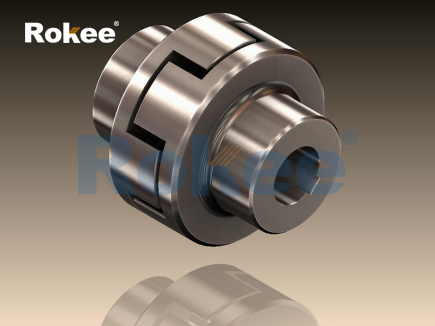
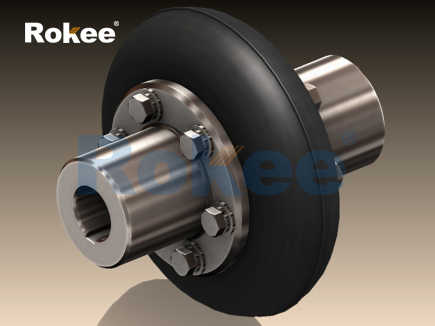
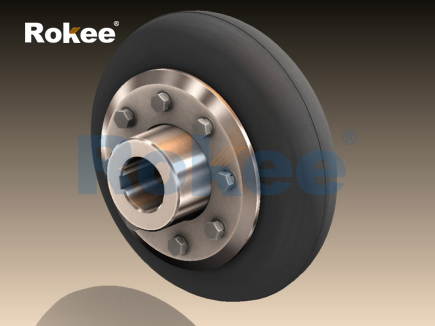
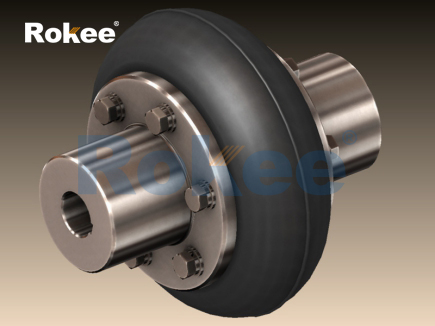
According to structural differences and elastic deformation forms, elastic couplings can be divided into two major categories: non-metallic elastic element couplings and metal elastic element couplings, and each category contains multiple refined structural types with differentiated performance. Non-metallic elastic element couplings use polymer materials as the core deformation components, featuring simple structure, low manufacturing cost and good damping effect. Among them, the plum blossom type elastic coupling is one of the most widely used types. Its internal elastic component is a plum-blossom-shaped elastic block with a multi-arc structure, which is clamped between the convex teeth of two metal shaft sleeves. This structure can realize multi-directional tiny deviation compensation, and the elastic block has strong vibration absorption capacity. It is suitable for medium and low torque transmission scenarios with frequent start and stop. The tire type elastic coupling adopts an integral annular elastic rubber structure, which is connected with the metal flanges at both ends through a bonding and pressing process. The ultra-high deformation flexibility of the rubber ring enables it to adapt to large-angle shaft misalignment, and it has excellent buffering performance for strong impact load. This type of coupling is mostly used in heavy-duty transportation machinery and mining mechanical equipment with harsh working conditions. In addition, the star type elastic coupling has a compact integrated structure, with star-shaped elastic parts embedded in the gap between the two shaft sleeves. It has small radial size and high transmission sensitivity, and is suitable for miniature precision transmission equipment with limited installation space.
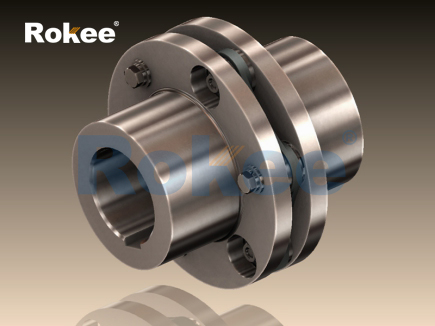
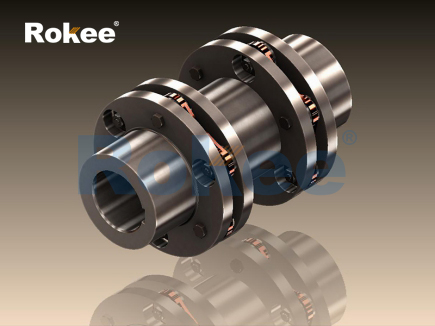
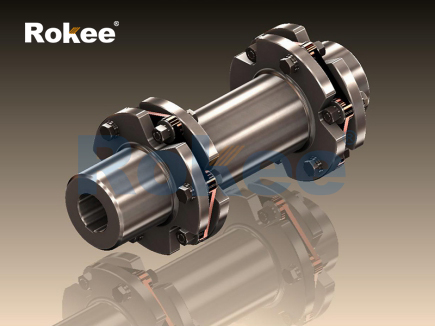
Metal elastic element couplings take metal elastic parts as the deformation carrier, which have higher structural strength, temperature resistance and fatigue resistance compared with non-metallic couplings. The diaphragm type elastic coupling is a typical representative of this category. It uses multiple thin metal elastic sheets stacked together as the intermediate connecting part. The metal diaphragm realizes torque transmission through tiny torsional deformation, and there is no gap in the transmission process. It can maintain high-precision rotation synchronization under high-speed operation. This coupling has no sliding friction during operation, low wear degree and stable long-term operation performance, so it is widely used in high-speed precision processing equipment and automated production lines. The spring type elastic coupling is composed of multiple spiral metal springs arranged in a circumferential direction. The springs are fixed between the two flanges to bear torque through tensile and compressive deformation. It has strong overload resistance and can bear instantaneous peak torque. It is suitable for heavy industrial equipment such as metallurgical rolling machinery and large conveyor equipment. The bellows type elastic coupling adopts an integral metal bellows structure. The continuous wave-shaped structure of the bellows can realize multi-dimensional flexible deformation. It has extremely high rotation accuracy and zero backlash transmission characteristics, and is mostly applied in high-end precision transmission fields such as instrument manufacturing and aerospace auxiliary mechanical structures.
Different types of elastic couplings have clear application boundaries in industrial scenarios due to their differentiated structural performance. In the field of light industrial manufacturing and civilian mechanical equipment, simple non-metallic elastic couplings are the mainstream choice. For example, in food processing machinery, textile machinery and packaging automation equipment, plum blossom type and star type elastic couplings are used to match medium and low power transmission motors. These couplings can buffer the vibration generated by high-frequency start and stop, reduce the wear of precision parts inside light industrial equipment, and ensure the smooth operation of processing procedures. At the same time, their compact structure is suitable for the compact internal space design of light industrial machinery, which can effectively save installation space and control the overall operating cost of the equipment.
In heavy industry and engineering machinery fields with harsh working conditions and large load changes, tire type and spring type elastic couplings are more commonly used. Mining machinery, construction engineering vehicles and large mineral conveying equipment often face complex working environments such as dust pollution, temperature change and impact load. The thickened rubber structure of tire couplings can resist external mechanical erosion and absorb strong vibration generated by heavy-load operation. The spring couplings can bear instantaneous overload torque to avoid component damage caused by sudden load changes of heavy machinery. In addition, in hydraulic transmission systems and power transmission equipment of metallurgical factories, such heavy-duty elastic couplings can also optimize the stress state of the transmission shaft, reduce the failure rate of mechanical parts, and improve the continuous operation capacity of heavy industrial production lines.
In high-precision manufacturing and high-tech industrial fields, metal elastic couplings with high synchronization accuracy and low wear are irreplaceable. In numerical control processing machine tools, precision cutting instruments and automated robotic arm transmission structures, diaphragm type and bellows type elastic couplings are adopted. These couplings can keep the rotation error of the transmission shaft within an extremely small range, ensure the position accuracy of mechanical processing and movement, and will not produce deformation fatigue failure under long-term high-speed operation. In addition, in the transmission system of aerospace auxiliary equipment and medical precision machinery, the stable chemical properties and structural durability of metal elastic components can adapt to extreme working environments such as low temperature and high vacuum, meeting the stringent performance requirements of high-end manufacturing industry for transmission components.
In addition to industrial mechanical transmission, elastic couplings also have important application value in civil transportation and daily mechanical equipment. In automobile transmission auxiliary structures, elastic couplings are used to connect power output shafts and auxiliary transmission components, which can filter the vibration generated by engine operation and improve the stability of automobile driving. In household electromechanical equipment such as water pumps and ventilation fans, small-sized elastic couplings reduce the operating noise of the equipment through vibration damping performance, optimize the user experience, and extend the service life of household electromechanical products by reducing component wear.
In the context of the continuous development of modern industrial intelligence, the performance optimization and structural upgrading of elastic couplings are still in progress. At present, the industry is gradually developing composite elastic couplings combining metal and non-metal materials, which integrate the high strength of metal structures and the excellent damping performance of polymer materials, breaking through the performance limitations of single material couplings. In terms of structural design, miniaturization, integration and lightweight have become the main development directions, adapting to the miniaturization and high-precision evolution trend of modern mechanical equipment. Meanwhile, with the improvement of industrial environmental protection requirements, the research and development of wear-resistant and aging-resistant environmentally friendly elastic materials is also constantly advancing, which will further improve the service cycle and environmental adaptability of elastic couplings.
As a key basic component in the mechanical transmission system, elastic couplings connect different power components and mechanical execution structures, and their structural performance directly affects the operating efficiency, stability and service life of the entire mechanical equipment. The diverse structural types and differentiated performance characteristics enable elastic couplings to cover almost all fields of mechanical transmission, from civilian miniature electromechanical equipment to large heavy-duty industrial machinery, from conventional temperature working environments to extreme high-precision operation scenarios. In the future, with the continuous progress of material science and mechanical processing technology, elastic couplings will realize further breakthroughs in bearing capacity, vibration damping efficiency and transmission accuracy, provide more reliable basic support for the upgrading of modern manufacturing industry, and continuously exert irreplaceable application value in the entire mechanical engineering field.
pu sandwich panel line,pu sandwich panel machine,sandwich panel machine
« Elastic Couplings » Latest Update Date: May 8, 2026
https://www.rokeecoupling.net/tags/elastic-couplings.html