-
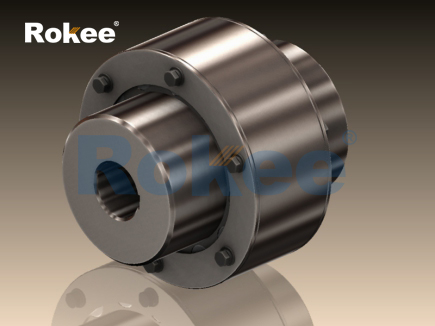
LZ/ZL Flexible Pin Gear Coupling
LZ Pin Gear Coupling is the basic form of this series of couplings.View More -
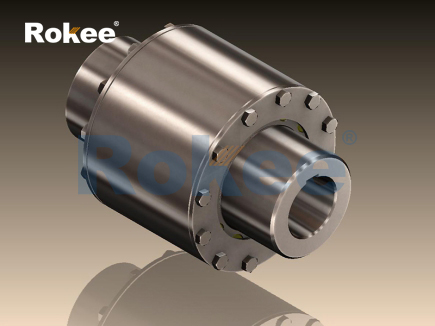
LZD/ZLD Flexible Pin Gear Coupling
One end of the LZD Pin Gear Coupling is designed with a conical shaft hole, and the clearance between the semi-couplings is increased to facilitate the fixing space at the shaft end.View More -
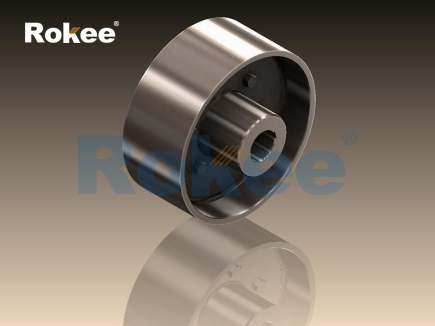
LZZ/ZLL Flexible Pin Gear Coupling
LZZ Pin Gear Coupling is designed with a brake wheel, suitable for situations where braking is required.View More -
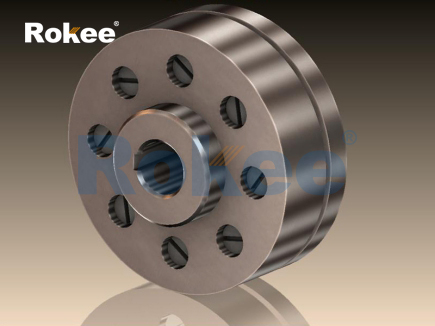
LX/HL Flexible Pin Coupling
LX(HL) Flexible Pin Coupling is the basic form of this series of couplings.View More -
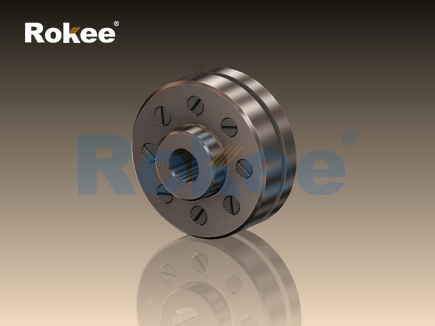
LXZ/HLL Flexible Pin Coupling
LXZ(HLL) Flexible Pin Coupling is designed with a brake wheel, suitable for situations where braking is required.View More -
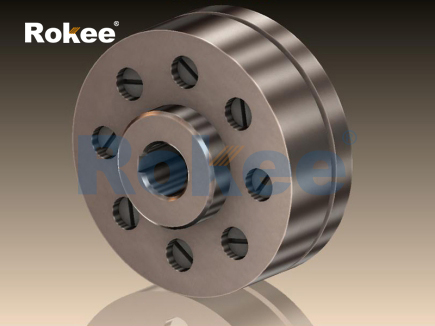
LT/TL Pin Bush Couping
LT Pin Bush Couping is the basic form of this series of couplings.View More -
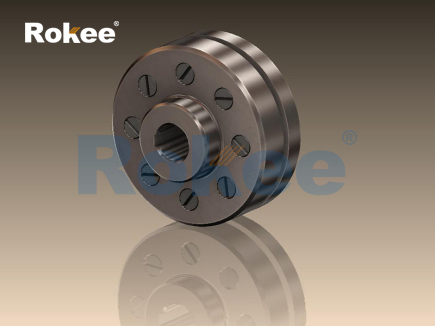
LTZ/TLL Pin Bush Couping
LTZ/TLL Pin Bush Couping is designed with a brake wheel, suitable for situations where braking is required.View More
In the vast landscape of mechanical power transmission systems, couplings serve as indispensable connecting components that bridge driving shafts and driven shafts, enabling the efficient transfer of rotational torque while addressing common operational challenges such as shaft misalignment, vibration, and impact loads. Among the diverse range of flexible couplings available, the Elastic Pin Coupling and Pin Bush Coupling stand out as widely adopted, cost-effective, and highly versatile solutions that balance simplicity, durability, and functional performance across countless industrial settings. Unlike rigid couplings that demand perfect shaft alignment and offer no tolerance for positional errors, these two pin-based flexible coupling designs prioritize adaptability, making them suitable for medium to low-speed applications, heavy-duty operational conditions, and systems where minor shaft displacement is inevitable due to manufacturing tolerances, installation errors, thermal expansion, or mechanical wear.
To begin with a foundational definition, a Flexible Pin Coupling is a type of non-lubricated flexible coupling that relies on specially engineered flexible pins to connect two flanged semi-couplings, each mounted securely onto a separate shaft. The core design philosophy of this coupling centers on using the elastic deformation of the pin elements to accommodate shaft misalignment and absorb mechanical shocks, eliminating the need for complex lubrication systems or precision alignment during installation. In contrast, a Pin Bush Coupling, often referred to as a bushed pin flexible coupling, incorporates a layered structure where rigid metal pins are paired with elastic bushings that fit between the pins and the mating holes in the semi-couplings. This bushing component acts as the primary flexible element, providing enhanced misalignment compensation, vibration damping, and wear resistance compared to some basic pin coupling variants. While both designs fall under the umbrella of pin-type flexible couplings and share the common goal of torque transmission with flexibility, their structural nuances lead to distinct performance profiles, making each better suited for specific operational environments and load requirements. Understanding these subtle yet critical differences is essential for engineers, maintenance technicians, and equipment designers to select the optimal coupling for a given application, ensuring long service life, minimal downtime, and consistent power transmission efficiency.
Delving into the structural details of the Flexible Pin Coupling, its construction is notably straightforward, consisting of three primary components: two rigid semi-couplings (also called hubs or flanges) and a set of flexible pins. The semi-couplings are typically machined from high-strength carbon steel or alloy steel, featuring a central bore for shaft mounting and a series of evenly spaced radial holes around the flange periphery to accommodate the flexible pins. The pins themselves are manufactured from high-quality elastic materials, most commonly engineered nylon, polyurethane, or reinforced rubber compounds, chosen for their excellent tensile strength, elastic recovery, resistance to fatigue, and ability to withstand repeated bending and shear forces without permanent deformation. Unlike metal pins, these flexible elements do not require additional bushings, as their inherent elasticity provides the necessary flexibility for misalignment compensation. The pins are inserted through the aligned holes of the two semi-couplings, creating a direct, friction-based connection that transfers torque from the driving shaft to the driven shaft as the assembly rotates. The number of pins used varies depending on the coupling size and torque capacity, with larger models featuring more pins to distribute load evenly and reduce stress on individual components. This minimalist structure means the Flexible Pin Coupling is easy to manufacture, assemble, and disassemble, with no intricate parts or tight tolerances that complicate production or field maintenance. Additionally, the absence of metal-to-metal contact between the moving flexible elements reduces noise generation during operation, contributing to a quieter working environment in industrial machinery.
The Pin Bush Coupling, by comparison, features a more refined structural design that separates the load-bearing function and the flexible function into distinct components, optimizing performance for heavier loads and more severe misalignment conditions. Its core components include two flanged semi-couplings, rigid metal pins (usually hardened steel for superior strength and wear resistance), elastic bushings, and often retaining washers or locking rings to secure the assembly. The semi-couplings are constructed from robust cast iron or forged steel, with precision-drilled holes that match the diameter of the bushings rather than the pins directly. Each metal pin is fitted with a precisely molded elastic bushing, typically made of natural rubber, neoprene, or polyurethane, which slides into the holes of both semi-couplings. The bushing acts as a buffer between the rigid pin and the semi-coupling housing, absorbing radial, angular, and axial misalignment through its elastic compression and shear deformation. The hardened steel pins bear the primary torque load, ensuring efficient power transfer even under moderate to heavy operational loads, while the elastic bushings handle the flexibility and shock absorption. This division of labor enhances the coupling’s load-carrying capacity and durability, making it suitable for applications with higher torque demands than standard Flexible Pin Couplings can handle. The bushings are also replaceable, allowing for easy maintenance without replacing the entire coupling assembly, which adds to the cost-effectiveness of the Pin Bush Coupling over its service life. Some variants of this coupling design also feature a slight clearance between the semi-couplings to accommodate axial shaft movement, further expanding its misalignment compensation capabilities.
The operating principles of both couplings revolve around the transfer of torque through pin engagement and the use of elastic deformation to mitigate misalignment and vibration, but the mechanics differ slightly based on their structural designs. For the Flexible Pin Coupling, when the driving shaft rotates, the torque is transferred from the driving semi-coupling to the flexible pins via direct contact with the pin walls. The flexible pins then transmit this torque to the driven semi-coupling, causing the driven shaft to rotate in sync with the driving shaft. As the system operates, any radial, angular, or axial misalignment between the two shafts causes the flexible pins to bend, compress, or stretch slightly. This controlled elastic deformation absorbs the positional errors without creating excessive stress on the shafts, bearings, or other connected machinery components. The flexible material of the pins also dampens sudden impact loads and torsional vibrations that may occur during startup, shutdown, or load fluctuations, preventing shock damage to the transmission system. Because the pins are the sole flexible elements, the coupling’s flexibility is directly tied to the material properties and diameter of the pins, with softer, larger pins offering greater flexibility but lower torque capacity, and stiffer, smaller pins providing higher torque transmission with slightly reduced misalignment tolerance.
The Pin Bush Flexible Coupling operates on a similar torque transfer principle but with the elastic bushings handling the flexibility instead of the pins themselves. As the driving semi-coupling rotates, the hardened steel pins push against the elastic bushings, which in turn transfer the torque to the driven semi-coupling. The bushings compress and shear under load, accommodating angular misalignment (typically up to several degrees) and radial displacement between the shafts, while also absorbing axial movement within a limited range. The rigid steel pins ensure that torque is transferred efficiently without significant power loss, even when the shafts are not perfectly aligned, and the bushing material acts as a shock absorber, reducing the transmission of vibration from the driving side to the driven side. This design is particularly effective in applications where there is a combination of steady torque and intermittent impact loads, as the bushings can absorb sudden shocks without transferring them to the connected equipment. Unlike gear couplings or other high-flexibility couplings, both the Flexible Pin Coupling and Pin Bush Coupling operate without the need for lubrication, as their flexible elements are non-metallic and do not experience sliding friction that requires lubrication to prevent wear. This maintenance-free operation is a major advantage in industrial settings where access for regular lubrication is difficult or where lubricant contamination could damage surrounding equipment.
A critical evaluation of the performance characteristics of both couplings reveals their unique strengths and limitations, which guide their selection for specific applications. Starting with the Flexible Pin Coupling, its key advantages include an extremely simple structure, lightweight construction, low manufacturing cost, and ease of installation and replacement. The absence of separate bushings means there are fewer components to inspect or replace, reducing maintenance tasks and associated costs. It offers reliable compensation for moderate levels of angular, radial, and axial misalignment, making it ideal for applications where shaft alignment is reasonably good but not perfect. The non-metallic flexible pins are resistant to corrosion and chemical damage in mild industrial environments, and they operate quietly, even at medium operating speeds. However, the Flexible Pin Coupling has limitations in terms of torque capacity and heavy-duty performance; it is best suited for low to medium torque applications and moderate rotational speeds, as excessive torque can cause the flexible pins to deform permanently or fail under repeated stress. It is also not recommended for applications with extreme temperature fluctuations, as high temperatures can soften the elastic pin material, while very low temperatures can make it brittle and prone to cracking.
The Pin and Bush Coupling, on the other hand, boasts superior torque capacity and durability compared to the standard Flexible Pin Coupling, thanks to its hardened steel load-bearing pins and replaceable elastic bushings. It can handle higher torque loads and slightly more severe misalignment conditions, making it suitable for heavy-duty industrial machinery that operates under consistent, heavy loads. The replaceable bushings extend the coupling’s service life significantly, as worn bushings can be swapped out quickly without removing the entire coupling from the shafts, minimizing equipment downtime. The bushing material can be customized to suit specific environmental conditions, with heat-resistant bushings for high-temperature applications and oil-resistant compounds for environments with lubricant exposure. This coupling also offers excellent vibration damping properties, reducing noise and mechanical stress on bearings, gears, and shaft seals, which prolongs the lifespan of the entire transmission system. The main limitations of the Pin Bush Coupling are a slightly more complex structure than the Flexible Pin Coupling, a marginally higher initial cost due to additional components, and a requirement for periodic inspection of the bushings to check for wear, cracking, or compression set. It is also not designed for extremely high-speed applications, as centrifugal forces can affect the stability of the bushings at elevated rotational speeds.
The application scope of both couplings spans a wide range of industrial sectors, with each design finding its niche based on its performance attributes. The Flexible Pin Coupling is commonly used in light to medium-duty machinery where simplicity, cost-effectiveness, and low maintenance are top priorities. Typical applications include small to medium-sized electric motors connected to pumps, fans, blowers, and conveyors in manufacturing plants, agricultural machinery such as tractors, seeders, and irrigation systems, light industrial equipment like mixers, grinders, and small compressors, and automotive auxiliary systems where space is limited and torque demands are moderate. It is also widely used in packaging machinery, textile machinery, and woodworking equipment, where consistent, smooth power transmission and minimal vibration are essential for product quality. Its lightweight design makes it suitable for portable machinery and equipment that requires frequent relocation, as it adds minimal weight to the overall assembly.
The Pin Bushed Coupling, with its higher load capacity and enhanced durability, is reserved for more demanding industrial applications that involve heavier torque loads and moderate to severe shaft misalignment. It is extensively used in heavy machinery such as crushers, mills, and conveyors in mining and quarrying operations, large water pumps, centrifugal fans, and exhaust systems in power generation facilities, agricultural processing equipment, construction machinery like concrete mixers and compactors, and marine auxiliary systems such as winches and pump drives. It is also a popular choice for gearboxes connected to electric motors in steel mills, chemical plants, and paper manufacturing facilities, where continuous operation and resistance to shock loads are critical. Additionally, the Pin Bush Coupling is used in material handling equipment, including belt conveyors, bucket elevators, and chain drives, where consistent torque transfer and vibration isolation are necessary to prevent damage to bulk materials and equipment components. Its ability to withstand intermittent shock loads makes it ideal for machinery that starts and stops frequently or experiences sudden load changes during operation.
Proper installation and regular maintenance are essential to maximize the service life and performance of both Flexible Pin Couplings and Pin Bush Couplings, and despite their simple designs, following best practices ensures reliable operation and prevents premature failure. For installation, the first step is to ensure that the shaft diameters match the coupling bore sizes, with a tight, secure fit to prevent slippage during torque transmission. Keyways or tapered bores are often used to enhance the connection between the shaft and the semi-coupling, depending on the load requirements. When mounting the semi-couplings onto the shafts, it is important to avoid excessive force that could damage the coupling or the shaft, and to ensure that the flanges are aligned as closely as possible to minimize initial misalignment stress. For Flexible Pin Couplings, the flexible pins should be inserted evenly into the flange holes, with no gaps or misalignment that could cause uneven load distribution. For Pin Bush Couplings, the elastic bushings must be seated firmly in the semi-coupling holes before inserting the hardened steel pins, and retaining components should be secured properly to prevent the pins from sliding out during rotation. After assembly, a manual rotation check should be performed to ensure smooth movement with no binding or excessive resistance, which indicates proper alignment and component fit.
Maintenance protocols for both couplings are relatively minimal, thanks to their lubrication-free design, but regular inspections are crucial to identify potential issues before they lead to failure. For Flexible Pin Couplings, inspections should focus on checking the condition of the flexible pins for signs of wear, cracking, permanent deformation, or discoloration, which can indicate material degradation due to temperature, chemical exposure, or excessive load. Any damaged pins should be replaced immediately with pins of the same material and size to maintain consistent performance. The semi-couplings should be checked for cracks, corrosion, or loose mounting on the shafts, and any signs of shaft slippage should be addressed by resecuring the coupling or replacing worn keyways. For Pin Bush Couplings, the primary maintenance task is inspecting the elastic bushings for wear, compression set, tearing, or hardening, which can reduce their flexibility and shock absorption capabilities. Worn bushings should be replaced in complete sets to ensure uniform load distribution, rather than replacing individual bushings, which can cause uneven stress on the pins and semi-couplings. The steel pins should be checked for signs of bending, wear, or corrosion, and the flange holes should be inspected for elongation or damage that could affect bushing fit. Both coupling types require periodic cleaning to remove dust, debris, and industrial contaminants that can accelerate wear on the flexible elements, especially in harsh working environments.
When selecting between a Elastic Pin Coupling and a Pin Bush Coupling for a specific application, several key factors must be considered to ensure optimal performance and cost-effectiveness. The first and most critical factor is the torque requirement of the application; low to medium torque applications with light to medium loads are best suited for the Flexible Pin Coupling, while higher torque, heavy-duty applications require the enhanced load capacity of the Pin Bush Coupling. The second factor is the level of shaft misalignment expected; both couplings can handle moderate misalignment, but the Pin Bush Coupling offers slightly greater tolerance for angular and radial displacement, making it a better choice for systems with less precise alignment. Operating speed is another important consideration, as both couplings are designed for low to medium rotational speeds, and exceeding the recommended speed range can lead to premature failure of the flexible elements. Environmental conditions, including temperature range, exposure to chemicals, oil, or moisture, and presence of dust or debris, also influence the selection; the Pin Bush Coupling allows for customized bushing materials to suit harsh environments, while the Flexible Pin Coupling is better suited for mild, clean operating conditions. Additionally, maintenance capabilities and downtime constraints play a role: the Flexible Pin Coupling has fewer components and requires less frequent maintenance, making it ideal for applications with limited access for inspections, while the Pin Bush Coupling’s replaceable bushings make it more suitable for applications where scheduled maintenance is feasible and minimal downtime is a priority.
It is also important to distinguish between these two pin-based couplings and other types of flexible couplings to highlight their unique position in the power transmission market. Unlike gear couplings, which offer high torque capacity and high-speed performance but require regular lubrication and precise alignment, both Flexible Pin and Pin Bush Couplings are maintenance-free and more forgiving of misalignment, making them more practical for general industrial use. Unlike elastomeric couplings with complex diaphragm or bellows designs, pin-based couplings are simpler and more cost-effective, with easier replacement of worn components. They also offer better torque transfer than some lightweight plastic couplings, making them more versatile for industrial applications. While they may not match the high-speed capabilities of certain precision couplings or the extreme load capacity of heavy-duty gear couplings, their balance of simplicity, flexibility, affordability, and reliability makes them a staple in countless mechanical systems, filling a critical gap between rigid couplings and high-performance specialized flexible couplings.
In terms of material selection for both coupling types, the choice of materials directly impacts their performance, durability, and suitability for specific environments. For the semi-couplings (hubs) of both designs, carbon steel is the most common choice for general-purpose applications, offering a good balance of strength, machinability, and cost. For heavy-duty or high-load applications, alloy steel or forged steel is used to enhance load-bearing capacity and resistance to fatigue, while cast iron is suitable for stationary, low-vibration applications where cost reduction is a priority. For the flexible pins in Flexible Pin Couplings, nylon is the most widely used material due to its high elasticity, wear resistance, and affordability, while polyurethane is preferred for applications requiring greater toughness and resistance to oil and chemicals. Reinforced rubber pins are used for enhanced shock absorption in high-vibration environments. For Pin Bush Couplings, hardened carbon steel or alloy steel is standard for the rigid pins to ensure maximum torque transfer and resistance to bending and wear, while the bushings are available in a range of elastomers: natural rubber for general vibration damping, neoprene for oil and chemical resistance, polyurethane for high wear resistance and toughness, and heat-resistant elastomers for high-temperature industrial environments. This material versatility allows both couplings to be adapted to a wide range of operating conditions without significant design modifications.
The long-term economic benefits of using Flexible Pin Couplings and Pin Bush Couplings are often overlooked but are significant for industrial operations. Their low initial cost compared to more complex flexible couplings reduces upfront equipment investment, especially for large-scale installations with multiple transmission systems. The minimal maintenance requirements eliminate the cost of lubricants, labor for regular lubrication, and downtime associated with maintenance tasks, resulting in lower operational costs over the coupling’s service life. The replaceable components (pins for Flexible Pin Couplings, bushings for Pin Bush Couplings) mean that the entire coupling does not need to be replaced when a flexible element wears out, reducing replacement costs and waste. Additionally, the vibration damping and misalignment compensation properties of both couplings reduce wear on connected components such as bearings, shafts, and gears, extending the service life of the entire machinery system and reducing the frequency of costly repairs and component replacements. In industries where equipment uptime directly impacts productivity and revenue, the reliability and durability of these pin-based couplings translate to tangible financial benefits and improved operational efficiency.
As industrial technology continues to evolve, the design and application of Flexible Pin Couplings and Pin Bush Couplings have also adapted to meet modern engineering demands, without compromising their core simplicity and functionality. Manufacturers have refined the machining tolerances of semi-couplings to improve alignment accuracy and load distribution, while developing advanced elastomeric materials for pins and bushings that offer enhanced temperature resistance, fatigue life, and load capacity. Modern variants of both couplings feature optimized pin and bushing profiles to maximize flexibility and torque transfer, with some designs incorporating tapered pins or self-locking components to simplify installation further. These advancements have expanded the application range of both couplings, allowing them to be used in slightly more demanding environments than traditional models, while still maintaining their cost-effectiveness and ease of use. Despite the emergence of new coupling technologies, the Flexible Pin Coupling and Pin Bush Coupling remain popular choices due to their proven performance, universal applicability, and ability to meet the needs of most general industrial power transmission systems.
In conclusion, the Flexible Pin Coupling and Pin Bush Coupling are two foundational and highly practical solutions in the field of mechanical power transmission, each offering distinct advantages that cater to specific industrial needs. The Flexible Pin Coupling excels in simplicity, low cost, and minimal maintenance, making it the ideal choice for light to medium-duty, low-torque applications with mild operating conditions. The Pin Bush Coupling, with its enhanced load capacity, replaceable bushings, and superior misalignment compensation, is better suited for heavy-duty, high-torque applications where durability and shock absorption are critical. Both couplings share the common benefits of lubrication-free operation, moderate misalignment tolerance, vibration damping, and ease of installation, making them indispensable components in a vast array of industrial machinery, from small auxiliary equipment to large-scale production systems. By understanding their structural differences, operating principles, performance characteristics, and application scenarios, engineers and equipment designers can make informed decisions when selecting the appropriate coupling, ensuring optimal system performance, long service life, and cost-effective operation. As a testament to their practical design and reliability, these pin-based flexible couplings will continue to play a vital role in industrial power transmission for years to come, adapting to evolving industry needs while retaining their core strengths that have made them staples in mechanical engineering.
-

Flexible Pin Bush Couplings
Mar 24, 2026Flexible Pin Bush Coupling is a flexible coupling device widely used in industrial transmission systems. It connects two shafts through special elastic elements and can compensate for axial, … -

Pin Couplings
Feb 27, 2026Pin coupling is a commonly used mechanical transmission component, belonging to a type of elastic coupling. It is mainly used to connect two shafts or shafts with rotating parts, compensating… -
Bush Pin Couplings
Feb 27, 2026Bush Pin Coupling is a common mechanical transmission connection device, mainly used to connect two shafts and transmit motion and power, while allowing a certain degree of axial, radial, and… -

Bush Couplings
Feb 25, 2026Bush Coupling is a flexible connection device widely used in industrial machinery transmission systems, which achieves power transmission by introducing elastic sleeve materials between shaft… -
Bush Pin Flexible Couplings
Jan 20, 2026Bush Pin Flexible Coupling is a flexible coupling widely used in mechanical transmission systems. It connects two shafts through elastic elements (usually rubber or polyurethane elastic sleev… -
Crown Pin Couplings
Jan 20, 2026Crown pin coupling is an advanced mechanical transmission connection device that has been widely used in the industrial transmission field in recent years. This type of coupling achieves high… -
Pin Type Couplings
Dec 24, 2025In the realm of mechanical power transmission, couplings serve as indispensable components that connect two shafts, enabling the transfer of torque while accommodating misalignments, absorbin… -
Pin Type Flexible Couplings
Dec 24, 2025In the realm of mechanical power transmission, couplings are indispensable components that establish a reliable connection between rotating shafts, enabling efficient torque transfer while ad…