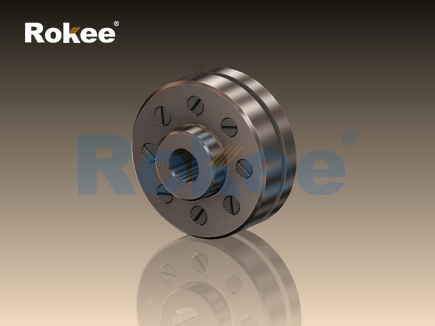
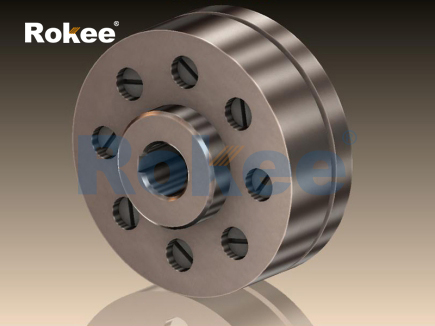
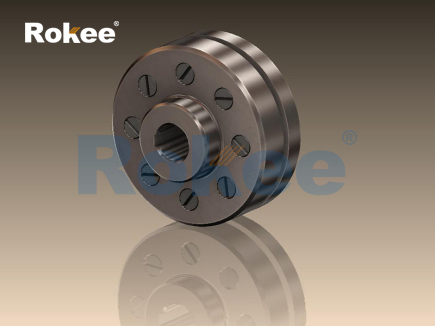
LX Pin Flexible Coupling
Rokee is a well-known LX Pin Flexible Coupling supplier from china, the page show cases of LX Pin Flexible Coupling, provide customized services based on user's drawings, and supporting exports.
In the vast landscape of industrial mechanical power transmission systems, flexible couplings serve as indispensable connecting components that bridge driving shafts and driven shafts, enabling efficient torque transfer while mitigating operational challenges such as shaft misalignment, vibration, and shock loads. Among the diverse range of flexible couplings available, the LX pin flexible coupling stands out as a widely adopted, cost-effective, and highly reliable solution, favored across countless industrial sectors for its balanced combination of simple construction, robust performance, and easy maintenance. Unlike rigid couplings that offer no tolerance for shaft displacement or vibration, this specialized coupling integrates flexible pin elements to deliver targeted functional benefits, making it a staple in medium to low-speed, medium to low-torque transmission applications.

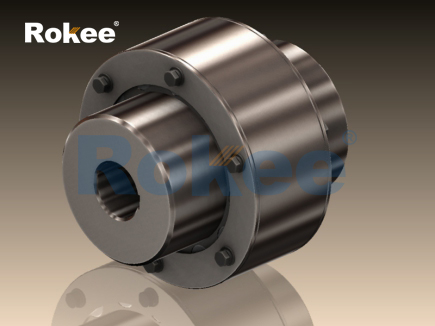
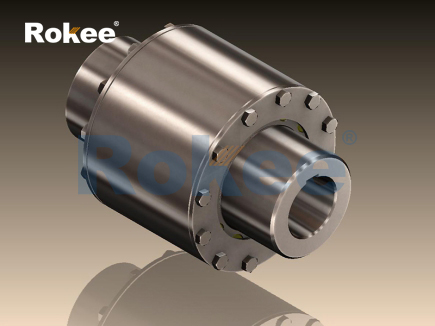
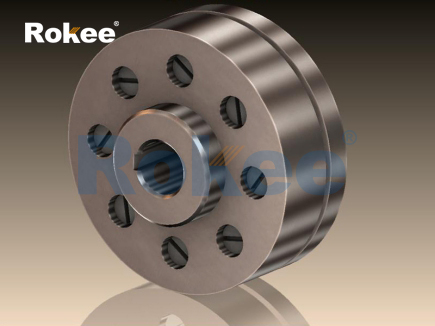
To fully understand the functionality of the LX pin flexible coupling, it is critical to first examine its fundamental structural composition, which is engineered for simplicity, durability, and functional efficiency. At its core, the coupling consists of two primary metal hubs, commonly referred to as half-couplings, a set of precision-machined rigid metal pins, and corresponding flexible elastic sleeves that encase each pin. The two half-couplings are designed to mount securely onto the driving and driven shafts respectively, typically via keyway connections or interference fits, ensuring a stable, slip-free connection that prevents power loss during torque transmission. Each half-coupling features a flanged end with evenly spaced, circumferentially arranged pin holes, aligned perfectly to accommodate the rigid pins and their flexible outer sleeves. The metal pins, usually constructed from high-strength carbon steel or alloy steel, are machined to precise diameters and lengths to fit snugly within the flanged holes, while the elastic sleeves are crafted from high-performance non-metallic materials, most commonly high-density nylon, polyurethane, or reinforced rubber, selected for their exceptional flexibility, wear resistance, and load-bearing capacity. Unlike more complex flexible couplings that incorporate gear teeth, diaphragms, or coil springs, the LX pin flexible coupling eliminates intricate moving parts, relying instead on the deformation of the elastic sleeves to accommodate shaft misalignment and absorb vibrational energy. This minimalist structural design eliminates the need for lubrication during operation, a key advantage that reduces ongoing maintenance requirements and eliminates the risk of lubricant leakage or contamination in sensitive working environments. The symmetrical layout of the pins and sleeves ensures uniform load distribution across the entire coupling assembly, preventing localized stress concentrations that could lead to premature component failure, while the detachable nature of the pins and sleeves allows for quick replacement of worn flexible elements without dismantling the entire shaft assembly or repositioning the connected machinery.
The structural simplicity of the LX pin flexible coupling directly translates to a set of well-defined, highly practical performance characteristics that define its suitability for specific industrial applications. One of its most prominent performance attributes is its ability to compensate for multiple forms of shaft misalignment, a common issue in real-world industrial installations where perfect shaft alignment is often difficult to achieve and maintain due to manufacturing tolerances, installation errors, thermal expansion, mechanical wear, or foundation settling. This coupling effectively accommodates three primary types of misalignment: angular misalignment, radial misalignment, and axial misalignment. The elastic deformation of the polymer sleeves allows for moderate angular deflection between the two shafts, typically within a range that supports stable, vibration-free operation; radial displacement, where the two shafts are offset parallel to one another, is absorbed by the lateral flexibility of the sleeves, while axial displacement, caused by thermal expansion or contraction of the shafts during operation, is managed by the slight axial give of the pin and sleeve assembly. This multi-directional misalignment compensation protects the connected shafts, bearings, and gearboxes from excessive radial and axial loads, significantly reducing wear and tear on critical transmission components and extending the overall service life of the entire mechanical system.
Beyond misalignment compensation, the LX pin flexible coupling excels in vibration damping and shock absorption, two essential performance traits for machinery that operates with intermittent loads, frequent start-stop cycles, or sudden torque fluctuations. The non-metallic elastic sleeves act as a natural shock absorber, dissipating vibrational energy generated during operation and preventing the transfer of harmful vibrations from the driving shaft to the driven shaft, and vice versa. This damping effect is particularly valuable in equipment such as pumps, fans, and conveyors, where unchecked vibration can lead to noise pollution, component fatigue, and compromised operational precision. Additionally, the coupling offers reliable torque transmission efficiency, with minimal power loss even under continuous operating conditions, thanks to the rigid metal pins that serve as the primary torque-carrying components, supported by the flexible sleeves that maintain consistent contact without slipping. The material properties of the elastic sleeves also contribute to the coupling’s resistance to common environmental stressors, including moderate temperatures, oil mist, dust, and mild chemical exposure, making it suitable for use in a wide range of industrial environments, from clean manufacturing facilities to more demanding workshop settings. It is important to note that while the coupling offers robust general performance, it is optimized for medium to low rotational speeds and medium to low torque loads; it is not designed for extreme high-speed applications or heavy-duty, high-torque operations that involve severe shock loads, as the flexible sleeves may experience accelerated wear or deformation under such extreme conditions. This performance profile makes it a specialized yet highly versatile solution for the vast majority of general industrial transmission needs.
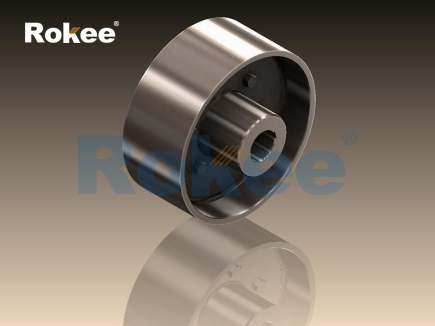
While the core structural design of the LX pin flexible coupling remains consistent, the product line includes distinct classification variants tailored to meet specific operational requirements and installation constraints, expanding its applicability across diverse industrial scenarios. The primary classification is based on functional design and structural modifications, with the standard LX pin flexible coupling serving as the base model for general-purpose applications. This standard variant features a compact, symmetrical flanged design, with evenly distributed pins and sleeves, optimized for straightforward shaft-to-shaft connections in machinery that does not require additional functional features. It is the most commonly used variant, valued for its universal fit, ease of installation, and low maintenance needs, suitable for nearly all standard transmission setups where misalignment compensation and vibration damping are the primary requirements. A second key variant is the modified version with a brake wheel integrated into one of the half-couplings, designed specifically for machinery that requires braking functionality, such as lifting equipment, conveyor systems, and machine tools that need precise stopping or holding capabilities. The integrated brake wheel provides a dedicated surface for brake pads to engage, eliminating the need for a separate braking component and simplifying the overall transmission assembly, saving both installation space and assembly time. This variant retains all the core flexible performance traits of the standard model, including misalignment compensation and vibration absorption, while adding the critical braking function for enhanced operational safety and control.
Further classification can also be based on the material specifications of the elastic sleeves and the metal hubs, allowing users to select the optimal variant for specific environmental and operational conditions. For standard indoor applications with moderate temperatures and clean operating conditions, nylon sleeves are the most common choice, offering an ideal balance of flexibility, wear resistance, and cost-effectiveness. For environments with exposure to oil, grease, or slightly higher temperatures, polyurethane sleeves are preferred, as they exhibit superior oil resistance and thermal stability compared to standard nylon, maintaining their elastic properties over longer periods without hardening or cracking. In applications that demand enhanced shock absorption, such as machinery with frequent start-stop cycles, reinforced rubber sleeves may be used, providing greater elasticity and impact resistance. The metal hubs are typically constructed from high-quality cast iron for general-purpose use, offering excellent rigidity and durability at a manageable production cost; for more demanding applications with slightly higher torque loads or in situations where reduced weight is a priority, hubs made from high-strength carbon steel are available, offering increased tensile strength and resistance to mechanical stress. These material-based variants do not alter the core working principle of the coupling but instead fine-tune its performance to match specific environmental and operational demands, ensuring optimal longevity and efficiency in diverse working conditions. Additionally, variants are available in different dimensional specifications, varying in outer diameter, length, pin quantity, and shaft bore size, to accommodate different shaft diameters and torque load requirements, allowing for precise matching with a wide range of industrial machinery models.
The unique combination of structural simplicity, reliable performance, and flexible variants makes the LX pin flexible coupling one of the most widely used flexible transmission components in industrial manufacturing and machinery operation, with applications spanning nearly every major industrial sector. Its most prevalent use is in general mechanical equipment, particularly in water treatment and fluid handling systems, where it is extensively used to connect electric motors to centrifugal pumps, water pumps, oil pumps, and other fluid transfer machinery. In these applications, the coupling’s ability to compensate for minor shaft misalignment during pump installation and absorb vibration from motor operation ensures stable, quiet fluid transfer, preventing damage to pump impellers and bearings and reducing maintenance downtime for pumping systems. Similarly, in ventilation and air circulation systems, the coupling is widely employed to connect motors to industrial fans, blowers, and exhaust fans, where its vibration damping properties minimize noise generation and prevent fan blade imbalance caused by shaft misalignment, ensuring efficient air movement and extending the service life of fan motors and assemblies.
In the material handling and logistics industry, the LX pin flexible coupling is a key component in conveyor systems, including belt conveyors, roller conveyors, and screw conveyors, used to connect drive motors to conveyor drive shafts. Conveyor systems often operate continuously and are prone to minor shaft misalignment due to long-term operation and foundation movement, and the coupling’s flexible design ensures uninterrupted torque transmission while reducing wear on conveyor rollers and drive chains. The variant with an integrated brake wheel is particularly valuable in inclined conveyors or lifting conveyors, providing reliable braking functionality to prevent material backsliding and ensure safe, controlled material transport. In light to medium manufacturing machinery, such as textile machines, packaging machines, woodworking equipment, and small-scale processing machinery, the coupling is favored for its easy installation and maintenance-free operation (excluding periodic sleeve replacement). These machines often require precise torque transmission without excessive vibration, and the coupling’s damping properties help maintain product quality and processing accuracy, such as reducing yarn breakage in textile manufacturing or ensuring consistent packaging sealing in packaging lines.
The coupling also finds extensive use in agricultural machinery, supporting the operation of medium and small-scale agricultural equipment such as irrigation pumps, feed mixers, and small harvesting machines. Agricultural machinery often operates in outdoor or semi-outdoor environments with dust, moisture, and variable temperatures, and the coupling’s durable construction and resistance to environmental stressors make it well-suited for these harsh conditions, providing reliable power transmission without frequent maintenance. Additionally, it is used in various auxiliary industrial equipment, including compressors, refrigeration units, and small generator sets, where it connects prime movers to driven components, ensuring smooth power transfer and protecting sensitive internal components from vibration and misalignment-related damage. While it is not intended for heavy-duty industrial machinery such as large mining equipment, heavy-duty crushers, or high-speed turbine systems, its dominance in general-purpose, medium-low speed, and medium-low torque applications is unmatched, offering a cost-effective and reliable solution that meets the core transmission needs of most small and medium-sized industrial enterprises.
To maximize the service life and performance of the LX pin flexible coupling, proper installation, regular inspection, and timely maintenance are essential, even though its design minimizes maintenance demands compared to more complex couplings. During installation, the most critical step is to ensure that shaft misalignment is kept within the coupling’s allowable range; while the flexible sleeves can compensate for moderate misalignment, excessive angular, radial, or axial displacement will accelerate sleeve wear, leading to reduced performance, increased vibration, and premature failure. Installers should align the two shafts as accurately as possible using standard alignment tools, ensuring that the flanged ends of the two half-couplings are parallel and properly spaced, and that the pins and sleeves are inserted evenly without forced assembly that could damage the elastic sleeves. The half-couplings should be securely fastened to the shafts with appropriate keyways and locking devices to prevent slippage during torque transmission, as shaft slippage will cause wear to the shaft and hub surfaces and compromise power transfer efficiency.
Regular operational inspections focus on monitoring the condition of the elastic sleeves, as they are the primary wearable component of the coupling. During routine checks, operators should examine the sleeves for signs of wear, cracking, hardening, or deformation; visible damage such as surface cracks, permanent deformation, or material degradation indicates that the sleeves have reached the end of their service life and require immediate replacement. Worn or damaged sleeves lose their flexibility, reducing misalignment compensation and vibration damping capabilities, and can lead to increased noise, vibration, and even pin damage if left unaddressed. One of the key maintenance advantages of the LX pin flexible coupling is that sleeve replacement is a straightforward process: worn sleeves can be removed and new ones installed without dismantling the entire coupling or repositioning the connected machinery, minimizing equipment downtime and maintenance labor costs. The metal pins and hubs should also be inspected periodically for signs of corrosion, bending, or excessive wear; while these metal components are highly durable, prolonged exposure to harsh environments or extreme loads may cause damage, and any compromised metal parts should be replaced promptly to maintain the structural integrity of the coupling. Since the coupling requires no lubrication, there is no need for regular lubrication top-ups or cleaning, further simplifying maintenance routines and reducing operational costs for industrial users.
When selecting the appropriate LX pin flexible coupling for a specific application, several key factors must be considered to ensure optimal performance and compatibility. First and foremost is the torque load of the machinery: the coupling must be selected to match the rated torque of the connected equipment, with a slight safety margin to accommodate occasional peak loads or start-stop shocks, ensuring that the pins and sleeves can handle the transmitted torque without failure. Second, the rotational speed of the shafts must align with the coupling’s rated speed range; using the coupling beyond its designed speed limit will increase centrifugal force, accelerate sleeve wear, and compromise operational stability. Third, the shaft diameter of the driving and driven components must match the bore size of the coupling hubs, ensuring a secure, tight fit that prevents slippage and wobble during operation. Fourth, the operating environment, including temperature range, exposure to oil, chemicals, or dust, and space constraints, should guide the selection of sleeve material and structural variant; for example, oil-resistant polyurethane sleeves are ideal for workshops with high oil mist, while the brake wheel variant is essential for equipment requiring braking functionality. Finally, the level of expected shaft misalignment should be evaluated to confirm that the coupling’s compensation capacity is sufficient for the specific installation conditions, avoiding the need for overly precise alignment that increases installation time and cost.
In summary, the LX pin flexible coupling represents a paradigm of efficient, practical mechanical transmission design, combining a minimalist, maintenance-friendly structure with highly functional performance traits that address the most common challenges in industrial power transmission. Its core structural components—two robust metal hubs, rigid load-bearing pins, and flexible elastic sleeves—work in harmony to deliver reliable torque transmission, effective multi-directional misalignment compensation, and superior vibration damping, all without the need for lubrication or complex upkeep. The availability of standard and brake wheel-integrated variants, along with material-specific sleeve and hub options, further enhances its versatility, allowing it to adapt to a vast array of industrial applications across fluid handling, material handling, manufacturing, agriculture, and auxiliary equipment sectors. While it is optimized for medium to low-speed, medium to low-torque operations, its widespread adoption speaks to its ability to meet the daily transmission needs of countless industrial operations, offering a cost-effective, durable, and reliable solution that balances performance and practicality. As industrial machinery continues to evolve toward greater efficiency and simplicity, the LX pin flexible coupling remains a timeless, essential component, proving that thoughtful, functional engineering can deliver enduring value in even the most demanding industrial environments. Its continued prevalence underscores the importance of reliable, low-maintenance transmission components in supporting seamless industrial operations, and its design principles serve as a benchmark for general-purpose flexible coupling development in the mechanical engineering field.
With excellent quality, we have been continuously providing many coupling products of various categories and uses complying with multiple standards and a full range of services, from the product selection to final installation and operation, for the industry fields of ferrous metallurgy, nuclear power, gas turbine, wind power, ropeway construction, lifting transportation, general equipment, etc.
pu sandwich panel line,pu sandwich panel machine,sandwich panel machine
« LX Pin Flexible Coupling » Latest Update Date: May 9, 2026
https://www.rokeecoupling.net/cases/lx-pin-flexible-coupling.html