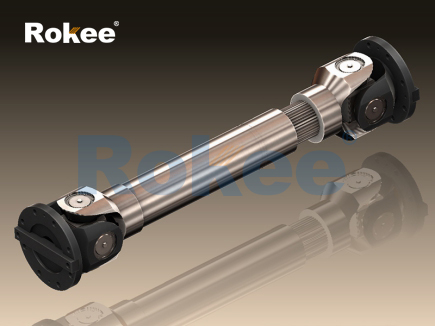
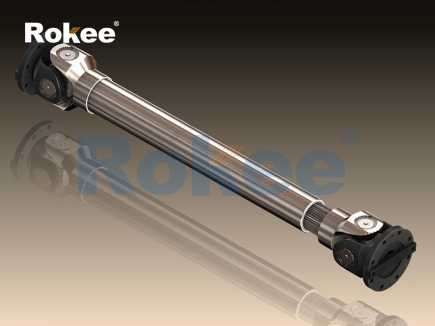
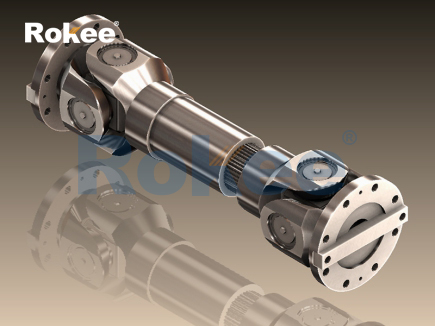
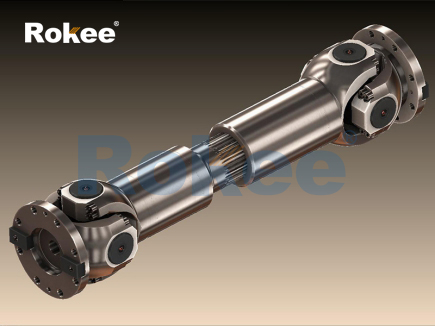
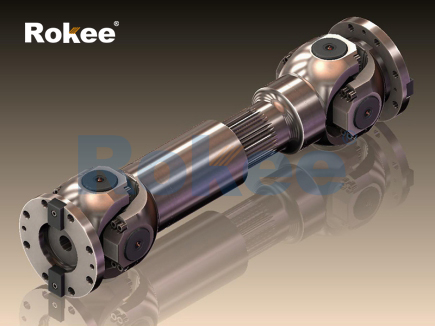
A telescopic shaft is a sophisticated mechanical component designed with a nested multi-section structure that enables linear extension and retraction while maintaining stable power transmission during operation. Composed of matched inner and outer shaft tubes with smooth collaborative structures, this mechanical part relies on precise internal fitting to limit lateral deviation, ensuring synchronized movement during stretching and shrinking processes. Its core structural advantage lies in flexible length adjustment, which effectively solves the space occupation problem of traditional fixed-length shafts in limited working environments. The optimized internal transmission structure reduces friction between connecting parts, delivering smooth and consistent motion output even during continuous reciprocating movement. Made of durable raw materials, the shaft boasts excellent rigidity and wear resistance, adapting to complex working conditions with varying temperatures and dusty surroundings to maintain long-term operational stability. It is widely applied in multiple mechanical scenarios, including automated conveying equipment, mobile mechanical brackets and industrial transmission devices. In confined operating spaces, it adjusts its length freely to meet the motion stroke requirements of mechanical components without extra space for structural movement. Besides basic stretching functions, the well-polished connecting structure enhances overall structural stability, resisting torsion and impact during high-intensity operation. Simple in internal composition and convenient for daily maintenance, it requires minimal upkeep while retaining reliable mechanical performance. With flexible adjustability, sturdy structural performance and strong environmental adaptability, the telescopic shaft has become an indispensable key component in modern mechanical transmission systems, continuously optimizing mechanical operation efficiency and simplifying structural layout for various industrial equipment.
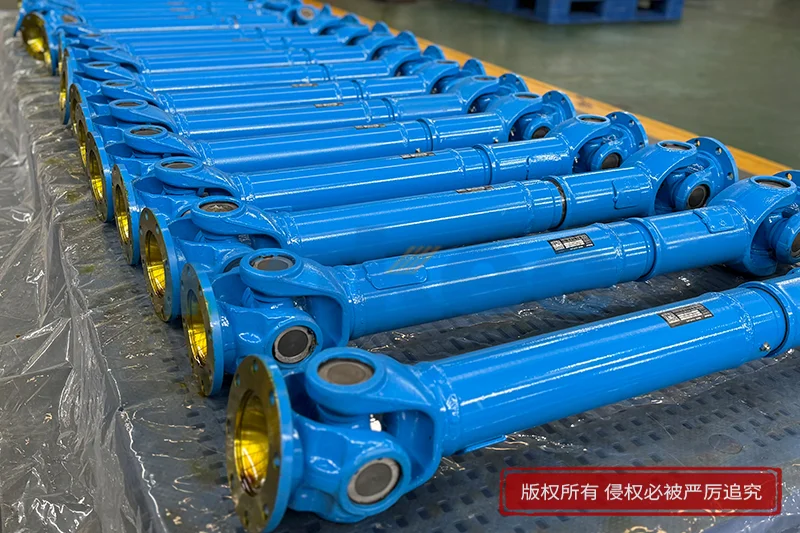
In the domain of mechanical power transmission, the ability to adapt to dynamic spatial changes between rotating components is crucial for ensuring efficient and reliable operation. Among the specialized components engineered to address this need, the telescopic shaft—also known as a telescoping shaft or sliding shaft—stands out for its unique capability to adjust its length while transmitting torque. This adaptive feature makes it an indispensable solution in systems where relative axial movement exists between the driver and driven shafts, such as in vehicles, industrial machinery, and aerospace applications. By combining the functions of torque transmission and axial length compensation, telescopic shafts eliminate the limitations of fixed-length shafts, which cannot accommodate changes in distance between rotating components. This article provides a comprehensive exploration of telescopic shafts, covering their structural design, working principles, key advantages, typical applications, and essential maintenance practices, offering valuable insights into their role and significance in modern mechanical systems.
The telescopic shaft is characterized by its modular and adjustable structure, which enables it to extend or contract along its axial direction without compromising torque transmission efficiency. While specific designs may vary based on application requirements, the fundamental structure of a telescopic shaft comprises three core components: an outer tube (female section), an inner shaft (male section), and a torque-transmitting mechanism. These components work in tandem to facilitate both length adjustment and rotational power transfer, ensuring seamless operation even as the distance between connected shafts changes.
The outer tube, typically fabricated from high-strength steel or aluminum alloy, serves as the protective and guiding housing for the inner shaft. It is designed with a hollow cross-section, often featuring internal splines, grooves, or keyways that mate with corresponding features on the inner shaft. The choice of material for the outer tube is dictated by the application’s torque requirements, environmental conditions, and weight constraints—steel is preferred for heavy-duty applications requiring high torque capacity, while aluminum alloy is used in lightweight applications such as automotive and aerospace systems. The outer tube’s inner surface is precision-machined to ensure smooth sliding of the inner shaft, minimizing friction and wear during length adjustments.
The inner shaft, which fits snugly inside the outer tube, is the complementary component responsible for transmitting torque while enabling axial movement. Like the outer tube, it is typically made of high-strength metallic materials and features external splines, ribs, or keyways that engage with the inner features of the outer tube. The length of the inner shaft is slightly shorter than the inner length of the outer tube, allowing it to slide in and out freely, thereby adjusting the overall length of the telescopic shaft. In some designs, the inner shaft may also be hollow to reduce weight without sacrificing structural integrity, a critical consideration in applications where weight reduction is a priority.
The torque-transmitting mechanism is the key element that ensures rotational power is transferred between the outer tube and inner shaft during both static and dynamic length adjustments. The most common type of torque-transmitting mechanism is the splined connection, where the external splines on the inner shaft mesh with the internal splines on the outer tube. This splined design provides a large contact area, enabling the transmission of high torque while allowing smooth axial sliding. Other torque-transmitting mechanisms include keyed connections (using a rectangular or square key inserted into matching slots on the outer tube and inner shaft) and serrated connections (featuring interlocking serrations for enhanced torque transfer in high-load applications). In some specialized designs, ball bearings or roller bearings are integrated into the mechanism to reduce friction between the sliding components, further improving the shaft’s efficiency and service life.
Additional components may be incorporated into telescopic shaft designs to enhance performance and durability. For example, protective boots or seals are often installed at the interface between the outer tube and inner shaft to prevent the ingress of dust, dirt, moisture, and other contaminants, which can cause corrosion and wear of the sliding and torque-transmitting components. These boots are typically made of flexible materials such as rubber or polyurethane, which can stretch and contract along with the shaft. Lubrication channels or ports may also be included to facilitate the application of lubricants, which reduce friction, minimize wear, and prevent corrosion. In high-speed applications, balancing weights or dynamic balancing treatments are applied to the shaft to reduce vibration and ensure smooth operation.
The working principle of a telescopic shaft revolves around the simultaneous achievement of two core functions: torque transmission and axial length compensation. When the driver shaft rotates, it imparts rotational motion to one end of the telescopic shaft (either the outer tube or the inner shaft). This rotational motion is transferred to the other component (inner shaft or outer tube) via the torque-transmitting mechanism—for example, the meshing splines. As the telescopic shaft rotates, the inner shaft can slide axially within the outer tube in response to changes in the distance between the driver and driven shafts. This axial movement is possible because the torque-transmitting mechanism (such as splines) allows relative linear motion between the outer tube and inner shaft while maintaining a secure rotational connection.
A critical aspect of the telescopic shaft’s working principle is its ability to accommodate axial misalignment caused by various factors, including thermal expansion and contraction, structural flexing, and dynamic movement of components. For instance, in an automotive drivetrain, as the vehicle travels over uneven terrain, the suspension system compresses and extends, changing the distance between the transmission and the drive axle. The telescopic shaft adjusts its length to compensate for this changing distance, ensuring continuous torque transmission from the engine to the wheels. Similarly, in industrial machinery such as telescopic cranes, the telescopic shaft adjusts its length as the crane’s boom extends or retracts, transmitting torque to the winch or other rotating components.
Another important aspect of the working principle is the maintenance of torque transmission efficiency during length adjustments. The torque-transmitting mechanism, particularly splined connections, is designed to maintain a consistent contact area between the outer tube and inner shaft, ensuring that torque is transmitted uniformly without slippage. The use of lubricants further enhances this efficiency by reducing friction between the sliding components, minimizing power loss and heat generation. In high-torque applications, the splined or serrated connections are engineered to distribute the torque evenly across the contact surface, preventing localized stress concentrations that could lead to component failure.
Telescopic shafts offer a range of unique advantages that make them indispensable in applications requiring both torque transmission and axial length adjustment. One of the most significant advantages is their ability to compensate for axial displacement between shafts. Unlike fixed-length shafts, which can experience excessive stress or breakage when the distance between connected components changes, telescopic shafts adjust their length dynamically, eliminating these stresses and ensuring reliable operation. This axial compensation capability also reduces the need for precise initial alignment, simplifying installation and reducing setup time.
High torque transmission capacity is another key advantage of telescopic shafts. The splined, keyed, or serrated torque-transmitting mechanisms provide a secure and efficient connection between the outer tube and inner shaft, enabling the transmission of high levels of torque. This makes telescopic shafts suitable for heavy-duty applications such as industrial machinery, construction equipment, and automotive drivetrains, where large amounts of rotational power need to be transferred.
Smooth and low-friction operation is a notable benefit, thanks to the precision-machined sliding components and the use of lubricants. The smooth axial sliding of the inner shaft within the outer tube ensures that length adjustments occur without jerky movements or excessive noise, contributing to the overall smooth operation of the mechanical system. Low friction also minimizes wear and tear on the components, extending the service life of the telescopic shaft and reducing maintenance costs.
Versatility and adaptability are additional advantages of telescopic shafts. They are available in a wide range of sizes, materials, and configurations, allowing them to be tailored to suit diverse application requirements. Whether it is a lightweight telescopic shaft for an aerospace application or a heavy-duty shaft for a mining machine, manufacturers can customize the design to meet specific torque, weight, and environmental constraints. This versatility makes telescopic shafts suitable for use in a broad spectrum of industries and applications.
Compact design and space efficiency are also key benefits. Telescopic shafts collapse into a compact form when not fully extended, making them ideal for applications where space is limited. For example, in automotive vehicles, the telescopic shaft fits neatly within the drivetrain, occupying minimal space while still providing the necessary length adjustment. In telescopic cranes and other mobile equipment, the compact collapsed length of the shaft allows for easier storage and transportation.
Due to their unique combination of axial compensation and torque transmission capabilities, telescopic shafts find application in a diverse range of industries and mechanical systems. One of the most common applications is in the automotive industry, where they are used in the drivetrains of rear-wheel-drive (RWD), four-wheel-drive (4WD), and all-wheel-drive (AWD) vehicles. In these vehicles, the telescopic shaft connects the transmission to the drive axle, compensating for the axial movement of the axle caused by suspension compression and extension. This ensures continuous torque transmission from the engine to the wheels, even as the vehicle travels over uneven terrain. Telescopic shafts are also used in steering systems, where they adjust length to accommodate the movement of the steering column and ensure smooth steering operation.
The construction and heavy machinery industry is another major user of telescopic shafts. They are employed in telescopic cranes, where they transmit torque to the winch and other rotating components as the crane’s boom extends or retracts. Telescopic shafts are also used in excavators, loaders, and bulldozers, where they compensate for the axial movement of components caused by the machine’s operation. In these applications, the high torque capacity and durability of telescopic shafts make them well-suited to withstand the harsh operating conditions and heavy loads typical of construction sites.
In the aerospace industry, telescopic shafts are used in various aircraft systems, including landing gear, engine controls, and flight control systems. For example, in landing gear systems, telescopic shafts adjust length to accommodate the extension and retraction of the landing gear, transmitting torque to the hydraulic pumps or electric motors that drive the mechanism. The lightweight design of aerospace-grade telescopic shafts (often made of aluminum alloys or composite materials) is critical for reducing the overall weight of the aircraft, improving fuel efficiency and performance.
The industrial machinery sector also relies heavily on telescopic shafts. They are used in conveyor systems, where they compensate for the axial movement of conveyor rollers caused by thermal expansion or contraction. Telescopic shafts are also employed in machine tools, such as lathes and milling machines, where they adjust length to accommodate the movement of the tool head or workpiece. In addition, they are used in packaging machinery, printing presses, and textile machinery, where precise length adjustment and reliable torque transmission are essential for efficient operation.
Other notable applications of telescopic shafts include marine systems (such as ship propulsion systems, where they compensate for the axial movement of the propeller shaft), agricultural machinery (such as tractors and harvesters, where they connect the engine to various implements), and robotics (where they enable the movement of robotic arms while transmitting torque to the joints). In each of these applications, the telescopic shaft’s ability to adapt to changing spatial conditions while transmitting torque ensures the reliable and efficient operation of the mechanical system.
To ensure the optimal performance, reliability, and service life of telescopic shafts, regular and proper maintenance is essential. Neglecting maintenance can lead to premature component wear, reduced torque transmission efficiency, and even catastrophic failure, resulting in costly downtime and damage to other parts of the mechanical system. The following are key maintenance practices for telescopic shafts:
Regular inspection is the foundation of effective telescopic shaft maintenance. Inspections should be conducted at regular intervals (based on operational hours or manufacturer recommendations) to check for signs of wear, damage, or degradation. During inspection, the shaft should be visually examined for worn or damaged splines, keyways, or serrations, as these are critical for torque transmission. The protective boots or seals should also be inspected for cracks, tears, or leaks, as damaged boots can allow contaminants to enter the shaft and cause corrosion and wear. Additionally, the shaft should be checked for abnormal noise, vibration, or heat generation during operation, which can indicate issues such as insufficient lubrication, misalignment, or worn components. For critical applications, non-destructive testing methods such as magnetic particle inspection or ultrasonic testing may be used to detect internal cracks or fatigue that are not visible to the naked eye.
Lubrication is a critical maintenance task for telescopic shafts, as it reduces friction between the sliding components (outer tube and inner shaft) and prevents corrosion. The type of lubricant selected should be compatible with the shaft’s materials and operating conditions, including temperature, load, and environmental factors (such as exposure to moisture, dust, or chemicals). High-quality lubricants with good anti-wear and anti-corrosion properties, such as lithium-based greases or synthetic oils, are commonly used for telescopic shafts. Lubrication should be performed at regular intervals, and old or contaminated lubricant should be completely removed before applying new lubricant. It is important to ensure that the lubricant reaches all sliding and torque-transmitting surfaces, including the splines or keyways, to maximize its effectiveness.
Replacement of worn or damaged components is essential to maintain the performance and safety of telescopic shafts. The most commonly worn components include the splines, keyways, protective boots, and seals. Worn splines or keyways can reduce torque transmission capacity and lead to slippage, which can damage other components. These should be replaced immediately, and it is recommended to replace both the outer tube and inner shaft if the wear is severe, to ensure proper mating and torque transmission. Damaged protective boots or seals should also be replaced promptly to prevent contamination of the internal components. Fasteners such as bolts, nuts, and clips that are loose, corroded, or damaged should be tightened or replaced to ensure a secure connection between the telescopic shaft and the connected components.
Proper alignment of the telescopic shaft with the driver and driven shafts is crucial for ensuring smooth operation and preventing premature wear. While telescopic shafts can accommodate axial displacement, they are not designed to compensate for excessive angular or parallel misalignment. Misalignment can cause uneven wear on the splines or keyways, increase friction, and generate excessive vibration. Shaft alignment should be checked regularly using tools such as a straightedge, feeler gauge, or laser alignment system. If misalignment is detected, corrective action should be taken immediately, such as adjusting the position of the motor, transmission, or other connected components, or replacing worn bearings or shaft supports.
Protection from external contaminants and harsh environments is another important maintenance practice. In addition to maintaining the protective boots and seals, additional measures may be required for shafts operating in particularly harsh conditions. For example, in dusty or sandy environments, a secondary protective shield can be installed around the shaft to prevent the ingress of abrasive particles. In corrosive environments such as marine or chemical plants, the shaft can be coated with a corrosion-resistant material such as zinc or epoxy to protect the metallic components. Regular cleaning of the shaft’s exterior can also help prevent the buildup of contaminants that may eventually damage the protective boots or seals.
In conclusion, telescopic shafts are critical components in modern mechanical power transmission systems, offering a unique combination of axial length adjustment and high-efficiency torque transmission. Their modular design, featuring an outer tube, inner shaft, and precision torque-transmitting mechanism, enables them to adapt to dynamic spatial changes between rotating components, eliminating the limitations of fixed-length shafts. This adaptability, combined with their high torque capacity, smooth operation, and versatility, makes them indispensable in a wide range of applications across industries such as automotive, construction, aerospace, and industrial machinery.
Proper maintenance, including regular inspection, appropriate lubrication, timely replacement of worn components, proper alignment, and protection from contaminants, is essential to ensuring the optimal performance and longevity of telescopic shafts. By understanding the structural design, working principles, advantages, applications, and maintenance requirements of telescopic shafts, engineers, maintenance professionals, and industrial operators can make informed decisions about their selection and use, ultimately improving the efficiency, reliability, and cost-effectiveness of their mechanical systems.
As industrial technology continues to advance, telescopic shaft designs are likely to evolve to meet the growing demands of high-performance and high-efficiency machinery. Innovations in materials (such as advanced composites and high-strength alloys), manufacturing processes (such as precision machining and additive manufacturing), and lubrication technologies (such as self-lubricating components) will further enhance the capabilities of telescopic shafts. These advancements will enable telescopic shafts to operate in even more extreme conditions, transmit higher levels of torque, and achieve longer service lives, ensuring that they remain a vital component in mechanical power transmission systems for years to come.
pu sandwich panel line,pu sandwich panel machine,sandwich panel machine
« Telescopic Shafts » Latest Update Date: May 9, 2026
https://www.rokeecoupling.net/tags/telescopic-shafts.html