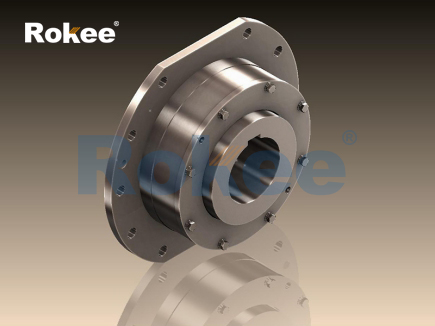
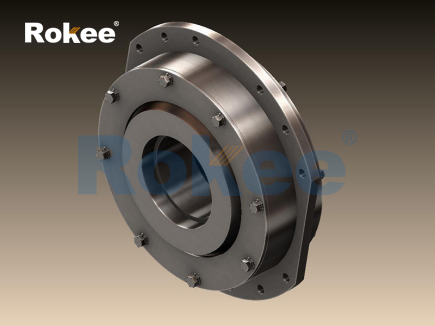
In the complex ecosystem of mechanical transmission systems, the ball hinge barrel coupling stands out as a critical component designed to bridge the gap between rotating shafts, ensuring efficient power transfer while accommodating the inevitable misalignments that occur in real-world operations. Unlike conventional couplings that prioritize either rigidity or flexibility, this specialized device balances both attributes, making it indispensable in a wide range of industrial applications where precision, durability, and adaptability are non-negotiable. Its unique design, which combines the structural advantages of ball hinge mechanisms with the robust torque-transmitting capabilities of barrel couplings, allows it to handle radial loads, compensate for angular and axial misalignments, and maintain stable performance even under harsh operating conditions.

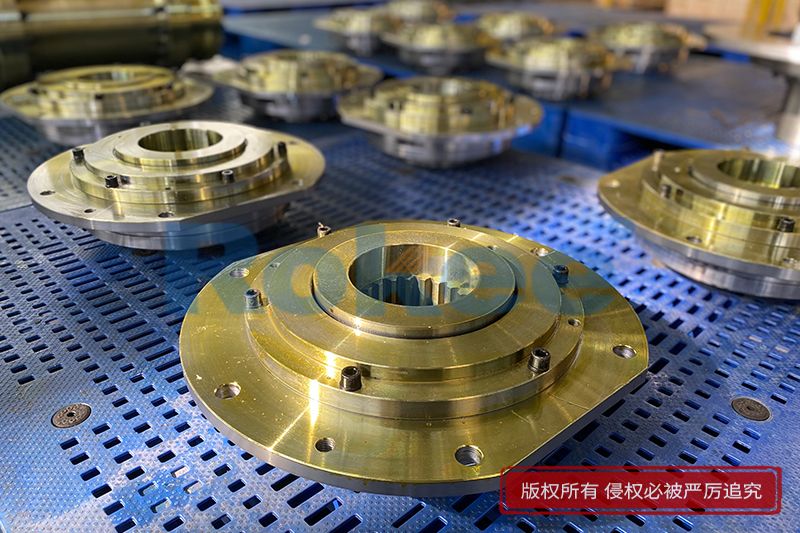
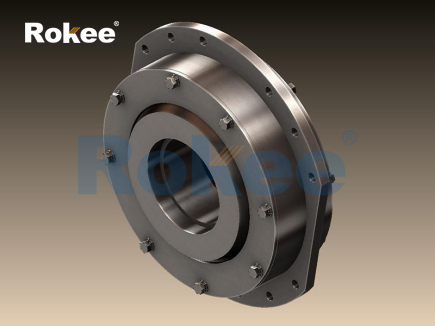
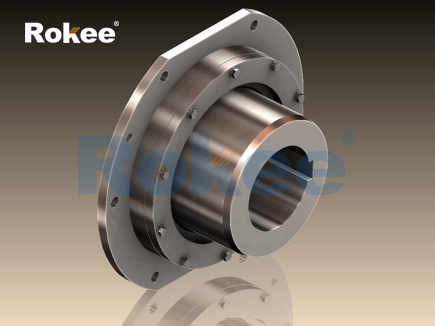
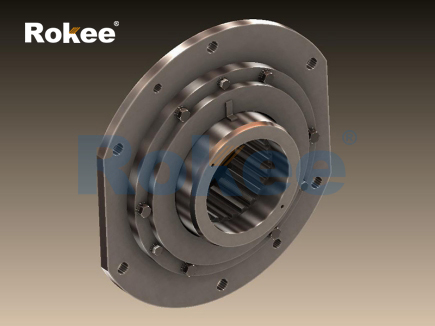
To understand the functionality of a ball hinge barrel coupling, it is essential to first examine its core structural components, each of which plays a distinct role in enabling its unique performance characteristics. At the heart of the coupling is the ball hinge assembly, which consists of a spherical ball and a corresponding socket. This ball-and-socket design is the key to the coupling’s ability to accommodate misalignments, as it allows for rotational movement in multiple directions—typically up to a few degrees of angular misalignment—without compromising the integrity of the power transmission. The ball is usually attached to one shaft, while the socket is integrated into the barrel component, creating a flexible yet sturdy connection that can adjust to minor shifts in shaft alignment caused by factors such as thermal expansion, vibration, or installation inaccuracies. Surrounding the ball hinge assembly is the barrel, a cylindrical structure that serves as the main torque-transmitting element. The barrel is designed to be rigid enough to handle high torque loads, yet it is engineered to work in harmony with the ball hinge to absorb and dampen vibrations, reducing wear on both the coupling itself and the connected machinery.
Complementing these core components are several auxiliary parts that enhance the coupling’s performance and longevity. One such component is the transmission key, which is strategically placed between the barrel and the ball hinge to ensure a secure connection and efficient torque transfer. Unlike standard keys, the transmission key in a ball hinge barrel coupling is often specially designed to fit within the spherical contours of the hinge, allowing it to maintain contact even as the coupling adjusts to misalignments. This ensures that torque is transmitted smoothly and consistently, without slippage or sudden jolts that could damage the shafts or other mechanical parts. Additionally, the coupling may include inner and outer covers, which serve to protect the internal components from external contaminants such as dust, dirt, and moisture. These covers also help to retain lubrication, which is critical for reducing friction between the moving parts of the ball hinge and extending the coupling’s service life. Seals are often integrated into the covers to further enhance protection, creating a barrier that prevents lubricant leakage and keeps harmful particles out of the coupling’s internal mechanism.
The working principle of a ball hinge barrel coupling revolves around the synergistic interaction between its structural components, which work together to transmit torque while accommodating misalignments. When power is applied to one of the connected shafts, the torque is transferred to the ball hinge assembly, which then transmits it to the barrel. The barrel, in turn, transfers the torque to the second shaft, ensuring that the rotational motion is synchronized between the two shafts. The ball-and-socket design of the hinge allows for angular misalignment between the shafts, as the ball can rotate freely within the socket. This means that even if the two shafts are not perfectly aligned—whether due to installation errors, thermal expansion, or structural deflection—the coupling can still transmit torque efficiently without putting excessive stress on the shafts or other components. Additionally, the barrel’s cylindrical design helps to distribute the torque evenly across its surface, reducing the risk of localized stress concentrations that could lead to premature failure. In cases where there is axial misalignment (i.e., the shafts are offset along their axial axis), the coupling can also accommodate small amounts of axial movement, thanks to the flexibility of the ball hinge and the design of the transmission key.
Another key aspect of the ball hinge barrel coupling’s performance is its ability to handle radial loads, which are forces acting perpendicular to the shaft’s axis. In many industrial applications, such as crane systems, conveyor belts, and heavy machinery, the coupling is not only responsible for transmitting torque but also for supporting radial loads generated by the weight of the equipment or the materials being moved. The barrel component of the coupling is specifically engineered to withstand these radial loads, with its rigid cylindrical structure providing a stable platform that distributes the load evenly. The ball hinge assembly also plays a role in handling radial loads, as the spherical contact between the ball and socket helps to absorb and dissipate the forces, reducing the strain on the shafts and other connected components. This ability to handle both torque and radial loads makes the ball hinge barrel coupling particularly well-suited for applications where the machinery is subjected to complex loading conditions.
The material selection for a ball hinge barrel coupling is a critical factor that directly impacts its performance, durability, and suitability for specific applications. Different materials are chosen based on the operating conditions, including the level of torque, the type and magnitude of loads, the operating temperature, and the presence of corrosive or abrasive environments. Common materials used for the barrel and ball hinge components include high-strength carbon steel, stainless steel, and alloy steel. Carbon steel is a popular choice for general-purpose applications due to its high strength, durability, and cost-effectiveness. It is capable of handling moderate to high torque loads and is suitable for most industrial environments where corrosion is not a major concern. Stainless steel, on the other hand, is preferred for applications where corrosion resistance is essential, such as in food processing, chemical manufacturing, or marine environments. Its ability to resist rust and degradation makes it ideal for use in wet or corrosive conditions, although it may be more expensive than carbon steel. Alloy steel is often used for high-performance applications where extreme torque, high temperatures, or heavy loads are involved. By combining different metals, alloy steel can be tailored to have specific properties, such as increased strength, hardness, or resistance to wear and fatigue.
The manufacturing process of a ball hinge barrel coupling is a precise and intricate operation that requires strict quality control to ensure that the final product meets the required performance standards. The process typically begins with the selection and preparation of the raw materials, which are inspected for quality and consistency. The barrel is usually manufactured using a combination of forging and machining processes. Forging involves heating the metal to a high temperature and shaping it into the desired cylindrical form using pressure, which enhances the metal’s strength and durability by aligning its grain structure. After forging, the barrel is machined to achieve the precise dimensions and surface finish required for proper fit and function. The ball hinge components are also manufactured using precision machining techniques, with the ball and socket being ground to a high degree of accuracy to ensure smooth movement and tight tolerance. The transmission key is often machined from a single piece of metal and then fitted into the appropriate slots in the barrel and ball hinge, ensuring a secure and precise connection. Finally, the entire coupling is assembled, and the internal components are lubricated to reduce friction and wear. Quality control checks are performed at every stage of the manufacturing process, including dimensional inspections, material testing, and performance testing, to ensure that the coupling meets the specified requirements.
The versatility of the ball hinge barrel coupling is evident in its wide range of applications across various industries. One of the most common applications is in crane systems, where the coupling is used to connect the reducer output shaft to the wire rope drum. In this application, the coupling must transmit high torque while accommodating the radial loads generated by the weight of the load being lifted and the drum itself. The ball hinge design allows for the slight misalignments that occur as the crane moves, ensuring that the power transmission remains stable and efficient. Additionally, the coupling’s ability to limit axial movement of the drum helps to prevent damage to the crane’s components, ensuring safe and reliable operation. Another important application is in conveyor systems, where the coupling connects the motor to the conveyor belt drive shaft. Conveyor systems often operate in harsh environments, with constant vibration and potential misalignments due to the length of the conveyor and the weight of the materials being transported. The ball hinge barrel coupling’s ability to dampen vibrations and accommodate misalignments makes it an ideal choice for this application, as it helps to reduce wear on the conveyor components and improve overall system reliability.
In the manufacturing industry, ball hinge barrel couplings are used in a variety of machinery, including pumps, compressors, and industrial mixers. Pumps, for example, require a coupling that can transmit torque efficiently while accommodating the misalignments that may occur between the motor and the pump shaft. The ball hinge barrel coupling’s flexibility and durability make it well-suited for this application, as it can handle the high pressures and vibrations associated with pump operation. Compressors, which operate at high speeds and generate significant torque, also benefit from the coupling’s ability to transmit power smoothly and absorb vibrations, reducing the risk of component failure. Industrial mixers, which are used in applications such as chemical processing and food production, require a coupling that can handle both torque and radial loads, as well as accommodate the misalignments that may occur due to the mixer’s movement. The ball hinge barrel coupling’s robust design and versatility make it an excellent choice for these applications, ensuring that the mixers operate efficiently and reliably.
Aerospace and defense applications also utilize ball hinge barrel couplings, where precision and reliability are of utmost importance. In aircraft systems, for example, the coupling may be used in the landing gear mechanism or in the engine’s auxiliary systems. These applications require a coupling that can withstand extreme temperatures, high vibrations, and high torque loads, while maintaining a high degree of precision. The ball hinge barrel coupling’s ability to handle these conditions, combined with its compact design, makes it suitable for use in aerospace applications where space is limited. Similarly, in defense applications, such as military vehicles and weapons systems, the coupling must be able to withstand harsh operating conditions, including extreme temperatures, dust, and shock. The coupling’s durable construction and ability to accommodate misalignments make it a reliable choice for these critical applications.
Proper maintenance is essential to ensure the long-term performance and reliability of a ball hinge barrel coupling. Regular maintenance not only extends the coupling’s service life but also helps to prevent unexpected failures that can lead to costly downtime and equipment damage. One of the most important maintenance tasks is lubrication, as the moving parts of the ball hinge require a consistent supply of lubricant to reduce friction and wear. The type of lubricant used depends on the operating conditions, including temperature, load, and speed. It is important to use the recommended lubricant and to follow the manufacturer’s guidelines for lubrication intervals. In addition to lubrication, regular inspections are also necessary to check for signs of wear, damage, or misalignment. During inspections, the coupling should be checked for cracks, corrosion, or excessive wear on the ball hinge, barrel, or transmission key. The covers and seals should also be inspected to ensure that they are intact and functioning properly, preventing the entry of contaminants and the leakage of lubricant.
If any signs of wear or damage are detected, the coupling should be repaired or replaced promptly to avoid further damage to the connected machinery. In some cases, minor wear can be addressed by replacing the transmission key or the lubricant, while more severe damage may require replacing the entire coupling. It is also important to ensure that the coupling is properly installed, as incorrect installation can lead to misalignments, excessive stress, and premature failure. During installation, the shafts should be aligned as closely as possible, and the coupling should be fitted securely to both shafts. The torque applied to the coupling bolts should be within the recommended range, as over-tightening or under-tightening can cause damage to the coupling or the shafts. Additionally, the coupling should be inspected after installation to ensure that it is functioning properly and that there are no signs of misalignment or excessive vibration.
The performance of a ball hinge barrel coupling can also be influenced by a variety of factors, including operating speed, torque load, temperature, and environmental conditions. Operating speed is a critical factor, as high speeds can generate centrifugal forces that can put stress on the coupling’s components. The coupling must be designed to handle the maximum operating speed of the application, as exceeding this speed can lead to excessive vibration, wear, and even failure. Torque load is another important factor, as the coupling must be able to transmit the maximum torque generated by the machinery without slipping or failing. The material and design of the coupling are key factors in determining its torque-carrying capacity, and it is important to select a coupling that is rated for the specific torque requirements of the application. Temperature can also affect the coupling’s performance, as extreme temperatures can cause the material to expand or contract, leading to changes in the coupling’s dimensions and potentially causing misalignments. High temperatures can also degrade the lubricant, reducing its effectiveness and increasing friction between the moving parts. Corrosive or abrasive environments can also damage the coupling’s components, leading to premature wear and failure. In such environments, it is important to select a coupling made from corrosion-resistant materials and to implement regular maintenance practices to protect the coupling from damage.
As technology continues to advance, the design and performance of ball hinge barrel couplings are also evolving. Manufacturers are constantly exploring new materials and manufacturing techniques to improve the coupling’s durability, efficiency, and adaptability. For example, the use of advanced alloys and composite materials is becoming increasingly common, as these materials offer higher strength, lighter weight, and better corrosion resistance than traditional materials. Additionally, advances in precision machining and 3D printing technology are allowing for more complex and precise designs, which can improve the coupling’s performance and reduce manufacturing costs. The integration of smart sensors into the coupling is another emerging trend, which allows for real-time monitoring of the coupling’s performance, including temperature, vibration, and wear. This real-time data can be used to predict potential failures and schedule maintenance proactively, reducing downtime and improving overall system reliability.
In conclusion, the ball hinge barrel coupling is a versatile and essential component in modern mechanical transmission systems. Its unique design, which combines the flexibility of a ball hinge with the rigidity of a barrel coupling, allows it to transmit torque efficiently, accommodate misalignments, and handle radial loads, making it suitable for a wide range of industrial applications. From crane systems and conveyor belts to pumps, compressors, and aerospace equipment, the ball hinge barrel coupling plays a critical role in ensuring the smooth and reliable operation of machinery. Proper material selection, manufacturing, installation, and maintenance are essential to maximizing the coupling’s performance and service life. As industries continue to demand higher efficiency, reliability, and adaptability, the ball hinge barrel coupling will continue to evolve, incorporating new technologies and materials to meet the changing needs of the global market. Its ability to balance flexibility and rigidity, combined with its durability and versatility, makes it a cornerstone of modern mechanical engineering, supporting the operation of critical machinery across sectors and driving industrial progress.
- Tags:
- Barrel Couplings ,
- sandwich panel line ,
- sandwich panel machine
- pu sandwich panel machine
« Ball Hinge Barrel Coupling » Latest Update Date: May 9, 2026
https://www.rokeecoupling.net/blog/ball-hinge-barrel-coupling.html