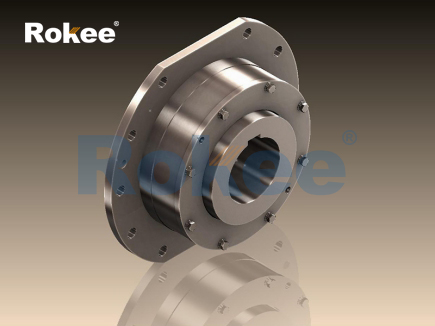
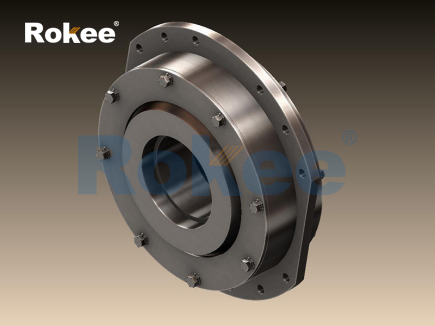
In the realm of mechanical power transmission, couplings serve as the critical link between rotating shafts, enabling the seamless transfer of torque while accommodating misalignments, reducing vibration, and protecting machinery from excessive stress. Among the diverse range of coupling types available, the ball dumpling barrel coupling stands out as a specialized and reliable option, designed to meet the demands of various industrial applications where precision, durability, and adaptability are paramount. This coupling type derives its name from its unique structural components, which include barrel-shaped elements and ball dumpling-like connectors that work in tandem to deliver efficient power transmission and exceptional performance under challenging operating conditions. Unlike generic couplings, the ball dumpling barrel coupling is engineered to address specific challenges such as angular, radial, and axial misalignments, making it a preferred choice for industries that rely on heavy-duty machinery and continuous operation.
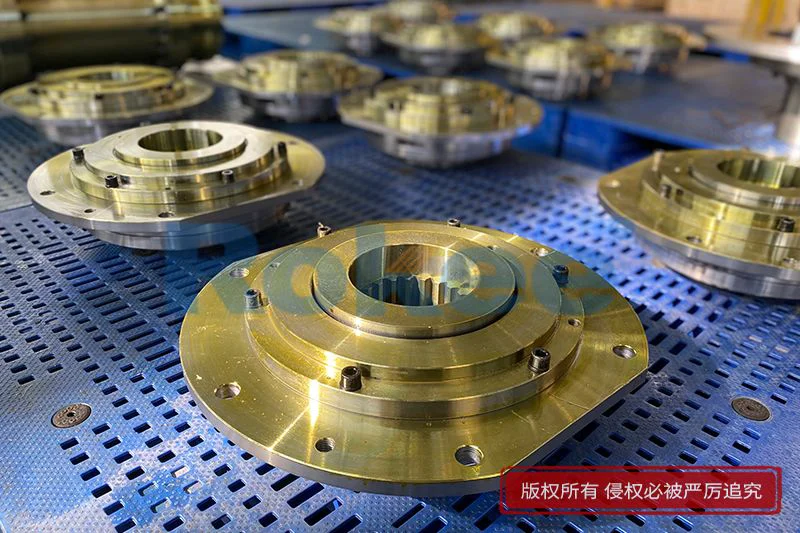
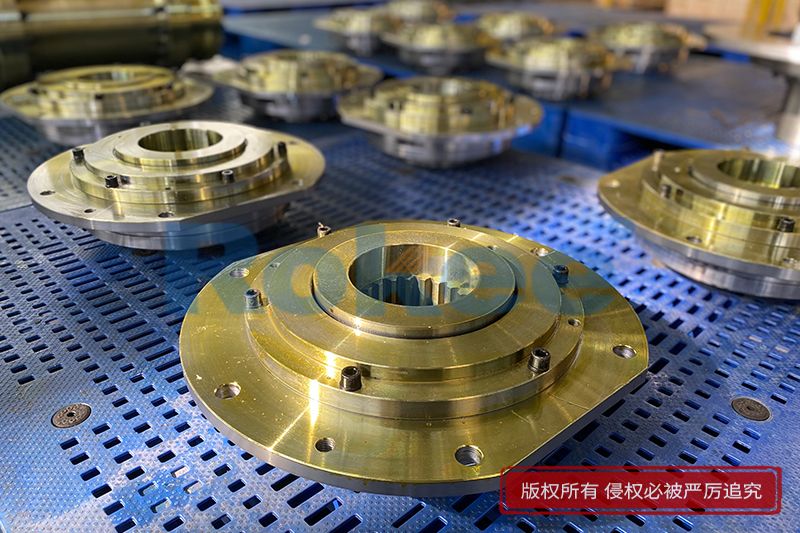
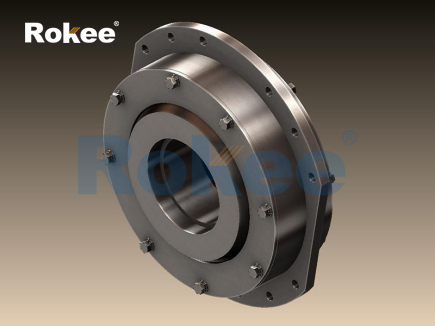
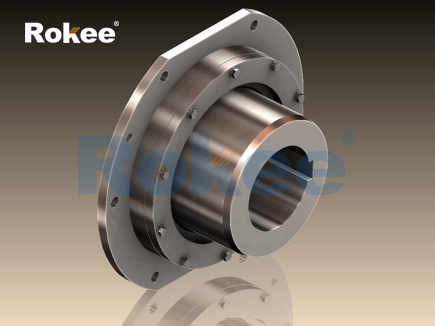
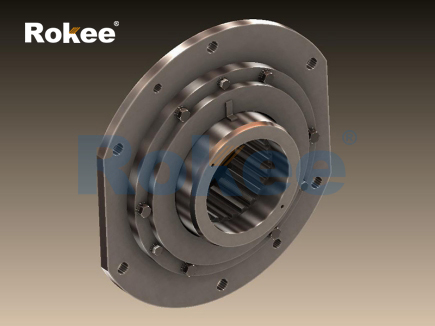
To understand the functionality and advantages of the ball dumpling barrel coupling, it is essential to first examine its structural composition. At its core, this coupling consists of several key components that work together to facilitate torque transmission and misalignment compensation. The primary elements include two half-couplings, each designed to attach to the respective shafts that need to be connected. These half-couplings are typically equipped with external teeth or grooves that mesh with a central barrel-shaped sleeve, which serves as the main torque-transmitting component. What distinguishes the ball dumpling barrel coupling from other barrel-style couplings is the inclusion of ball dumpling-shaped connectors, which are integrated into the half-couplings or the barrel sleeve. These ball dumpling elements are spherical or rounded in shape, allowing for smooth rotation and flexibility, which is crucial for accommodating misalignments between the connected shafts. Additionally, the coupling may feature seals and covers to protect the internal components from dust, debris, and moisture, ensuring long-term reliability and reducing the need for frequent maintenance.
The materials used in the construction of ball dumpling barrel couplings play a vital role in determining their performance, durability, and suitability for different applications. Given the high levels of torque and stress that couplings are subjected to, manufacturers typically use high-strength materials that can withstand heavy loads and resist wear and corrosion. Common materials include carbon steel, alloy steel, and stainless steel, each offering distinct advantages based on the application requirements. Carbon steel is often used for general-purpose applications where cost-effectiveness and moderate strength are sufficient, while alloy steel is preferred for heavy-duty industrial settings that demand higher torque capacity and resistance to fatigue. Stainless steel is ideal for applications in corrosive environments, such as chemical processing or marine industries, as it offers excellent resistance to rust and chemical degradation. The ball dumpling elements and internal components may also be treated with surface coatings or heat treatments to enhance their hardness and wear resistance, further extending the service life of the coupling.
The working principle of the ball dumpling barrel coupling is centered around its ability to transmit torque while compensating for misalignments between the connected shafts. When the driving shaft rotates, it transfers torque to the half-coupling attached to it, which in turn engages with the barrel sleeve. The barrel sleeve, with its internal teeth or grooves, meshes with the corresponding features on the driven half-coupling, transmitting the torque to the driven shaft. The ball dumpling elements play a critical role in this process by allowing for relative movement between the half-couplings and the barrel sleeve. This flexibility enables the coupling to accommodate angular misalignment, which occurs when the two shafts are not perfectly aligned along the same axis, as well as radial misalignment, where the shafts are offset parallel to each other. Additionally, the ball dumpling design can compensate for minor axial misalignment, which is the linear movement of one shaft relative to the other. By accommodating these misalignments, the ball dumpling barrel coupling reduces the stress on the shafts, bearings, and other mechanical components, preventing premature failure and ensuring smooth operation.
One of the key advantages of the ball dumpling barrel coupling is its high torque transmission capacity. Due to its robust construction and efficient meshing of components, this coupling is capable of transmitting large amounts of torque without sacrificing performance or reliability. This makes it suitable for heavy-duty applications such as industrial machinery, conveyor systems, pumps, compressors, and gearboxes, where high torque levels are required. Another significant advantage is its ability to handle misalignments without causing excessive vibration or wear. The ball dumpling elements act as flexible joints, allowing for smooth movement and reducing the impact of misalignments on the coupling and connected machinery. This not only extends the service life of the coupling but also reduces maintenance costs and downtime, as the need for frequent adjustments or replacements is minimized.
Furthermore, the ball dumpling barrel coupling offers excellent durability and resistance to wear, even under harsh operating conditions. The use of high-strength materials and precision manufacturing ensures that the coupling can withstand continuous operation, high temperatures, and heavy loads without deforming or failing. The seals and covers integrated into the design protect the internal components from contaminants, such as dust, dirt, and moisture, which can cause corrosion and wear. This makes the coupling suitable for use in a wide range of environments, from clean industrial facilities to harsh outdoor or marine settings. Additionally, the simple and robust design of the ball dumpling barrel coupling makes it easy to install and maintain, further enhancing its appeal for industrial applications.
The versatility of the ball dumpling barrel coupling is evident in its wide range of applications across various industries. In the manufacturing sector, it is commonly used in machine tools, such as lathes, milling machines, and grinders, where precise torque transmission and misalignment compensation are essential for ensuring the accuracy of machining operations. In the material handling industry, the coupling is used in conveyor systems, where it connects the motor to the conveyor belt, enabling efficient movement of materials while accommodating any misalignments that may occur due to the length of the conveyor or wear of components. The oil and gas industry also relies on ball dumpling barrel couplings for applications such as pumps, compressors, and drilling equipment, where the coupling must withstand high pressures, high temperatures, and harsh environmental conditions. Additionally, the coupling is used in the automotive, aerospace, and marine industries, where reliability and performance are critical for the safe and efficient operation of vehicles and equipment.
Proper installation and maintenance are essential to ensure the optimal performance and long service life of the ball dumpling barrel coupling. Before installation, it is important to inspect all components for any damage, such as cracks, corrosion, or wear, and to ensure that the shafts are clean and free of debris. The half-couplings should be securely attached to the shafts using appropriate fasteners, and the alignment of the shafts should be checked to minimize misalignment. It is also important to ensure that the barrel sleeve is properly meshed with the half-couplings, and that any seals or covers are correctly installed to protect the internal components. Regular maintenance is equally important, including periodic inspections to check for wear, loose fasteners, or damage, as well as lubrication of the internal components to reduce friction and wear. The frequency of maintenance will depend on the application and operating conditions, but regular checks can help identify potential issues before they lead to coupling failure or machinery damage.
When it comes to the selection of a ball dumpling barrel coupling, several factors need to be considered to ensure that it is suitable for the specific application. The torque capacity of the coupling must match or exceed the torque requirements of the machinery, as insufficient torque capacity can lead to coupling failure. The misalignment capacity of the coupling should also be considered, as different applications may require the coupling to accommodate varying levels of angular, radial, and axial misalignment. Additionally, the operating environment, including temperature, humidity, and the presence of contaminants, should be taken into account when selecting the material and design of the coupling. For example, applications in corrosive environments may require a stainless steel coupling with enhanced seals, while high-temperature applications may require materials that can withstand elevated temperatures without degrading.
In recent years, advancements in manufacturing technology and materials have led to improvements in the design and performance of ball dumpling barrel couplings. Manufacturers are increasingly using computer-aided design (CAD) and finite element analysis (FEA) to optimize the structure of the coupling, ensuring that it can handle higher torque levels and misalignments while reducing weight and improving efficiency. Additionally, the use of advanced materials, such as composite materials and specialized alloys, has further enhanced the durability and performance of the coupling, making it suitable for even more demanding applications. These advancements have also led to the development of customized ball dumpling barrel couplings, which are tailored to meet the specific requirements of individual applications, further expanding the versatility of this coupling type.
Despite its many advantages, the ball dumpling barrel coupling is not suitable for all applications. In applications where extremely high levels of misalignment are required, or where flexible torque transmission is needed, other types of couplings, such as elastic couplings or universal joints, may be more appropriate. Additionally, the ball dumpling barrel coupling may not be the most cost-effective option for low-torque, light-duty applications, where simpler and less expensive couplings can meet the requirements. However, for heavy-duty, high-torque applications that require reliable misalignment compensation and long service life, the ball dumpling barrel coupling remains an excellent choice.
In conclusion, the ball dumpling barrel coupling is a specialized and reliable mechanical component that plays a crucial role in power transmission across various industries. Its unique design, which includes ball dumpling-shaped elements and a barrel sleeve, enables it to transmit high levels of torque while accommodating angular, radial, and axial misalignments, reducing vibration, and protecting machinery from excessive stress. The use of high-strength materials and precision manufacturing ensures that the coupling is durable, wear-resistant, and suitable for harsh operating conditions. Proper installation and maintenance are essential to maximize the performance and service life of the coupling, and careful selection based on application requirements is crucial to ensure optimal results. With ongoing advancements in manufacturing technology and materials, the ball dumpling barrel coupling is likely to continue evolving, offering even greater performance and versatility for future industrial applications. Whether in manufacturing, material handling, oil and gas, or other industries, this coupling type remains a vital component for ensuring the efficient and reliable operation of machinery and equipment.
- Tags:
- Barrel Couplings ,
- sandwich panel line ,
- sandwich panel machine
- pu sandwich panel machine
« Ball Dumpling Barrel Coupling » Latest Update Date: May 9, 2026
https://www.rokeecoupling.net/blog/ball-dumpling-barrel-coupling.html