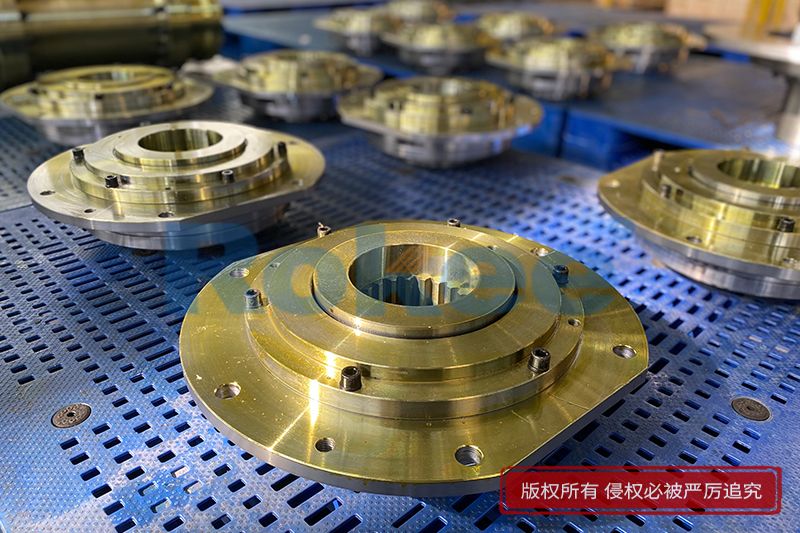
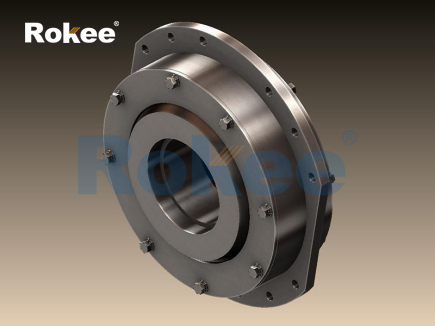
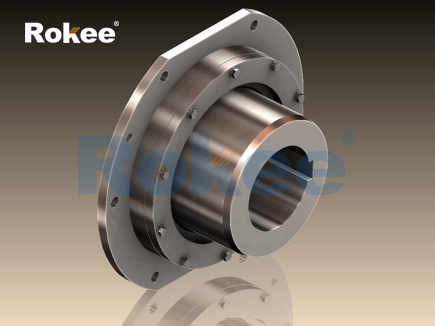
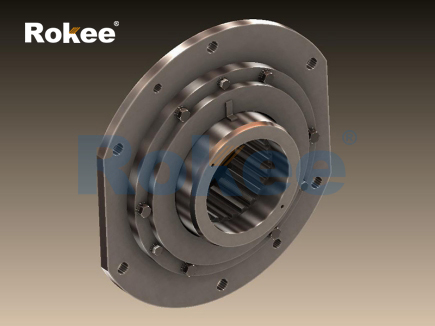
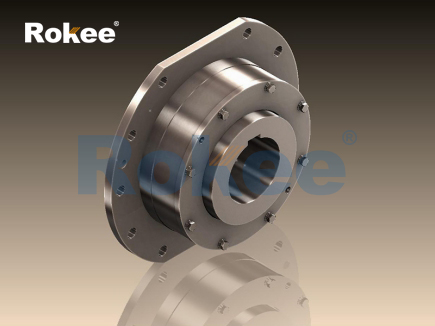
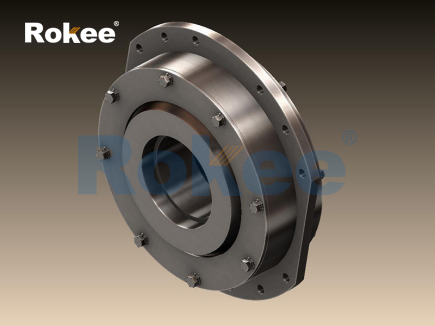
Barrel couplings are specialized mechanical components engineered to facilitate efficient torque transmission and precise shaft alignment in pump systems, playing an indispensable role in ensuring the smooth and reliable operation of various pumping equipment across industries. Unlike general-purpose couplings, barrel couplings are uniquely designed to adapt to the specific working conditions of pumps, which often involve continuous rotation, varying load demands, and potential misalignments between the pump shaft and the driving motor shaft. Their cylindrical structure, combined with carefully optimized design features, allows them to withstand the mechanical stresses, vibrations, and operational pressures that are inherent to pump operations, making them a critical component in maintaining the overall performance and longevity of pump systems. Whether in industrial process pumps, water supply and drainage pumps, or specialized pumps used in harsh environments, barrel couplings serve as the vital link between the driving source and the pump, ensuring that power is transferred efficiently without excessive energy loss or component wear.
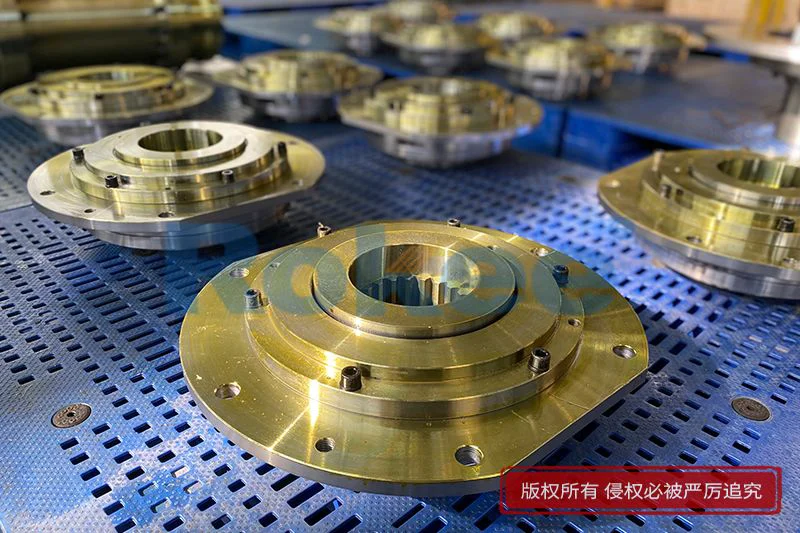
The fundamental function of a barrel coupling for pumps is to connect the motor shaft to the pump shaft, enabling the transfer of rotational power from the motor to the pump impeller. This power transfer must be executed with minimal energy loss, as any inefficiency can lead to reduced pump performance, increased energy consumption, and premature component failure. Additionally, barrel couplings must accommodate minor misalignments between the two shafts, which can occur due to installation errors, thermal expansion during operation, or structural deformation over time. Without the ability to compensate for such misalignments, excessive stress would be placed on the pump bearings, shafts, and other critical components, leading to frequent breakdowns and increased maintenance costs. Barrel couplings achieve this by incorporating design elements that allow for limited axial, radial, and angular movement, ensuring that the transfer of torque remains consistent even when slight misalignments are present. This adaptability is particularly important in pump systems, where precise alignment is often challenging to maintain over long periods of continuous operation.
The structural design of barrel couplings for pumps is tailored to meet the unique requirements of pump operations, with variations in design to accommodate different pump types, load capacities, and operating conditions. A typical barrel coupling consists of a cylindrical body, often referred to as the "barrel," which is the core component responsible for torque transmission. This barrel is usually formed from a single unit of material through processes such as roll forming or machining, ensuring structural integrity and uniform stress distribution. The barrel is equipped with integrated cavities and angularly extending lips or wings that engage with the shafts, providing a secure connection that minimizes slippage during operation. Depending on the application, barrel couplings can be categorized into several types, each with distinct design features to suit specific needs. Solid barrel couplings are rigid designs intended for high-torque pump applications, often incorporating flanges or splines to enhance the connection strength and ensure efficient torque transfer. These rigid couplings are ideal for pumps that operate at consistent speeds and loads, where precise alignment can be maintained and misalignment is minimal. Flexible barrel couplings, on the other hand, are equipped with elastic elements such as rubber or metal membranes, which allow for greater misalignment compensation and vibration damping. These couplings are particularly suitable for pump systems where thermal expansion or structural movement may cause significant shaft misalignments, as the elastic elements absorb the resulting stresses and prevent them from being transmitted to the pump and motor components.
Clamping barrel couplings are another common type, featuring split sleeves or adjustable collars that allow for easy installation and maintenance without the need to disassemble the entire pump system. This design is especially beneficial in applications where pump downtime must be minimized, as the coupling can be quickly removed and reinstalled, reducing maintenance time and costs. Additionally, some barrel couplings used in vertical pumps feature a split design along the central axis, with counterbore holes and thread holes that allow the coupling to be securely fastened around the shafts using screw washer groups. This split design also includes key grooves that ensure a tight keyed connection with the upper and lower shafts, providing reliable power transmission even in vertical pump applications that operate in wet environments or require frequent frequency conversion. The cylindrical geometry of all barrel coupling types ensures that stress is distributed uniformly across the component, enhancing its load-bearing capacity and fatigue resistance, which is critical for withstanding the continuous rotational forces in pump systems.
The functional principles of barrel couplings for pumps are based on two core mechanisms: torque transmission and misalignment compensation. Unlike other coupling types that rely on gears, chains, or elastomeric elements alone, barrel couplings utilize a specialized configuration of cylindrical barrels or rollers housed within precision-machined troughs to transmit power. In a typical design, the coupling consists of three primary components: a sleeve with internal semicircular toothing, a hub with external matching toothing, and a series of cylindrical barrels made from hardened steel. As the motor shaft rotates, the toothing on the hub engages with the cylindrical barrels, which in turn transfer the rotational force to the sleeve and ultimately to the pump shaft. This design ensures that torque is transmitted smoothly and efficiently, with minimal friction and wear. For elastomeric barrel couplings, the functional principle incorporates elastomeric elements made from rubber or polyurethane, which not only transmit torque but also absorb vibrations and compensate for misalignments. These elastomeric elements act as a buffer between the motor and pump shafts, reducing the impact of vibrations on the pump system and extending the service life of both the coupling and the pump components.
The selection of materials for barrel couplings is a critical factor in determining their performance, durability, and suitability for specific pump applications. The materials must be able to withstand the operational stresses, temperatures, and environmental conditions that the coupling will encounter during service. For most pump applications, barrel couplings are manufactured from high-strength metals such as carbon steel, alloy steel, or stainless steel. Carbon steel is a common choice for general-purpose pumps due to its affordability, good strength, and ease of machining. Alloy steel, which contains additional elements such as chromium, nickel, or molybdenum, offers enhanced strength, hardness, and resistance to wear and corrosion, making it suitable for high-torque pump applications or those operating in harsh environments. Stainless steel is preferred for pumps used in food and beverage processing, pharmaceutical production, or water treatment, where corrosion resistance and hygiene are critical. In addition to metal materials, some barrel couplings for low-load pump applications are made from high-performance polymers such as nylon or polypropylene. These plastic couplings are lightweight, corrosion-resistant, and cost-effective, making them ideal for small pumps, laboratory equipment, or applications where non-metallic components are required.
The performance of a barrel coupling in a pump system is influenced by several key factors, including torque capacity, misalignment compensation capability, vibration damping, and operating speed. Torque capacity refers to the maximum amount of torque that the coupling can transmit without failure, and it must be matched to the requirements of the pump and motor. Selecting a coupling with insufficient torque capacity can lead to premature failure, while selecting one with excessive capacity can result in unnecessary costs and increased weight. Misalignment compensation is another critical performance factor, as even minor misalignments can cause significant stress on the pump and motor. Barrel couplings are designed to accommodate different levels of misalignment, with flexible types offering greater compensation than rigid types. Vibration damping is essential in pump systems, as vibrations can cause noise, component wear, and reduced performance. Elastomeric barrel couplings are particularly effective at damping vibrations, as the elastic elements absorb and dissipate vibrational energy, preventing it from being transmitted to the pump and motor. Operating speed is also an important consideration, as the coupling must be able to withstand the rotational speed of the pump and motor without experiencing excessive centrifugal force or fatigue. High-speed pump applications require couplings that are precision-machined and balanced to ensure smooth operation at elevated speeds.
Barrel couplings are used in a wide range of pump applications across various industries, each with unique requirements and operating conditions. In industrial process pumps, which are used in chemical, petrochemical, and manufacturing facilities, barrel couplings must withstand high pressures, temperatures, and corrosive environments. These pumps often operate continuously, requiring couplings that are durable, reliable, and capable of transmitting high torque. Flexible barrel couplings are commonly used in these applications to accommodate misalignments caused by thermal expansion or structural movement, while stainless steel or alloy steel materials are selected for their corrosion resistance and strength. Water supply and drainage pumps, which are used in municipal water systems, wastewater treatment plants, and irrigation systems, rely on barrel couplings to ensure efficient power transmission and reliable operation. These pumps often operate in outdoor environments, exposing the coupling to moisture and varying temperatures, making corrosion resistance a key consideration. Clamping barrel couplings are popular in these applications due to their ease of installation and maintenance, allowing for quick repairs and minimal downtime.
Vertical pumps, which are used in applications such as deep well pumping, cooling towers, and boiler feedwater systems, require specialized barrel couplings that can accommodate the unique challenges of vertical shaft alignment. The split barrel coupling design, which allows for easy installation around the vertical shafts, is particularly suitable for these applications. These couplings are often designed to withstand axial forces generated during operation, requiring the use of self-adjusting bearings to ensure stability. In addition, barrel couplings are used in specialized pump applications such as nuclear power plant feedwater pumps and gas turbine cooling systems, where reliability and resistance to harsh environments are critical. These couplings must meet strict performance standards to ensure safe and continuous operation, often utilizing high-strength alloy materials and precision manufacturing processes. Even in low-load applications such as small laboratory pumps or household water pumps, plastic barrel couplings provide a cost-effective and reliable solution for torque transmission.
Proper installation and maintenance of barrel couplings are essential to ensure their optimal performance and longevity in pump systems. During installation, it is critical to ensure that the pump and motor shafts are aligned as accurately as possible, as excessive misalignment can place unnecessary stress on the coupling and other components. The coupling should be installed according to the manufacturer’s guidelines, with the correct torque applied to fasteners to ensure a secure connection. It is also important to inspect the coupling for any damage or defects before installation, such as cracks, wear, or deformation, which could lead to failure during operation. After installation, regular maintenance is required to keep the coupling in good working condition. This includes periodic inspections to check for wear, loose fasteners, or signs of misalignment. For couplings with elastomeric elements, regular replacement of these elements is necessary to maintain vibration damping and misalignment compensation capabilities. Lubrication may be required for certain types of barrel couplings, such as mechanical barrel couplings, to reduce friction and wear between moving parts. Proper lubrication ensures smooth operation and extends the service life of the coupling.
Common issues that can affect barrel couplings in pump systems include wear, misalignment, vibration, and material fatigue. Wear can occur due to continuous friction between the coupling components, especially in high-torque or high-speed applications. This wear can lead to reduced torque transmission efficiency and eventually to coupling failure if not addressed. Misalignment, if left uncorrected, can cause excessive stress on the coupling, shafts, and bearings, leading to premature wear and failure. Vibration can be caused by a variety of factors, including misalignment, unbalanced pump impellers, or worn coupling components. Excessive vibration not only affects the performance of the coupling but also can damage other parts of the pump system. Material fatigue is another common issue, particularly in couplings that operate under cyclic loads. Over time, the repeated stress of torque transmission can cause cracks to form in the coupling material, leading to failure. Regular inspections and maintenance can help to identify these issues early, allowing for timely repairs or replacement of the coupling before more serious damage occurs.
The future development of barrel couplings for pumps is focused on improving performance, durability, and efficiency, while also adapting to the evolving needs of modern pump systems. Advancements in material science are leading to the development of new materials that offer enhanced strength, corrosion resistance, and fatigue life. For example, the use of composite materials in barrel couplings is becoming more common, as these materials are lightweight, strong, and resistant to corrosion, making them ideal for harsh environments. Precision manufacturing technologies, such as computer numerical control (CNC) machining and 3D printing, are also improving the quality and consistency of barrel couplings, ensuring that they meet the exact specifications required for pump applications. These technologies allow for more complex designs that optimize torque transmission, misalignment compensation, and vibration damping, leading to improved overall pump performance.
Another area of development is the integration of smart technologies into barrel couplings, allowing for real-time monitoring of their performance. Sensors embedded in the coupling can detect parameters such as temperature, vibration, and torque, providing valuable data that can be used to predict maintenance needs and prevent unexpected failures. This predictive maintenance approach helps to reduce downtime, lower maintenance costs, and extend the service life of the pump system. Additionally, there is a growing focus on energy efficiency, with barrel couplings being designed to minimize energy loss during torque transmission. This is achieved through optimized design features that reduce friction and improve the efficiency of power transfer, helping to lower the overall energy consumption of the pump system.
In conclusion, barrel couplings are essential components in pump systems, serving as the critical link between the motor and the pump to ensure efficient torque transmission, precise alignment, and reliable operation. Their unique structural design, combined with a variety of types and materials, allows them to adapt to a wide range of pump applications across industries. Proper selection, installation, and maintenance of barrel couplings are crucial to maximizing their performance and longevity, while also ensuring the overall efficiency and reliability of the pump system. As pump technology continues to evolve, barrel couplings are also advancing, with new materials, manufacturing processes, and smart technologies being integrated to meet the changing needs of modern industrial and commercial applications. Whether in large-scale industrial pumps or small household pumps, barrel couplings play a vital role in keeping pump systems running smoothly, efficiently, and reliably for years to come.
- Tags:
- Barrel Couplings ,
- sandwich panel line ,
- sandwich panel machine
- pu sandwich panel machine
« Barrel Coupling For Pump » Latest Update Date: May 9, 2026
https://www.rokeecoupling.net/blog/barrel-coupling-for-pump.html