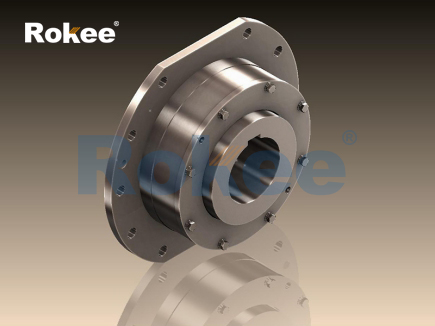
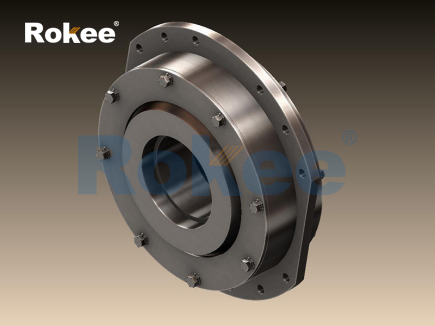
In the complex ecosystem of industrial lifting equipment, bridge cranes stand out as indispensable workhorses, facilitating the movement of heavy loads across warehouses, manufacturing plants, construction sites, and ports. These cranes rely on a series of interconnected components to operate efficiently and safely, with each part playing a critical role in ensuring the seamless transmission of power and the stable handling of loads. Among these components, the barrel coupling holds a position of particular importance, serving as a vital link in the crane’s transmission system that connects the reducer’s power output shaft to the drum. Without a reliable barrel coupling, the bridge crane’s ability to transmit torque, compensate for misalignments, and withstand operational stresses would be severely compromised, leading to reduced efficiency, increased downtime, and potential safety hazards.
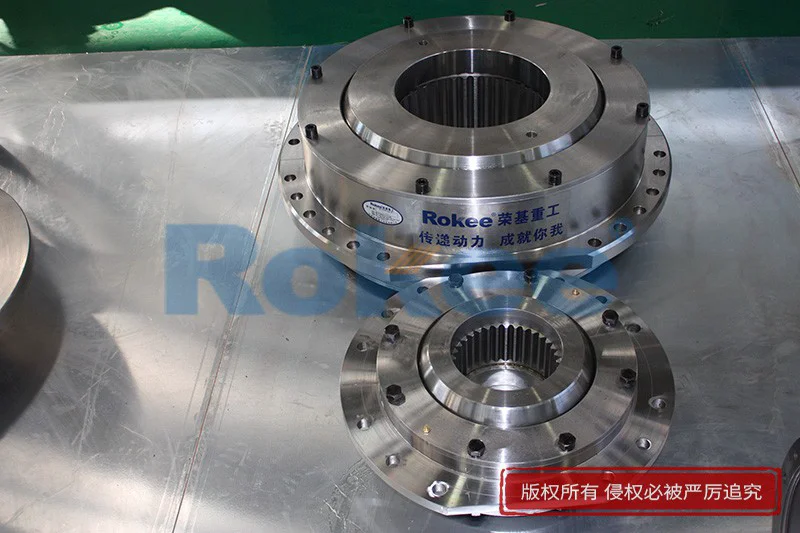
A barrel coupling is a type of flexible coupling specifically engineered to meet the demanding requirements of bridge crane operations, where high torque transmission, radial load resistance, and misalignment compensation are essential. Unlike rigid couplings that offer no flexibility, barrel couplings are designed to accommodate small angular, axial, and radial misalignments between the connected shafts, which is crucial in bridge cranes due to the inevitable slight shifts that occur during operation, such as those caused by load variations, structural deflection, or installation tolerances. This flexibility not only protects the reducer, drum, and other connected components from excessive stress and wear but also ensures the smooth and consistent transmission of power, even under dynamic loading conditions. The core function of a barrel coupling in a bridge crane is to transfer the torque generated by the reducer to the drum, which in turn winds or unwinds the steel cable to lift or lower loads. Additionally, it restricts the axial movement of the drum, preventing unwanted displacement that could disrupt the crane’s operation or cause damage to the cable or other components. In some designs, barrel couplings may also incorporate wear indicators, which provide a visual or mechanical signal when components are worn beyond acceptable limits, allowing for timely maintenance and reducing the risk of sudden failure.
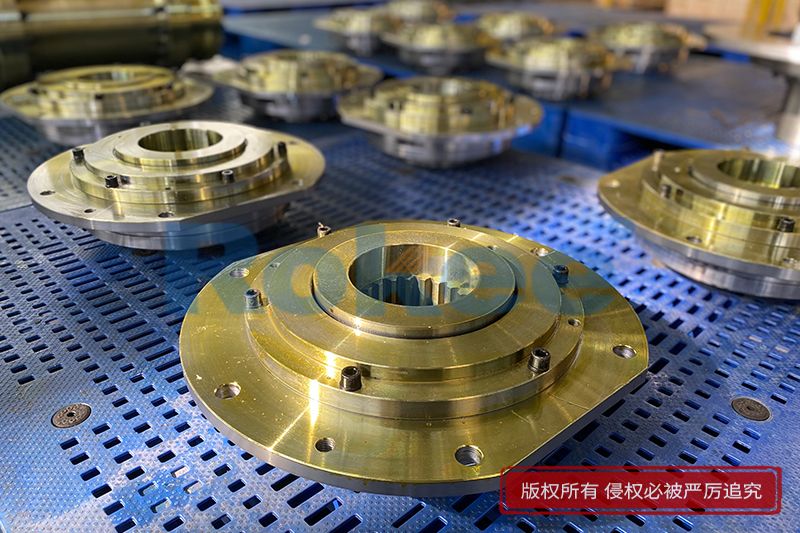
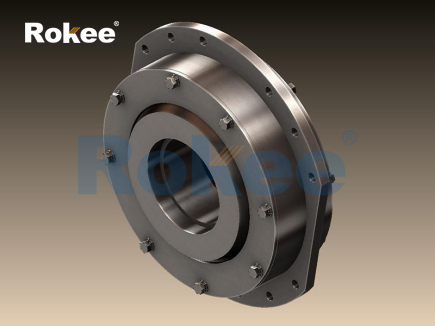
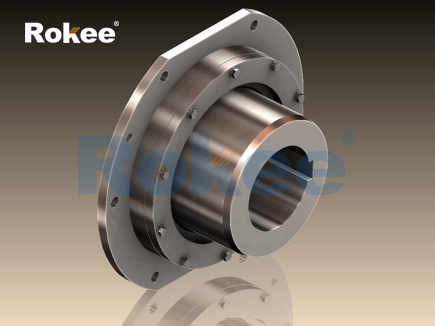
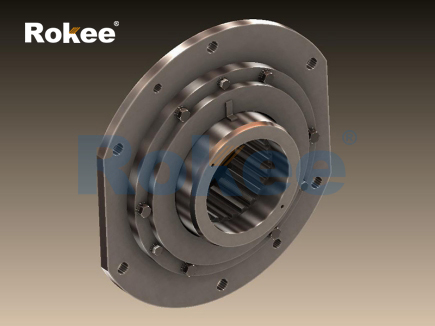
The structural design of a barrel coupling is carefully optimized to balance strength, flexibility, and durability, ensuring it can withstand the harsh conditions of industrial lifting environments. Typically, a barrel coupling consists of several key components, including a hub, a housing, barrel rollers, inner and outer cover plates, and a sealing system. The hub is connected to the reducer’s output shaft, while the housing is attached to the crane’s drum, creating a secure link between the two. The barrel rollers, which are cylindrical or spherical in shape, are inserted into matching semicircular grooves in the hub and housing, serving as the primary torque-transmitting elements. These rollers allow for relative movement between the hub and housing, enabling the coupling to compensate for misalignments while maintaining efficient torque transmission. The curved profile of the barrel rollers reduces bending stresses at the contact points, enhancing the coupling’s resistance to fatigue and extending its service life. The inner and outer cover plates, equipped with lip seals, play a critical role in protecting the internal components from foreign contaminants such as dust, dirt, and moisture, which can cause corrosion and premature wear. They also prevent the leakage of lubricant, which is essential for reducing friction between the moving parts and ensuring smooth operation.
Material selection is a key factor in determining the performance, durability, and reliability of a barrel coupling for bridge cranes. The choice of materials depends on several factors, including the operating environment, load capacity, rotational speed, and corrosion resistance requirements. In most industrial applications, the hub and housing of barrel couplings are made from high-strength metals such as cast steel or forged steel. Cast steel offers excellent strength, wear resistance, and corrosion resistance, making it suitable for high-load, high-speed applications and harsh environments. It is typically produced using vacuum casting techniques to ensure uniform density and minimal defects. Forged steel, on the other hand, is subjected to repeated hammering or pressing, resulting in a dense, homogeneous structure with superior mechanical properties, including high tensile strength and toughness. This makes forged steel ideal for critical components that must withstand extreme loads and shock impacts. In environments where corrosion is a concern, such as outdoor or marine applications, stainless steel may be used for the coupling components. Stainless steel offers exceptional resistance to rust and corrosion, even in damp or chemically aggressive environments, although it comes at a higher cost. For applications where weight is a consideration, aluminum alloys may be used, as they are lightweight and offer good oxidation resistance, but their lower strength limits their use to lighter load applications. The barrel rollers are typically made from hardened steel, which provides high wear resistance and durability, ensuring they can withstand the constant friction and pressure during torque transmission.
The performance characteristics of barrel couplings are tailored to meet the specific needs of bridge crane operations, which often involve heavy loads, variable speeds, and frequent start-stop cycles. One of the most important performance metrics is torque transmission capacity, which refers to the maximum amount of torque the coupling can transmit without failure. Barrel couplings are designed to handle high torque levels, with capacities ranging from several thousand to hundreds of thousands of newton-meters, depending on their size and design. This allows them to accommodate the high torque outputs of bridge crane reducers, ensuring the efficient lifting and movement of heavy loads. Another key performance characteristic is radial load resistance, as bridge cranes often subject the coupling to significant radial forces due to the weight of the load and the tension in the steel cable. Barrel couplings are engineered to withstand these radial loads, with the barrel rollers distributing the load evenly across the contact surfaces, reducing stress concentrations and preventing premature wear. The ability to compensate for misalignments is also a critical performance feature. Angular misalignments, which occur when the shafts are not perfectly parallel, can be compensated for by the rotation of the barrel rollers within the grooves, while axial misalignments (shaft movement along the axis) are accommodated by the design of the hub and housing. This misalignment compensation helps to reduce wear on the reducer bearings, drum bearings, and other components, extending the overall service life of the crane.
The installation of a barrel coupling in a bridge crane requires careful attention to detail to ensure optimal performance and safety. Before installation, it is essential to inspect the coupling components for any signs of damage, such as cracks, dents, or wear, and to ensure that all parts are clean and free from contaminants. The shafts of the reducer and drum should also be inspected for straightness, surface defects, and proper alignment. During installation, the coupling must be aligned correctly to minimize misalignments, as excessive misalignment can lead to increased wear, noise, and vibration, and may even cause the coupling to fail prematurely. Alignment can be achieved using tools such as laser alignment devices or dial indicators, which allow for precise measurement of angular and axial misalignments. Once aligned, the coupling is secured to the shafts using keys and set screws or bolts, ensuring a tight and secure fit. It is important to follow the recommended torque values when tightening fasteners, as over-tightening can cause damage to the shafts or coupling components, while under-tightening can lead to slippage and reduced torque transmission. After installation, the coupling should be filled with the appropriate lubricant, which helps to reduce friction between the moving parts, prevent corrosion, and extend the service life of the coupling. The type of lubricant used depends on the operating conditions, such as temperature and load, and should be selected to ensure optimal performance.
Regular maintenance is essential to ensure the long-term reliability and performance of barrel couplings in bridge cranes. Without proper maintenance, couplings can suffer from wear, corrosion, and lubricant degradation, leading to reduced efficiency, increased noise and vibration, and ultimately, failure. A comprehensive maintenance program should include regular inspections, lubrication, and replacement of worn components. Inspections should be conducted at regular intervals, such as weekly or monthly, depending on the frequency of crane operation and the operating environment. During inspections, the coupling should be checked for signs of wear, such as worn barrel rollers, damaged seals, or loose fasteners. The lubricant should be inspected for contamination, discoloration, or degradation, and should be replaced if necessary. In addition, the alignment of the coupling should be checked periodically, as misalignments can develop over time due to structural movement, component wear, or changes in load conditions. If misalignments are detected, they should be corrected immediately to prevent further damage. Wear indicators, if present, should be checked regularly to determine if components need to be replaced. It is also important to keep the coupling clean, removing any dust, dirt, or debris that may accumulate on the surface or in the gaps between components, as these can cause friction and wear.
Common issues that can affect barrel couplings in bridge cranes include abnormal vibration and noise, overheating, transmission failure, worn bolts or keyways, and seal damage. Abnormal vibration and noise are often caused by misalignment, loose components, or worn barrel rollers. These issues can be addressed by realigning the coupling, tightening loose fasteners, or replacing worn components. Overheating is typically caused by insufficient lubrication, damaged seals, or excessive friction, and can be resolved by adding or replacing lubricant, repairing or replacing seals, or correcting misalignments. Transmission failure, which can result in the crane being unable to lift or move loads, is often caused by severe wear or breakage of the barrel rollers or other components, and requires the replacement of the damaged parts. Worn bolts or keyways indicate misalignment or excessive load, and should be replaced or repaired to prevent further damage. Seal damage can lead to lubricant leakage and contamination of internal components, and should be addressed by replacing the seals and ensuring proper installation.
Barrel couplings are used in a wide range of bridge crane applications, from small warehouse cranes to large overhead cranes used in steel mills, ports, and construction sites. In steel mills, for example, bridge cranes are used to move heavy steel coils, ingots, and other materials, requiring barrel couplings that can withstand high torque and radial loads. In ports, bridge cranes are used to load and unload containers, where the coupling must be able to handle variable loads and frequent start-stop cycles. In manufacturing plants, bridge cranes are used to move machinery, raw materials, and finished products, requiring reliable torque transmission and misalignment compensation. The versatility of barrel couplings makes them suitable for both indoor and outdoor applications, as well as for cranes operating in harsh environments such as high temperatures, high humidity, or corrosive atmospheres. By selecting the appropriate barrel coupling for a specific application, based on factors such as load capacity, speed, and environment, operators can ensure the efficient and safe operation of their bridge cranes.
The evolution of barrel coupling design has been driven by the increasing demands of modern industrial lifting operations, which require higher load capacities, greater efficiency, and improved reliability. Advances in materials science and manufacturing technologies have allowed for the development of barrel couplings with enhanced performance characteristics, such as higher torque capacity, better wear resistance, and improved misalignment compensation. For example, the use of high-strength alloys and advanced heat treatment processes has increased the strength and durability of coupling components, allowing them to withstand higher loads and harsher operating conditions. The integration of wear indicators and condition monitoring systems has also improved the maintainability of barrel couplings, allowing operators to detect potential issues before they lead to failure. In addition, the development of compact designs has allowed for the installation of barrel couplings in space-constrained applications, expanding their use in a wider range of bridge crane configurations.
In conclusion, barrel couplings are essential components in bridge crane transmission systems, playing a critical role in ensuring the efficient, safe, and reliable operation of these vital lifting machines. Their ability to transmit high torque, withstand radial loads, and compensate for misalignments makes them ideal for the demanding conditions of industrial lifting operations. The careful selection of materials, proper installation, and regular maintenance are key factors in maximizing the performance and service life of barrel couplings. As industrial lifting operations continue to evolve, with increasing demands for higher load capacities, greater efficiency, and improved safety, the design and performance of barrel couplings will continue to advance, ensuring they remain a vital part of bridge crane technology. By understanding the functionality, design, and maintenance requirements of barrel couplings, operators can ensure the optimal performance of their bridge cranes, reduce downtime, and enhance workplace safety.
- Tags:
- Barrel Couplings ,
- sandwich panel line ,
- sandwich panel machine
- pu sandwich panel machine
« Barrel Coupling For Bridge Crane » Latest Update Date: May 9, 2026
https://www.rokeecoupling.net/blog/barrel-coupling-for-bridge-crane.html