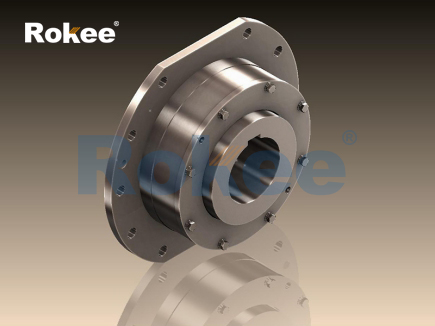
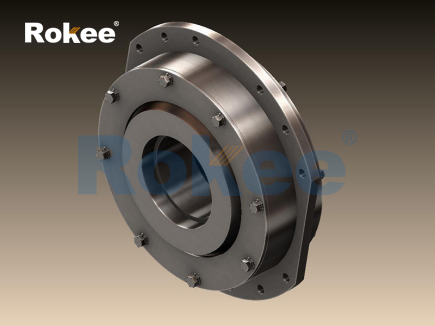
Barrel coupling manufacturing is a sophisticated and precise process that combines advanced engineering principles, meticulous material selection, and rigorous quality control to produce components that play a critical role in connecting rotating parts across various industrial applications. These couplings are designed to transmit torque efficiently while accommodating minor misalignments, absorbing vibrations, and withstanding the harsh conditions of industrial environments, making their manufacturing process a blend of technical expertise and practical precision. Every step from material sourcing to final assembly requires careful attention to detail, as even the smallest deviation can affect the performance, durability, and safety of the final product. As industrial machinery becomes more complex and demands higher efficiency, the manufacturing of barrel couplings has evolved to incorporate advanced technologies and processes, ensuring that each component meets the exacting requirements of modern industrial operations.
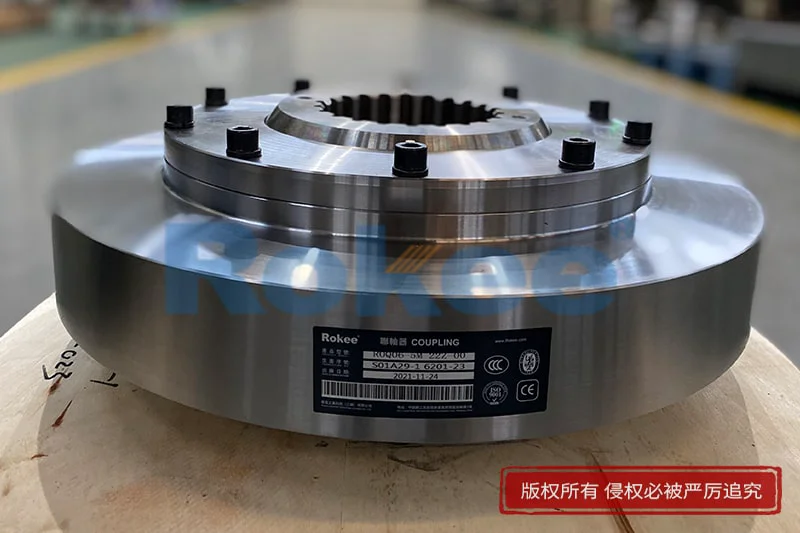
The foundation of high-quality barrel coupling manufacturing lies in the selection of appropriate materials, which directly impacts the coupling’s strength, wear resistance, corrosion resistance, and overall lifespan. The choice of material is determined by the specific application requirements, including the amount of torque to be transmitted, the operating temperature, the presence of corrosive substances, and the level of radial or axial load the coupling will bear. Common materials used in barrel coupling manufacturing include high-strength alloy steels, which offer excellent tensile strength and durability, making them ideal for heavy-duty applications such as crane hoists, winches, and industrial conveyors. Alloy steels are often preferred for their ability to withstand high levels of stress and resist deformation under load, ensuring reliable torque transmission even in demanding conditions. In addition to alloy steels, some applications may require the use of stainless steel, which provides superior corrosion resistance, making it suitable for environments where the coupling may be exposed to moisture, chemicals, or harsh weather conditions. For lighter-duty applications, aluminum alloys may be used, as they offer a combination of lightweight properties and sufficient strength, reducing the overall weight of the machinery without compromising performance.
Before the manufacturing process can begin, detailed design and engineering are essential to ensure that the barrel coupling meets the specific requirements of its intended application. The design phase involves determining the key dimensions of the coupling, including the bore diameter, outer diameter, length, and the size and shape of the internal and external components such as the semi-circular cogs, barrel rollers, and housing. Engineers use advanced computer-aided design (CAD) software to create detailed 3D models of the coupling, allowing them to simulate its performance under various load conditions and identify potential design flaws before production begins. Finite element analysis (FEA) is often employed to assess the structural integrity of the coupling, analyzing stresses, deflections, and torque transmission capabilities to ensure that the design can withstand the expected operating conditions. This analytical approach helps to optimize the design, reducing material waste and ensuring that the coupling is both efficient and durable. The design must also take into account the need for easy assembly and maintenance, as well as the ability to compensate for angular and axial misalignments, which are common in industrial machinery due to installation inaccuracies, structural deformation, and wear over time.
Once the design is finalized, the manufacturing process begins with material preparation, which involves cutting the raw material into the appropriate size and shape for further processing. This step, known as material cutting or blanking, is typically performed using precision cutting tools such as bandsaws, plasma cutters, or waterjet cutters, depending on the type of material and the required precision. The goal is to produce blanks that are as close as possible to the final dimensions of the coupling components, minimizing the amount of material that needs to be removed during subsequent machining steps. This not only reduces material waste but also improves efficiency and reduces production time. After cutting, the blanks are inspected to ensure that they meet the required dimensions and do not have any surface defects such as cracks, dents, or irregularities, which could affect the quality of the final product.
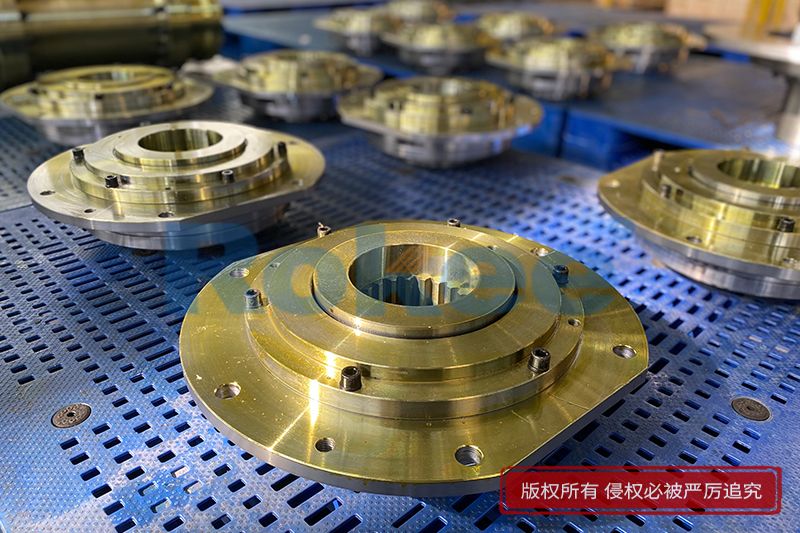
The next phase in barrel coupling manufacturing is machining, which involves shaping the blanks into the precise components that make up the coupling. Machining processes include turning, milling, drilling, and grinding, each of which is performed using specialized machinery to achieve the required precision and surface finish. Turning is used to create cylindrical surfaces, such as the outer diameter of the housing and the hub, as well as the internal bores that will accommodate the shafts. This process is performed on a lathe, where the blank is rotated at high speed while a cutting tool removes material to achieve the desired dimensions. Milling is used to create the semi-circular cogs on the housing and hub, which are essential for accommodating the barrel rollers that transmit torque. The milling process uses a rotating cutting tool to remove material in a precise pattern, ensuring that the cogs are uniform in size and shape. Drilling is used to create holes for fasteners, such as bolts, which are used to assemble the coupling components and attach the coupling to the shafts or other machinery parts. Grinding is the final machining step, used to achieve a smooth surface finish and ensure that all dimensions are within the specified tolerances. This process removes any remaining material and corrects any minor deviations, ensuring that the components fit together perfectly during assembly.
After machining, many barrel coupling components undergo heat treatment to enhance their mechanical properties, such as strength, hardness, and toughness. Heat treatment is a critical step, especially for components that will be subjected to high levels of stress and wear, such as the barrel rollers and the teeth of the housing and hub. Common heat treatment processes include quenching and tempering. Quenching involves heating the component to a high temperature, typically above the material’s critical point, and then rapidly cooling it in a liquid such as oil or water. This process increases the hardness and strength of the material but can also make it brittle. Tempering is performed after quenching, involving heating the component to a lower temperature and then allowing it to cool slowly. This process reduces the brittleness caused by quenching while maintaining the increased strength and hardness, resulting in a material that is both strong and durable. The exact parameters of the heat treatment process, such as temperature and cooling rate, are carefully controlled to ensure that the components meet the required mechanical properties. After heat treatment, the components are inspected to verify their hardness and structural integrity, ensuring that they can withstand the demands of their intended application.
Surface treatment is another important step in barrel coupling manufacturing, as it helps to protect the components from corrosion, wear, and environmental damage. The type of surface treatment used depends on the material of the component and the operating environment. Common surface treatment processes include plating, painting, and chemical conversion coating. Plating, such as nickel plating or chrome plating, involves depositing a thin layer of a protective metal onto the surface of the component, providing excellent corrosion resistance and a smooth surface finish. Painting involves applying a layer of paint or coating to the component, which not only protects against corrosion but also allows for color coding, making it easier to identify different components or sizes. Chemical conversion coating, such as phosphatizing, creates a thin, adherent layer on the surface of the component that improves corrosion resistance and enhances the adhesion of paints or other coatings. Surface treatment not only extends the lifespan of the barrel coupling but also improves its appearance and ensures that it can operate effectively in a wide range of environmental conditions.
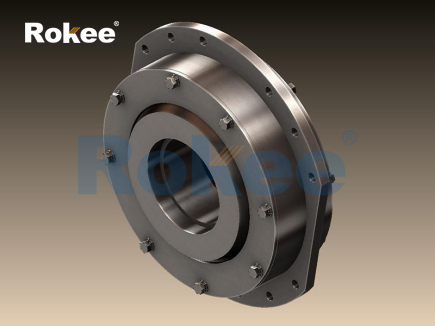
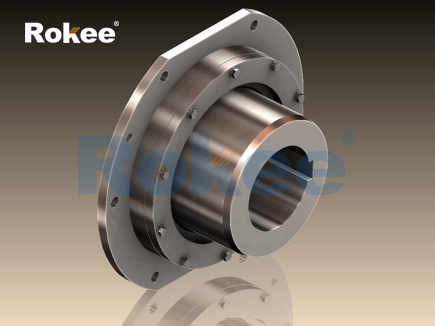
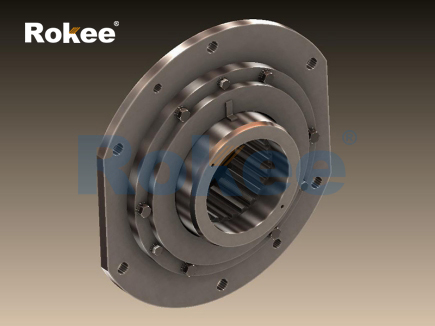
Once all components have been machined, heat-treated, and surface-treated, the assembly process begins. Assembly involves fitting the various components together to form the complete barrel coupling. The key components of a typical barrel coupling include the housing, hub, barrel rollers, sealing elements, and fasteners. The housing is typically a cylindrical structure with semi-circular internal toothing, while the hub has semi-circular external toothing that matches the housing’s internal toothing. The barrel rollers, which are usually made of hardened steel, are inserted into the circular receptacles formed by the mating teeth of the housing and hub. These rollers serve as the primary torque-transmitting elements, transferring force between the housing and hub while allowing for angular and axial misalignments. Sealing elements, such as lip seals, are installed to prevent foreign bodies, such as dust, dirt, or moisture, from entering the coupling and to retain lubricant, which is essential for reducing friction and wear between the moving parts. Fasteners, such as high-strength bolts, are used to secure the components together and to attach the coupling to the shafts or other machinery parts. During assembly, each component is carefully aligned to ensure that the coupling operates smoothly and efficiently. The assembly process is performed by skilled technicians who use specialized tools to ensure that all components are fitted correctly and that the coupling meets the required specifications.
Lubrication is a critical aspect of barrel coupling performance, as it reduces friction between the moving parts, minimizes wear, and dissipates heat, extending the lifespan of the coupling. The type of lubricant used depends on the operating conditions, such as temperature, speed, and load. Common lubricants include grease and oil, which are selected based on their ability to withstand the specific conditions of the application. Grease is often preferred for barrel couplings because it provides long-lasting lubrication and is less likely to leak than oil, making it suitable for applications where the coupling is exposed to harsh environments. The lubricant is applied to the barrel rollers and the mating surfaces of the housing and hub during assembly, ensuring that all moving parts are properly lubricated. In some cases, the coupling may be equipped with a re-greasing port, allowing for periodic lubrication without disassembling the coupling, which simplifies maintenance and extends the coupling’s service life.
Quality control is an integral part of every stage of barrel coupling manufacturing, ensuring that each component and the final product meet the required standards of performance, durability, and safety. Quality control begins with the inspection of raw materials, where samples are tested to verify their chemical composition and mechanical properties. During the manufacturing process, in-process inspections are performed at each step, including material cutting, machining, heat treatment, and surface treatment. These inspections involve measuring dimensions, checking surface finish, and verifying mechanical properties, such as hardness and tensile strength. Advanced measuring tools, such as calipers, micrometers, and coordinate measuring machines (CMMs), are used to ensure that all dimensions are within the specified tolerances. After assembly, the complete barrel coupling undergoes a series of final inspections, including visual inspection, torque testing, and alignment testing. Torque testing is performed to verify that the coupling can transmit the required amount of torque without failure, while alignment testing ensures that the coupling can accommodate the specified angular and axial misalignments. Any coupling that fails to meet the quality standards is rejected and either reworked or discarded, ensuring that only high-quality products reach the customer.
The applications of barrel couplings are diverse, spanning a wide range of industries, each with its own unique requirements. One of the most common applications is in material handling equipment, such as cranes, hoists, and winches, where barrel couplings are used to connect the rope drum to the gearbox output shaft. In these applications, the coupling must transmit high torques and large radial loads while accommodating minor misalignments between the gearbox and the drum. Barrel couplings are also used in conveyor systems, where they connect the motor to the conveyor belt, ensuring smooth and efficient power transmission. In addition, they are used in industrial machinery such as pumps, compressors, and turbines, where they play a critical role in connecting rotating shafts and ensuring reliable operation. The versatility of barrel couplings makes them suitable for both heavy-duty and light-duty applications, from large-scale industrial machinery to smaller equipment used in manufacturing and processing plants.
Advancements in technology have had a significant impact on barrel coupling manufacturing, leading to improvements in precision, efficiency, and product quality. The adoption of computer numerical control (CNC) machining has revolutionized the machining process, allowing for greater precision and consistency in the production of coupling components. CNC machines are capable of producing complex shapes with tight tolerances, reducing human error and improving the overall quality of the components. In addition, the use of advanced CAD and FEA software has allowed engineers to design more efficient and durable couplings, simulating performance under various conditions and optimizing the design for specific applications. Automation has also played a role in improving manufacturing efficiency, with automated assembly lines and robotic systems reducing production time and labor costs while increasing consistency. These technological advancements have not only improved the quality of barrel couplings but also made them more cost-effective to produce, making them accessible to a wider range of industries.
Maintenance and service considerations are also an important part of barrel coupling manufacturing, as they influence the design and construction of the coupling. Manufacturers design barrel couplings to be easy to install, inspect, and maintain, reducing downtime and maintenance costs for the end user. Features such as wear indicators, which allow for easy monitoring of the coupling’s condition without disassembly, are often incorporated into the design. These indicators provide a visual cue when the barrel rollers or other components are worn, allowing for timely replacement and preventing catastrophic failure. In addition, the modular design of many barrel couplings makes it easy to replace individual components, such as the barrel rollers or sealing elements, without replacing the entire coupling. This not only reduces maintenance costs but also extends the overall lifespan of the coupling. Manufacturers also provide guidelines for proper installation, lubrication, and maintenance, ensuring that the coupling operates at its optimal performance level for its intended service life.
Environmental considerations are becoming increasingly important in barrel coupling manufacturing, as industries around the world strive to reduce their environmental impact. Manufacturers are adopting more sustainable practices, such as using recycled materials where possible and reducing energy consumption during the manufacturing process. For example, some manufacturers use recycled alloy steels, which reduce the need for virgin materials and lower carbon emissions. In addition, improvements in machining and heat treatment processes have reduced energy consumption, making the manufacturing process more environmentally friendly. The use of environmentally friendly lubricants and surface treatments is also becoming more common, reducing the release of harmful chemicals into the environment. By adopting these sustainable practices, manufacturers are not only reducing their environmental impact but also meeting the growing demand for eco-friendly products from customers and regulatory bodies.
In conclusion, barrel coupling manufacturing is a complex and precise process that requires a combination of technical expertise, advanced technology, and rigorous quality control. From material selection and design to machining, heat treatment, assembly, and final inspection, every step is critical to producing high-quality couplings that meet the demands of modern industrial applications. The evolution of manufacturing technologies has led to improvements in precision, efficiency, and product durability, making barrel couplings an essential component in a wide range of industries. As industrial machinery continues to advance, the manufacturing of barrel couplings will continue to evolve, incorporating new technologies and sustainable practices to meet the changing needs of the industry. Whether used in heavy-duty cranes and hoists or light-duty conveyor systems, barrel couplings play a vital role in ensuring the smooth and reliable operation of rotating machinery, making their manufacturing process a key part of the industrial supply chain.
- Tags:
- Barrel Couplings ,
- sandwich panel line ,
- sandwich panel machine
- pu sandwich panel machine
« Barrel Coupling Manufacturing » Latest Update Date: May 9, 2026
https://www.rokeecoupling.net/blog/barrel-coupling-manufacturing.html