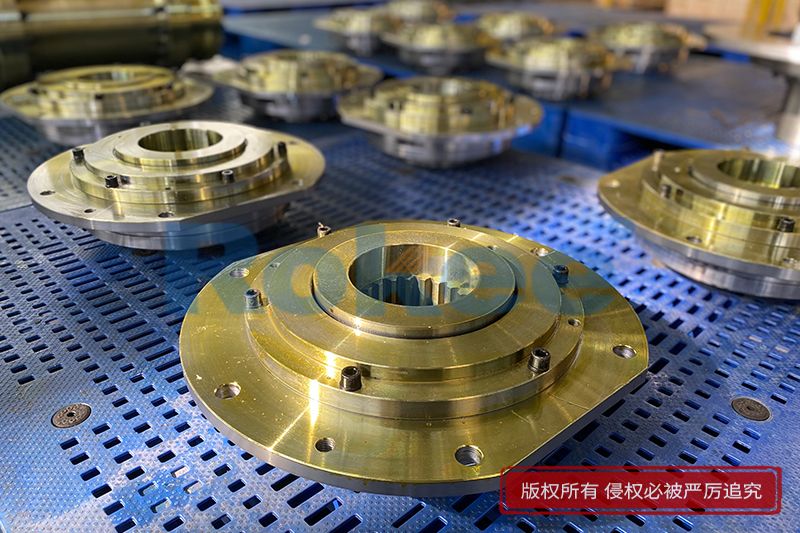
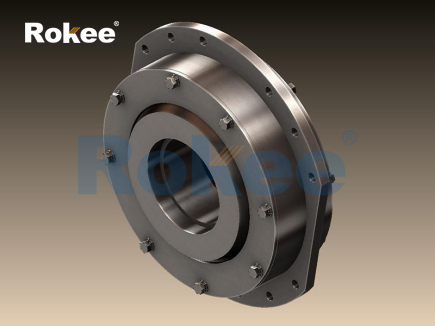
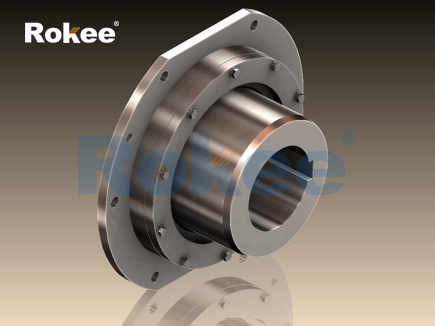
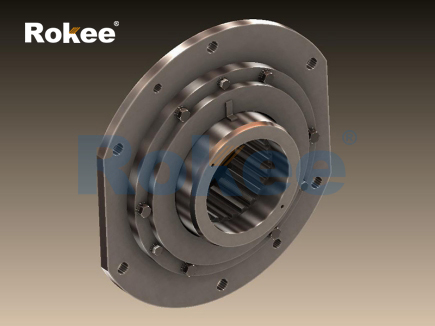
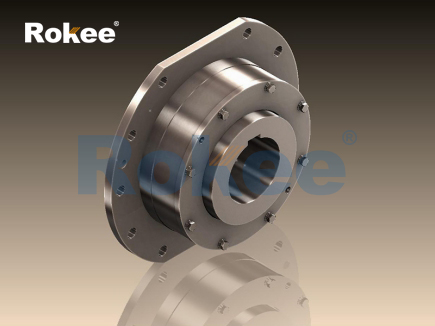
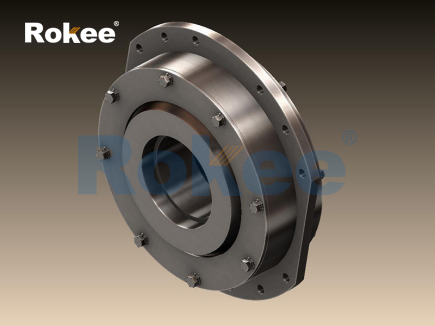
In the complex ecosystem of mechanical power transmission, certain components play a silent yet indispensable role in ensuring the smooth, efficient, and safe operation of countless industrial systems. These components, though often overlooked amid more prominent machinery, are the backbone of rotational motion transfer, bridging gaps between shafts, compensating for misalignments, and withstanding the rigors of heavy-duty operations. Among these critical elements, barrel couplings stand out as a specialized solution designed to address unique challenges in torque transmission, offering a combination of durability, adaptability, and reliability that makes them essential across a wide range of industries. From the towering cranes that lift heavy loads in construction yards to the precision machinery used in aerospace manufacturing, from the robust equipment in power generation plants to the intricate systems in marine vessels, barrel couplings quietly facilitate the seamless transfer of power, ensuring that every component works in harmony to deliver optimal performance.
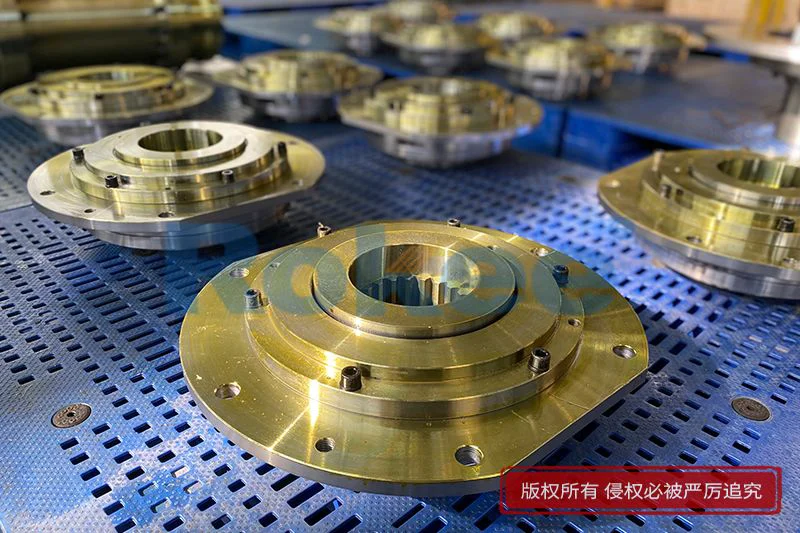
At their core, barrel couplings are mechanical devices engineered to connect two rotating shafts, enabling the transfer of torque while accommodating minor misalignments that may occur during operation. Unlike more common coupling types that rely on gears, chains, or elastomeric elements, barrel couplings utilize a specialized configuration of cylindrical barrels—often referred to as rollers—housed within precision-machined troughs in both a hub and a sleeve. This unique design sets them apart, allowing them to perform functions that other couplings cannot, particularly in applications where radial forces are significant, or where precise alignment is difficult to maintain. The cylindrical geometry of the barrels ensures uniform stress distribution, enhancing the coupling’s load-bearing capacity and resistance to fatigue, even under continuous, high-torque operation. This structural advantage makes barrel couplings particularly well-suited for environments where reliability is non-negotiable, as they can withstand the wear and tear of long-term use without compromising performance.
The structural composition of a typical barrel coupling is relatively straightforward, yet its design is refined to maximize efficiency and durability. Most barrel couplings consist of three primary components: a hub, a sleeve, and a series of cylindrical barrels. The hub is typically attached to one shaft, while the sleeve is connected to the other, creating a bridge between the two rotating elements. The inner surface of the sleeve and the outer surface of the hub are machined with semicircular troughs that are perfectly aligned to house the cylindrical barrels. These troughs are precision-engineered to ensure a tight fit with the barrels, allowing for smooth rotation while maintaining the necessary contact to transmit torque. The barrels themselves are usually made from hardened steel or other high-strength materials, chosen for their ability to withstand high pressures, resist wear, and maintain their shape under extreme conditions. In some designs, the barrels may be treated with specialized coatings to enhance their corrosion resistance, making them suitable for use in harsh or corrosive environments such as marine or chemical processing facilities.
There are several variations of barrel couplings, each tailored to specific applications and operational requirements. One common type is the solid barrel coupling, a rigid design that is ideal for high-torque applications where shaft alignment is precise. Solid barrel couplings often incorporate flanges or splines to ensure a secure connection between the hub and the shaft, minimizing slippage and maximizing torque transmission. These couplings are commonly used in heavy machinery such as industrial turbines, large pumps, and mining equipment, where the transfer of high levels of torque is essential. Another variation is the flexible barrel coupling, which is equipped with elastic elements such as rubber or metal membranes to accommodate angular, parallel, or axial misalignments between shafts. This flexibility is crucial in applications where installation accuracy is challenging, or where thermal expansion or structural deformation may cause shifts in shaft alignment. Flexible barrel couplings also help to dampen vibrations, reducing wear on other components and improving the overall stability of the system.
Clamping barrel couplings represent another important variation, designed for easy installation and maintenance. These couplings utilize split sleeves or adjustable collars that can be opened and closed, allowing for quick attachment and removal without the need to disassemble the entire shaft system. This feature is particularly valuable in applications where downtime must be minimized, such as in production lines or critical infrastructure. Clamping barrel couplings are often used in conveyor systems, packaging machinery, and other equipment that requires regular maintenance or adjustment. Additionally, some barrel couplings are designed with spherical drum tooth profiles, which further enhance their ability to compensate for misalignments and reduce the requirements for shafting installation accuracy. This innovative design feature increases the coupling’s transmission torque capacity and overload resistance, making it suitable for even the most demanding applications.
The functional principles of barrel couplings are rooted in their unique design, which enables efficient torque transmission while addressing the challenges of shaft misalignment. Unlike gear couplings, which rely on interlocking teeth to transfer torque, barrel couplings use the contact between the cylindrical barrels and the semicircular troughs to transmit power. When the driving shaft rotates, it turns the hub, which in turn causes the barrels to roll within the troughs of the sleeve. This rolling motion transfers the torque from the hub to the sleeve, and ultimately to the driven shaft. The cylindrical shape of the barrels ensures that the contact area between the barrels and the troughs is consistent, distributing the load evenly and reducing the risk of wear or failure. Additionally, the barrels are typically designed with a small axial clearance, allowing for axial movement between the connected shafts, which helps to compensate for thermal expansion or structural deformation that may occur during operation.
One of the key advantages of barrel couplings is their ability to convert a statically indeterminate system into a statically determinate one. In many mechanical systems, particularly those involving gearbox and drum connections, a rigid mounting can create a statically indeterminate case, where the alignment and levelling requirements are extremely difficult to achieve in practice. Mounting inaccuracies, structural deformation, and wear in moving parts can lead to enormous additional forces, particularly on the gearbox output shaft, which can result in fatigue, breakage, or damage to bearings and gears. By acting as an articulated joint, barrel couplings eliminate these constraining forces, allowing for the compensation of operation-related deformations and ensuring that the system operates within safe limits. This feature is particularly critical in crane lifting mechanisms, where the connection between the gearbox output shaft and the cable drum must be both secure and flexible to accommodate the dynamic forces involved in lifting heavy loads.
The applications of barrel couplings are diverse, spanning numerous industries where reliable torque transmission and misalignment compensation are essential. One of the most common applications is in the lifting and transportation industry, where barrel couplings are used to connect the gearbox output shaft with the rope drum in cranes, winch conveyors, and platform hoists. In these applications, the coupling’s ability to act as an articulated joint is crucial, as it prevents the buildup of excessive bending moments and ensures the safe transmission of radial forces. Barrel couplings are also widely used in the ferrous metallurgy industry, where they facilitate the transfer of power in rolling mills, furnaces, and other heavy-duty equipment. The high load-bearing capacity and fatigue resistance of barrel couplings make them ideal for these applications, where continuous operation under extreme conditions is required.
The energy sector is another major user of barrel couplings, with applications in nuclear power plants, gas turbines, wind power generators, and other energy-producing equipment. In nuclear power plants, where reliability and safety are paramount, barrel couplings are used in systems that require precise torque transmission and resistance to harsh environments. In wind power applications, barrel couplings help to connect the turbine rotor to the gearbox, accommodating the misalignments that may occur due to wind loads and structural movement. The flexibility and durability of barrel couplings make them well-suited for these applications, as they can withstand the dynamic forces and environmental conditions associated with renewable energy production. Additionally, barrel couplings are used in the oil and gas industry, particularly in offshore platforms, refineries, and pipelines, where they ensure the safe and efficient transfer of fluids by connecting sections of piping and accommodating misalignments caused by temperature changes or structural shifts.
Aerospace and marine industries also rely on barrel couplings for their specialized needs. In aerospace manufacturing, barrel couplings are used in precision machinery that requires accurate torque transmission and minimal vibration, such as in aircraft engines and landing gear systems. The lightweight yet durable design of barrel couplings makes them suitable for aerospace applications, where weight reduction is a critical factor. In the marine industry, barrel couplings are used in ship propulsion systems, deck machinery, and other equipment that must operate in corrosive saltwater environments. The corrosion-resistant materials and robust construction of barrel couplings ensure that they can withstand the harsh conditions of marine operations, providing reliable performance over the long term.
The performance and longevity of barrel couplings are heavily dependent on proper selection, installation, and maintenance. Choosing the right barrel coupling for a specific application requires careful consideration of several factors, including the required torque capacity, the type and magnitude of misalignment, the operating speed, and the environmental conditions. It is essential to select a coupling that can withstand the maximum torque and load encountered during operation, as well as the temperature, humidity, and chemical exposure of the environment. Additionally, the coupling must be compatible with the shaft sizes and connection methods of the equipment it will be connecting.
Proper installation is equally important to ensure the optimal performance of barrel couplings. During installation, it is crucial to ensure that the hub and sleeve are correctly aligned with the shafts, and that the barrels are properly seated in the troughs. Misalignment during installation can lead to excessive wear, vibration, and premature failure of the coupling. It is also important to use the correct fasteners and torque specifications to ensure a secure connection between the coupling and the shafts. In some cases, a self-adjusting bearing may need to be installed at the opposite end of the drum shaft to withstand axial forces generated during operation. Additionally, the coupling should be inspected for any damage or defects before installation, as even minor flaws can compromise its performance.
Regular maintenance is essential to extend the service life of barrel couplings and prevent unexpected failures. Maintenance activities typically include regular inspections to check for wear, corrosion, or damage to the hub, sleeve, or barrels. The barrels should be inspected for signs of wear, such as uneven rolling surfaces or scratches, which can indicate misalignment or excessive load. The troughs in the hub and sleeve should also be inspected for wear or deformation, as this can affect the contact between the barrels and the coupling components. Additionally, lubrication is a critical aspect of maintenance for many barrel couplings, as it reduces friction between the barrels and the troughs, minimizing wear and extending the coupling’s service life. The type of lubricant used should be appropriate for the operating conditions, including temperature, load, and environmental exposure. Regular lubrication checks and refills are necessary to ensure that the coupling remains properly lubricated at all times.
In addition to regular inspections and lubrication, it is important to address any issues promptly to prevent further damage. If wear or damage is detected, the affected components should be replaced immediately to avoid catastrophic failure. In some cases, minor misalignments can be corrected by adjusting the position of the shafts or the coupling components, which can help to reduce wear and improve performance. It is also important to keep the coupling clean and free from debris, as dirt and contaminants can cause friction and wear, reducing the coupling’s efficiency and lifespan. In harsh environments, such as those with high levels of dust, moisture, or chemicals, additional protective measures may be necessary, such as using protective covers or seals to prevent contamination.
The evolution of barrel couplings has been driven by advancements in materials science, manufacturing technology, and industry demand. In recent years, there has been a growing focus on developing barrel couplings that are more durable, efficient, and adaptable to a wider range of applications. Advances in materials have led to the use of high-strength, corrosion-resistant alloys that can withstand even the most extreme conditions, while improvements in manufacturing processes have allowed for more precise machining of the hub, sleeve, and barrels, enhancing the coupling’s performance and reliability. Additionally, the integration of digital technologies, such as condition monitoring systems, has made it easier to track the performance of barrel couplings in real time, allowing for predictive maintenance and reducing the risk of unexpected failures.
As industries continue to evolve and demand higher levels of performance and reliability, the role of barrel couplings is likely to become even more important. The growing focus on renewable energy, such as wind and solar power, will require couplings that can withstand dynamic loads and harsh environmental conditions, while the expansion of the manufacturing and construction sectors will drive demand for couplings that can handle high torque and misalignment. Additionally, the increasing automation of industrial processes will require couplings that are compatible with advanced control systems, allowing for seamless integration into smart factories and production lines.
In conclusion, barrel couplings are a critical component in mechanical power transmission systems, offering a unique combination of durability, adaptability, and reliability that makes them essential across a wide range of industries. Their specialized design, which utilizes cylindrical barrels to transmit torque and compensate for misalignments, sets them apart from other coupling types, making them particularly well-suited for applications where precision, strength, and flexibility are required. From cranes and turbines to aerospace and marine equipment, barrel couplings quietly facilitate the smooth operation of countless systems, ensuring that power is transmitted efficiently and safely. Proper selection, installation, and maintenance are essential to maximize the performance and lifespan of barrel couplings, and ongoing advancements in materials and manufacturing technology will continue to enhance their capabilities, making them an indispensable part of the industrial landscape for years to come. Whether in heavy-duty industrial applications or precision machinery, barrel couplings play a vital role in keeping the world’s machinery running smoothly, reliably, and efficiently.
- Tags:
- Barrel Couplings ,
- sandwich panel line ,
- sandwich panel machine
- pu sandwich panel machine
« Barrel Couplings Company » Latest Update Date: May 9, 2026
https://www.rokeecoupling.net/blog/barrel-couplings-company.html