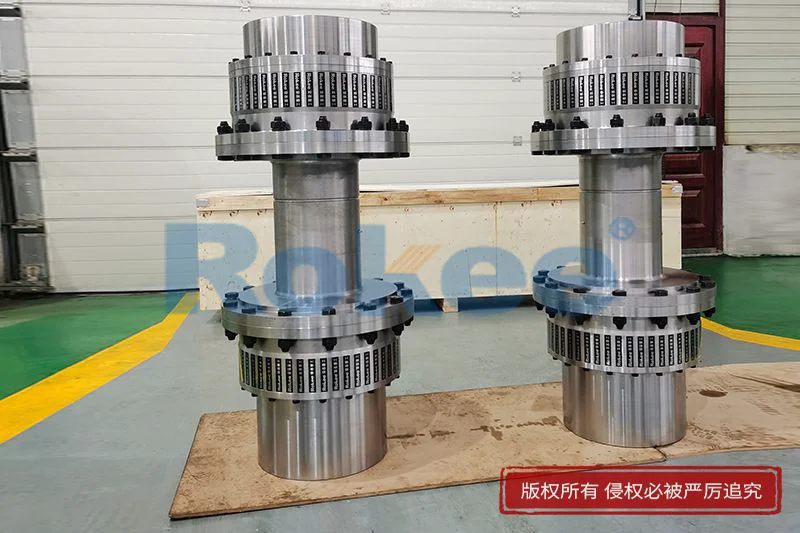
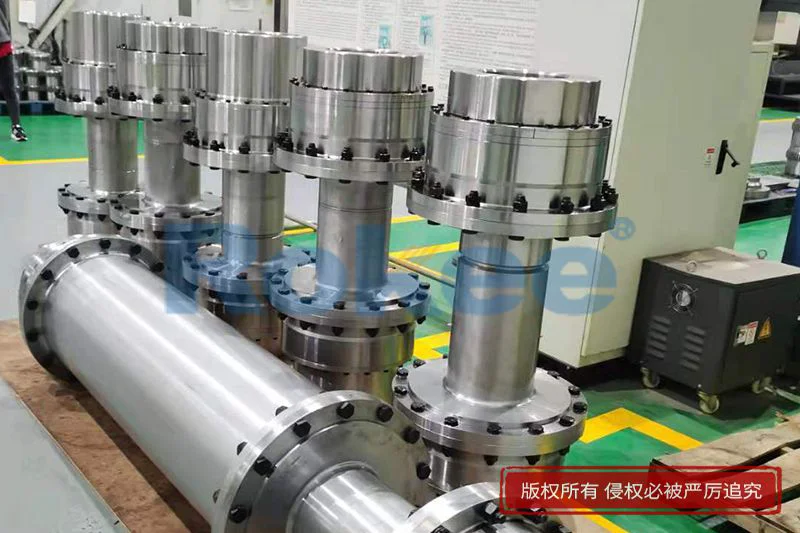
Gear Type Coupling With Brake Disc
Rokee is a well-known Gear Type Coupling supplier from china, the page show cases of Gear Type Coupling With Brake Disc, provide customized services based on user's drawings, and supporting exports.
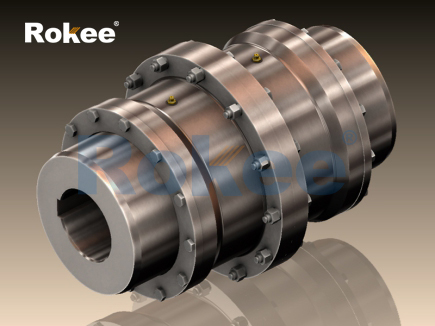
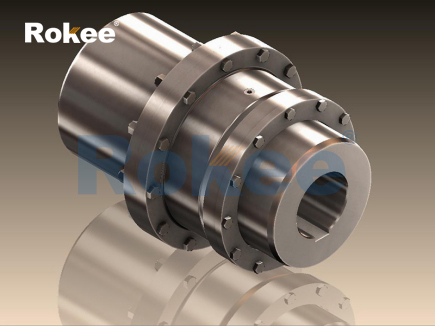
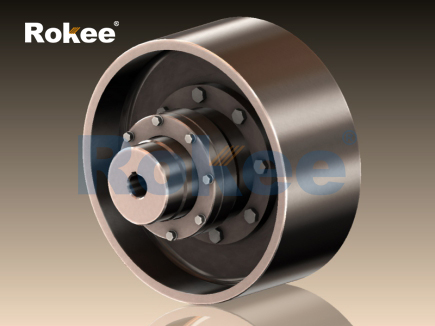
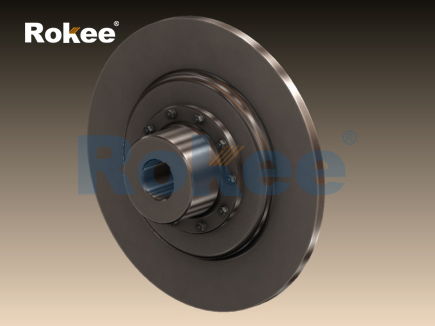
In modern industrial transmission systems, the seamless coordination of power transmission and motion control determines the overall operational efficiency and safety of mechanical equipment. Gear type coupling with brake disc stands out as an integrated mechanical component that combines efficient torque transmission and reliable braking functions, which is widely applied in heavy-duty mechanical scenarios requiring frequent start-stop movements, positive and negative rotation switching, and stable speed regulation. This kind of coupling abandons the discrete structural design of traditional transmission and braking components, integrating the precision gear transmission structure with a solid brake disc into a single compact assembly, effectively simplifying the layout of mechanical transmission chains and optimizing the space utilization rate of mechanical equipment. Its unique structural characteristics enable it to adapt to complex and harsh working environments, delivering stable transmission performance and sensitive braking response, thus becoming an indispensable core component in heavy machinery, material transportation, and industrial processing equipment.

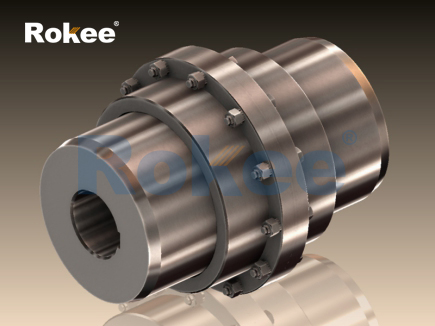
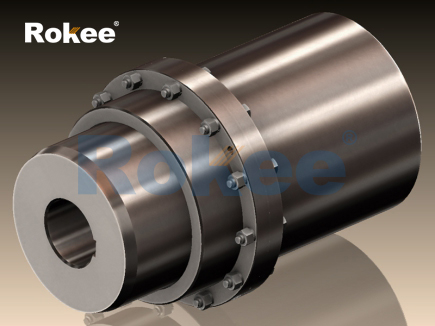
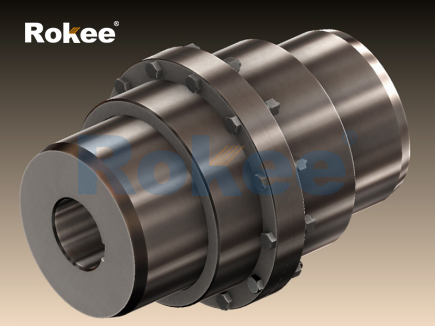
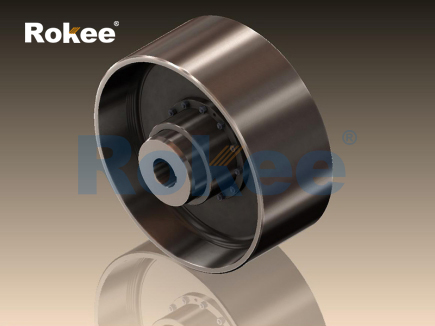
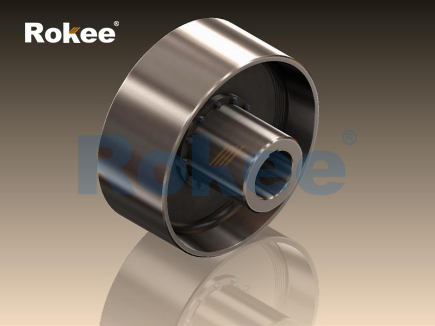
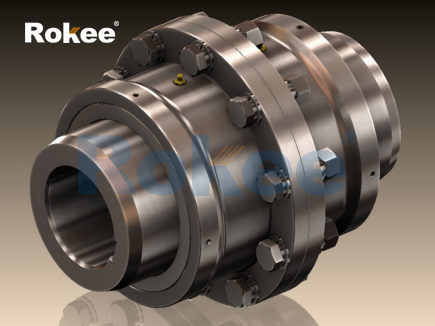
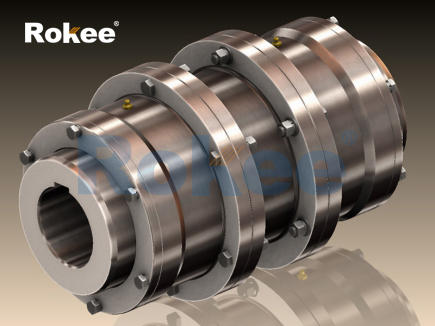
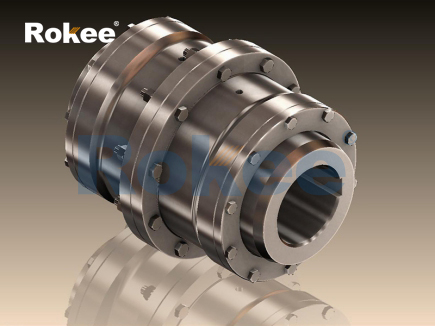
The basic structural composition of gear type coupling with brake disc follows the mechanical design logic of integration and compactness, mainly including inner gear rings, outer gear shaft sleeves, integral brake discs, sealing assemblies and connecting fasteners. The inner gear ring and outer gear shaft sleeve form the core transmission structure of the coupling, and the tooth profile of the outer gear is designed into a spherical drum shape. This special tooth structure takes the gear axis as the spherical center, which can effectively reduce the friction resistance between meshing teeth during operation and improve the flexibility of relative displacement between connected shafts. The brake disc is forged integrally with one side of the gear transmission assembly, maintaining high structural rigidity and surface flatness. The disc surface is processed with smooth and uniform friction areas to ensure stable friction matching with external braking executing parts. The internal sealing structure is composed of wear-resistant gaskets and protective shells, which can tightly wrap the meshing gear parts inside the assembly. This design not only prevents the leakage of internal lubricating grease but also isolates external dust, metal debris and humid gas, avoiding adverse erosion and abrasion on the gear meshing surface.
The working mechanism of gear type coupling with brake disc can be divided into two independent and coordinated working modules: power transmission and motion braking. In the power transmission state, the driving shaft drives the outer gear shaft sleeve to rotate, and the torque is stably transmitted to the inner gear ring through the meshing action between the drum-shaped outer gear and the inner gear. Subsequently, the inner gear ring drives the driven shaft to operate synchronously, realizing the efficient transfer of mechanical power. The drum-shaped tooth profile can tolerate tiny axial, radial and angular displacements between the two connected shafts, effectively compensating for installation errors and mechanical vibration displacement generated during equipment operation. This displacement compensation capability avoids additional shear stress and extrusion friction on the shaft body, reducing the wear loss of the shaft system and extending the service life of rotating parts. When the equipment needs to brake and decelerate, the external brake component acts on the surface of the integrated brake disc. The friction force generated by the contact between the brake part and the brake disc converts the rotating kinetic energy of the mechanical system into thermal energy, and the continuous friction resistance gradually reduces the rotating speed of the coupling until the equipment stops running completely. The brake disc maintains synchronous rotation with the gear transmission structure at all times, ensuring that the braking action can directly act on the power transmission link and eliminating the transmission delay caused by intermediate connecting parts.
Compared with other common coupling products in the industrial market, gear type coupling with brake disc has prominent comprehensive performance advantages in structural design and functional application. In terms of load-bearing capacity, the meshing contact area of the gear structure is large, and the stress distribution of a single tooth is uniform, which can bear large instantaneous torque and stable continuous load. It is suitable for heavy-load working conditions that are difficult for elastic couplings and sleeve couplings to adapt to. In terms of space optimization, the integrated design of brake disc and coupling cancels the independent installation space required for separate brake components, simplifies the pipeline and connection layout of mechanical equipment, and reduces the overall occupied volume of the transmission system. For vibration and noise control, the drum-shaped gear meshing mode has good buffering performance. The lubricating medium sealed inside the assembly can absorb part of the vibration energy generated by meshing collision, effectively reducing mechanical vibration and operating noise during high-speed rotation. In terms of environmental adaptability, the fully enclosed protective structure can resist the interference of dust, moisture and corrosive substances in the external environment. The metal forging process of the brake disc ensures high-temperature resistance and friction durability, enabling the coupling to maintain stable working performance in high-dust, high-humidity and variable-temperature harsh working conditions.
The application scenarios of gear type coupling with brake disc cover multiple heavy industrial fields, and it shows excellent adaptability in equipment with frequent start-stop and reversing requirements. In the field of engineering hoisting machinery, this coupling is installed on the lifting and operating mechanisms of cranes. It can complete instantaneous torque transmission during lifting operations and realize rapid braking and positioning when goods stop lifting, avoiding goods shaking and position deviation caused by mechanical inertia. In the material transportation industry, it is applied to large-scale belt conveyors and screw conveying equipment. The stable transmission performance ensures the continuous operation of materials, and the sensitive braking function can quickly stop the conveying action in case of equipment failure, preventing material accumulation and mechanical collision accidents. In the metal rolling and processing industry, the coupling bears the high torque generated by metal extrusion and rolling. The displacement compensation function can offset the axis deviation caused by mechanical thermal deformation, ensuring the processing accuracy of metal materials. In addition, it also has stable application effects in mining machinery, port handling equipment and large-scale mixing processing machinery, becoming a key component to ensure the safe and efficient operation of heavy equipment.
Rational daily maintenance and standardized operation management are essential to maintain the long-term stable performance of gear type coupling with brake disc. In the routine maintenance process, the sealing performance of the assembly should be checked regularly to observe whether there is grease leakage at the joint of the protective shell. Once aging and damaged sealing gaskets are found, they need to be replaced in a timely manner to prevent dust from entering the interior and wearing the gear surface. The lubricating grease inside the coupling should be replaced periodically according to the operating frequency and environmental conditions. The high-viscosity and wear-resistant lubricating medium can reduce the meshing friction coefficient of gears and lower the heat generated by mechanical friction. For the brake disc part, the flatness and surface roughness of the friction area need to be inspected regularly. Long-term friction will produce tiny scratches and wear marks on the disc surface, and excessive wear will reduce the braking sensitivity, so regular polishing and maintenance are required to ensure the stable friction coefficient of the brake disc. During the equipment operation period, abnormal vibration and sharp noise of the coupling should be monitored. Once abnormal operating states are found, the equipment should be shut down for inspection to eliminate hidden dangers such as gear meshing deviation and fastener loosening.
In the actual installation and commissioning process, the assembly specifications of gear type coupling with brake disc need to be strictly followed to avoid performance degradation caused by irregular operation. Before installation, the surface of the connecting shaft and the inner hole of the coupling should be cleaned to remove rust spots, burrs and oil stains, ensuring the tightness of the matching surface. In the shaft body alignment link, the coaxiality of the driving shaft and the driven shaft should be accurately adjusted to control the axis deviation within the allowable compensation range of the coupling. Excessive installation deviation will increase the operating load of the gear structure, resulting in accelerated wear of tooth profiles and increased vibration noise. When fixing fasteners, the locking bolts should be tightened evenly in a symmetrical sequence to prevent local stress concentration from causing structural deformation of the coupling. After the installation is completed, no-load trial operation is required first to observe the rotation stability and braking response effect of the coupling. Formal load operation can be carried out only after confirming that there is no abnormal friction and vibration.
With the continuous upgrading of industrial manufacturing technology, the production and processing technology of gear type coupling with brake disc is also constantly optimized and innovated. Advanced precision forging and CNC machining technologies are adopted in the production process to improve the machining accuracy of gear tooth profiles and brake disc surfaces, reduce assembly gaps, and further enhance the transmission efficiency and braking stability of the coupling. In terms of material selection, high-strength alloy steel is gradually used to replace traditional ordinary carbon steel. After quenching and tempering heat treatment, the material has higher hardness, toughness and fatigue resistance, which can resist impact load and mechanical abrasion in long-term cyclic operation. At the same time, the optimized structural design further reduces the self-weight of the coupling on the premise of ensuring mechanical strength, lowers the rotational inertia of the assembly, and makes the braking action more rapid and sensitive.
From the perspective of industrial system optimization, the popularization and application of gear type coupling with brake disc play a positive role in reducing the comprehensive operating cost of mechanical equipment. Its integrated structure reduces the number of mechanical parts in the transmission chain, simplifies the daily maintenance workflow, and cuts down the procurement and maintenance costs of discrete components. The excellent wear resistance and structural stability prolong the service cycle of the coupling, reducing the frequency of equipment shutdown and replacement. The reliable braking performance effectively avoids mechanical collision, part damage and material loss caused by braking failure, lowering the potential safety risk loss in industrial production. In addition, the efficient torque transmission capability reduces the energy consumption loss in the power transmission process, improving the energy utilization rate of mechanical equipment and meeting the energy-saving and efficient development requirements of modern industrial production.
In conclusion, gear type coupling with brake disc integrates the advantages of gear transmission and disc braking, with unique structural design, excellent mechanical performance and wide application adaptability. It not only solves the pain points of complex structure, scattered layout and unstable coordination of traditional transmission and braking components, but also adapts to various harsh working environments and heavy-load operating conditions. With the continuous progress of industrial machinery towards high precision, high load and high integration, this type of coupling will continue to optimize in material performance, structural design and processing technology. It will maintain an irreplaceable core position in heavy industrial transmission systems, provide stable and reliable basic component support for the safe operation of various mechanical equipment, and continuously promote the efficient and standardized development of modern industrial production.
With excellent quality, we have been continuously providing many coupling products of various categories and uses complying with multiple standards and a full range of services, from the product selection to final installation and operation, for the industry fields of ferrous metallurgy, nuclear power, gas turbine, wind power, ropeway construction, lifting transportation, general equipment, etc.
pu sandwich panel line,pu sandwich panel machine,sandwich panel machine
« Gear Type Coupling With Brake Disc » Latest Update Date: May 9, 2026
https://www.rokeecoupling.net/cases/gear-type-coupling-with-brake-disc.html
Products
![GICL Crown Gear Coupling]() GICL Crown Gear Coupling
GICL Crown Gear Coupling![GICLZ Crown Gear Coupling]() GICLZ Crown Gear Coupling
GICLZ Crown Gear Coupling![GIICL Crown Gear Coupling]() GIICL Crown Gear Coupling
GIICL Crown Gear Coupling![GIICLZ Crown Gear Coupling]() GIICLZ Crown Gear Coupling
GIICLZ Crown Gear Coupling![GCLD Crown Gear Coupling]() GCLD Crown Gear Coupling
GCLD Crown Gear Coupling![NGCL Crown Gear Coupling]() NGCL Crown Gear Coupling
NGCL Crown Gear Coupling![NGCLZ Crown Gear Coupling]() NGCLZ Crown Gear Coupling
NGCLZ Crown Gear Coupling![WG Crown Gear Coupling]() WG Crown Gear Coupling
WG Crown Gear Coupling![WGZ Crown Gear Coupling]() WGZ Crown Gear Coupling
WGZ Crown Gear Coupling![WGP Crown Gear Coupling]() WGP Crown Gear Coupling
WGP Crown Gear Coupling![WGT Crown Gear Coupling]() WGT Crown Gear Coupling
WGT Crown Gear Coupling![WGC Crown Gear Coupling]() WGC Crown Gear Coupling
WGC Crown Gear Coupling![WGJ Crown Gear Coupling]() WGJ Crown Gear Coupling
WGJ Crown Gear Coupling