-
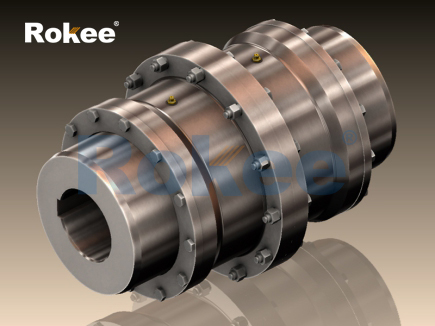
GICL Crown Gear Coupling
GICL gear coupling has larger inner teeth width, which can transfer torque while compensating for larger axial displacement.View More -
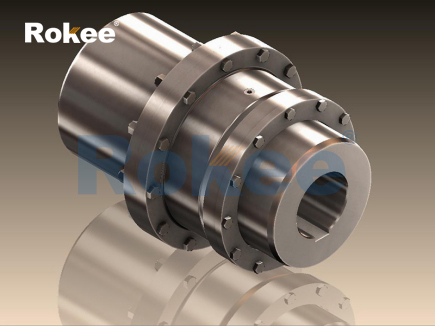
GICLZ Crown Gear Coupling
Half of the GICLZ gear coupling adopts a non-toothed semi-coupling sleeve structure, which is usually connected in pairs or used in occasions with small angular displacement.View More -
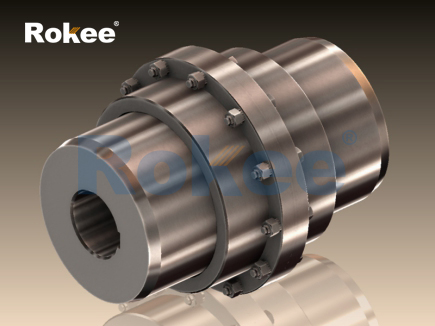
GIICL Crown Gear Coupling
GIICL gear coupling has small inner teeth width, which can transfer torque while compensating for small axial displacement. Also, its structure is compact and the moment of inertia is low.View More -
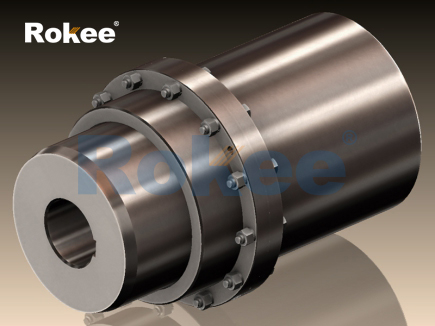
GIICLZ Crown Gear Coupling
Half of the GIICLZ gear coupling adopts a non-toothed semi-coupling sleeve structure, which is usually connected in pairs or used in occasions with small angular displacement. Also, its structure is compact and the moment of inertia is low.View More -
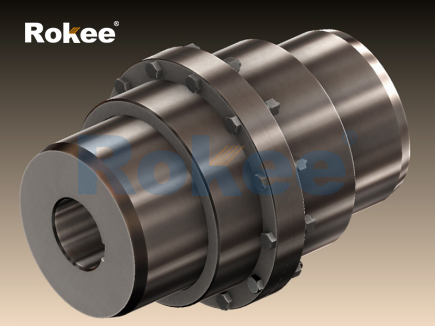
GCLD Crown Gear Coupling
GCLD gear coupling is generally used for direct connection with the motor, so it generally has a higher speed and compact structure.View More -
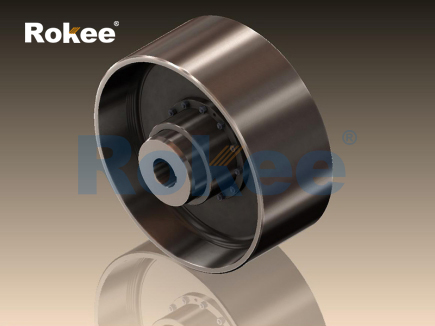
NGCL Crown Gear Coupling
NGCL gear coupling is designed with a brake wheel, suitable for situations where braking is required.View More -
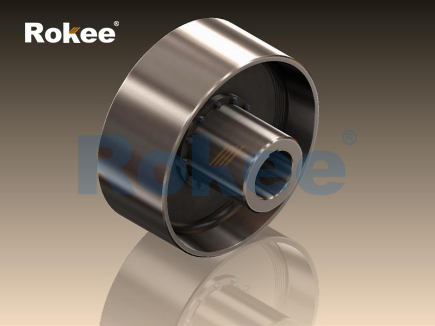
NGCLZ Crown Gear Coupling
NGCLZ gear coupling is designed with a brake wheel, suitable for situations where braking is required. Half of its structure adopts a semi-coupling sleeve design, with smaller angular displacement compensation but more stable braking.View More -
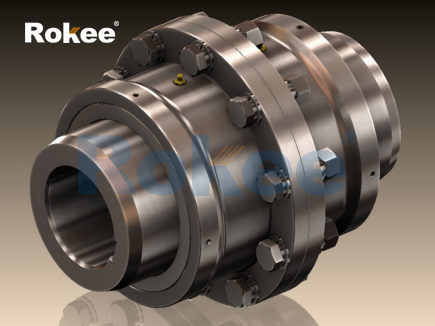
WG Crown Gear Coupling
The overall characteristics of WG gear coupling are similar to those of other drum gear couplings, but with a larger modulus design, which can generally transmit greater torque.View More -
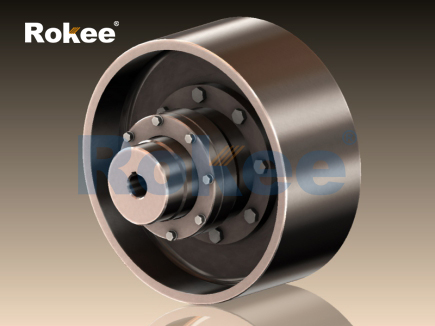
WGZ Crown Gear Coupling
WGZ gear coupling is designed with a brake wheel, suitable for shoe type braking.View More -
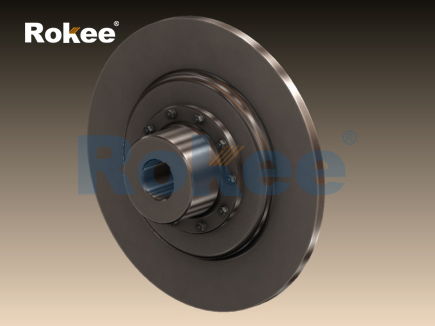
WGP Crown Gear Coupling
WGP gear coupling is designed with a brake disc, suitable for disc type braking.View More -
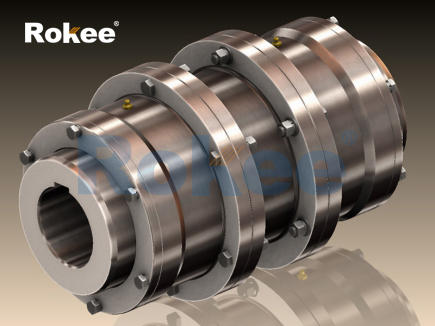
WGT Crown Gear Coupling
WGT gear coupling is designed with indirect tube, suitable for long distance torque transfer.View More -
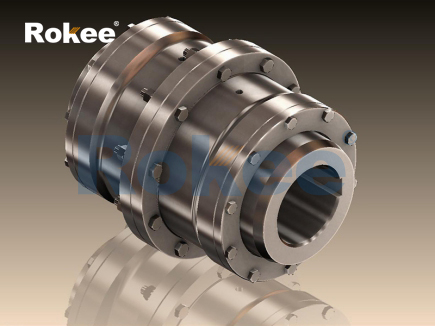
WGC Crown Gear Coupling
WGC gear coupling is specially designed for situations where vertical transmission is required, suitable for some vertical transmission systems.View More -

WGJ Crown Gear Coupling
WGJ gear coupling is designed with intermediate shaft, suitable for long distance torque transmission, and some are equipped with axial buffers.View More
Crown gear coupling is a precision mechanical connection device widely used in the field of industrial transmission. It achieves a perfect combination of axis offset compensation and efficient power transmission through a special drum shaped gear surface design. Compared with traditional spur gear couplings, drum gear couplings have superior performance due to their unique structural design.
The core feature of the curved tooth coupling is that its gear tooth surface is a drum shaped curved surface. This innovative design enables it to compensate for larger axial, radial, and angular deviations while transmitting torque. The drum shaped tooth surface is processed through precise involute modification technology, with a large and uniform contact area, significantly improving the bearing capacity and service life.
The crown gear coupling is mainly composed of the following components:
- External gear sleeve: a component with drum shaped external teeth, usually connected to the driving shaft or driven shaft
- Internal gear ring: an internal gear component that meshes with external teeth and has a straight tooth profile
- Sealing device: a sealing structure that prevents lubricant leakage and contamination from entering
- Lubrication system: including grease or oil channels and storage space
The crown gear coupling transmits torque by meshing the drum shaped teeth of the outer gear sleeve with the straight teeth of the inner gear ring. During work, due to the special curved surface design of the drum shaped teeth, even in the presence of certain deviations between the two axes, the tooth surface can still maintain a good contact state:
- When there is a radial offset between the two axes, the curved surface of the drum shaped teeth allows the outer gear sleeve to float radially inside the inner gear ring
- When there is angular deviation, the involute characteristics of the drum shaped teeth automatically adjust the contact point of the tooth surface
- Axial displacement is compensated for through tooth clearance and drum curvature
This adaptive adjustment capability enables the drum toothed coupling to effectively reduce additional loads and vibrations caused by centering errors.
Crown gear couplings are widely used in the following fields due to their excellent performance:
- Heavy industry sector
Metallurgical machinery: rolling mill, straightening machine, roller conveyor transmission
Mining equipment: crushers, ball mills, conveying systems
Lifting Machinery: Bridge Cranes, Port Loading and Unloading Equipment - Energy Sector
Generator set: connection between turbine and generator
Wind power generation: transmission between the gearbox and the generator
Petrochemical industry: compressor, pump unit transmission system - Transportation
Ship propulsion system: connection between main engine and shaft system
Railway locomotive: connection between traction motor and gearbox - General Industry
Plastic machinery: extruders, injection molding machines
Paper making machinery: calender, rewinder
Machine Tool Equipment: Heavy duty Machine Tool Spindle Transmission
The following key factors need to be considered when choosing a curved tooth coupling correctly:
- Torque requirement: Calculate working torque, peak torque, and consider safety factor
- Speed range: Determine whether the working speed is within the allowable range of the coupling
- Deviation compensation: Evaluate the possible radial, angular, and axial deviations of the system
- Environmental conditions: Consider environmental factors such as temperature, humidity, corrosiveness, etc
- Space limitation: installation space constrains the size of the coupling device
- Special requirements: such as explosion-proof, food grade lubrication and other special application requirements
The selection process usually includes:
- Calculate the required torque to be transmitted
- Determine the shaft diameter size
- Evaluate the demand for deviation compensation
- Consider the environment and working conditions
- Choose appropriate materials and lubrication methods
- Consult professional technicians if necessary
Installation and maintenance
- Installation key points
Ensure that the shaft end is clean and free of burrs
Using the correct method for hot or hydraulic assembly
Use specialized tools to avoid damage caused by knocking
Tighten bolts according to the manufacturer's torque values
After preliminary alignment, a final precise alignment check should be conducted - Maintenance Recommendations
Regularly check the operation status of the coupling (vibration, noise, temperature)
Supplement or replace lubricants according to the recommended cycle
Monitor the condition of seals to prevent lubricant leakage
Regularly check the tightening status of bolts
Record operating parameters, establish and maintain files - Common faults and their solutions
Abnormal vibration: check the alignment status and bearing condition
Overheating: may be caused by insufficient lubrication or overload
Abnormal noise: Check for tooth wear or foreign object ingress
Lubricant leakage: Replace the seal or check the sealing surface
With the development of industrial equipment towards high efficiency, precision, and reliability, curved tooth couplings will continue to play an important role in the field of mechanical transmission, and their technology and application scope will continue to expand and innovate.
Cases of Gear Couplings
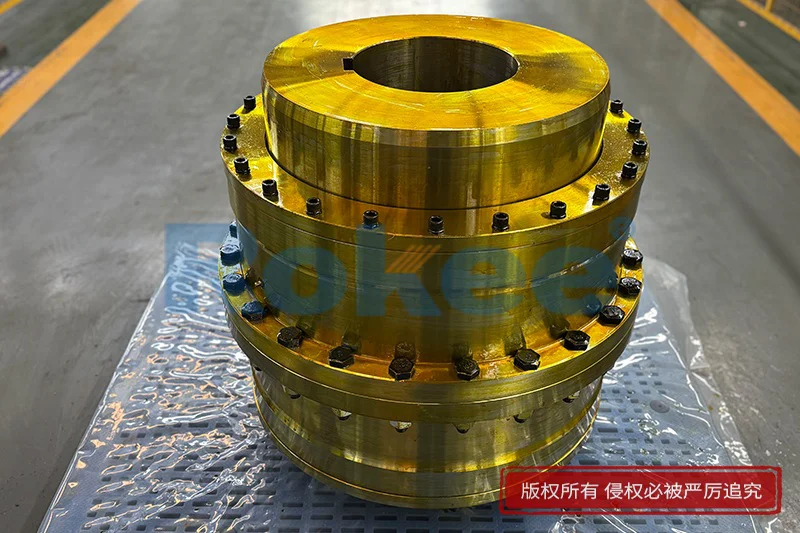 RODA Universal Gear Coupling
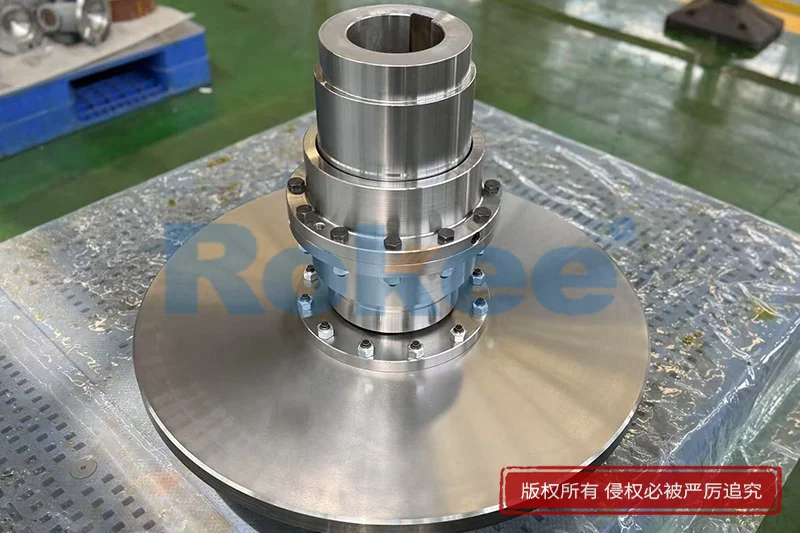 Brake Disc Gear Couplings
 High Speed Crown Gear Coupling
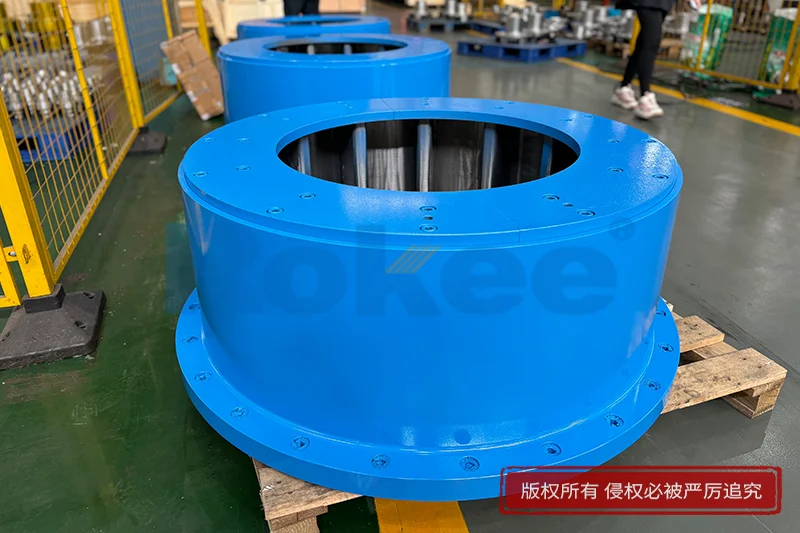 Tooth Shaped Elastic Block Coupling
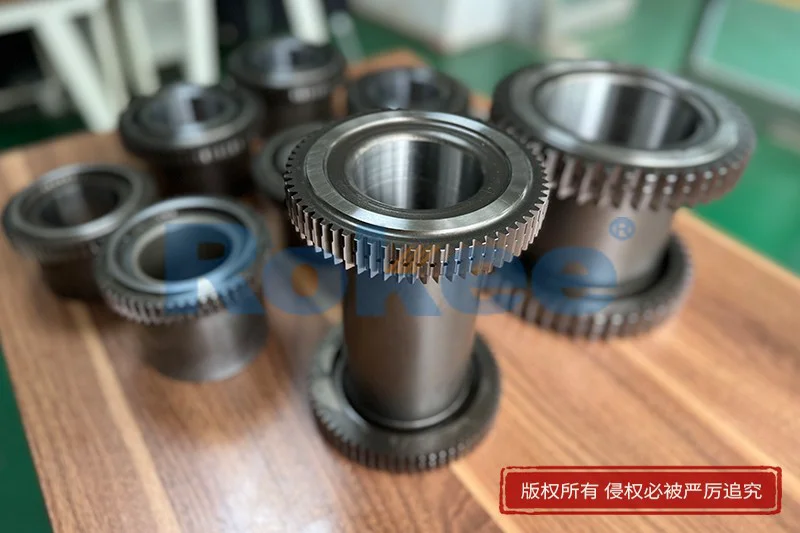 High Speed Drum Gear Coupling Exported To Europe
 Elastic Block Toothed Coupling
Related Articles
- 2025-12-01Universal Joint Coupling For Steering Gear Box
- 2025-09-05High-end Curved Tooth Couplings
- 2025-09-05Safety Tooth Coupling
- 2025-09-05Toothed Coupling For Rolling Mill
- 2025-09-05Direct Sale Flexible Drive Gear Couplings
- 2025-09-05High-speed Flexible Gear Coupling
- 2025-09-05Full Gear Coupling For Crane
- 2025-09-05Geared Coupling With Intermediate Shaft
- 2025-09-05Face Gear Coupling For Metallurgy
- 2025-09-05Spherical Gear Coupling With Intermediate Pipe
- 2025-09-04High-end Curved Tooth Gear Couplings
- 2025-09-04Gear Type Coupling For Rolling Mill
- 2025-09-04Tooth Gear Coupling With Intermediate Sleeve
- 2025-09-04Drum Gear Coupling With Brake Wheel
- 2025-09-04Crown Gear Coupling With Intermediate Sleeve
- 2025-09-04Brake Drum Gear Coupling For Water Pump
- 2025-09-04Universal Shaft For Steering Gear Box
- 2025-07-07Full Gear Coupling With Brake Disc
- 2025-07-07Geared Coupling For Metallurgy
- 2025-07-07Face Gear Coupling For Reducer