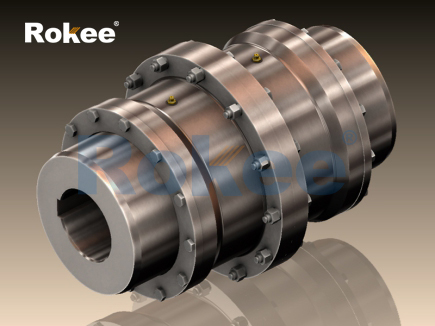
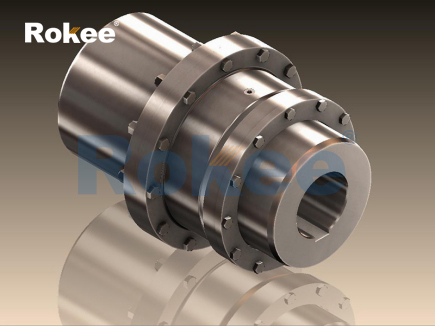
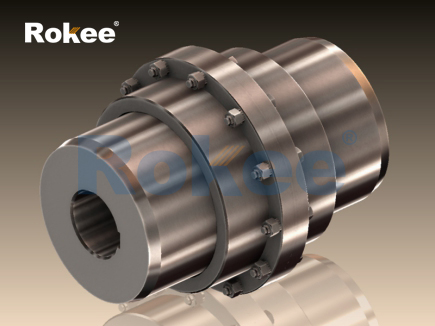
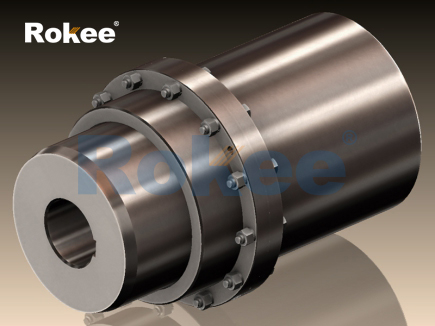
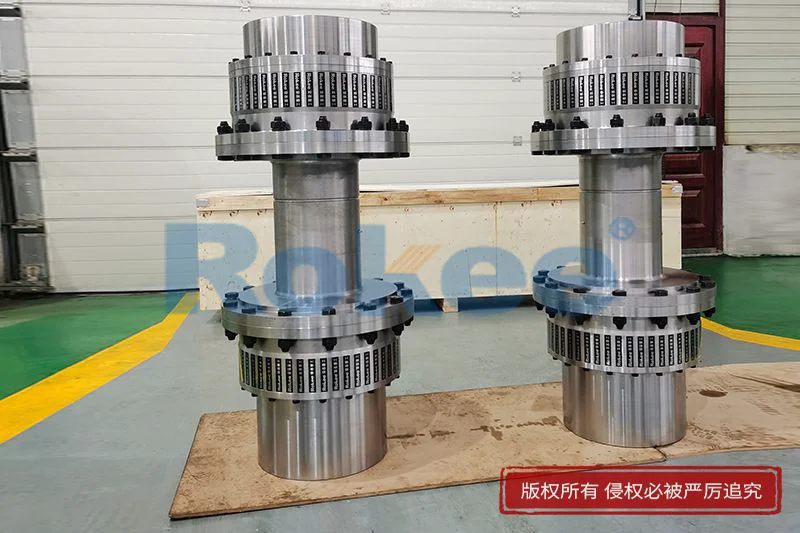
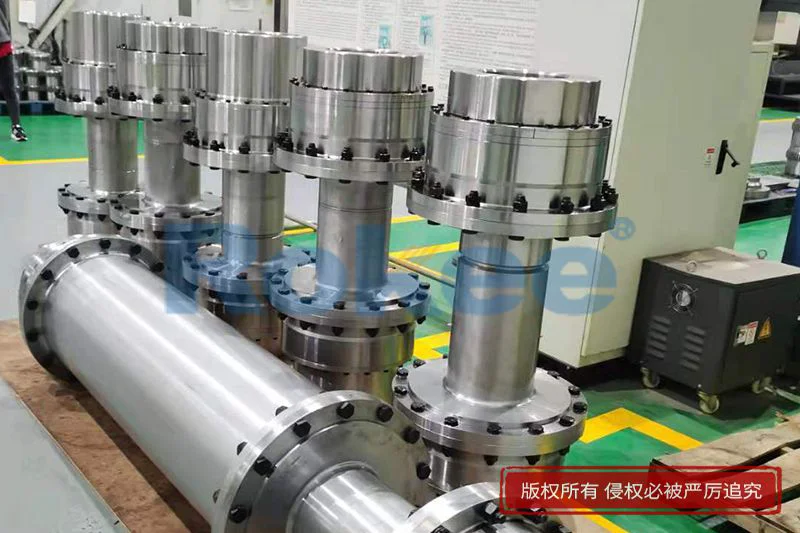
Elastic Block Toothed Coupling
Rokee is a well-known Elastic Block Toothed Coupling supplier from china, the page show cases of Elastic Block Toothed Coupling, provide customized services based on user's drawings, and supporting exports.
In the complex mechanical transmission system, the rational connection between rotating shafts directly determines the operational stability, service life and transmission efficiency of the entire mechanical equipment. As a common flexible transmission component, elastic block toothed coupling has gradually become an indispensable connecting part in various industrial mechanical structures by virtue of its unique structural design, excellent deformation buffering performance and reliable torque transmission capacity. This type of coupling integrates the mechanical advantages of toothed connection and elastic damping elements, realizing rigid torque transmission and flexible vibration absorption at the same time, which can effectively solve common mechanical problems such as axis deviation, mechanical vibration and instantaneous impact load during the operation of mechanical equipment. Different from traditional rigid couplings and ordinary elastic couplings, the structural combination of tooth-shaped metal joints and elastic rubber or polymer blocks gives it stronger environmental adaptability and load-bearing flexibility, making it widely used in medium and low-speed heavy-duty transmission scenarios in industrial production.

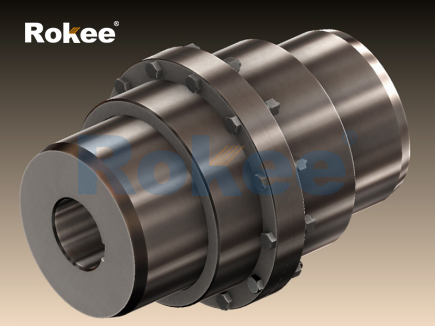
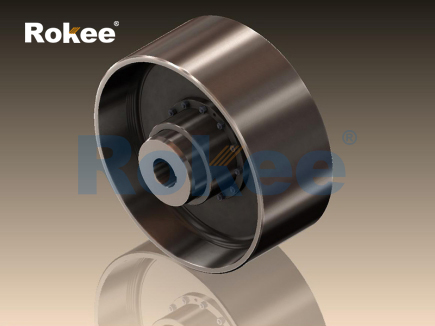
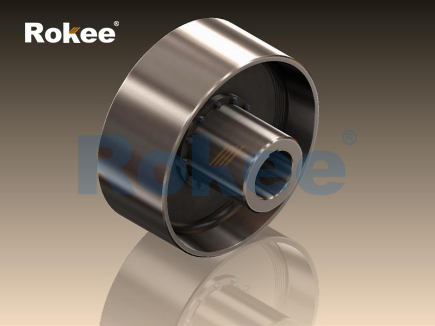
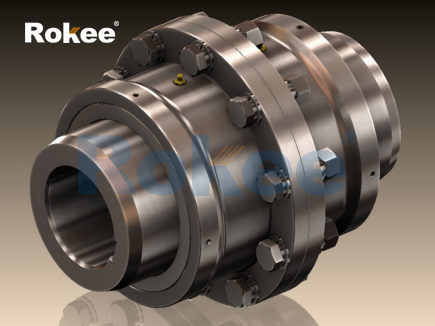
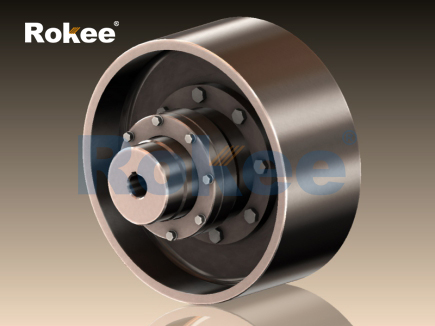
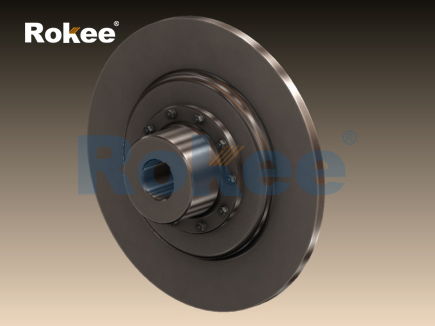
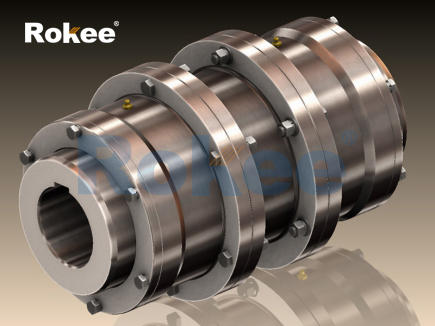
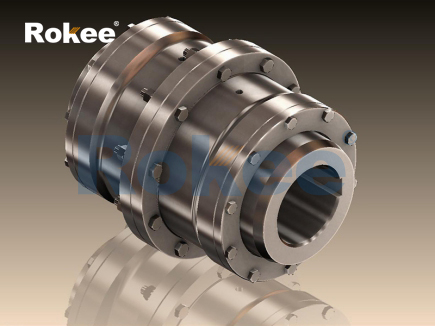
The basic structural composition of elastic block toothed coupling follows a compact and reasonable mechanical design logic, without redundant auxiliary structures, and each component bears clear mechanical functions. The main body of the coupling is composed of two symmetrical metal hub parts with special tooth-shaped structures. The tooth bodies on the hubs are evenly distributed along the circumferential direction, and the tooth profile is designed with a smooth curved structure to reduce mechanical friction and stress concentration during meshing transmission. Between the adjacent tooth grooves of the two hubs, solid elastic blocks made of high-elasticity polymer materials are embedded. These elastic blocks are the core functional components of the coupling, undertaking multiple tasks such as force transmission, vibration damping and deviation compensation. The outer side of the coupling is usually equipped with a simple protective shell, which can prevent external dust, moisture and granular impurities from invading the meshing area of teeth and elastic blocks, while avoiding the splashing of internal wear debris and ensuring the cleanliness of the internal transmission structure. There is no complex fastening connection structure inside the whole coupling, and the assembly relies on the mutual occlusion of tooth-shaped hubs and the compression cooperation of elastic blocks, which simplifies the structural layout and lays a foundation for convenient later maintenance.
The working mechanism of elastic block toothed coupling is based on the elastic deformation characteristics of flexible materials and the mechanical meshing principle of tooth-shaped structures. When the power equipment starts to operate, the driving hub rotates synchronously with the power shaft, and the tooth body on the driving hub continuously squeezes the embedded elastic blocks. Under the action of extrusion force, the elastic blocks produce controllable elastic deformation, and transmit the torque to the driven hub through the deformation pressure. In this transmission process, the rigid contact between metal teeth is isolated by the elastic blocks, which avoids direct hard friction and collision between metal components. When the equipment is affected by external factors such as unstable power output and sudden load change, the instantaneous impact force generated by torque fluctuation will be absorbed and buffered by the elastic deformation of the elastic blocks. The elastic recovery performance of the blocks can quickly release the accumulated deformation energy, so that the transmission torque can return to a stable state in a short time. In addition, the tiny gaps reserved between the tooth body and the elastic blocks provide a certain movable space for the radial, axial and angular axis deviations of the two connected shafts. This deviation compensation capability can effectively offset the installation errors of mechanical shafts and the displacement deformation caused by long-term operation, ensuring the continuity and stability of power transmission.
Compared with other types of couplings in the mechanical market, elastic block toothed coupling has prominent comprehensive performance advantages in structural performance and application adaptability. First of all, it has excellent vibration damping and noise reduction effects. The high-damping elastic blocks can effectively consume the vibration energy generated during mechanical operation, inhibit the resonance phenomenon of the transmission system, and reduce the friction vibration noise between metal structures. In the continuous operation of industrial equipment, this performance can significantly improve the working environment and reduce the vibration loss of auxiliary components such as bearings and seals. Secondly, the coupling has strong deviation adaptation capability. The flexible matching mode between the elastic blocks and the tooth grooves allows it to bear moderate radial offset, axial displacement and angular deflection. It can still maintain stable transmission performance under the condition of unavoidable installation errors and mechanical running deviation, which reduces the assembly precision requirements of mechanical equipment and lowers the installation and debugging difficulty.
In terms of load performance, the elastic block toothed coupling has a wide torque adaptation range. The integral tooth-shaped structure can evenly disperse the transmission torque on each elastic block, avoiding local stress concentration caused by excessive torque. This uniform force-bearing feature enables the coupling to withstand periodic alternating loads and short-term impact loads, and it is not easy to produce plastic deformation and structural damage under heavy-duty working conditions. Meanwhile, the material selection of elastic blocks gives the coupling good environmental resistance. Most of the elastic polymer materials used have excellent aging resistance, oil resistance and temperature adaptability, and can maintain stable physical elasticity in humid, oily and conventional high and low temperature working environments. The metal hubs are treated with surface anti-corrosion and wear resistance processes, which can slow down the oxidation corrosion and mechanical wear of metal materials and extend the overall service life of the coupling.
The simple structural design of elastic block toothed coupling brings obvious advantages in processing, assembly and maintenance. The standardized symmetrical structure of tooth-shaped hubs is convenient for industrial batch processing and manufacturing, and the production cost is controlled at a moderate level under the premise of ensuring mechanical strength. The assembly process does not require complicated professional tools and cumbersome debugging steps. The elastic blocks can be directly embedded in the tooth grooves, and the two hubs are butted and positioned to complete the assembly work. In the daily use stage, the coupling does not need regular lubrication treatment, which saves the maintenance cost of lubricating oil and grease. When the elastic blocks are worn and aged after long-term operation, the replacement operation can be completed by disassembling the protective shell without dismantling the overall mechanical shafting structure. The replacement process is simple and efficient, which greatly shortens the equipment downtime and improves the continuous operation efficiency of industrial production lines.
Due to the above excellent performance characteristics, elastic block toothed couplings are widely applied in various industrial mechanical transmission scenarios. In the field of general machinery manufacturing, they are used for shaft connection of conveying equipment such as belt conveyors and screw conveyors, adapting to the stable transmission requirements of medium and low-speed continuous operation. In the mining and metallurgy industry, heavy-duty mechanical equipment such as crushers and mixing machines often generate strong impact loads during operation. The coupling can absorb impact vibration and protect the internal transmission structure of the equipment from damage. In the building materials and chemical industry, many production equipment work in dusty and corrosive environments. The sealed protective structure and corrosion-resistant materials of the coupling can adapt to harsh working conditions and maintain long-term stable operation.
In addition, in the water supply and drainage power industry, the elastic block toothed coupling is applied to the connection of water pumps and fan equipment. The vibration damping performance can reduce the vibration transmission of the equipment to the pipeline and the base, avoiding pipeline loosening and structural fatigue damage caused by long-term vibration. In the agricultural machinery field, some mobile farming machinery has unstable working loads and complex working environments. The coupling can adapt to uneven ground vibration and intermittent load changes, ensuring the reliable power output of agricultural machinery. It is worth noting that this type of coupling is more suitable for medium and low-speed transmission working conditions. For high-speed rotating mechanical equipment with extremely high precision requirements, it is necessary to match other high-precision flexible couplings according to the actual operating parameters.
Although the elastic block toothed coupling has many application advantages, there are still some objective limitations and usage precautions in the actual application process. The elastic blocks are vulnerable to irreversible aging deformation under the action of long-term high temperature, strong ultraviolet radiation and severe chemical corrosion. Excessively high ambient temperature will accelerate the aging of polymer materials, resulting in the decline of elasticity and damping performance. Strong corrosive media such as acid and alkali liquids will erode the surface of elastic blocks and metal hubs, reducing the structural strength. In addition, excessive installation deviation will cause long-term eccentric friction between the tooth body and the elastic blocks. Long-term eccentric operation will accelerate the local wear of elastic blocks and shorten the service life. Therefore, in the equipment installation stage, it is necessary to strictly control the installation deviation within the allowable range of mechanical parameters, and regularly check the tightness of the protective shell and the wear degree of internal elastic blocks during daily operation.
With the continuous upgrading of industrial manufacturing technology, the production and optimization technology of elastic block toothed coupling is also constantly improving. In terms of material optimization, new composite elastic polymer materials are gradually applied to the processing of elastic blocks. These new materials have higher elasticity, wear resistance and temperature resistance, which can expand the applicable temperature range and load limit of the coupling. In terms of structural optimization, the tooth profile curve of the metal hub is further optimized through mechanical simulation technology to make the torque transmission more uniform and reduce the friction loss between the tooth body and the elastic blocks. At the same time, the lightweight design of the metal hub is carried out on the premise of ensuring structural strength, reducing the overall self-weight of the coupling and lowering the rotational inertia during operation.
In the future industrial development trend, the intelligent and personalized customization of elastic block toothed couplings will become an important development direction. Combined with mechanical monitoring technology, some improved couplings can be equipped with tiny sensing components to monitor the deformation degree and wear state of elastic blocks in real time, realizing early warning of equipment failure. According to the differentiated working conditions of different industries, customized design of coupling size, elastic block hardness and metal material strength can be carried out to meet the personalized transmission needs of special mechanical equipment. Relying on its simple structure, reliable performance and low maintenance cost, the elastic block toothed coupling will still occupy an important position in the medium and low-speed heavy-duty transmission market, and continuously provide stable and efficient connection guarantee for various industrial mechanical equipment.
With excellent quality, we have been continuously providing many coupling products of various categories and uses complying with multiple standards and a full range of services, from the product selection to final installation and operation, for the industry fields of ferrous metallurgy, nuclear power, gas turbine, wind power, ropeway construction, lifting transportation, general equipment, etc.
pu sandwich panel line,pu sandwich panel machine,sandwich panel machine
« Elastic Block Toothed Coupling » Latest Update Date: May 9, 2026
https://www.rokeecoupling.net/cases/elastic-block-toothed-coupling.html
Products
![GICL Crown Gear Coupling]() GICL Crown Gear Coupling
GICL Crown Gear Coupling![GICLZ Crown Gear Coupling]() GICLZ Crown Gear Coupling
GICLZ Crown Gear Coupling![GIICL Crown Gear Coupling]() GIICL Crown Gear Coupling
GIICL Crown Gear Coupling![GIICLZ Crown Gear Coupling]() GIICLZ Crown Gear Coupling
GIICLZ Crown Gear Coupling![GCLD Crown Gear Coupling]() GCLD Crown Gear Coupling
GCLD Crown Gear Coupling![NGCL Crown Gear Coupling]() NGCL Crown Gear Coupling
NGCL Crown Gear Coupling![NGCLZ Crown Gear Coupling]() NGCLZ Crown Gear Coupling
NGCLZ Crown Gear Coupling![WG Crown Gear Coupling]() WG Crown Gear Coupling
WG Crown Gear Coupling![WGZ Crown Gear Coupling]() WGZ Crown Gear Coupling
WGZ Crown Gear Coupling![WGP Crown Gear Coupling]() WGP Crown Gear Coupling
WGP Crown Gear Coupling![WGT Crown Gear Coupling]() WGT Crown Gear Coupling
WGT Crown Gear Coupling![WGC Crown Gear Coupling]() WGC Crown Gear Coupling
WGC Crown Gear Coupling![WGJ Crown Gear Coupling]() WGJ Crown Gear Coupling
WGJ Crown Gear Coupling