-
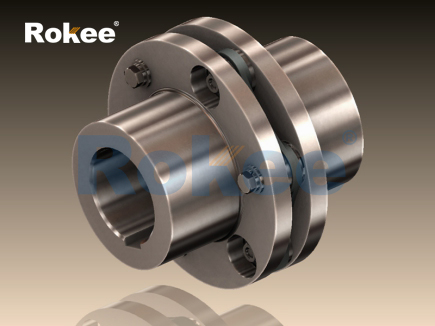
JMI Diaphragm Coupling
JMI diaphragm coupling adopts the single-piece design, suitable for short distance transmission. Besides, the semi-coupling sleeve at one end has a counterbore, facilitating the fixing of the shaft end.View More -
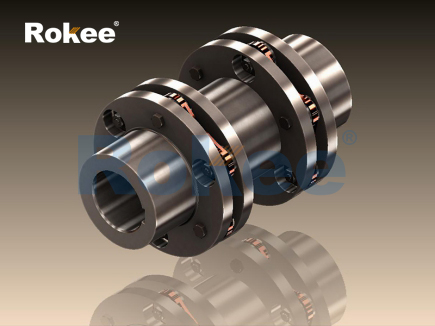
JMIJ Diaphragm Coupling
JMIJ diaphragm coupling is designed with intermediate shaft, suitable for long distance transmission. Besides, the semi-coupling sleeve at one end has a counterbore, facilitating the fixing of the shaft end.View More -

JMII Diaphragm Coupling
JMII diaphragm coupling also adopts the single-piece design but has no counterbore, suitable for short distance transmission, with more compact structure.View More -
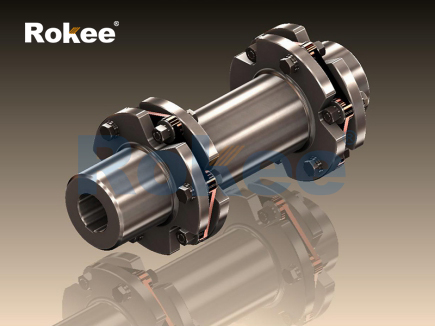
JMIIJ Diaphragm Coupling
JMIIJ diaphragm coupling is designed with intermediate shaft, suitable for long distance transmission. Besides, the semi-coupling sleeve at both ends have no counterbore.View More
In the field of mechanical power transmission, diaphragm couplings stand out as a high-precision, high-reliability flexible coupling solution, widely adopted across diverse industrial sectors due to their unique structural design and exceptional performance characteristics. Unlike traditional coupling types that rely on lubricated components, elastomers with limited lifespan, or rigid connections that fail to accommodate shaft misalignment, diaphragm couplings utilize thin, flexible metal diaphragms as the core elastic elements to transmit torque while compensating for various forms of shaft displacement, making them indispensable for modern high-speed, high-precision, and heavy-duty rotating machinery.
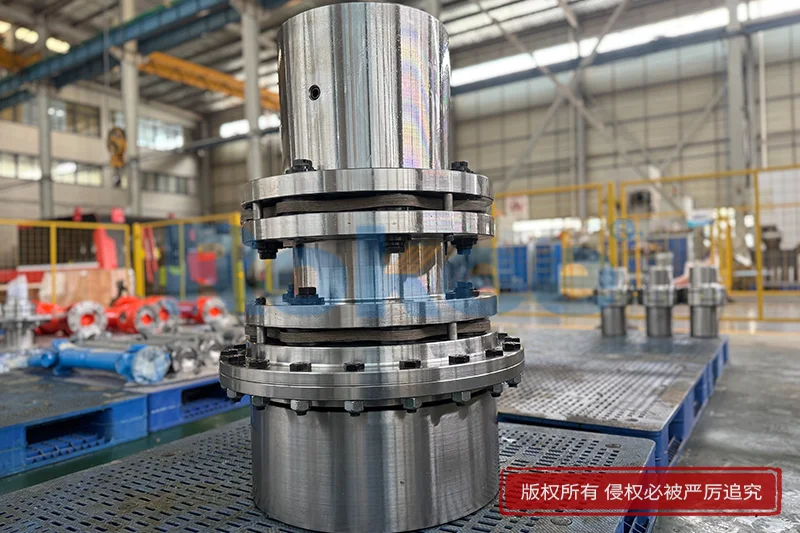
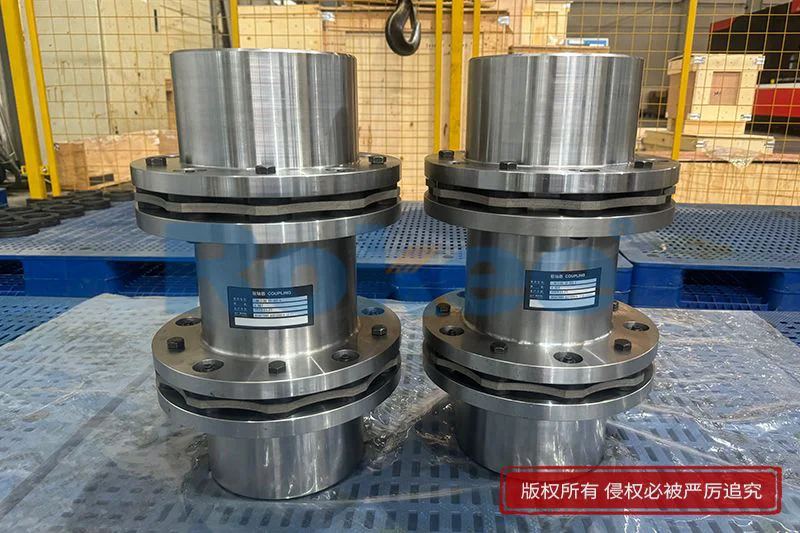
At its core, a standard steel laminae coupling consists of several key structural components that work in tandem to deliver efficient power transmission and misalignment compensation. The primary elements include two rigid hubs, one or more sets of flexible metal diaphragms, and connecting fasteners, with some designs incorporating an intermediate spacer shaft for extended shaft span applications. The hubs are precision-machined to fit tightly onto the driving and driven shafts, ensuring a secure and backlash-free connection that maintains rotational accuracy; they are typically crafted from high-strength alloy steel or carbon steel to withstand torsional forces and radial loads without deformation. The heart of the coupling lies in the diaphragm assembly, which is composed of multiple thin, circular metal sheets stacked together, usually made from high-grade stainless steel, titanium alloy, or other high-strength, high-fatigue-resistance metals. These diaphragms are bolted to the outer flanges of the hubs in a staggered pattern, creating a flexible yet robust transmission path. Unlike gear couplings that require continuous lubrication to reduce friction between meshing teeth, or elastomer couplings that degrade over time due to wear, temperature, or chemical exposure, diaphragm couplings operate without any lubrication, as their power transmission relies solely on the elastic deformation of the metal diaphragms. This structural simplicity eliminates the need for routine maintenance, reduces the risk of fluid contamination, and extends the service life of the entire coupling assembly under normal operating conditions.
The structural design of flexible membrane couplings directly dictates their ability to compensate for three primary types of shaft misalignment: angular, radial, and axial displacement. Angular misalignment occurs when the centerlines of the driving and driven shafts intersect at a small angle, radial misalignment refers to the parallel offset between the two shaft centerlines, and axial misalignment involves the forward or backward movement of shafts along their longitudinal axis. The flexible metal diaphragms bend and twist slightly to accommodate these displacements without generating excessive reaction forces on the connected equipment, which is critical for protecting bearings, seals, and other sensitive components from premature wear and failure. The degree of misalignment compensation varies based on the number and thickness of the diaphragms, as well as the overall coupling size and design profile; common diaphragm profiles include flat, conical, and curved designs, each optimized for specific load and misalignment conditions. Conical and curved diaphragms, for instance, distribute stress more evenly across the surface during deformation, reducing fatigue cracking and enhancing the coupling’s durability under cyclic loading, which is especially vital for high-cycle operation in continuous industrial processes.
Shim pack couplings are classified into several distinct categories based on structural configuration, application scope, and design complexity, with each type tailored to meet specific operational requirements. The most fundamental classification is based on the number of diaphragm sets, dividing them into single diaphragm couplings and double diaphragm couplings. Single diaphragm couplings feature a single set of diaphragms connecting the two hubs directly, resulting in a compact, lightweight design with minimal axial space requirements. This type is ideal for applications with limited installation space and mild misalignment conditions, such as small precision machinery, laboratory equipment, and low-to-medium speed drive systems. While they offer efficient torque transmission and basic axial compensation, their ability to handle radial and angular misalignment is relatively limited, making them suitable for well-aligned shaft systems. Double diaphragm couplings, by contrast, incorporate two separate diaphragm sets linked by an intermediate rigid spacer or shaft, which significantly enhances their misalignment compensation capabilities. The dual diaphragm design allows for independent deformation of each diaphragm set, enabling the coupling to handle larger angular offsets, greater radial parallel misalignment, and extended axial movement simultaneously. This configuration also reduces the reaction loads on the connected equipment more effectively, making it the preferred choice for medium-to-large scale industrial machinery, high-speed rotating equipment, and applications where shaft alignment is difficult to maintain perfectly.
Beyond the single and double diaphragm classification, these couplings can also be categorized by shaft connection type, including keyed connections, keyless interference fit connections, and clamping hub connections. Keyed diaphragm couplings use traditional keyways to transmit torque, offering a reliable, time-tested connection method suitable for standard shaft designs and moderate torque loads. Keyless interference fit couplings, on the other hand, rely on frictional force between the hub and shaft created by a tight interference fit, eliminating backlash entirely and providing superior balance for high-speed operation; this type is widely used in precision machine tools, servo drive systems, and aerospace-related equipment where zero rotational play is critical. Clamping hub couplings feature a split hub design with clamping screws, allowing for quick installation and removal without damaging the shaft surface, making them convenient for maintenance-heavy applications and temporary drive setups. Additionally, diaphragm couplings are classified by torque capacity and size, ranging from miniature couplings for micro-mechanical systems and small electronic devices to heavy-duty, large-diameter couplings for industrial power generation, marine propulsion, and heavy processing machinery. Miniature diaphragm couplings are characterized by ultra-compact dimensions, low moment of inertia, and high precision, while heavy-duty models feature thicker diaphragms, reinforced hubs, and robust fastening systems to handle extremely high torque and shock loads without failure.
The performance advantages of shim couplings set them apart from other flexible coupling types, making them a top choice for demanding industrial environments. One of the most prominent performance features is their zero-backlash transmission capability, which ensures precise rotational synchronization between the driving and driven shafts. This eliminates lost motion and positioning errors, a critical attribute for high-precision applications such as CNC machine tools, robotic arms, printing machinery, and textile equipment where positional accuracy directly impacts product quality. Another key performance trait is high transmission efficiency, typically exceeding 99% across a wide range of operating speeds and torque loads. Unlike elastomer couplings that experience energy loss due to material hysteresis or gear couplings that lose energy to friction and lubrication drag, diaphragm couplings transmit power with minimal energy waste, contributing to overall energy savings in continuous operation. Their high-speed operational capability is also noteworthy; with precision balancing and optimized diaphragm design, these couplings can operate reliably at extremely high rotational speeds, far exceeding the limits of many other flexible coupling types, making them suitable for turbo machinery, centrifugal compressors, and high-speed pump systems.
Environmental adaptability is another core performance strength of diaphragm couplings. They exhibit excellent resistance to extreme temperatures, operating consistently in both high-temperature environments such as furnace drives, industrial ovens, and engine compartments, and low-temperature settings including refrigeration systems and cryogenic processing equipment. The metal diaphragm materials are also resistant to corrosion, oxidation, and chemical exposure, allowing the couplings to function reliably in harsh industrial atmospheres containing moisture, acids, alkalis, and other corrosive substances without degradation. Unlike elastomer couplings that harden, crack, or soften in extreme temperatures or chemical environments, diaphragm couplings maintain their flexible properties and structural integrity over long service lives. Additionally, they offer effective vibration damping and noise reduction capabilities, absorbing torsional vibrations generated by the driving machine and reducing noise transmission to the driven equipment, creating a smoother and quieter operating environment. This vibration absorption also helps to reduce fatigue stress on the entire drive system, extending the service life of connected motors, gearboxes, pumps, and other machinery components.
Flexible diaphragm couplings also boast exceptional fatigue resistance and load-bearing capacity, designed to withstand repeated cyclic loading, shock loads, and transient torque spikes without premature failure. The multi-layer diaphragm design distributes stress evenly across each thin sheet, preventing localized stress concentration that leads to cracking, and the high-strength metal materials ensure a long fatigue life even under continuous heavy-duty operation. They can handle peak torque loads significantly higher than their rated torque capacity, providing a reliable safety margin for unexpected load surges common in industrial processes such as material crushing, conveyor drives, and reciprocating machinery. Furthermore, their maintenance-free nature is a major operational advantage; without the need for lubrication, seal replacement, or component adjustments, they reduce downtime and maintenance costs for industrial facilities, a crucial benefit for continuous production lines and remote or hard-to-access equipment installations.
The versatility of diaphragm couplings is reflected in their extensive range of industrial applications, spanning nearly every sector that relies on mechanical power transmission. In the manufacturing and precision engineering sector, they are extensively used in CNC machine tools, servo motors, linear motion systems, and automated assembly lines, where zero backlash, high precision, and consistent performance are essential for producing high-tolerance components. In the pump and compressor industry, diaphragm couplings connect motors to centrifugal pumps, reciprocating pumps, air compressors, and gas compressors, accommodating shaft misalignment caused by thermal expansion, foundation settlement, and operational vibration, while ensuring leak-free and efficient fluid and gas handling. Their corrosion resistance makes them particularly suitable for chemical and petrochemical pumps handling aggressive fluids, eliminating the risk of contamination from lubricants and ensuring reliable operation in corrosive process environments.
In the energy and power generation industry, steel laminae couplings play a vital role in gas turbines, steam turbines, generators, and wind turbine drive systems. These applications involve high rotational speeds, high temperatures, and significant thermal expansion of shafts, and the couplings’ ability to compensate for large axial and angular misalignment without lubrication makes them ideal for such critical power equipment. They are also used in hydroelectric power generation systems, connecting turbine shafts to generators in harsh, moisture-rich environments, providing long-term reliability and minimal maintenance. In the marine and offshore industry, diaphragm couplings are employed in ship propulsion systems, auxiliary power units, and offshore drilling equipment, withstanding the harsh marine environment, saltwater corrosion, and dynamic shaft movements caused by vessel motion, ensuring stable power transmission for maritime operations.
Other key application areas include the aerospace and defense industry, where lightweight, high-strength diaphragm couplings are used in aircraft auxiliary power units, ground support equipment, and defense machinery, offering exceptional reliability and performance in demanding operational conditions. In the food, beverage, and pharmaceutical industry, their maintenance-free, lubrication-free design prevents product contamination, making them suitable for hygienic processing equipment, packaging machinery, and filling systems where cleanliness is paramount. They are also widely used in conveyor systems, fans, blowers, mixers, and various other industrial machinery, adapting to different load conditions, speed ranges, and environmental challenges with ease. From small-scale precision instruments to large-scale industrial power plants, diaphragm couplings provide a reliable, efficient, and durable connection solution that enhances the overall performance and longevity of the entire drive system.
In summary, steel laminae couplings represent a sophisticated and practical advancement in mechanical power transmission technology, combining a simple yet robust structural design with outstanding performance attributes that address the limitations of traditional coupling types. Their ability to transmit torque efficiently, compensate for shaft misalignment, operate in extreme environments, and require minimal maintenance makes them a versatile and cost-effective solution for countless industrial applications. The diverse classification of diaphragm couplings ensures that there is a suitable design for every operational requirement, from miniature precision systems to heavy-duty industrial machinery. As industrial technology continues to evolve towards higher speeds, greater precision, and more sustainable operation, the demand for diaphragm couplings is expected to grow further, as they consistently meet the stringent performance and reliability demands of modern mechanical engineering. Their ongoing design optimization and material advancements will only enhance their capabilities, solidifying their position as a critical component in the global industrial transmission landscape.
-

Diaphram Couplings
Mar 24, 2026Diaphram Coupling is a high-performance flexible coupling that connects shafts through one or more specially designed metal diaphragms. Widely used in the industrial field, it gradually repla… -

Membrane Couplings
Mar 24, 2026Membrane coupling is a high-performance flexible coupling widely used in modern industrial machinery transmission systems. It uses one or more specially designed metal diaphragms as elastic e… -
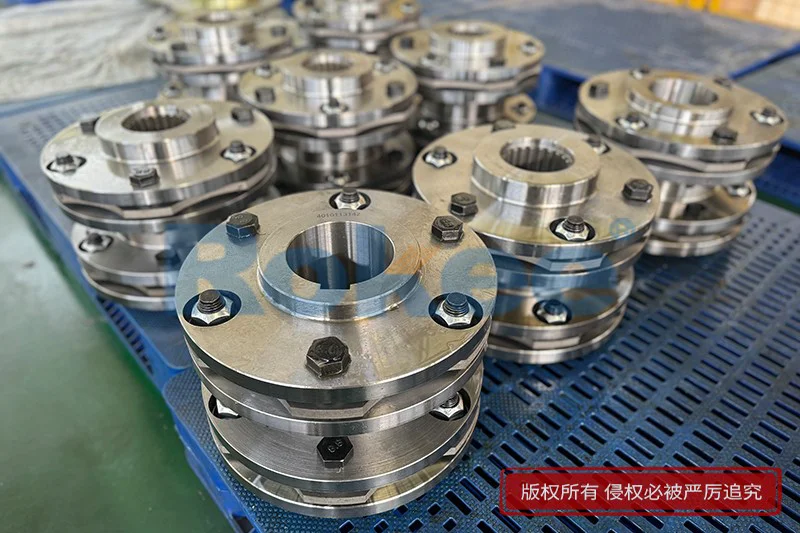
Laminated Membrane Couplings
Feb 27, 2026Laminated membrane coupling is a precision mechanical transmission device that connects shafts through flexible metal diaphragm components. As a widely used type of coupling in modern industr… -
Flexible Membrane Couplings
Jan 20, 2026Flexible Membrane Coupling is a high-performance coupling that compensates for the relative displacement of two shafts through the elastic deformation of a metal diaphragm. Compared with trad… -

Diaphragm Couplings
Jan 20, 2026Diaphragm coupling is a high-performance flexible coupling that compensates for deviations between shaft systems through the elastic deformation of metal diaphragms. Metal diaphragm couplings… -
Shim Couplings
Dec 24, 2025In the intricate network of industrial power transmission systems, couplings play a pivotal role in connecting rotating shafts, enabling efficient torque transfer while addressing misalignmen… -
Metal Membrane Couplings
Dec 24, 2025In the realm of industrial power transmission, couplings serve as critical components that bridge rotating shafts, enabling the transfer of torque while accommodating misalignments and mitiga… -
Membrane Disc Couplings
Dec 24, 2025In the field of high-precision mechanical power transmission, the demand for couplings that can achieve efficient torque transfer while maintaining excellent alignment compensation and stabil…