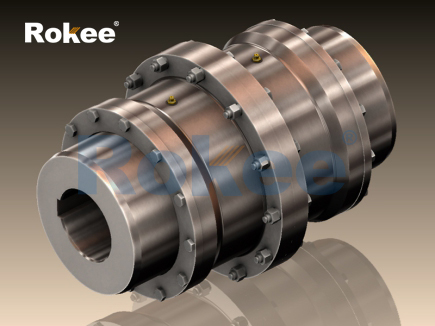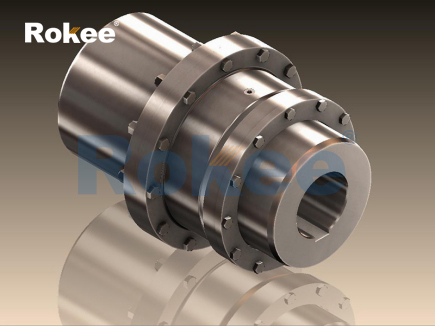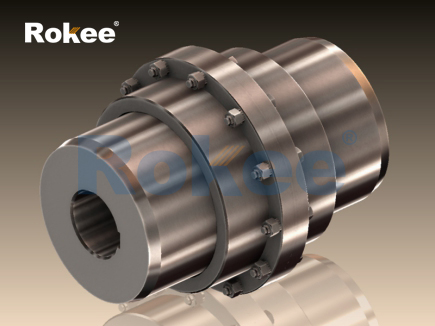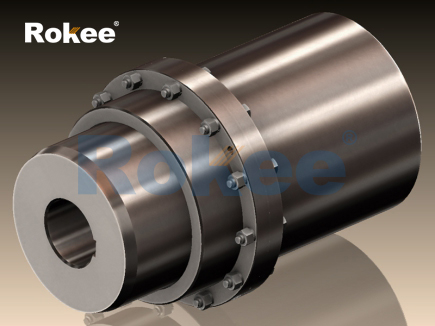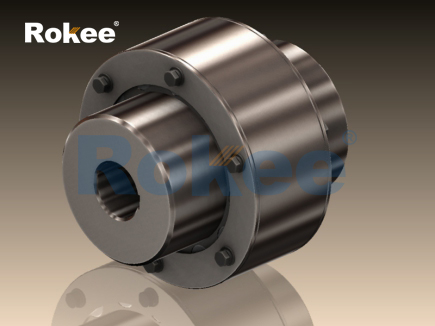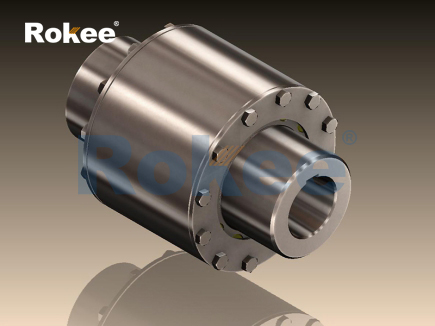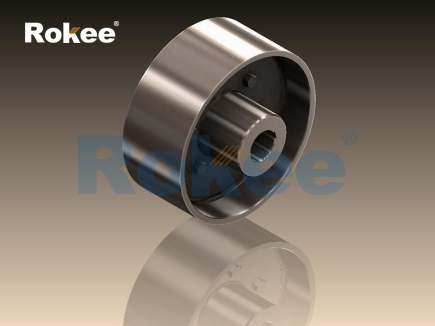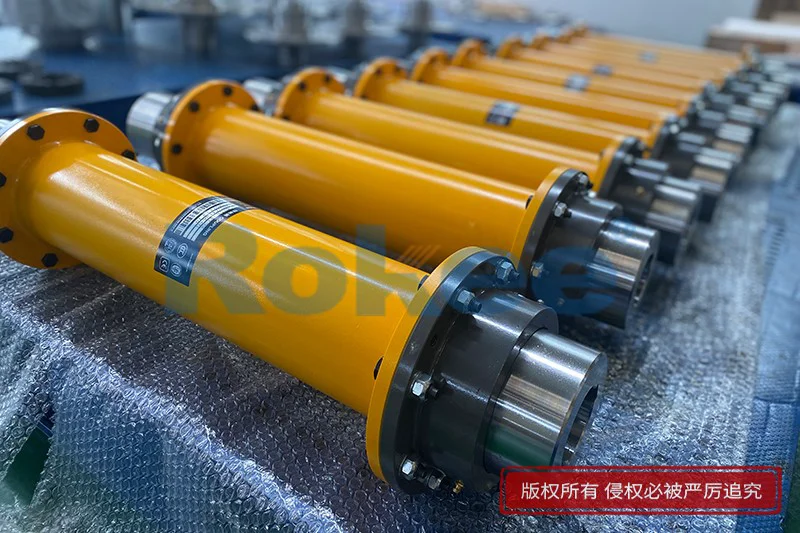
In the complex landscape of mechanical power transmission, couplings are essential components that facilitate the connection between rotating shafts, ensuring the efficient transfer of torque while addressing inherent challenges such as shaft misalignment, vibration, and shock loads. Among the various coupling technologies available, the flexible drive gear coupling stands out as a robust and high-performance solution, specifically engineered to handle high torque, high-speed applications across industrial sectors. Distinguished by its toothed gear design that enables both rigid torque transmission and controlled flexibility, this coupling type combines the strength of gear mechanisms with the ability to compensate for shaft misalignments. Unlike flexible jaw or tyre couplings that rely on elastomeric elements for flexibility, the flexible drive gear coupling utilizes the meshing of gear teeth—often paired with sliding or floating components—to accommodate misalignments. This article provides a comprehensive exploration of flexible drive gear couplings, delving into their fundamental working principles, structural components, material selection criteria, key performance advantages, typical application scenarios, and essential maintenance practices, thereby offering a holistic understanding of their role in enhancing the reliability and efficiency of heavy-duty mechanical systems.
Fundamental Working Principles of Flexible Drive Gear Couplings
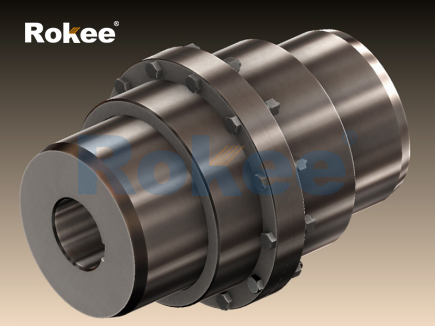
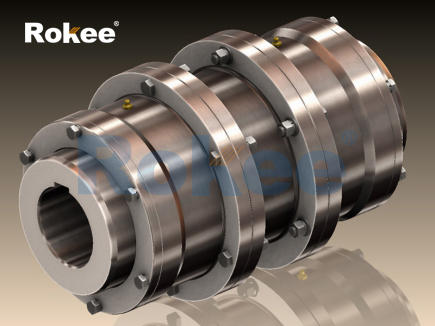
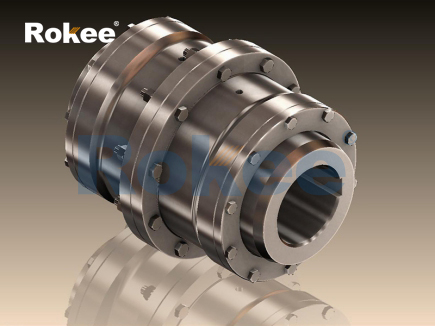
The core functionality of a flexible drive gear coupling lies in its ability to transmit high levels of torque from a driving shaft to a driven shaft while compensating for three primary types of shaft misalignment: angular misalignment (where shafts intersect at an angle), parallel misalignment (where shafts are radially offset), and axial misalignment (where shafts move longitudinally toward or away from each other). This functionality is made possible by the coupling’s distinctive gear-based design, which typically consists of two gear hubs (with external or internal teeth) and a sleeve or spacer with complementary teeth that meshes with the hubs.
When torque is applied to the driving shaft, the force is transmitted through the driving gear hub to the meshing sleeve or spacer. The gear teeth create a positive, slip-free connection that ensures efficient torque transmission—even at high speeds and heavy loads. The flexibility of the coupling is achieved through the design of the gear meshing and the inclusion of floating components. In many designs, one of the gear hubs is allowed to slide axially relative to the sleeve, enabling the coupling to accommodate axial misalignment. For angular and parallel misalignment, the gear teeth are engineered with a specific pressure angle and tooth profile (such as involute teeth) that allows for a small degree of relative movement between the meshing components. This controlled movement ensures that the gear teeth remain engaged even when the shafts are misaligned, preventing slippage and maintaining consistent torque transmission.
Another key principle of flexible drive gear coupling operation is its ability to dampen torsional vibrations. While not as effective as elastomeric couplings in vibration damping, the gear meshing and floating components of flexible drive gear couplings help to absorb and dissipate moderate levels of torsional vibration generated during high-speed operation or load fluctuations. This vibration damping capability is crucial for protecting sensitive components such as bearings, shafts, and gearboxes from premature wear caused by excessive mechanical stress. Additionally, the rigid gear design ensures minimal backlash, which is essential for applications requiring precise torque control and synchronization, such as in heavy-duty machinery and power generation systems.
Flexible drive gear couplings operate with a lubrication system, which is a critical aspect of their functionality. The meshing gear teeth and sliding components require continuous lubrication to reduce friction, minimize wear, and prevent corrosion. The lubricant also helps to dissipate heat generated during operation, ensuring that the coupling operates within safe temperature limits. Unlike elastomeric couplings that are lubrication-free, the need for proper lubrication is a key characteristic of flexible drive gear couplings, and it directly impacts their performance and service life.
Structural Characteristics of Flexible Drive Gear Couplings
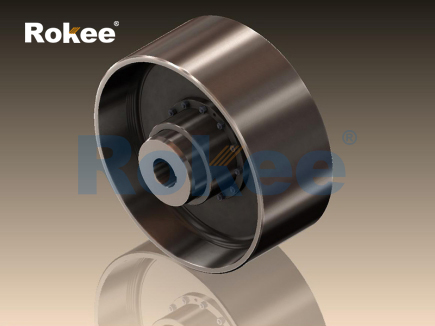
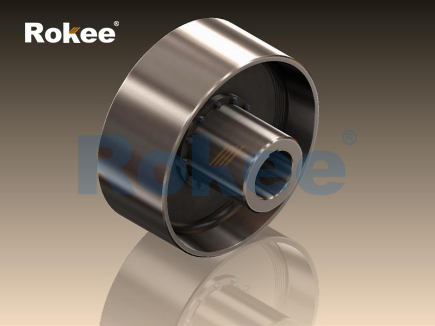
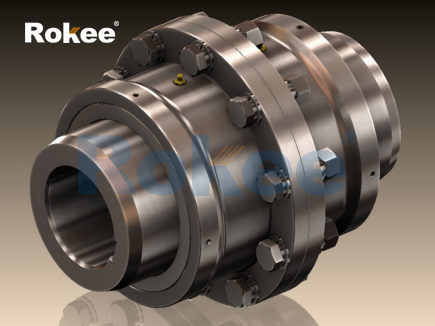
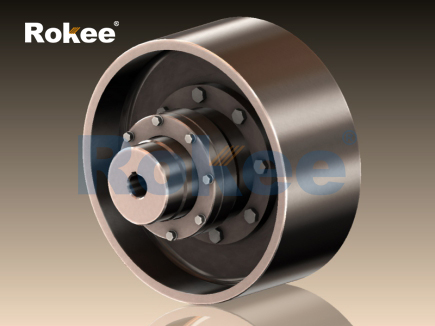
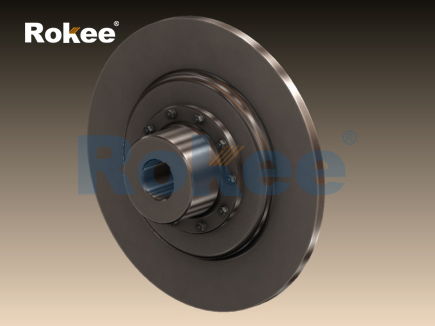
Flexible drive gear couplings feature a robust and precision-engineered structure, consisting of several key components: gear hubs, a sleeve or spacer, floating components (such as a floating shaft or disc), seals, and fastening hardware. Each component is designed to work in synergy to ensure reliable torque transmission, misalignment compensation, and long-term operational stability—even in harsh operating conditions.
The gear hubs are the primary load-bearing components of the coupling, responsible for connecting the coupling to the driving and driven shafts. Typically manufactured from high-strength alloy steel, the hubs are designed with either external or internal teeth that mesh with the sleeve or spacer. The number and size of the teeth vary depending on the coupling’s torque capacity and speed rating, with larger, more numerous teeth used for higher torque applications to distribute the load evenly across the gear surface. The gear hubs are attached to the shafts using various connection methods, including keyway fittings, interference fits, or hydraulic couplings. Keyway fittings are commonly used for medium-torque applications, while interference fits and hydraulic couplings are preferred for high-torque, high-speed applications where a secure, slip-free connection is critical.
The sleeve or spacer is the component that meshes with the gear hubs, transmitting torque between the two shafts. In external gear designs, the sleeve has internal teeth that mesh with the external teeth of the hubs. In internal gear designs, the sleeve has external teeth that mesh with the internal teeth of the hubs. The sleeve is often manufactured from the same high-strength alloy steel as the hubs to ensure compatibility and durability. In some designs, the sleeve is split into two halves, allowing for easy installation and maintenance without disassembling the entire coupling or removing the shafts—a significant advantage for large, heavy-duty applications.
Floating components are integral to the flexibility of the coupling. These components, which can include a floating shaft, floating disc, or flexible diaphragm, allow for relative movement between the gear hubs and sleeve, enabling the coupling to accommodate misalignments. For example, a floating shaft design consists of two gear hubs connected by a central floating shaft with gear teeth at both ends, meshing with the hubs. This design provides greater misalignment compensation capability, particularly for angular and parallel misalignment. Flexible diaphragms may also be incorporated into some designs to enhance flexibility while maintaining the coupling’s torque-carrying capacity.
Seals are a critical component of flexible drive gear couplings, as they prevent lubricant leakage and protect the gear teeth and sliding components from contamination by dust, dirt, and moisture. Common seal types include lip seals, mechanical seals, and labyrinth seals. Lip seals are used for moderate-speed applications, while mechanical seals and labyrinth seals are preferred for high-speed, high-pressure applications where maximum sealing efficiency is required. The choice of seal type depends on the operating conditions, including speed, temperature, and environmental factors.
Fastening hardware, such as bolts, nuts, and lock washers, is used to secure the various components of the coupling together. These fasteners are typically made from high-strength alloy steel to ensure they can withstand the high tensile and compressive forces generated during operation. Proper torquing of the fasteners is critical to maintaining the coupling’s integrity, as loose fasteners can lead to excessive vibration, noise, and premature failure of the gear teeth or other components.
Material Selection for Flexible Drive Gear Couplings
The performance, durability, and suitability of a flexible drive gear coupling for a specific application are heavily dependent on the materials used for its components. Given the high torque, high-speed operating conditions that these couplings typically endure, material selection is focused on strength, durability, wear resistance, and corrosion resistance. Key factors influencing material selection include operating temperature, torque requirements, speed, environmental conditions (such as exposure to chemicals, moisture, or extreme temperatures), and the level of misalignment compensation needed.
For the gear hubs, sleeve, and floating components, the most commonly used materials are high-strength alloy steels. Alloy steels such as 4140, 4340, and 300M are preferred due to their excellent tensile strength, toughness, and wear resistance. These steels can be heat-treated (such as quenching and tempering) to further enhance their mechanical properties, making them suitable for high-torque, high-speed applications. In corrosive environments, such as marine or chemical processing applications, stainless steel alloys (such as 316 or duplex stainless steel) are used. Stainless steel offers excellent corrosion resistance but may have slightly lower tensile strength than alloy steel, so it is typically used for applications where corrosion resistance is a primary concern.
For the gear teeth, surface treatments are often applied to enhance wear resistance and extend service life. Common surface treatments include carburizing, nitriding, and induction hardening. Carburizing involves heating the gear teeth in a carbon-rich environment, followed by quenching and tempering, which creates a hard, wear-resistant surface while maintaining a tough core. Nitriding is a process that diffuses nitrogen into the surface of the gear teeth, creating a hard, corrosion-resistant layer. Induction hardening uses electromagnetic induction to heat the gear teeth locally, followed by quenching, resulting in a hard surface layer that is highly resistant to wear and fatigue.
Seals are typically made from elastomeric materials such as nitrile rubber (NBR), ethylene propylene diene monomer (EPDM), or fluorinated elastomers (such as Viton). NBR is preferred for applications involving exposure to oil or petroleum products, as it offers excellent oil resistance. EPDM is used for applications exposed to ozone, weathering, or high temperatures, as it provides good resistance to UV radiation and moisture. Fluorinated elastomers are used for specialized applications involving aggressive chemicals or high temperatures, as they offer exceptional chemical and heat resistance.
Lubricants for flexible drive gear couplings are carefully selected based on the operating conditions. Common lubricant types include mineral oils, synthetic oils, and greases. Mineral oils are used for general-purpose applications, while synthetic oils (such as polyalphaolefins or ester-based oils) are preferred for high-temperature, high-speed applications due to their superior thermal stability and oxidation resistance. Greases are used for applications where oil leakage is a concern, such as vertical shaft installations or applications with limited lubrication access.
Key Advantages of Flexible Drive Gear Couplings
Flexible drive gear couplings offer a range of performance advantages that make them a preferred choice for heavy-duty, high-torque, high-speed applications across various industries. These advantages include high torque capacity, excellent misalignment compensation, minimal backlash, durability in harsh conditions, and suitability for high-speed operation.
One of the most significant advantages of flexible drive gear couplings is their high torque capacity. The gear-based design allows them to transmit significantly higher levels of torque compared to elastomeric couplings such as jaw or tyre couplings. This makes them ideal for heavy-duty applications such as industrial motors, gearboxes, turbines, and heavy machinery, where large amounts of torque need to be transmitted efficiently. The even distribution of load across the gear teeth further enhances their torque-carrying capability, reducing the risk of premature failure.
Flexible drive gear couplings also offer excellent misalignment compensation capability. While their misalignment limits are typically lower than those of elastomeric couplings (typically up to 1-2 degrees of angular misalignment and 0.5-1 millimeter of parallel misalignment), they are designed to accommodate these misalignments while maintaining reliable torque transmission. This is particularly important for large, heavy-duty machinery, where precise shaft alignment is difficult to achieve and maintain, and misalignments can lead to excessive stress on shafts, bearings, and other components.
Minimal backlash is another key advantage of flexible drive gear couplings. Backlash, or the amount of play between the meshing gear teeth, is minimized through precise manufacturing and gear design. This minimal backlash ensures precise torque control and synchronization, making the coupling suitable for applications requiring accurate positioning and speed control, such as in robotics, machine tools, and power generation systems. Unlike elastomeric couplings, which can develop backlash over time as the elastomeric element wears, flexible drive gear couplings maintain minimal backlash throughout their service life—provided they are properly maintained.
Flexible drive gear couplings are highly durable and capable of operating in harsh conditions. The use of high-strength alloy steels and surface-treated gear teeth ensures that they can withstand heavy loads, high speeds, and extreme temperatures. They are also resistant to wear, fatigue, and corrosion (when using appropriate materials and lubricants), making them suitable for use in harsh industrial environments such as steel mills, mining operations, and marine applications. Additionally, the enclosed design of many flexible drive gear couplings protects the gear teeth from contamination by dust, dirt, and moisture, further enhancing their durability.
These couplings are also well-suited for high-speed operation. The precision-engineered gear teeth and balanced design minimize vibration at high speeds, ensuring smooth and efficient performance. This makes them ideal for applications such as turbines, generators, and high-speed pumps, where rotational speeds can exceed 3000 RPM. The use of high-quality lubricants further enhances their high-speed performance by reducing friction and heat generation.
Typical Applications of Flexible Drive Gear Couplings
Due to their unique combination of advantages—including high torque capacity, excellent misalignment compensation, minimal backlash, and durability in harsh conditions—flexible drive gear couplings are used in a wide range of heavy-duty applications across various industries. They are particularly well-suited for applications requiring reliable torque transmission at high speeds and heavy loads.
In the power generation industry, flexible drive gear couplings are used in turbines (steam, gas, and hydroelectric), generators, and auxiliary equipment. Turbines and generators operate at high speeds and transmit large amounts of torque, making flexible drive gear couplings an ideal choice. The minimal backlash of these couplings ensures precise synchronization between the turbine and generator, while their misalignment compensation capability reduces stress on the shafts and bearings. Additionally, their durability in harsh conditions (such as high temperatures and pressure in turbine environments) ensures reliable operation over long periods.
The steel and metal processing industry relies heavily on flexible drive gear couplings for use in rolling mills, extruders, and metal forming machinery. Rolling mills, which are used to shape steel and other metals, operate under extreme loads and require precise torque transmission. Flexible drive gear couplings transmit the high torque required to drive the rolling mill rolls, while their misalignment compensation capability accommodates the slight misalignments that can occur during operation. Extruders, which are used to shape plastic and metal materials, also benefit from the high torque capacity and durability of these couplings.
In the mining and mineral processing industry, flexible drive gear couplings are used in crushers, conveyors, and pumps. Crushers, which are used to break down large rocks and minerals, operate under heavy loads and harsh conditions. The high torque capacity and durability of flexible drive gear couplings make them suitable for driving the crusher shafts, while their misalignment compensation capability reduces stress on the equipment. Conveyors, which are used to transport minerals and materials, also use these couplings to connect the motor to the conveyor drive shaft, ensuring reliable torque transmission even in dusty, wet environments.
The marine industry uses flexible drive gear couplings in ship propulsion systems, auxiliary engines, and pumps. Ship propulsion systems require reliable torque transmission from the engine to the propeller shaft, often under variable loads and misalignments caused by the movement of the ship. Flexible drive gear couplings provide the high torque capacity and misalignment compensation needed for these applications, while their corrosion-resistant materials (such as stainless steel) ensure durability in the marine environment. Auxiliary engines and pumps on ships also use these couplings for reliable power transmission.
Specialized applications for flexible drive gear couplings include industrial compressors, large fans and blowers, and heavy-duty machine tools. Industrial compressors, which are used to compress air and other gases, operate at high speeds and require precise torque control—attributes that flexible drive gear couplings provide. Large fans and blowers, used in power plants and industrial facilities, benefit from the high torque capacity and low vibration of these couplings. Heavy-duty machine tools, such as large lathes and milling machines, use flexible drive gear couplings to ensure precise torque transmission and positioning, contributing to accurate machining operations.
Maintenance Practices for Flexible Drive Gear Couplings
While flexible drive gear couplings are highly durable, proper maintenance is essential to ensure their reliable operation, extend their service life, and prevent unexpected downtime. The key maintenance practices for these couplings include regular lubrication, periodic inspection, proper installation and alignment, and replacement of worn components.
Regular lubrication is the most critical maintenance practice for flexible drive gear couplings. The meshing gear teeth and sliding components require continuous lubrication to reduce friction, minimize wear, prevent corrosion, and dissipate heat. Lubrication intervals depend on the operating conditions, including speed, temperature, and load. As a general guideline, lubricants should be checked and replaced every 6-12 months, or more frequently for high-speed, high-load applications. It is important to use the lubricant recommended by the manufacturer, as using the wrong type of lubricant can lead to premature wear and failure. Additionally, the seals should be inspected regularly to ensure they are functioning properly and preventing lubricant leakage.
Periodic inspection is another key maintenance practice. Inspections should be conducted periodically—typically every 3-6 months—to check for signs of wear, damage, or misalignment. During inspection, the gear teeth should be examined for signs of wear, pitting, or chipping, which are indicators of improper lubrication, misalignment, or overload. The hubs, sleeve, and floating components should be checked for cracks, corrosion, or deformation. The fasteners should be inspected for tightness, and any loose fasteners should be tightened immediately. Additionally, the coupling should be inspected for excessive vibration or noise during operation, which may indicate misalignment, worn components, or insufficient lubrication.
Proper installation and alignment are critical to the performance and service life of flexible drive gear couplings. During installation, the shafts should be aligned as accurately as possible to minimize the amount of misalignment the coupling must accommodate. While the coupling can compensate for moderate misalignment, operating beyond its rated misalignment limits will accelerate wear on the gear teeth and other components. Shaft alignment can be performed using laser alignment tools or dial indicators, which provide precise measurements. The hubs should be securely attached to the shafts using the appropriate connection method, and the fasteners should be torqued to the manufacturer’s specifications.
Replacement of worn components is necessary when signs of excessive wear or damage are detected. Common worn components include gear teeth, seals, and fasteners. When replacing gear components, it is important to use components that are compatible with the coupling’s design and specifications. In some cases, the entire coupling may need to be replaced if the gear teeth are severely worn or damaged. It is recommended to schedule component replacement during planned shutdowns to minimize downtime.
In addition to these maintenance practices, it is important to follow the manufacturer’s guidelines for the specific coupling model. Manufacturers often provide detailed maintenance instructions, including recommended lubrication intervals, torque specifications, and replacement parts. Adhering to these guidelines ensures that the coupling operates at peak performance and extends its service life.
Conclusion
Flexible drive gear couplings have established themselves as a reliable, high-performance solution for power transmission in heavy-duty, high-torque, high-speed applications. Their unique gear-based design, which combines the strength of gear mechanisms with controlled flexibility, provides effective misalignment compensation, minimal backlash, and durability in harsh operating conditions. The selection of appropriate materials—such as high-strength alloy steels and corrosion-resistant alloys—and proper lubrication are key to optimizing the coupling’s performance for specific operating conditions.
The key advantages of flexible drive gear couplings—including high torque capacity, excellent misalignment compensation, minimal backlash, and suitability for high-speed operation—make them an attractive choice for industries such as power generation, steel processing, mining, marine, and heavy machinery. From turbines and generators to rolling mills and crushers, these couplings play a vital role in ensuring the efficient and continuous operation of critical mechanical systems.
Proper maintenance, including regular lubrication, periodic inspection, proper installation and alignment, and timely replacement of worn components, is essential to maximizing the service life of flexible drive gear couplings and minimizing downtime. By following these maintenance practices and adhering to manufacturer guidelines, users can ensure that their flexible drive gear couplings operate reliably for years to come.
As technology advances and industrial requirements evolve, flexible drive gear couplings are likely to see further improvements in material performance, design optimization, and lubrication technology. The development of new high-strength, corrosion-resistant materials and advanced lubricants will expand their application range, making them suitable for even more demanding environments. With their proven performance and reliability, flexible drive gear couplings are poised to remain a key component in heavy-duty mechanical power transmission systems across industries for the foreseeable future.
pu sandwich panel line,pu sandwich panel machine,sandwich panel machine
« Flexible Drive Gear Couplings » Latest Update Date: May 8, 2026
https://www.rokeecoupling.net/tags/flexible-drive-gear-couplings.html