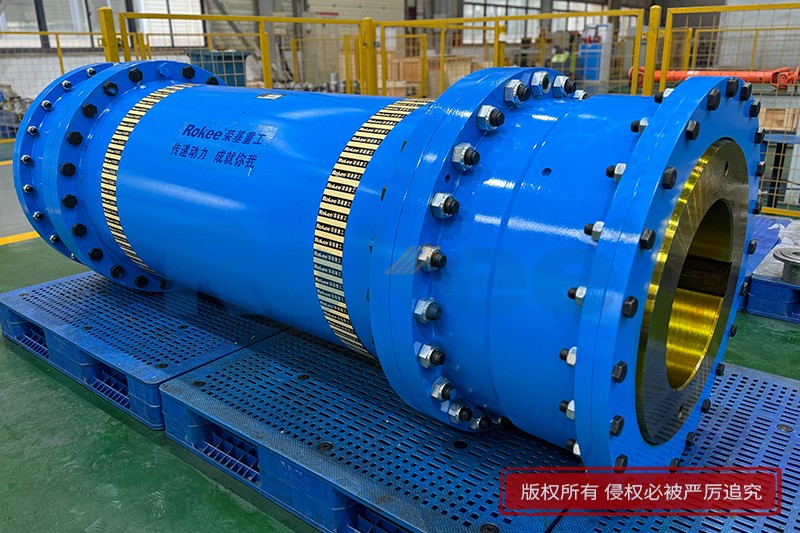
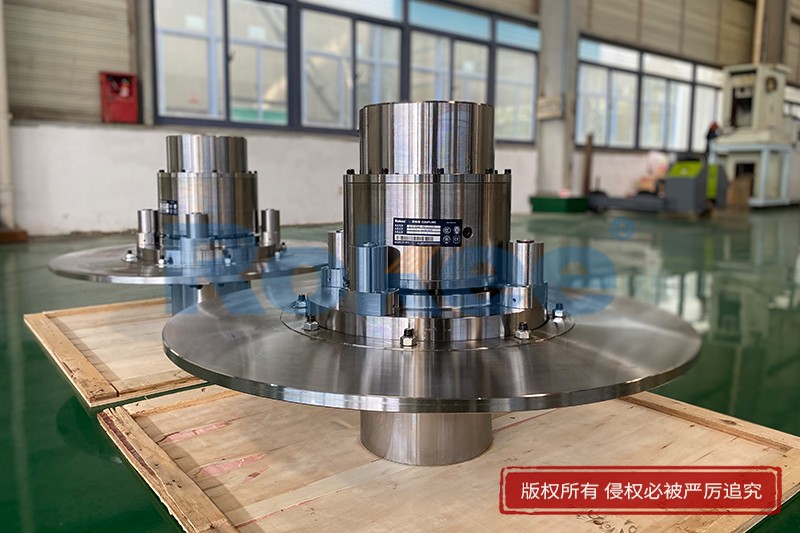
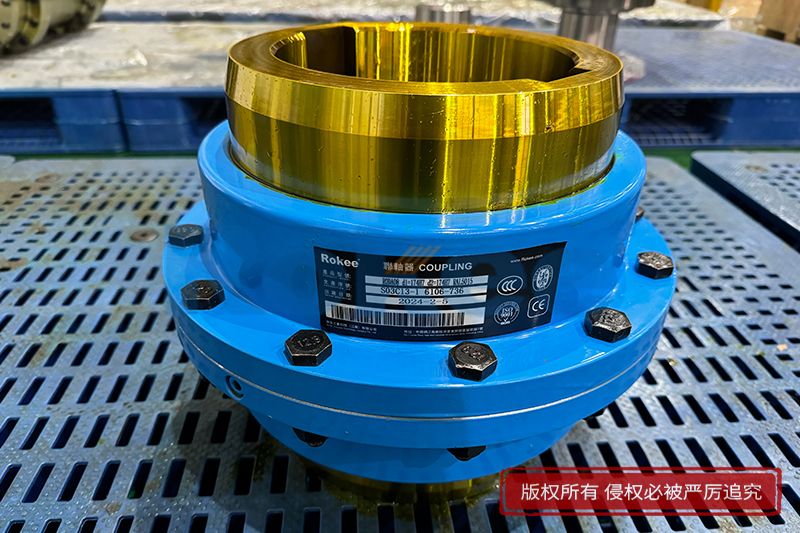
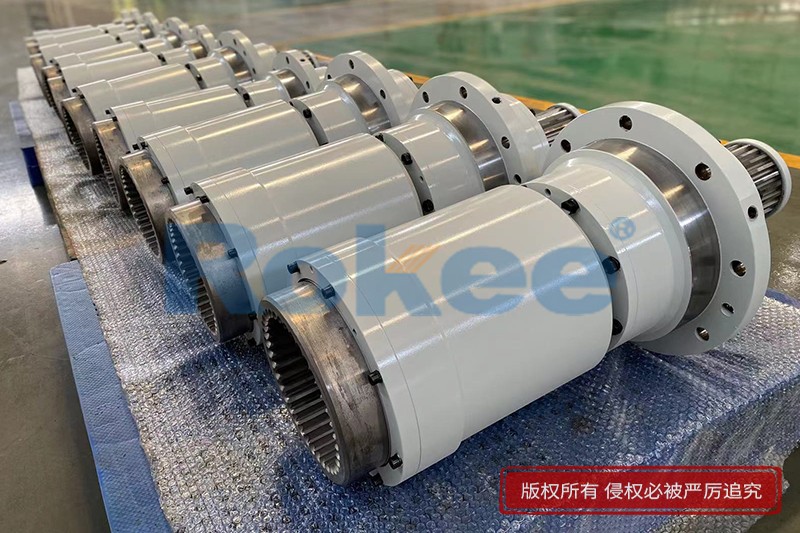
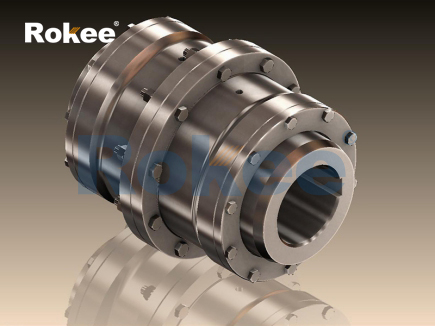
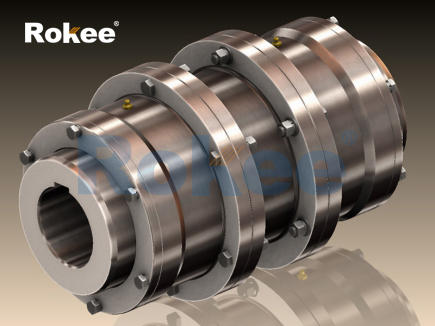
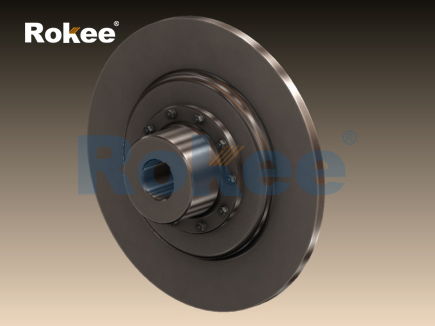
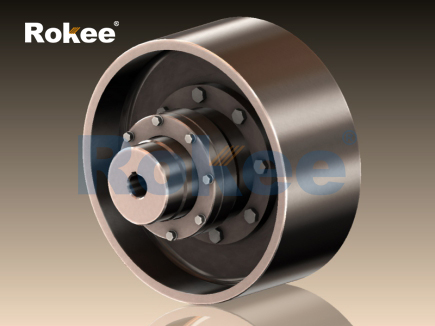
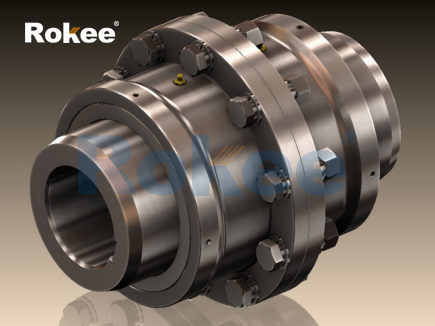
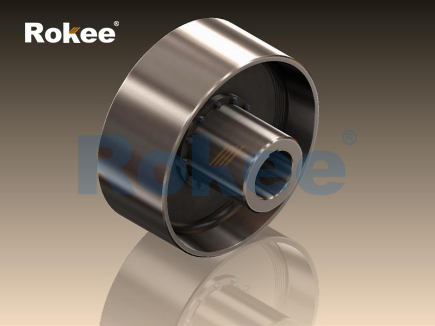
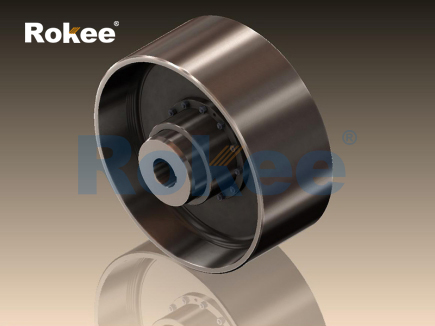
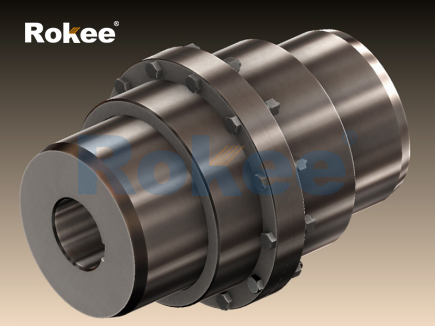
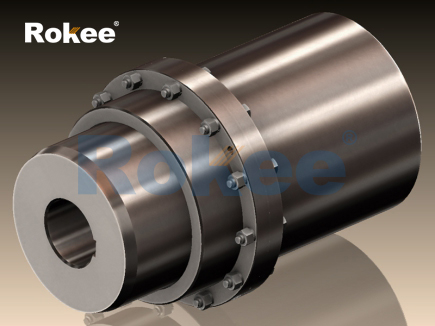
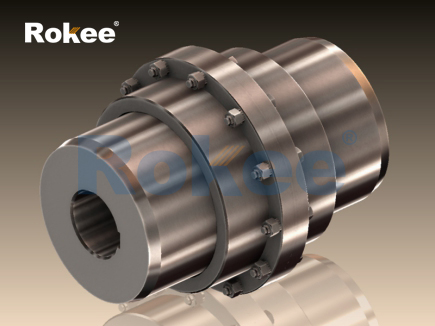
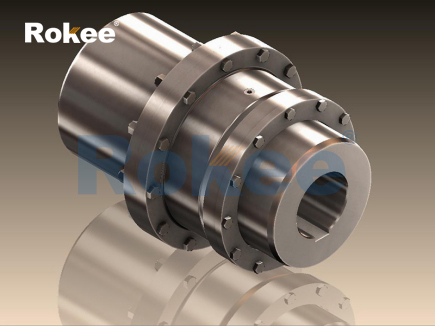
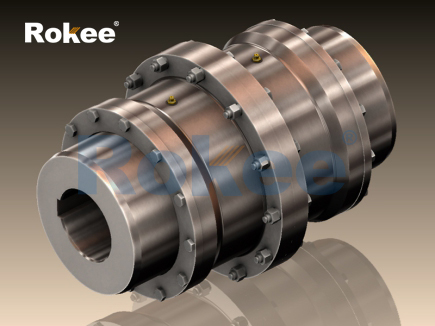
Flexible gear coupling stands as a core mechanical transmission component widely adopted in modern industrial mechanical systems, serving the fundamental purpose of connecting two independent rotating shafts to achieve stable torque and power transmission while accommodating various minor shaft misalignments generated during equipment operation. Unlike rigid coupling structures that pursue absolute rigidity and precise alignment, this type of coupling integrates structural flexibility and mechanical rigidity in a balanced manner, making it adaptable to complex and variable working conditions in diverse industrial scenarios. Its unique tooth meshing structure and flexible compensation design enable it to overcome the operational limitations of traditional transmission components, delivering reliable power transmission performance in high-load, high-speed, and vibration-prone mechanical environments, which is why it has become an indispensable key part in heavy machinery, power equipment, and industrial transmission systems.
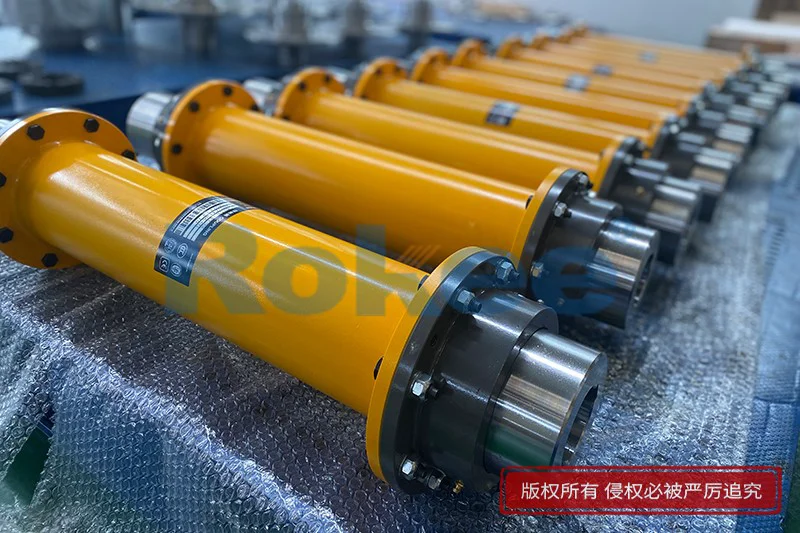
The basic structural composition of flexible gear coupling follows a mature and optimized mechanical design logic, mainly consisting of two toothed hubs and an outer sleeve with internal gear teeth. The two hubs are equipped with precision-processed external gear teeth, and most mainstream designs adopt crowned tooth profiles, a structural optimization that fundamentally differentiates it from ordinary straight-tooth gear couplings. The spherical tooth center of the crowned external teeth is located on the shaft axis, with reasonably reserved tooth side gaps, creating sufficient flexible movement space for gear meshing. The outer sleeve matches the external teeth of the hubs through internal spur teeth, forming a closed meshing transmission structure. In actual assembly, the two hubs are fixedly installed on the driving shaft and driven shaft respectively, and the outer sleeve sleeves the two groups of external teeth to realize the synchronous rotation connection of the two shafts. The overall structure is compact in radial size, simple in assembly form, and free of redundant transmission accessories, which effectively reduces the overall space occupation of the transmission system and simplifies the structural layout of mechanical equipment.
The working principle of flexible gear coupling centers on precision gear meshing and flexible displacement compensation. During equipment operation, the driving shaft drives the connected hub to rotate synchronously, and the external gear teeth of the hub transmit rotational torque to the internal gear teeth of the outer sleeve through close meshing. The outer sleeve then drives the other hub and the connected driven shaft to rotate, realizing the synchronous power transmission of the two shafts. Different from fixed gear transmission mechanisms used for speed regulation and direction conversion, the gear meshing of flexible gear coupling focuses on uniform and stable torque transmission rather than changing operating parameters. Its core functional advantage lies in the flexible tolerance of shaft misalignment. Due to the optimized design of crowned tooth profiles and reserved tooth gaps, the meshing gear teeth can produce slight relative sliding and angular deflection during operation, which can effectively compensate for three common forms of shaft misalignment in mechanical operation, including axial displacement, radial parallel deviation, and angular deflection between shafts.
Axial misalignment compensation adapts to the linear displacement of the shaft along the axis caused by equipment thermal expansion and cold contraction, mechanical vibration, or assembly errors during long-term operation. Radial misalignment compensation copes with the parallel offset of the two shaft centers generated by equipment installation deviation and component wear. Angular misalignment compensation can tolerate a certain degree of deflection angle between the driving shaft and the driven shaft, ensuring continuous and stable power transmission without jamming or torque loss. This multi-dimensional compensation capability avoids the mechanical stress concentration, component friction and wear, and transmission efficiency attenuation caused by shaft misalignment, greatly improving the operational stability of the entire mechanical transmission system.
Flexible gear coupling possesses outstanding comprehensive performance advantages compared with other types of flexible coupling products in the industrial market. First of all, it has extremely high torque transmission capacity. The multi-tooth simultaneous meshing structure forms a large contact stress area, which can evenly disperse transmission load and bear high instantaneous impact load and continuous heavy load. Under the same volume and size conditions, its torque transmission efficiency and load-bearing limit are far higher than those of elastic couplings and sleeve couplings, making it suitable for heavy-duty industrial transmission scenarios. Secondly, it maintains excellent torsional rigidity while having flexible compensation performance. It will not produce excessive torsional deformation during high-power transmission, ensuring high-precision synchronous rotation of the two shafts and avoiding transmission hysteresis and rotation angle deviation, which is crucial for mechanical equipment that requires precise speed regulation and synchronous operation.
In terms of operational stability and durability, the optimized tooth profile structure reduces the friction coefficient of gear meshing. The smooth contact of crowned teeth avoids local sharp wear and stress concentration existing in straight-tooth structures, effectively extending the service life of transmission components. The reasonable internal gap design also plays a positive role in vibration damping and noise reduction. During equipment start-up, shutdown and load switching, the flexible meshing gap can buffer instantaneous impact force, weaken mechanical vibration and operating noise, and reduce the fatigue loss of mechanical components caused by long-term vibration. In addition, the overall structural rigidity of the coupling is strong, with good resistance to deformation and pressure resistance. It can maintain stable working performance in harsh working environments such as high temperature, low temperature, and dust pollution, and is not easily affected by external environmental factors.
Material selection is a key factor determining the service performance and service life of flexible gear coupling. High-quality flexible gear couplings mostly adopt high-strength alloy steel materials with excellent mechanical properties. After integral forging and heat treatment processes such as quenching and tempering, the materials obtain high surface hardness, good toughness and fatigue resistance. The precision machining process ensures the dimensional accuracy and tooth profile uniformity of gear teeth, reducing meshing clearance errors and ensuring the consistency of transmission performance. The surface of gear teeth is usually treated with anti-wear and anti-corrosion processes to enhance the wear resistance of the meshing surface and avoid rust and corrosion damage in humid and dusty working environments, further improving the environmental adaptability and operational reliability of the coupling. Compared with couplings made of ordinary carbon steel and low-strength alloy materials, high-precision processed alloy steel couplings have more stable load-bearing performance and longer service cycle in long-term continuous operation.
Flexible gear couplings are widely applied in various core industrial fields due to their superior comprehensive performance. In heavy industrial equipment such as steel rolling machinery, mining machinery, and metallurgical equipment, they undertake heavy-load power transmission tasks. These devices often operate under long-term continuous load and impact load conditions, and the high torque resistance and stable transmission performance of flexible gear couplings can fully meet the harsh operation requirements. In fluid power equipment including industrial pumps, fans, and compressors, the coupling effectively compensates for shaft misalignment caused by equipment vibration and thermal deformation, avoiding equipment operation failure and efficiency reduction caused by transmission jitter, and ensuring the continuous and stable operation of fluid transmission systems.
In addition, this type of coupling also shows excellent adaptability in power transmission equipment, chemical machinery, textile machinery, and port handling machinery. For mechanical equipment with high-speed operation, frequent start-stop and complex load changes, its vibration damping and impact resistance can effectively protect the main shaft, bearing and other core components of the equipment, reduce the failure rate of mechanical transmission parts, and lower the daily operation and maintenance cost of equipment. Its compact structural design also makes it applicable to mechanical equipment with limited installation space, realizing efficient power transmission without occupying extra mechanical layout space.
Standardized use and scientific daily maintenance are essential to maintain the long-term stable performance of flexible gear coupling. During the equipment installation stage, workers need to ensure the coaxiality of the driving shaft and driven shaft is controlled within the allowable deviation range, avoid excessive initial misalignment exceeding the compensation limit of the coupling, and reduce abnormal wear caused by improper installation. The assembly of the hub and shaft should maintain a tight fit state to prevent relative sliding between the coupling and the shaft during operation, which would cause transmission failure and component wear. In daily operation, regular lubrication maintenance is required. Good lubrication conditions can reduce meshing friction and wear of gear teeth, lower operating noise, and prevent dry friction damage of components.
Meanwhile, regular inspection of the coupling's operating state is necessary, including checking for abnormal vibration, noise, and temperature rise during operation, observing whether there is excessive wear, deformation or gap change of gear teeth, and timely troubleshooting potential mechanical hidden dangers. For equipment operating in high-load and high-frequency working conditions, the lubricating state and component wear degree should be checked regularly, and worn parts should be replaced in time to ensure the continuous and efficient operation of the transmission system. Scientific maintenance can not only maximize the working performance of flexible gear coupling, but also effectively extend its service life and reduce the overall operating cost of mechanical equipment.
In the entire industrial transmission system, flexible gear coupling plays an irreplaceable transitional connection role. It is not only a simple power transmission component, but also a key buffer and protection device for mechanical operation. It balances the contradiction between high-rigidity power transmission and flexible misalignment compensation, solves many common transmission problems in mechanical operation such as installation deviation, thermal deformation, vibration impact and component wear, and greatly improves the overall operational stability, safety and service life of mechanical equipment. With the continuous upgrading of modern industrial machinery towards high speed, high load and high precision, the performance advantages of flexible gear coupling in stable transmission, misalignment compensation and vibration damping are further highlighted, making it more widely used in various industrial fields.
In the future development of industrial transmission technology, flexible gear coupling will continue to realize structural optimization and performance upgrading with the progress of material technology and precision machining technology. More refined tooth profile design, higher-strength and more wear-resistant new materials, and more precise processing technology will further improve its misalignment compensation ability, load-bearing performance and service life. At the same time, with the development of intelligent industrial equipment, the adaptive operation performance of flexible gear coupling will be further enhanced, which can better adapt to the increasingly complex and diversified industrial working conditions, and provide more reliable basic guarantee for the efficient and stable operation of modern mechanical transmission systems.
- Tags:
- Flexible Gear Couplings ,
- sandwich panel line ,
- sandwich panel machine
- pu sandwich panel machine
« Catalogue of Flexible Gear Couplings » Latest Update Date: Jun 3, 2026
https://www.rokeecoupling.net/blog/catalogue-of-flexible-gear-couplings.html