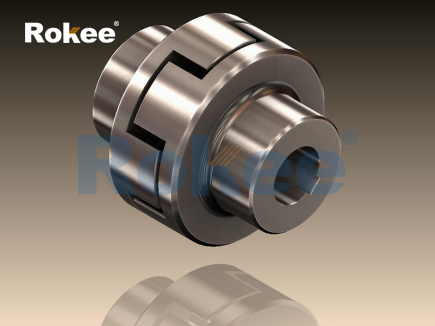
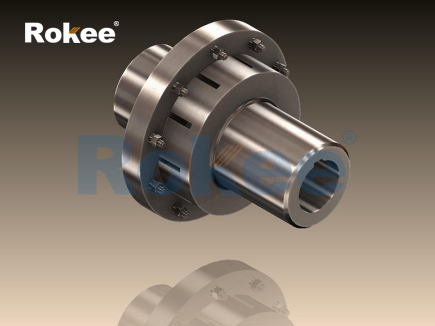
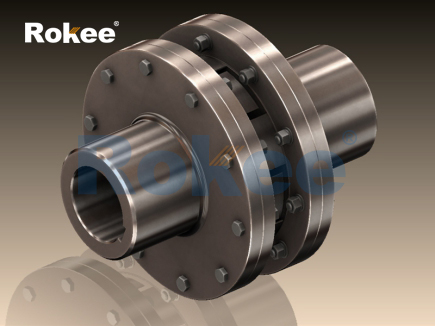
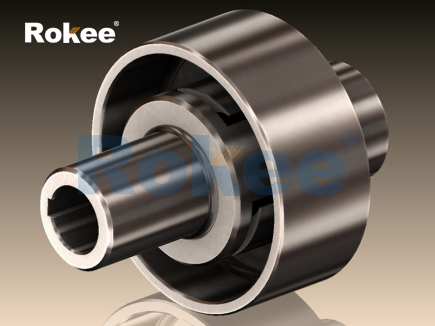
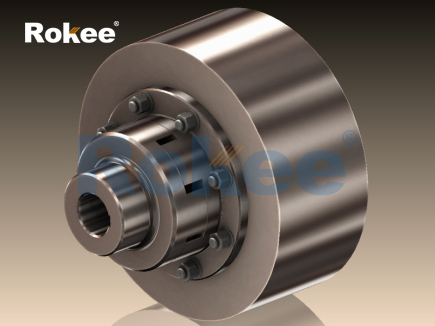
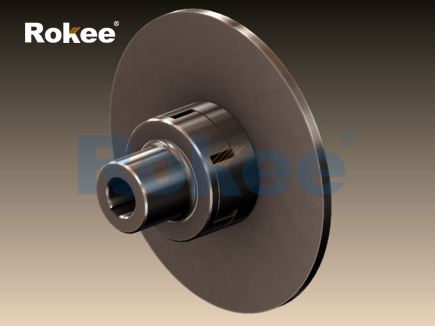
In the diverse field of mechanical power transmission, couplings serve as essential connectors between rotating shafts, facilitating efficient torque transfer while addressing common challenges such as shaft misalignment, vibration, and shock loads. Among the wide array of coupling solutions available, the jaw flex coupling (also known as jaw coupling) has emerged as a cost-effective, reliable, and versatile option, widely adopted across industrial, automotive, and commercial applications. Distinguished by its modular design—comprising two jaw-shaped hubs and a flexible elastomeric insert (often referred to as a spider)—the jaw flex coupling achieves controlled flexibility through the deformation of the elastomeric element, eliminating the need for lubrication and simplifying maintenance. Unlike rigid couplings that require precise shaft alignment or gear couplings that demand continuous lubrication, the jaw flex coupling balances performance, ease of use, and affordability, making it a preferred choice for medium-torque, low-to-medium speed applications. This article provides a comprehensive exploration of jaw flex couplings, delving into their fundamental working principles, structural components, material selection criteria, key performance advantages, typical application scenarios, and essential maintenance practices, thereby offering a holistic understanding of their role in enhancing the efficiency and reliability of mechanical systems.
Fundamental Working Principles of Jaw Flex Couplings
The core functionality of a jaw flex coupling lies in its ability to transmit torque between a driving shaft and a driven shaft while compensating for three primary types of shaft misalignment: angular misalignment (where shafts intersect at an angle), parallel misalignment (where shafts are radially offset), and axial misalignment (where shafts move longitudinally toward or away from each other). This functionality is enabled by the coupling’s distinctive three-part design: two identical jaw-shaped hubs (one attached to the driving shaft, the other to the driven shaft) and a central elastomeric insert (spider) that fits snugly between the jaws of the two hubs.
When torque is applied to the driving shaft, the force is transmitted through the driving hub’s jaws to the elastomeric spider. The spider—engineered to be both flexible and resilient—undergoes elastic deformation to accommodate any existing shaft misalignment, ensuring that torque is smoothly and efficiently transferred to the driven hub’s jaws and subsequent driven shaft. The key principle behind this operation is the use of the elastomeric material’s inherent flexibility to absorb misalignments without compromising torque transmission. Unlike rigid couplings that transfer misalignment stresses directly to shafts and bearings, the jaw flex coupling’s spider acts as a buffer, mitigating these stresses and protecting downstream components.
Another critical working principle of jaw flex couplings is their ability to dampen torsional vibrations and absorb shock loads. The elastomeric spider’s material properties—high resilience and damping capacity—allow it to absorb and dissipate vibrational energy generated during operation, reducing noise and minimizing wear on shafts, bearings, and other mechanical components. This vibration damping capability is particularly valuable in applications where motors or other prime movers generate significant vibrations, such as in pumps, compressors, and electric motors. Additionally, the spider can absorb sudden shock loads (e.g., during startup or load changes), preventing these loads from being transmitted to the connected shafts and causing damage.
Jaw flex couplings operate without the need for lubrication, a key advantage over lubricated coupling types such as gear or universal joint couplings. Since the torque transmission relies on the elastomeric spider’s engagement with the hub jaws—rather than sliding or rotating metal-to-metal contact—there is no requirement for grease or oil to reduce friction. This eliminates the risk of lubricant leakage, contamination, and the associated maintenance costs, making jaw flex couplings suitable for clean environments such as food processing, pharmaceutical manufacturing, and electronics production.
Structural Characteristics of Jaw Flex Couplings
Jaw flex couplings feature a simple yet robust modular structure, consisting of three primary components: jaw hubs, an elastomeric spider (insert), and fastening hardware. Each component is designed to work in synergy to ensure reliable torque transmission, misalignment compensation, and long-term operational stability across a wide range of operating conditions.
The jaw hubs are the load-bearing components that connect the coupling to the driving and driven shafts. Typically manufactured as one-piece forgings or machined from solid bar stock, the hubs feature a series of evenly spaced, radially projecting jaws (usually 3 to 6 jaws, depending on the coupling size and torque capacity). The jaws are precision-machined to match the shape of the elastomeric spider, ensuring a tight, slip-free fit that enables efficient torque transfer. The hubs are attached to the shafts using various connection methods, including keyway fittings, set screws, clamping collars, or interference fits. Keyway fittings are the most common, providing a secure connection by engaging a key inserted into grooves (keyways) machined into both the hub and the shaft. Set screws and clamping collars are used for applications requiring quick installation and removal without shaft modification, while interference fits are preferred for high-torque applications where a tight, uniform connection is critical.
The elastomeric spider (insert) is the defining component of the jaw flex coupling, responsible for providing flexibility, misalignment compensation, vibration damping, and shock absorption. Spiders are typically manufactured from rubber or synthetic elastomeric materials and feature a star-shaped design with arms that fit into the jaws of the hubs. The number of arms on the spider matches the number of jaws on the hubs, ensuring uniform load distribution. The cross-sectional shape of the spider arms varies (e.g., rectangular, trapezoidal, or curved) to optimize flexibility and torque capacity. Some spider designs include a central bore to reduce weight or accommodate a retaining bolt, which secures the spider to one of the hubs and prevents axial movement during operation.
Fastening hardware is used to secure the hubs to the shafts and, in some designs, to retain the spider in place. This hardware includes set screws, bolts, nuts, washers, and keys. Set screws are commonly used with clamping collars or directly in the hub to secure it to the shaft, with pointed or cup-pointed set screws providing enhanced grip. Bolts and nuts may be used to secure split hubs (for applications where shaft disassembly is not feasible) or to retain the spider. Keys are used in keyway fittings to transmit torque between the hub and the shaft, ensuring a slip-free connection. All fastening hardware is typically made from high-strength steel or stainless steel to withstand the mechanical stresses generated during operation.
Optional structural components may include hub covers, shaft collars, or alignment marks. Hub covers are used to protect the spider from external contamination (dust, dirt, moisture) and to prevent accidental contact with rotating parts, enhancing operational safety. Shaft collars are used to limit axial movement of the hubs on the shafts, ensuring proper positioning of the coupling. Alignment marks—machined or printed on the hubs—facilitate quick and accurate installation by indicating the correct orientation of the hubs relative to each other.
Material Selection for Jaw Flex Couplings
The performance, durability, and suitability of a jaw flex coupling for a specific application are heavily dependent on the materials used for its components—particularly the elastomeric spider. Material selection is influenced by a range of factors, including operating temperature, torque requirements, rotational speed, environmental conditions (such as exposure to chemicals, moisture, or UV radiation), and the level of vibration damping needed.
For the jaw hubs, the most commonly used materials are aluminum alloy, cast iron, and steel. Aluminum alloy (such as 6061-T6) is preferred for lightweight applications (e.g., automotive, aerospace, and small industrial machinery) due to its high strength-to-weight ratio and good corrosion resistance. Cast iron is used for medium-torque applications, offering excellent rigidity and wear resistance at a lower cost than steel. Steel (such as 4140 alloy steel) is selected for high-torque applications, providing superior strength and durability. In corrosive environments (e.g., marine, chemical processing), stainless steel (such as 304 or 316) hubs are used to prevent rust and degradation.
The elastomeric spider is manufactured from a variety of rubber or synthetic elastomeric materials, each with unique properties tailored to specific operating conditions. The most common materials include nitrile rubber (NBR), ethylene propylene diene monomer (EPDM), neoprene (polychloroprene), and polyurethane (PU). Nitrile rubber (NBR) is the most widely used material for general-purpose applications, offering excellent oil resistance, good flexibility, and moderate temperature resistance (-30°C to 100°C). It is ideal for applications involving exposure to petroleum-based lubricants, such as in automotive and industrial machinery.
Ethylene propylene diene monomer (EPDM) is used for applications exposed to ozone, weathering, UV radiation, or high temperatures. It offers excellent resistance to oxidation, ozone, and moisture, with a temperature range of -40°C to 150°C. EPDM is suitable for outdoor applications (e.g., agricultural machinery, outdoor pumps) and applications involving exposure to water or steam. Neoprene (polychloroprene) provides a balance of oil resistance, weather resistance, and flame retardancy, with a temperature range of -40°C to 120°C. It is used in applications where both oil and weather exposure are a concern, such as in marine and industrial environments.
Polyurethane (PU) is selected for high-torque applications requiring greater rigidity and wear resistance than rubber. It offers excellent mechanical strength, low compression set, and a temperature range of -20°C to 80°C. PU spiders are ideal for precision applications such as CNC machine tools, robotics, and high-speed industrial machinery, where minimal backlash and high torque capacity are required. However, PU has lower flexibility and vibration damping capacity than rubber, making it less suitable for applications with significant misalignment or vibration.
Fastening hardware is selected based on the application’s torque requirements and environmental conditions. High-strength steel fasteners (such as Grade 8 or 10.9) are used for general-purpose, high-torque applications. Stainless steel fasteners are used in corrosive environments to prevent rust and degradation. In high-temperature applications, heat-resistant alloy fasteners may be used to maintain strength and integrity at elevated temperatures.
Key Advantages of Jaw Flex Couplings
Jaw flex couplings offer a range of performance and operational advantages that make them a preferred choice for medium-torque, low-to-medium speed applications across various industries. These advantages include simplicity and ease of installation, excellent misalignment compensation, vibration damping and shock absorption, no lubrication requirement, cost-effectiveness, and versatility.
One of the most significant advantages of jaw flex couplings is their simplicity and ease of installation. The modular design—with two hubs and a central spider—allows for quick assembly without the need for specialized tools or complex alignment procedures. Unlike gear or universal joint couplings, which require precise alignment and skilled installation, jaw flex couplings can be installed by personnel with basic mechanical knowledge. Additionally, split hub designs are available for applications where the shafts cannot be disassembled, enabling installation without removing the connected equipment—a significant advantage for maintenance-intensive systems.
Jaw flex couplings also offer excellent misalignment compensation capabilities. Depending on the spider material and design, they can typically accommodate angular misalignment of up to 1-2 degrees, parallel misalignment of up to 0.5-1.5 millimeters, and axial misalignment of up to 2-5 millimeters. This ability to compensate for misalignments reduces stress on shafts, bearings, and other mechanical components, extending their service life and minimizing the risk of premature failure. It also simplifies installation and maintenance, as precise shaft alignment is not required.
Vibration damping and shock absorption are key advantages for applications involving motors, pumps, or other vibration-generating equipment. The elastomeric spider absorbs and dissipates vibrational energy, reducing noise and minimizing wear on downstream components. This not only improves the reliability of the mechanical system but also enhances operator comfort by reducing noise levels. Additionally, the spider can absorb sudden shock loads (e.g., during startup, shutdown, or load changes), preventing these loads from being transmitted to the shafts and causing damage.
The no-lubrication requirement is another critical advantage of jaw flex couplings. Unlike gear, universal joint, or plain bearing couplings, which require continuous lubrication to reduce friction and prevent wear, jaw flex couplings operate without grease or oil. This eliminates the risk of lubricant leakage, which can contaminate products (in food or pharmaceutical applications) or damage sensitive components (in electronics or precision machinery). It also simplifies maintenance, as there is no need for regular lubrication checks, refills, or oil changes—reducing downtime and operational costs.
Cost-effectiveness is a major advantage of jaw flex couplings compared to other coupling types. The simple design, use of low-cost materials (such as aluminum and rubber), and ease of manufacturing make them an affordable option for medium-torque applications. Additionally, the modular design allows for easy replacement of worn components (primarily the spider), rather than replacing the entire coupling—further reducing maintenance costs. This combination of low initial cost and low maintenance cost makes jaw flex couplings an economical choice for a wide range of industrial and commercial applications.
Versatility is another key advantage of jaw flex couplings. They are available in a wide range of sizes, torque ratings, and material combinations, making them suitable for applications ranging from small electric motors (a few Nm of torque) to large industrial pumps (up to 10,000 Nm of torque). They can be used with a variety of shaft materials (steel, aluminum, stainless steel) and connection methods, and are compatible with both horizontal and vertical shaft configurations. This versatility makes jaw flex couplings a universal solution for many power transmission applications.
Typical Applications of Jaw Flex Couplings
Due to their unique combination of advantages—including simplicity, ease of installation, excellent misalignment compensation, vibration damping, no lubrication requirement, cost-effectiveness, and versatility—jaw flex couplings are used in a wide range of medium-torque, low-to-medium speed applications across various industries. They are particularly well-suited for applications where reliability, low maintenance, and cost-effectiveness are priorities.
In the industrial sector, jaw flex couplings are widely used in pumps (centrifugal pumps, gear pumps, diaphragm pumps), compressors (air compressors, refrigeration compressors), electric motors, and fans and blowers. Pumps and compressors generate significant vibrations and often require misalignment compensation, making the jaw flex coupling’s vibration damping and misalignment capabilities ideal. Electric motors—used in a wide range of industrial equipment—benefit from the coupling’s easy installation and no-lubrication requirement, reducing maintenance costs and downtime. Fans and blowers, used in HVAC systems, power plants, and industrial facilities, also use jaw flex couplings to connect the motor to the fan shaft, ensuring reliable torque transmission and vibration damping.
The automotive industry uses jaw flex couplings in a variety of applications, including powertrain systems, auxiliary components (such as water pumps, oil pumps, and alternators), and aftermarket modifications. In powertrain systems, jaw flex couplings are used to connect the engine to the transmission or differential, accommodating misalignments and absorbing vibrations. Auxiliary components such as water pumps and alternators use small jaw flex couplings to connect to the engine’s drive belt system, ensuring efficient power transmission with minimal vibration. Aftermarket modifications—such as performance upgrades for racing vehicles—often use jaw flex couplings for their high torque capacity and ease of installation.
The agricultural industry relies on jaw flex couplings for use in tractors, harvesters, irrigation pumps, and other farm machinery. Agricultural machinery operates in harsh outdoor environments, exposed to dust, dirt, moisture, and varying temperatures. Jaw flex couplings’ durability, weather resistance (when using EPDM or neoprene spiders), and no-lubrication requirement make them suitable for these conditions. They are used to connect engines to hydraulic pumps, gearboxes, and other components, ensuring reliable operation even in dusty, wet environments.
The food and beverage industry uses jaw flex couplings in processing equipment such as mixers, conveyors, filling machines, and packaging machines. The no-lubrication requirement of jaw flex couplings eliminates the risk of lubricant contamination, which is critical for maintaining product purity. Additionally, the easy cleaning and corrosion resistance (when using stainless steel hubs) make them suitable for use in sanitized environments. For example, mixers and conveyors used in food processing plants rely on jaw flex couplings to transmit torque while maintaining a clean operating environment.
Specialized applications for jaw flex couplings include medical equipment (such as centrifuges and pumps), laboratory equipment, and renewable energy systems (such as small wind turbines and solar trackers). Medical and laboratory equipment requires precise torque transmission, low vibration, and clean operation—attributes that jaw flex couplings provide. Small wind turbines and solar trackers use jaw flex couplings to connect the generator to the rotor or drive system, benefiting from their durability, weather resistance, and low maintenance requirements.
Maintenance Practices for Jaw Flex Couplings
While jaw flex couplings are designed for low maintenance, proper maintenance is still essential to ensure their reliable operation, extend their service life, and prevent unexpected downtime. The key maintenance practices for these couplings include regular inspection, replacement of worn spiders, proper installation and alignment, and torque checking of fasteners.
Regular inspection is the cornerstone of effective maintenance for jaw flex couplings. Inspections should be conducted periodically—typically every 3-6 months, depending on the application and operating conditions—to check for signs of wear, damage, or misalignment. During inspection, the elastomeric spider should be examined for cracks, tears, hardening, or degradation, which are indicators of excessive wear or exposure to harsh conditions. The jaw hubs should be checked for wear on the jaw surfaces, corrosion, or cracks. Fasteners (set screws, bolts, keys) should be inspected for tightness, wear, or corrosion, with any loose fasteners tightened immediately. Additionally, the coupling should be inspected for excessive vibration or noise during operation, which may indicate a worn spider, misalignment, or loose fasteners.
Replacement of worn spiders is the most common maintenance task for jaw flex couplings. The elastomeric spider is the component most prone to wear due to its constant deformation during operation. Spiders should be replaced when signs of wear (cracks, tears, hardening) are detected, or at regular intervals recommended by the manufacturer (typically every 1-2 years, depending on operating conditions). When replacing the spider, it is important to use a spider of the same material, size, and design as the original, as using an incompatible spider can reduce the coupling’s torque capacity, misalignment compensation, and vibration damping capabilities. Additionally, the hubs should be cleaned before installing a new spider to ensure a tight, slip-free fit.
Proper installation and alignment are critical to the performance and service life of jaw flex couplings. During installation, the shafts should be aligned as accurately as possible to minimize the amount of misalignment the coupling must accommodate. While the coupling can compensate for moderate misalignment, operating beyond its rated misalignment limits will accelerate wear on the spider and reduce its service life. Shaft alignment can be performed using simple tools such as straightedges or dial indicators, or more precise laser alignment tools for critical applications. The hubs should be securely attached to the shafts using the appropriate connection method, and the fasteners should be torqued to the manufacturer’s specifications.
Torque checking of fasteners should be conducted regularly to ensure they remain tight. Loose fasteners can lead to excessive vibration, noise, and misalignment, which can damage the spider and hubs. The fasteners should be torqued to the manufacturer’s recommended values using a torque wrench, and any loose fasteners should be tightened immediately. It is also important to inspect the fasteners for signs of wear or corrosion, as damaged fasteners may not provide a secure connection.
In addition to these maintenance practices, it is important to operate the coupling within its rated parameters. Operating the coupling beyond its maximum torque capacity, misalignment limit, or temperature range can lead to premature failure of the spider or hubs. The manufacturer’s specifications should be followed closely to ensure the coupling is used correctly. It is also important to keep the coupling clean and free from external contamination (dust, dirt, moisture), as these can accelerate wear on the spider and hubs.
Conclusion
Jaw flex couplings have established themselves as a reliable, cost-effective, and versatile solution for power transmission in medium-torque, low-to-medium speed applications. Their unique modular design—combining jaw hubs with an elastomeric spider—provides a range of advantages, including excellent misalignment compensation, vibration damping, shock absorption, no lubrication requirement, ease of installation, and cost-effectiveness. The selection of appropriate materials (such as aluminum or steel hubs and NBR, EPDM, or PU spiders) is key to optimizing the coupling’s performance for specific operating conditions, whether in industrial, automotive, agricultural, or specialized environments.
The key advantages of jaw flex couplings make them an attractive choice for industries where reliability, low maintenance, and cost-effectiveness are priorities. From pumps and compressors to automotive powertrains and agricultural machinery, these couplings play a vital role in ensuring the efficient and continuous operation of critical mechanical systems.
Proper maintenance—including regular inspection, replacement of worn spiders, proper installation and alignment, and torque checking of fasteners—is essential to maximizing the service life of jaw flex couplings and minimizing downtime. By following these maintenance practices and adhering to manufacturer guidelines, users can ensure that their jaw flex couplings operate reliably for years to come.
As technology advances and industrial requirements evolve, jaw flex couplings are likely to see further improvements in material performance and design optimization. The development of new high-performance elastomeric materials (with enhanced temperature resistance, wear resistance, and chemical resistance) and advanced manufacturing techniques (such as 3D printing for custom spider designs) will expand their application range, making them suitable for even more demanding environments. With their proven performance, versatility, and cost-effectiveness, jaw flex couplings are poised to remain a key component in medium-torque power transmission systems across industries for the foreseeable future.
pu sandwich panel line,pu sandwich panel machine,sandwich panel machine
« Jaw Flex Couplings » Latest Update Date: May 8, 2026
https://www.rokeecoupling.net/tags/jaw-flex-couplings.html