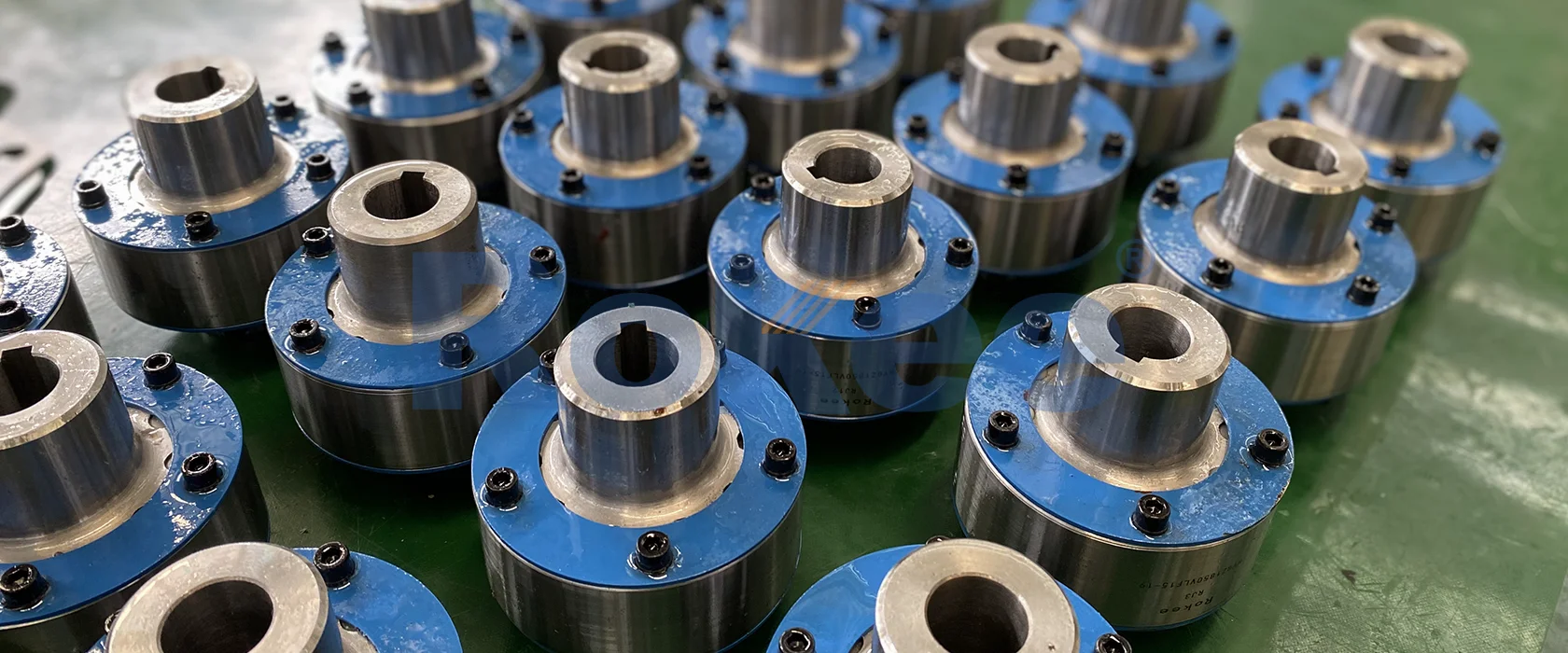
Rokee is a well-known high-quality supplier of Pin Type Couplings and technical services in China, customize pin type couplings according to user drawings, alternatively, if the user provides pin type couplings parameters, we can select the model and design drawings for you, support wholesale and export.
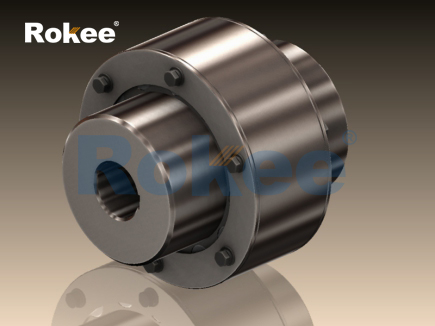
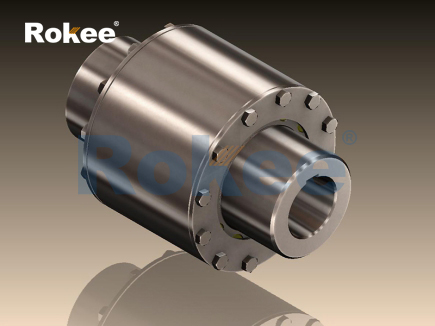
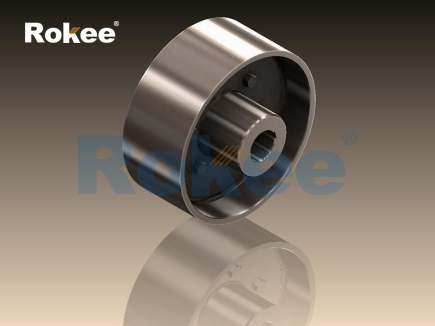
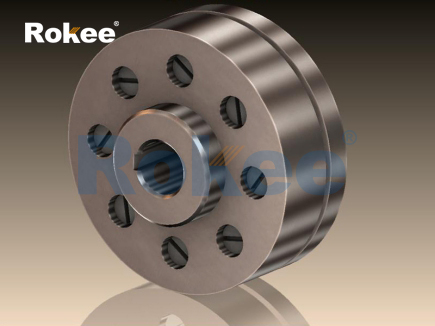
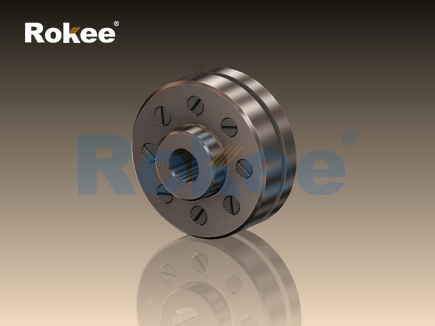
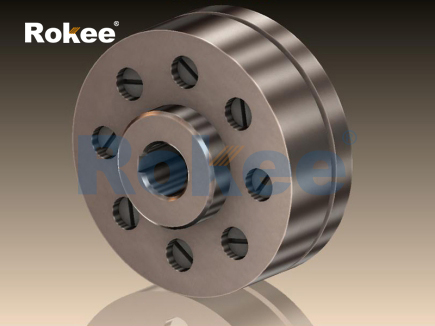
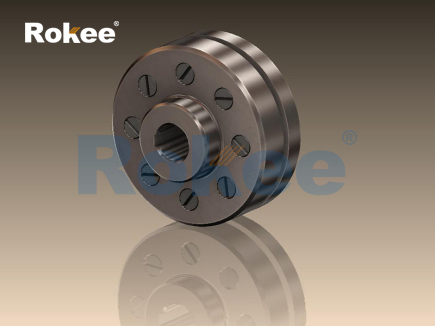

In the realm of mechanical power transmission, couplings serve as indispensable components that connect two shafts, enabling the transfer of torque while accommodating misalignments, absorbing shocks, and reducing vibrations. Among the diverse types of couplings available, pin type coupling stands out for its simplicity, cost-effectiveness, and versatility. This article delves into the fundamental aspects of pin type coupling, including its design characteristics, working principle, material selection criteria, applications across various industries, installation and maintenance practices, and emerging trends in its development. By exploring these dimensions, we aim to provide a comprehensive understanding of why pin type coupling remains a preferred choice for numerous mechanical systems.
Pin type coupling, also referred to as pin and bush coupling, is a type of rigid-flexible coupling that consists of two flanges, a series of pins, and corresponding bushes (or sleeves). One flange is mounted on the driving shaft, and the other on the driven shaft, with the pins extending from one flange and fitting into the bushes installed in the other flange. This configuration allows for a certain degree of flexibility, making it suitable for applications where minor shaft misalignments (parallel, angular, or axial) are inevitable. Unlike fully rigid couplings, which require precise alignment to avoid excessive stress on shafts and bearings, pin type coupling can tolerate small deviations, thereby enhancing the reliability and lifespan of the entire power transmission system.
The simplicity of pin type coupling is one of its most notable advantages. Its design involves fewer components compared to complex couplings such as gear couplings or diaphragm couplings, which simplifies manufacturing, installation, and replacement. Additionally, pin type coupling is cost-effective, making it an attractive option for budget-conscious projects without compromising on performance. These attributes have contributed to its widespread adoption in both industrial and commercial applications, ranging from small-scale machinery to large industrial equipment.
The basic structure of a pin type coupling comprises four main components: flanges, pins, bushes, and fasteners (such as nuts and washers). Each component plays a crucial role in ensuring the coupling's functionality and durability.
2.1 Flanges
The flanges are the primary connecting elements that attach to the driving and driven shafts. Typically, flanges are made of solid metal disks with a central bore that matches the diameter of the shafts. The bore is often keyed to ensure a secure fit, preventing relative rotation between the flange and the shaft. Alternatively, some flanges use set screws or compression sleeves for shaft attachment, depending on the application requirements. The outer circumference of the flanges is equipped with evenly spaced holes for accommodating the pins and bushes. The number and size of these holes vary based on the torque capacity of the coupling; higher torque applications require more pins or larger diameter pins to distribute the load evenly.
Flanges can be designed in different configurations to suit specific installation conditions. For example, some flanges are fabricated as one-piece units, while others are split into two halves (split flanges), which simplifies installation and removal without the need to disassemble the entire shaft assembly. Split flanges are particularly useful for large shafts or shafts that are difficult to access.
2.2 Pins
Pins are cylindrical rods that extend from one flange and transmit torque to the other flange through the bushes. The material of the pins must be strong enough to withstand the transmitted torque and resist shear and bending forces. Common materials for pins include carbon steel, alloy steel, and stainless steel. Carbon steel is widely used for general-purpose applications due to its high strength and affordability, while alloy steel is preferred for high-torque or high-speed applications as it offers superior mechanical properties. Stainless steel is used in corrosive environments to prevent rust and degradation.
The surface of the pins is usually precision-machined to ensure a smooth fit with the bushes. In some cases, pins are heat-treated to enhance their hardness and wear resistance. The length of the pins is determined by the distance between the two flanges and the thickness of the bushes, ensuring that the pins fully engage with the bushes without excessive play.
2.3 Bushes
Bushes, also known as sleeves or rubber elements, are inserted into the holes of the flange opposite to the pins. They act as a flexible interface between the pins and the flanges, absorbing shocks and vibrations, and accommodating misalignments. Bushes are typically made of elastic materials such as rubber, neoprene, polyurethane, or nylon. The choice of bush material depends on the operating conditions, including temperature, speed, load, and environmental factors.
Rubber and neoprene bushes are ideal for applications requiring good vibration damping and flexibility, but they have limited resistance to high temperatures and oil. Polyurethane bushes offer higher strength and wear resistance than rubber, making them suitable for heavy-duty applications. Nylon bushes are lightweight, self-lubricating, and resistant to chemicals, making them suitable for applications in corrosive environments or where lubrication is difficult.
2.4 Fasteners
Fasteners such as nuts, washers, and cotter pins are used to secure the pins in place, preventing them from dislodging during operation. Nuts are threaded onto the ends of the pins, while washers are placed between the nuts and the flanges to distribute the clamping force evenly and prevent damage to the flange surfaces. Cotter pins or split pins are sometimes used as a secondary locking mechanism to ensure that the nuts do not loosen due to vibrations.
The working principle of pin type coupling is based on the transfer of torque from the driving shaft to the driven shaft through the pins and bushes. When the driving shaft rotates, it causes the attached flange to rotate. The pins mounted on this flange then rotate within the bushes installed in the driven flange. The friction between the pins and the bushes transmits the torque to the driven flange, which in turn rotates the driven shaft.
The bushes play a critical role in accommodating misalignments between the two shafts. When the shafts are misaligned (either parallel, angular, or axial), the bushes deform elastically, allowing the pins to move slightly within the bush holes. This elastic deformation absorbs the misalignment, reducing the stress on the shafts, bearings, and other components of the power transmission system. Additionally, the bushes act as a buffer, absorbing shocks and vibrations generated during operation, which helps to reduce noise and improve the smoothness of power transmission.
It is important to note that pin type coupling is not designed to accommodate large misalignments. Excessive misalignment can cause premature wear of the bushes and pins, increase friction, and generate excessive heat, which can lead to failure of the coupling. Therefore, proper alignment of the shafts during installation is essential to ensure the optimal performance and lifespan of the coupling.
The selection of materials for pin type coupling components is crucial to ensure that the coupling can withstand the operating conditions and meet the performance requirements of the application. The following factors should be considered when selecting materials:
4.1 Torque and Load Capacity
The materials used for flanges and pins must have sufficient strength to withstand the transmitted torque and the associated shear and bending forces. For high-torque applications, alloy steel or high-carbon steel is preferred for flanges and pins, as these materials offer higher tensile strength and hardness. For low-torque applications, mild steel or cast iron can be used, which are more cost-effective.
4.2 Operating Temperature
The operating temperature of the application has a significant impact on the selection of bush materials. Rubber and neoprene bushes have a limited temperature range (typically -20°C to 80°C) and can degrade at higher temperatures. For high-temperature applications (above 80°C), polyurethane or nylon bushes are more suitable, as they can withstand higher temperatures without losing their elastic properties. In extreme temperature conditions, metal bushes (such as bronze or brass) may be used, although they offer less flexibility.
4.3 Environmental Conditions
Environmental factors such as humidity, corrosion, and exposure to chemicals must be considered when selecting materials. In corrosive environments (such as marine, chemical, or food processing industries), stainless steel flanges and pins are preferred to prevent rust and degradation. Bushes made of nylon or polyurethane are also resistant to chemicals, making them suitable for these applications. In dusty or abrasive environments, materials with high wear resistance (such as polyurethane or hardened steel) are recommended to extend the lifespan of the coupling.
4.4 Speed Requirements
The rotational speed of the shafts affects the centrifugal forces acting on the coupling components. At high speeds, the pins and bushes are subjected to greater centrifugal forces, which can cause premature wear or failure. For high-speed applications, lightweight materials (such as aluminum flanges and nylon bushes) are preferred to reduce centrifugal forces. Additionally, precision-machined components are essential to ensure balance and minimize vibrations at high speeds.
Due to its simplicity, cost-effectiveness, and versatility, pin type coupling is widely used in a variety of industries and applications. Some of the key applications are listed below:
5.1 Industrial Machinery
Pin type coupling is commonly used in industrial machinery such as pumps, compressors, fans, and blowers. These machines often require the transfer of torque between a motor and a driven component, and minor misalignments are inevitable due to thermal expansion, vibration, or installation errors. Pin type coupling can accommodate these misalignments, ensuring reliable power transmission and reducing the stress on the machine components. For example, in centrifugal pumps, pin type coupling connects the motor shaft to the pump impeller shaft, enabling the transfer of torque while absorbing the vibrations generated by the rotating impeller.
5.2 Agricultural Equipment
Agricultural equipment such as tractors, harvesters, and irrigation pumps often operate in harsh and dusty environments, requiring couplings that are durable and easy to maintain. Pin type coupling is well-suited for these applications due to its robust design and resistance to wear. For example, in tractors, pin type coupling is used to connect the engine to the transmission system, enabling the transfer of torque to the wheels or other attachments. The bushes in the coupling absorb the shocks generated by uneven terrain, improving the smoothness of operation.
5.3 Construction Machinery
Construction machinery such as excavators, loaders, and concrete mixers operate under heavy loads and extreme conditions, requiring couplings with high torque capacity and durability. Pin type coupling is used in these machines to connect the engine to the hydraulic pumps, gearboxes, and other components. The strong flanges and pins made of alloy steel can withstand the heavy loads, while the bushes absorb the shocks and vibrations generated during construction activities. Additionally, the split flange design of some pin type couplings makes it easy to maintain and replace components in the field.
5.4 Automotive Industry
In the automotive industry, pin type coupling is used in various applications such as drive shafts, transmissions, and auxiliary systems. For example, in some light commercial vehicles, pin type coupling is used to connect the gearbox output shaft to the drive shaft, enabling the transfer of torque to the rear wheels. The flexibility of the coupling accommodates the misalignments caused by the movement of the suspension system, ensuring smooth power transmission. Additionally, pin type coupling is used in automotive auxiliary systems such as water pumps and alternators, where it connects the engine to these components.
5.5 Power Generation
Pin type coupling is used in small to medium-sized power generation systems such as diesel generators, gasoline generators, and wind turbines. In diesel generators, the coupling connects the diesel engine to the generator alternator, enabling the transfer of torque to generate electricity. The bushes in the coupling absorb the vibrations generated by the diesel engine, reducing noise and improving the stability of the power output. In wind turbines, pin type coupling is used in the nacelle to connect the rotor shaft to the gearbox, accommodating the misalignments caused by the wind load variations.
Proper installation and regular maintenance are essential to ensure the optimal performance and lifespan of pin type coupling. The following guidelines should be followed for installation and maintenance:
6.1 Installation Procedures
1. Shaft Preparation: Before installing the coupling, the shafts should be cleaned thoroughly to remove any dirt, rust, or debris. The shaft surfaces should be smooth to ensure a secure fit with the flanges. The keyways on the shafts should also be checked for wear or damage.
2. Flange Installation: The flanges should be mounted on the shafts using the appropriate fasteners (keys, set screws, or compression sleeves). The flanges should be positioned such that the distance between them is equal to the length of the pins plus the thickness of the bushes. This ensures that the pins fully engage with the bushes without excessive play.
3. Alignment: Proper alignment of the driving and driven shafts is crucial to prevent premature wear of the coupling components. The shafts should be aligned both radially (parallel alignment) and axially (angular alignment). A dial indicator or laser alignment tool can be used to measure the misalignment. The maximum allowable misalignment varies depending on the coupling size and type, but it is typically between 0.1 mm and 0.5 mm for parallel misalignment and between 0.5 degrees and 1 degree for angular misalignment.
4. Pin and Bush Installation: The bushes should be inserted into the holes of the driven flange. The pins should then be inserted through the holes of the driving flange and into the bushes. The pins should be secured in place using nuts, washers, and cotter pins. The nuts should be tightened to the recommended torque to ensure a secure fit.
5. Final Check: After installation, the coupling should be rotated manually to check for smooth operation. Any unusual noise or resistance indicates a problem with the installation (such as misalignment or loose fasteners). The coupling should also be checked for leaks if it is used in a hydraulic or fluid power system.
6.2 Maintenance Practices
1. Regular Inspection: The coupling should be inspected regularly (weekly or monthly, depending on the operating conditions) for signs of wear, damage, or loose fasteners. The inspection should include checking the bushes for cracks, tears, or hardening; the pins for bending, wear, or corrosion; and the flanges for cracks or deformation.
2. Lubrication: Some pin type couplings require lubrication to reduce friction between the pins and bushes. The type and frequency of lubrication depend on the bush material and operating conditions. Rubber and neoprene bushes do not require lubrication, while metal bushes should be lubricated with grease or oil regularly. The lubricant should be checked for contamination and replaced if necessary.
3. Replacement of Components: Worn or damaged components (bushes, pins, nuts, etc.) should be replaced immediately to prevent failure of the coupling. Bushes are the most frequently replaced component due to their elastic nature and exposure to wear and tear. When replacing bushes, it is important to use the correct material and size to ensure compatibility with the coupling.
4. Re-alignment: Over time, the shafts may become misaligned due to thermal expansion, vibration, or wear of the machine components. The coupling should be re-aligned periodically to ensure optimal performance. Re-alignment should be done using the same tools and procedures as during installation.
5. Environmental Protection: In corrosive or dusty environments, the coupling should be protected with covers or shields to prevent the entry of dirt, moisture, or chemicals. This helps to extend the lifespan of the coupling components and reduce maintenance costs.
7.1 Advantages
1. Simplicity and Cost-Effectiveness: Pin type coupling has a simple design with fewer components, making it easy to manufacture, install, and maintain. It is also more affordable than complex couplings such as gear couplings or diaphragm couplings, making it an ideal choice for budget-conscious applications.
2. Flexibility: The bushes in the coupling allow for a certain degree of misalignment between the shafts, reducing the stress on the shafts, bearings, and other components. This flexibility also helps to absorb shocks and vibrations, improving the smoothness of power transmission.
3. High Torque Capacity: Pin type coupling can handle high torque loads, making it suitable for heavy-duty applications. The number and size of the pins can be adjusted to increase the torque capacity of the coupling.
4. Easy Maintenance: The components of pin type coupling are easy to access and replace. Split flanges further simplify maintenance by allowing the coupling to be disassembled without removing the shafts.
5. Versatility: Pin type coupling can be used in a wide range of applications and operating conditions. The choice of materials for flanges, pins, and bushes can be tailored to suit specific requirements such as high temperature, corrosion resistance, or high speed.
7.2 Disadvantages
1. Limited Misalignment Capacity: While pin type coupling can accommodate minor misalignments, it is not designed for large misalignments. Excessive misalignment can cause premature wear of the bushes and pins, leading to failure of the coupling.
2. Bush Wear: The bushes are subjected to constant friction and wear during operation, requiring regular replacement. This can increase maintenance costs over time, especially in high-speed or heavy-duty applications.
3. Noise Generation: At high speeds, the friction between the pins and bushes can generate noise. This can be a problem in applications where low noise levels are required, such as in residential areas or precision machinery.
4. Not Suitable for High-Speed Applications: While pin type coupling can be used in moderate-speed applications, it is not ideal for very high-speed applications (above 3000 RPM). At high speeds, the centrifugal forces acting on the pins and bushes can cause excessive wear and vibration.
With the advancement of technology and the increasing demand for more efficient and reliable mechanical systems, pin type coupling is undergoing continuous improvements. Some of the emerging trends in its development are as follows:
8.1 Use of Advanced Materials
Manufacturers are increasingly using advanced materials to improve the performance and lifespan of pin type coupling. For example, composite materials such as carbon fiber-reinforced polymers (CFRP) are being used for flanges, offering high strength, lightweight, and corrosion resistance. Advanced elastomers and polymer composites are also being used for bushes, providing better vibration damping, higher temperature resistance, and longer wear life.
8.2 Design Optimization
Computer-aided design (CAD) and finite element analysis (FEA) are being used to optimize the design of pin type coupling. These tools allow manufacturers to simulate the performance of the coupling under different operating conditions, identifying potential stress points and optimizing the shape and size of the components. This results in couplings that are lighter, stronger, and more efficient.
8.3 Integration of Smart Sensors
The integration of smart sensors into pin type coupling is a growing trend, enabling condition monitoring and predictive maintenance. Sensors such as vibration sensors, temperature sensors, and wear sensors can be embedded in the coupling to measure key parameters and detect early signs of wear or failure. This allows maintenance teams to replace components before they fail, reducing downtime and maintenance costs.
8.4 Environmentally Friendly Designs
With the increasing focus on sustainability, manufacturers are developing pin type coupling with environmentally friendly designs. This includes the use of recyclable materials, reduced energy consumption during manufacturing, and the elimination of harmful substances in the production process. Additionally, couplings with longer lifespans and lower maintenance requirements help to reduce waste and environmental impact.
Pin type coupling is a versatile and cost-effective component that plays a crucial role in mechanical power transmission. Its simple design, flexibility, and high torque capacity make it suitable for a wide range of applications across various industries, from industrial machinery to agricultural equipment and power generation systems. Proper material selection, installation, and maintenance are essential to ensure the optimal performance and lifespan of the coupling.
While pin type coupling has some limitations, such as limited misalignment capacity and bush wear, ongoing advancements in materials and design are addressing these issues, making it more efficient and reliable. The integration of smart sensors and the development of environmentally friendly designs are further enhancing the value of pin type coupling in modern mechanical systems.
As the demand for more efficient and sustainable power transmission systems continues to grow, pin type coupling is expected to remain a key component in the mechanical industry. Its ability to balance performance, cost, and simplicity makes it an indispensable choice for numerous applications, and ongoing innovations will ensure that it continues to meet the evolving needs of the industry.
« Pin Type Couplings » Post Date: 2024/4/25 , https://www.rokeecoupling.net/tags/pin-type-couplings.html