
Rokee is a well-known high-quality supplier of Pin Type Flexible Couplings and technical services in China, customize pin type flexible couplings according to user drawings, alternatively, if the user provides pin type flexible couplings parameters, we can select the model and design drawings for you, support wholesale and export.
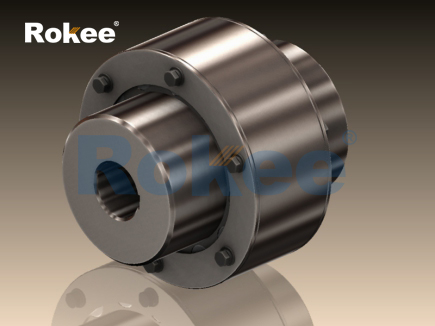
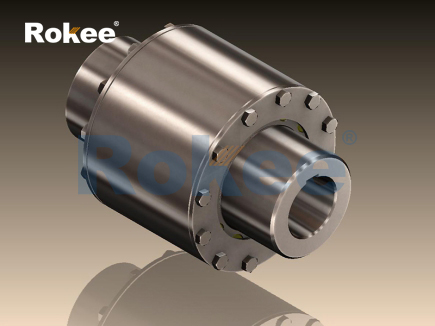
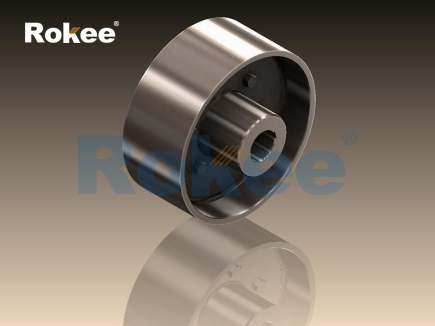
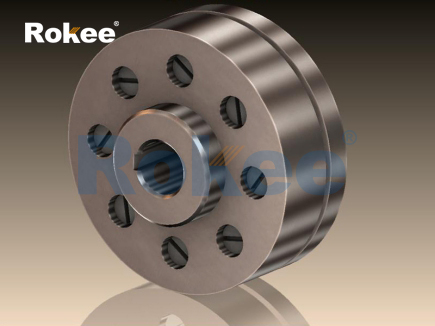

In the realm of mechanical power transmission, couplings are indispensable components that establish a reliable connection between rotating shafts, enabling efficient torque transfer while addressing the challenges of misalignment, vibration, and shock loads. Among the diverse range of flexible couplings, the pin type flexible coupling has earned widespread recognition for its robust structure, simple design, and effective performance in accommodating misalignments and dampening vibrations. Characterized by the use of pins and elastic bushings to transmit torque between two shafts, this coupling type has become a staple in numerous industrial, automotive, and agricultural applications. This article provides a comprehensive exploration of pin type flexible couplings, covering their structural composition, working mechanism, material selection criteria, industry-specific applications, core advantages, maintenance protocols, and emerging development trends. By delving into these aspects, we aim to offer a thorough understanding of this essential mechanical component and its significance in ensuring the smooth and reliable operation of rotating machinery systems.
A pin type flexible coupling is a type of elastic coupling engineered to transmit rotational torque between two coaxial shafts while accommodating axial, radial, and angular misalignments. Unlike rigid couplings that demand precise shaft alignment and lack vibration absorption capabilities, pin type flexible couplings utilize a combination of pins and elastic bushings to achieve flexibility and damping. The fundamental design objective of this coupling type is to transmit torque efficiently while minimizing the transfer of vibrations and shock loads from the driving shaft to the driven equipment, thereby protecting sensitive components such as bearings, seals, and gears from premature wear or failure.
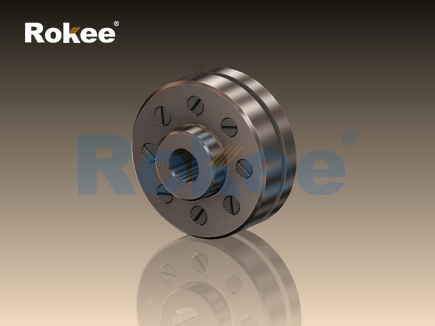
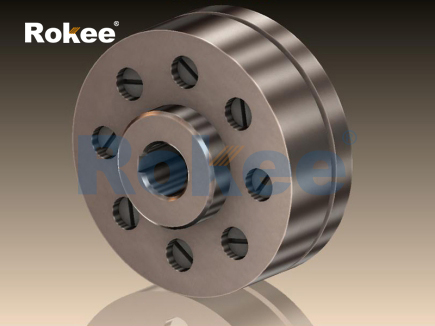
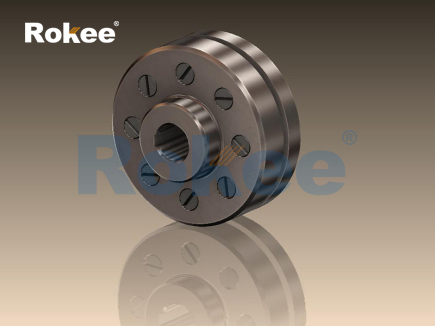
The structural composition of a pin type flexible coupling is relatively straightforward yet robust, consisting of four core components: two metal flanges or hubs, a set of pins, elastic bushings (also known as rubber or polyurethane sleeves), and fastening hardware (such as nuts, washers, or cotter pins). The metal flanges are the primary load-bearing components, responsible for connecting the coupling to the driving and driven shafts. Each flange is typically equipped with a series of evenly spaced holes around its circumference, which are designed to accommodate the pins and elastic bushings. To ensure a secure connection with the shafts, the flanges are often designed with keyways, set screws, or shrink-fit mechanisms. Keyways allow for the insertion of a key that prevents relative rotation between the flange and the shaft, while set screws provide additional locking force to enhance stability.
The pins are cylindrical metal components that pass through the holes in both flanges, serving as the primary torque-transmitting elements. The elastic bushings are inserted between the pins and the flange holes, acting as the flexible and damping component of the coupling. These bushings are typically made of rubber, polyurethane, or other elastic materials and are designed to fit snugly around the pins and inside the flange holes. The number of pins and bushings varies depending on the size and torque capacity of the coupling, with more pins generally enabling higher torque transmission and more uniform force distribution. In some designs, a cover or shield may be added to protect the pins and bushings from environmental contaminants such as dust, dirt, and moisture.
There are several design variations of pin type flexible couplings tailored to specific application requirements. One common variation is the straight pin type coupling, where the pins are aligned parallel to the shaft axis and pass directly through both flanges. This design offers simplicity and cost-effectiveness, making it suitable for light to medium-torque applications. Another variation is the tapered pin type coupling, which uses tapered pins to enhance the connection strength between the pins and flanges, making it suitable for higher torque applications. Additionally, the buffered pin type coupling features additional buffer pads or washers between the flanges and bushings, providing enhanced vibration damping and shock absorption capabilities. Some designs also incorporate split flanges, allowing for easy installation and replacement without the need to disconnect the shafts or move the connected machinery—this is particularly advantageous in tight spaces or applications where minimizing downtime is critical.
The working principle of a pin type flexible coupling revolves around the elastic deformation of the bushings. When torque is applied to the driving shaft, the corresponding flange rotates, and the pins attached to this flange exert a force on the elastic bushings. The bushings undergo controlled torsional, axial, or bending deformation—depending on the type and degree of misalignment present—while transmitting the torque to the pins in the driven flange. As the driven flange rotates, the torque is transmitted to the driven shaft, completing the power transmission process.
A key aspect of the working mechanism is the coupling’s ability to accommodate misalignment. Shaft misalignment in mechanical systems can arise from installation errors, thermal expansion or contraction, shaft deflection under load, or structural movement. The elastic bushings flex to bridge the gap between the two flanges, accommodating these misalignments without transferring excessive stress to the shafts or bearings. For angular misalignment (a tilt between the shaft axes), the bushings bend slightly to allow the two shafts to operate at an angle. For radial misalignment (an offset between the shaft centers), the bushings stretch or compress to compensate for the offset. For axial misalignment (linear movement along the shaft axis), the bushings expand or contract to absorb the displacement. The maximum misalignment capacity varies by design, with buffered pin type couplings typically handling larger misalignments than straight pin type couplings.
Another critical function of the elastic bushings is vibration damping. As the coupling operates, the rotating machinery generates vibrational energy, which is transmitted to the bushings. The rubber or polyurethane material of the bushings absorbs this energy through deformation and dissipates it as heat, reducing the amplitude of vibrations transferred to the driven shaft and equipment. This damping effect not only reduces operational noise but also protects sensitive components from damage caused by excessive vibration or shock loads—such as those occurring during sudden start-ups, shutdowns, or load fluctuations.
Material selection is a decisive factor in determining the performance, durability, and application scope of pin type flexible couplings. The choice of materials for each component is guided by factors such as torque requirements, operating temperature, environmental conditions (e.g., humidity, chemical exposure), and load type (steady or intermittent).
The metal flanges and pins are typically manufactured from high-strength metals to withstand the mechanical stresses of torque transmission. Carbon steel is the most common material for general-purpose applications, offering a balance of strength, durability, and cost-effectiveness. For applications requiring higher torque capacity or enhanced fatigue resistance (such as heavy-duty industrial machinery), alloy steels (e.g., chromium-molybdenum steel) are preferred. These alloy steels are often heat-treated (quenched and tempered) to improve their hardness, tensile strength, and resistance to wear. In corrosive environments (such as marine or chemical processing applications), stainless steel flanges and pins may be used to prevent rust and degradation. Fastening hardware (nuts, washers, cotter pins) is usually made from stainless steel or high-strength carbon steel to ensure secure locking and resistance to corrosion.
The elastic bushings are the most critical component in terms of material selection, as their properties directly influence the coupling’s flexibility, damping capacity, and service life. Natural rubber is used for general-purpose applications due to its excellent elasticity, good damping properties, and low cost. However, natural rubber has limitations: it is susceptible to degradation at high temperatures (above 80°C) and may be damaged by exposure to oils, greases, or chemicals. For applications involving lubricants or harsh industrial fluids, nitrile rubber (NBR) is preferred, as it exhibits excellent oil and fuel resistance. Ethylene Propylene Diene Monomer (EPDM) rubber is suitable for outdoor applications or high-temperature environments (up to 150°C), as it offers superior resistance to ozone, weathering, and high temperatures. Polyurethane is another popular material for the bushings, providing higher wear resistance, better load-bearing capacity, and a wider temperature range (-40°C to 120°C) compared to rubber. Polyurethane bushings also have a longer service life in applications with high levels of friction or abrasion.
Pin type flexible couplings find widespread application across a diverse range of industries, thanks to their robust design, reliable performance, and versatility. One of the largest application areas is the industrial machinery sector, where they are used to connect motors to a wide range of equipment, including pumps, compressors, fans, conveyors, mixers, agitators, and gearboxes. In centrifugal pump systems, for example, pin type flexible couplings compensate for minor misalignments between the motor and pump shafts, reducing the risk of bearing failure and improving the overall reliability of the system. In conveyor systems, which are often subject to intermittent shock loads and minor misalignments, the coupling’s damping capabilities absorb vibrations and ensure smooth torque transmission, minimizing downtime.
The automotive industry is another major user of pin type flexible couplings. They are employed in various components, including drive shafts, transmissions, and auxiliary equipment such as water pumps and alternators. In rear-wheel-drive and four-wheel-drive vehicles, pin type flexible couplings are used in drive shafts to connect the transmission to the differential, accommodating misalignments caused by suspension movement. The damping effect of the elastic bushings helps reduce noise and vibration in the vehicle cabin, enhancing ride comfort. Additionally, these couplings are used in commercial vehicles such as trucks and buses, where their high torque capacity and durability make them well-suited for heavy-duty applications.
The agricultural industry relies heavily on pin type flexible couplings for farming equipment such as tractors, harvesters, irrigation pumps, and tillers. Agricultural machinery operates in harsh environments—characterized by dust, dirt, vibration, and variable loads—and the coupling’s robust design and ability to withstand these conditions make it well-suited for such applications. For example, in tractor power take-off (PTO) systems, pin type flexible couplings connect the tractor’s engine to implements (e.g., plows, mowers, balers), accommodating misalignments caused by uneven terrain and absorbing shock loads during operation.
Other key application areas include the marine industry, where pin type flexible couplings are used in ship propulsion systems and auxiliary machinery (such as pumps and generators) to handle misalignments caused by hull flexing and absorb vibrations from marine engines. The mining industry uses these couplings in heavy-duty equipment such as crushers, conveyors, and excavators, where their high torque capacity and ability to withstand harsh conditions are critical. The renewable energy sector, particularly in small to medium-sized wind turbines and solar tracking systems, employs pin type flexible couplings to connect the rotor or motor to the generator, accommodating misalignments caused by wind loads or structural movement. Additionally, the food and beverage industry uses these couplings in processing equipment (e.g., mixers, blenders) due to their easy maintenance and ability to prevent contamination when using food-grade bushings.
Pin type flexible couplings offer several distinct advantages that make them a preferred choice over other coupling types (such as rigid couplings, metallic flexible couplings, or tire couplings) in many applications. One of the most significant advantages is their robust and durable design. The use of high-strength metal flanges and pins ensures that the coupling can withstand high torque levels and harsh operating conditions, making it suitable for heavy-duty applications. This durability translates to a long service life, reducing the need for frequent replacement and lowering maintenance costs.
Excellent vibration damping and shock absorption capabilities are another key advantage. The elastic bushings act as a buffer, absorbing vibrational energy and reducing the transmission of shocks to the connected machinery. This not only reduces operational noise but also minimizes wear and tear on bearings, seals, and other components, extending the service life of the entire system. This is particularly beneficial in applications with frequent start-ups, shutdowns, or variable loads, where shock loads are common.
Pin type flexible couplings also excel at accommodating moderate levels of misalignment. While they may not handle as much misalignment as larger tire couplings, they can effectively compensate for the minor to moderate axial, radial, and angular misalignments commonly encountered in most industrial applications. This reduces the need for precise and time-consuming shaft alignment during installation, simplifying the setup process and reducing maintenance requirements.
Ease of installation and maintenance is another major advantage. Most pin type flexible couplings feature a simple design that allows for quick and easy installation—many split-flange designs can be installed without disconnecting the shafts, significantly reducing downtime. Replacing the elastic bushings is also straightforward: simply remove the fastening hardware, extract the old bushings, and insert new ones. This simplicity reduces maintenance costs and ensures that the coupling can be quickly returned to service. Additionally, the simple construction of these couplings (fewer components than complex metallic flexible couplings) reduces the risk of failure and simplifies troubleshooting.
Cost-effectiveness is an additional benefit. Pin type flexible couplings are generally less expensive to manufacture than complex metallic flexible couplings (e.g., disc couplings) or large tire couplings. Their simple design, fewer components, and ease of maintenance further contribute to their cost-effectiveness over the long term. For many general-purpose and heavy-duty applications, they offer an optimal balance of performance and cost.
Despite their numerous advantages, pin type flexible couplings require proper maintenance to ensure optimal performance and longevity. Regular inspection is the foundation of effective maintenance, as it allows for the early detection of potential issues before they lead to coupling failure or damage to connected equipment. Operators should inspect the coupling regularly (the frequency depending on the operating conditions and application) for signs of wear or damage to the elastic bushings, such as cracks, tears, hardening, swelling, or excessive wear. These signs indicate that the bushings are deteriorating and should be replaced promptly to avoid loss of flexibility, reduced damping capacity, or complete coupling failure.
The metal flanges, pins, and fastening hardware should also be inspected regularly for signs of damage, such as cracks, deformation, or wear on the contact surfaces. Loose fastening hardware (nuts, cotter pins) is another common issue that should be addressed immediately, as it can lead to excessive vibration, misalignment, or even disconnection of the coupling during operation. Additionally, operators should check for corrosion on the metal components, especially in humid or corrosive environments, and take appropriate measures (e.g., applying anti-corrosion coatings) to prevent further degradation.
Lubrication requirements for pin type flexible couplings are minimal compared to other coupling types. Most designs do not require lubrication for the elastic bushings, as the rubber or polyurethane material acts as a self-lubricating surface. However, if the coupling features metal-to-metal contact points (e.g., between the pin and the flange hole, or between the flange and the shaft), these areas may require periodic lubrication to reduce friction and prevent wear. When lubrication is necessary, it is critical to use a lubricant that is compatible with the bushing material—some petroleum-based lubricants can degrade rubber, leading to premature failure. Silicone-based or synthetic lubricants are generally recommended for use with rubber or polyurethane components.
Replacement of the elastic bushings is the most common maintenance procedure. When replacing the bushings, it is essential to select replacements that match the original specifications, including material, size, and hardness. Using incompatible bushings can reduce the coupling’s performance, increase the risk of failure, and potentially damage the connected machinery. The replacement process typically involves the following steps: 1) Remove the cover (if present) and the fastening hardware (nuts, washers, cotter pins) that secure the pins in place; 2) Extract the pins and remove the old bushings from the flange holes; 3) Insert the new bushings into the flange holes, ensuring a snug fit; 4) Reinsert the pins and reattach the fastening hardware, tightening to the recommended torque; 5) Replace the cover (if present). It is important to ensure that the new bushings are seated correctly to avoid misalignment or uneven load distribution.
Proper storage of pin type flexible couplings (when not in use) is also important to prevent premature degradation of the elastic bushings. Couplings should be stored in a cool, dry, and clean environment, away from direct sunlight, ozone sources (e.g., electrical motors), and chemicals that can degrade rubber or polyurethane. Storing couplings in a compressed or deformed state should be avoided, as this can cause permanent damage to the bushings. Additionally, metal components should be protected from moisture to prevent corrosion.
Looking ahead, the development of pin type flexible couplings is being driven by the increasing demand for more efficient, reliable, and sustainable mechanical systems. One of the key trends in the industry is the development of high-performance elastic materials for the bushings. Manufacturers are investing in research and development to create rubber and polyurethane compounds with enhanced properties, such as higher temperature resistance, improved wear resistance, greater torque capacity, and longer service life. For example, the use of nanocomposite materials—rubber or polyurethane reinforced with nanoparticles (e.g., carbon nanotubes, silica)—is being explored to improve the mechanical strength and durability of the bushings while maintaining their excellent damping properties. These advanced materials will enable pin type flexible couplings to be used in more demanding applications, such as high-temperature industrial processes or heavy-duty machinery.
Another emerging trend is the integration of smart technologies into pin type flexible couplings. The development of smart couplings equipped with sensors (e.g., strain gauges, temperature sensors, vibration sensors) that monitor torque, temperature, vibration, and the condition of the bushings is gaining momentum. These sensors provide real-time data on the coupling’s operating conditions, allowing operators to implement predictive maintenance strategies. By detecting early signs of wear or damage (e.g., changes in vibration patterns, increased temperature, or reduced torque transmission efficiency), predictive maintenance can reduce downtime, improve reliability, and lower maintenance costs. Additionally, the data collected by these sensors can be integrated into industrial Internet of Things (IIoT) systems, enabling remote monitoring and control of the coupling and connected machinery.
Miniaturization is another important trend, driven by the growing demand for compact machinery in industries such as automotive, aerospace, and consumer electronics. Manufacturers are developing smaller, lighter pin type flexible couplings that can transmit high levels of torque while occupying less space. This requires the use of advanced materials (e.g., lightweight alloy steels, high-strength polyurethane) and precision manufacturing techniques (e.g., CNC machining) to ensure that the miniaturized couplings maintain the same level of performance and reliability as their larger counterparts. Miniaturized pin type flexible couplings are particularly important for electric vehicles, portable industrial equipment, and small-scale automation systems, where space and weight are critical constraints.
Environmental sustainability is also shaping the future of pin type flexible couplings. Manufacturers are focusing on reducing the environmental impact of their products by using eco-friendly materials (e.g., recycled rubber, bio-based polyurethane) and implementing sustainable manufacturing processes. Recycled rubber, made from discarded tires and other rubber products, is being used to produce the bushings, reducing waste and conserving natural resources. Bio-based polyurethane, derived from renewable sources (e.g., plant oils), offers a more sustainable alternative to petroleum-based polyurethane. Additionally, manufacturers are designing couplings with longer service lives and easier recyclability, further reducing their environmental footprint.
In conclusion, pin type flexible couplings are essential components in mechanical power transmission systems, offering a unique combination of robust design, reliable torque transmission, excellent vibration damping, and ease of maintenance. Their ability to accommodate moderate misalignments, protect connected equipment from shock loads, and operate efficiently in a wide range of environments makes them suitable for numerous applications across industries such as industrial machinery, automotive, agriculture, marine, mining, and renewable energy. Proper material selection and regular maintenance are critical to ensuring their optimal performance and longevity. Looking forward, the development of advanced elastic materials, smart technologies, miniaturization, and sustainable design will continue to enhance the capabilities of pin type flexible couplings, making them even more versatile and reliable. As mechanical systems become increasingly complex and demanding, pin type flexible couplings will remain a vital component in ensuring the efficient and reliable operation of rotating machinery.
« Pin Type Flexible Couplings » Post Date: 2024/4/25 , https://www.rokeecoupling.net/tags/pin-type-flexible-couplings.html