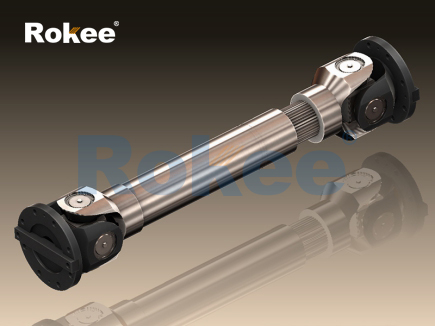
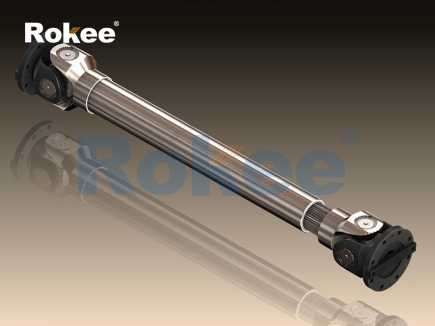
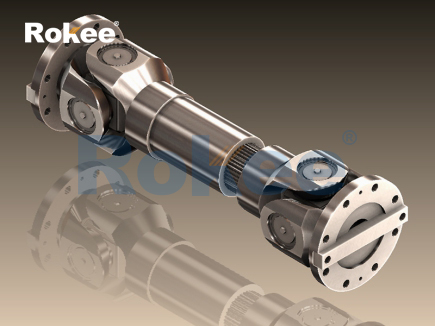
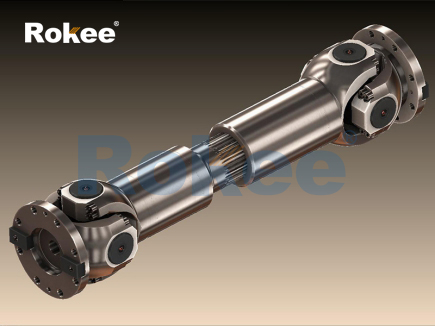
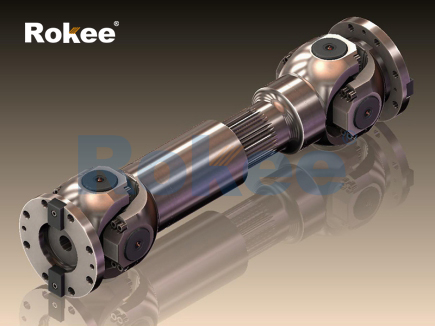
A telescopic drive shaft serves as an essential mechanical component designed to transmit rotational power between separate mechanical assemblies while adapting to dynamic positional changes. Unlike rigid drive shafts, this specialized structure features a collapsible segment that enables axial length adjustment during equipment operation. Its internal meshing structures allow smooth sliding movement, effectively compensating for distance variations caused by vibration, terrain fluctuation or mechanical displacement. The core design focuses on balancing stable power transmission and flexible dimensional adaptability to fit complex working conditions. During operation, the component consistently transfers torque without disrupting mechanical synchronization, even when connected parts shift relatively in linear directions. Reasonable structural optimization endows the shaft with excellent resistance to mechanical friction and axial pressure. It mitigates mechanical abrasion by reducing rigid collision between interconnected parts, extending the overall service life of mechanical systems. Manufactured with durable raw materials, it maintains stable mechanical performance under fluctuating load conditions and varying ambient temperatures. Widely applied in mobile mechanical equipment and transmission systems, it adapts to diverse operational environments with uneven stress distribution. Simple internal composition brings convenience for daily maintenance, while streamlined exterior structure saves installation space. With reliable operational stability and adaptive flexibility, the telescopic drive shaft remains an irreplaceable part of modern mechanical transmission systems, continuously optimizing power transmission efficiency and improving the rationality of overall mechanical structural design.
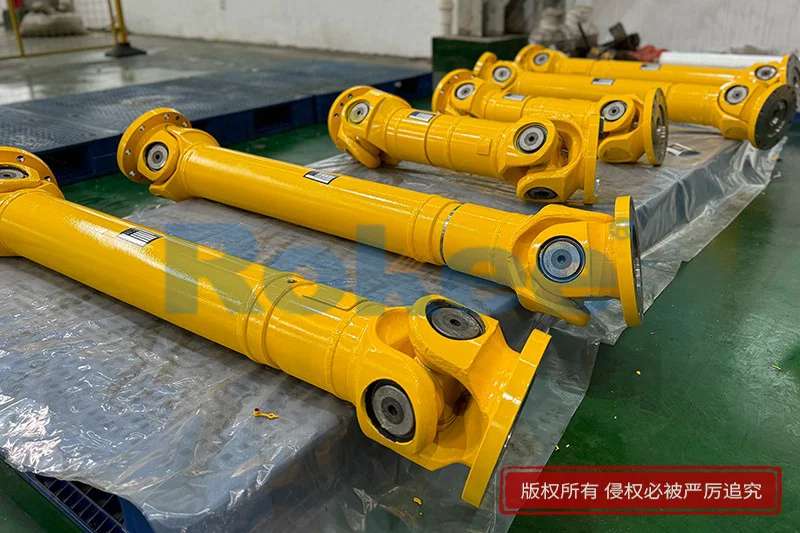
In the dynamic field of mechanical engineering, power transmission systems are tasked with transferring rotational energy between components that often move relative to each other. Among the diverse range of components designed to meet this challenge, the telescopic drive shaft stands out as a specialized solution, engineered to transmit torque while accommodating both angular misalignment and axial displacement. Unlike fixed-length drive shafts, which are limited to static applications, telescopic drive shafts feature a sliding mechanism that allows them to expand or contract, making them ideal for scenarios where the distance between the driving and driven components varies during operation. From automotive suspension systems to industrial machinery and agricultural equipment, these adaptable shafts play a crucial role in ensuring seamless power transfer in dynamic environments. This article provides a comprehensive analysis of telescopic drive shafts, exploring their design principles, structural components, working mechanisms, material selection, applications across industries, maintenance practices, and evolving trends, highlighting their significance in modern power transmission systems.
At its essence, a telescopic drive shaft is a type of rotating shaft assembly that consists of two or more concentric tubes (or shafts) that slide within each other, enabling axial extension and contraction. This telescoping capability is the defining feature that sets it apart from standard drive shafts, allowing it to adapt to changes in the distance between the driving source (such as an engine or motor) and the driven component (such as a wheel or gearbox). In addition to accommodating axial displacement, most telescopic drive shafts are also designed to handle angular misalignment, typically through the integration of universal joints (U-joints) or constant velocity (CV) joints at either end. This combination of axial flexibility and angular adaptability makes telescopic drive shafts indispensable in applications where both types of movement are present, such as in vehicles with independent suspension systems or industrial machinery with moving parts.
The development of telescopic drive shafts is closely linked to the evolution of automotive and industrial engineering, particularly the demand for more flexible power transmission systems. Early automotive designs, for instance, relied on fixed-length drive shafts that were suitable for simple suspension setups but struggled to accommodate the vertical movement of wheels in more advanced suspension systems. As automotive technology progressed, engineers recognized the need for a drive shaft that could adjust its length as the suspension compressed or extended. The first telescopic drive shafts emerged in the mid-20th century, initially used in heavy-duty vehicles and later adopted in passenger cars, especially in four-wheel-drive (4WD) and all-wheel-drive (AWD) configurations. Parallel advancements in industrial and agricultural sectors further refined the design, with telescopic drive shafts adapted to handle higher torques, faster rotational speeds, and harsher operating conditions.
The structural composition of a telescopic drive shaft is a carefully engineered assembly of components that work in harmony to deliver both flexibility and power transmission. The core components include an outer tube (female member), an inner shaft (male member), sliding splines (or keyways), universal joints or CV joints, yokes, and seals. The outer tube and inner shaft are the primary telescoping elements, with the inner shaft sliding inside the outer tube. To ensure that torque is transmitted between these two components while allowing axial movement, splines are machined onto the outer surface of the inner shaft and the inner surface of the outer tube. These splines are interlocking ridges that prevent relative rotation between the inner and outer members, enabling the transfer of rotational power while accommodating axial sliding.
The type of spline design varies depending on the application requirements. The most common designs include straight splines and helical splines. Straight splines are simple to manufacture and cost-effective, making them suitable for low to moderate torque applications. However, they tend to experience higher stress concentrations at the spline roots, limiting their use in high-torque scenarios. Helical splines, by contrast, have a spiral design that distributes the load more evenly across the spline surface, reducing stress concentrations and enabling higher torque transmission. Additionally, helical splines operate more smoothly and generate less noise than straight splines, making them ideal for high-speed applications such as automotive drive trains.
Universal joints or CV joints are integral components of most telescopic drive shaft assemblies, as they enable the shaft to accommodate angular misalignment between the driving and driven components. Universal joints, typically of the cross-and-bearing type, consist of a cross-shaped spider with trunnions fitted with bearings, allowing rotation at varying angles. While universal joints are effective for moderate angles, they can introduce fluctuations in rotational velocity, which is why they are often used in pairs to cancel out these fluctuations. CV joints, on the other hand, are designed to transmit torque at a constant velocity regardless of the angle, making them ideal for applications that require smooth power transmission at large angles, such as front-wheel-drive vehicles. The choice between universal joints and CV joints depends on the application’s angular misalignment requirements, rotational speed, and torque capacity.
Seals are another critical component of telescopic drive shafts, as they prevent the ingress of dust, debris, and moisture into the sliding spline area and the joints. Contamination of these components can lead to increased friction, wear, and corrosion, significantly reducing the shaft’s service life. Common seal designs include lip seals, O-rings, and telescopic boots (often made of rubber or polyurethane). These seals not only protect the internal components but also help retain lubricant, which is essential for reducing friction between the sliding splines and the bearings in the joints.
Material selection for telescopic drive shafts is governed by the need to balance strength, durability, weight, and resistance to wear and corrosion. The most commonly used materials for the outer tube and inner shaft include high-strength carbon steels, alloy steels, and aluminum alloys. Carbon steels, such as 1045 and 1050, are widely used for general-purpose applications due to their good strength-to-cost ratio. Alloy steels, such as 4140 and 4340, are preferred for high-torque and high-stress applications, as they offer enhanced strength, toughness, and wear resistance when heat-treated (e.g., quenched and tempered). Aluminum alloys, such as 6061 and 7075, are used in applications where weight reduction is a priority, such as in automotive and aerospace systems, as they are lightweight while maintaining sufficient strength. The spline surfaces and joint components are often surface-hardened (through processes such as carburizing, nitriding, or induction hardening) to improve wear resistance, as these areas are subject to high levels of friction and stress.
The working principle of a telescopic drive shaft revolves around the combined functionality of its telescoping elements and joints. When the driving component (e.g., an engine) rotates, it imparts rotational motion to one end of the shaft assembly via a yoke and joint. The splines on the inner shaft and outer tube ensure that this rotational motion is transmitted between the telescoping members without relative rotation. As the distance between the driving and driven components changes (e.g., due to suspension movement in a vehicle), the inner shaft slides within the outer tube, adjusting the length of the shaft assembly. Simultaneously, the universal joints or CV joints at either end allow the shaft to pivot at an angle, accommodating any misalignment between the driving and driven components. Throughout this process, lubricant applied to the splines and joints reduces friction, minimizes wear, and ensures smooth operation.
Telescopic drive shafts find widespread application across multiple industries, each leveraging their unique combination of axial flexibility and angular adaptability. The automotive industry is the largest user of telescopic drive shafts, where they are employed in a variety of configurations, including rear-wheel-drive (RWD), 4WD, AWD, and front-wheel-drive (FWD) vehicles. In RWD vehicles, the telescopic drive shaft connects the transmission to the differential, accommodating the vertical movement of the differential as the suspension compresses and extends. In 4WD and AWD systems, telescopic drive shafts are used in the transfer case and front/rear axles, enabling power distribution to all wheels while adapting to the movement of the vehicle’s suspension and steering. FWD vehicles often use telescopic drive shafts (known as half-shafts) with CV joints to connect the transmission to the front wheels, allowing for both steering movement and suspension travel.
The agricultural industry is another major adopter of telescopic drive shafts, particularly in tractor-implement combinations. Tractors use power take-off (PTO) shafts, which are often telescopic, to transmit power from the tractor’s engine to various implements such as plows, harvesters, and mowers. The telescopic design allows the PTO shaft to adjust its length as the tractor moves relative to the implement (e.g., when the implement is raised or lowered) while accommodating angular misalignment between the tractor and the implement. This flexibility is essential in agricultural operations, where the terrain is often uneven and the position of the implement changes frequently.
In the industrial sector, telescopic drive shafts are used in a wide range of machinery, including conveyor systems, cranes, excavators, and industrial robots. Conveyor systems, which are used to transport materials in factories, mines, and warehouses, often use telescopic drive shafts to connect motors to conveyor rollers, accommodating the misalignment and axial movement caused by thermal expansion or structural deflection. Cranes and excavators rely on telescopic drive shafts in their hydraulic systems and boom mechanisms, enabling the extension and retraction of the boom while transmitting power to the lifting components. Industrial robots use lightweight telescopic drive shafts in their arm mechanisms, allowing for precise movement and power transmission in confined spaces.
Other applications of telescopic drive shafts include marine propulsion systems, where they are used to connect the engine to the propeller shaft, accommodating the movement of the ship’s hull and thermal expansion of the engine. In aerospace applications, lightweight telescopic drive shafts are used in aircraft landing gear systems and engine components, where weight reduction and reliability are critical. They are also used in amusement park rides, such as roller coasters, where they transmit power to moving components while adapting to the dynamic motion of the ride.
Proper maintenance is essential to ensure the reliable performance and longevity of telescopic drive shafts. Neglecting maintenance can lead to premature failure, resulting in costly downtime, equipment damage, and safety risks. The key maintenance practices for telescopic drive shafts include regular inspection, lubrication, and replacement of worn or damaged components.
Regular inspection is crucial to identify potential issues before they escalate. Inspections should focus on the spline area, joints, seals, and yokes. The splines should be checked for signs of wear, such as pitting, galling, or excessive play, which can compromise torque transmission. The joints (universal or CV) should be inspected for loose bearings, damaged trunnions, or leaking lubricant. Seals and boots should be checked for cracks, tears, or damage, as these can lead to contamination of internal components. Additionally, the shaft should be inspected for signs of bending, corrosion, or fatigue, particularly in high-stress applications.
Lubrication is one of the most critical maintenance tasks for telescopic drive shafts, as the sliding splines and joints are subject to high levels of friction. The type of lubricant used depends on the application’s operating conditions, such as temperature, speed, and environment. Grease is typically used for low to moderate speed applications, as it provides good adhesion and sealing properties. Oil lubrication is preferred for high-speed or high-temperature applications, as it offers better heat dissipation. The lubricant should be applied to the splines and joints at regular intervals, and the old lubricant should be cleaned out before applying new lubricant. Seals should be checked after lubrication to ensure they are functioning properly and preventing lubricant leakage.
Replacement of worn or damaged components is necessary to prevent further damage to the telescopic drive shaft and the connected equipment. Worn splines, damaged joints, cracked seals, and bent shafts should be replaced promptly. When replacing components, it is important to ensure that the new parts are compatible with the shaft assembly and meet the required specifications. For example, spline replacements should match the original design (straight or helical) and material, and joints should be selected based on the application’s angular misalignment and torque requirements. In some cases, the entire telescopic drive shaft assembly may need to be replaced if the damage is severe.
Looking to the future, the development of telescopic drive shafts is being driven by advancements in materials science, manufacturing technology, and the growing demand for more efficient and sustainable power transmission systems. One of the key trends is the use of advanced lightweight materials, such as carbon fiber composites and titanium alloys. Carbon fiber composites offer an exceptional strength-to-weight ratio, making them ideal for applications where weight reduction is critical, such as electric vehicles (EVs) and aerospace systems. By reducing the weight of the drive shaft, these materials improve energy efficiency and reduce fuel consumption (in internal combustion engine vehicles) or extend battery life (in EVs).
Another emerging trend is the integration of smart technologies into telescopic drive shafts. Smart drive shafts equipped with sensors can monitor key operating parameters such as temperature, vibration, torque, and axial displacement in real time. This data can be transmitted to a central control system, allowing operators to detect abnormal conditions (such as excessive wear, misalignment, or lubricant degradation) and schedule maintenance proactively. Predictive maintenance, enabled by these smart sensors, can significantly reduce downtime and extend the service life of the drive shaft by addressing issues before they lead to failure. Additionally, some advanced designs incorporate self-lubricating materials or automatic lubrication systems, further reducing maintenance requirements.
Advancements in manufacturing technology are also enhancing the performance and precision of telescopic drive shafts. Computer Numerical Control (CNC) machining allows for the production of splines and joints with tighter tolerances, improving the efficiency of torque transmission and reducing wear. Additive manufacturing (3D printing) is being explored as a way to produce complex components, such as custom spline designs or lightweight yokes, with optimized geometries that were previously difficult or impossible to manufacture using traditional methods. Additionally, advanced heat treatment and surface engineering processes are being used to enhance the wear resistance and fatigue strength of drive shaft components, further improving their durability.
In conclusion, the telescopic drive shaft is a highly versatile and essential component in modern power transmission systems, offering unique capabilities to accommodate both axial displacement and angular misalignment. Its robust design, combined with the ability to adapt to dynamic operating conditions, makes it indispensable across a wide range of industries, including automotive, agricultural, industrial, marine, and aerospace. Proper maintenance, including regular inspection, lubrication, and component replacement, is critical to ensuring its reliable performance and longevity. As technology continues to advance, the future of telescopic drive shafts looks promising, with innovations in lightweight materials, smart technologies, and manufacturing processes set to further enhance their efficiency, durability, and versatility. Whether in traditional internal combustion engine vehicles, emerging electric vehicles, or heavy industrial machinery, the telescopic drive shaft will remain a key enabler of efficient and flexible power transmission for years to come.
pu sandwich panel line,pu sandwich panel machine,sandwich panel machine
« Telescopic Drive Shafts » Latest Update Date: May 9, 2026
https://www.rokeecoupling.net/tags/telescopic-drive-shafts.html