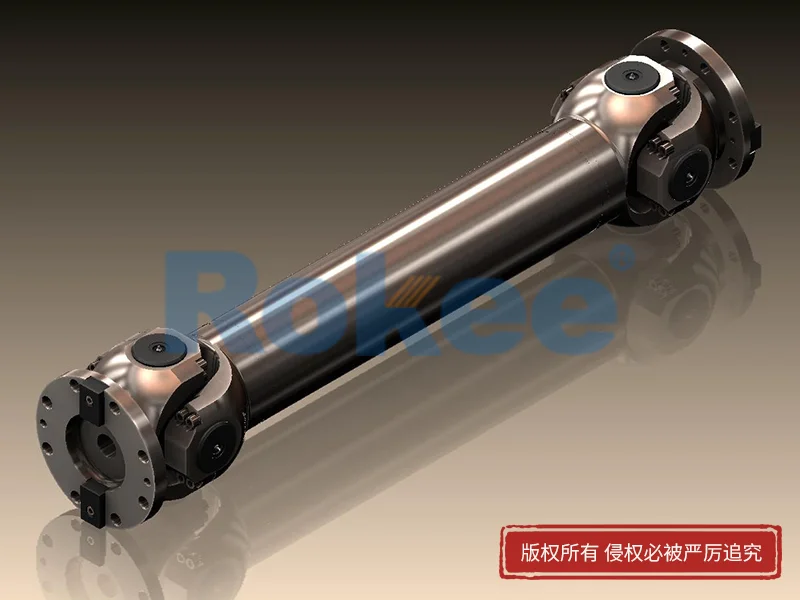
Universal cross joint couplings, also commonly referred to as cardan joints, stand as one of the most fundamental and versatile mechanical transmission components in modern industrial and mechanical engineering systems. Designed to bridge the gap between misaligned rotating shafts, these ingenious mechanical structures enable the stable transmission of torque and rotational motion while accommodating angular, axial, and radial deviations that are inevitable in mechanical assembly and operational processes. Unlike rigid shaft couplings that demand precise coaxial alignment and elastic couplings limited by low torque tolerance, cross joint universal couplings deliver a unique combination of high load-bearing capacity, flexible misalignment compensation, and reliable long-term operation, making them an irreplaceable part of power transmission in countless mechanical devices and engineering equipment. Their simple yet sophisticated structural design, adaptable working characteristics, and strong environmental compatibility have secured their widespread application across automotive systems, construction machinery, mining equipment, industrial production lines, marine machinery, and precision transmission devices.
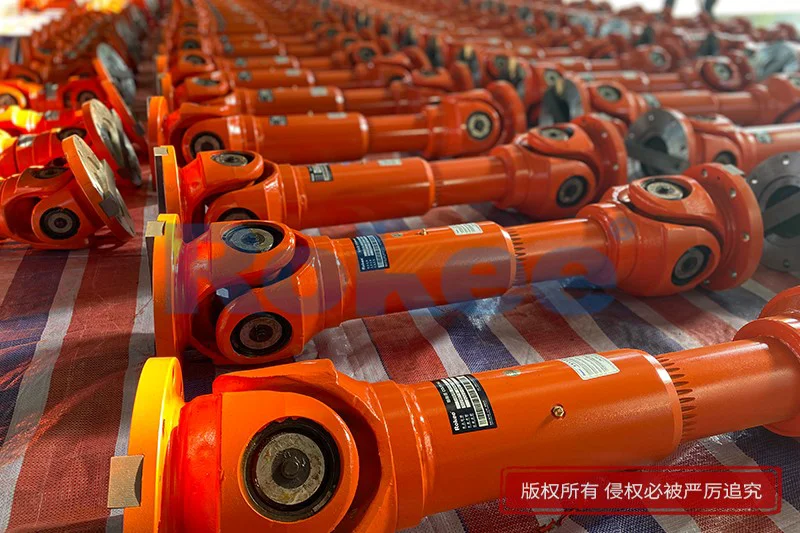
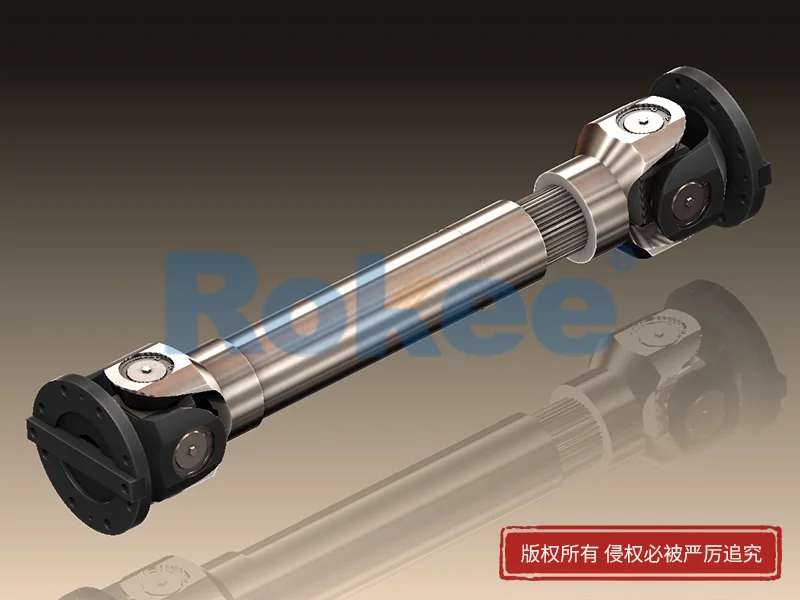
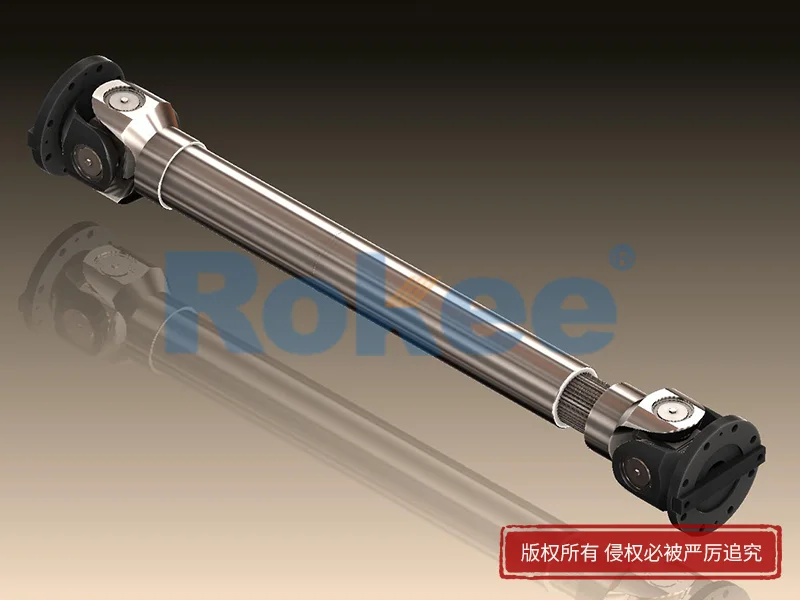
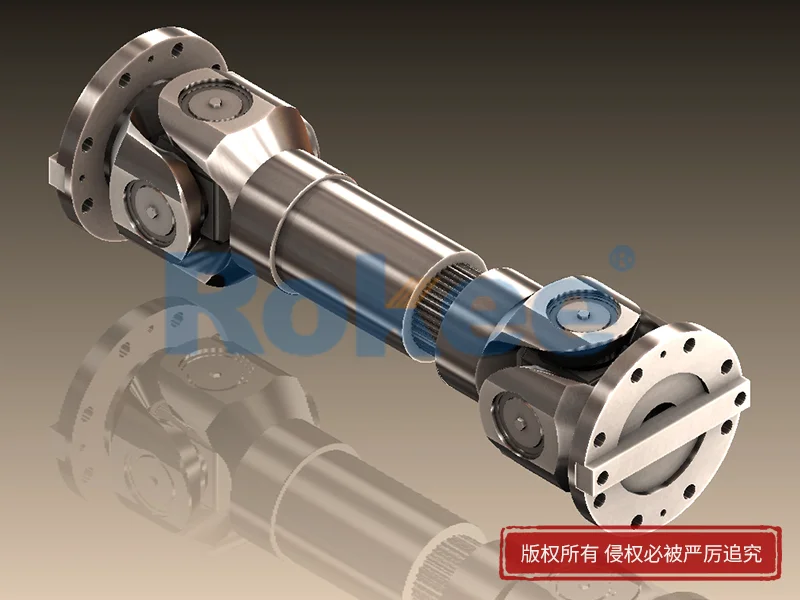
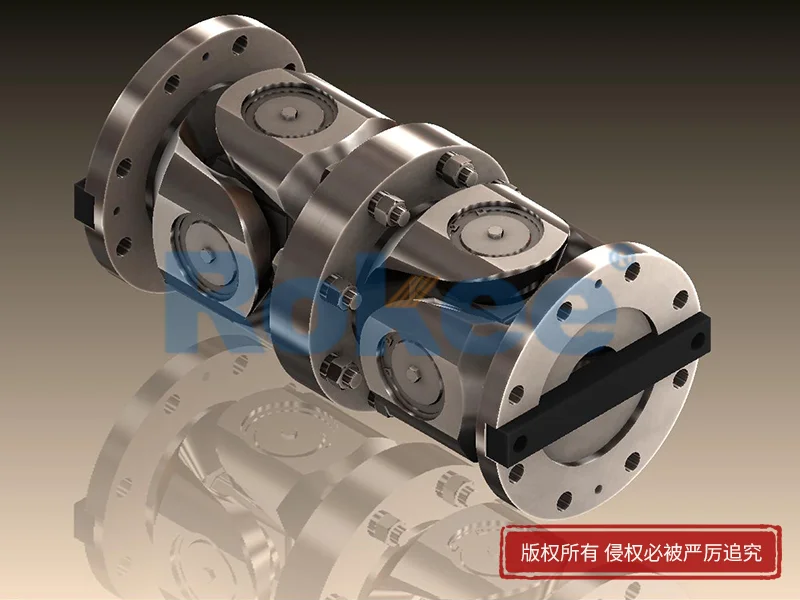
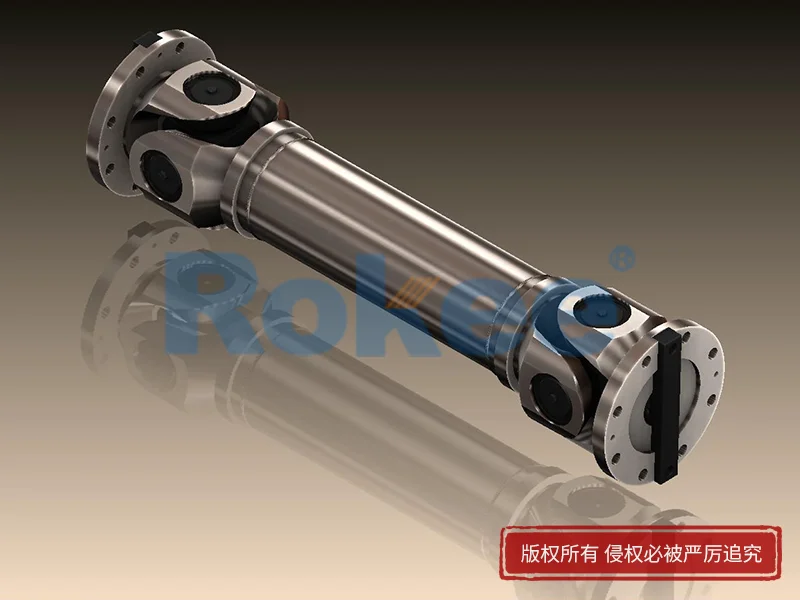
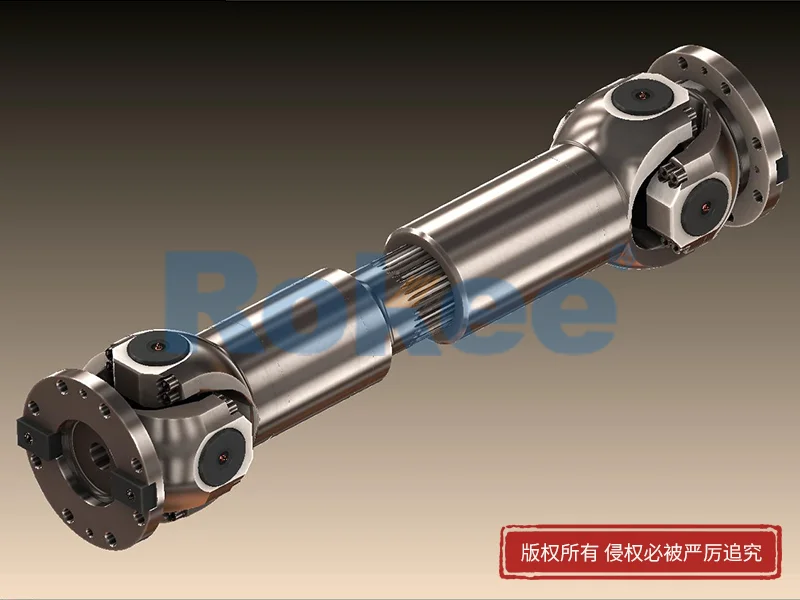
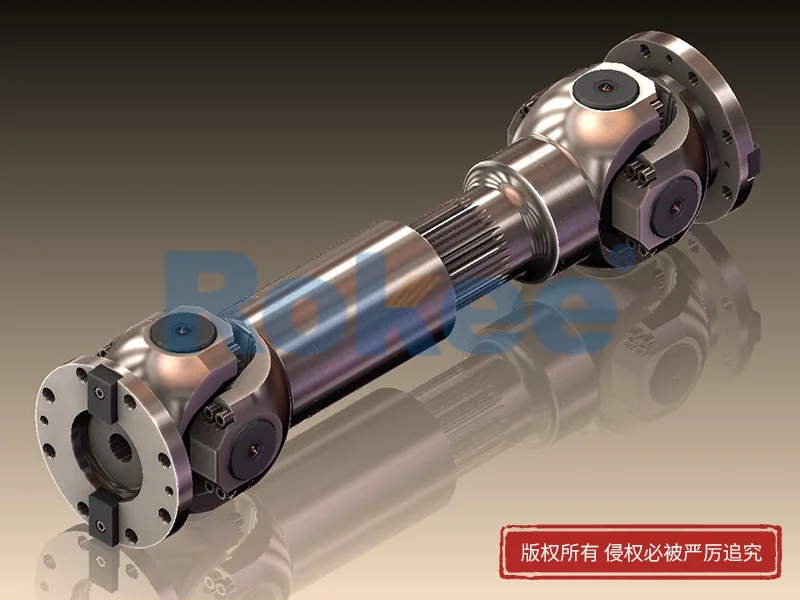
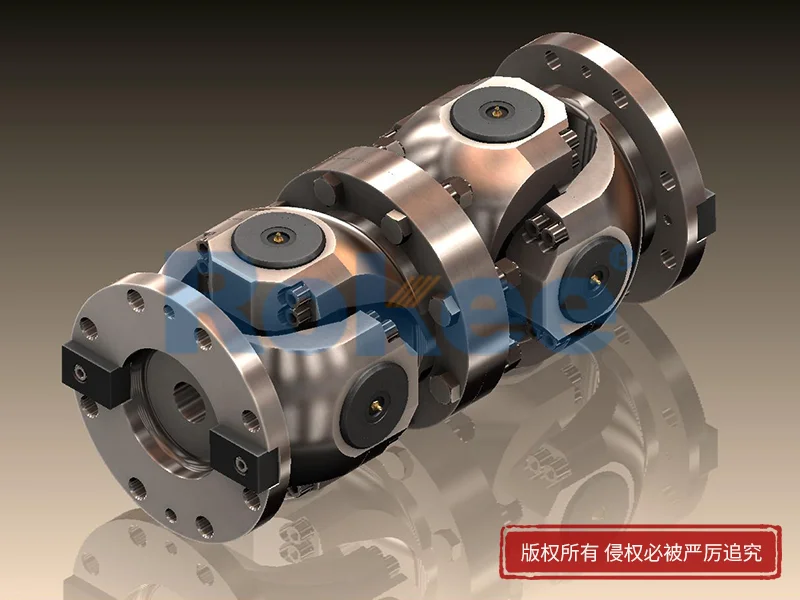
The core structure of universal cross joint couplings revolves around three basic yet precisely matched components: two symmetrical yoke forks and a central cross-shaped shaft, with auxiliary rolling bearing parts that ensure smooth relative motion. The cross shaft serves as the core connecting unit, with four mutually perpendicular shaft journals distributed in a three-dimensional spatial structure. Each journal is fitted with high-precision rolling bearings and embedded in the mounting holes of the two yoke forks respectively, forming a flexible hinge connection structure with multi-dimensional rotational freedom. One yoke fork is fixedly connected to the driving shaft that outputs power, while the other is linked to the driven shaft that receives power. This structural layout breaks through the limitations of traditional coaxial transmission, allowing the two connected shafts to maintain effective power transmission even when they are not on the same straight line or produce dynamic angular changes during operation. The overall structure is compact and streamlined, with no redundant auxiliary structures, which endows the coupling with excellent space adaptability and structural stability under harsh operating conditions.
The working principle of universal cross joint couplings is rooted in the spatial linkage mechanism theory, realizing continuous and stable torque transmission through the coordinated spatial swing and rotational motion of the cross shaft. When the driving shaft starts to rotate at a constant speed, it drives the connected active yoke fork to perform circular rotational motion. Driven by the active yoke, the cross shaft undergoes compound spatial motion, including rotational motion around the shaft axis and periodic swing motion relative to the two yoke forks. The four journal ends of the cross shaft rotate around the center of the matching bearings in the yoke holes respectively, converting the rotational motion of the misaligned driving shaft into adaptive spatial motion, and further transmitting the torque and rotational power to the passive yoke fork and the driven shaft. In an ideal working state with a small included angle between the two shafts, this transmission process can maintain highly consistent rotational speed of the driving and driven shafts, realizing nearly constant-speed power output.
It is worth noting that a single cross joint universal coupling has an inherent unequal-speed transmission characteristic, which is a typical mechanical feature formed by its spatial motion mechanism rather than a structural defect. When there is a large angular deviation between the driving shaft and the driven shaft, the rotational angular velocity of the driven shaft will produce periodic slight fluctuations within a single rotation cycle, even if the driving shaft maintains uniform rotation. The magnitude of this speed fluctuation is positively correlated with the size of the shaft deflection angle—the larger the included angle between the two shafts, the more obvious the unequal-speed transmission effect. This periodic speed variation may generate slight torsional vibration and alternating load on the transmission system during high-speed operation. To eliminate this adverse effect and achieve constant-speed transmission, most high-stability transmission systems adopt a double universal joint transmission structure, where two cross joint couplings are used in tandem with a middle connecting shaft. By reasonably adjusting the installation angle and phase position of the two couplings, the unequal-speed fluctuation generated by the first coupling can be completely offset by the second one, ultimately realizing synchronous and constant-speed rotation of the driving and driven shafts, which greatly improves the stability of the entire transmission system.
The outstanding performance advantages of universal cross joint couplings are fully reflected in their misalignment compensation capability, load-bearing performance, and operational adaptability. First of all, their angular compensation ability far exceeds that of most conventional couplings. These couplings can stably adapt to large-angle shaft deflection, with a maximum adaptable angular deviation far beyond the range of elastic couplings and rigid couplings, and can cope with dynamic angle changes caused by mechanical vibration, equipment deformation, or operational displacement during continuous operation. In addition to angular misalignment compensation, the matching spline connection structure commonly equipped with cross joint couplings can also achieve large-range axial displacement compensation, effectively absorbing axial position changes caused by equipment thermal expansion, mechanical wear, and assembly errors, avoiding additional axial stress accumulation in the transmission system.
In terms of load-bearing performance, universal cross joint couplings are usually manufactured from high-strength alloy materials with excellent mechanical properties, which endow them with strong torque resistance and impact load resistance. They can operate stably under long-term heavy-load conditions and withstand instantaneous impact torque and alternating loads generated by equipment start-stop, load mutation, and complex working conditions, showing far superior heavy-duty adaptability compared to miniature elastic transmission components. Meanwhile, the structural design of integrated force bearing and uniform stress distribution avoids local stress concentration, effectively reducing structural fatigue loss and improving the overall service life of the coupling. Despite the high load-bearing capacity, the overall structure of the coupling remains compact and lightweight, which will not bring excessive structural burden to the mechanical equipment, and is convenient for installation, disassembly, and daily maintenance.
Another key advantage of universal cross joint couplings lies in their excellent environmental adaptability and operational reliability. The tightly fitted bearing and cross shaft matching structure can effectively resist the interference of external dust, fine debris, and humid air in conventional industrial environments, and can maintain stable working performance in harsh working conditions such as high vibration, frequent impact, and variable load operation. Different from precision couplings that require strict constant-temperature and dust-free working environments, cross joint universal couplings have low requirements for external working conditions, and can operate continuously and stably in open-air construction sites, dusty mining workshops, humid marine environments, and other complex scenarios. Moreover, the friction pairs of the key moving parts are equipped with lubrication structures, which can form a stable lubricating oil film during operation, reducing wear and friction heat generation, ensuring low-friction and high-efficiency long-term operation, and maintaining high transmission efficiency for a long time.
In industrial practical applications, universal cross joint couplings cover a wide range of mechanical transmission scenarios where conventional coaxial transmission cannot be realized. In the field of engineering machinery, they are core transmission components for various heavy equipment such as excavators, loaders, cranes, and road construction machinery. These devices often produce large-scale position deviation and angular change of transmission shafts during walking, lifting, and rotating operations, and the excellent flexible compensation performance of cross joint couplings ensures continuous and stable power transmission, avoiding transmission failure caused by shaft misalignment. In mining and metallurgical machinery, the equipment often bears heavy loads and harsh impact vibrations, and the high torque resistance and structural stability of universal cross joint couplings make them suitable for long-term heavy-duty operation of mining conveyors, metallurgical rolling equipment, and crushing machinery.
In automotive mechanical systems, cross joint universal couplings are widely used in vehicle drive shaft systems, steering transmission mechanisms, and chassis power transmission components. During vehicle driving, the chassis will produce jitter and displacement due to road bumps, causing real-time changes in the relative position and angle of the transmission shafts. The flexible compensation capability of cross joint couplings can effectively adapt to these dynamic changes, ensuring stable transmission of engine power to the driving wheels and improving the smoothness and reliability of vehicle operation. In marine and ship machinery, these couplings are applied to ship power transmission and auxiliary mechanical systems, adapting to the swing and displacement of ship structures caused by water waves and hull vibration, and maintaining the normal operation of ship power systems in complex marine environments.
In modern automated industrial production lines, universal cross joint couplings also play an indispensable role in the power connection of various transmission equipment such as conveyor lines, processing machine tools, fans, and pump bodies. In automated production equipment, assembly errors, equipment aging deformation, and thermal expansion during long-term operation will cause tiny misalignment of transmission shafts. If rigid couplings are used, additional mechanical stress will be generated, leading to equipment vibration, noise, and accelerated wear of parts. The misalignment compensation function of cross joint couplings can effectively eliminate these adverse effects, ensure the stable and low-noise operation of production equipment, reduce equipment failure rates, and improve the continuity and efficiency of industrial production.
To maintain the long-term stable working performance of universal cross joint couplings, standardized daily maintenance and scientific use methods are essential, which are key factors to extend their service life and ensure transmission accuracy. The core of daily maintenance lies in the lubrication management of key moving parts. The matching bearings and hinge friction pairs of cross shafts need to maintain a good lubrication state for a long time. Regular lubricant replenishment and replacement can avoid dry friction wear of parts, reduce friction resistance and heat generation, and prevent structural fatigue and ablation caused by long-term high-load friction. At the same time, it is necessary to regularly check the fastening state of each connecting part to prevent looseness of connecting components caused by long-term vibration, which may lead to increased transmission clearance, vibration and noise, and even affect transmission stability.
In addition, during equipment operation, avoiding long-term overload operation and frequent extreme impact loads can effectively delay the fatigue aging of the coupling structure. Although universal cross joint couplings have strong overload resistance, long-term exceeding the rated load range will cause irreversible structural deformation of the cross shaft and yoke forks, increase transmission error, and reduce service life. For the couplings working in harsh environments, regular cleaning of surface dust and debris is required to prevent foreign matter from entering the friction clearance, avoiding abrasive wear of precision matching parts and ensuring the stability of transmission accuracy. When obvious vibration, abnormal noise or transmission jitter is found during operation, timely inspection and maintenance should be carried out to eliminate potential faults and avoid small defects evolving into large-scale equipment failures.
With the continuous upgrading of modern mechanical equipment towards high precision, high efficiency and heavy duty, the technical optimization of universal cross joint couplings is also constantly advancing. Modern manufacturing processes and material modification technologies are continuously applied to the production of such couplings. New high-strength and wear-resistant alloy materials further improve the load-bearing capacity and wear resistance of products, reducing structural wear and fatigue loss in long-term operation. Precision machining and heat treatment processes optimize the structural dimensional accuracy and surface hardness of parts, reduce transmission backlash, and improve the stability and accuracy of power transmission. At the same time, structural optimization designs such as integrated sealing structures and self-lubricating structures have further improved the environmental adaptability and maintenance convenience of the couplings, making them more suitable for the increasingly complex and diverse modern mechanical working conditions.
In the entire mechanical transmission industry, universal cross joint couplings occupy an important basic position due to their irreplaceable comprehensive performance. They solve the core technical problem of stable power transmission under shaft misalignment conditions, make up for the performance defects of rigid and elastic couplings in extreme working conditions, and provide a reliable basic guarantee for the normal operation of various complex mechanical equipment. From heavy engineering machinery and industrial production equipment to precision vehicle transmission systems and marine mechanical devices, universal cross joint couplings always maintain stable and efficient working performance, supporting the normal operation of various mechanical systems. With the continuous development of mechanical engineering technology, the performance of universal cross joint couplings will be further improved, and their application scope will be more extensive, continuing to provide solid basic support for the progress and upgrading of modern mechanical manufacturing industry.
pu sandwich panel line,pu sandwich panel machine,sandwich panel machine
« Universal Cross Joint Couplings » Latest Update Date: Jun 18, 2026
https://www.rokeecoupling.net/tags/universal-cross-joint-couplings.html