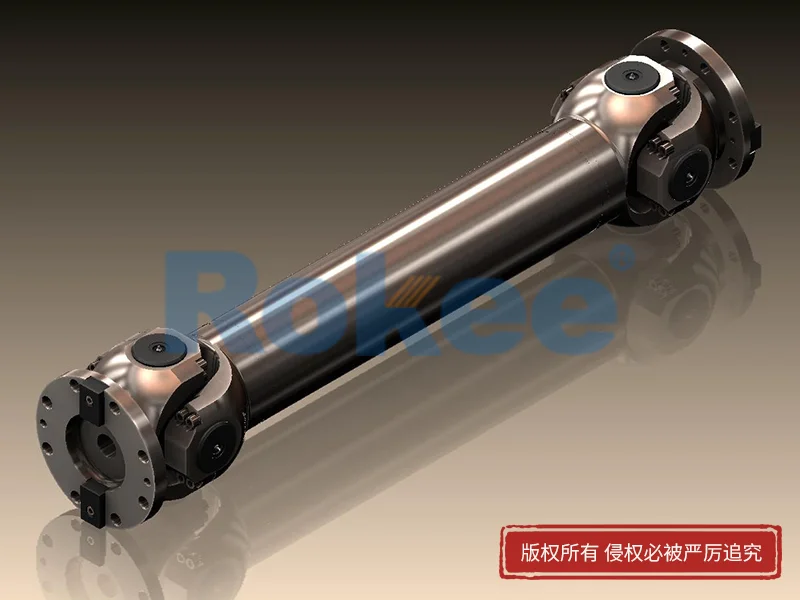
Universal shaft joints, also widely known as universal couplings or cardan joints, stand as one of the most fundamental and versatile mechanical transmission components in modern engineering machinery and power transmission systems. Serving as a flexible connecting medium between two rotating shafts, these ingenious mechanical structures are specifically designed to transmit continuous torque and rotational motion while accommodating unavoidable misalignment, angular deflection, and relative displacement between connected shafts. In ideal mechanical design scenarios, power transmission shafts are arranged in perfect coaxial alignment to ensure stable and efficient energy transfer, yet practical operating environments are far from ideal. Equipment installation deviations, structural deformation under load, mechanical vibration, and dynamic positional changes of moving components all lead to persistent angular and positional offsets between driving and driven shafts. It is in these complex and variable working conditions that universal shaft joints exert their irreplaceable functional advantages, enabling reliable power transmission for a vast array of mechanical equipment across civilian, industrial, and engineering fields.
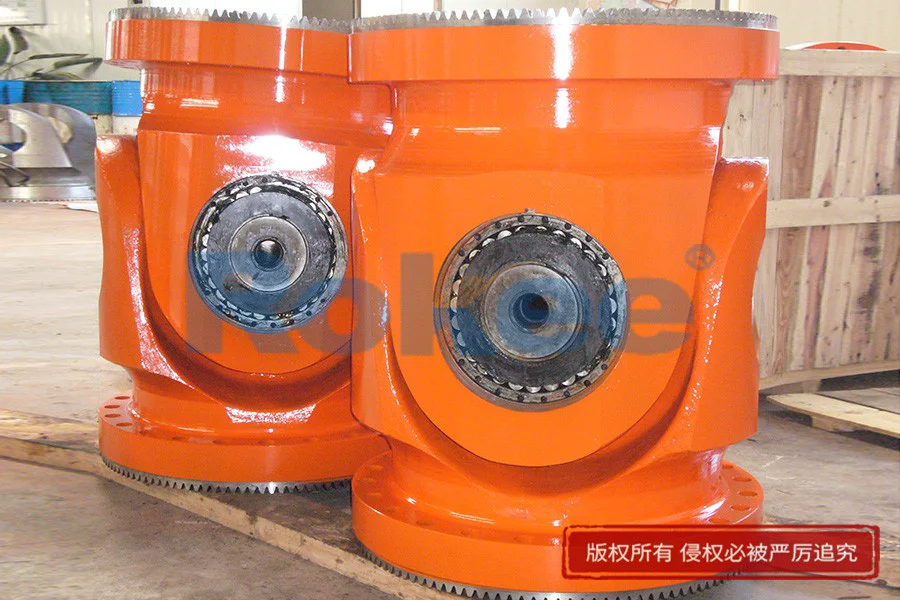
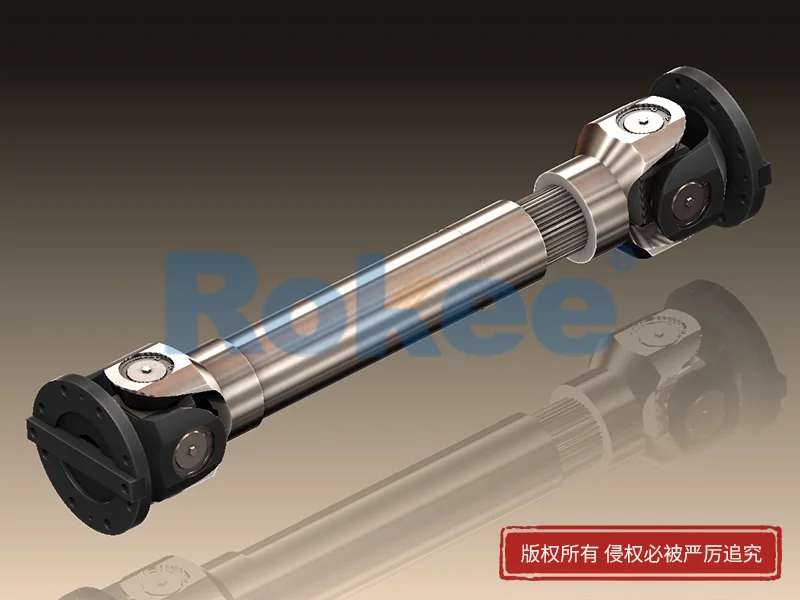
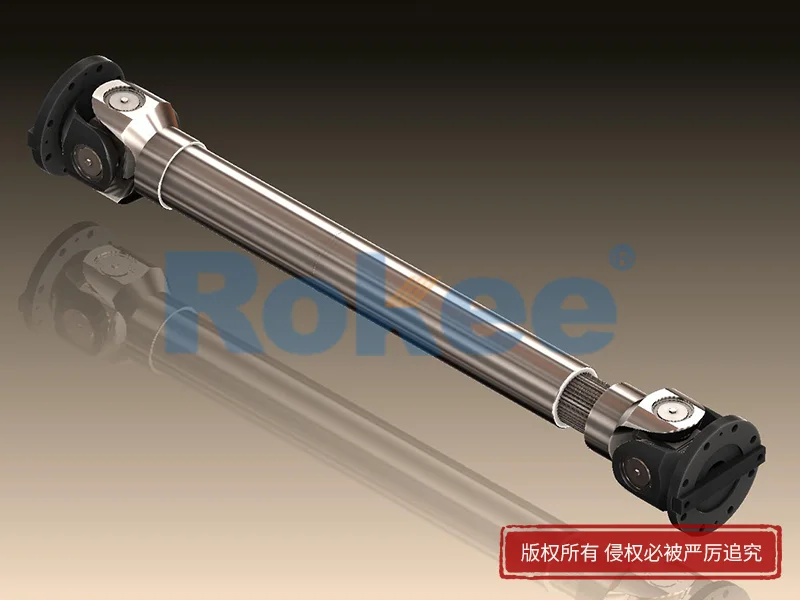
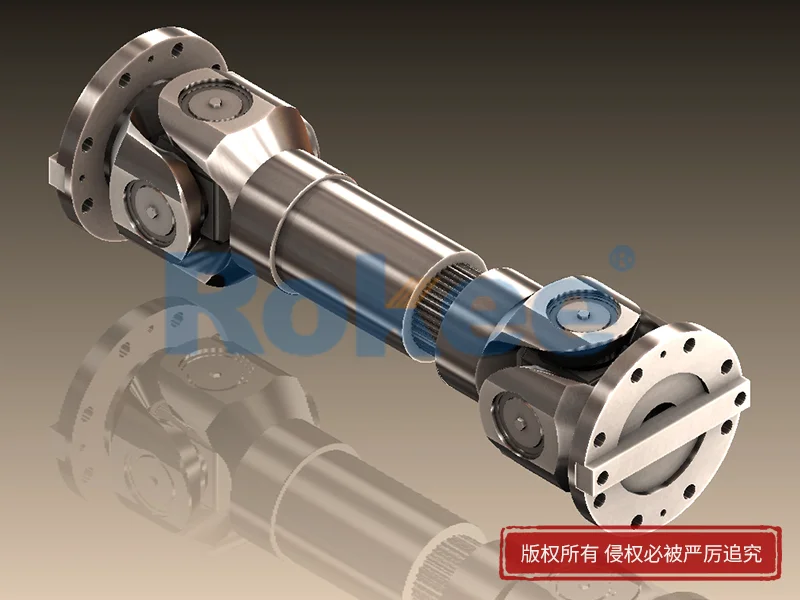
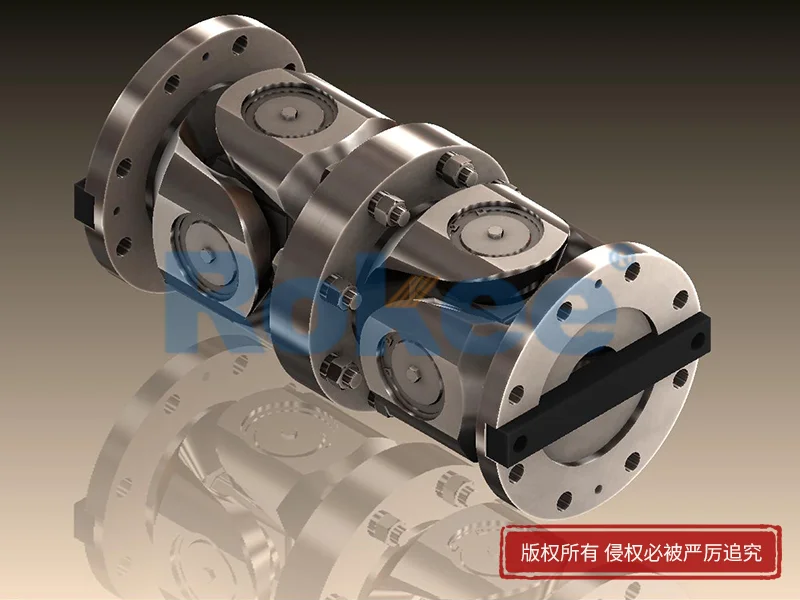
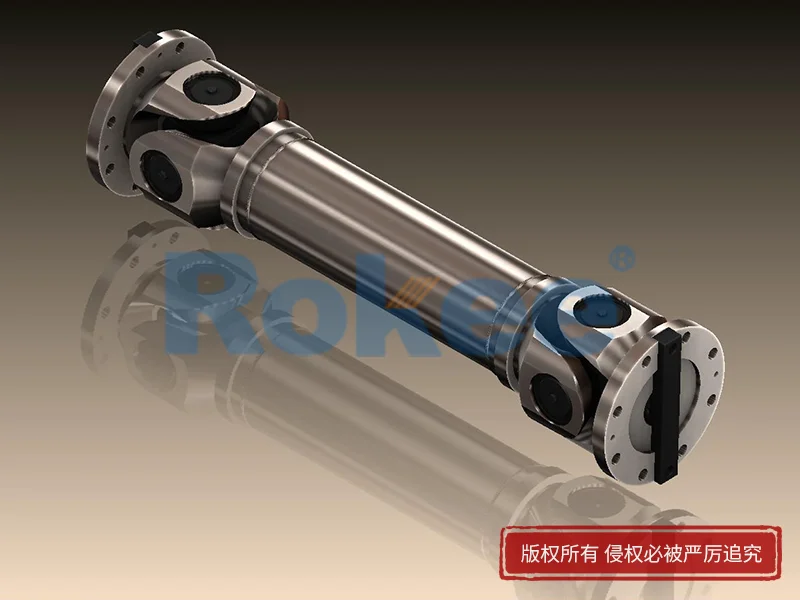
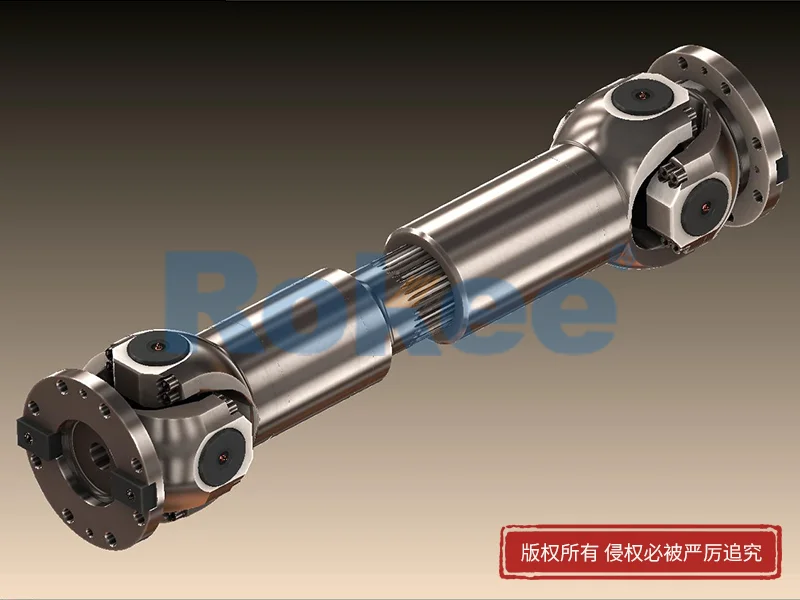
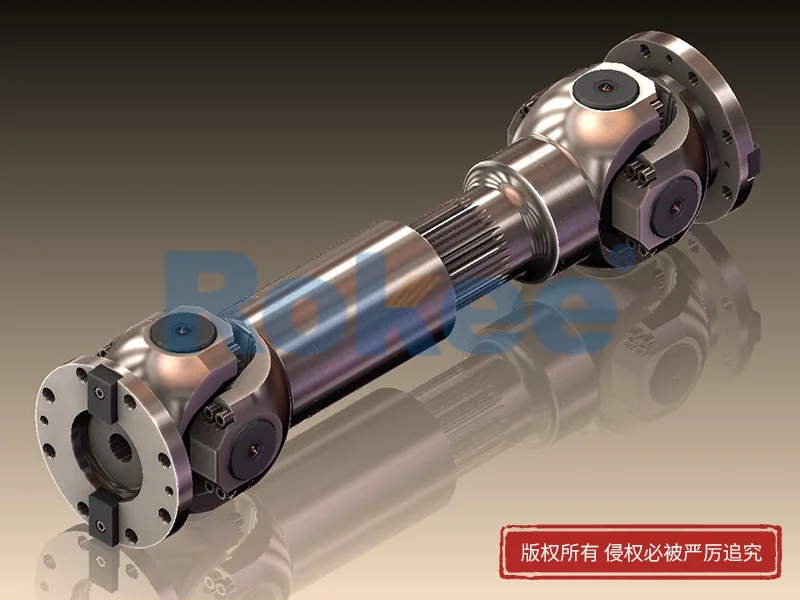
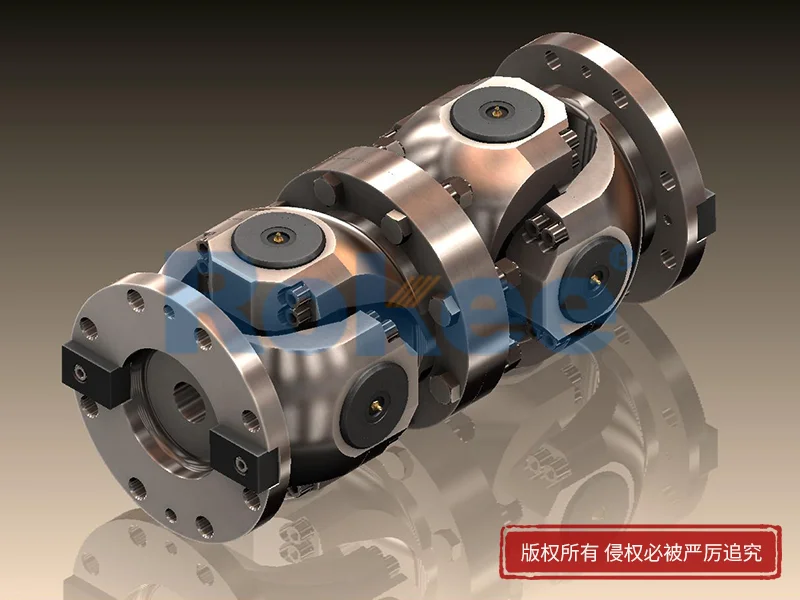
The basic structural composition of universal shaft joints follows a mature spatial linkage mechanism design, with the cross-axis universal joint being the most mainstream and widely applied type in industrial practice. This core structure consists of three key functional parts: two symmetrical fork-shaped end connectors commonly referred to as yokes, and a central cross-shaped intermediate component known as a spider or cross shaft. Each end of the cross shaft is equipped with precision bearing assemblies that connect flexibly with the bearing holes of the two yokes, forming a dual-axis pivoting structure with two mutually perpendicular rotation degrees of freedom. One yoke is fixedly mounted on the power input shaft, while the other is connected to the power output shaft. This unique structural layout allows the cross shaft to perform continuous spatial rotational and swinging movements during operation, effectively adapting to the angular deflection between the input and output shafts and realizing uninterrupted torque transmission. Unlike rigid shaft couplings that strictly require coaxial alignment, the articulated flexible structure of universal shaft joints can compensate for angular deviation, radial displacement, and minor axial displacement simultaneously, making it highly adaptable to complex installation and operating conditions.
The working principle of universal shaft joints is rooted in spatial mechanical kinematics and linkage motion conversion theory. When the input shaft drives the connected driving yoke to rotate at a constant speed, the yoke transmits rotational force to the cross shaft through the bearing connection. Driven by the periodic rotation of the driving yoke, the cross shaft undergoes compound motion combining circular rotation and directional swing in three-dimensional space. The four shaft ends of the cross shaft revolve around their respective bearing centers in a regular circular trajectory, which further drives the driven yoke and the connected output shaft to complete synchronous rotational movement. Through this spatial motion conversion mechanism, the universal joint successfully transfers power from the input shaft to the output shaft even when the two shafts form a certain included angle, known as the operating angle in professional engineering terms. The maximum adaptable operating angle of conventional universal shaft joints can reach approximately 37 degrees under extreme conditions, while optimized structural designs in high-performance models can slightly expand this range. Nevertheless, long-term engineering practice verifies that maintaining the operating angle within 15 to 30 degrees can balance transmission efficiency and component wear to achieve the most stable operating state.
A notable inherent mechanical characteristic of single cross-axis universal shaft joints is the non-uniform speed transmission feature, which constitutes a core technical detail in their practical application. When the input shaft rotates at a constant angular velocity and an included angle exists between the input and output shafts, the angular velocity of the output shaft fluctuates periodically within a single rotation cycle. This speed variation occurs in a regular sinusoidal pattern, accelerating and decelerating alternately twice per revolution. The magnitude of the velocity fluctuation is positively correlated with the size of the operating angle: the larger the deflection angle between the two shafts, the more obvious the speed instability and the greater the resulting torsional vibration and mechanical impact. To eliminate the adverse effects of non-uniform transmission, engineering designs commonly adopt a dual universal joint combination layout. By installing two single universal joints in series on the same transmission shaft and reasonably adjusting the phase angle and installation spacing, the periodic velocity fluctuation generated by the first joint can be completely offset by the second one. This combined structure effectively realizes constant-speed synchronous transmission between the input and output shafts, greatly improving transmission stability and reducing dynamic load impact on mechanical components.
The functional advantages of universal shaft joints extend far beyond their misalignment compensation capability, covering multiple dimensions of mechanical performance, structural adaptability, and operational reliability. First and foremost, their outstanding structural flexibility enables them to adapt to dynamic working conditions where the relative position of shafts changes in real time. In engineering machinery and mobile equipment, mechanical frames often produce elastic deformation under heavy load, and working components frequently generate positional displacement during movement. Universal shaft joints can follow these dynamic changes automatically without interrupting power transmission, ensuring continuous and stable operation of the entire equipment system. Secondly, these components feature a simple and compact structural design with fewer matching parts, which reduces the risk of mechanical failure caused by excessive component coordination. The standardized structural form facilitates mass production, precision processing, and convenient assembly and disassembly, greatly lowering equipment maintenance difficulty and operational costs in long-term use.
In addition, universal shaft joints exhibit excellent load-bearing performance and environmental adaptability. Made of high-strength alloy materials through precision forging, heat treatment, and finish machining, mainstream products possess high torsional rigidity, fatigue resistance, and impact resistance, enabling them to withstand high torque, variable load, and frequent start-stop working states. The sealed bearing structure effectively isolates internal moving parts from external dust, moisture, and abrasive particles, allowing normal operation in harsh working environments such as field construction sites, agricultural operation areas, and dusty industrial workshops. Compared with other flexible transmission components, universal shaft joints have lower power loss during operation, with stable transmission efficiency remaining at a high level even under large-angle deflection and variable load conditions, meeting the high-efficiency operation requirements of most mechanical power systems.
The application scenarios of universal shaft joints cover almost all fields involving mechanical power transmission, showing extremely high industrial universality. In the field of transportation machinery, they serve as core transmission components in vehicle power systems, connecting automobile engine output shafts, gearbox shafts, and drive axles. During vehicle driving, the suspension system constantly stretches and compresses with road conditions, causing continuous changes in the relative position and angle of transmission shafts. Universal shaft joints flexibly adapt to these dynamic changes, ensuring stable power output from the engine to the wheels and guaranteeing smooth vehicle driving and steering flexibility. In engineering machinery such as excavators, loaders, and cranes, universal shaft joints are widely used in walking transmission systems, hydraulic power output mechanisms, and working device drive systems, adapting to the severe vibration and large displacement changes generated during heavy-load operation of engineering equipment.
In agricultural machinery, universal shaft joints play a vital role in connecting tractor power output ends with various agricultural implements including harvesters, plows, and seeders. Field operation environments are complex and changeable with uneven ground and frequent equipment jolts, and the flexible transmission performance of universal joints effectively avoids transmission shaft jamming and component damage caused by positional deviation, ensuring continuous and efficient completion of farming operations. In general industrial machinery, they are applied to conveyor equipment, printing machinery, textile machinery, and automated production lines, compensating for installation errors of transmission shafts and micro-displacements generated during equipment operation to maintain the precision and stability of mechanical transmission. Furthermore, universal shaft joints are also widely used in aerospace equipment, precision instrumentation, and special mechanical equipment, where customized lightweight, high-precision, or corrosion-resistant structural designs are adopted to meet the rigorous working requirements of specialized fields.
Long-term stable operation of universal shaft joints relies on scientific structural design, standardized installation, and reasonable daily maintenance. In the design and selection stage, matching specifications must be determined strictly according to actual working parameters including transmission torque, operating angle, rotation speed, and working environment. Excessively small specifications will lead to insufficient load-bearing capacity and accelerated fatigue damage, while excessive matching will cause structural redundancy and increased mechanical inertia, affecting transmission sensitivity. For dual-joint combined transmission structures, it is essential to ensure the parallelism of the two shaft ends and the consistency of the joint installation phase to avoid residual velocity fluctuation and additional torsional vibration. During equipment operation, excessive operating angles should be avoided for a long time, as extreme deflection will sharply increase bearing friction and component wear, reducing service life and inducing transmission noise and vibration.
Daily maintenance work mainly focuses on lubrication inspection and structural condition monitoring. The bearing friction pairs inside universal shaft joints require long-term stable lubrication to reduce wear and heat generation. Regular replenishment of high-performance lubricating grease can effectively avoid dry friction, component ablation, and premature fatigue failure. Meanwhile, it is necessary to regularly check the tightness of connecting fasteners and the integrity of the sealing structure to prevent loose connection caused by long-term vibration or lubricant leakage caused by damaged seals. For equipment operating under high load and harsh environments, regular disassembly and inspection of cross shaft wear, bearing clearance, and yoke deformation are required, with timely replacement of worn failed components to eliminate potential safety hazards. Scientific maintenance can not only extend the service life of universal shaft joints but also maintain the long-term stability and efficiency of the entire mechanical transmission system.
With the continuous upgrading of modern manufacturing technology and the rapid development of intelligent mechanical equipment, universal shaft joint technology is also evolving toward high precision, high durability, lightweight, and intelligent adaptation. Traditional universal joint structures are constantly optimized in material selection and structural design, with new high-strength, wear-resistant, and corrosion-resistant alloy materials applied to improve component comprehensive performance and environmental adaptability. Structural optimization designs such as integrated forging and precision tooth matching effectively reduce mechanical gaps and transmission vibration, improving transmission precision and stability. In addition, with the development of automated and intelligent equipment, some improved universal joint structures have realized adaptive adjustment of deflection angles and real-time monitoring of operating status, further enhancing the safety and reliability of mechanical system operation.
As an indispensable basic mechanical component in modern industry, universal shaft joints support the normal operation of countless mechanical equipment with their unique flexible transmission performance and strong environmental adaptability. Although their structural principle is relatively mature, their core application value remains irreplaceable in the entire mechanical transmission field. From daily civilian mechanical equipment to heavy industrial engineering machinery and high-end precision equipment, universal shaft joints undertake the important task of connecting power transmission links, resolving various positional and angular deviations in mechanical operation, and ensuring the efficient, stable, and safe operation of mechanical systems. In the future, with the continuous progress of industrial manufacturing technology and the continuous expansion of mechanical equipment application scenarios, universal shaft joints will continue to iterate and upgrade in performance and structure, providing more reliable core support for the development of modern mechanical engineering and industrial automation.
pu sandwich panel line,pu sandwich panel machine,sandwich panel machine
« Universal Shaft Joints » Latest Update Date: Jun 18, 2026
https://www.rokeecoupling.net/tags/universal-shaft-joints.html