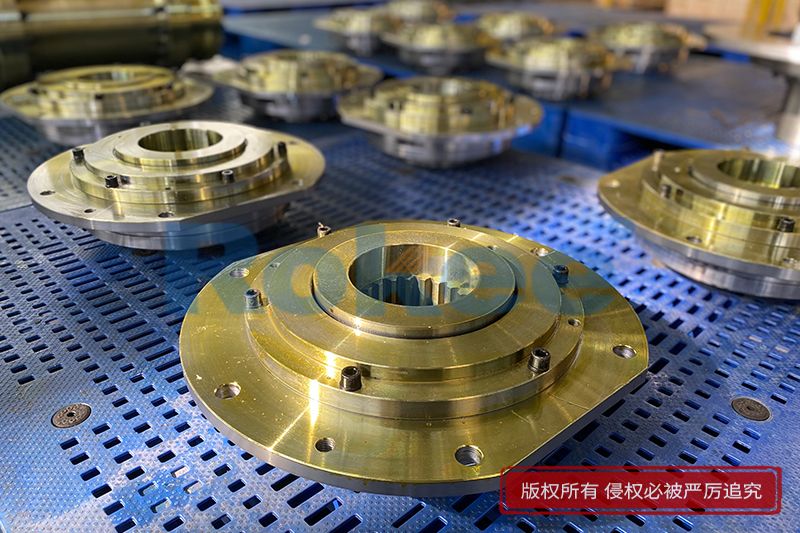
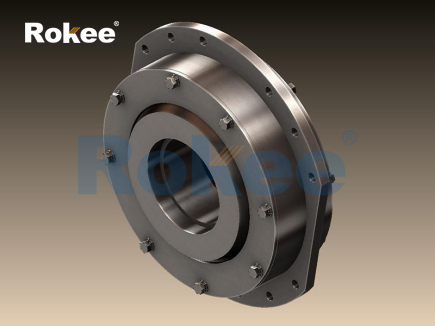
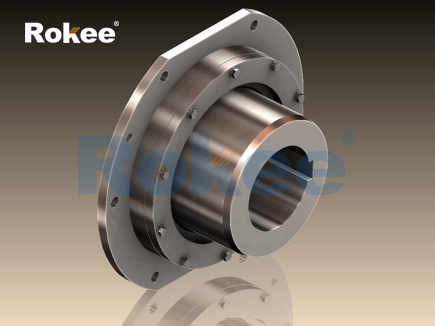
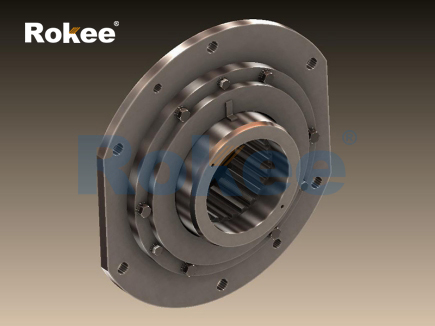
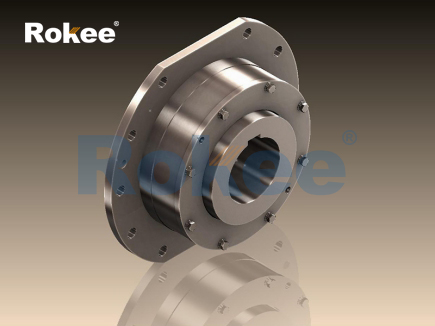
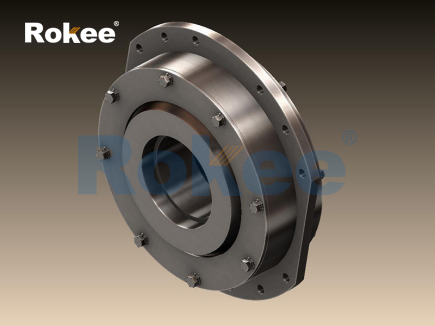
In the realm of material handling and workshop operations, the smooth and efficient movement of heavy loads is a cornerstone of productivity and safety. Shop travellers, essential equipment in workshops, factories, and industrial settings, rely on a range of components to function seamlessly, and among these, the barrel coupling plays a pivotal role. A barrel coupling designed for shop travellers is a specialized mechanical component engineered to connect rotating shafts, transmit torque, and accommodate minor misalignments, ensuring that the shop traveller operates with precision, reliability, and longevity. Unlike generic couplings, those tailored for shop travellers are crafted to meet the unique demands of material handling applications, where consistent performance under varying loads and operating conditions is non-negotiable. Whether used in small workshops or large industrial facilities, the barrel coupling serves as a critical link between the motor, reducer, and the moving parts of the shop traveller, enabling the efficient transfer of power while minimizing wear and tear on the entire system.

To understand the significance of barrel couplings for shop travellers, it is first essential to grasp the function of a shop traveller itself. A shop traveller, often referred to as a workshop crane or overhead traveller, is a mobile or fixed device used to lift, move, and position heavy objects within a workshop environment. It typically consists of a bridge structure, a trolley that moves along the bridge, a hoist for lifting loads, and a drive system that powers the movement of the trolley and hoist. The drive system, which includes motors and reducers, relies on couplings to transfer rotational power from the motor to the reducer, and from the reducer to the wheels or other moving components of the traveller. Without a reliable coupling, the transfer of torque would be inefficient, leading to slippage, vibration, and potential damage to the motor, reducer, or other critical parts. This is where the barrel coupling comes into play, as it is specifically designed to handle the torque requirements of shop travellers, while also accommodating the minor misalignments that can occur during operation due to load variations, structural movement, or installation tolerances.
The design of a barrel coupling for shop travellers is optimized to balance strength, flexibility, and durability. Unlike rigid couplings, which offer no flexibility and can transmit vibrations and misalignments directly to the connected components, barrel couplings feature a cylindrical, barrel-shaped body that allows for a degree of angular, parallel, and axial misalignment. This flexibility is crucial in shop traveller applications, where the shafts of the motor and reducer may not always be perfectly aligned, especially as the equipment ages or is subjected to heavy loads. The barrel shape of the coupling provides a larger contact area between the coupling and the shafts, distributing torque evenly and reducing stress concentrations that can lead to premature failure. Additionally, the cylindrical design helps to dampen vibrations generated by the motor or during load movement, which not only protects the coupling itself but also extends the lifespan of the entire drive system.
The construction materials of barrel couplings for shop travellers are carefully selected to withstand the harsh conditions of workshop environments. Most barrel couplings are made from high-strength steel or alloy materials, which offer excellent tensile strength, wear resistance, and resistance to corrosion. These materials are capable of handling the high torque loads generated by shop travellers, even when lifting heavy objects or operating continuously for extended periods. Some couplings may also feature a protective coating or surface treatment to enhance their resistance to rust, dust, and other contaminants commonly found in workshops. The choice of material depends on the specific application requirements, such as the maximum torque capacity, operating temperature, and the presence of corrosive substances in the environment. For example, in workshops where moisture or chemicals are present, couplings may be made from stainless steel or other corrosion-resistant alloys to ensure long-term reliability.
One of the key features of barrel couplings for shop travellers is their ability to transmit large torques while maintaining structural integrity. Shop travellers often need to lift and move heavy loads, which places significant stress on the drive system. The barrel coupling is designed to handle these high torque loads without slipping or deforming, ensuring that the power from the motor is efficiently transferred to the moving components of the traveller. This is achieved through the use of precision machining and tight tolerances, which ensure a secure fit between the coupling and the shafts. The inner surface of the barrel coupling is typically machined to a smooth finish, allowing for easy installation and reducing friction between the coupling and the shafts. Some barrel couplings also feature keyways or set screws to further secure the coupling to the shafts, preventing any relative movement during operation.
Another important aspect of barrel couplings for shop travellers is their ability to accommodate misalignments. Misalignments can occur for a variety of reasons, including improper installation, structural deflection under load, or wear and tear on the equipment. Angular misalignment, where the shafts are not perfectly parallel, and parallel misalignment, where the shafts are offset from each other, are common in shop traveller applications. Barrel couplings are designed to compensate for these misalignments by allowing a small degree of movement between the connected shafts. This flexibility helps to reduce stress on the motor, reducer, and bearings, preventing premature failure and reducing maintenance costs. The amount of misalignment that a barrel coupling can accommodate depends on its design and size, with larger couplings typically able to handle greater misalignments.
In addition to transmitting torque and accommodating misalignments, barrel couplings for shop travellers also play a role in protecting the drive system from shock loads. Shop travellers often experience sudden changes in load, such as when a heavy object is lifted or lowered, which can generate shock loads that are transmitted through the drive system. The barrel coupling acts as a buffer, absorbing some of these shock loads and reducing their impact on the motor and reducer. This not only protects the drive system but also improves the overall stability and safety of the shop traveller. The flexible nature of the barrel coupling allows it to deform slightly under shock loads, dissipating energy and preventing damage to the connected components.
The installation of a barrel coupling for a shop traveller requires careful attention to detail to ensure optimal performance. Before installation, the shafts of the motor and reducer should be cleaned and inspected for any damage, such as scratches or burrs, which could affect the fit of the coupling. The coupling should be properly aligned with the shafts to minimize initial misalignment, as excessive misalignment can lead to increased wear and reduced lifespan. During installation, it is important to ensure that the coupling is securely fastened to the shafts using the appropriate hardware, such as set screws or keyways. It is also important to check the alignment of the coupling after installation, using tools such as a straightedge or laser alignment tool, to ensure that any misalignments are within the acceptable range. Proper installation not only ensures the efficient operation of the coupling but also reduces the risk of premature failure and costly downtime.
Maintenance is another critical factor in ensuring the longevity and performance of barrel couplings for shop travellers. Regular maintenance helps to identify potential issues early, preventing them from developing into more serious problems that could lead to equipment failure. Maintenance tasks for barrel couplings include regular inspection for wear, damage, or loose fasteners. The coupling should be checked for signs of corrosion, cracks, or deformation, which could indicate that it is nearing the end of its lifespan. Additionally, the lubrication of the coupling is important, as it helps to reduce friction between the coupling and the shafts, preventing wear and extending the coupling's life. The type of lubricant used depends on the coupling's design and operating conditions, and it should be replaced at regular intervals according to the manufacturer's recommendations. In workshops with harsh environments, more frequent maintenance may be required to ensure that the coupling remains in good working condition.
The performance of a shop traveller is directly influenced by the quality and functionality of its barrel coupling. A well-designed and properly maintained barrel coupling ensures that the shop traveller operates smoothly, efficiently, and safely, reducing downtime and increasing productivity. In contrast, a poorly designed or worn coupling can lead to frequent breakdowns, increased maintenance costs, and even safety hazards. For example, a coupling that slips or fails during operation could cause the load to drop, leading to damage to the load or injury to personnel. Therefore, selecting the right barrel coupling for a shop traveller is crucial, and it should be based on the specific requirements of the application, such as the maximum torque capacity, operating speed, and misalignment tolerance.
There are several factors to consider when selecting a barrel coupling for a shop traveller. First, the torque capacity of the coupling must be sufficient to handle the maximum torque generated by the motor and the load. If the coupling is not rated for the required torque, it will likely fail prematurely. Second, the coupling must be able to accommodate the expected misalignments between the motor and reducer shafts. Third, the size of the coupling must be compatible with the shaft diameters of the motor and reducer. Additionally, the operating environment should be considered, as factors such as temperature, moisture, and dust can affect the performance and lifespan of the coupling. By carefully considering these factors, it is possible to select a barrel coupling that meets the needs of the shop traveller and ensures reliable operation.
In industrial settings where shop travellers are used extensively, the importance of barrel couplings cannot be overstated. These couplings are essential for ensuring the efficient transfer of power, accommodating misalignments, and protecting the drive system from damage. They are designed to withstand the harsh conditions of workshop environments, including heavy loads, vibrations, and contaminants, and they require minimal maintenance when properly installed and cared for. As material handling technology continues to evolve, barrel couplings for shop travellers are also being improved, with new designs and materials that offer even greater strength, flexibility, and durability. These advancements help to enhance the performance of shop travellers, making them more efficient, reliable, and safe.
Another consideration is the role of barrel couplings in improving the overall efficiency of shop travellers. By minimizing energy loss through efficient torque transfer, barrel couplings help to reduce the energy consumption of the shop traveller, which can lead to cost savings over time. Additionally, the reduced wear and tear on the drive system due to the coupling's ability to accommodate misalignments and absorb shock loads means that maintenance costs are lower, and the lifespan of the equipment is extended. This is particularly important in large industrial facilities where shop travellers are used continuously, as downtime can be extremely costly. A reliable barrel coupling helps to minimize downtime, ensuring that the shop traveller is available when needed.
It is also worth noting that barrel couplings for shop travellers are not a one-size-fits-all solution. Different shop travellers have different requirements, depending on their size, load capacity, and operating conditions. For example, a small shop traveller used in a small workshop may require a smaller, lighter barrel coupling, while a large industrial shop traveller used to lift heavy loads may require a larger, more robust coupling. Additionally, the type of misalignment that the coupling needs to accommodate may vary, with some applications requiring greater angular misalignment tolerance and others requiring greater parallel misalignment tolerance. Therefore, it is important to work with a knowledgeable supplier or engineer to select the right barrel coupling for a specific shop traveller application.
In conclusion, barrel couplings are an essential component of shop travellers, playing a critical role in ensuring the efficient, reliable, and safe operation of these important material handling devices. Their unique design, which balances strength, flexibility, and durability, makes them ideal for the demands of workshop environments, where heavy loads, vibrations, and misalignments are common. By transmitting torque efficiently, accommodating misalignments, absorbing shock loads, and requiring minimal maintenance, barrel couplings help to improve the performance and lifespan of shop travellers, reducing downtime and increasing productivity. Whether used in small workshops or large industrial facilities, barrel couplings are a key investment that pays off in terms of improved efficiency, reduced maintenance costs, and enhanced safety. As the demand for more efficient and reliable material handling equipment continues to grow, the importance of barrel couplings for shop travellers will only increase, making them an indispensable component in the world of industrial and workshop operations.
- Tags:
- Barrel Couplings ,
- sandwich panel line ,
- sandwich panel machine
- pu sandwich panel machine
« Barrel Coupling For Shop Traveller » Latest Update Date: May 9, 2026
https://www.rokeecoupling.net/blog/barrel-coupling-for-shop-traveller.html