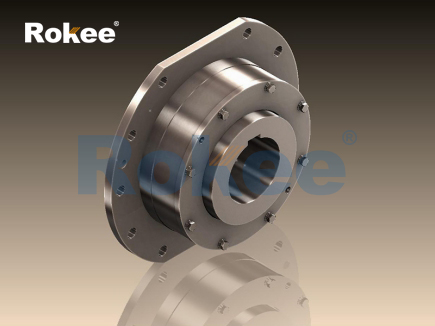
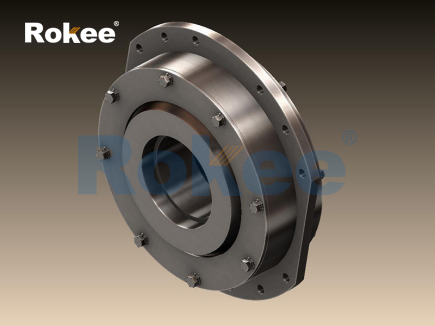
Traveling cranes are indispensable equipment in modern industrial production, widely used in factories, ports, warehouses, and construction sites to lift, move, and position heavy loads. These cranes rely on a complex transmission system to convert the power of the motor into the mechanical motion required for lifting and traveling, and among the numerous components in this system, the barrel coupling plays a crucial and irreplaceable role. As a key connecting part, it serves as the bridge between the reducer’s power output shaft and the crane’s drum, ensuring the stable transmission of torque, compensating for shaft misalignment, and protecting the entire transmission system from damage. Without a high-performance barrel coupling, the traveling crane’s operation would be unstable, inefficient, and even prone to serious safety accidents, highlighting the vital significance of this component in ensuring the crane’s normal and safe operation.
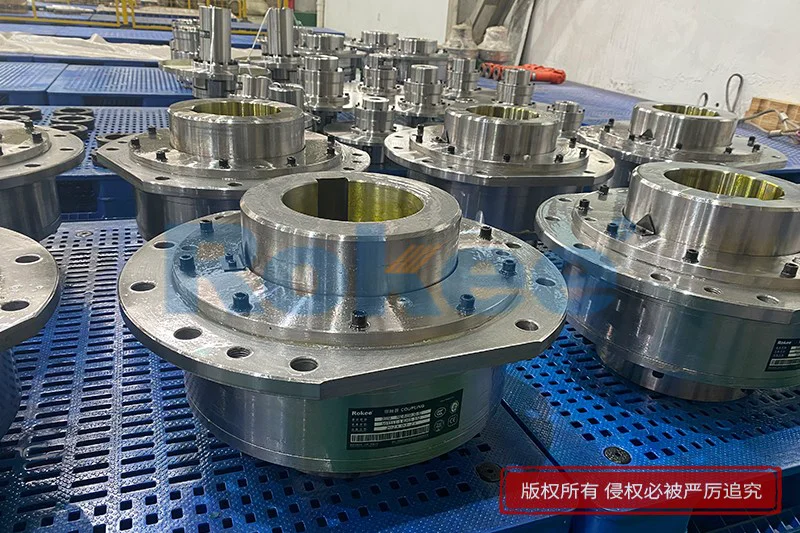
A barrel coupling for traveling cranes is a specialized transmission device designed to adapt to the harsh working conditions of cranes, which often involve heavy loads, frequent starts and stops, variable speeds, and occasional shock loads. Unlike ordinary couplings used in general mechanical equipment, barrel couplings for traveling cranes are engineered with unique structural features to meet the specific requirements of crane transmission systems. They not only need to transmit large torques reliably but also must withstand significant radial loads generated during the crane’s operation, as well as compensate for minor angular and axial misalignments between the reducer shaft and the drum shaft caused by installation errors, mechanical wear, or structural deformation. This combination of functions ensures that the power transmission process is smooth and efficient, reducing vibration and noise, and extending the service life of the entire transmission system.
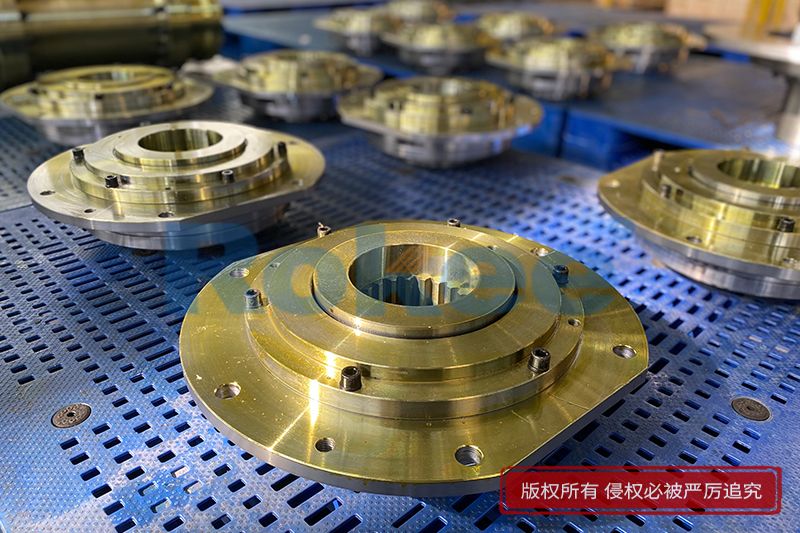
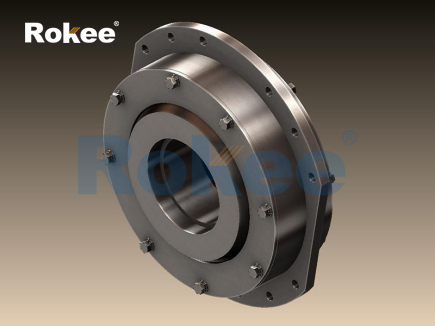
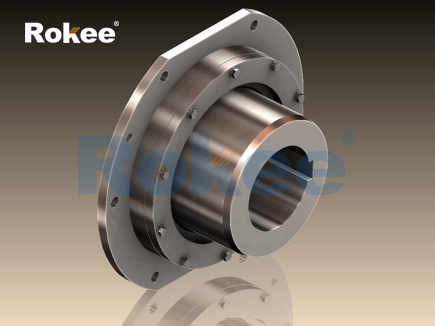
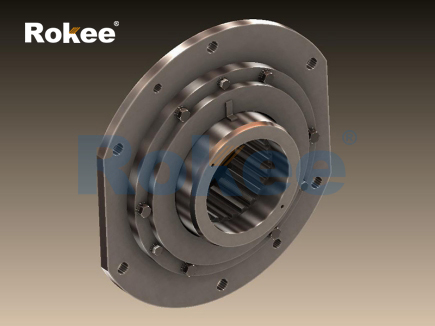
The basic structure of a barrel coupling for traveling cranes typically consists of a housing, a hub, barrel rollers, sealing components, and retaining parts, each of which plays a critical role in the overall performance of the coupling. The housing and hub are usually made of high-strength materials to ensure they can withstand the large torques and loads encountered during operation. The housing is equipped with semicircular internal toothing, while the hub has matching semicircular external toothing, and the barrel rollers—usually made of hardened steel—are inserted into the circular gaps formed by the meshing of the housing and hub teeth. These barrel rollers serve as the core power transmission elements, transferring torque from the hub to the housing (or vice versa) through rolling contact, which minimizes friction and wear compared to sliding contact in other types of couplings.
The design of the barrel rollers is one of the key features that distinguish barrel couplings from other types of couplings. The curved surface of the barrel rollers allows for a larger contact area with the toothing of the housing and hub, which not only enhances the torque transmission capacity but also enables the coupling to compensate for angular misalignments between the connected shafts. Depending on the specific design and size of the coupling, the maximum angular displacement compensation can reach several degrees, which is crucial for accommodating the minor misalignments that inevitably occur in crane transmission systems due to installation inaccuracies or structural deformation over time. Additionally, the barrel roller design helps to distribute radial loads more evenly across the coupling components, reducing stress concentration and improving the overall durability of the coupling.
Sealing components are another essential part of the barrel coupling, as they prevent foreign particles such as dust, dirt, and moisture from entering the internal structure of the coupling, which could cause premature wear, corrosion, or damage to the barrel rollers and toothing. Common sealing solutions include lip seals, which are installed between the housing and hub to create a tight seal while allowing for slight relative movement between the components. These seals also help to retain the lubricant inside the coupling, ensuring that the barrel rollers and toothing remain properly lubricated to minimize friction and wear. Proper lubrication is critical for the long-term performance of the barrel coupling, as it reduces the friction between moving parts, dissipates heat generated during operation, and prevents corrosion.
There are several types of barrel couplings designed for traveling cranes, each with unique structural characteristics and performance advantages to adapt to different crane models and operating conditions. One common type is the spherical hinged barrel coupling, which features a connecting flange with an inner spherical surface and a spherical semi-coupling sleeve with an outer spherical surface. This design allows for greater angular displacement compensation, making it suitable for crane systems where misalignment between the reducer shaft and drum shaft is more significant. The internal structure of this type of coupling often adopts a splined sleeve design, which transmits torque through specially designed key bars and can withstand large torques and radial loads, ensuring safe and reliable operation even under heavy working conditions.
Another type is the drum-tooth barrel coupling, which is specifically designed for connecting the reducer of the crane transmission system to the drum. This type of coupling can bear large radial loads and transmit high torques but is not capable of transferring axial loads. Its simple and robust structure makes it suitable for use in cranes with relatively stable operating conditions and minimal axial movement requirements. Spherical roller barrel couplings are also widely used in traveling cranes, consisting of a jacket with a connecting flange, spherical rollers, semi-couplings, inner and outer cover plates, and a sealing system. These couplings are capable of transmitting large torques and bearing radial loads, and the use of spherical rollers further enhances their ability to compensate for misalignments, making them ideal for cranes operating in harsh or variable conditions.
The performance of a barrel coupling for traveling cranes is influenced by several key factors, including material selection, manufacturing precision, and design parameters. Material selection is particularly critical, as the coupling components must be strong enough to withstand the large torques, radial loads, and shock loads encountered during crane operation. High-strength steel alloys are commonly used for the housing, hub, and barrel rollers, as they offer excellent tensile strength, bending strength, and wear resistance. Some components may also undergo surface treatments such as hardening or coating to further enhance their durability and resistance to corrosion and wear.
Manufacturing precision is another important factor that affects the performance of the barrel coupling. The toothing of the housing and hub, as well as the surface finish of the barrel rollers, must be machined to high tolerances to ensure smooth meshing and rolling contact between the components. Any deviations in the machining precision can lead to uneven load distribution, increased friction, vibration, and noise, which can reduce the service life of the coupling and the entire transmission system. Strict quality control during the manufacturing process is therefore essential to ensure that each component meets the required specifications and performance standards.
In addition to material and manufacturing factors, the design parameters of the barrel coupling also play a crucial role in its performance. The size of the coupling, including the bore diameter, outer diameter, and overall length, must be matched to the specific requirements of the traveling crane, ensuring that it can transmit the required torque and withstand the radial loads without being oversized or undersized. The number and size of the barrel rollers, as well as the curvature of their surfaces, are also carefully designed to optimize torque transmission, misalignment compensation, and load distribution. A well-designed barrel coupling will balance the need for high torque capacity, misalignment compensation, and durability, ensuring reliable performance in the demanding operating environment of traveling cranes.
The installation and maintenance of barrel couplings for traveling cranes are critical to ensuring their long-term performance and reliability. Proper installation is essential to minimize misalignment between the connected shafts, as excessive misalignment can lead to increased stress, vibration, and premature wear of the coupling components. During installation, it is important to ensure that the reducer shaft and drum shaft are aligned as accurately as possible, using appropriate tools to measure and adjust the alignment. The coupling should also be installed with the correct torque on the fasteners to ensure a secure connection, and the sealing components should be properly fitted to prevent lubricant leakage and foreign particle ingress.
Lubrication is a key aspect of maintenance for barrel couplings, as insufficient or improper lubrication can lead to excessive friction, wear, and overheating. The type of lubricant used should be suitable for the operating conditions of the crane, including the temperature range, load capacity, and operating speed. Regular lubrication checks should be performed to ensure that the coupling is properly lubricated, and the lubricant should be replaced at regular intervals to maintain its effectiveness. Additionally, the sealing components should be inspected regularly for signs of wear or damage, and replaced if necessary to prevent lubricant leakage and contamination.
Regular inspection of the barrel coupling is also essential to detect potential issues early and prevent catastrophic failure. During inspections, maintenance personnel should check for signs of wear on the barrel rollers, toothing, and other components, as well as any signs of misalignment, vibration, or noise. Wear indicators, where present, can be used to monitor the condition of the coupling and determine when components need to be replaced. If any damage or excessive wear is detected, the coupling should be disassembled and repaired or replaced promptly to avoid further damage to the transmission system or the crane itself.
The operating environment of traveling cranes can have a significant impact on the performance and service life of barrel couplings. Cranes operating in harsh environments, such as those exposed to extreme temperatures, high humidity, dust, or corrosive substances, require barrel couplings with enhanced protection against these factors. In such cases, couplings may be equipped with additional sealing layers, corrosion-resistant coatings, or protective enclosures to shield the internal components from environmental damage. Regular cleaning of the coupling surface is also recommended to remove dust, dirt, and other contaminants that could accumulate and affect the coupling’s performance.
Barrel couplings for traveling cranes also play an important role in ensuring the safety of crane operations. A reliable coupling helps to prevent power transmission failures, which could lead to load drops, crane malfunctions, or even serious accidents. The ability of the coupling to compensate for misalignments and withstand shock loads helps to maintain the stability of the crane during operation, reducing the risk of vibrations that could affect the crane’s structural integrity or the safety of the load being lifted. Additionally, some barrel couplings are equipped with wear indicators or other monitoring features that allow maintenance personnel to detect potential issues before they lead to failure, further enhancing the safety of crane operations.
In recent years, with the continuous development of industrial technology, the design and manufacturing of barrel couplings for traveling cranes have also undergone significant improvements. Advances in material science have led to the development of new high-strength, wear-resistant materials that further enhance the durability and performance of barrel couplings. Improvements in manufacturing processes, such as precision machining and heat treatment technologies, have also improved the quality and consistency of coupling components, ensuring more reliable performance. Additionally, the integration of condition monitoring technologies, such as vibration sensors and temperature monitors, has made it easier to monitor the condition of barrel couplings in real time, allowing for proactive maintenance and reducing the risk of unplanned downtime.
Despite these advancements, barrel couplings for traveling cranes still face several challenges in meeting the evolving needs of modern industrial applications. As cranes become larger and more powerful, the demand for barrel couplings with higher torque capacity and load-bearing capability continues to increase. Additionally, the trend towards more efficient and energy-saving crane systems requires couplings that minimize energy loss during power transmission, which has led to the development of more efficient designs with reduced friction and wear. The need for couplings that can adapt to more extreme operating conditions, such as high temperatures, corrosive environments, and frequent shock loads, also continues to drive innovation in barrel coupling design and manufacturing.
In conclusion, the barrel coupling is a critical component in the transmission system of traveling cranes, playing a vital role in ensuring the stable, efficient, and safe operation of these essential industrial equipment. Its unique structural design, which includes barrel rollers, high-strength components, and effective sealing systems, allows it to transmit large torques, withstand radial loads, and compensate for shaft misalignments, making it ideally suited for the demanding operating conditions of traveling cranes. Proper material selection, manufacturing precision, installation, and maintenance are essential to ensuring the long-term performance and reliability of barrel couplings. As industrial technology continues to advance, the design and performance of barrel couplings will continue to improve, further enhancing the efficiency, safety, and durability of traveling cranes in various industrial applications. Whether in factories, ports, warehouses, or construction sites, the barrel coupling remains an indispensable part of modern traveling crane systems, enabling the safe and efficient movement of heavy loads and supporting the smooth operation of industrial production processes.
- Tags:
- Barrel Couplings ,
- sandwich panel line ,
- sandwich panel machine
- pu sandwich panel machine
« Barrel Coupling For Traveling Crane » Latest Update Date: May 9, 2026
https://www.rokeecoupling.net/blog/barrel-coupling-for-traveling-crane.html