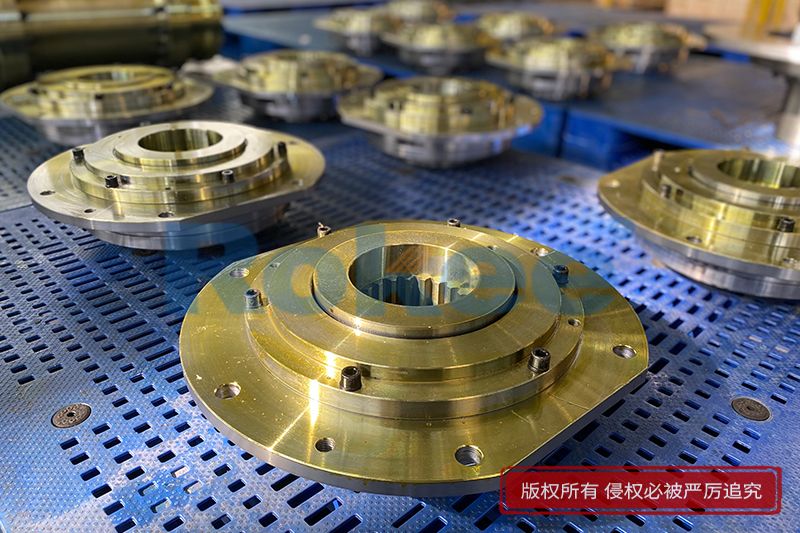
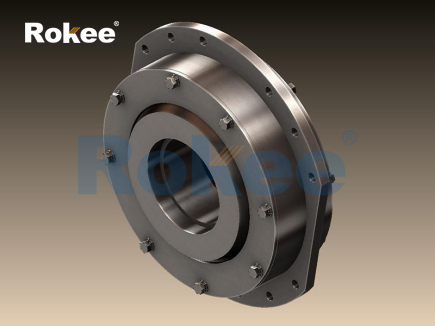
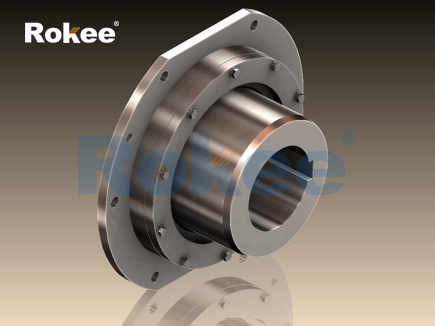
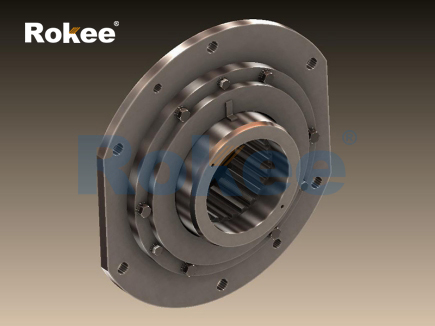
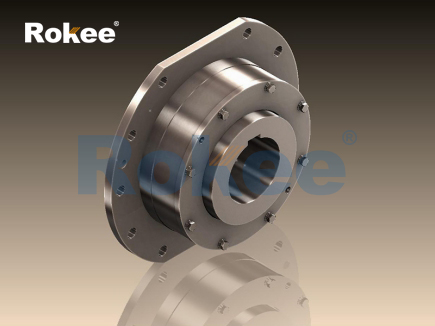
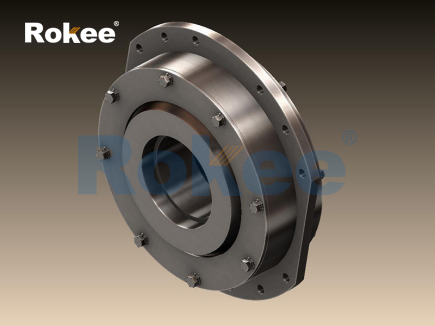
Barrel couplings are integral components in water pump systems, serving as the critical link between the pump’s drive mechanism and the piping network that transports water. These couplings, also sometimes referred to as barrel unions or union couplings, are designed to facilitate a secure, leak-tight connection while enabling efficient assembly and disassembly for maintenance or replacement. Unlike other types of couplings, barrel couplings are specifically engineered to meet the unique demands of water transfer applications, where reliability, durability, and resistance to water-related wear and corrosion are paramount. Whether used in residential water supply systems, industrial cooling loops, agricultural irrigation, or municipal water treatment plants, barrel couplings play a vital role in ensuring the smooth and efficient operation of water pump systems, minimizing downtime and maximizing performance.

The fundamental function of a barrel coupling for water pumps is to connect two sections of pipe, hose, or pump components, creating a seamless pathway for water flow while maintaining structural integrity under varying pressure and temperature conditions. Unlike rigid couplings that require precise alignment and offer little flexibility, barrel couplings are often designed with a degree of adaptability, allowing for slight misalignments in the piping system that may occur due to installation variations, thermal expansion, or mechanical stress. This flexibility is crucial in water pump applications, where even minor misalignments can lead to leaks, reduced efficiency, or premature component failure. Additionally, barrel couplings are engineered to provide a secure seal that prevents water leakage, which is essential not only for maintaining system efficiency but also for avoiding water waste, property damage, and potential safety hazards in industrial or commercial settings.
One of the key advantages of barrel couplings in water pump systems is their ease of installation and maintenance. Unlike complex coupling systems that require specialized tools or extensive technical expertise, most barrel couplings are designed for quick and straightforward assembly. Many models feature threaded connections or snap-on mechanisms that allow for easy attachment and detachment, eliminating the need for welding or permanent fastening. This simplicity not only reduces installation time and labor costs but also makes it easier to perform routine maintenance, repairs, or component replacements. For example, in a municipal water treatment plant where multiple pumps are in operation, the ability to quickly disconnect and reconnect a barrel coupling can significantly reduce downtime, ensuring that the water supply remains uninterrupted. Similarly, in residential settings, homeowners or maintenance technicians can easily access and service pump systems equipped with barrel couplings without the need for specialized equipment.
The design of barrel couplings for water pumps is influenced by the specific requirements of the application, including the pressure rating, temperature range, and type of water being transported. Water pump systems operate under a wide range of pressure conditions, from low-pressure residential systems to high-pressure industrial applications, and barrel couplings must be engineered to withstand these pressures without leaking or failing. High-pressure applications, such as industrial cooling systems or fire suppression pumps, require barrel couplings with thicker walls, reinforced construction, and robust sealing mechanisms to ensure they can handle the increased stress. In contrast, low-pressure applications, such as residential irrigation systems, may use lighter-duty barrel couplings that are still reliable but more cost-effective.
Temperature is another critical factor in the design of barrel couplings for water pumps. Water pump systems can handle water at varying temperatures, from cold groundwater to hot industrial process water, and the coupling material must be able to withstand these temperature extremes without deforming, cracking, or losing its sealing properties. For example, in applications where water temperatures are consistently high, such as in power plant cooling systems, barrel couplings must be made from materials that can resist thermal expansion and contraction, preventing leaks or structural damage over time. Conversely, in cold climates where water may freeze, barrel couplings must be able to withstand the expansion of frozen water without cracking, ensuring that the system remains intact even in harsh weather conditions.
Material selection is a key consideration in the manufacturing of barrel couplings for water pumps, as the material directly impacts the coupling’s durability, corrosion resistance, and overall performance. The most common materials used for barrel couplings include various metals and engineered plastics, each offering distinct advantages depending on the application. Metals such as stainless steel are widely used due to their excellent corrosion resistance, strength, and durability, making them ideal for applications where water may contain chemicals, minerals, or other corrosive substances. Stainless steel barrel couplings are particularly well-suited for industrial water treatment plants, chemical processing facilities, and marine applications, where exposure to harsh environments is common.
Cast iron is another popular material for barrel couplings, especially in low-pressure applications where cost-effectiveness is a priority. Cast iron couplings are durable, affordable, and easy to manufacture, making them a common choice for residential water pumps, agricultural irrigation systems, and small-scale industrial applications. However, cast iron is more prone to corrosion than stainless steel, so it is typically used in applications where the water is relatively clean and free from corrosive agents. For applications where weight is a concern, such as portable water pumps or temporary irrigation systems, aluminum barrel couplings are often used. Aluminum is lightweight, corrosion-resistant, and easy to handle, making it ideal for applications where mobility is important.
Engineered plastics, such as polypropylene and PVC, are also used in the manufacturing of barrel couplings for water pumps, particularly in low-pressure, non-corrosive applications. Plastic couplings are lightweight, cost-effective, and resistant to a wide range of chemicals, making them suitable for residential water supply systems, swimming pool pumps, and irrigation systems. However, plastic couplings have lower pressure and temperature ratings than metal couplings, so they are not suitable for high-pressure or high-temperature applications. In recent years, there has been a growing trend towards the use of composite materials in barrel couplings, combining the strength of metal with the corrosion resistance of plastic to create couplings that offer superior performance in a wide range of applications.
The performance of a barrel coupling in a water pump system is also influenced by its sealing mechanism. A reliable seal is essential to prevent water leakage, which can reduce system efficiency, waste water, and cause damage to surrounding equipment or structures. The most common sealing mechanisms used in barrel couplings include O-rings, gaskets, and compression seals. O-rings are circular elastomeric seals that fit into a groove in the coupling, creating a tight seal when compressed. They are widely used due to their simplicity, reliability, and ability to withstand a wide range of pressures and temperatures. Gaskets, on the other hand, are flat, flexible seals that are placed between two mating surfaces of the coupling, creating a leak-tight seal when the coupling is tightened. Compression seals use pressure to create a seal, with the coupling’s design ensuring that the seal is tightened as the coupling is assembled.
In addition to their primary function of connecting piping and preventing leaks, barrel couplings for water pumps also play a role in reducing vibration and noise. Water pumps generate vibration during operation, which can be transmitted through the piping system and cause noise, discomfort, or damage to equipment. Barrel couplings with flexible components, such as elastomeric inserts, can absorb vibration and reduce noise, improving the overall performance and comfort of the system. This is particularly important in residential settings, where pump noise can be a nuisance, and in industrial settings, where excessive vibration can lead to premature wear and failure of equipment.
The application of barrel couplings for water pumps is diverse, spanning residential, commercial, industrial, and agricultural sectors. In residential settings, barrel couplings are used in water supply systems, well pumps, and irrigation systems, connecting the pump to the home’s plumbing network or irrigation lines. They are also used in swimming pool pumps, connecting the pump to the filter and return lines to ensure proper water circulation. In commercial settings, such as hotels, hospitals, and office buildings, barrel couplings are used in HVAC systems, cooling towers, and water supply systems, ensuring that water is efficiently distributed throughout the building.
In industrial settings, barrel couplings are used in a wide range of applications, including chemical processing, power generation, manufacturing, and mining. In chemical processing facilities, barrel couplings are used to connect pumps that transport water and chemical solutions, requiring couplings that are resistant to corrosion and chemical damage. In power plants, barrel couplings are used in cooling systems, connecting pumps that circulate water to cool turbines and other equipment. In manufacturing facilities, barrel couplings are used in process cooling systems, ensuring that machinery is kept at optimal temperatures to maintain performance and productivity. In mining operations, barrel couplings are used in dewatering pumps, connecting the pumps to pipelines that remove water from mining sites, requiring couplings that are durable and resistant to harsh mining environments.
Agricultural applications also rely heavily on barrel couplings for water pumps, particularly in irrigation systems. Farmers use water pumps to transport water from wells, rivers, or reservoirs to their fields, and barrel couplings are used to connect the pump to the irrigation lines, ensuring that water is efficiently distributed to crops. In large-scale agricultural operations, such as farms and plantations, barrel couplings are used in complex irrigation systems with multiple pumps and pipelines, requiring couplings that are reliable and easy to maintain. Additionally, barrel couplings are used in livestock watering systems, connecting pumps to water troughs to ensure that animals have a consistent supply of clean water.
Proper installation and maintenance are essential to ensure the long-term performance and reliability of barrel couplings for water pumps. During installation, it is important to ensure that the coupling is properly aligned with the pump and piping system, as misalignment can lead to leaks, vibration, and premature failure. The coupling should be tightened to the recommended torque to ensure a secure seal, but over-tightening should be avoided, as it can damage the coupling or the sealing mechanism. Additionally, it is important to ensure that the coupling is compatible with the type of water being transported, as using the wrong material or seal can lead to corrosion, leaks, or failure.
Routine maintenance is also crucial to keep barrel couplings in optimal condition. This includes regular inspections to check for signs of wear, corrosion, or leakage. Any damage or wear should be addressed promptly, as small leaks or cracks can quickly escalate into larger problems that require costly repairs or replacements. In addition, the sealing mechanism should be inspected and replaced if necessary, as worn O-rings or gaskets can lead to leaks. For couplings used in harsh environments, such as industrial or marine applications, regular cleaning may be necessary to remove dirt, debris, or chemical deposits that can affect performance.
In recent years, technological advancements have led to the development of more advanced and specialized barrel couplings for water pumps. Manufacturers are incorporating innovative materials and designs to enhance the durability, corrosion resistance, and performance of barrel couplings. For example, some couplings now feature embedded sensors that allow for real-time monitoring of pressure, temperature, and vibration, providing early warning of potential issues before they lead to failure. This smart technology helps to improve system reliability, reduce downtime, and lower maintenance costs.
Another trend in the development of barrel couplings is the focus on sustainability and environmental friendliness. Manufacturers are developing couplings made from recycled materials or materials that are more environmentally friendly, reducing the environmental impact of production and disposal. Additionally, couplings are being designed to be more energy-efficient, reducing the amount of energy required to operate the water pump system. This not only helps to reduce energy costs but also contributes to a more sustainable future.
The global demand for barrel couplings for water pumps is expected to continue growing in the coming years, driven by the increasing need for efficient and reliable water transfer systems across various industries. As populations grow and urbanization increases, the demand for residential and municipal water supply systems is expected to rise, driving the need for high-quality barrel couplings. Additionally, industrialization and the expansion of agricultural activities are expected to further increase demand for barrel couplings, as more water pump systems are installed to support these activities.
However, the market for barrel couplings also faces challenges, including the availability of raw materials and the increasing cost of production. The price of metals, such as stainless steel and aluminum, can fluctuate significantly, affecting the cost of manufacturing barrel couplings. Additionally, the need to meet increasingly stringent environmental and safety regulations can add to the cost of production, as manufacturers must invest in new technologies and materials to comply with these regulations. Despite these challenges, the market for barrel couplings is expected to remain strong, driven by the essential role they play in water pump systems.
In conclusion, barrel couplings are essential components in water pump systems, providing a secure, leak-tight connection between the pump and piping network while enabling easy installation and maintenance. Their design, material selection, and sealing mechanisms are tailored to meet the unique demands of water transfer applications, ensuring reliability, durability, and performance in a wide range of settings. From residential water supply systems to industrial cooling loops and agricultural irrigation, barrel couplings play a vital role in ensuring the smooth and efficient operation of water pump systems, minimizing downtime and maximizing efficiency. As technology continues to advance, barrel couplings are expected to become even more advanced and efficient, meeting the growing demand for sustainable and reliable water transfer solutions.
- Tags:
- Barrel Couplings ,
- sandwich panel line ,
- sandwich panel machine
- pu sandwich panel machine
« Barrel Coupling For Water Pump » Latest Update Date: May 9, 2026
https://www.rokeecoupling.net/blog/barrel-coupling-for-water-pump.html