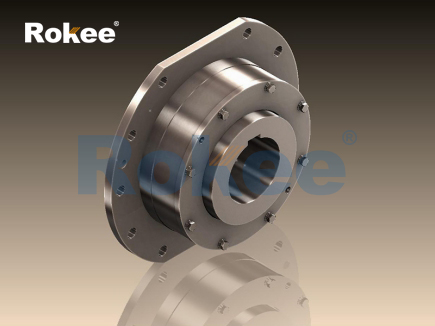
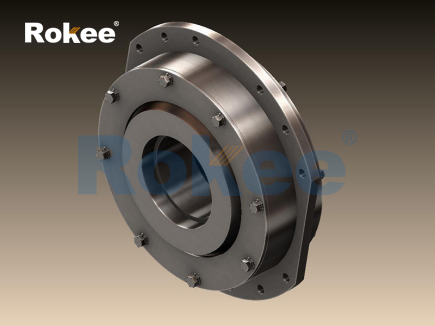
In the realm of industrial material handling, overhead traveling cranes stand as indispensable equipment, facilitating the movement of heavy loads across factories, warehouses, ports, and construction sites. These cranes rely on a complex interplay of mechanical components to ensure smooth, safe, and efficient operation, with each part playing a critical role in the overall performance of the system. Among these components, the barrel coupling emerges as a vital link in the power transmission chain, connecting the reducer shaft to the crane’s drum and enabling the seamless transfer of torque while accommodating inevitable misalignments and loads. Unlike other types of couplings, the barrel coupling is specifically engineered to meet the unique demands of overhead traveling cranes, which often operate under varying loads, frequent start-stop cycles, and harsh industrial environments. Its design and functionality are tailored to address the challenges of transmitting high torque, absorbing radial forces, and compensating for positional deviations, making it an essential component that directly impacts the crane’s reliability, safety, and service life.
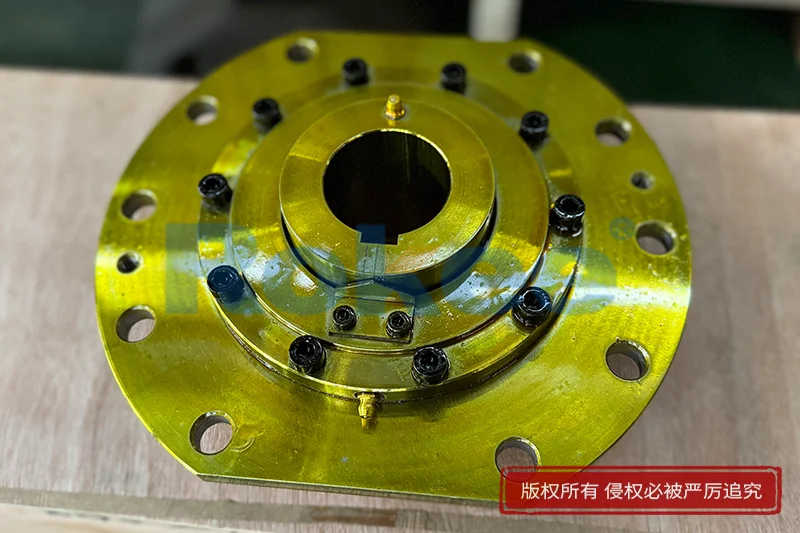
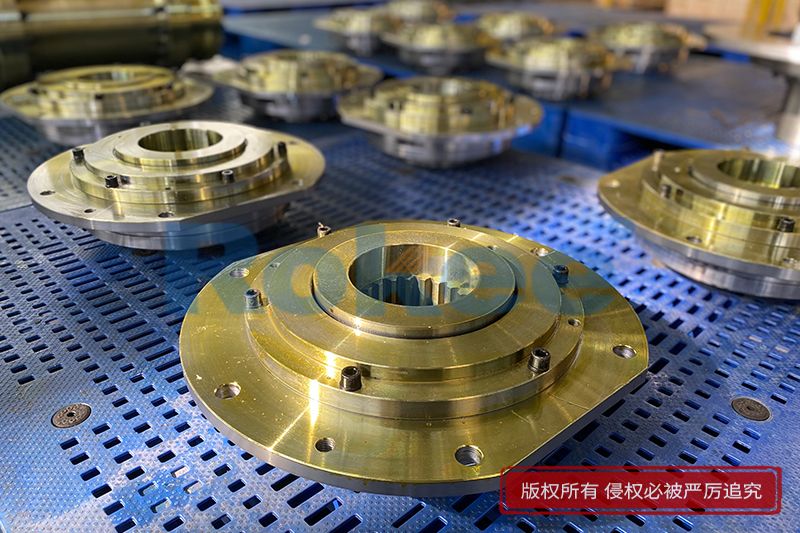
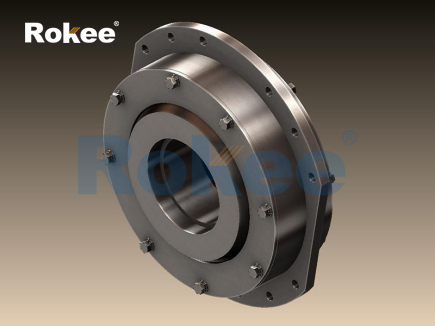
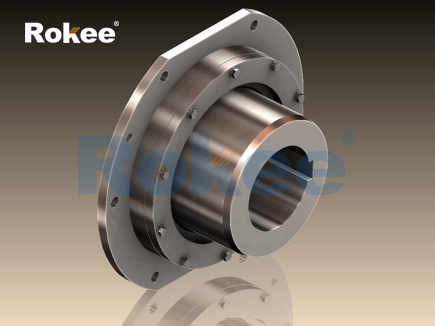
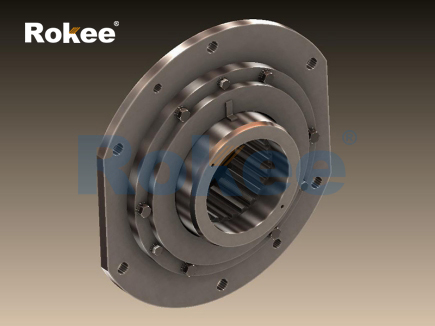
A barrel coupling is a specialized mechanical device designed to connect two rotating shafts—in the case of overhead traveling cranes, typically the output shaft of the reducer and the drum shaft—while transmitting torque and accommodating misalignments that may occur during operation. The core structure of a barrel coupling typically consists of a sleeve, a hub, and a series of cylindrical or spherical components that facilitate torque transmission and misalignment compensation. The sleeve, often featuring internal or external teeth or grooves, is paired with the hub, which is mounted on one of the shafts, creating a secure connection that allows for relative movement between the two shafts. The design incorporates elements that enable the coupling to absorb angular, axial, and radial misalignments, which are common in overhead crane systems due to factors such as installation inaccuracies, structural deflection under load, and wear of moving parts over time. This ability to compensate for misalignments is crucial, as rigid connections between the reducer and drum would create a statically indeterminate system, leading to excessive stresses on the shafts, bearings, and gears, and ultimately increasing the risk of component failure.
The working principle of a barrel coupling in an overhead traveling crane revolves around its ability to transmit torque efficiently while adapting to the dynamic conditions of crane operation. When the crane’s motor is activated, power is transmitted to the reducer, which reduces the rotational speed and increases the torque. The barrel coupling then transfers this torque from the reducer’s output shaft to the drum shaft, causing the drum to rotate and wind or unwind the cable, thereby lifting or lowering the load. The coupling’s design allows it to distribute the torque evenly across its components, minimizing stress concentrations and ensuring reliable power transmission even under heavy loads. Additionally, the barrel coupling is engineered to absorb radial forces that arise from the weight of the load and the tension in the cable, preventing these forces from being transferred to the reducer or motor, which could cause premature wear or damage. The ability to accommodate angular misalignments—typically up to several degrees—and axial displacements further enhances the coupling’s performance, as it allows for minor adjustments in the relative positions of the shafts without compromising the integrity of the power transmission.
One of the key advantages of barrel couplings for overhead traveling cranes is their high torque transmission capacity, which is essential for handling the heavy loads that these cranes are designed to move. Unlike smaller couplings used in light-duty applications, barrel couplings for overhead cranes are constructed from high-strength materials that can withstand the large torques and radial forces generated during crane operation. Common materials used in the manufacturing of barrel couplings include high-grade steel, which offers excellent tensile strength, durability, and resistance to wear and fatigue. The components of the coupling are often heat-treated to enhance their mechanical properties, ensuring that they can endure the repeated stress of start-stop cycles and heavy load operations. This robust construction not only ensures reliable torque transmission but also extends the service life of the coupling, reducing the need for frequent maintenance and replacement, which is critical in industrial settings where downtime can result in significant productivity losses.
Another important feature of barrel couplings is their ability to operate effectively in harsh industrial environments, which is a common requirement for overhead traveling cranes. These cranes are often exposed to dust, dirt, moisture, extreme temperatures, and corrosive substances, all of which can degrade mechanical components over time. Barrel couplings are designed with sealing systems that prevent foreign particles from entering the coupling’s internal components, ensuring that the moving parts remain lubricated and free from damage. The sealing elements, which may include gaskets, O-rings, or specialized covers, create an airtight barrier that protects the coupling from contamination and ensures the continuity of lubrication. Proper lubrication is essential for reducing friction between the coupling’s components, minimizing wear, and preventing overheating, which can lead to premature failure. Many barrel couplings are also designed to allow for re-greasing without the need to disassemble the coupling, making maintenance more convenient and reducing downtime.
The role of barrel couplings in ensuring the safety of overhead traveling crane operations cannot be overstated. Overhead cranes are responsible for moving heavy and often valuable loads, and any failure in the power transmission system can result in catastrophic accidents, leading to damage to equipment, injury to personnel, and loss of productivity. Barrel couplings contribute to crane safety by providing a reliable connection between the reducer and drum, ensuring that torque is transmitted smoothly and consistently. The ability to compensate for misalignments reduces the risk of shaft breakage, bearing failure, and gear damage, which are common causes of crane malfunctions. Additionally, some barrel couplings are equipped with wear indicators that allow operators to monitor the condition of the coupling without disassembling it, enabling proactive maintenance and preventing unexpected failures. These indicators provide a visual signal when the coupling has reached a certain level of wear, allowing maintenance personnel to replace the coupling before it fails, thereby enhancing the overall safety of the crane system.
When it comes to the installation of barrel couplings in overhead traveling cranes, proper procedures are essential to ensure optimal performance and longevity. The installation process begins with the preparation of the shafts, which must be cleaned of any burrs, rust, or debris to ensure a secure fit between the shaft and the coupling’s hub. The hub is typically mounted on the drum shaft using keys or splines, which provide a positive connection that prevents slippage during torque transmission. The sleeve is then fitted over the hub and the reducer’s output shaft, with careful attention paid to aligning the components to minimize initial misalignment. It is important to ensure that the coupling is installed with the correct amount of axial clearance, as excessive or insufficient clearance can lead to premature wear or failure. The use of specialized tools, such as laser alignment devices or dial indicators, can help ensure that the shafts are properly aligned, reducing the stress on the coupling and other components. Additionally, the coupling must be filled with the appropriate lubricant before being put into operation, as lubrication is critical for reducing friction and extending the coupling’s service life.
Maintenance of barrel couplings is another critical aspect of ensuring the reliable operation of overhead traveling cranes. Regular maintenance helps to identify potential issues early, prevent unexpected failures, and extend the service life of the coupling. The maintenance schedule for a barrel coupling typically includes regular inspections, lubrication, and, if necessary, component replacement. During inspections, maintenance personnel should check for signs of wear, such as excessive play, corrosion, or damage to the sealing elements. They should also verify the alignment of the shafts and ensure that the lubricant is clean and at the correct level. If the coupling is equipped with a wear indicator, this should be checked regularly to monitor the condition of the coupling. Lubrication should be performed at regular intervals, with the type of lubricant selected based on the operating conditions of the crane, such as temperature, load, and environmental factors. In cases where the coupling has sustained significant wear or damage, it should be replaced promptly to avoid further damage to the crane’s power transmission system.
The performance of barrel couplings can be influenced by a variety of factors, including the operating load, rotational speed, alignment accuracy, and environmental conditions. Overloading the coupling beyond its rated capacity can lead to excessive stress, deformation, and premature failure. It is therefore essential to select a barrel coupling that is appropriately sized for the specific application, taking into account the maximum torque and radial load that the crane will encounter during operation. The rotational speed of the shafts also plays a role in the coupling’s performance, as high speeds can increase friction and heat generation, which can degrade the lubricant and damage the coupling’s components. Proper alignment of the shafts is critical, as misalignments beyond the coupling’s compensation capacity can lead to increased stress, vibration, and wear. Environmental factors, such as temperature extremes and corrosive substances, can also affect the coupling’s performance, making it important to select a coupling that is designed to withstand the specific environmental conditions of the application.
In addition to their primary role in power transmission, barrel couplings also contribute to the overall efficiency of overhead traveling cranes. By reducing friction and minimizing energy losses, the coupling helps to improve the energy efficiency of the crane system, reducing operating costs over time. The ability to compensate for misalignments also reduces the stress on other components, such as the reducer, motor, and bearings, extending their service life and reducing maintenance costs. Furthermore, the compact design of many barrel couplings allows for easy installation in tight spaces, which is often a requirement in overhead crane systems where space is limited. This compact design also reduces the overall weight of the crane’s power transmission system, which can improve the crane’s maneuverability and reduce the load on the crane’s structure.
The design and development of barrel couplings for overhead traveling cranes have evolved over time, driven by the need for improved performance, reliability, and safety. Advances in materials science and manufacturing technology have led to the development of couplings that are stronger, more durable, and more efficient than ever before. Finite element analysis (FEA) is now commonly used in the design process to simulate the performance of the coupling under various load conditions, allowing engineers to optimize the design and ensure that the coupling can withstand the stresses of crane operation. This analytical approach helps to identify potential weak points in the design and make improvements before the coupling is manufactured, resulting in a more reliable and durable product. Additionally, the use of advanced manufacturing techniques, such as precision machining and heat treatment, ensures that the coupling’s components are manufactured to tight tolerances, improving the fit and performance of the coupling.
In practical applications, barrel couplings are used in a wide range of overhead traveling crane types, including single-girder cranes, double-girder cranes, gantry cranes, and jib cranes. Each type of crane has unique requirements, and barrel couplings are tailored to meet these specific needs. For example, single-girder cranes, which are often used for lighter loads, may require smaller, more compact barrel couplings, while double-girder cranes, which are designed for heavier loads, require larger, more robust couplings with higher torque transmission capacity. Gantry cranes, which are used in outdoor applications, may require barrel couplings with enhanced sealing systems to protect against environmental factors such as rain, dust, and temperature extremes. Regardless of the type of crane, the barrel coupling plays a critical role in ensuring the smooth and reliable operation of the power transmission system.
It is important to note that the selection of the appropriate barrel coupling for an overhead traveling crane is a critical decision that should be based on a thorough understanding of the crane’s operating parameters and requirements. Factors such as the maximum torque, radial load, rotational speed, misalignment compensation requirements, and environmental conditions should all be taken into account when selecting a coupling. Additionally, the coupling should be compatible with the other components of the crane’s power transmission system, such as the reducer and drum, to ensure seamless integration and optimal performance. Consulting with experts in mechanical engineering or coupling design can help ensure that the correct coupling is selected for the application, reducing the risk of premature failure and ensuring the long-term reliability of the crane system.
In conclusion, the barrel coupling is an essential component in the power transmission system of overhead traveling cranes, playing a critical role in ensuring the smooth, safe, and efficient operation of these vital industrial machines. Its ability to transmit high torque, absorb radial forces, and compensate for misalignments makes it uniquely suited to the demands of overhead crane operation. The robust construction, effective sealing systems, and ease of maintenance of barrel couplings contribute to their reliability and longevity, reducing downtime and maintenance costs. As industrial material handling continues to evolve, the design and performance of barrel couplings will continue to improve, ensuring that they remain a key component in the operation of overhead traveling cranes for years to come. Whether in a factory, warehouse, port, or construction site, the barrel coupling silently works behind the scenes, enabling the movement of heavy loads and contributing to the productivity and safety of industrial operations.
- Tags:
- Barrel Couplings ,
- sandwich panel line ,
- sandwich panel machine
- pu sandwich panel machine
« Barrel Coupling For Overhead Traveling Crane » Latest Update Date: May 9, 2026
https://www.rokeecoupling.net/blog/barrel-coupling-for-overhead-traveling-crane.html