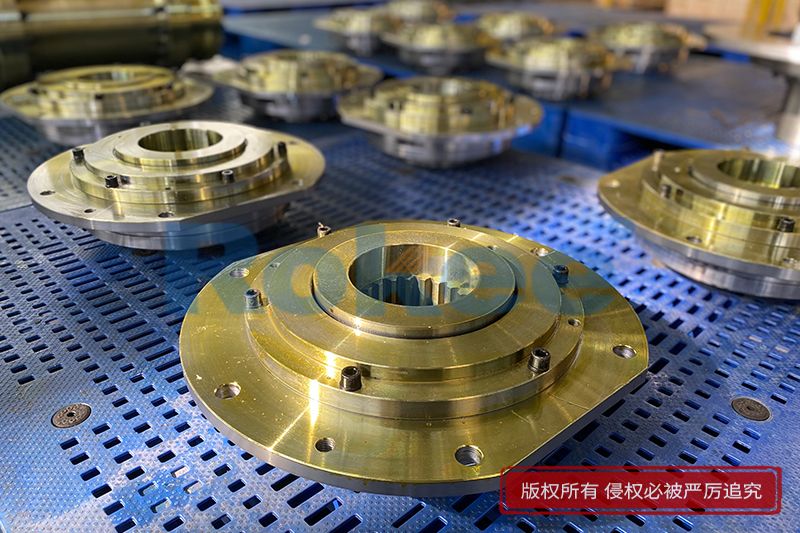
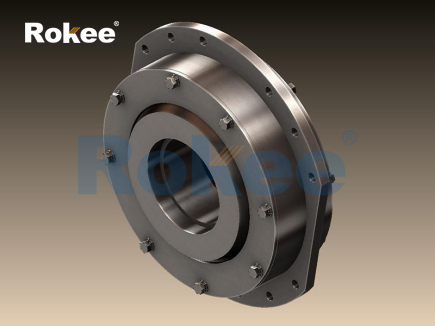
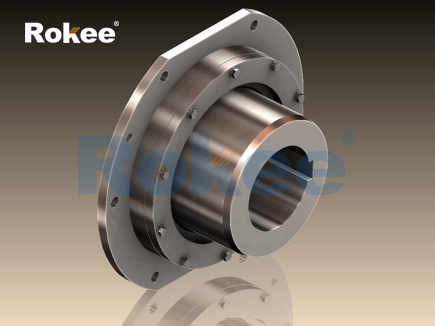
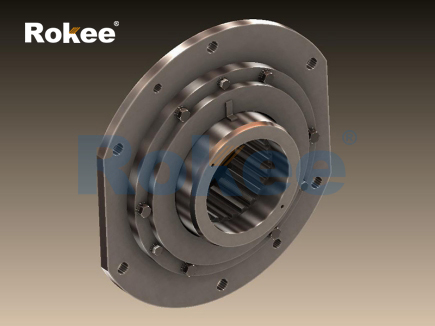
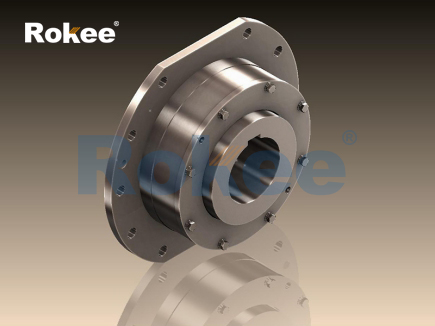
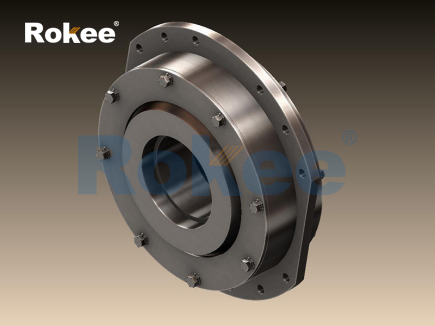
Barrel couplings are essential mechanical components that play a critical role in power transmission systems across various industries, serving as a vital connection between rotating shafts to ensure smooth and efficient torque transfer. While the focus of this discussion centers on the factors that influence their pricing, it is important to note that specific numerical values are not included here; instead, the emphasis is on understanding the underlying elements that shape the cost structure of these components. The price of barrel couplings is not a fixed figure but a dynamic result of multiple interconnected factors, ranging from material selection and manufacturing processes to market demand, application requirements, and global industry trends. By exploring these factors in detail, one can gain a comprehensive understanding of why barrel coupling prices vary and how different considerations impact the overall cost, which is valuable for businesses, engineers, and procurement professionals seeking to make informed decisions when selecting and sourcing these components.
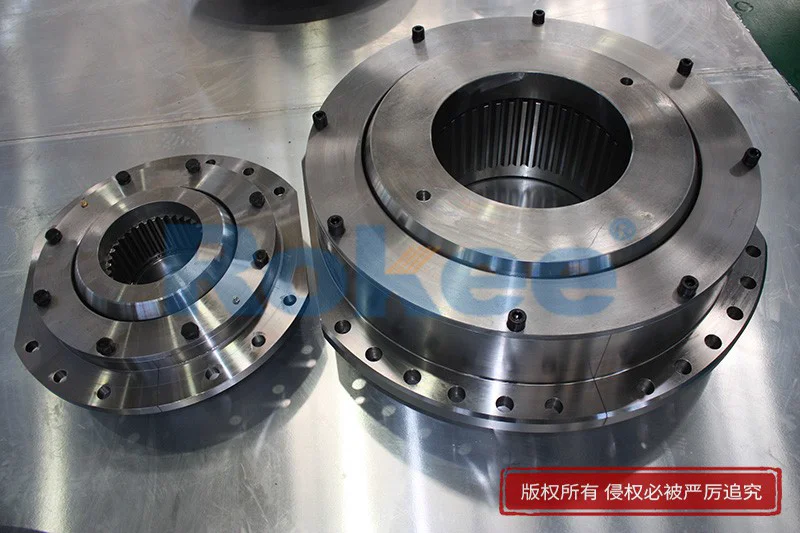
One of the primary factors that influence the price of barrel couplings is the choice of materials used in their construction. The material selected directly impacts the coupling’s durability, performance, resistance to wear and tear, and ability to withstand specific environmental conditions, all of which in turn affect the manufacturing cost and ultimately the final price. Common materials used for barrel couplings include various types of steel, such as carbon steel, alloy steel, and stainless steel, as well as non-metallic materials like engineered plastics and composites. Each material has its own set of properties and cost implications. For instance, carbon steel is widely used due to its relatively low cost and adequate strength for many standard applications, making it a cost-effective choice for general-purpose barrel couplings. However, when applications require higher strength, corrosion resistance, or tolerance to extreme temperatures, alloy steel or stainless steel may be necessary. These materials are more expensive to source and process, leading to a higher overall price for the coupling. Similarly, non-metallic materials like engineered plastics are often used in applications where weight reduction, electrical insulation, or resistance to certain chemicals is required, and their cost can vary depending on the complexity of the material composition and the manufacturing processes needed to shape them into functional couplings.
The manufacturing process employed to produce barrel couplings also plays a significant role in determining their price. Different manufacturing techniques have varying levels of complexity, labor requirements, energy consumption, and precision, all of which contribute to the overall cost. Common manufacturing processes for barrel couplings include forging, casting, machining, and assembly. Forging is a process that involves shaping metal by applying compressive forces, resulting in a strong, durable component with a uniform grain structure. This process is often used for high-performance barrel couplings that need to withstand heavy loads and high torques, but it is more labor-intensive and requires specialized equipment, leading to higher production costs. Casting, on the other hand, involves pouring molten metal into a mold to create the desired shape, which is more cost-effective for large-scale production of standard couplings but may result in slightly lower strength compared to forged components. Machining is another critical step in the manufacturing process, involving the removal of material to achieve the precise dimensions and surface finish required for the coupling to function properly. The level of precision required—such as tight tolerances for shaft alignment—can significantly impact machining time and cost; higher precision often requires more advanced equipment and skilled labor, driving up the price. Additionally, assembly processes, including the installation of bearings, seals, and other components, can add to the overall cost, especially if the coupling requires complex assembly or specialized tools.
The design and complexity of the barrel coupling also affect its price. Barrel couplings come in a variety of designs to suit different application needs, ranging from simple, standard designs to complex, custom-engineered solutions. Standard designs are mass-produced, with standardized dimensions and specifications, which allows for economies of scale and lower production costs. These couplings are typically used in general industrial applications where performance requirements are not overly demanding, and their price is relatively consistent. In contrast, custom-designed barrel couplings are tailored to meet specific application requirements, such as unusual shaft sizes, high torque capacities, extreme operating temperatures, or unique environmental conditions. Custom designs require additional engineering work, including design analysis, prototyping, and testing, which adds to the overall cost. Furthermore, custom couplings may require specialized manufacturing processes or materials, further increasing their price. The complexity of the design also includes features such as the number of components, the type of connection mechanism, and the inclusion of additional features like wear indicators or sealing systems, all of which can contribute to higher costs.
Application-specific requirements are another key factor that influences the price of barrel couplings. Different industries and applications have unique demands that require barrel couplings to meet specific performance criteria, which in turn affect the cost. For example, in heavy industries such as mining, construction, and steel production, barrel couplings are often subjected to heavy loads, high torques, and harsh environmental conditions, including dust, moisture, and extreme temperatures. These applications require couplings that are highly durable, corrosion-resistant, and capable of withstanding repeated stress, which necessitates the use of high-quality materials and robust manufacturing processes, leading to higher prices. In contrast, lighter industries such as food and beverage processing or packaging may require barrel couplings that are smaller, lighter, and easier to clean, with lower torque requirements, resulting in lower costs. Additionally, applications that require high precision, such as in aerospace or medical equipment, demand couplings with extremely tight tolerances and high reliability, which requires specialized manufacturing and testing, driving up the price. The operating environment also plays a role; couplings used in marine or offshore applications, for example, must be resistant to saltwater corrosion, requiring the use of stainless steel or other corrosion-resistant materials, which are more expensive than standard materials.
Market demand and supply dynamics also have a significant impact on the price of barrel couplings. Like any other product, the price of barrel couplings is influenced by the balance between supply and demand in the global market. When demand for barrel couplings is high—due to increased industrial activity, infrastructure development, or growth in key end-use industries—the price tends to rise, as manufacturers may struggle to meet the demand with existing production capacity. Conversely, when demand is low, prices may decrease as manufacturers compete for a smaller number of orders. Supply factors also play a role, including the availability of raw materials, the capacity of manufacturing facilities, and global supply chain conditions. For example, shortages of steel or other key materials can lead to higher raw material costs, which are passed on to the consumer in the form of higher coupling prices. Similarly, disruptions in the supply chain, such as transportation delays or labor shortages, can increase production costs and lead to price increases. Additionally, the presence of multiple manufacturers in the market can lead to competition, which may help to keep prices in check, while a market dominated by a few suppliers may result in higher prices due to reduced competition.
Global economic conditions and industry trends also influence the price of barrel couplings. Economic growth or recession can impact the demand for industrial equipment, including barrel couplings, as businesses adjust their investment in new machinery and infrastructure. During periods of economic growth, increased industrial activity leads to higher demand for barrel couplings, which can drive up prices. Conversely, during economic downturns, demand may decrease, leading to lower prices. Additionally, global trends such as industrial automation, the shift towards renewable energy, and the adoption of advanced manufacturing technologies are shaping the demand for barrel couplings and their price. For example, the growth of the renewable energy sector, including wind and solar power, requires specialized barrel couplings that can withstand the unique operating conditions of these applications, such as high rotational speeds and exposure to the elements. This increased demand for specialized couplings can lead to higher prices for these specific types, while the adoption of automation in manufacturing may increase the demand for high-precision, reliable couplings, further influencing price trends. Furthermore, environmental regulations and sustainability initiatives are driving the development of more eco-friendly barrel couplings, which may involve the use of recycled materials or more energy-efficient manufacturing processes, potentially affecting their cost.
The size and quantity of the order also play a role in determining the price of barrel couplings. Bulk orders typically result in lower per-unit prices due to economies of scale. Manufacturers can reduce production costs by producing larger quantities, as fixed costs such as equipment setup and labor are spread over more units. Additionally, bulk orders may allow for more efficient use of raw materials and manufacturing time, further reducing costs. In contrast, small orders or custom orders with low quantities may result in higher per-unit prices, as the fixed costs of production are spread over fewer units. The size of the coupling itself also affects the price; larger couplings require more raw materials and more complex manufacturing processes, leading to higher costs compared to smaller couplings. For example, a large barrel coupling used in a heavy-duty crane or industrial pump will cost more than a small coupling used in a light-duty conveyor system, due to the increased material and labor requirements.
Another factor that influences the price of barrel couplings is the level of quality and performance required. Higher quality couplings that meet stricter performance standards, such as higher torque capacity, better alignment capabilities, or longer service life, will generally cost more than lower quality alternatives. Quality is often determined by the materials used, the manufacturing processes employed, and the level of testing and quality control implemented during production. Couplings that undergo rigorous testing to ensure they meet specific performance criteria, such as fatigue testing, load testing, or corrosion testing, will have higher production costs, which are reflected in their price. Additionally, couplings with a longer service life or lower maintenance requirements may have a higher initial price but can provide cost savings over time due to reduced replacement and maintenance costs. This total cost of ownership is an important consideration for many buyers, as they may be willing to pay a higher initial price for a coupling that offers greater reliability and longevity.
Transportation and logistics costs also contribute to the final price of barrel couplings, especially for international orders. The cost of shipping raw materials to manufacturing facilities and finished couplings to customers can vary depending on the distance, mode of transportation, and global shipping conditions. For example, shipping heavy or large barrel couplings via sea freight may be more cost-effective than air freight but may take longer, while air freight is faster but more expensive. Additionally, tariffs, customs duties, and other international trade barriers can increase the cost of importing or exporting barrel couplings, which are passed on to the consumer. Local transportation costs, such as delivery to the customer’s facility, can also add to the overall price, especially for large or heavy couplings that require specialized transportation equipment.
It is also important to note that the price of barrel couplings is not static and can fluctuate over time due to changes in any of the aforementioned factors. For example, a sudden increase in the price of steel due to global supply shortages can lead to a corresponding increase in the price of barrel couplings made from steel. Similarly, changes in market demand due to economic shifts or industry trends can cause prices to rise or fall. Additionally, advancements in manufacturing technology can lead to lower production costs over time, which may result in lower prices for barrel couplings, as manufacturers pass on the cost savings to customers. For example, the adoption of automated machining equipment or 3D printing technology can reduce labor costs and improve production efficiency, leading to more cost-effective couplings.
In conclusion, the price of barrel couplings is influenced by a complex interplay of factors, including material selection, manufacturing processes, design complexity, application requirements, market demand and supply, global economic conditions, order size and quantity, quality and performance standards, and transportation costs. Each of these factors contributes to the overall cost structure of barrel couplings, and understanding their impact is essential for anyone involved in the selection, procurement, or manufacturing of these components. While specific prices are not provided here, the insights into the factors that shape pricing can help businesses and professionals make informed decisions, balancing their performance needs with their budget constraints. As industries continue to evolve and new technologies emerge, the factors influencing barrel coupling prices will also change, making it important to stay informed about market trends and technological advancements to ensure that the best possible value is obtained when sourcing these critical mechanical components. Whether for standard industrial applications or specialized, custom-designed solutions, the price of barrel couplings reflects the unique combination of materials, processes, and requirements that go into their production, and recognizing this connection is key to understanding their cost dynamics.
- Tags:
- Barrel Couplings ,
- sandwich panel line ,
- sandwich panel machine
- pu sandwich panel machine
« Barrel Coupling Price » Latest Update Date: May 9, 2026
https://www.rokeecoupling.net/blog/barrel-coupling-price.html