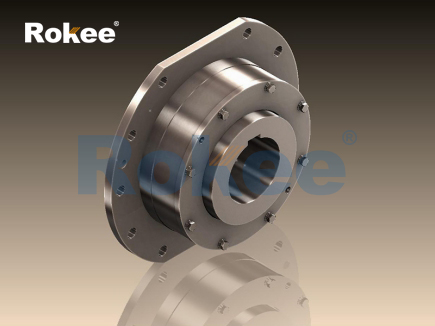
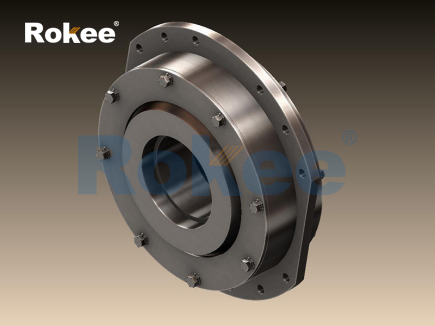
Barrel coupling is an essential component in modern industrial power transmission and pipeline connection systems, playing a pivotal role in ensuring the smooth, efficient, and safe operation of various mechanical and plumbing equipment. As the global industrial sector continues to evolve, with increasing demands for precision, durability, and adaptability, the market for barrel couplings has witnessed steady growth, catering to a wide range of industries and applications. These couplings are designed to connect two shafts or pipe sections, transmitting torque, accommodating misalignments, and maintaining the integrity of fluid or power transfer, making them indispensable in both heavy-duty industrial settings and everyday mechanical systems. Whether in manufacturing plants, construction sites, or residential and commercial plumbing, barrel couplings stand out for their reliability, versatility, and ease of use, making them a sought-after product for businesses and professionals seeking high-performance connection solutions.
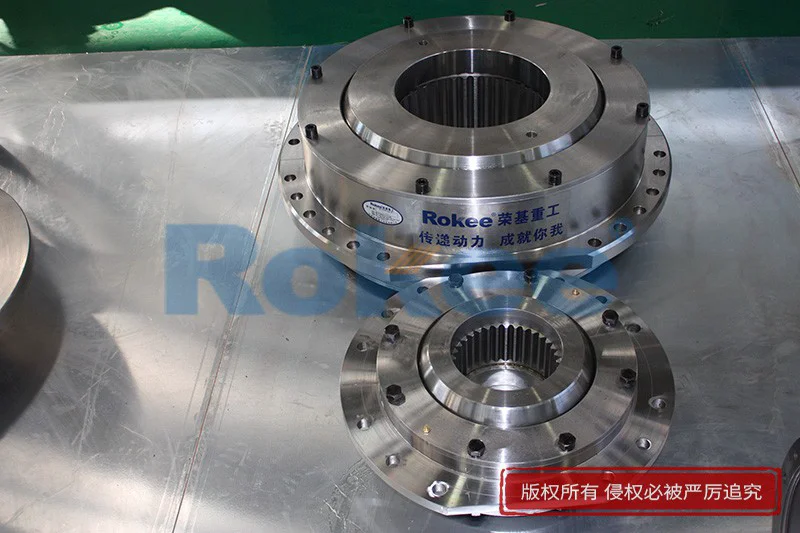
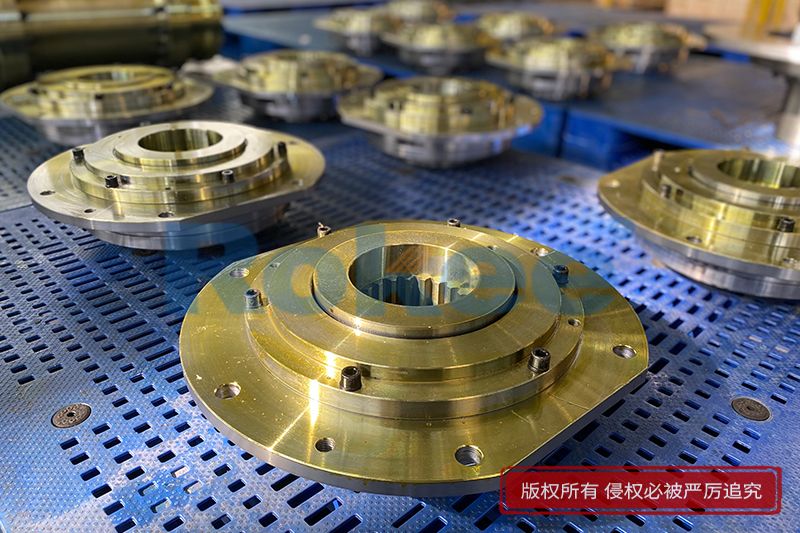
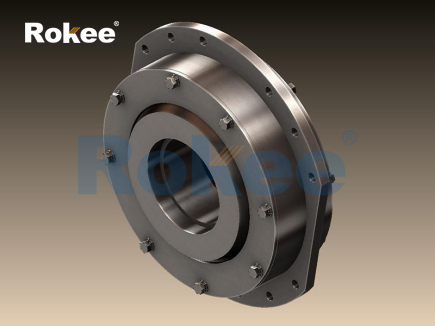
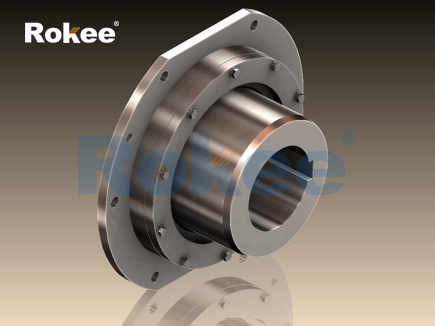
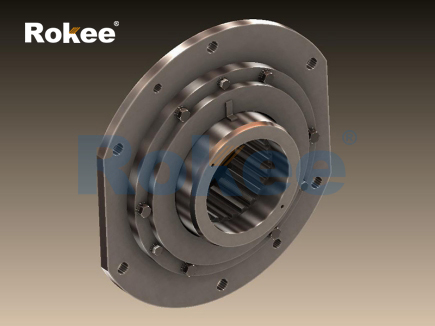
The fundamental design of a barrel coupling revolves around simplicity and functionality, with each component engineered to work in harmony to deliver optimal performance. Typically, a barrel coupling consists of a sleeve and a hub, both equipped with semi-circular cogs, with cylindrical hardened steel barrels inserted into the cog housings to facilitate power transmission. This design allows for the efficient transfer of torque while accommodating minor angular and axial misalignments, which are common in most mechanical systems due to installation variations, thermal expansion, or operational wear. The barrels, acting as the key force-transmitting elements, have a large supporting area that effectively absorbs the stresses caused by torque and radial loads, reducing the risk of component failure and extending the overall service life of the coupling and the connected equipment. Additionally, the inclusion of covers with special retainers and spring lock washers ensures airtight integrity, preventing foreign bodies from entering the coupling and maintaining the necessary lubrication, which is crucial for smooth operation and long-term durability.
One of the key advantages of barrel couplings is their versatility, which allows them to be used in a diverse range of applications across multiple industries. In the material handling sector, they are widely employed in cranes, hoists, winches, conveyors, stackers, and ship unloaders, where they connect the rope drum to the gearbox output shaft, transmitting high torques and large radial forces with minimal axial installation space. In these applications, the ability to compensate for angular misalignments (typically up to ±1 degree) and axial displacements (ranging from ±3 mm to ±8 mm depending on the coupling size) is critical, as it ensures the smooth operation of lifting and conveying equipment, reducing wear on other components such as gears and bearings. Beyond material handling, barrel couplings are also integral to the oil and gas industry, where they are used to connect pipelines transporting various fluids, ensuring safe and leak-free transfer. They are also found in water supply and wastewater management systems, construction machinery, aerospace applications, and even in spa pools and jacuzzis, where they connect plumbing pipes to pumps, heaters, and filters, maintaining watertight connections.
The performance and durability of barrel couplings are largely determined by the materials used in their construction and the manufacturing processes employed. High-strength steel is the most common material for barrel couplings, chosen for its exceptional tensile strength, resistance to wear, and ability to withstand high torques and radial loads. The barrels themselves are typically made of hardened steel, which enhances their durability and resistance to deformation, even under extreme operating conditions. Some couplings may also be constructed using other materials such as stainless steel for applications requiring corrosion resistance, particularly in harsh environments like marine settings or chemical processing plants. The manufacturing process involves precision machining to ensure that all components fit together seamlessly, with tight tolerances to guarantee optimal performance. Advanced machining techniques, such as computer numerical control (CNC) machining, are used to produce the semi-circular cogs, barrels, and other components, ensuring consistency and accuracy across each unit. Additionally, surface treatments such as galvanization or coating may be applied to prevent corrosion, further extending the service life of the coupling.
Another important feature of barrel couplings is their ease of installation and maintenance, which makes them a practical choice for both professionals and end-users. Most barrel couplings are delivered fully assembled, with pre-machined holes and keyways, eliminating the need for complex on-site assembly. The installation process typically involves positioning the hub on the drive shaft and the sleeve on the driven shaft or pipe, then securing the components using high-wear resistance bolts (though these bolts are often not included in the coupling supply). The design also allows for easy re-greasing without removing the sealing elements, simplifying maintenance and reducing downtime. Many barrel couplings also feature a wear indicator on the outer cover, which allows for easy condition monitoring without disassembling the coupling, enabling users to detect potential issues early and perform maintenance before serious damage occurs. This ease of maintenance not only reduces operational costs but also ensures that the coupling remains in optimal condition, maximizing its service life and reliability.
The global market for barrel couplings is experiencing steady growth, driven by several key factors. Urbanization and infrastructure development across the world have increased the demand for construction machinery, material handling equipment, and piping systems, all of which rely on barrel couplings. The growing focus on renewable energy projects, such as wind power and solar energy, has also contributed to the demand for durable and efficient connection solutions, as these projects require reliable power transmission components. Additionally, advancements in manufacturing technologies have led to the development of more innovative barrel coupling designs, with improved performance characteristics such as higher torque transmission capacity, better misalignment compensation, and enhanced durability. The market is also witnessing a shift towards sustainability, with manufacturers investing in research and development to create eco-friendly products, using energy-efficient production techniques and recyclable materials, which aligns with the broader industry trend towards environmental responsibility.
Regional variations in the barrel coupling market are influenced by industrial development, infrastructure investment, and regional demand. In North America, the market is driven by the presence of a well-established industrial sector, strict regulatory standards, and significant investments in infrastructure and renewable energy. The United States Department of Commerce reports that the overall pipe and fittings market in the country was valued at a substantial figure in recent years, with barrel couplings contributing significantly to this segment. Europe is also a key market, with growth driven by investments in renewable energy and a focus on sustainable manufacturing practices. The Asia-Pacific region is expected to witness the fastest growth in the coming years, fueled by rapid industrialization, urbanization, and infrastructure development in countries such as China and India. The increasing demand for material handling equipment, construction machinery, and piping systems in these countries is driving the need for high-quality barrel couplings, creating significant opportunities for suppliers.
When selecting a barrel coupling for a specific application, several factors need to be considered to ensure optimal performance. The torque capacity of the coupling is a critical factor, as it must be able to handle the maximum torque generated by the connected equipment. The size of the coupling, including the bore diameter and outer diameter, must be compatible with the shafts or pipes it will connect. The degree of misalignment compensation required, both angular and axial, should also be taken into account, as different applications have varying levels of misalignment. Additionally, the operating environment, such as temperature, humidity, and exposure to corrosive substances, will influence the choice of material and surface treatment. For example, couplings used in marine or chemical environments may require stainless steel construction to resist corrosion, while those used in high-temperature applications may need heat-resistant materials. It is also important to consider the ease of installation and maintenance, as this can impact operational efficiency and costs.
Despite their many advantages, barrel couplings are not without limitations, and proper usage and maintenance are essential to ensure their longevity and performance. Over-tightening the coupling during installation can damage the O-rings or other sealing elements, leading to leaks or reduced performance. Similarly, insufficient lubrication can cause increased friction between the components, leading to wear and premature failure. Regular inspection and maintenance, including checking for loose connections, leaks, and wear, are crucial to prevent these issues. It is also important to ensure that the coupling is used within its specified torque and load limits, as overloading can lead to component failure and potential damage to the connected equipment. By following proper installation and maintenance procedures, users can maximize the service life of their barrel couplings and ensure reliable performance.
The future of the barrel coupling market looks promising, with continued growth expected in the coming years. Technological advancements will likely lead to the development of more advanced coupling designs, with improved performance, durability, and sustainability. The integration of smart technologies, such as sensors for real-time condition monitoring, may become more common, allowing users to detect potential issues before they escalate, reducing downtime and maintenance costs. Additionally, the growing focus on sustainability will drive the development of eco-friendly materials and production processes, making barrel couplings more environmentally friendly. As industries continue to evolve and demand more efficient and reliable connection solutions, barrel couplings will remain a vital component in industrial power transmission and pipeline systems, catering to a wide range of applications and contributing to the smooth operation of various mechanical and plumbing equipment.
For businesses and professionals seeking high-quality barrel couplings on sales, it is important to source products from reliable suppliers that prioritize quality and performance. A reputable supplier will offer a wide range of coupling sizes and designs to cater to different applications, ensuring that customers can find the right product for their specific needs. They will also provide detailed information about the product specifications, including torque capacity, misalignment compensation, material composition, and installation guidelines, helping customers make informed decisions. Additionally, a reliable supplier will offer after-sales support, including technical assistance and maintenance advice, ensuring that customers can maximize the performance and longevity of their barrel couplings. With the right supplier and proper usage, barrel couplings can provide a cost-effective and reliable solution for all connection needs, enhancing the efficiency and safety of industrial and mechanical systems.
In conclusion, barrel couplings are essential components in modern industrial and plumbing systems, offering reliable, versatile, and efficient connection solutions. Their robust design, ease of installation and maintenance, and ability to accommodate misalignments make them suitable for a wide range of applications across multiple industries. As the global industrial sector continues to grow and evolve, the demand for high-quality barrel couplings is expected to increase, driven by infrastructure development, renewable energy projects, and technological advancements. By understanding the key features, applications, and selection criteria of barrel couplings, businesses and professionals can make informed decisions when purchasing these products, ensuring optimal performance and value. Whether for heavy-duty industrial applications or everyday plumbing systems, barrel couplings play a crucial role in ensuring the smooth and safe operation of equipment, making them an indispensable product in the global market.
- Tags:
- Barrel Couplings ,
- sandwich panel line ,
- sandwich panel machine
- pu sandwich panel machine
« Barrel Coupling On Sales » Latest Update Date: May 9, 2026
https://www.rokeecoupling.net/blog/barrel-coupling-on-sales.html