GL Sprocket Coupling
Rokee is a well-known GL Sprocket Coupling supplier from china, the page show cases of GL Sprocket Coupling, provide customized services based on user's drawings, and supporting exports.
In the field of mechanical power transmission, shaft couplings serve as critical intermediate components that bridge driving and driven shafts, enabling efficient torque transfer while accommodating certain operational deviations. Among the diverse range of coupling designs, the GL sprocket coupling, also widely referred to as the roller chain sprocket coupling in industrial practice, stands out for its straightforward construction, robust durability, and versatile adaptability to harsh working environments. Unlike precision-engineered rigid couplings or complex elastic couplings with specialized damping elements, this type of coupling relies on the meshing interaction between sprockets and roller chains to fulfill power transmission tasks, making it a staple component in heavy-duty, low-to-medium speed mechanical systems across countless manufacturing and industrial sectors.

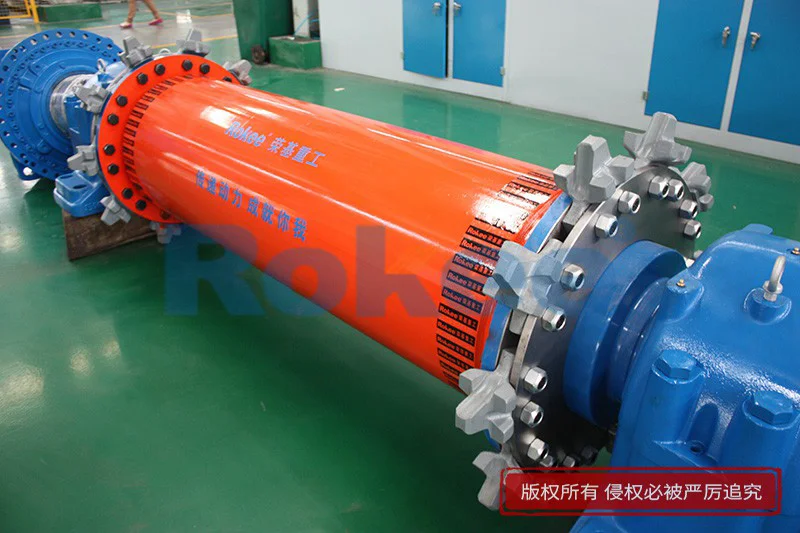
At its core, the GL sprocket coupling features a minimalist yet highly functional structural framework, composed of a small number of precision-machined components that work in seamless coordination to transmit rotational force and torque. The primary constituent parts include two matching toothed sprockets, a high-strength double-row roller chain, and an optional protective outer cover, with no redundant or overly complex parts that would complicate assembly or maintenance. Each sprocket is designed as a semi-coupling unit, equipped with a central bore for tight fitting onto the corresponding driving and driven shafts; the bore can be manufactured in standard cylindrical, tapered, or keyed configurations to ensure secure, slip-free connection with various shaft diameters and transmission setups. The sprockets are typically forged from high-quality carbon structural steel or alloy steel, undergoing rigorous mechanical processing, precision cutting, and controlled heat treatment to enhance surface hardness, wear resistance, and overall structural toughness. The tooth profile of each sprocket is precision machined to match the pitch and roller diameter of the matching roller chain, ensuring full contact and smooth meshing between the chain rollers and sprocket teeth, which minimizes backlash, reduces friction loss, and guarantees consistent torque delivery during operation.
The roller chain, a central load-bearing component of the GL sprocket coupling, is constructed from hardened alloy steel pins, bushings, rollers, and link plates, assembled with tight tolerances to withstand high tensile forces and repeated bending stresses. The double-row chain design is the standard configuration for most GL sprocket couplings, as it distributes torque evenly across two sets of chain strands, doubling the load-bearing capacity compared to single-row chains while maintaining a compact overall size. This dual-strand arrangement also enhances the coupling’s ability to handle slight misalignments between shafts, as the flexible nature of the chain allows for limited angular, radial, and axial displacement without compromising transmission efficiency. The optional protective cover, usually fabricated from lightweight aluminum alloy or durable sheet metal, is designed to enclose the sprocket-chain meshing area, serving multiple practical purposes: it prevents the accumulation of dust, debris, moisture, and abrasive particles in the working zone, shields external personnel from accidental contact with the rotating chain and sprockets, and retains lubricating grease within the assembly to prolong the service life of moving parts. The cover is engineered for easy removal and reinstallation, facilitating routine inspection, lubrication, and chain replacement without requiring full disassembly of the entire coupling from the shafts.
The performance attributes of GL sprocket couplings are directly shaped by their structural design and material selection, making them uniquely suited for specific operational conditions where other coupling types may fail or underperform. One of the most prominent performance advantages is their exceptional torque transmission capacity relative to their compact physical dimensions; even moderately sized GL sprocket couplings can handle substantial torque loads, making them ideal for heavy-duty machinery that requires reliable power transfer without excessive space consumption. Unlike rigid couplings that demand perfect shaft alignment, GL sprocket couplings offer notable misalignment compensation capabilities, accommodating small degrees of parallel deviation, angular offset, and axial movement between connected shafts. This flexibility is invaluable in industrial settings where shaft alignment may shift slightly over time due to machine vibration, thermal expansion, or foundation settlement, as it prevents excessive stress on shaft bearings, reduces component wear, and extends the overall service life of the entire transmission system.
In terms of operational speed suitability, GL sprocket couplings are primarily optimized for low to medium rotational speeds, typically performing best within a range that avoids excessive centrifugal force and chain vibration. At higher speeds, the dynamic movement of the roller chain can generate increased noise and wear, making proper lubrication essential to maintain smooth operation and prevent premature chain failure. However, their tolerance for harsh environmental conditions is a standout performance feature: these couplings operate reliably in dusty, humid, high-temperature, and mildly corrosive environments that would compromise the functionality of more delicate coupling designs. They exhibit strong resistance to shock loads and intermittent impact forces, absorbing minor vibrations and sudden torque spikes without sustaining structural damage, thanks to the inherent flexibility of the roller chain and the robust construction of the sprockets. Additionally, GL sprocket couplings boast high mechanical efficiency, with minimal power loss during transmission due to the low-friction meshing between the hardened chain rollers and precision-machined sprocket teeth; this efficiency remains consistent even under prolonged continuous operation, contributing to energy savings in industrial machinery.
Durability and ease of maintenance are additional key performance metrics that define the practical value of GL sprocket couplings. The hardened steel components resist abrasion and fatigue, ensuring a long service life even with regular heavy use. Routine maintenance is straightforward, primarily involving periodic lubrication of the chain and sprocket meshing surfaces and occasional inspection for chain wear, tooth erosion, or loose fasteners. When wear does occur, replacement parts—such as a new roller chain or a single sprocket—are readily interchangeable, eliminating the need to replace the entire coupling unit and reducing long-term operational costs. Unlike complex elastic couplings that require specialized tools or technical expertise for repair, GL sprocket couplings can be installed, adjusted, and repaired by on-site maintenance personnel with basic mechanical training, further enhancing their practicality in industrial and field settings.
GL sprocket couplings are categorized into distinct varieties based on several key technical parameters, each tailored to meet the specific torque, shaft size, and operational requirements of different mechanical systems. The most common classification criteria include nominal torque rating, shaft bore diameter, chain pitch and size, overall dimensions, and the presence or absence of a protective cover. While specific model designations vary by manufacturing specifications, the core varieties are differentiated by load capacity, ranging from small-scale light-duty units for low-torque applications to large-scale heavy-duty units for industrial heavy machinery. Light-duty GL sprocket couplings feature smaller sprocket diameters, finer pitch roller chains, and compact overall dimensions, designed for low-torque, small-shaft applications such as small electric motors, conveyor drive units, light industrial tools, and small-scale agricultural machinery. These units prioritize space efficiency and cost-effectiveness, delivering reliable performance for non-critical, low-load transmission tasks without unnecessary over-engineering.
Medium-duty GL sprocket couplings represent the most widely used variety, balancing torque capacity, size, and versatility to suit a broad spectrum of general industrial applications. They feature medium-sized sprockets, standard pitch double-row roller chains, and reinforced structural design to handle moderate to high torque loads, accommodating a wide range of shaft diameters commonly found in factory machinery, material handling equipment, and processing systems. This variety offers the optimal combination of misalignment compensation, durability, and affordability, making it the default choice for most general-purpose power transmission needs. Heavy-duty GL sprocket couplings are engineered for extreme load conditions, featuring larger, thicker sprockets manufactured from high-strength alloy steel, heavy-duty large-pitch roller chains, and reinforced construction to withstand extremely high torque and shock loads. These units are designed for large-scale industrial machinery, heavy construction equipment, mining machinery, and other heavy-load applications where failure is not an option, prioritizing maximum strength and longevity over compactness.
Another notable classification distinction is between covered and uncovered GL sprocket couplings, each suited to different environmental and operational settings. Covered models are ideal for open, dusty, or wet industrial environments, as the protective enclosure maintains clean internal conditions and ensures safe operation around personnel; they are also preferred for indoor machinery where noise reduction and cleanliness are important. Uncovered models, by contrast, are used in clean, enclosed operating environments or where frequent visual inspection of the chain and sprocket is required, offering simplified access for maintenance and reduced overall weight. Additionally, some specialized GL sprocket coupling varieties feature corrosion-resistant materials, such as stainless steel sprockets and chains, for use in mildly corrosive environments like chemical processing facilities, food processing plants, or marine-related industrial applications where standard carbon steel components would be prone to rust and degradation.
The versatility of GL sprocket couplings is reflected in their extensive range of industrial applications, spanning nearly every sector that relies on mechanical power transmission. Their unique combination of robustness, flexibility, and low maintenance makes them indispensable in industries where machinery operates under demanding conditions with minimal room for downtime. In the agricultural sector, GL sprocket couplings are widely used in farming equipment such as tractors, harvesters, conveyors, grain processing machinery, and irrigation systems, where they withstand exposure to dust, dirt, and occasional shock loads from uneven operational conditions. The ability to accommodate slight shaft misalignment is particularly valuable in agricultural machinery, which often experiences vibration and movement during field operation.
In the mining and quarrying industry, GL sprocket couplings are a preferred choice for heavy-duty equipment including conveyor systems, crushing machines, screening equipment, and material lifting machinery. These environments are characterized by heavy loads, continuous operation, high dust levels, and extreme mechanical stress, and the durable construction of GL sprocket couplings ensures reliable performance without frequent breakdowns. The simple design also allows for quick field repairs, minimizing downtime in critical mining operations where production delays carry significant operational costs. In the manufacturing and machinery sector, these couplings are integrated into a vast array of equipment, including metalworking machinery, textile machinery, packaging machinery, printing presses, and assembly line conveyors. They are especially well-suited for fixed factory machinery that requires consistent torque transmission and can benefit from the coupling’s misalignment compensation to offset thermal expansion and vibration-related shifts in shaft position.
The construction and heavy engineering industry relies heavily on heavy-duty GL sprocket couplings for equipment such as concrete mixers, hoists, winches, construction conveyors, and heavy-duty pumping systems. These applications demand high torque capacity and resistance to shock loads, and the coupling’s robust design stands up to the rigorous, often intermittent operation of construction machinery. In the chemical and material processing industry, specialized corrosion-resistant GL sprocket couplings are used in mixing equipment, agitators, conveyor systems, and processing machinery, where they resist mild chemical corrosion and maintain performance in humid or abrasive processing environments. They are also commonly employed in water treatment facilities, pumping stations, and ventilation systems, where reliable, low-maintenance power transmission is essential for continuous utility operation.
Beyond these core industries, GL sprocket couplings find use in transportation equipment, marine auxiliary machinery, forestry equipment, and various other industrial and commercial mechanical systems. Their widespread adoption stems not only from their technical performance but also from their practical advantages: easy installation and removal, minimal maintenance requirements, interchangeable parts, and adaptability to diverse operating conditions. Unlike more specialized coupling designs that are limited to narrow applications, GL sprocket couplings offer a universal solution for a vast majority of low-to-medium speed, high-torque power transmission needs, making them a fundamental component in modern mechanical engineering.
When selecting the appropriate GL sprocket coupling for a specific application, several key factors must be considered to ensure optimal performance and longevity, including the required torque rating, rotational speed range, shaft diameter and configuration, degree of expected shaft misalignment, and environmental operating conditions. It is critical to match the coupling’s nominal torque capacity to the actual operational load of the machinery, avoiding under-sizing that could lead to premature failure or over-sizing that increases unnecessary weight and cost. The operational speed of the machinery must align with the coupling’s designed speed range to prevent excessive wear, noise, and vibration; proper lubrication practices must also be established to maintain smooth operation, especially in higher-speed setups. Additionally, the environmental conditions—such as temperature, humidity, dust, and corrosion potential—should dictate the choice between standard and corrosion-resistant materials, as well as the inclusion of a protective cover.
In summary, the GL sprocket coupling remains a cornerstone component in mechanical power transmission systems due to its uncomplicated yet efficient structure, reliable performance characteristics, diverse range of varieties, and broad industrial applicability. Its design prioritizes practicality, durability, and adaptability, addressing the core needs of industrial machinery for consistent torque transfer, misalignment compensation, and resistance to harsh operating conditions. While technological advancements have led to the development of more specialized coupling designs for high-precision or high-speed applications, the GL sprocket coupling continues to hold a irreplaceable position in heavy-duty, low-to-medium speed industrial systems, offering a cost-effective, low-maintenance, and highly reliable solution for countless power transmission tasks. As industrial machinery evolves to meet increasing demands for efficiency and durability, the fundamental design of the GL sprocket coupling remains relevant, with minor material and manufacturing enhancements further extending its service life and performance capabilities to meet the ongoing needs of modern industry. Its enduring popularity across global industrial sectors is a testament to its functional excellence and practical value, solidifying its status as one of the most widely used and dependable shaft coupling designs in mechanical engineering.
With excellent quality, we have been continuously providing many coupling products of various categories and uses complying with multiple standards and a full range of services, from the product selection to final installation and operation, for the industry fields of ferrous metallurgy, nuclear power, gas turbine, wind power, ropeway construction, lifting transportation, general equipment, etc.
pu sandwich panel line,pu sandwich panel machine,sandwich panel machine
« GL Sprocket Coupling » Update Date: 2026/3/25
https://www.rokeecoupling.net/cases/gl-sprocket-coupling.html
Other Cases
![WGP Brake Disc Coupling]() WGP Brake Disc Coupling
WGP Brake Disc Coupling![TL Column Pin Flexible Coupling]() TL Column Pin Flexible Coupling
TL Column Pin Flexible Coupling![Wind Power Test Universal Joint Coupling]() Wind Power Test Universal Joint Coupling
Wind Power Test Universal Joint Coupling![SWC Universal Shaft]() SWC Universal Shaft
SWC Universal Shaft![Coal Power System Dregs Transmission Coupling]() Coal Power System Dregs Transmission Coupling
Coal Power System Dregs Transmission Coupling![Bearing Seat Type 650 Cardan Shaft]() Bearing Seat Type 650 Cardan Shaft
Bearing Seat Type 650 Cardan Shaft![GIICL3 Toothed Coupling]() GIICL3 Toothed Coupling
GIICL3 Toothed Coupling![Cold-rolling Main Transmission Universal Coupling]() Cold-rolling Main Transmission Universal Coupling
Cold-rolling Main Transmission Universal Coupling![Membrane in Steel Laminae Coupling]() Membrane in Steel Laminae Coupling
Membrane in Steel Laminae Coupling![High-speed & Corrosion-resistant Drum Gear Coupling For Steam Turbine]() High-speed & Corrosion-resistant Drum Gear Coupling For Steam Turbine
High-speed & Corrosion-resistant Drum Gear Coupling For Steam Turbine