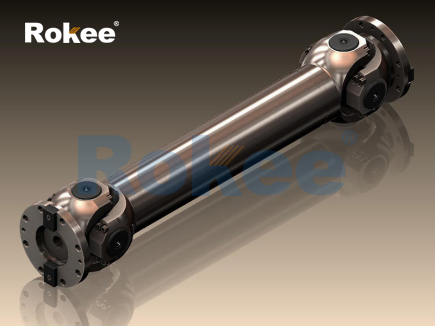
SWC Drive Shafts
Rokee is a well-known SWC Drive Shaft supplier from china, the page show cases of SWC Drive Shafts, provide customized services based on user's drawings, and supporting exports.
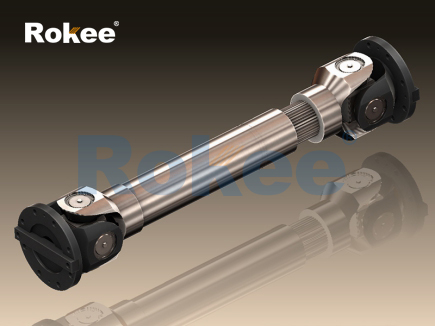
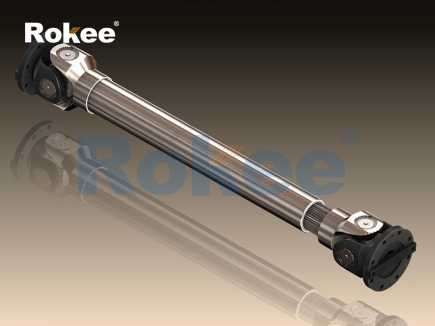
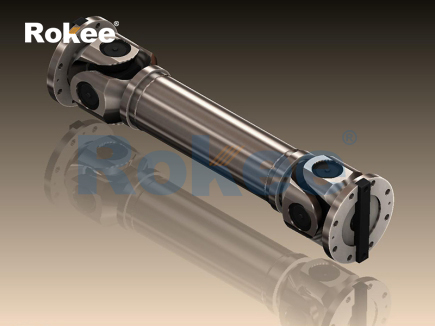
The SWC drive shaft stands as a critical component in mechanical power transmission systems, engineered to transfer torque and rotational motion between two shafts that are not aligned in a straight line, with the ability to accommodate angular, axial, and radial misalignments that occur during equipment operation. Unlike standard straight drive shafts that rely on rigid connections, the SWC drive shaft is a type of universal joint drive shaft, specifically designed for heavy-duty and high-torque applications where flexible power delivery is essential. Its structural design is the foundation of its reliable performance, combining precision-engineered components that work in tandem to withstand extreme operational stresses, reduce energy loss, and maintain consistent power transfer across diverse working conditions. Every element of the SWC drive shaft is crafted to balance strength, flexibility, and durability, making it a staple in industrial and heavy machinery systems that demand unwavering performance under variable loads and misalignment conditions.
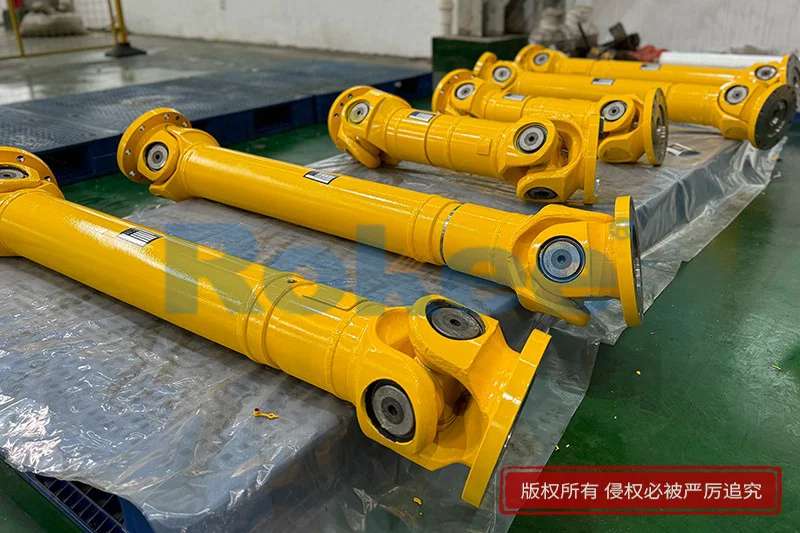
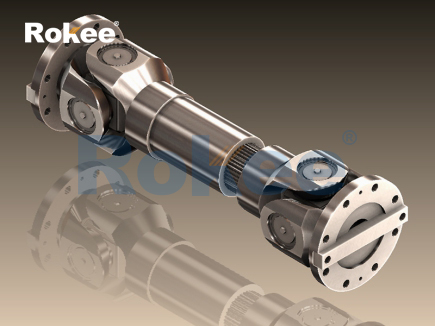
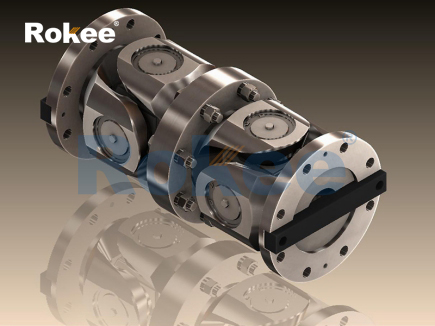
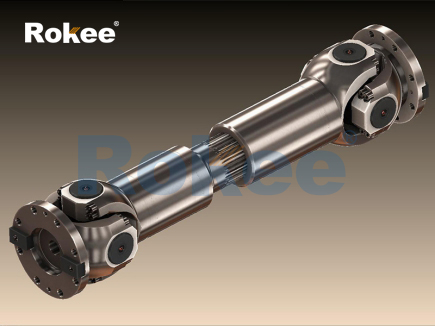
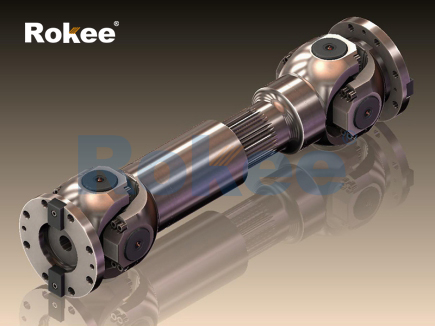
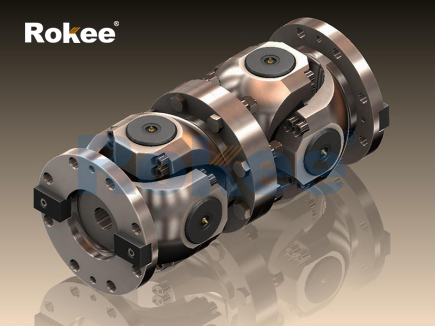
At its core, the SWC drive shaft features a modular structural composition centered around a cross-shaped universal joint assembly, also known as a cardan joint, which serves as the heart of the entire unit. This cross assembly consists of a solid cross shaft with four precision-machined necks, each fitted with a set of high-load bearings that enable smooth rotational movement between connected components. Flanking the cross joint are two yoke assemblies, one attached to the driving shaft and the other to the driven shaft; these yokes are typically forged from high-strength alloy steel to resist bending, cracking, and fatigue under repeated torque loads. The yokes are designed with precision bearing bores that securely house the cross shaft necks and bearings, creating a tight, stable connection that eliminates excessive play while allowing the necessary angular deflection. Beyond the universal joint core, the SWC drive shaft includes a main shaft tube or solid shaft section, which forms the primary torque-transmitting body, and in many variants, a telescopic spline assembly that allows for axial length adjustment. This spline section consists of internal and external splined shafts that slide smoothly relative to one another, maintaining full torque transfer even as the overall length of the drive shaft changes due to thermal expansion, mechanical vibration, or installation tolerances. Additional structural components include sealing caps and protective sleeves that shield the internal bearings and splines from dust, moisture, debris, and lubricant leakage, preserving the integrity of the internal components and extending the service life of the entire assembly. The absence of fragile bolted connections in key load-bearing areas is a defining structural trait, with most critical joints integrated through forging or precision welding to enhance overall rigidity and load-bearing capacity.
The performance characteristics of the SWC drive shaft are directly derived from its robust structural design, making it uniquely suited for heavy-duty power transmission tasks that exceed the capabilities of standard universal drive shafts. One of its most prominent performance attributes is its exceptional high torque-carrying capacity, with the ability to transmit substantial rotational force across a wide range of rotational speeds without deformation or failure. This high torque resistance is achieved through the use of high-grade alloy materials, precision machining of load-bearing surfaces, and a cross joint design that distributes stress evenly across all four bearing necks, preventing localized wear or structural failure. Another key performance feature is its superior misalignment compensation ability; the SWC drive shaft can accommodate significant angular misalignment between the driving and driven shafts, typically ranging from a few degrees up to 25 degrees in standard configurations, depending on the specific variant. It also handles axial displacement seamlessly via the telescopic spline section, absorbing changes in shaft distance without placing additional stress on connected equipment or causing power transmission interruptions. Radial misalignment, though more limited, is also managed effectively, ensuring smooth operation even when shafts are slightly offset due to manufacturing tolerances or equipment settling over time.
In terms of operational efficiency, the SWC drive shaft delivers high mechanical efficiency, minimizing energy loss during power transfer through precision-machined bearing surfaces and optimized lubrication pathways. The rolling contact bearings within the cross joint reduce friction significantly compared to sliding contact components, allowing for smoother rotation and less heat generation, even under continuous heavy loads. Fatigue resistance is another critical performance metric, as the SWC drive shaft is engineered to withstand repeated cyclic loading, sudden shock loads, and frequent start-stop cycles without developing cracks or structural fatigue. This durability is further enhanced by the sealed design that keeps contaminants out and lubricants in, reducing internal wear and maintaining consistent performance over extended operational periods. The drive shaft also exhibits strong torsional stiffness, which ensures that rotational motion is transferred instantaneously without excessive torsional deflection, a vital trait for applications requiring precise speed synchronization between driving and driven components. Additionally, the SWC drive shaft operates with low noise and vibration levels, even at moderate to high speeds, due to balanced component design and smooth joint movement, contributing to a more stable and comfortable operating environment for surrounding machinery and personnel.
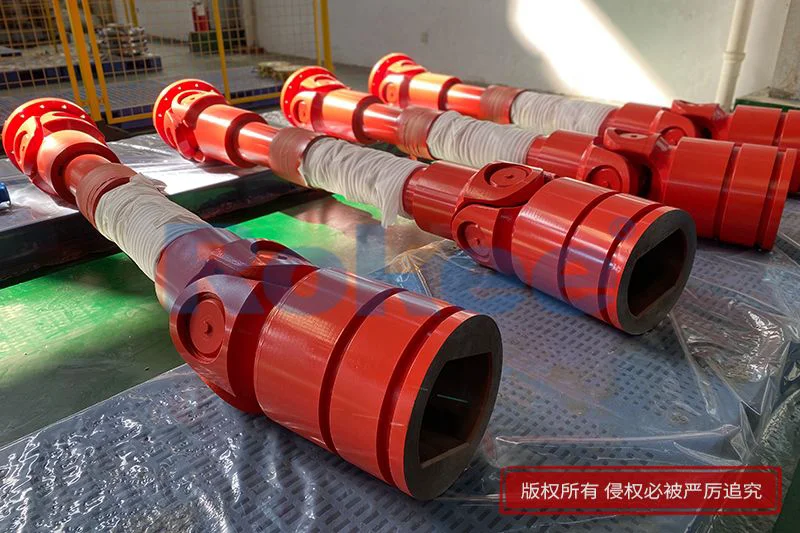
SWC drive shafts are classified into distinct categories based on structural design, functional features, and intended application requirements, with each classification tailored to address specific operational needs, installation constraints, and load conditions. The primary classification divides these drive shafts into two main groups: telescopic (extendable) variants and non-telescopic (fixed-length) variants, each with further subcategories based on connection type and structural length. Telescopic SWC drive shafts are the most widely used across general industrial applications, as they feature the integral spline assembly that allows for axial length adjustment, making them versatile for installations where shaft distance may vary during operation. Within the telescopic group, there are standard telescopic welded models, long telescopic welded models, short telescopic welded models, standard telescopic flanged models, and specialized compact telescopic models. Standard telescopic welded variants offer a balanced combination of axial compensation range and structural rigidity, suitable for most general heavy-duty applications with moderate axial movement. Long telescopic welded models are designed for scenarios requiring extensive axial displacement compensation, such as large-scale industrial machinery with significant thermal expansion, while short telescopic welded models are optimized for compact installation spaces where limited axial adjustment is needed but heavy torque transfer is still required. Telescopic flanged models feature flanged end connections instead of welded joints, allowing for easier installation, removal, and maintenance without the need for specialized welding equipment, making them ideal for equipment that requires regular servicing or component replacement.
Non-telescopic SWC drive shafts, by contrast, eliminate the telescopic spline section, resulting in a fixed overall length and enhanced structural rigidity and torsional stiffness. These models are preferred for applications where shaft alignment is fixed and no axial length adjustment is necessary, prioritizing maximum load-bearing capacity and direct power transfer. Non-telescopic variants include welded models, flanged models, and short compact models, each designed for specific installation spaces and load requirements. Welded non-telescopic models offer maximum structural integrity and load capacity, perfect for permanent installations with zero axial movement and extreme heavy loads. Flanged non-telescopic models combine fixed-length rigidity with easy assembly, suitable for applications where quick installation and reliable performance are equally important. Short non-telescopic models are engineered for extremely confined installation spaces, where standard-length drive shafts cannot fit, but still deliver the high torque performance characteristic of the SWC series. Beyond length and telescopic functionality, SWC drive shafts are also categorized by nominal diameter and torque rating, with a comprehensive range of sizes available to cover light-duty, medium-duty, heavy-duty, and extra-heavy-duty applications. Smaller diameter models are designed for lower torque, lighter load scenarios in precision machinery, while larger diameter models are built to handle the extreme torque and shock loads of heavy industrial equipment, with a gradual size gradient that ensures a suitable option exists for nearly every power transmission requirement.
The versatility of the SWC drive shaft’s structure and performance makes it indispensable across a vast array of industrial sectors, where reliable, high-torque power transmission with misalignment compensation is non-negotiable. One of the primary application areas is heavy industrial machinery, including metallurgical equipment such as rolling mills, straightening machines, and continuous casting systems. In these settings, SWC drive shafts transmit massive torque between motor units and working rollers, accommodating the significant angular and axial misalignment caused by heavy rolling loads and thermal expansion, while withstanding frequent shock loads that occur during metal forming processes. Mining machinery is another key application, where SWC drive shafts power crushers, conveyors, drilling rigs, and ore processing equipment. The harsh mining environment, characterized by dust, vibration, and heavy continuous loads, demands the durability and contamination resistance of the SWC design, which maintains consistent performance even in remote, high-stress mining operations. The construction and engineering machinery sector relies heavily on SWC drive shafts for excavators, loaders, bulldozers, and heavy transport vehicles, where they transfer power from engines to drive systems, absorbing the constant movement and misalignment that occurs during off-road operation and heavy lifting tasks.
Shipbuilding and marine engineering also utilize SWC drive shafts extensively, particularly in ship propulsion systems, auxiliary power units, and deck machinery. Marine applications require drive shafts that can compensate for hull deformation, wave-induced vibration, and minor shaft misalignment, while resisting corrosion and maintaining performance in humid, saltwater environments. The sealed, robust structure of the SWC drive shaft makes it well-suited for these conditions, ensuring reliable power transfer for propulsion and auxiliary systems without frequent maintenance. In the petroleum and natural gas industry, SWC drive shafts are used in drilling equipment, pumping units, and pipeline processing machinery, where they operate reliably in remote field locations and withstand the harsh conditions of oil and gas extraction, including high loads, continuous operation, and exposure to drilling mud and debris. The wind power sector also incorporates SWC drive shafts in wind turbine yaw systems and pitch control mechanisms, where they transmit power to adjust turbine position and blade angle, accommodating the dynamic misalignment and vibration inherent in wind turbine operation. Additional applications include paper manufacturing machinery, rubber processing equipment, lifting and hoisting systems, agricultural heavy machinery, and specialized industrial transportation equipment, each leveraging the unique combination of high torque capacity, misalignment compensation, and durability that the SWC drive shaft provides.
When selecting the appropriate SWC drive shaft for a specific application, several key factors must be considered to ensure optimal performance and longevity, including required torque capacity, rotational speed, misalignment range, installation space constraints, and operational environment. Matching the drive shaft’s torque rating to the maximum expected load of the equipment is critical to prevent overloading and premature failure, while accounting for shock loads and cyclic operation is equally important for heavy-duty applications. The required angular and axial misalignment compensation will determine whether a telescopic or non-telescopic model is needed, as well as the specific length and deflection range of the selected variant. Installation space limitations will dictate the overall length and diameter of the drive shaft, with compact models chosen for confined spaces and full-size models for open, industrial installations. Environmental factors such as temperature extremes, dust, moisture, and chemical exposure also influence selection, with specialized sealing and material treatments available to enhance resistance in harsh conditions. Proper installation and routine maintenance are equally vital to preserving the performance of the SWC drive shaft; ensuring correct alignment, adequate lubrication, and regular inspection of bearings, splines, and sealing components will prevent premature wear, reduce downtime, and extend the service life of the drive shaft. Regular checks for wear, play, and lubricant leakage help identify potential issues before they escalate into major failures, ensuring continuous, reliable operation of the entire power transmission system.
In summary, the SWC drive shaft represents a pinnacle of heavy-duty power transmission engineering, combining a rugged, well-thought-out structure with exceptional performance capabilities that address the most demanding mechanical operation challenges. Its unique universal joint and telescopic design enable it to handle high torque, significant misalignment, and harsh operational conditions that would render standard drive shafts ineffective, while its diverse classifications ensure a perfect fit for nearly every industrial application requiring flexible, reliable power transfer. From heavy metallurgical and mining equipment to marine, construction, and renewable energy systems, the SWC drive shaft plays an irreplaceable role in keeping global industrial operations running smoothly and efficiently. As industrial machinery continues to evolve toward higher loads, greater efficiency, and more compact designs, the SWC drive shaft remains a foundational component, adapting to new operational demands through ongoing refinements in material science, machining precision, and structural engineering. Its enduring relevance stems from its ability to balance strength, flexibility, and durability, making it a trusted and essential solution for modern power transmission needs across every major industrial sector.
With excellent quality, we have been continuously providing many coupling products of various categories and uses complying with multiple standards and a full range of services, from the product selection to final installation and operation, for the industry fields of ferrous metallurgy, nuclear power, gas turbine, wind power, ropeway construction, lifting transportation, general equipment, etc.
pu sandwich panel line,pu sandwich panel machine,sandwich panel machine
« SWC Drive Shafts » Update Date: 2026/5/9