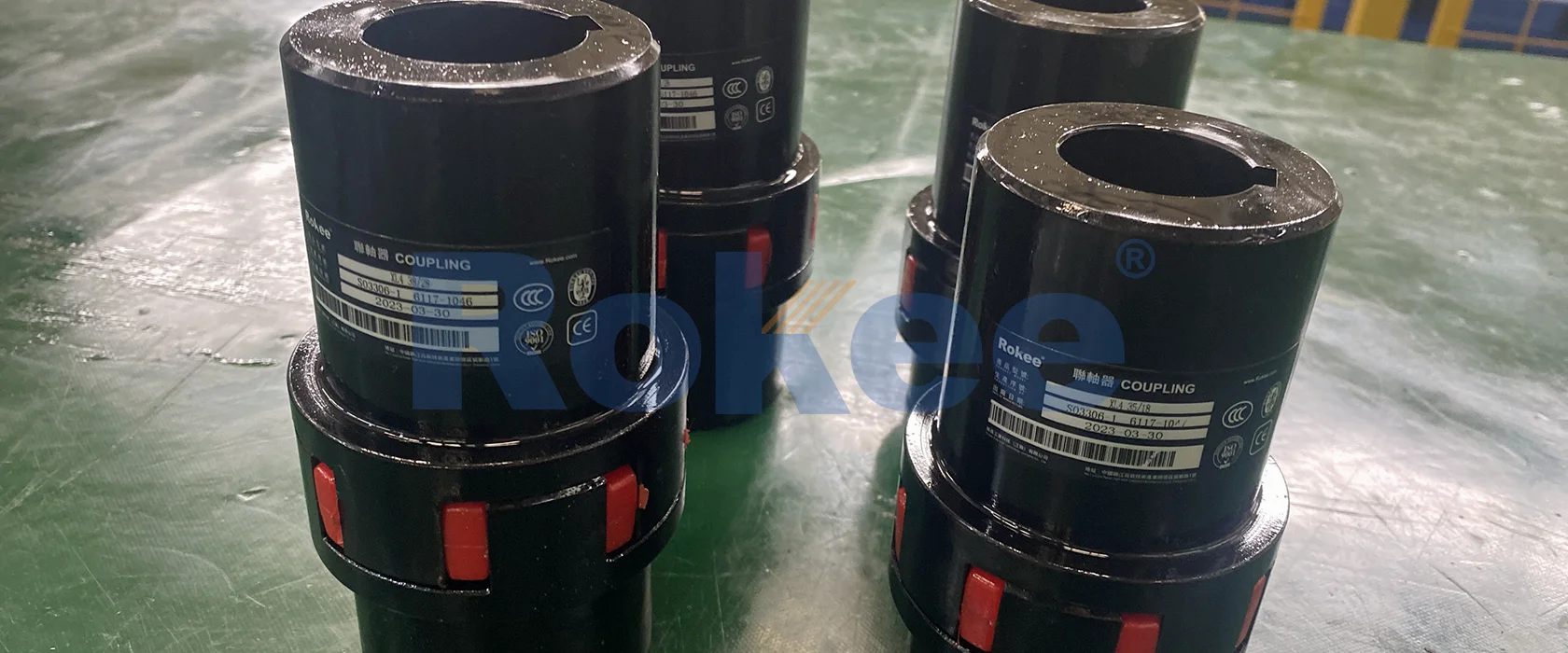
Rokee is a well-known high-quality supplier of Jaw Type Flexible Couplings and technical services in China, customize jaw type flexible couplings according to user drawings, alternatively, if the user provides jaw type flexible couplings parameters, we can select the model and design drawings for you, support wholesale and export.
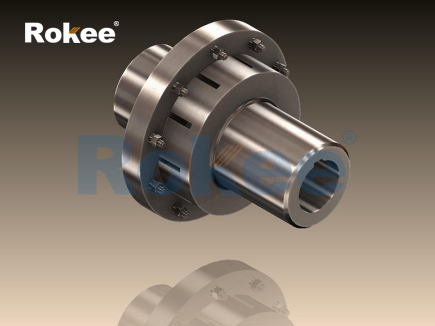
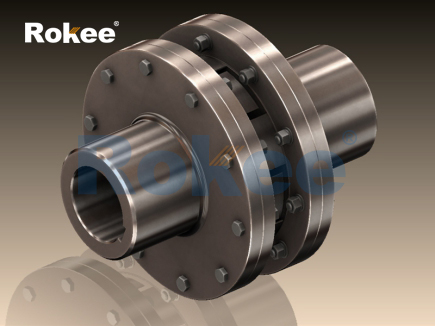

In the realm of mechanical power transmission, the efficient and reliable transfer of torque between driving and driven shafts is paramount to the smooth operation of industrial equipment. Couplings, as essential intermediary components, play a decisive role in bridging this gap, accommodating shaft misalignments, and protecting the entire transmission system from potential damage. Among the various coupling types available, the jaw type flexible coupling has emerged as a widely adopted solution in numerous industrial sectors, thanks to its distinctive combination of structural simplicity, flexibility, cost-effectiveness, and robust performance. Unlike rigid couplings that demand precise shaft alignment or complex diaphragm couplings designed for high-precision applications, the jaw type flexible coupling achieves torque transmission and misalignment compensation through the interaction between toothed metal hubs and a flexible insert. This article provides a comprehensive exploration of the jaw type flexible coupling, delving into its structural composition, working principle, key performance advantages, typical application scenarios, scientific selection criteria, and practical maintenance strategies. The aim is to equip engineering technicians, maintenance personnel, and industry professionals with a systematic and in-depth understanding of this versatile transmission component.
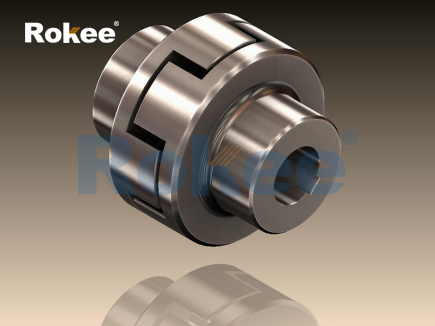
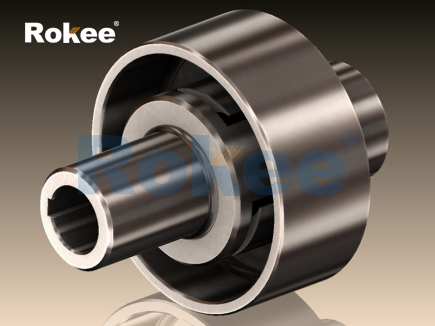
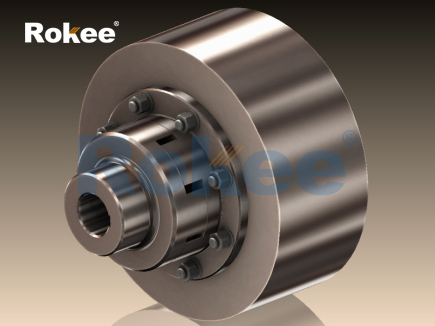
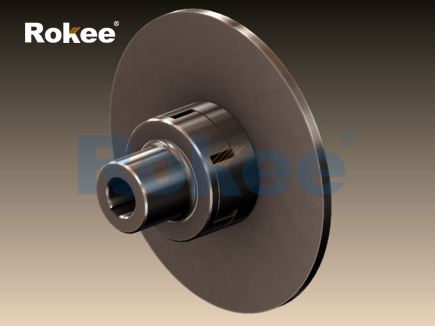
The structural design of the jaw type flexible coupling is characterized by modularity and simplicity, consisting of three core components: two jaw-shaped metal hubs, a flexible insert (also known as a spider or elastomeric element), and fastening accessories such as set screws, clamp collars, or bolts. The jaw hubs are the primary load-bearing parts, typically fabricated from high-strength materials including carbon steel, alloy steel, or stainless steel. The choice of material is determined by the application's requirements, such as torque capacity, environmental conditions, and corrosion resistance. Each hub is precision-machined with a series of evenly distributed, protruding jaws along its circumference—usually 3 to 6 jaws, with the number varying according to the coupling's size and torque rating. The jaws are designed with a specific contour to perfectly match the flexible insert, ensuring a tight and secure interlock that prevents slippage during torque transmission.
The inner bore of the jaw hubs is processed with high precision to fit the driving and driven shafts snugly. Common connection methods between the hubs and shafts include keyway fits, interference fits, and clamp-style connections. Keyway fits are widely used for high-torque applications, as they provide a secure mechanical connection that resists relative rotation. Clamp-style hubs, on the other hand, are favored for their ease of installation and removal, as they do not require shaft modification and can be adjusted to achieve optimal alignment. The flexible insert, which is the functional core of the jaw type flexible coupling, is positioned between the two jaw hubs. Molded into a shape that complements the hub jaws (often cross-shaped or star-shaped), the insert acts as the interface for torque transfer while providing the necessary flexibility for misalignment compensation. The material of the insert is critical to the coupling's performance, with common options including nitrile rubber (NBR), polyurethane (PU), ethylene propylene diene monomer (EPDM), and silicone. Each material offers unique properties tailored to specific operating conditions: NBR excels in oil resistance, making it suitable for industrial machinery exposed to lubricants; PU provides superior wear resistance and high torque-bearing capacity, ideal for heavy-duty applications; EPDM offers excellent resistance to high temperatures and chemicals, suitable for harsh environmental conditions; and silicone is designed to withstand extreme temperature ranges, from cryogenic environments to high-temperature industrial processes.
The working principle of the jaw type flexible coupling revolves around the synergistic interaction between the rigid jaw hubs and the flexible insert. When the driving shaft rotates, it imparts rotational force to the driving jaw hub. The jaws of the driving hub engage with the corresponding recesses in the flexible insert, transferring torque through mechanical contact and frictional forces. The insert then transmits this torque to the driven jaw hub, which in turn drives the driven shaft. A key feature of this working principle is the elastic deformation of the flexible insert, which enables the coupling to compensate for three primary types of shaft misalignment: axial displacement, radial displacement, and angular displacement. Axial displacement—caused by thermal expansion and contraction of shafts during operation or installation errors—is absorbed by the compression or stretching of the insert. Radial displacement—the offset of the shaft centers in the radial direction, often resulting from shaft deflection under load or equipment base deformation—is accommodated by the lateral bending of the insert. Angular displacement—the tilt between the axes of the two shafts, typically due to improper installation or equipment inclination—is compensated for by the asymmetric deformation of the insert, allowing the hubs to rotate at an angle relative to each other without compromising torque transmission.
Additionally, the flexible insert serves as a vibration damper and shock absorber. During the operation of mechanical equipment such as motors, pumps, or compressors, high-frequency vibrations are often generated. The elastic properties of the insert allow it to absorb these vibrations, reducing their transmission between the driving and driven shafts. This not only minimizes operational noise but also reduces wear and tear on bearings, seals, and other critical components in the transmission system. The shock absorption capability is particularly valuable during startup, shutdown, or sudden load changes, as the insert buffers the impact forces, protecting the shafts and equipment from potential damage.
The jaw type flexible coupling offers a multitude of performance advantages that make it a preferred choice for a wide range of industrial applications. Firstly, it features a simple structure and ease of installation. The modular design allows for quick assembly and disassembly, requiring no complex tools or specialized technical skills. In most cases, the flexible insert can be replaced without removing the hubs from the shafts, significantly reducing maintenance downtime and labor costs. Secondly, it provides effective misalignment compensation. While not designed for extreme misalignments (typically limited to 0.1-0.5 mm radial displacement, 1-3 mm axial displacement, and 1-5 degrees angular displacement, depending on the model), the coupling can accommodate the minor misalignments commonly encountered in practical installation and operation. This reduces the requirement for ultra-precise shaft alignment, simplifying the installation process and lowering overall project costs.
Thirdly, it delivers excellent vibration damping and shock absorption performance. The flexible insert effectively isolates vibrations and absorbs shock loads, improving the stability and reliability of the entire transmission system. This is particularly beneficial for precision machinery, where vibration can compromise operational accuracy, and for equipment with frequent startup and shutdown cycles. Fourthly, it offers a cost-effective solution for torque transmission. Compared to high-precision couplings such as diaphragm or disc couplings, jaw type flexible couplings are more affordable to manufacture and purchase. Their low maintenance requirements and long service life further enhance their cost-effectiveness, making them ideal for small and medium-sized enterprises as well as large-scale industrial operations.
Fifthly, the jaw type flexible coupling exhibits high versatility and adaptability. With a wide range of sizes, torque ratings, and insert materials available, it can be customized to meet the requirements of diverse applications. Whether for low-torque precision equipment (such as laboratory instruments) or high-torque industrial machinery (such as crushers or conveyors), there is a jaw type flexible coupling configuration to suit the needs. Additionally, the option to use stainless steel hubs enhances corrosion resistance, expanding its application scope to harsh environments such as marine, chemical, or food processing industries. Finally, it operates without the need for lubrication. Unlike gear couplings or universal joints, which require regular lubrication to reduce friction and wear, the flexible insert of the jaw type coupling acts as a self-lubricating element. This eliminates the risk of lubricant leakage, which can contaminate the working environment, and reduces maintenance costs associated with lubricant replacement and disposal.
Due to its unique combination of performance and cost-effectiveness, the jaw type flexible coupling is widely used across a diverse range of industries and applications. One of the most common application areas is the industrial pump and fan industry. Pumps and fans are essential components in water supply, drainage, ventilation, and air conditioning systems. The jaw type flexible coupling connects the motor to the pump or fan shaft, leveraging its vibration damping capability to reduce operational noise and extend the service life of bearings. Its misalignment compensation capability accommodates the minor misalignments that may occur due to installation or shaft deflection under load. The no-lubrication feature is particularly advantageous in clean environments such as water treatment plants or food processing facilities, where lubricant leakage could contaminate the product or process medium.
Another major application field is the manufacturing and processing industry. In CNC machine tools, machining centers, and automated production lines, the jaw type flexible coupling is used to connect servo motors to ball screws or linear guides. Its compact structure and precise torque transmission ensure the accuracy of motion control, while its vibration damping capability protects the precision components of the machine (such as bearings and lead screws) from premature wear. Additionally, the coupling is widely used in conveyors, mixers, and crushers—equipment that experiences frequent shock loads and minor misalignments. The flexible insert absorbs these shocks, reducing wear on the equipment and improving operational stability.
The automotive and transportation industry also relies heavily on jaw type flexible couplings for various auxiliary systems. For example, they are used in the connection of water pumps, alternators, and air conditioning compressors to the engine. The compact size and vibration damping capability of the coupling make it suitable for the limited installation space in automotive engines, while its cost-effectiveness aligns with the mass production requirements of the industry. In the marine industry, stainless steel jaw type flexible couplings are used in auxiliary equipment such as bilge pumps, cooling systems, and winches, where their corrosion resistance to saltwater ensures reliable long-term operation.
Other notable applications include the medical equipment industry (in diagnostic machines, laboratory equipment, and surgical tools, where precision and low vibration are critical), the renewable energy sector (in small wind turbines and solar tracking systems), and the chemical industry (in mixers, reactors, and conveyors exposed to corrosive chemicals). In each of these applications, the jaw type flexible coupling's ability to balance performance, reliability, and cost-effectiveness makes it an indispensable component of the transmission system.
Selecting the appropriate jaw type flexible coupling is critical to ensuring the reliable operation of the transmission system, optimizing performance, and minimizing maintenance costs. When making a selection, several key factors must be considered. Firstly, torque requirements. The rated torque of the coupling must be greater than or equal to the maximum operating torque of the system, including startup torque and shock loads. A safety margin of 1.2-2.0 is typically recommended, with higher margins (1.5-2.0) for applications with frequent shock loads or variable speed operation (such as crushers, conveyors, or reciprocating pumps). Accurately calculating the maximum torque is essential to avoid overloading the coupling, which can lead to premature failure of the flexible insert.
Secondly, shaft misalignment. The coupling's maximum allowable misalignment (axial, radial, angular) must exceed the actual misalignment present in the system. Actual misalignment can be caused by installation errors, thermal expansion and contraction of shafts, or shaft deflection under load. It is important to measure or estimate the expected misalignment during the design phase. Exceeding the allowable misalignment will result in increased stress on the flexible insert, reducing its service life and potentially causing excessive vibration, noise, or even coupling failure.
Thirdly, operating environment. Environmental conditions such as temperature, humidity, corrosion, and exposure to chemicals or oils directly influence the selection of the coupling material and flexible insert. For high-temperature environments (above 100°C), silicone or EPDM inserts are preferred, as they offer better high-temperature resistance than NBR or PU. For corrosive environments such as chemical plants, marine applications, or wastewater treatment facilities, stainless steel hubs should be selected to prevent rust and degradation. For applications exposed to oils or lubricants (such as industrial gearboxes), NBR inserts are the optimal choice due to their excellent oil resistance. In food and beverage or medical applications, food-grade or medical-grade inserts (such as FDA-approved silicone or PU) should be used to ensure compliance with hygiene and safety standards.
Fourthly, shaft size and connection type. The coupling's inner bore must match the diameter of the driving and driven shafts. It is important to verify the shaft diameter, tolerance, and keyway dimensions (if applicable) to ensure a proper fit. The connection type (keyway, clamp, interference fit) should be selected based on the application requirements. Clamp-style connections are ideal for applications where easy installation and removal are needed, while keyway fits provide a more secure connection for high-torque applications. Interference fits are often used for precision machinery where minimal backlash is required.
Fifthly, operating speed. The maximum allowable rotational speed of the coupling must be greater than the operating speed of the shafts. Exceeding the maximum speed can generate excessive centrifugal forces, leading to premature wear of the flexible insert or damage to the jaw hubs. It is important to calculate the rotational speed based on the motor speed and gear ratio (if applicable) to ensure compatibility with the coupling's specifications.
Finally, maintenance and replacement considerations. For applications where downtime is costly (such as continuous production lines), replaceable flexible inserts are recommended, as they can be changed quickly without disassembling the entire coupling or disconnecting the shafts. Additionally, the availability of spare parts should be considered to ensure timely maintenance and replacement, minimizing operational disruptions.
Proper maintenance of the jaw type flexible coupling is essential to extend its service life, ensure reliable operation, and minimize downtime. The maintenance process primarily includes regular inspection, cleaning, and timely replacement of worn components. Firstly, regular inspection. It is recommended to inspect the coupling periodically—monthly for heavy-duty applications and quarterly for general applications. Key inspection points include the condition of the flexible insert (cracks, hardening, softening, excessive wear, or discoloration), the integrity of the jaw hubs (corrosion, deformation, or wear on the jaws), and the tightness of fastening elements (set screws, clamp bolts). If any defects are detected, the affected components should be replaced immediately to avoid sudden failure and potential damage to other equipment in the transmission system.
Secondly, cleaning. Regular cleaning of the coupling is important, especially in dusty, corrosive, or food-grade environments. The jaw hubs can be cleaned using a mild detergent or solvent compatible with the hub material to remove dirt, grease, or chemical residues. The flexible insert should be cleaned with a soft brush and mild soap to avoid damaging the elastomeric material. After cleaning, the coupling should be dried thoroughly to prevent moisture buildup, which can lead to corrosion of the metal hubs.
Thirdly, lubrication. Most jaw type flexible couplings do not require lubrication, as the flexible insert acts as a self-lubricating element. However, in applications where the insert is exposed to high temperatures, harsh chemicals, or dry operating conditions, a small amount of compatible lubricant (such as silicone grease) can be applied to the insert to reduce friction and extend its service life. It is critical to avoid using lubricants that are incompatible with the insert material, as this can cause swelling, hardening, or degradation of the insert.
Fourthly, avoiding overload and improper operation. The coupling should be operated within its rated torque and speed limits. Overload operation can cause excessive deformation of the flexible insert, leading to premature failure. Additionally, proper shaft alignment should be maintained to avoid excessive stress on the coupling components. If misalignment is detected during inspection, the equipment should be adjusted to correct the alignment, reducing the strain on the insert and hubs.
Fifthly, storage and handling. If the coupling is not installed immediately after purchase, it should be stored in a dry, clean, and well-ventilated environment to prevent corrosion and damage to the flexible insert. The insert should be stored away from direct sunlight, high temperatures, ozone sources, and sharp objects, as these can degrade the elastomeric material. When handling the coupling, care should be taken to avoid scratching or damaging the metal hubs, as this can compromise their corrosion resistance and structural integrity.
As industrial technology continues to advance, the performance requirements for transmission components such as jaw type flexible couplings are becoming increasingly stringent. Looking to the future, several development trends are likely to shape the evolution of jaw type flexible couplings. Firstly, the development of high-performance materials. Advances in elastomeric material technology—such as the development of nanocomposite rubbers, thermoplastic elastomers, or reinforced polymers—will enhance the wear resistance, fatigue life, and environmental adaptability of flexible inserts. Similarly, innovations in metal materials, such as high-strength lightweight alloys or corrosion-resistant superalloys, will reduce the weight of the jaw hubs while maintaining their load-bearing capacity.
Secondly, structural optimization and lightweight design. With the help of advanced simulation tools such as finite element analysis (FEA) and computational fluid dynamics (CFD), manufacturers will be able to optimize the design of the jaw hubs and flexible inserts. This will result in couplings that are lighter, more compact, and more efficient, making them suitable for applications with limited installation space, such as electric vehicles, precision robotics, and aerospace auxiliary systems. Additive manufacturing (3D printing) technology will also enable the production of customized coupling designs, tailored to specific application requirements (such as irregular shaft sizes or unique installation constraints).
Thirdly, the integration of intelligent monitoring capabilities. The incorporation of sensors (such as strain gauges, temperature sensors, or vibration sensors) into jaw type flexible couplings will enable real-time monitoring of their operating state. This data can be transmitted to a central control system, allowing for predictive maintenance—identifying potential issues such as insert wear, misalignment, or overload before they lead to failure. This will significantly reduce downtime, improve operational efficiency, and lower maintenance costs.
Fourthly, the development of specialized designs for extreme applications. As industries such as aerospace, deep-sea exploration, and nuclear energy expand, there will be a growing demand for jaw type flexible couplings that can operate in extreme conditions—such as ultra-high temperatures, ultra-low temperatures, high pressure, or high radiation. Manufacturers will respond by developing specialized designs and material combinations to meet these challenging requirements, further expanding the application range of jaw type flexible couplings.
In conclusion, the jaw type flexible coupling is a versatile and reliable mechanical transmission component that combines structural simplicity, cost-effectiveness, and excellent performance. Its key advantages—including effective misalignment compensation, vibration damping, easy installation and maintenance, and no lubrication requirements—make it suitable for a wide range of applications across industries such as manufacturing, automotive, marine, medical, chemical, and renewable energy. The correct selection of the coupling, based on factors such as torque requirements, operating environment, and shaft size, is critical to ensuring optimal performance. Proper maintenance practices, including regular inspection, cleaning, and timely component replacement, will extend the service life of the coupling and minimize downtime.
Looking ahead, the continued development of high-performance materials, structural optimization, intelligent monitoring, and specialized designs will further enhance the capabilities of jaw type flexible couplings, expanding their application range and improving their reliability in even the most challenging operating conditions. For engineering professionals, a thorough understanding of the jaw type flexible coupling's characteristics, selection criteria, and maintenance requirements is essential for leveraging this component effectively in practical applications, ultimately improving the performance, efficiency, and reliability of mechanical systems.
« Jaw Type Flexible Couplings » Post Date: 2024/4/25 , https://www.rokeecoupling.net/tags/jaw-type-flexible-couplings.html