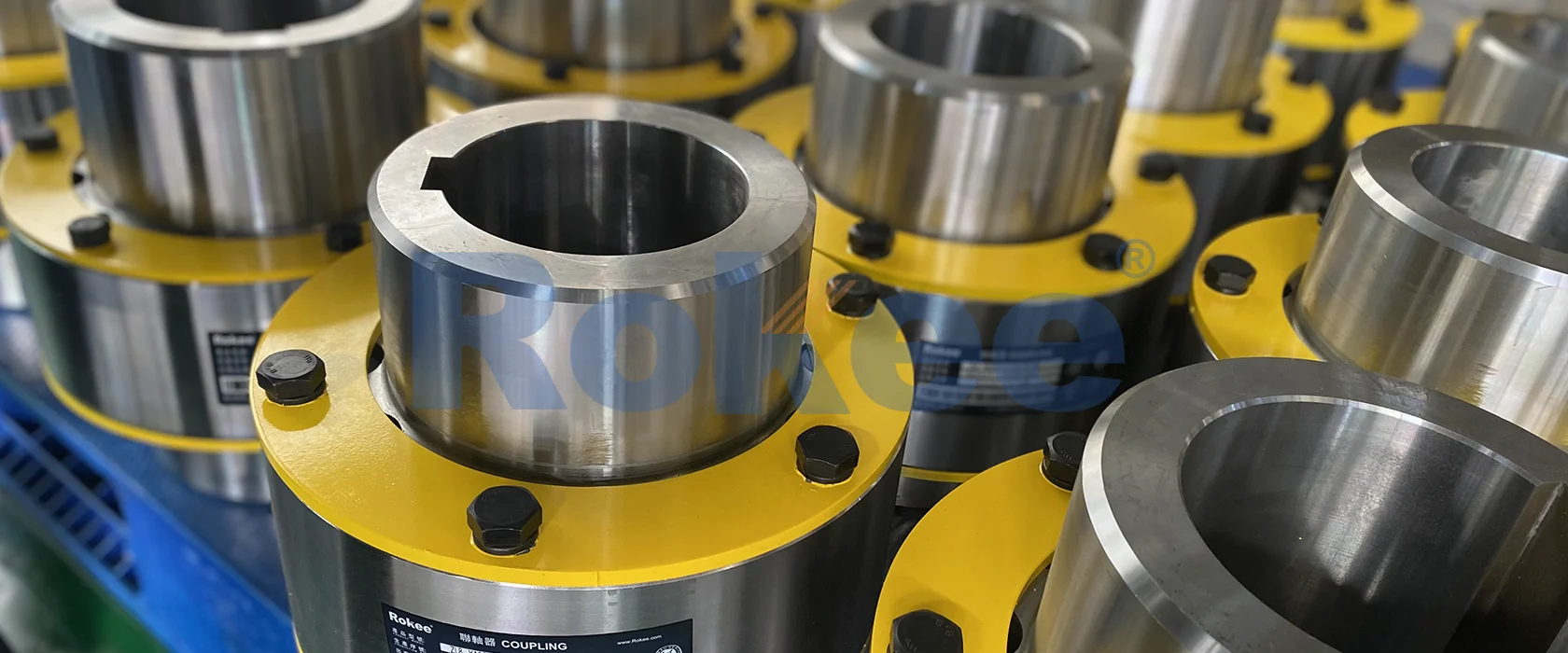
Rokee is a well-known high-quality supplier of Pin Bush Type Couplings and technical services in China, customize pin bush type couplings according to user drawings, alternatively, if the user provides pin bush type couplings parameters, we can select the model and design drawings for you, support wholesale and export.
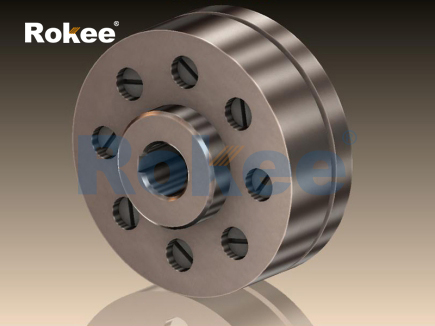
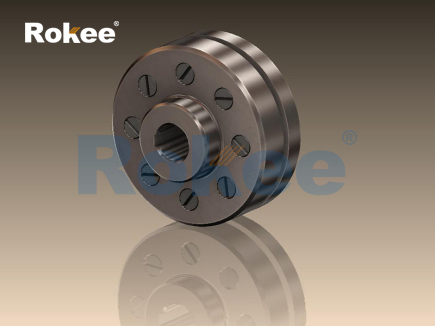

In the realm of mechanical power transmission, couplings play an indispensable role as connectors that bridge rotating shafts, ensuring the smooth transfer of torque from a driver (such as an electric motor or internal combustion engine) to a driven machine (like a pump, compressor, or conveyor). Among the diverse array of coupling types available, the pin bush type coupling stands out for its simplicity, cost-effectiveness, and versatility. This type of coupling has been widely adopted across various industrial sectors due to its ability to accommodate minor misalignments between shafts, dampen vibrations, and withstand moderate levels of torque. This article delves into the fundamental design characteristics, working principles, key advantages, typical applications, and essential maintenance practices of pin bush type couplings, providing a comprehensive understanding of their role in mechanical systems.
The pin bush type coupling, also known as a pin and bushing coupling, features a relatively straightforward yet robust design that contributes to its reliability and ease of installation. At its core, the coupling consists of three main components: two flanges, a set of pins, and corresponding bushings. Each flange is designed to be mounted on the end of the respective shafts (driver and driven) using keys, set screws, or taper locks—mechanisms that ensure a secure fit and prevent relative rotation between the flange and the shaft. The flanges are typically circular in shape, with evenly spaced holes around their circumference to accommodate the pins and bushings.
The pins are cylindrical fasteners that are permanently attached to one of the flanges, extending outward from its face. These pins are usually made of high-strength steel to withstand the torque and shear forces encountered during operation. The bushings, which are often made of non-metallic materials such as rubber, nylon, or polyurethane, or sometimes metallic materials like brass or bronze, are inserted into the holes of the opposing flange. The primary function of the bushings is to act as a buffer between the pins and the flange holes, reducing friction and absorbing shocks and vibrations. When the coupling is assembled, the pins fit snugly into the bushings, creating a flexible connection between the two flanges. This flexible connection is crucial for accommodating the inevitable minor misalignments that occur between shafts due to installation errors, thermal expansion, or wear of supporting bearings.
Variations in design can be found in pin bush type couplings to suit specific application requirements. For instance, some couplings feature split flanges, which allow for easy installation and removal without the need to disassemble the entire shaft assembly—a feature that saves significant time during maintenance or replacement. Others may incorporate additional components such as cover plates to protect the pins and bushings from dust, dirt, and other contaminants, thereby extending their service life. The size and number of pins vary depending on the torque capacity required; larger couplings or those intended for high-torque applications will have more pins or larger-diameter pins to distribute the load evenly.
The working principle of a pin bush type coupling revolves around the transfer of torque through the interaction between the pins and bushings, while simultaneously providing flexibility to compensate for shaft misalignments. When the driver shaft rotates, it imparts rotational motion to the flange attached to it. The pins on this flange then exert a force on the bushings inserted in the driven flange. Since the bushings are in contact with the pins, this force is transmitted to the driven flange, causing it to rotate and thus driving the driven shaft. The flexibility of the bushings allows for three types of misalignments: angular misalignment (where the shafts are not colinear but intersect at a point), parallel misalignment (where the shafts are parallel but offset from each other), and axial misalignment (where the shafts move along their axial direction). This ability to accommodate misalignments is a key advantage over rigid couplings, which require precise alignment and can transmit harmful vibrations and stresses to the shafts and bearings if misaligned.
Another important aspect of the working principle is vibration damping. The non-metallic bushings, in particular, act as shock absorbers, absorbing the vibrations generated by the driver or driven machine. This damping effect not only reduces noise levels in the system but also minimizes wear and tear on the coupling components and other parts of the mechanical system, such as bearings and gears. Additionally, the bushings help to mitigate the impact of torque fluctuations, ensuring a more stable and smooth power transmission.
The pin bush type coupling offers a multitude of advantages that make it a preferred choice in many industrial applications. One of the most significant advantages is its simplicity and ease of installation. Unlike complex couplings that require specialized tools or expertise for assembly, pin bush type couplings can be installed quickly with basic tools, reducing downtime during setup or maintenance. This simplicity also translates to lower manufacturing costs, making the coupling an economical option for both small-scale and large-scale industrial operations.
Flexibility and misalignment compensation are other key benefits. As mentioned earlier, the coupling can accommodate minor angular, parallel, and axial misalignments, which are common in real-world operating conditions. This eliminates the need for extremely precise shaft alignment, which can be time-consuming and costly. By reducing the stresses caused by misalignment, the coupling extends the service life of the shafts, bearings, and other connected components, thereby lowering maintenance costs and improving overall system reliability.
Vibration damping and noise reduction are additional advantages, especially when non-metallic bushings are used. The bushings absorb vibrations and shocks, resulting in a quieter and more stable operation. This is particularly beneficial in applications where noise levels need to be kept low, such as in food processing plants, pharmaceutical facilities, or residential areas where industrial equipment is located. The damping effect also helps to protect sensitive equipment from damage caused by excessive vibrations.
The pin bush type coupling is also known for its robustness and durability. The flanges and pins are typically made of high-strength materials that can withstand moderate to high torque levels, as well as harsh operating conditions such as high temperatures, humidity, and exposure to dust and debris (especially when cover plates are used). The bushings, although replaceable, are designed to have a long service life, and their replacement is a simple and cost-effective process.
Furthermore, the coupling is highly versatile, with a wide range of sizes and configurations available to suit different shaft diameters, torque requirements, and application environments. This versatility allows it to be used in a diverse array of industries and applications, from small household appliances to large industrial machinery.
Due to its aforementioned advantages, the pin bush type coupling finds application in a wide variety of industrial and commercial sectors. One of the most common applications is in the pumping industry, where it is used to connect electric motors to centrifugal pumps, reciprocating pumps, and other types of pumps. In this application, the coupling's ability to accommodate misalignments and dampen vibrations is crucial, as pumps are often subject to minor shaft misalignments due to thermal expansion and the weight of the pump assembly. The vibration damping also helps to prevent cavitation and other issues that can affect pump performance.
The coupling is also widely used in the compressor industry, where it connects motors to air compressors, refrigeration compressors, and gas compressors. Compressors generate significant vibrations during operation, and the pin bush type coupling's damping capabilities help to reduce these vibrations, protecting the compressor components and ensuring smooth operation. Additionally, the coupling's ability to handle moderate torque levels makes it suitable for both small portable compressors and large industrial compressors.
In the manufacturing sector, pin bush type couplings are used in various types of machinery, such as conveyors, mixers, agitators, and extruders. Conveyors, which are used to transport materials in factories and warehouses, often require couplings that can accommodate misalignments caused by the length of the conveyor belt and the weight of the materials being transported. The pin bush type coupling is ideal for this application due to its flexibility and robustness. Mixers and agitators, which are used in the food, chemical, and pharmaceutical industries, generate torque fluctuations and vibrations, and the coupling's damping effect helps to stabilize the operation and prevent damage to the mixer components.
The agricultural industry also makes use of pin bush type couplings in equipment such as tractors, harvesters, and irrigation pumps. Tractors often need to connect to various implements, and the coupling's ease of installation and flexibility make it a suitable choice. Irrigation pumps, which are essential for agricultural operations, rely on the coupling to transfer power from motors to the pump shafts, ensuring efficient water transfer.
Other applications include small household appliances such as washing machines and dryers, where the coupling connects the motor to the drum; HVAC systems, where it connects motors to fans and blowers; and power generation systems, where it is used in small generators to connect the engine to the alternator.
To ensure the optimal performance and longevity of a pin bush type coupling, regular maintenance is essential. Proper maintenance not only extends the service life of the coupling but also prevents unexpected failures that can lead to costly downtime and damage to other components in the mechanical system. The following are key maintenance practices for pin bush type couplings:
Regular inspection is the first and most important maintenance step. Inspections should be conducted periodically to check for signs of wear, damage, or misalignment. During inspection, the coupling should be checked for loose fasteners (such as set screws or bolts), worn pins or bushings, cracks in the flanges, and signs of lubrication loss (if metallic bushings are used). Visual inspection can often reveal obvious issues, such as worn bushings that may appear cracked or deformed, or loose pins that may rattle when the shaft is rotated manually.
Lubrication is another critical maintenance practice, especially for couplings with metallic bushings. Proper lubrication reduces friction between the pins and bushings, preventing excessive wear and heat generation. The type of lubricant used should be appropriate for the operating conditions, such as temperature, load, and environment. Lubrication should be done at regular intervals, as specified by the coupling manufacturer, and any old or contaminated lubricant should be drained before applying new lubricant. It is important to note that non-metallic bushings (such as rubber or nylon) do not require lubrication, as lubricants can degrade the material and reduce their service life.
Replacement of worn components is essential to maintain the coupling's performance. The bushings are the most commonly worn components, as they bear the brunt of the friction and shock during operation. Worn bushings should be replaced promptly to prevent damage to the pins and flanges. When replacing bushings, it is important to use components that are compatible with the coupling's design and specifications. The pins should also be inspected for wear or damage, and replaced if necessary. Loose or damaged fasteners should be tightened or replaced to ensure a secure fit between the flanges and the shafts.
Proper shaft alignment should be checked periodically, even though the coupling can accommodate minor misalignments. Excessive misalignment can put additional stress on the coupling components, leading to premature wear and failure. If misalignment is detected beyond the coupling's capacity, steps should be taken to realign the shafts, such as adjusting the position of the motor or driven machine. Shaft alignment can be done using simple tools such as a straightedge and feeler gauge, or more precise tools such as a laser alignment tool for critical applications.
Protection from contaminants is also important for extending the service life of the coupling. If the coupling is used in a dusty, dirty, or wet environment, a cover plate or shield should be installed to prevent contaminants from entering the coupling and causing wear or corrosion. The cover should be checked regularly to ensure it is intact and properly sealed.
In conclusion, the pin bush type coupling is a vital component in mechanical power transmission systems, offering a unique combination of simplicity, flexibility, cost-effectiveness, and reliability. Its straightforward design, which includes flanges, pins, and bushings, enables it to transfer torque efficiently while accommodating minor shaft misalignments and damping vibrations. These characteristics make it suitable for a wide range of applications across industries such as pumping, compression, manufacturing, agriculture, and household appliances.
Proper maintenance, including regular inspection, lubrication (when applicable), replacement of worn components, shaft alignment checks, and protection from contaminants, is essential to ensure the coupling's optimal performance and longevity. By understanding the design, working principle, advantages, applications, and maintenance requirements of pin bush type couplings, engineers and maintenance professionals can make informed decisions about their selection and use, contributing to the efficiency, reliability, and cost-effectiveness of mechanical systems.
As industrial technology continues to evolve, the pin bush type coupling is likely to remain a popular choice due to its inherent advantages and adaptability. While newer coupling technologies may emerge, the simplicity and cost-effectiveness of the pin bush type coupling ensure that it will continue to play a significant role in power transmission for years to come.
« Pin Bush Type Couplings » Post Date: 2024/4/25 , https://www.rokeecoupling.net/tags/pin-bush-type-couplings.html