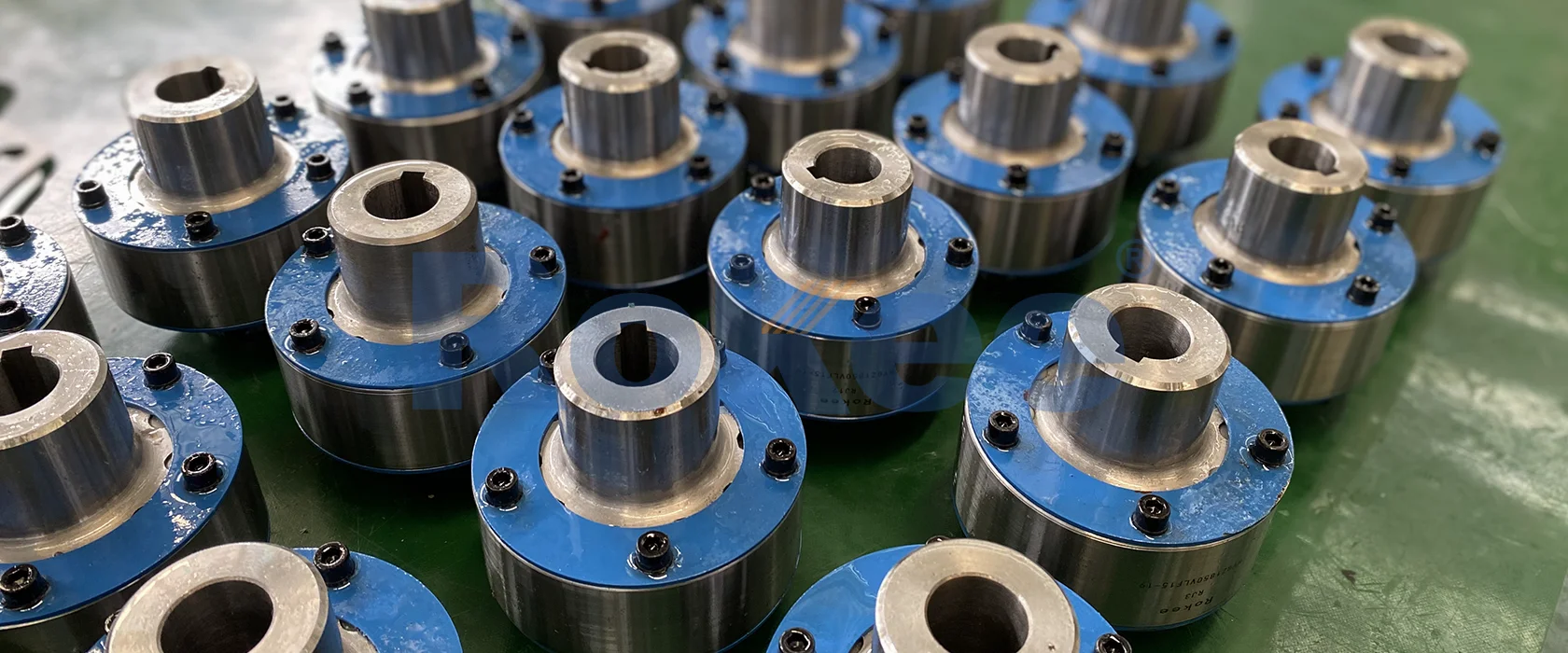
Rokee is a well-known high-quality supplier of Pin Bush Type Flexible Couplings and technical services in China, customize pin bush type flexible couplings according to user drawings, alternatively, if the user provides pin bush type flexible couplings parameters, we can select the model and design drawings for you, support wholesale and export.
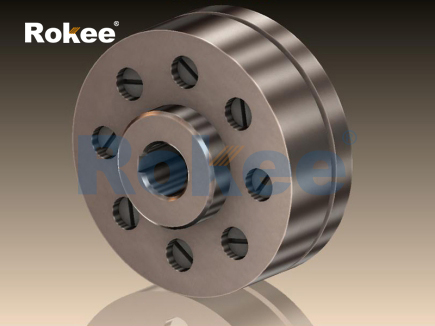
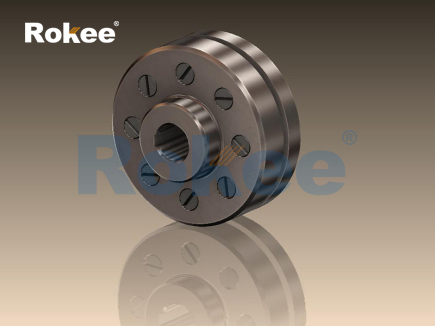

In the realm of mechanical power transmission, couplings serve as the critical link between rotating shafts, ensuring the seamless transfer of torque while accommodating various misalignments and mitigating operational stresses. Among the diverse range of couplings available, the pin bush type flexible coupling stands out for its simplicity, reliability, and versatility. This article delves into the intricate details of pin bush type flexible couplings, exploring their design characteristics, working principles, key advantages, applications across industries, factors influencing selection, and maintenance practices. By understanding the nuances of this coupling type, engineers and maintenance professionals can make informed decisions to optimize power transmission systems and enhance overall operational efficiency.
A pin bush type flexible coupling is a mechanical device designed to connect two coaxial shafts in power transmission systems, facilitating torque transfer while allowing for a certain degree of axial, radial, and angular misalignment. Unlike rigid couplings that demand precise alignment and offer no flexibility, this type of coupling incorporates elastic elements to absorb shocks, vibrations, and misalignments, thereby protecting the connected machinery from excessive wear and damage.
The core components of a pin bush type flexible coupling are relatively straightforward, contributing to its ease of manufacturing and maintenance. The primary components include:
- Two Shaft Hubs: These are cylindrical components designed to fit onto the ends of the two shafts that need to be connected. Typically made from high-strength materials such as cast iron, steel, or aluminum alloy, the hubs are secured to the shafts using keys, set screws, or taper locks. The design of the hub ensures a tight fit to prevent slippage during torque transmission.
- Pins: Usually made of hardened steel, pins are attached to one of the hubs (often referred to as the driving hub) in a circumferential arrangement. The number of pins varies depending on the coupling size and torque capacity, with larger couplings incorporating more pins to distribute the load evenly.
- Bushes: Also known as sleeves or rubber elements, bushes are the flexible components that fit over the pins. Manufactured from elastic materials such as natural rubber, synthetic rubber (e.g., neoprene, nitrile), or polyurethane, bushes act as the interface between the pins and the other hub (the driven hub). The material properties of the bushes are crucial for the coupling’s flexibility and shock absorption capabilities.
- Cover Plates or Guard Rings: Optional but commonly used, these components enclose the pins and bushes to protect them from dust, debris, and external contaminants. They also enhance safety by preventing accidental contact with rotating parts.
The operational mechanism of a pin bush type flexible coupling is based on the interaction between the rigid pins and the elastic bushes, which enables torque transmission while accommodating misalignments. The working process can be broken down into the following key steps:
When the driving shaft rotates, it imparts motion to the driving hub, which is rigidly connected to it. The pins attached to the driving hub rotate along with the hub, and since the bushes are fitted over these pins, the rotational force is transferred from the pins to the bushes. The bushes, in turn, transmit this torque to the driven hub, which is connected to the driven shaft. As a result, the driven shaft rotates in synchronization with the driving shaft, facilitating power transmission.
The flexibility of the coupling is achieved through the deformation of the bushes. When the shafts are misaligned (axially, radially, or angularly), the bushes undergo elastic deformation to compensate for the misalignment. For example, radial misalignment (where the shafts are offset parallel to each other) causes the bushes to bend slightly as the pins rotate, while angular misalignment (where the shafts are not collinear) leads to torsional deformation of the bushes. Axial misalignment (where the shafts move towards or away from each other) is accommodated by the compression or elongation of the bushes. This elastic deformation not only allows for misalignment but also absorbs shocks and vibrations generated during operation, reducing the impact on the connected machinery.
It is important to note that the amount of misalignment that can be accommodated is limited by the material properties and dimensions of the bushes. Exceeding the allowable misalignment can lead to excessive stress on the bushes, resulting in premature failure.
Pin bush type flexible couplings offer a range of advantages that make them a preferred choice in many industrial applications. These advantages include:
3.1 High Flexibility and Misalignment Compensation
One of the most significant advantages of this coupling type is its ability to accommodate axial, radial, and angular misalignments. This flexibility eliminates the need for precise shaft alignment during installation, reducing installation time and costs. It also compensates for any misalignments that may occur during operation due to thermal expansion, shaft deflection, or foundation settlement, thereby protecting the shafts, bearings, and other components from excessive wear and tear.
3.2 Shock and Vibration Absorption
The elastic bushes act as shock absorbers, absorbing the impact loads and vibrations generated during the operation of machinery. This is particularly beneficial in applications where the driving or driven equipment (such as motors, pumps, or compressors) generates high levels of vibration. By dampening these vibrations, the coupling reduces noise levels and prevents the transmission of vibrations to other parts of the system, enhancing the overall stability and lifespan of the machinery.
3.3 Simple Design and Easy Maintenance
The pin bush type flexible coupling has a simple and robust design, consisting of a small number of components. This simplicity makes it easy to manufacture, assemble, and disassemble. Maintenance requirements are minimal, primarily involving the periodic inspection and replacement of the bushes, which are the wear components. Unlike more complex coupling types, no specialized tools or skills are required for maintenance, reducing downtime and maintenance costs.
3.4 High Torque Transmission Capacity
Despite their flexibility, pin bush type flexible couplings are capable of transmitting high levels of torque. The use of hardened steel pins and high-strength hubs ensures that the coupling can withstand the stresses associated with torque transmission, making it suitable for a wide range of industrial applications, from small-scale machinery to large industrial equipment.
3.5 Cost-Effectiveness
Compared to other types of flexible couplings (such as gear couplings or disc couplings), pin bush type flexible couplings are relatively inexpensive. Their simple design reduces manufacturing costs, and their low maintenance requirements further contribute to their cost-effectiveness over the long term. This makes them an ideal choice for applications where budget constraints are a consideration, without compromising on performance and reliability.
The versatility, reliability, and cost-effectiveness of pin bush type flexible couplings make them suitable for a wide range of applications across various industries. Some of the key application areas include:
4.1 Manufacturing and Processing Industries
In manufacturing plants, pin bush type flexible couplings are widely used in conveyor systems, where they connect the motor to the conveyor belt drive. They are also used in machine tools (such as lathes, milling machines, and drilling machines) to transmit power from the motor to the spindle. The coupling’s ability to absorb vibrations and accommodate misalignments ensures smooth operation of these machines, enhancing product quality and reducing downtime.
4.2 Pump and Compressor Systems
Pumps and compressors are essential equipment in various industries, including oil and gas, water treatment, and chemical processing. Pin bush type flexible couplings are commonly used to connect the motor to the pump or compressor shaft. The coupling’s shock absorption capabilities help to protect the pump and compressor from the vibrations generated by the motor, while its misalignment compensation ensures efficient power transmission even when the shafts are slightly misaligned due to thermal expansion or installation errors.
4.3 Agricultural Machinery
Agricultural machinery such as tractors, harvesters, and irrigation pumps often operate in harsh and uneven terrain, leading to frequent misalignments and shock loads. Pin bush type flexible couplings are ideal for these applications due to their ability to withstand rough operating conditions. They are used to connect the engine to various components such as the transmission, hydraulic pump, and PTO (Power Take-Off) shafts.
4.4 Automotive and Transportation
In the automotive industry, pin bush type flexible couplings are used in certain applications such as connecting the engine to the transmission in some commercial vehicles and off-road vehicles. They are also used in auxiliary systems such as air compressors and power steering pumps. The coupling’s flexibility and shock absorption capabilities help to improve the smoothness of operation and reduce noise levels in these vehicles.
4.5 Power Generation
In small to medium-sized power generation systems (such as diesel generators and small hydroelectric plants), pin bush type flexible couplings are used to connect the prime mover (engine or turbine) to the generator. The coupling ensures efficient torque transmission while accommodating any misalignments between the prime mover and the generator, protecting the generator from damage and ensuring stable power output.
Selecting the right pin bush type flexible coupling for a specific application requires careful consideration of several factors to ensure optimal performance and reliability. The key factors to consider include:
5.1 Torque Requirement
The primary factor in coupling selection is the torque that needs to be transmitted. The coupling must have a torque capacity that is equal to or greater than the maximum torque generated by the driving shaft. It is important to consider both the nominal torque (steady-state torque) and the peak torque (transient torque) that may occur during startup or overload conditions. Selecting a coupling with insufficient torque capacity can lead to premature failure.
5.2 Shaft Misalignment
The amount and type of shaft misalignment (axial, radial, angular) must be taken into account when selecting the coupling. Different bush materials and designs have different misalignment capabilities. For example, polyurethane bushes offer higher angular misalignment capacity compared to rubber bushes. It is essential to select a coupling that can accommodate the maximum expected misalignment in the application to avoid excessive stress on the bushes and other components.
5.3 Operating Speed
The rotational speed of the shafts (measured in revolutions per minute, RPM) is another important factor. At high speeds, the centrifugal forces acting on the pins and bushes can increase, leading to higher stress levels. Couplings designed for high-speed applications typically have lighter components and balanced designs to minimize centrifugal forces. It is important to select a coupling that is rated for the operating speed of the system to ensure stability and prevent premature wear.
5.4 Environmental Conditions
The operating environment can have a significant impact on the performance and lifespan of the coupling. Factors such as temperature, humidity, exposure to chemicals, dust, and debris must be considered. For example, in high-temperature applications, it is important to select bush materials that can withstand elevated temperatures (such as silicone rubber), while in chemical environments, chemical-resistant materials (such as nitrile rubber) should be used. In dusty or dirty environments, the use of cover plates is recommended to protect the pins and bushes.
5.5 Shaft Size and Diameter
The coupling must be compatible with the diameter of the shafts that need to be connected. Hubs are available in a range of sizes to fit different shaft diameters. It is important to ensure that the hub bore size matches the shaft diameter to achieve a tight fit and prevent slippage. Some couplings offer adjustable hubs or taper locks to accommodate a range of shaft sizes, providing greater flexibility in selection.
5.6 Bush Material
The material of the bushes plays a crucial role in the coupling’s performance. Different materials have different properties such as flexibility, shock absorption, temperature resistance, and chemical resistance. The most common bush materials include:
- Natural Rubber: Offers good flexibility and shock absorption but has limited temperature and chemical resistance. Suitable for general-purpose applications at moderate temperatures.
- Neoprene Rubber: Provides better temperature and chemical resistance compared to natural rubber. Suitable for applications exposed to oils and mild chemicals.
- Nitrile Rubber: Excellent resistance to oils, fuels, and chemicals. Suitable for industrial applications where exposure to petroleum products is common.
- Polyurethane: Offers high wear resistance, good load-carrying capacity, and excellent resistance to abrasion. Suitable for high-torque applications and environments with high levels of dust and debris.
Proper maintenance is essential to ensure the long-term performance and reliability of pin bush type flexible couplings. The following maintenance practices are recommended:
6.1 Periodic Inspection
Regular visual inspections should be conducted to check for signs of wear, damage, or misalignment. The key areas to inspect include:
- Bushes: Check for cracks, tears, hardening, or excessive wear. If the bushes are worn beyond the allowable limit, they should be replaced immediately.
- Pins: Inspect for signs of bending, corrosion, or wear. Hardened steel pins are resistant to wear, but excessive misalignment or overload can cause damage.
- Hubs: Check for loose connections (set screws, keys) and signs of corrosion or damage. Loose hubs can lead to slippage and torque loss.
- Cover Plates: Ensure that cover plates are intact and properly secured to prevent the entry of dust and debris.
6.2 Lubrication
While the bushes themselves do not require lubrication (as they are made of self-lubricating materials in many cases), the pins and the hub connections (such as keyways and set screws) may require periodic lubrication to prevent corrosion and ensure smooth operation. It is important to use the appropriate lubricant for the application and follow the manufacturer’s recommendations for lubrication intervals.
6.3 Bush Replacement
Bushes are the wear components of the coupling and will eventually need to be replaced. The replacement process is simple and involves the following steps:
1. Disconnect the power supply to the system to ensure safety.
2. Remove the cover plates (if present).
3. Remove the pins from the driving hub (this may involve removing cotter pins or retaining rings).
4. Extract the worn bushes from the driven hub.
5. Install new bushes into the driven hub, ensuring a tight fit.
6. Reinstall the pins into the driving hub and secure them with cotter pins or retaining rings.
7. Reattach the cover plates and check the alignment of the shafts.
6.4 Alignment Check
Periodic checks of shaft alignment are recommended, especially after maintenance or when signs of misalignment (such as excessive vibration or noise) are observed. Shaft alignment can be checked using simple tools such as a straightedge and feeler gauge or more precise tools such as a laser alignment tool. Any misalignment beyond the allowable limit should be corrected immediately to prevent excessive stress on the coupling and connected machinery.
Pin bush type flexible couplings are a vital component in mechanical power transmission systems, offering a unique combination of flexibility, reliability, and cost-effectiveness. Their simple design, ease of maintenance, and ability to accommodate misalignments and absorb shocks make them suitable for a wide range of applications across industries such as manufacturing, agriculture, automotive, and power generation. By understanding the design, working principle, and key characteristics of these couplings, and by following proper selection and maintenance practices, engineers and maintenance professionals can ensure optimal performance and longevity of their power transmission systems.
As industrial machinery continues to evolve, with increasing demands for efficiency, reliability, and reduced downtime, the pin bush type flexible coupling is likely to remain a preferred choice for many applications. Ongoing advancements in bush materials and manufacturing processes will further enhance the performance and capabilities of these couplings, making them even more versatile and adaptable to the changing needs of modern industry.
« Pin Bush Type Flexible Couplings » Post Date: 2024/4/25 , https://www.rokeecoupling.net/tags/pin-bush-type-flexible-couplings.html