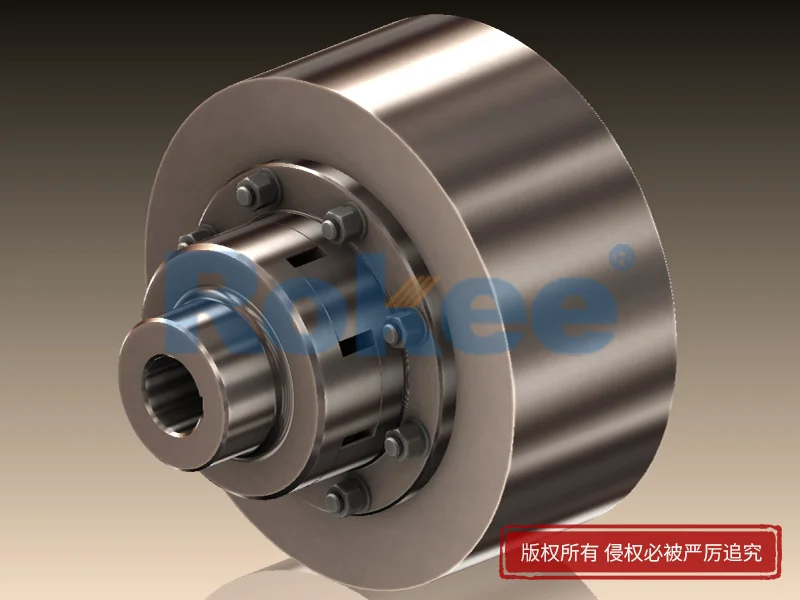
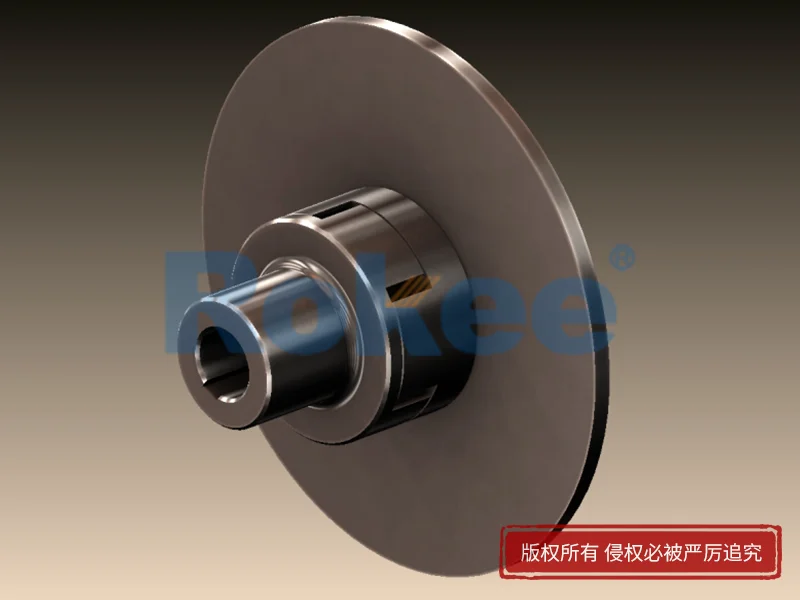
Stainless steel jaw couplings stand as a fundamental and highly reliable component in modern mechanical power transmission systems, serving as a critical connecting element between rotating shafts in diverse industrial machinery and automated equipment. As a type of flexible elastomer coupling, they integrate rigid metal structural stability with flexible elastic buffering performance, effectively solving common operational problems in shaft connection systems such as minor shaft misalignment, mechanical vibration, and instantaneous impact loads. Unlike ordinary cast iron or aluminum alloy jaw couplings, the adoption of high-quality stainless steel as the main hub material endows this series of couplings with unique adaptability to harsh working environments, making them indispensable in precision manufacturing, chemical processing, food production, marine equipment, and other fields that demand strict material stability and corrosion resistance. The overall structure of stainless steel jaw couplings follows a classic and mature design logic, consisting of two symmetrical metal jaw hubs and a central elastomer spider insert, with no complex auxiliary structures or redundant parts, which lays a solid foundation for their long-term stable operation and convenient daily application.

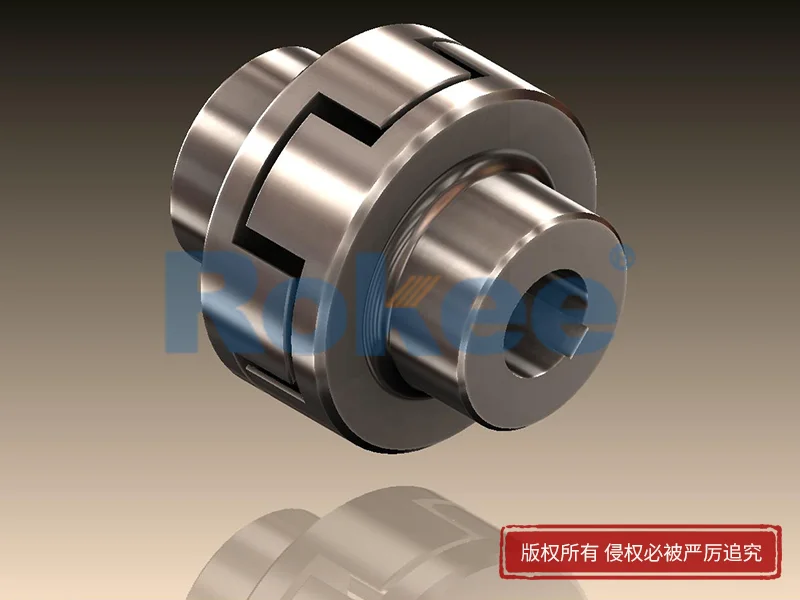
The core structural composition of stainless steel jaw couplings is simple and scientific, ensuring both efficient torque transmission and flexible mechanical protection. The two stainless steel hubs feature evenly distributed convex jaw structures arranged in a staggered and meshing manner, and the elastic spider element is precisely embedded in the gaps between the interlocking jaws of the two hubs. This structural design enables the driving shaft to drive the active hub to rotate, and the jaw structure of the active hub squeezes the elastic insert to generate uniform elastic deformation, thereby transmitting rotational torque and power to the driven hub and the connected driven shaft. The elastomer insert is the key flexible component of the coupling, and its material diversity allows the coupling to adapt to different working conditions. Common elastomer materials include nitrile rubber, polyurethane, and high-performance thermoplastic materials, each offering distinct characteristics in vibration damping, wear resistance, temperature resistance, and load bearing capacity. The stainless steel hubs are processed through precision machining, with smooth and uniform jaw surfaces and accurate shaft hole dimensions, which ensures concentricity during assembly and operation, avoids additional mechanical friction caused by assembly deviations, and maintains the stability of power transmission.
The most prominent advantage of stainless steel jaw couplings lies in the excellent comprehensive performance brought by stainless steel materials, which distinguishes them from ordinary carbon steel and alloy couplings in complex working scenarios. Stainless steel materials possess outstanding corrosion and rust resistance, effectively resisting erosion from moisture, humid air, weak acid and weak alkali media, salt spray, and other corrosive substances that are common in industrial production environments. In long-term working conditions with high humidity or frequent contact with chemical vapors, ordinary metal couplings are prone to oxidation, rust, and surface corrosion, which will cause dimensional changes of structural parts, increased operation friction, reduced torque transmission efficiency, and even structural damage and equipment failure. In contrast, stainless steel hubs can maintain stable surface state and structural integrity for a long time, avoiding performance degradation caused by material corrosion and greatly extending the overall service life of the coupling. In addition, stainless steel has excellent mechanical strength and dimensional stability, with strong resistance to thermal deformation and mechanical fatigue. It can maintain precise structural dimensions and stable mechanical performance under continuous high-speed operation, repeated start-stop impacts, and certain temperature fluctuations, avoiding loose shaft connection, transmission jitter, and power loss caused by structural deformation.
In terms of operational performance, stainless steel jaw couplings integrate multiple practical functional advantages, making them highly adaptable to complex mechanical operation requirements. First of all, they have excellent misalignment compensation capability, which can effectively accommodate angular misalignment, radial parallel misalignment, and axial displacement between two connected shafts. In actual mechanical operation, it is difficult to achieve absolute precise alignment of double shafts due to machining errors, assembly deviations, equipment aging deformation, and thermal expansion and contraction during operation. Slight misalignment will cause additional alternating stress and friction on the shaft system, accelerating the wear of bearings, shafts, and other components. The elastic deformation of the intermediate elastomer insert of stainless steel jaw couplings can well offset these minor misalignments, eliminate additional mechanical stress, and protect the entire transmission system from abnormal wear and fatigue damage.
Secondly, this type of coupling has superior vibration damping and shock absorption performance. The elastomer insert can effectively absorb and attenuate high-frequency mechanical vibration generated during equipment operation, as well as instantaneous impact load generated by equipment start-stop, sudden load change, and variable speed operation. In high-speed rotating equipment and frequently starting and stopping automated machinery, mechanical vibration and impact will not only affect the operating accuracy of the equipment but also generate excessive noise and accelerate the aging of mechanical components. The flexible buffering effect of the elastic insert can smooth the transmission process, reduce system noise and vibration harshness, maintain stable equipment operation, and improve the overall operational precision and comfort of the mechanical system. At the same time, the coupling has a reliable fail-safe design. Even if the elastomer insert is worn or damaged after long-term use, the meshing structure of the stainless steel jaws can still maintain basic torque transmission, preventing sudden disconnection of the power system and providing sufficient buffer time for equipment maintenance and fault handling, which greatly improves the safety and stability of continuous industrial production.
The structural characteristics of stainless steel jaw couplings also bring remarkable advantages in installation, use, and daily maintenance. The overall structure is compact and lightweight, with a small axial and radial occupied space, which is suitable for installation in limited mechanical spaces and can effectively optimize the structural layout of mechanical equipment. The assembly process is simple and intuitive, requiring no complex professional tools or complicated assembly procedures. The two hubs can be quickly fixed on the driving and driven shafts respectively, and the elastic insert can be easily embedded and positioned, realizing rapid assembly and disassembly. In terms of daily maintenance, the coupling requires no lubrication during operation, eliminating the need for regular oil injection, oil change, and other maintenance work, which not only reduces daily maintenance workload and operating costs but also avoids equipment pollution and environmental impact caused by lubricating oil leakage. The wear parts are mainly the intermediate elastic inserts, which are low in replacement cost and convenient in replacement operation. Users only need to regularly check the wear state of the elastomer insert in daily use and replace it in time when aging, cracking, or excessive wear occurs, which can restore the optimal working performance of the coupling.
Thanks to the combination of stainless steel material advantages and flexible transmission performance, stainless steel jaw couplings are widely applied in numerous industrial fields with high operational requirements. In food processing and pharmaceutical production equipment, the corrosion resistance and non-pollution characteristics of stainless steel make them fully adapt to clean production environments, avoiding metal rust and impurity pollution to production materials, and meeting the hygienic and safe production standards of the industry. In chemical industry equipment, they can stably operate in humid and slightly corrosive working environments, resisting the erosion of chemical gas and liquid splash, and ensuring the long-term stable operation of chemical transmission machinery. In marine and offshore engineering equipment, they adapt to high-salt and high-humidity marine environments, effectively resisting salt spray corrosion and avoiding equipment failure caused by material rust.
In addition, stainless steel jaw couplings are also widely used in precision automation equipment, servo motor systems, CNC machining equipment, and packaging machinery. These devices require high transmission accuracy and stable operation state, and the low inertia, high stability, and vibration damping performance of stainless steel jaw couplings can ensure precise power transmission and accurate motion control, avoiding transmission errors and operation jitter caused by vibration and misalignment. In pumping equipment, fan machinery, and general industrial transmission systems, the couplings can buffer the vibration and impact generated by long-term continuous operation, reduce equipment loss, and extend the service life of the entire mechanical system. Their strong environmental adaptability and stable comprehensive performance make them applicable to both conventional indoor working conditions and harsh outdoor, high-humidity, and corrosive working scenarios.
In terms of performance regulation and application customization, stainless steel jaw couplings have strong versatility and adjustability. By selecting elastomer inserts of different hardnesses and materials, the overall performance of the coupling can be adjusted in a targeted manner to meet different load and vibration damping requirements. Harder elastic inserts can provide higher torque transmission capacity and are suitable for high-load and high-torque working conditions, while softer inserts have better vibration damping and buffering effects, which are more suitable for high-speed operation and equipment with strict vibration control requirements. Meanwhile, the structural specifications of the coupling can be adapted according to different shaft diameters and installation space requirements, realizing flexible matching of various mechanical equipment. The stainless steel hub undergoes fine surface treatment, which not only improves the overall texture and wear resistance but also enhances the anti-oxidation and anti-corrosion ability of the surface, further optimizing the long-term operation reliability of the product.
Compared with other types of flexible couplings, stainless steel jaw couplings have a unique balance of performance and practicability. Diaphragm couplings have high precision but complex structures and high maintenance requirements, while rubber sleeve couplings have good flexibility but poor structural stability and low corrosion resistance. Stainless steel jaw couplings, however, combine simple structure, high stability, convenient maintenance, corrosion resistance, and excellent vibration damping performance, achieving a perfect balance between transmission accuracy, environmental adaptability, and use cost. They do not require frequent maintenance and replacement like ordinary flexible couplings, nor do they have high installation and use thresholds like high-precision professional couplings, making them cost-effective and reliable general-purpose transmission components in industrial mechanical systems.
In actual industrial operation, the service life and working effect of stainless steel jaw couplings are closely related to reasonable model selection, standardized installation, and regular inspection. Selecting a coupling with appropriate specifications according to the actual operating torque, speed, misalignment range, and working environment of the equipment can avoid performance overload or functional waste. Standardized installation ensures the coaxiality of the two shafts and the accurate assembly of the elastic insert, reducing unnecessary wear and stress concentration. Regular visual inspection of the insert’s wear degree and the fastening state of the hub can effectively prevent equipment faults caused by component aging and looseness. With reasonable use and maintenance, stainless steel jaw couplings can maintain stable working performance for a long time, provide continuous and reliable power transmission guarantee for mechanical equipment, and create stable operational benefits for industrial production.
With the continuous upgrading of modern industrial manufacturing technology and the increasingly stringent requirements for equipment stability and environmental adaptability, stainless steel jaw couplings have shown broader application prospects. Their unique material advantages, flexible transmission performance, and low maintenance characteristics make them increasingly popular in emerging fields such as intelligent manufacturing, new energy equipment, and environmental protection machinery. As a mature and optimized power transmission component, stainless steel jaw couplings will continue to rely on their excellent comprehensive performance to solve various shaft connection problems for industrial equipment, provide stable and efficient transmission support for mechanical operation, and play an indispensable basic role in the stable operation and performance optimization of modern industrial mechanical systems.
pu sandwich panel line,pu sandwich panel machine,sandwich panel machine
« Stainless Steel Jaw Couplings » Latest Update Date: Jun 18, 2026
https://www.rokeecoupling.net/tags/stainless-steel-jaw-couplings.html